
Bayeux
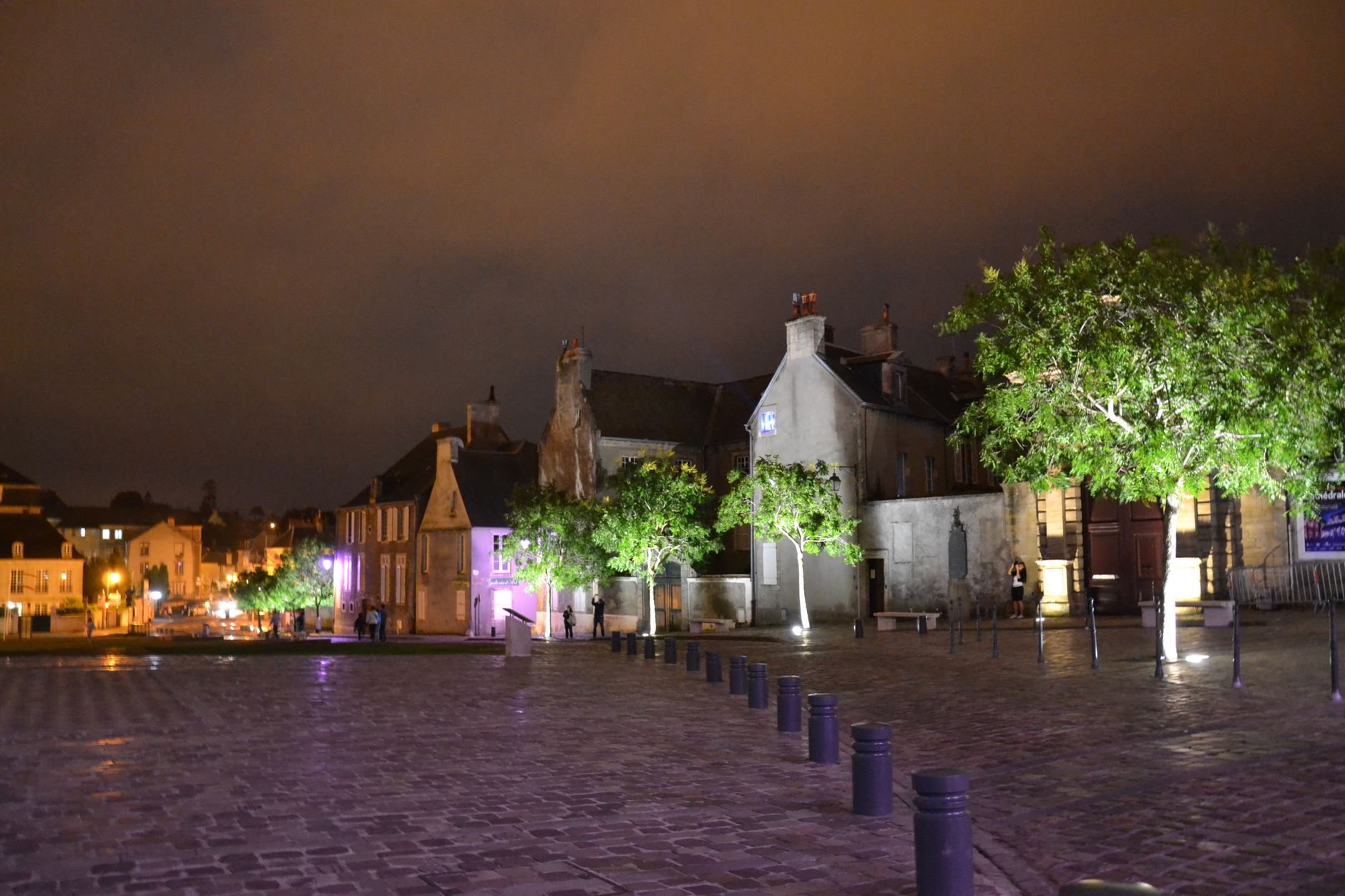
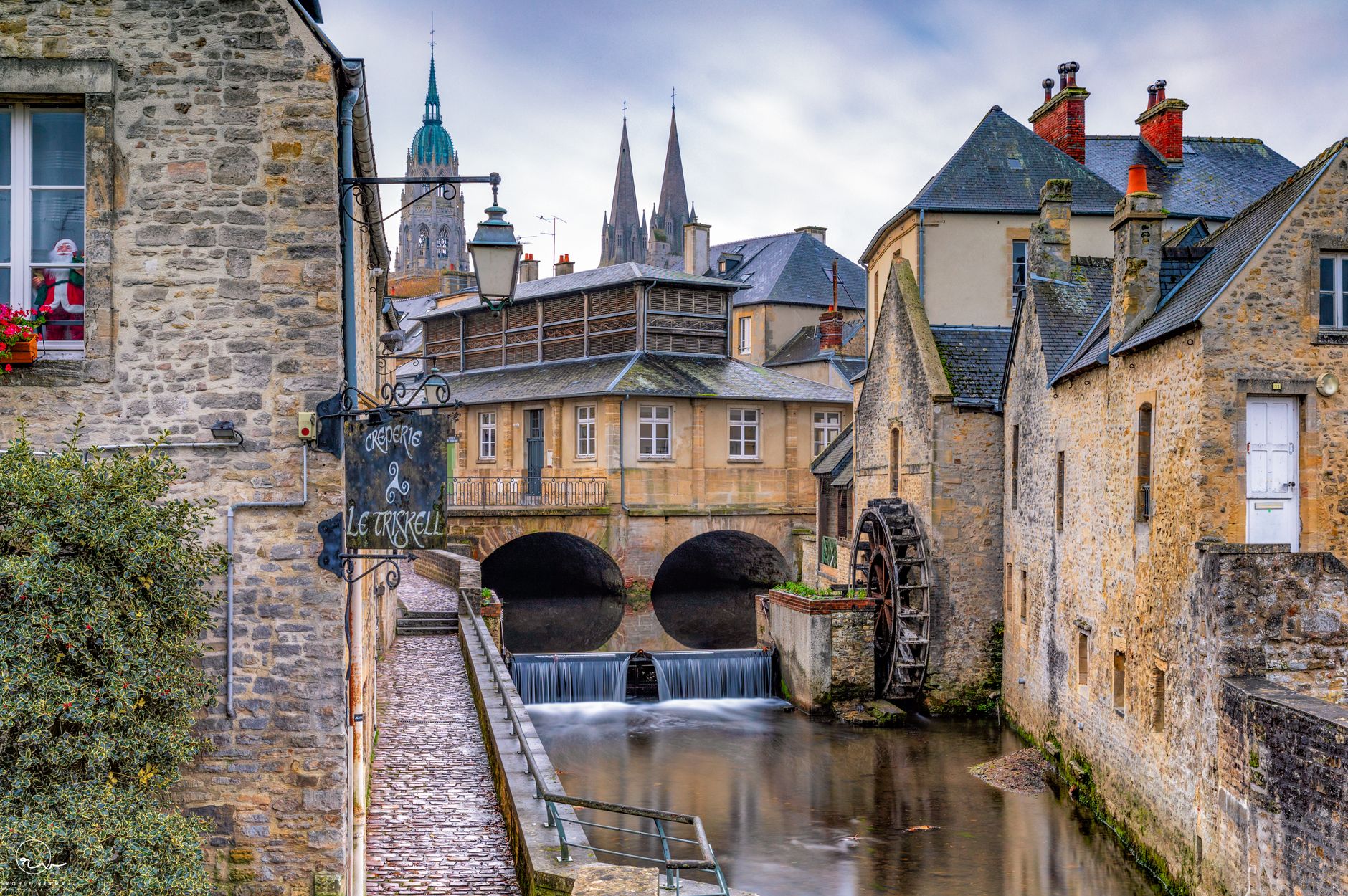
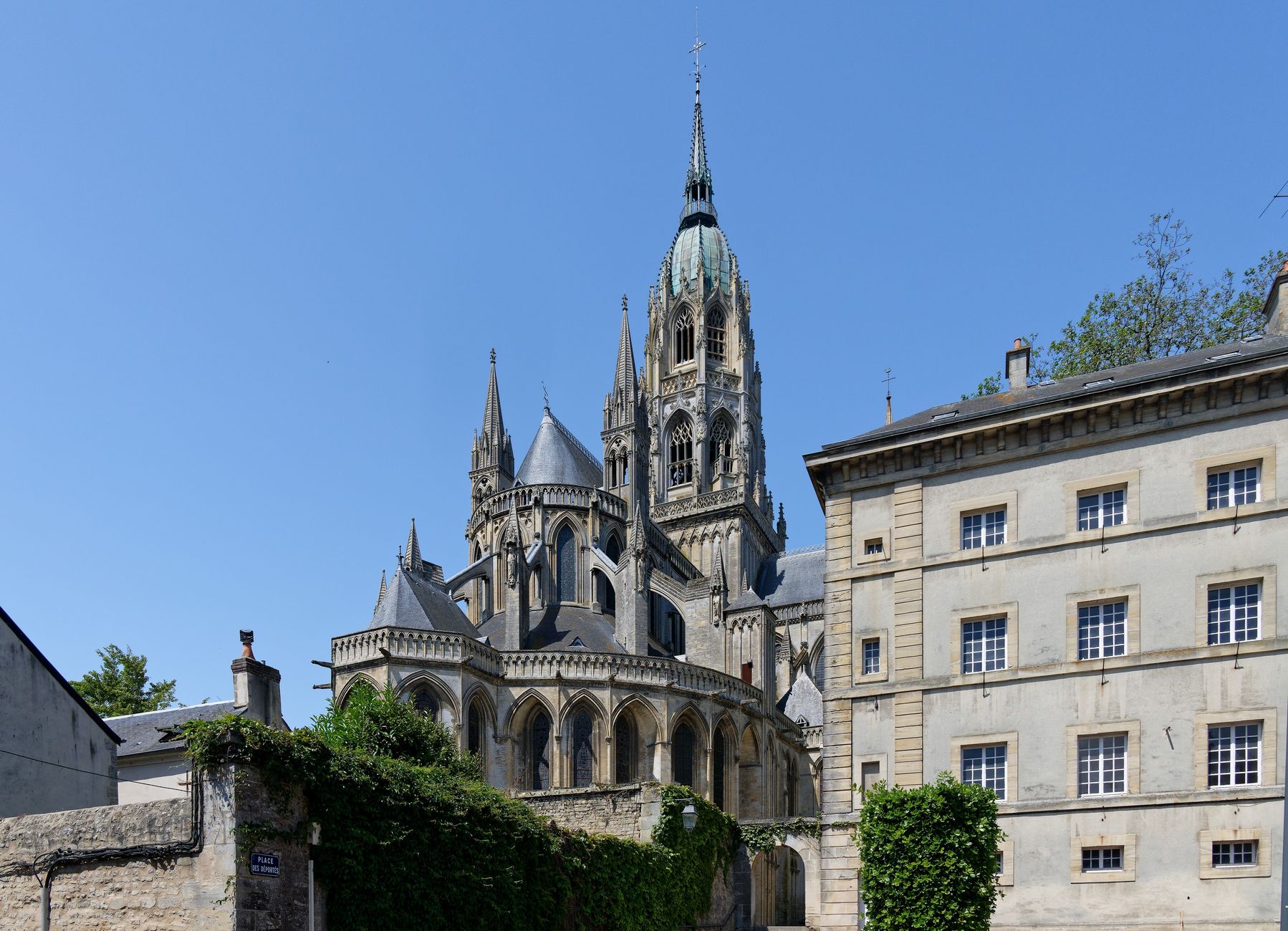
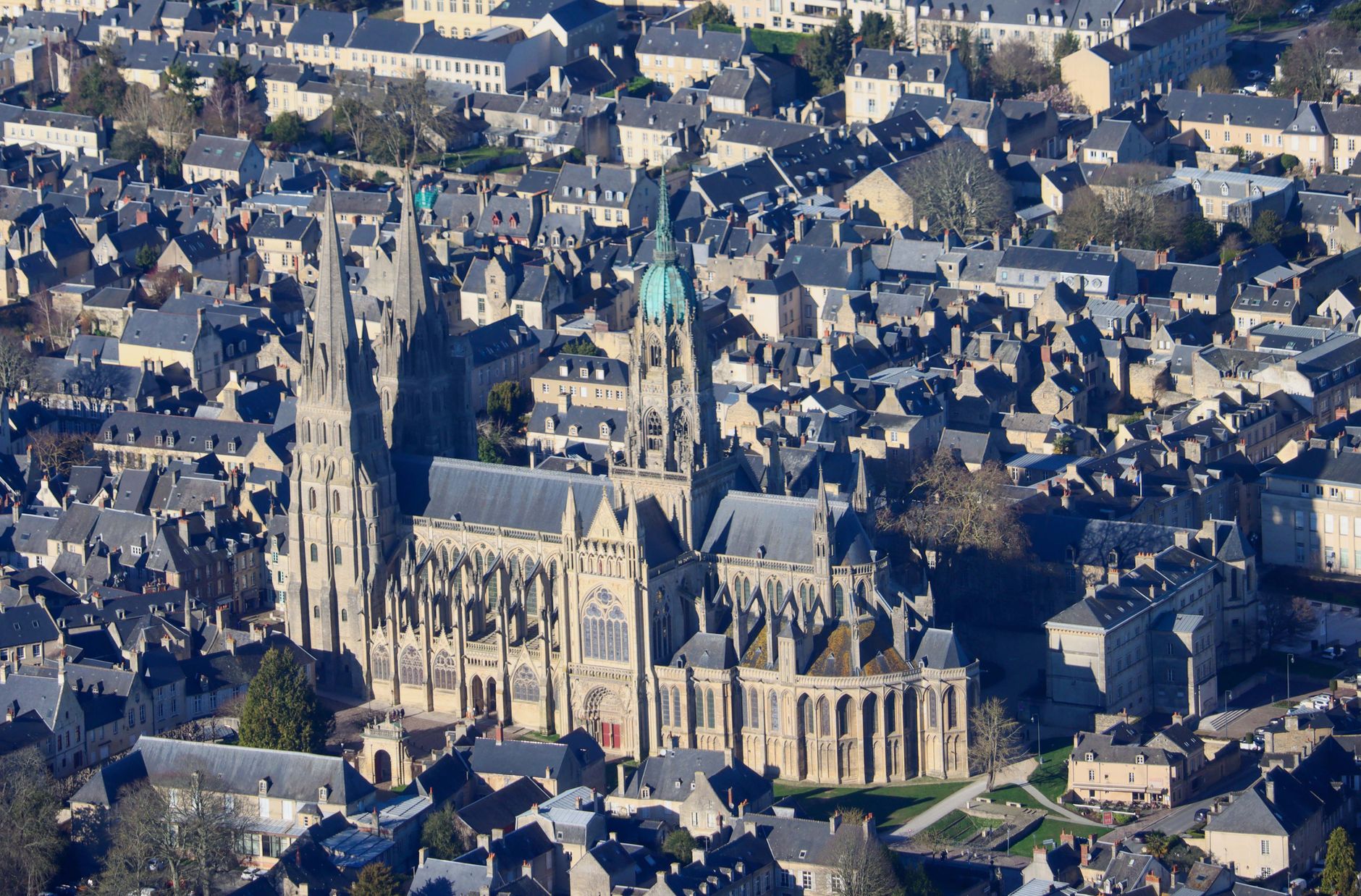
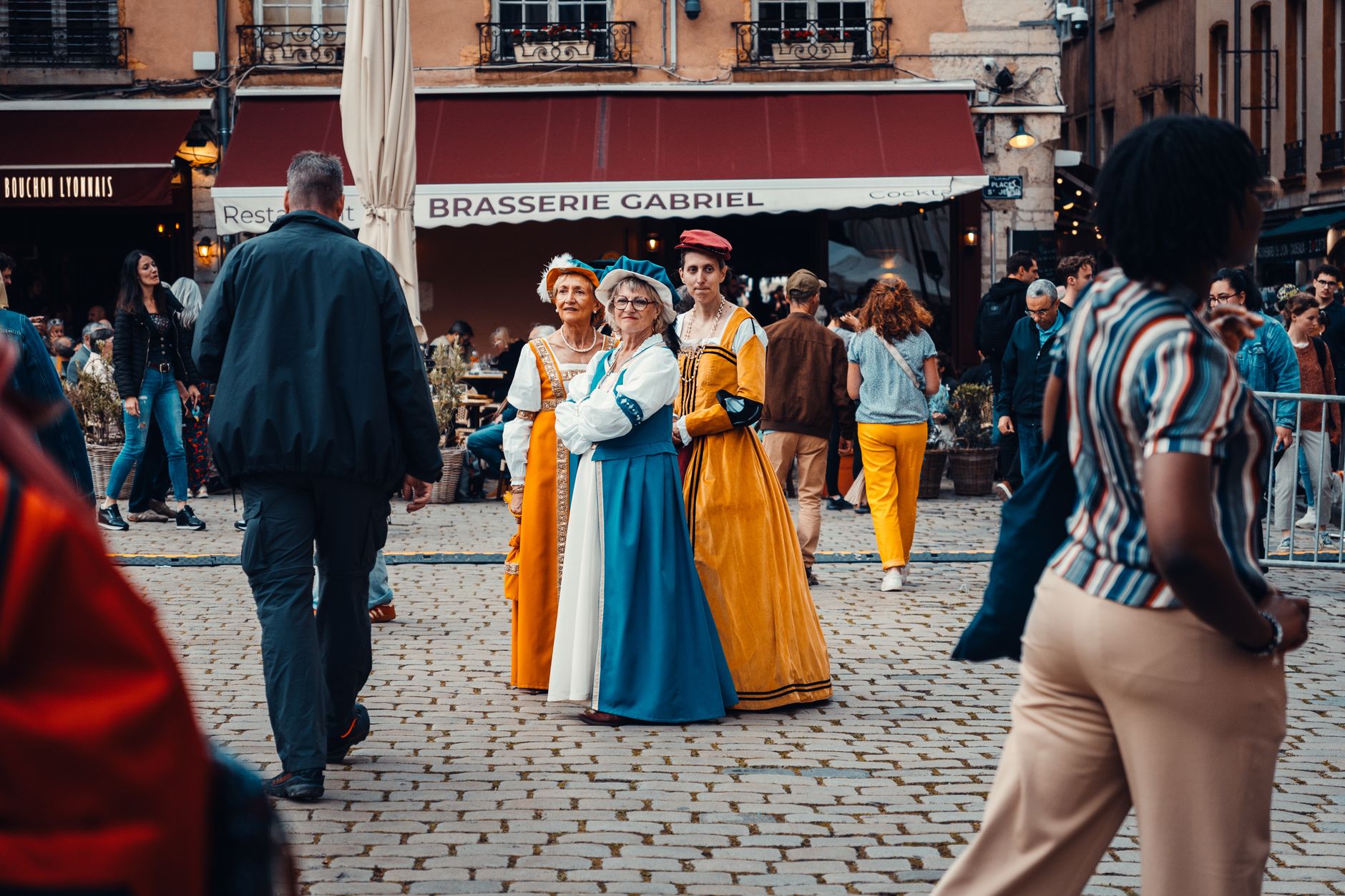
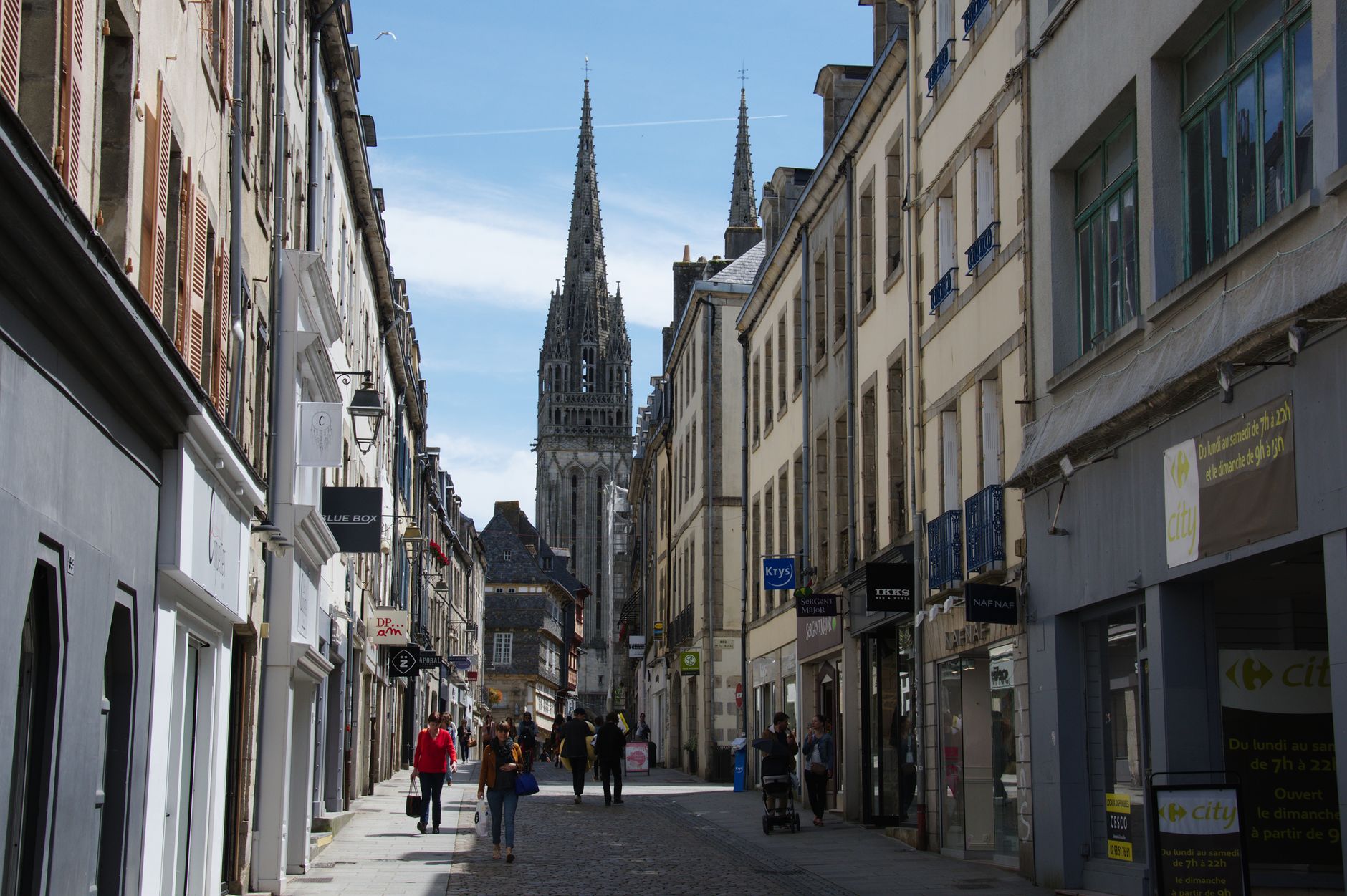
Bayeux is a city that rewards looking closely. The cathedral fills the skyline with its mismatched towers — Romanesque below, Gothic above — and inside the Bishop Odo who built it likely commissioned the most famous piece of embroidery in the world. That tapestry, 231 feet of linen thread telling the story of a conquest, spent centuries folded in a chest before scholars found it on display in the cathedral in 1729.
The old town escaped the bombing of 1944 largely intact, which means the medieval street plan still holds. British troops of the 50th Northumbrian Infantry Division liberated Bayeux on 7 June 1944 — the first French city to be freed — and de Gaulle stood here nine days later to speak about what France would become.
💛 What travellers fall for
People who come back tend to say the same thing: go to the War Cemetery before anything else. The 4,144 Commonwealth graves are arranged with a quietness that the busier D-Day sites don't have. Then coffee, then the cathedral — the Romanesque crypt underneath is easy to miss and worth finding.
Experiences you don't want to miss



Deals in Bayeux
Book directly at the provider


How Bayeux came to be
The Romans founded a settlement here in the first century BC, calling it Augustodurum. By the fourth century it was a bishopric, and by 880 Rollo the Viking had taken it as a Norman stronghold. The cathedral was consecrated on 14 July 1077 in the presence of William, Duke of Normandy, by his half-brother Bishop Odo — the same Odo who almost certainly commissioned the tapestry that bears the city's name, made for him in England during the 1070s.
The city changed hands repeatedly over the medieval centuries — Henry I pillaged it in 1106, Henry V captured it in 1417. Then, on 7 June 1944, British troops walked in and it was free.
Who and what shaped it
People who shaped it
Landmark buildings
See Bayeux in motion
Plan your visit
On the map
When to go
Normandy runs cool and damp through much of the year; spring and early autumn give you mild days and manageable crowds. July and August bring warmth but also the heaviest D-Day tourism, so the streets around the museum fill quickly.
Right now
Background & history adapted from Wikipedia (CC BY-SA) · specs from Wikidata (CC0) · weather from Open-Meteo · map data © OpenStreetMap contributors · photos from Wikimedia Commons / Unsplash with per-image credit. No third-party reviews or social posts reproduced.