
Deauville
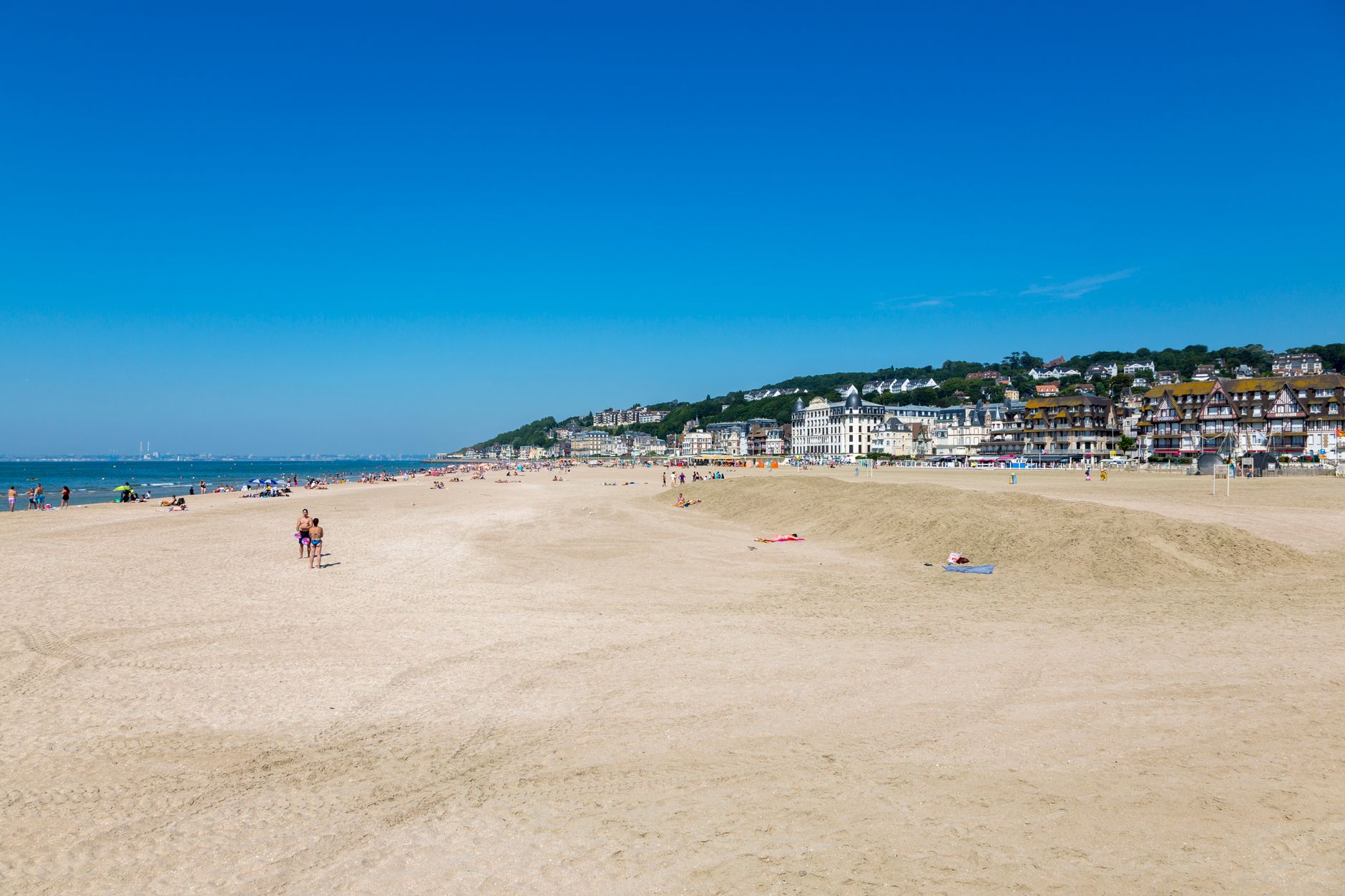

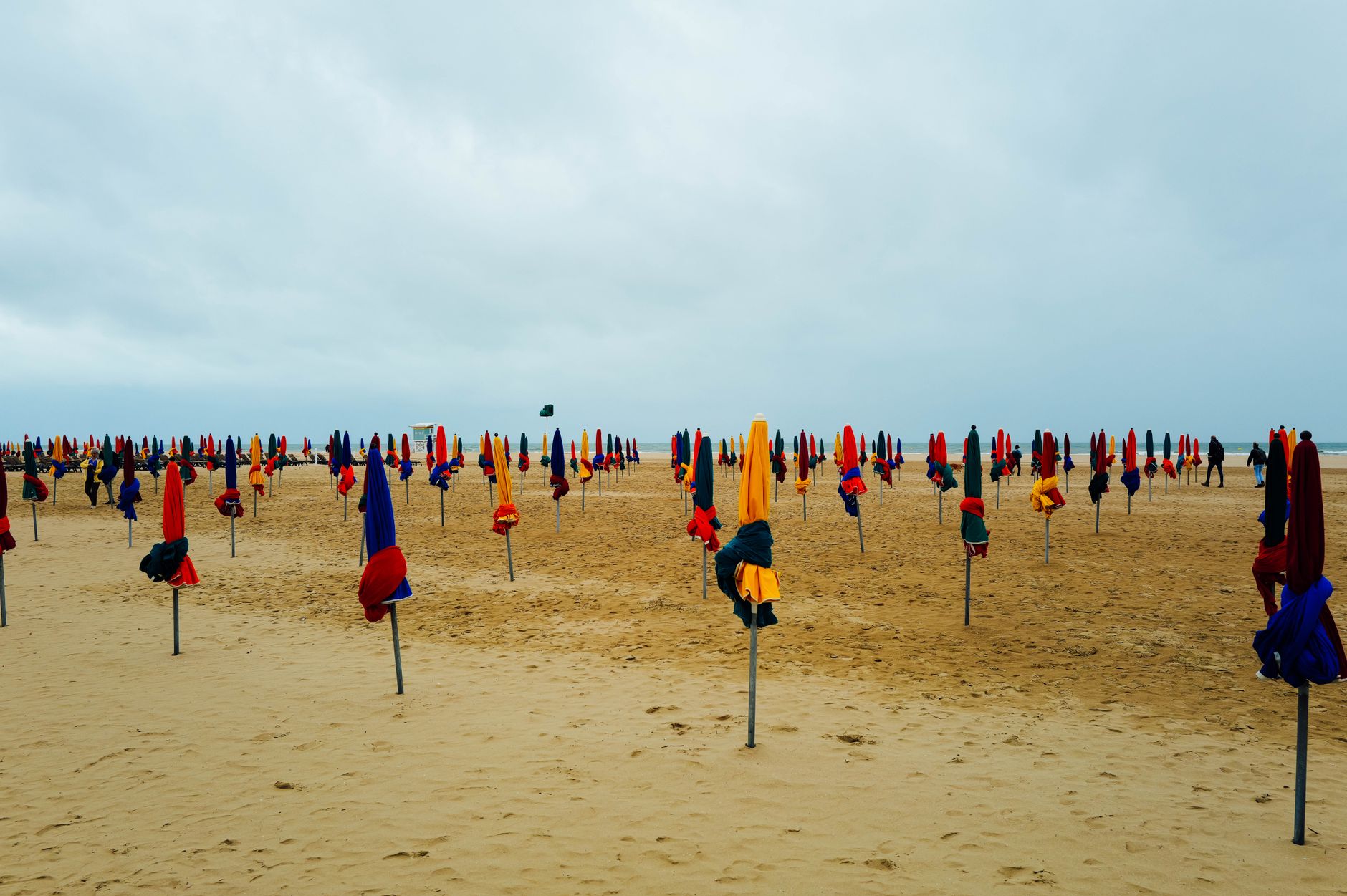
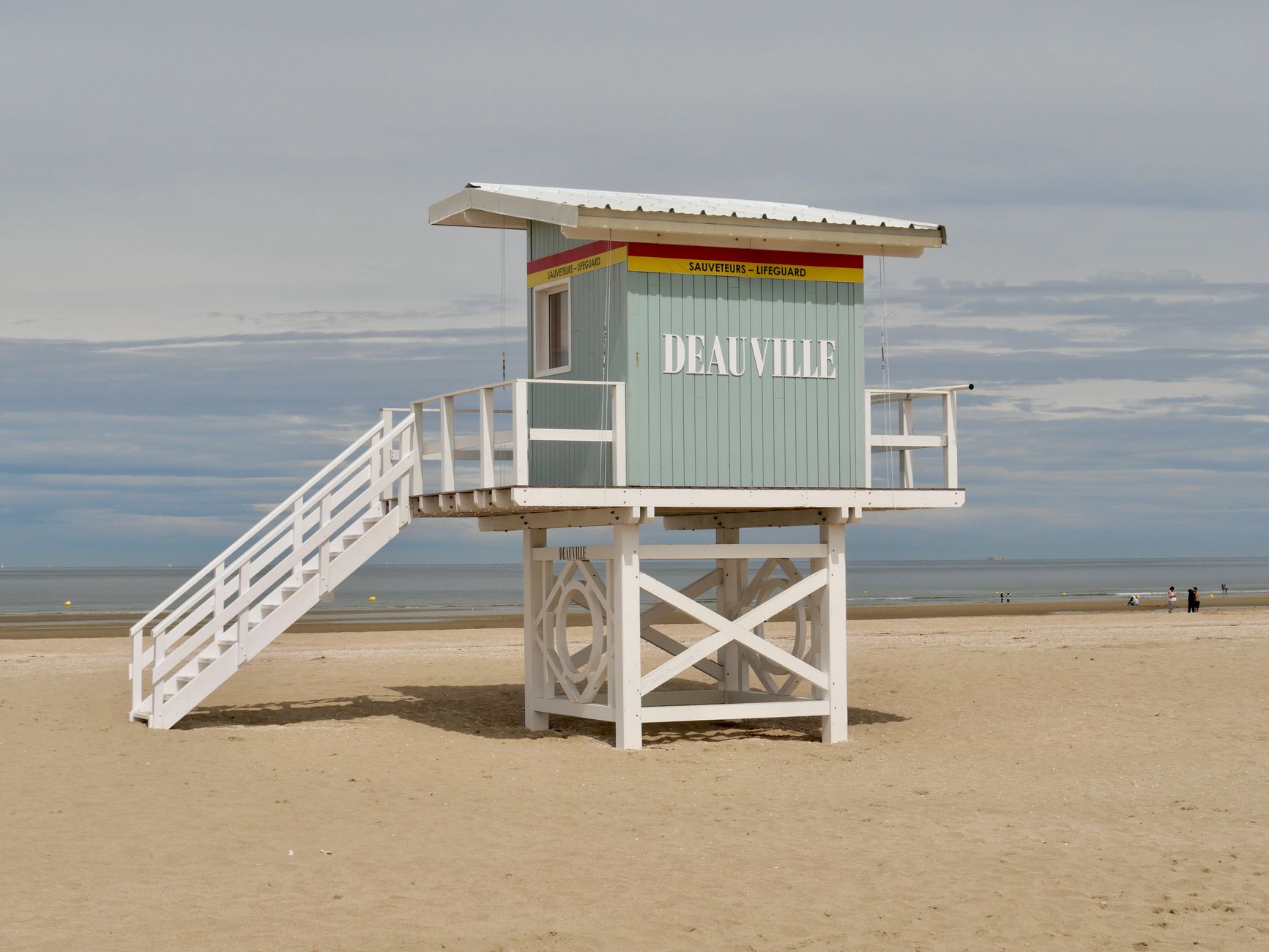
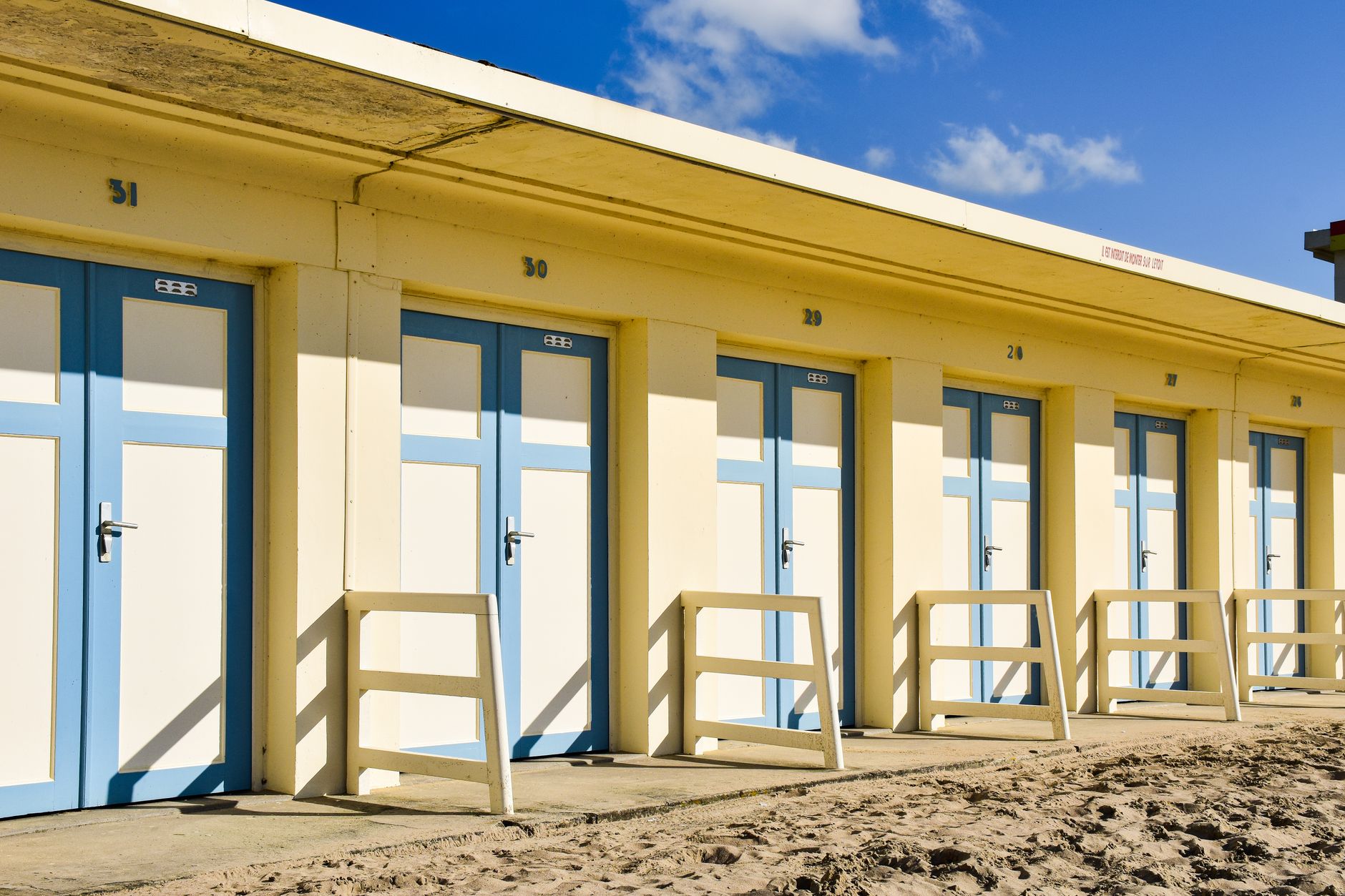
Walk the Planches de Deauville on a grey Tuesday morning and you'll have the boardwalk almost to yourself — 643 metres of weathered timber, each cabin post bearing the name of a film star who once attended the American Film Festival. The colourful beach parasols are stacked and quiet, the Casino's Belle Époque silhouette rises behind you, and the Channel does what the Channel always does.
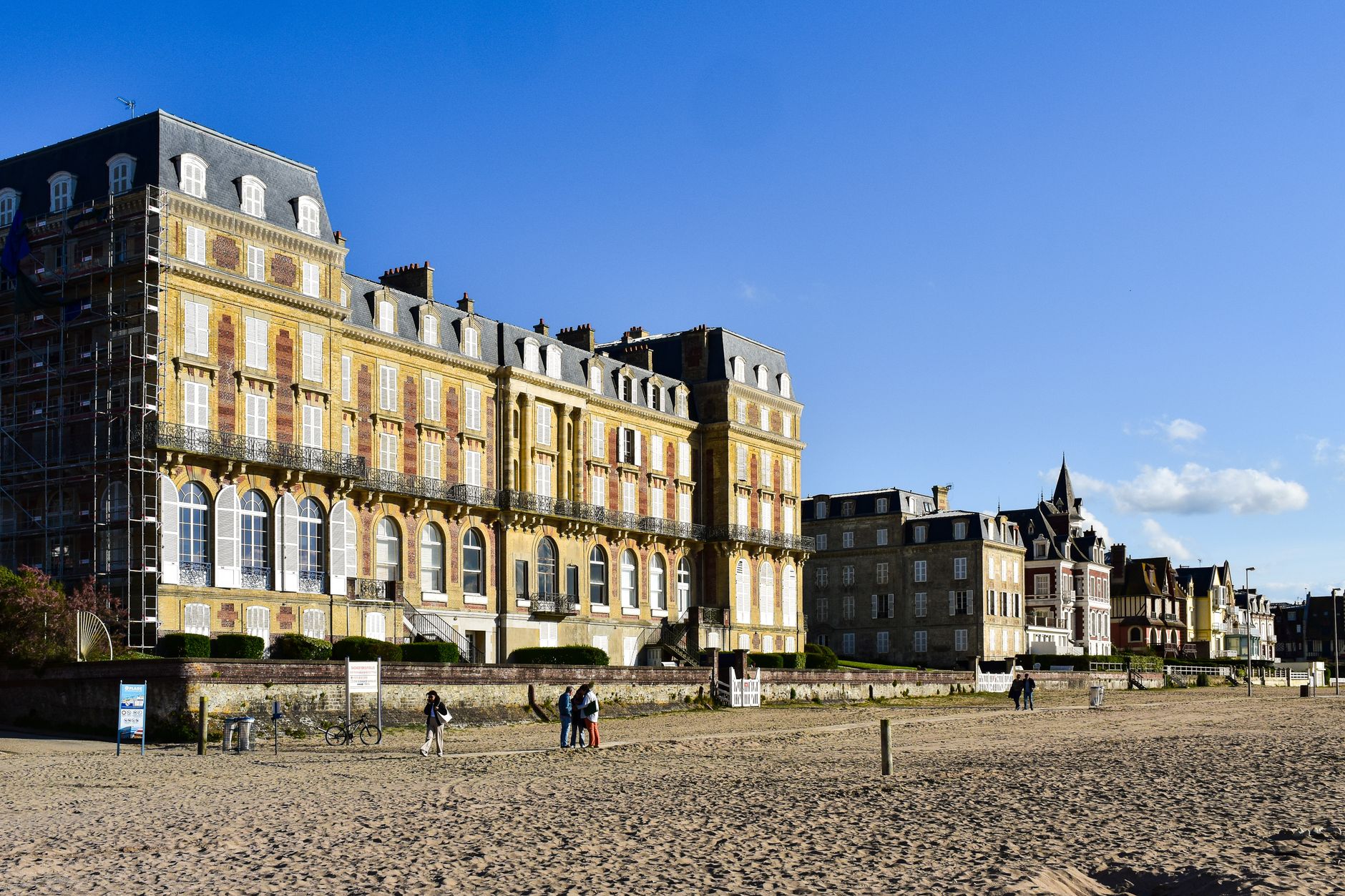
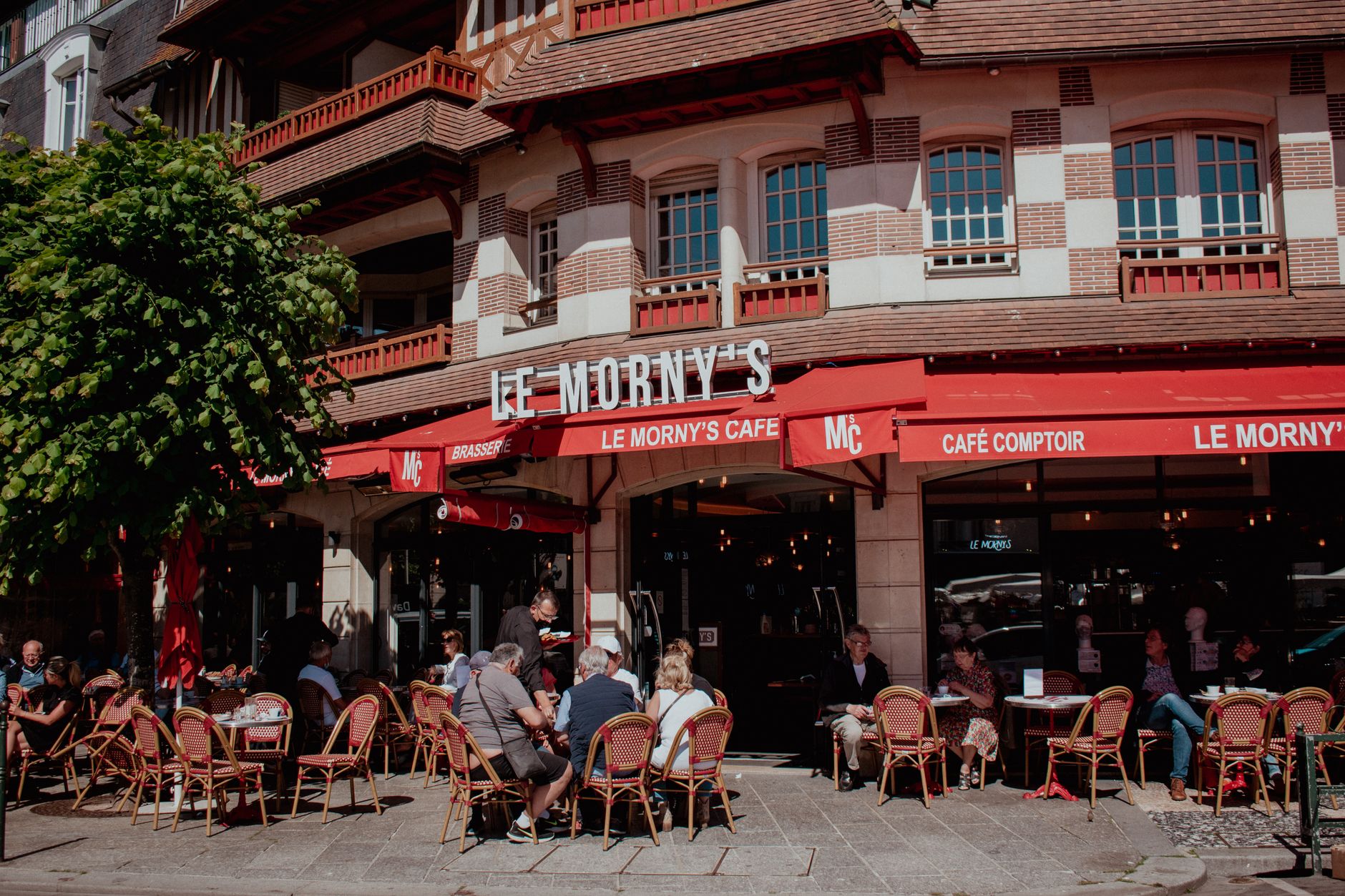
Deauville was invented from scratch in 1859 on what had been marshland, and it has never quite stopped performing. The racecourse, the casino, the half-timbered hotel facades — all of it was designed to be looked at. It rewards the visitor who looks back slowly.
💛 What travellers fall for
People who return to Deauville tend to mention the same rituals: an early swim in the seawater pool at Roger Taillibert's 1966 pavilion, a slow walk past Villa Strassburger on the way to the Touques marina, and a deliberate stop at Les Franciscaines to catch whatever the museum is showing before the weekend crowds arrive.
Experiences you don't want to miss


Deals in Deauville
Book directly at the provider

How Deauville came to be
Deauville did not grow — it was drawn up. In August 1859, Duke Charles de Morny, half-brother of Napoleon III, partnered with Pierre-Armand Donon and the entrepreneur Olliffe to acquire the marshland beside a village of roughly 100 people. The master plan divided the new town cleanly: a grid of leisure along the seafront, commerce and a marina along the Touques river. The Trouville train station opened in 1863, delivering the first wave of Parisian society. When Morny died in 1865, the political momentum behind the project died with him, and the planned expansion of the marina never came.
The resort's second act belongs to Eugène Cornuché, who in 1912 commissioned both the Hotel Normandy and the current Casino building, giving Deauville the architectural identity it still trades on. Coco Chanel opened a boutique here in 1913. The Promenade des Planches was formalised in 1923, and the American Film Festival arrived in 1975, folding cinema into a town that had always been, at its core, a stage set.
Who and what shaped it
People who shaped it
Landmark buildings
See Deauville in motion
Plan your visit
On the map
When to go
Normandy weather applies: mild summers rarely exceed 25°C, and sea breezes make even August afternoons comfortable, though a light layer is wise after dark. Spring and autumn bring frequent overcast skies and the occasional sharp shower — not unpleasant if you're walking the boardwalk, but pack accordingly.
Right now
Background & history adapted from Wikipedia (CC BY-SA) · specs from Wikidata (CC0) · weather from Open-Meteo · map data © OpenStreetMap contributors · photos from Wikimedia Commons / Unsplash with per-image credit. No third-party reviews or social posts reproduced.