
Lisieux
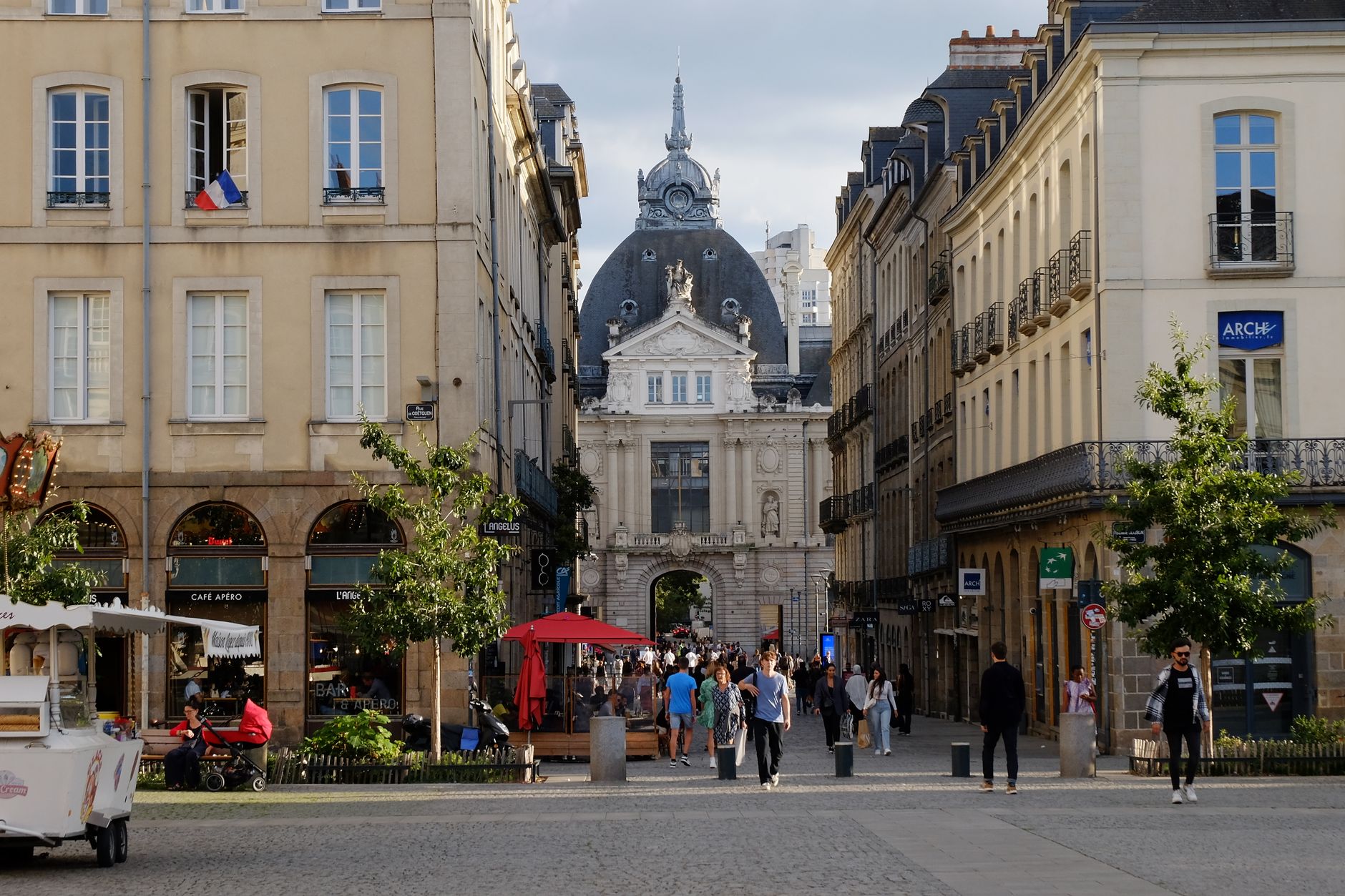


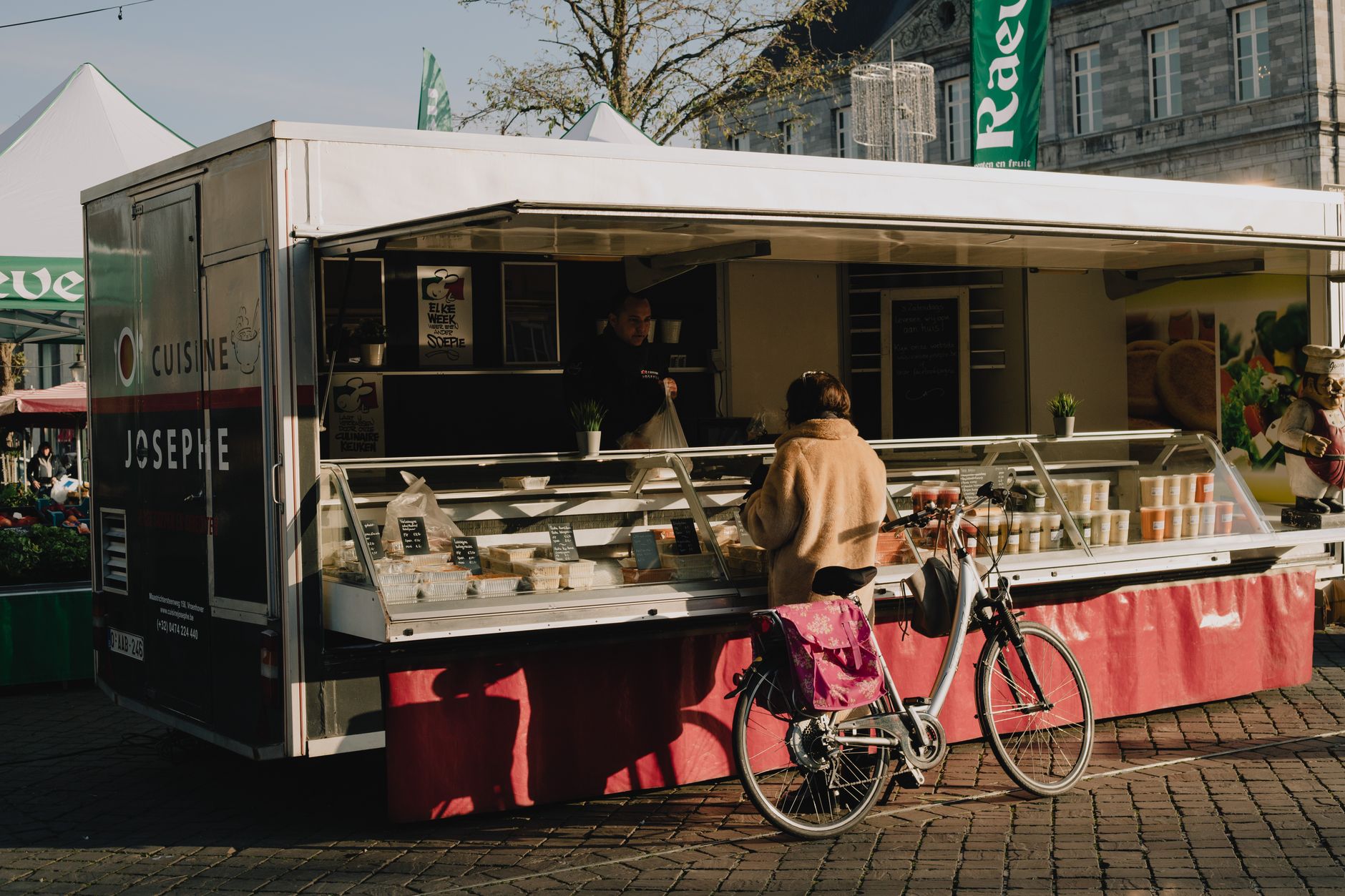
Lisieux is a small Norman city that carries an outsized spiritual weight. The skyline is dominated by the Basilica of Sainte-Thérèse — a 93-metre romano-Byzantine dome begun in 1929 and consecrated in 1954 — which draws more than two million visitors a year to a city most people couldn't place on a map. Come expecting pilgrimage infrastructure and you'll find it, but also something quieter: a Cathedral of Saint-Pierre that survived the Allied bombing of 1944 largely intact, a moated château with a peacock garden just outside town, and a Saturday market that still runs on Normandy cheese and cider.
Much of the old city — its Gothic and Renaissance timber houses — was lost in the summer of 1944. What replaced it is modest and functional, which makes the medieval cathedral and the few surviving historic buildings feel more precious for their scarcity.
💛 What travellers fall for
People who come back tend to time a visit around the Saturday morning market, then walk up to the Maison des Buissonnets — Thérèse's childhood home — before the coach groups arrive. The Château de Saint-Germain-de-Livet, owned by the town since 1958, is consistently the detail they mention to friends: the glazed brick facade reflected in the moat, the peacocks.
Experiences you don't want to miss



Deals in Lisieux
Book directly at the provider

How Lisieux came to be
The city's name descends from the Lexovii, a Celtic tribe whose settlement the Romans called Noviomagus Lexoviorum — roughly 'new market of the Lexovii.' It became an episcopal see from the 6th century onward and was significant enough that Thomas Becket, exiled from England by Henry II, found refuge here. The English held it until 1203, when it was reunited with France, and it changed hands repeatedly during the Hundred Years' War.
By the 20th century Lisieux was known for its medieval streetscape of Gothic and Renaissance half-timbered houses. Most of that was erased in June 1944, when Allied bombing during the Battle of Normandy destroyed much of the city centre. The Cathedral of Saint-Pierre — one of Normandy's earliest Gothic structures, with its quadripartite rib vaults and flying buttresses — was among the few buildings to survive.
Who and what shaped it
People who shaped it
Landmark buildings
See Lisieux in motion
Plan your visit
On the map
When to go
Lisieux has a temperate oceanic climate: mild, damp and rarely extreme. Summer brings the warmest and driest conditions, making it the most comfortable time to visit, though July and August are also peak pilgrimage season. Spring and September offer softer light and quieter streets, with the usual Norman chance of rain.
Right now
Background & history adapted from Wikipedia (CC BY-SA) · specs from Wikidata (CC0) · weather from Open-Meteo · map data © OpenStreetMap contributors · photos from Wikimedia Commons / Unsplash with per-image credit. No third-party reviews or social posts reproduced.