
Alençon
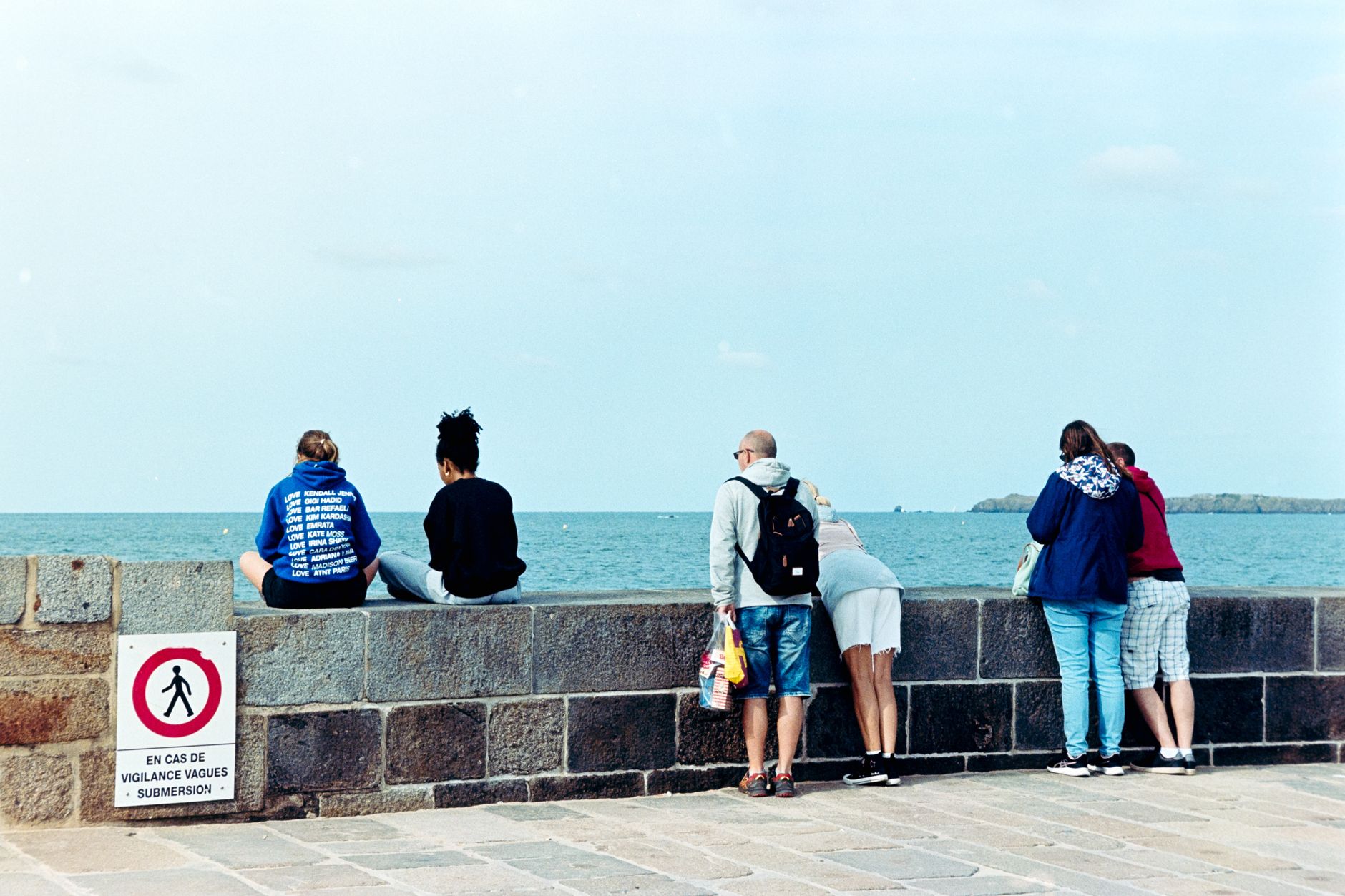
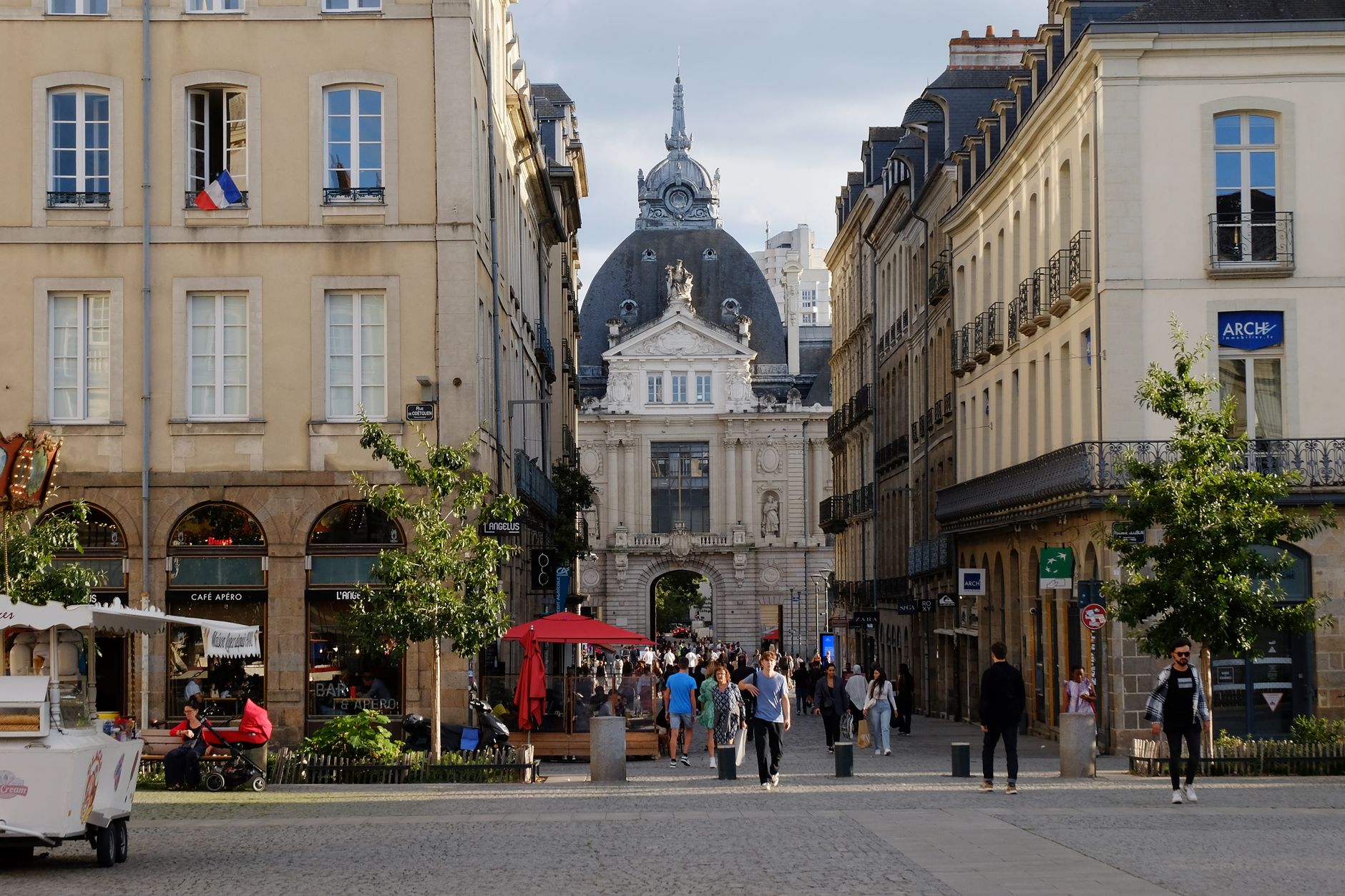
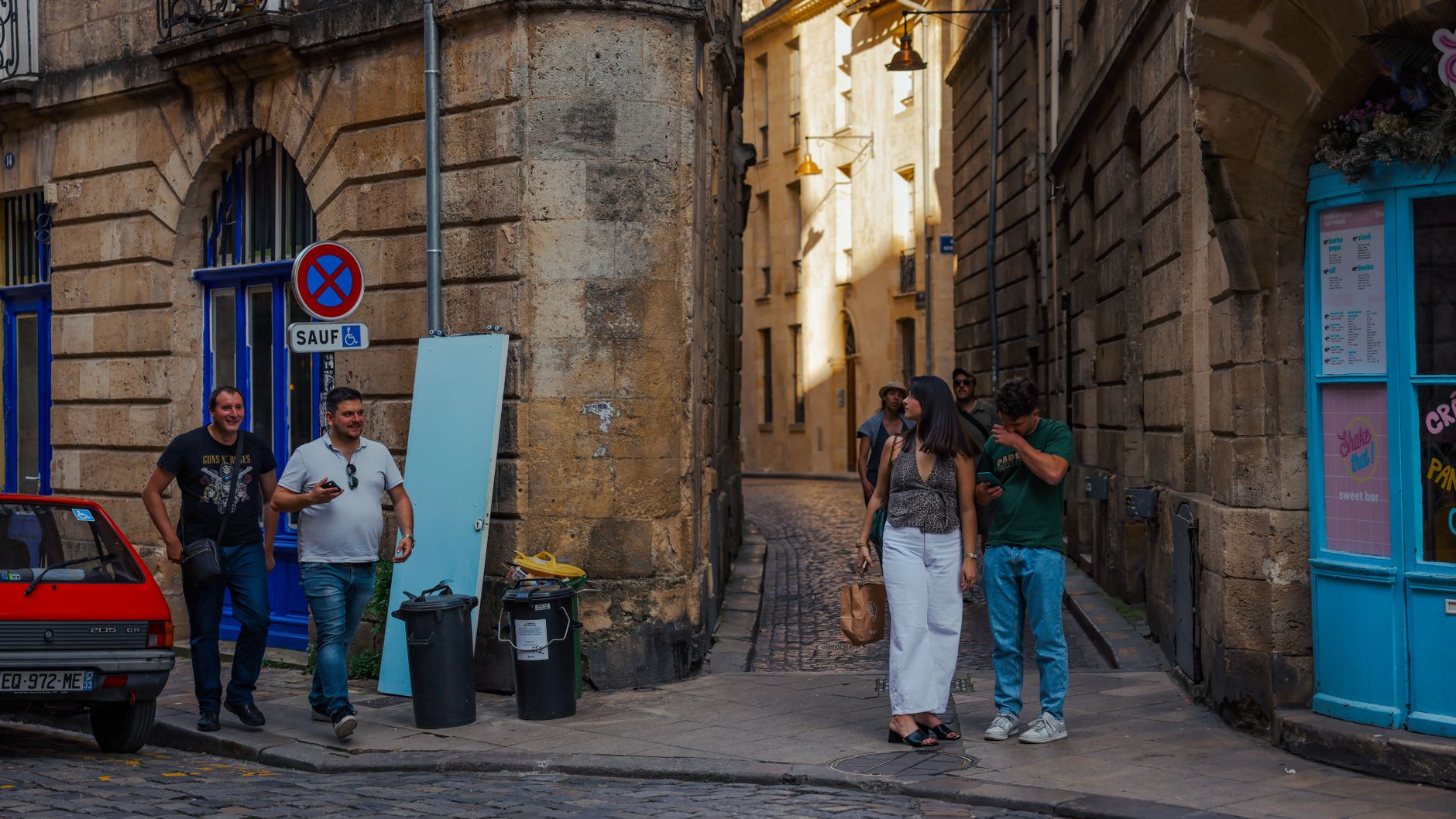
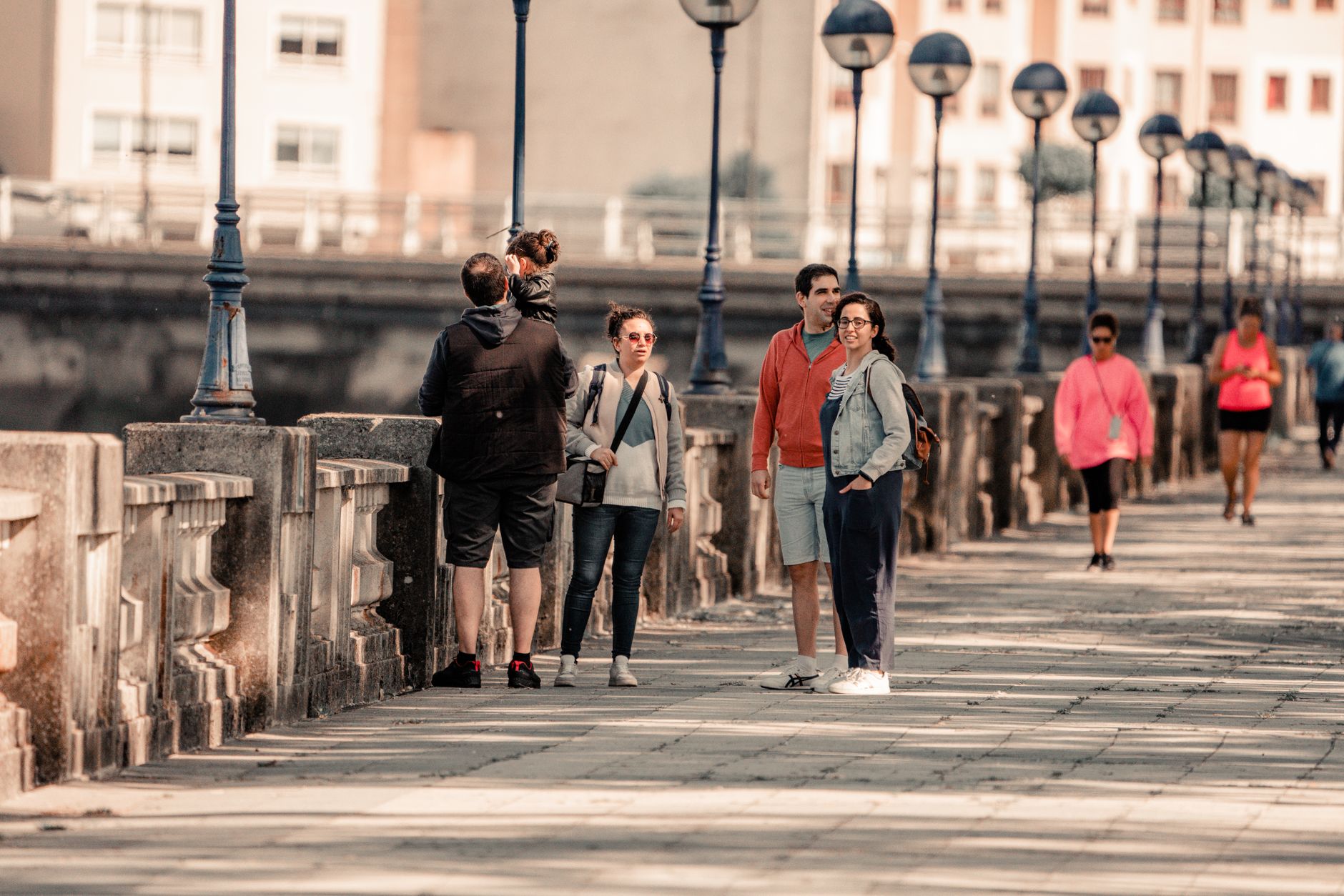
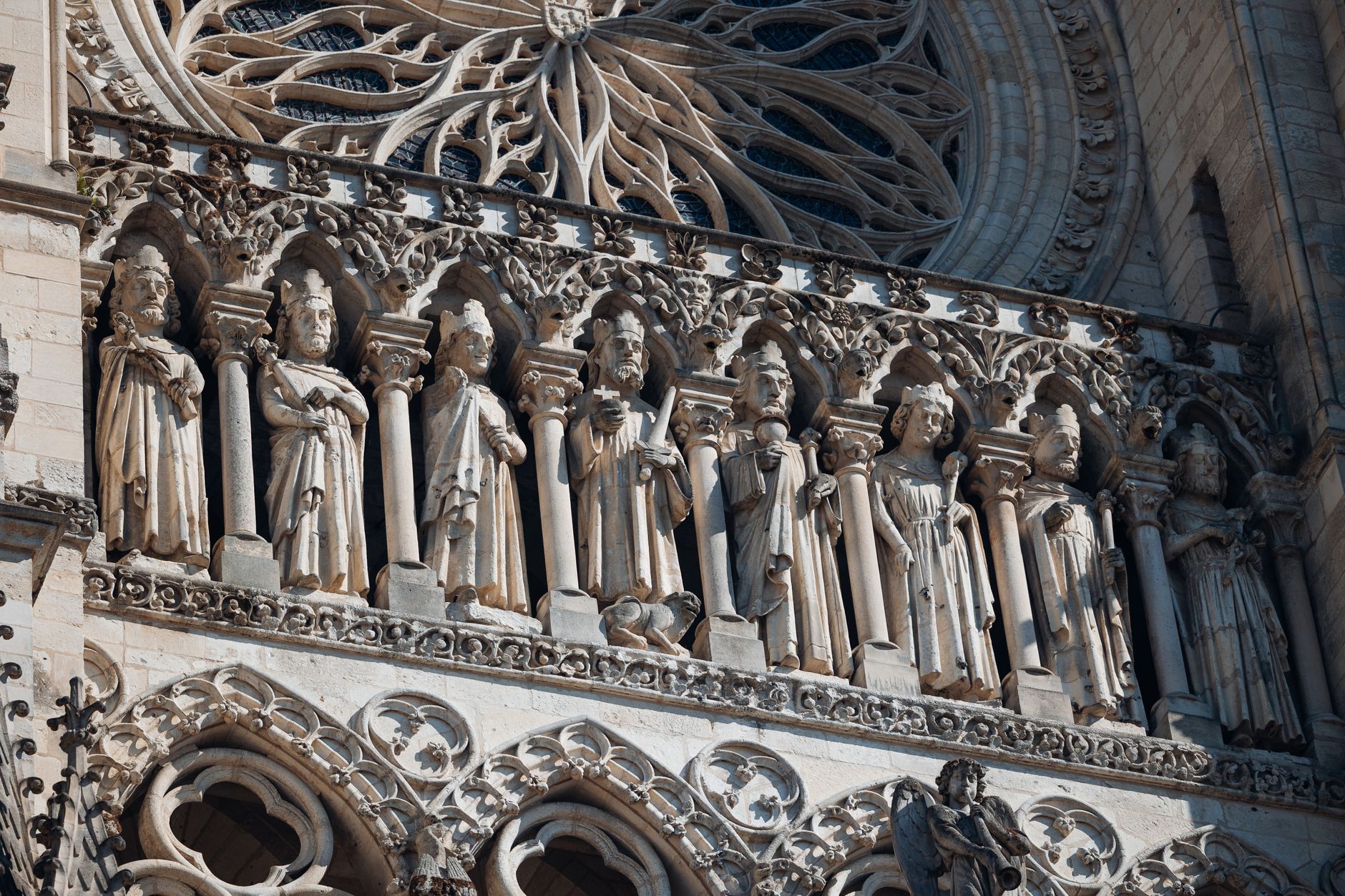
Alençon is a city that rewards the attentive. Walk the old centre and you'll pass a 15th-century basilica with stained glass that shifts colour across the stone floor, a circular grain market from 1811 that still smells faintly of old wood, and a house on Rue Saint-Blaise where one of the Catholic Church's most beloved saints was born in 1873. The medieval castle towers stand without their connecting walls, preserved as a monument to a place that has been fought over, occupied, and freed — the first French city liberated by French forces, on 12 August 1944.
Alençon is also inseparable from its lace. Point d'Alençon — worked entirely by hand, needle by needle — was developed here in the 17th century and remains UNESCO-listed as intangible cultural heritage. The Musée des Beaux-Arts et de la Dentelle makes a serious case for why that designation was earned.
💛 What travellers fall for
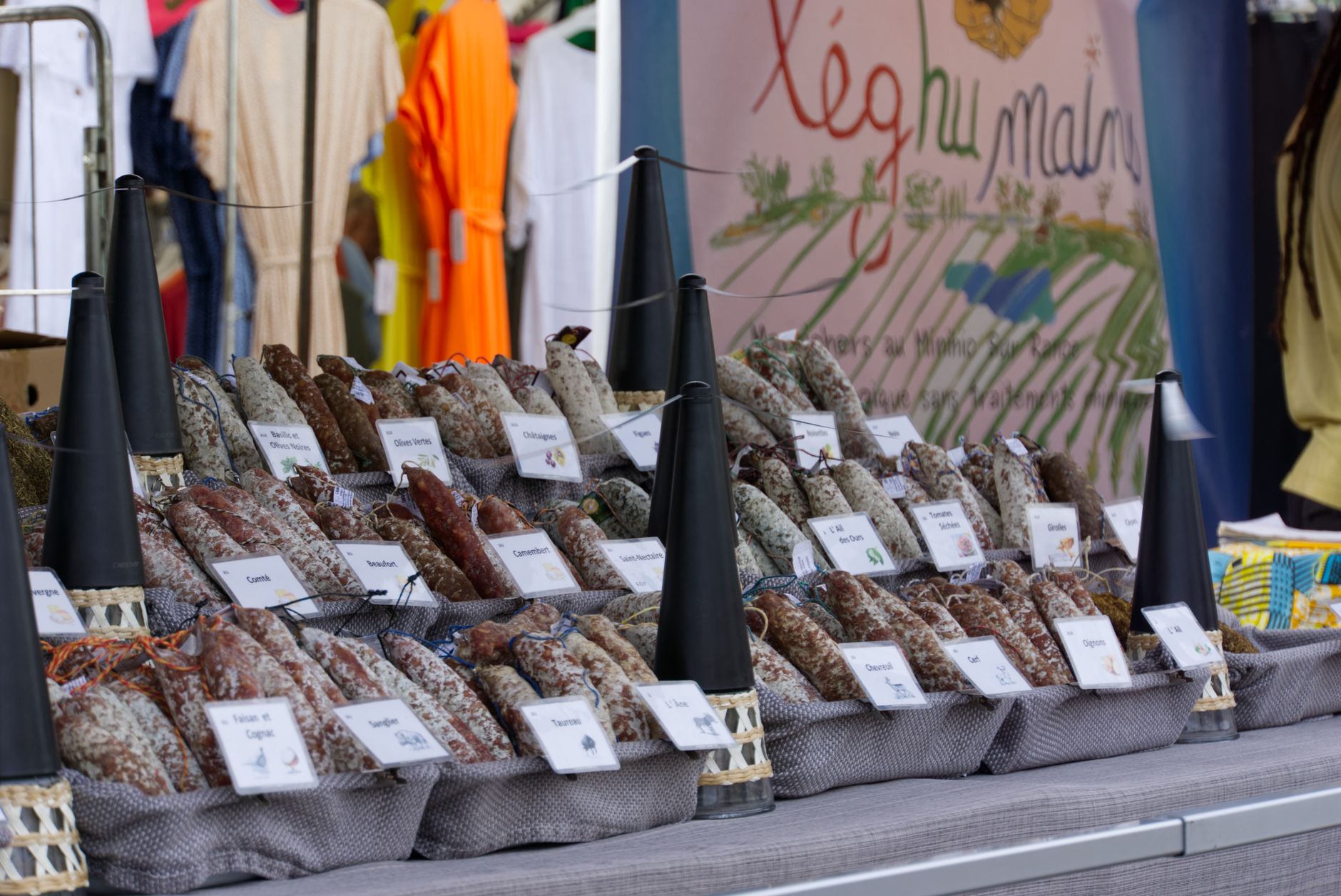
People who come back tend to time a visit around the Thursday market in the town centre, when the streets around the basilica fill properly. They also note that the National Lace Workshop opens to the public only on certain days — worth checking dates before you travel, rather than after you arrive.
Experiences you don't want to miss



Deals in Alençon
Book directly at the provider


How Alençon came to be
Alençon's documented history stretches back to the 7th century, but the city's defining character was shaped across two particular eras. In the mid-11th century, William of Normandy laid siege to the town after it sided with the Count of Anjou — a reminder that this was long a contested border between Normandy and Maine. By 1415, Alençon had become a ducal seat held by sons of the French crown, and in the early 16th century, under Marguerite de Navarre — writer, humanist, sister to King Francis I — the local court became a genuine centre of Renaissance thought.
The lace industry arrived in the 16th century and was systematically industrialised under Louis XIV, when minister Jean-Baptiste Colbert established a Royal Workshop in 1665 to produce lace in the Venetian style. A local artisan, Marthe La Perrière, adapted the technique, and by around 1675 point d'Alençon had emerged as its own distinct form. Three centuries later, the city carries both stories — the intellectual and the artisanal — in its streets.
Who and what shaped it
People who shaped it
Landmark buildings
See Alençon in motion
Plan your visit
On the map
When to go
Alençon sits in the southernmost part of Normandy, which gives it slightly milder, drier summers than the coast. Spring and early autumn are the most comfortable seasons for walking the town; winters are cool and quiet, with occasional frost.
Right now
Background & history adapted from Wikipedia (CC BY-SA) · specs from Wikidata (CC0) · weather from Open-Meteo · map data © OpenStreetMap contributors · photos from Wikimedia Commons / Unsplash with per-image credit. No third-party reviews or social posts reproduced.