
Caen
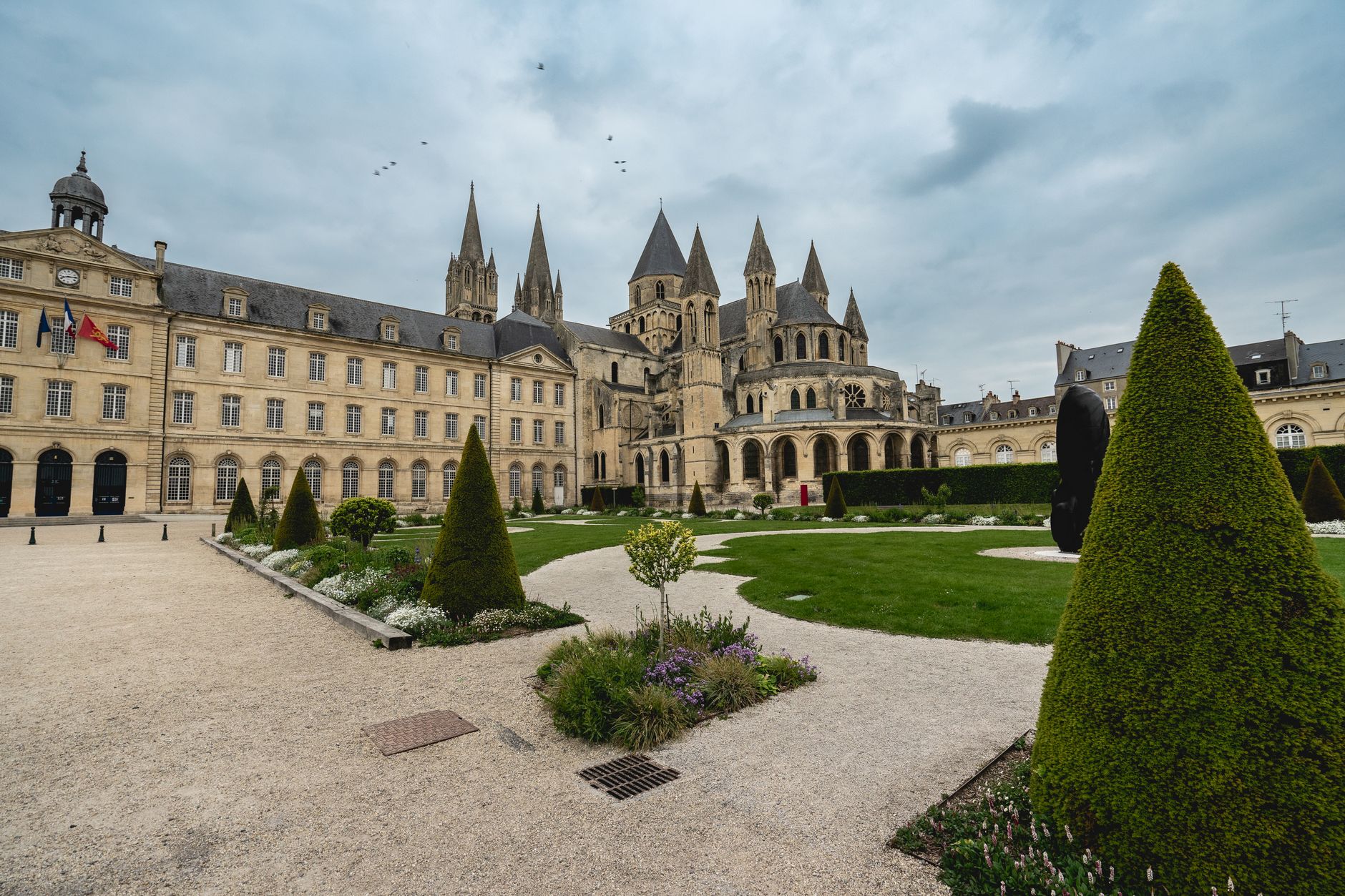
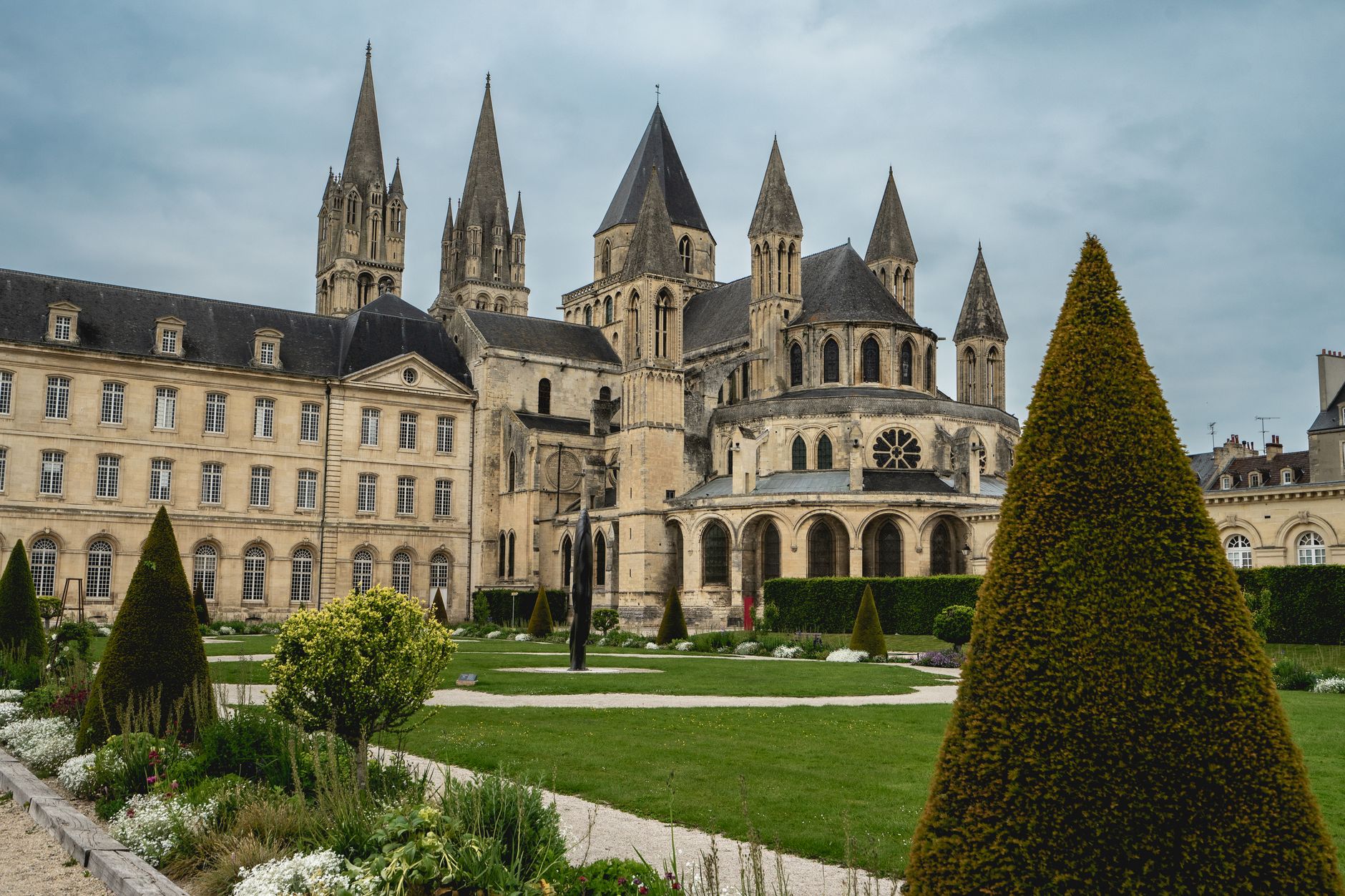
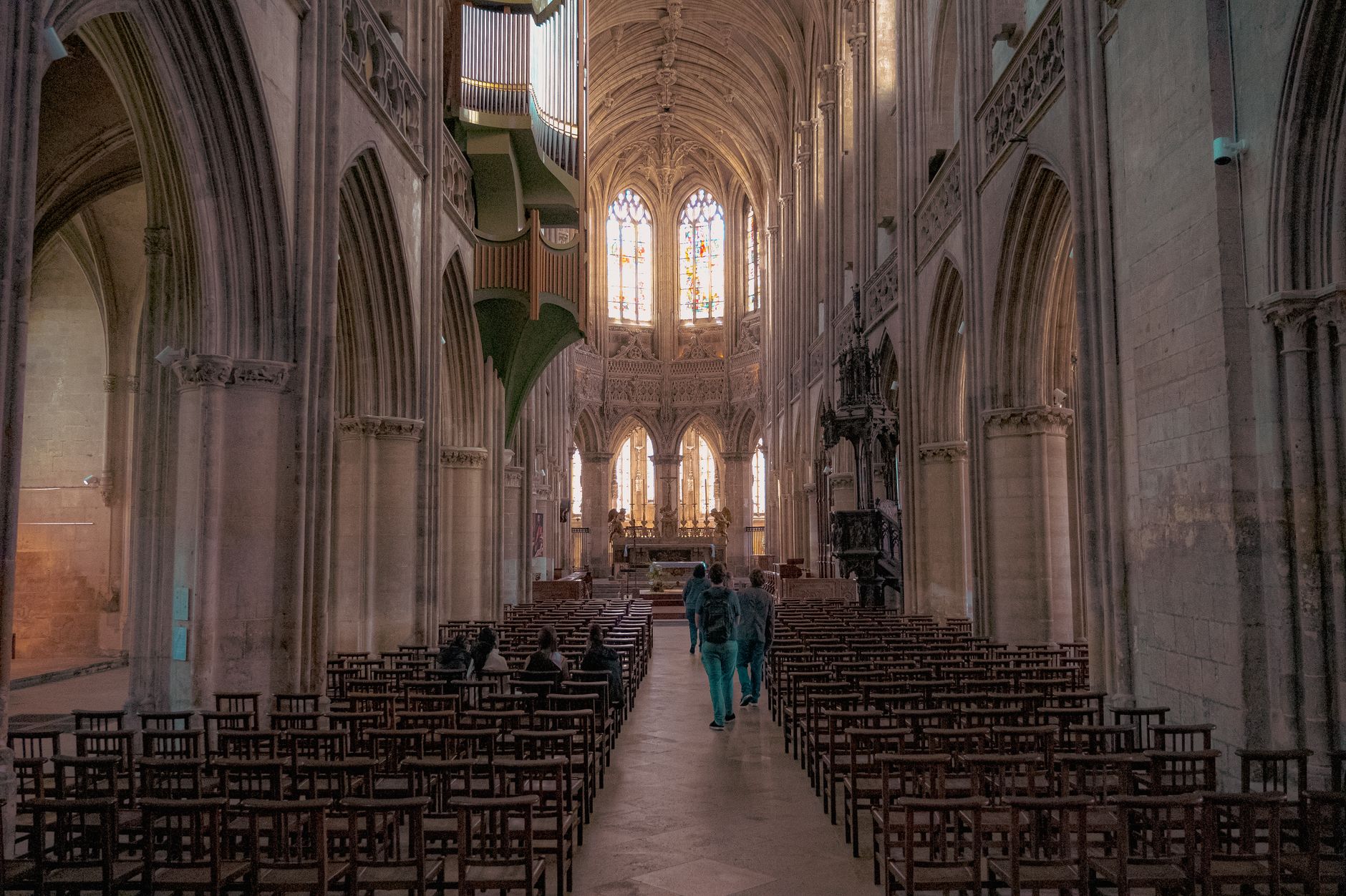
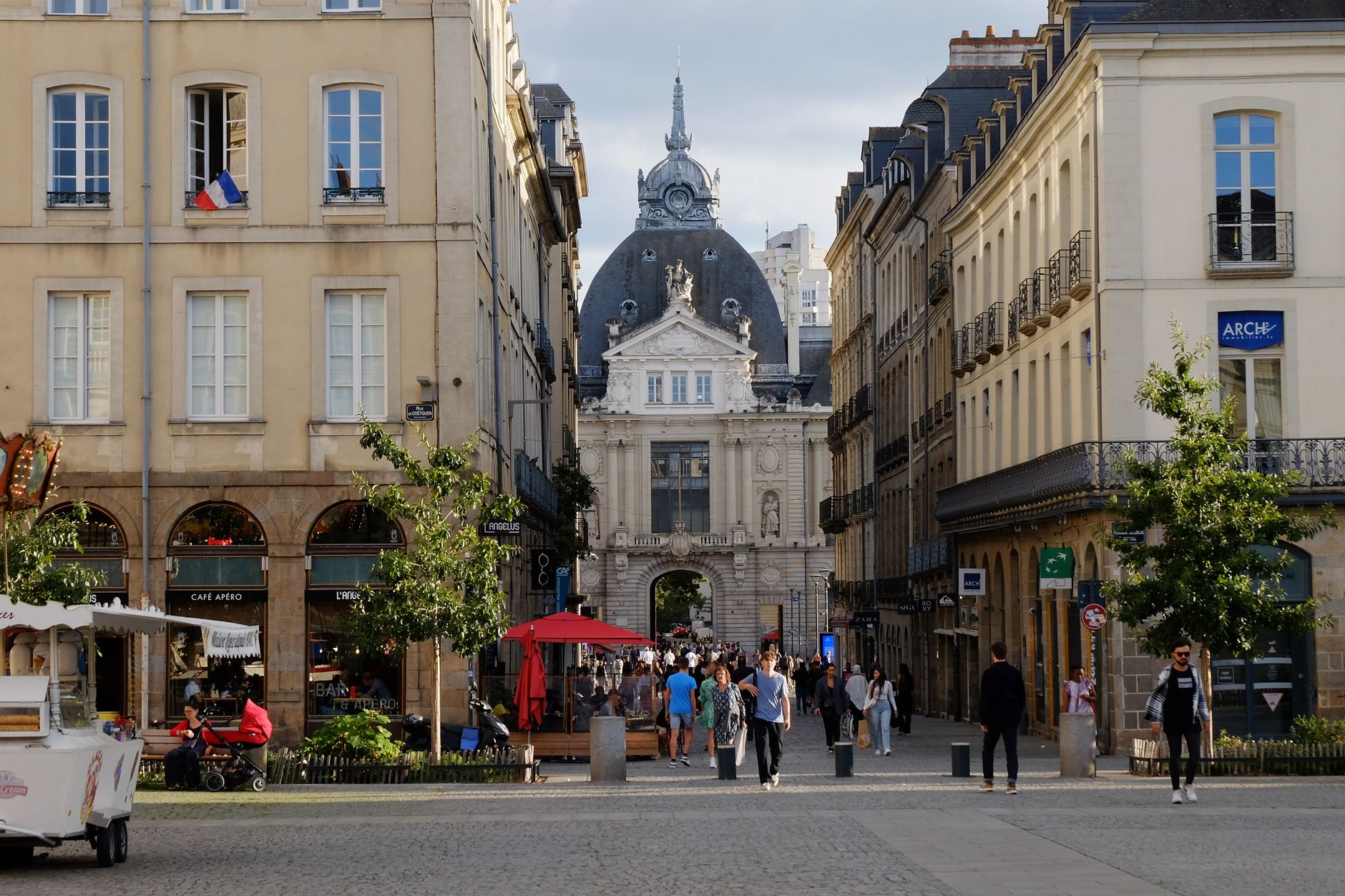

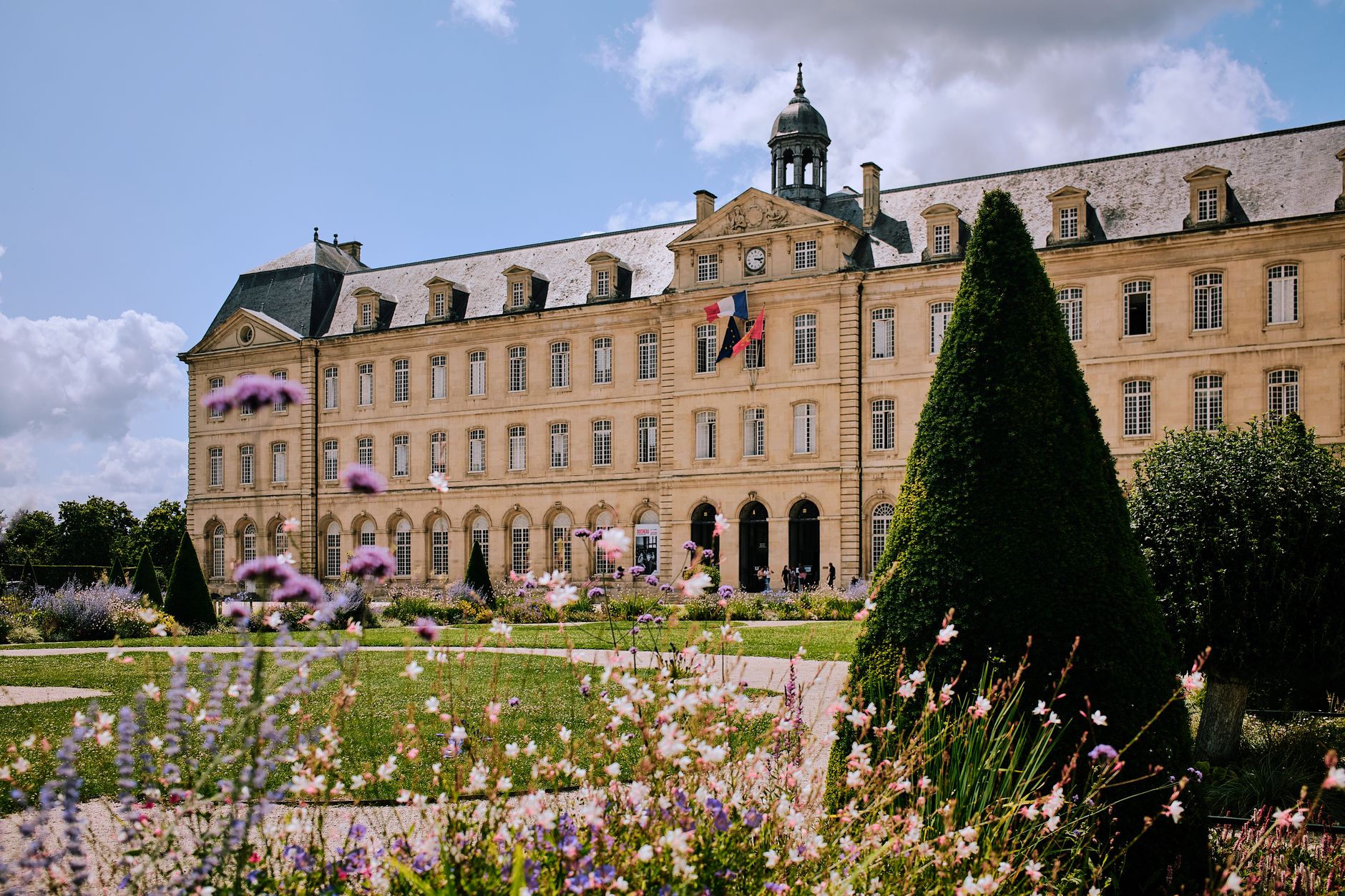
Caen greets you with a paradox: the city's oldest stones are nearly a thousand years old, yet almost nothing you see predates 1948. The Allied bombing campaign of 1944 left so little standing that reconstruction ran for fourteen years, reshaping streets and skylines entirely. What survived — William the Conqueror's hilltop château, the twin abbeys he and his wife Matilda built as penance for a forbidden marriage — stands out all the more sharply against the postwar city around it.
That contrast is the point of coming here. Caen rewards the visitor who slows down and reads the layers: Romanesque towers above mid-century apartment blocks, a botanical garden older than the French Revolution, a quarter of half-timbered houses in Vaugueux that the bombs somehow spared.
💛 What travellers fall for
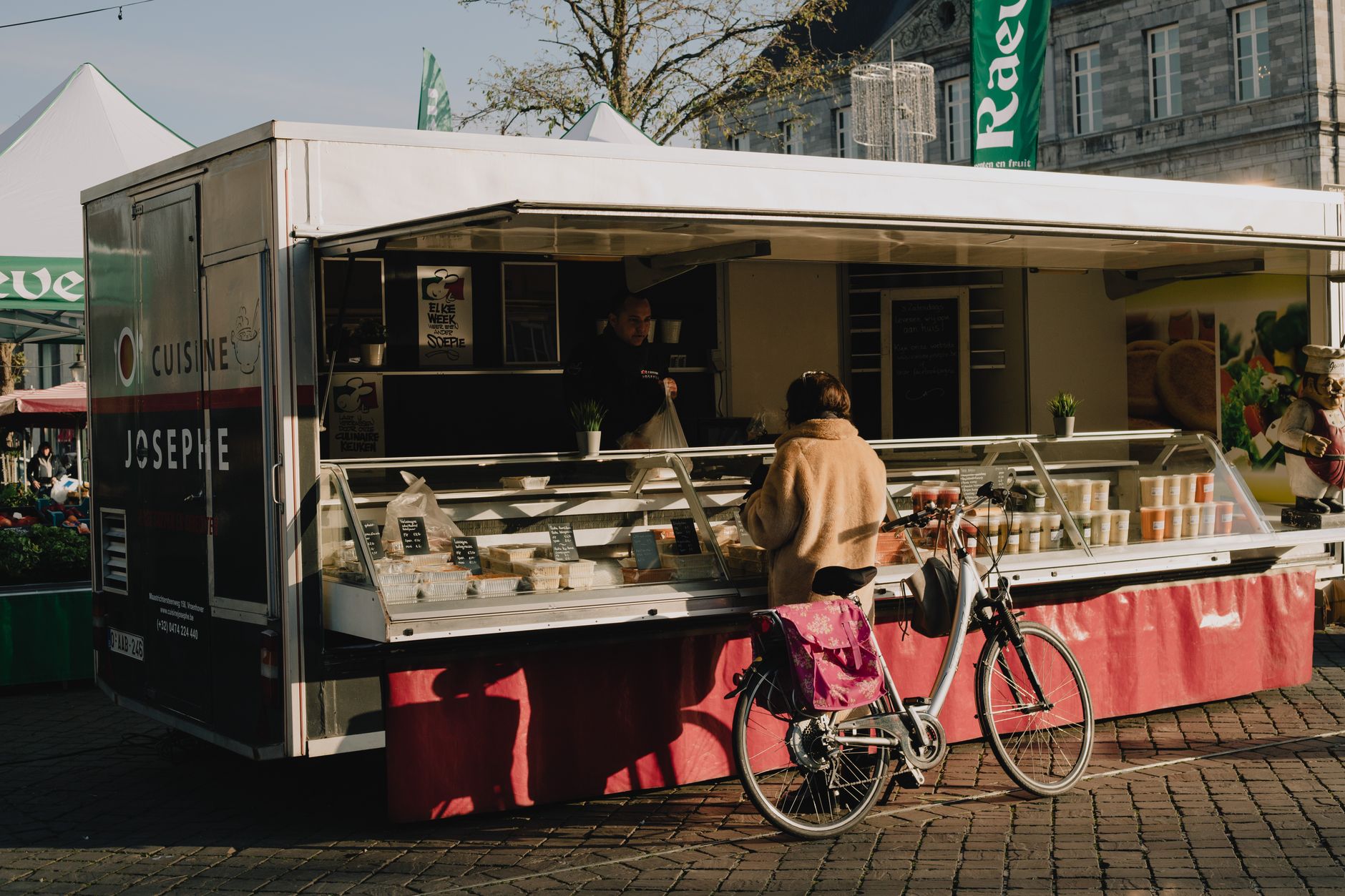
People who come back tend to mention the same sequence: coffee on Place Saint-Sauveur on a Friday morning when the market is on, then up through the château ramparts before the tour groups arrive, then a long afternoon at the Mémorial. The Mémorial always takes longer than planned. Budget the whole afternoon, not half of it.
Experiences you don't want to miss



Deals in Caen
Book directly at the provider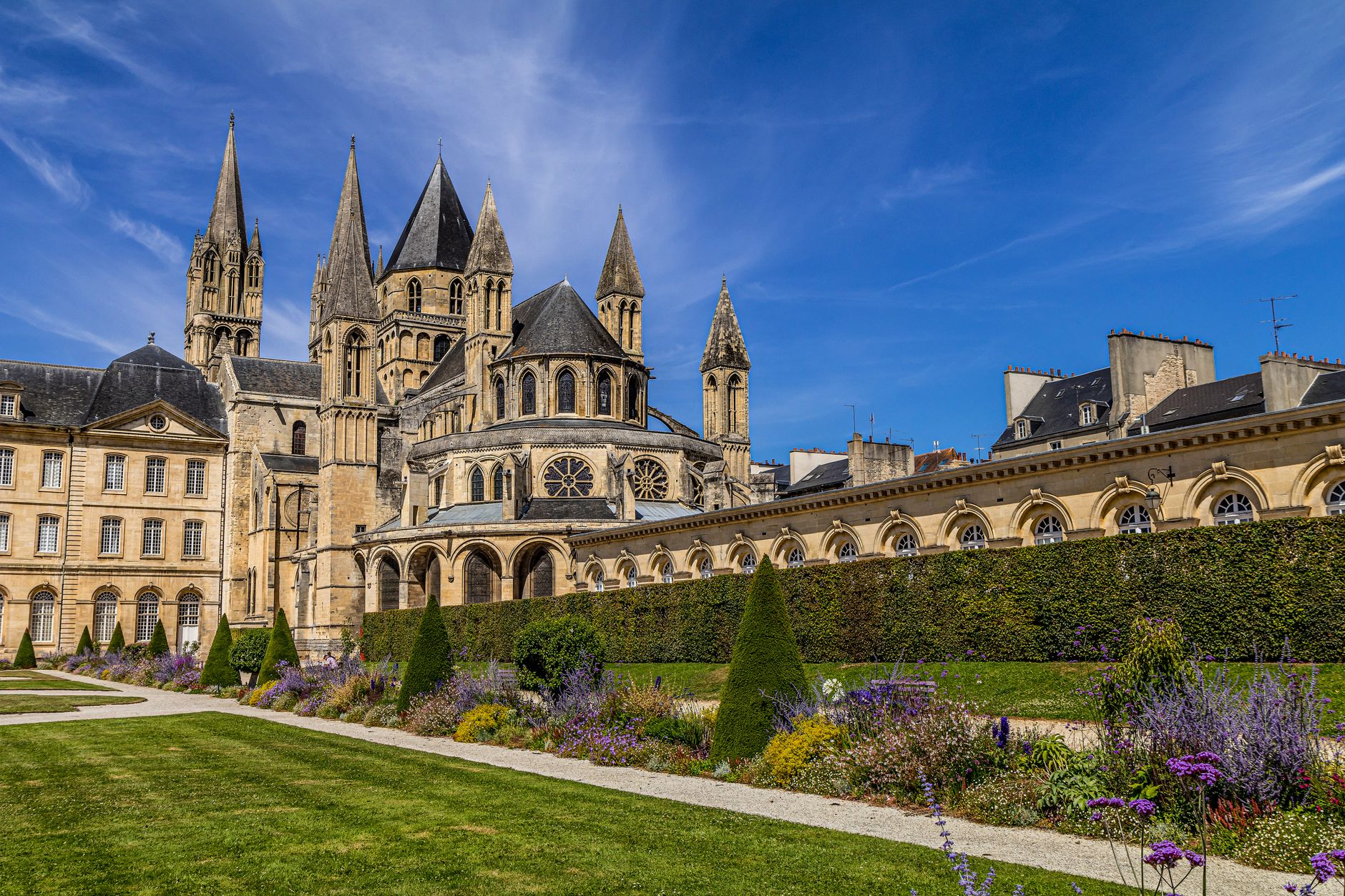

How Caen came to be
The Romans knew this ground as Catumagos — a field for combat — but Caen stayed a minor settlement until the Duchy of Normandy took shape around it in the tenth century. William the Conqueror made it his ducal seat and around 1060 began the château on its ridge, while he and Matilda founded their respective abbeys below, partly as atonement for marrying against papal dispensation. The city passed to France in 1204 when Philip II took it from the English.
The University of Caen, founded in 1432 by the English Duke of Bedford during the Hundred Years' War occupation, gave the city an intellectual life that outlasted its founders. Five centuries later, from June to August 1944, the Battle of Caen reduced most of that accumulated city to rubble. Reconstruction continued until 1962, and the Caen you walk through today is largely that rebuilt city, wearing its medieval survivors like medals.
Who and what shaped it
People who shaped it
Landmark buildings
See Caen in motion
Plan your visit
On the map
When to go
Normandy's Atlantic-influenced climate means Caen is mild but reliably damp — pack a layer even in July. Spring and early autumn give the best balance of light and manageable rainfall; winters are grey and quiet, with most outdoor sites still accessible.
Right now
Background & history adapted from Wikipedia (CC BY-SA) · specs from Wikidata (CC0) · weather from Open-Meteo · map data © OpenStreetMap contributors · photos from Wikimedia Commons / Unsplash with per-image credit. No third-party reviews or social posts reproduced.