
Granville

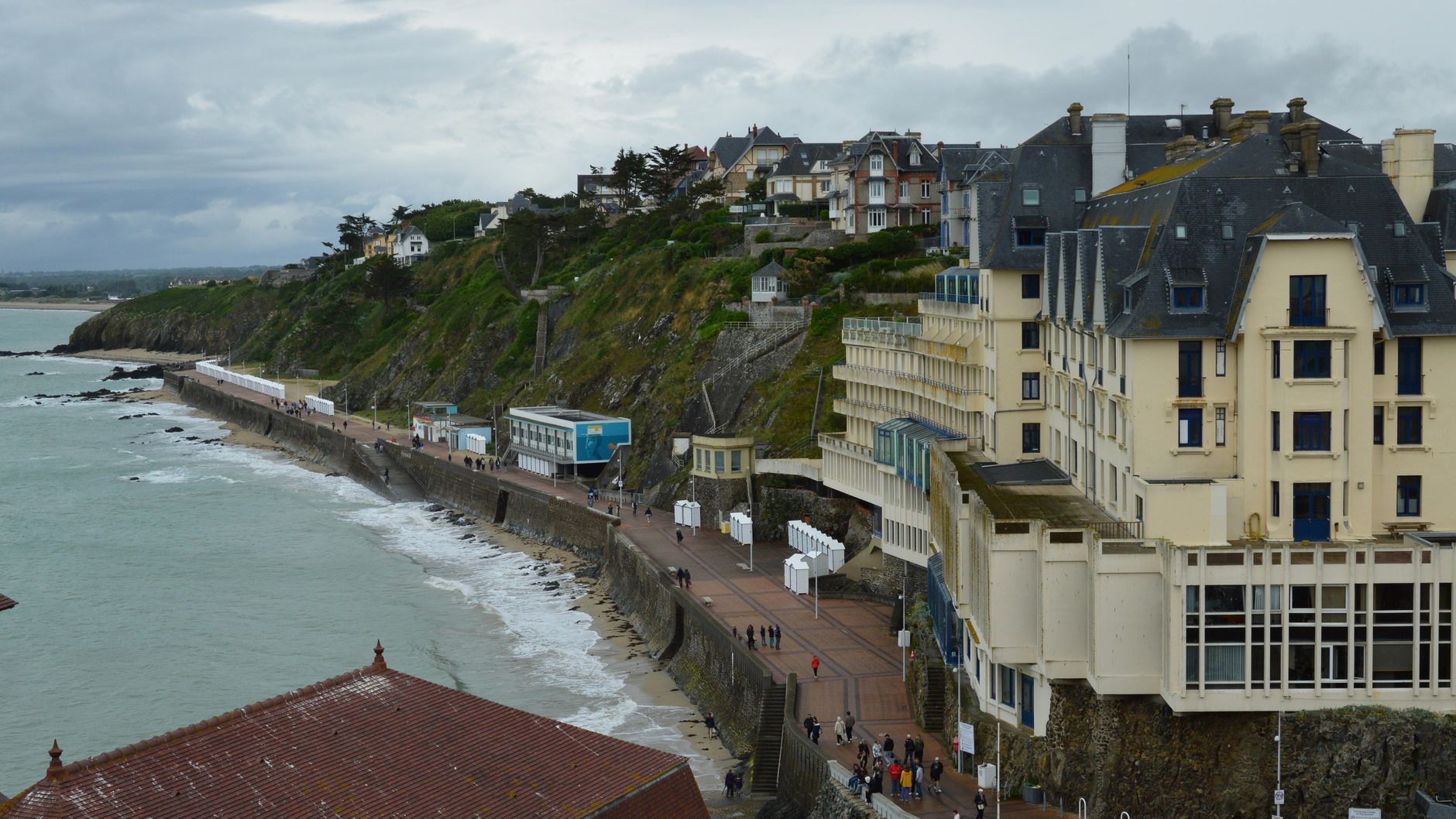
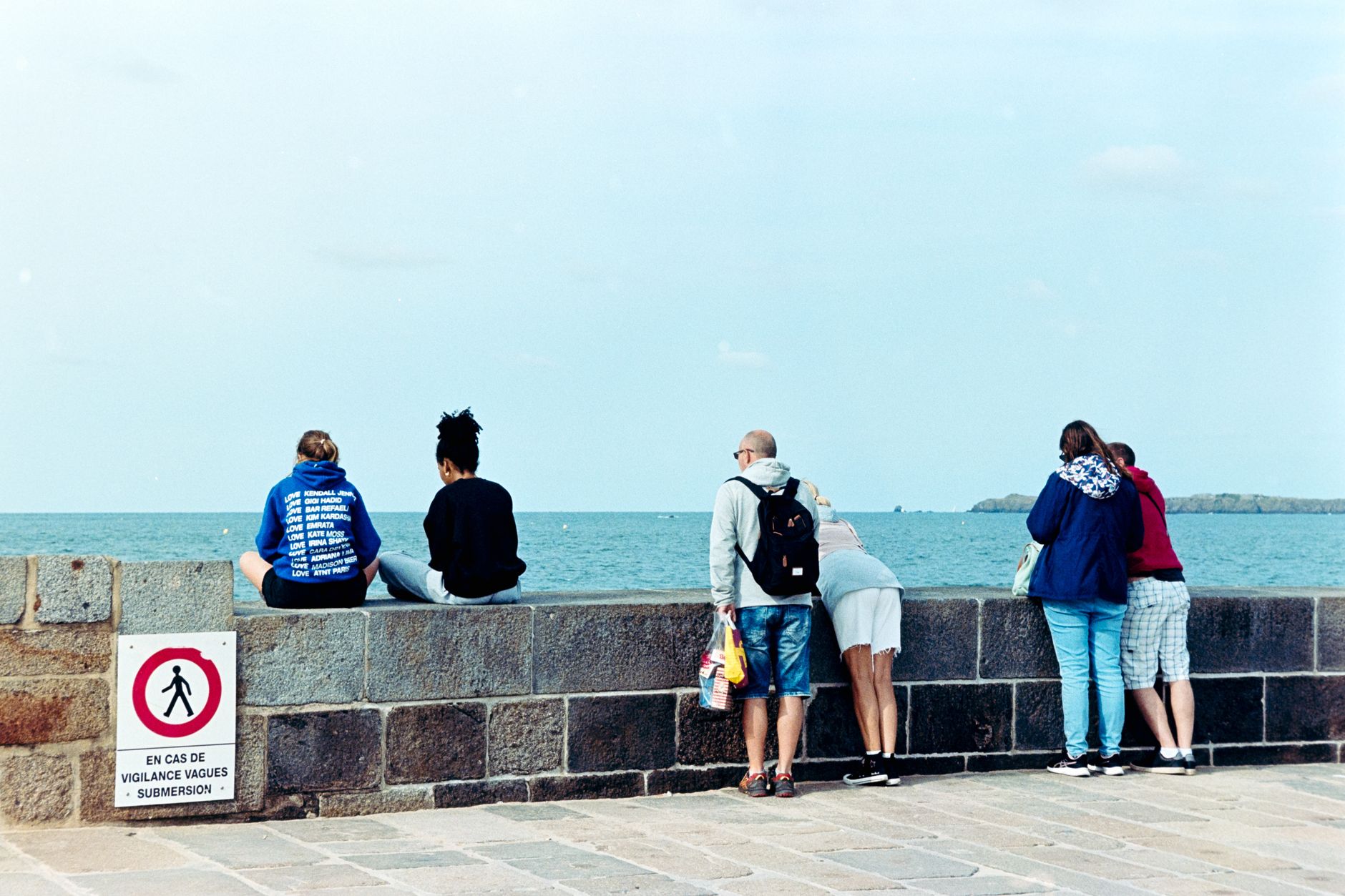
Granville sits on a rocky headland above the Normandy coast, its granite upper town ringed by 450 metres of rampart wall and looking out across water that, on clear days, shows you the silhouette of Mont-Saint-Michel to the south. The lower town curves around a working port that still handles freight and sends ferries out to the Channel Islands and the Chausey archipelago.
The place carries two lives at once: the fortified Haute Ville, where a church begun in 1439 anchors streets of salt-grey stone, and the Belle Époque seafront below, with its art-deco casino and long stretch of beach that drew Parisians once the train line arrived.
💛 What travellers fall for
People who come back tend to time it around the Wednesday or Saturday market, then walk the ramparts before the afternoon haze rolls in. The Dior Museum at Villa Les Rhumbs is only open May through September — worth planning around. The wooden cod-fishing boat Marité, moored in the port, rewards a slow look.
Experiences you don't want to miss


Deals in Granville
Book directly at the provider
How Granville came to be
The headland's first documented lords were the Grant family, granted these lands by William the Conqueror after 1066. For over a century from the 1300s, Granville sat under English control — Thomas de Scales, Seneschal of Normandy, bought the Roque as late as 1439. Three years later, Norman knights under Louis d'Estouteville drove the English out, and Charles VII rewarded the town in 1445 with a charter, a coat of arms and tax exemptions. Construction on Notre-Dame du Cap Lihou had already begun.
The 17th century brought substantial fortifications around the upper town. Then, in November 1793, during the Wars of the Vendée, a royalist army of more than 20,000 besieged the town — held by 5,500 republican soldiers — and retreated after a single day when promised English support never arrived. By the 19th century the harbour trade had ceded ground to Saint-Malo, and the arrival of the Paris railway recast Granville as a resort.
Who and what shaped it
People who shaped it
Landmark buildings
See Granville in motion
Plan your visit
On the map
When to go
Summers are mild and often breezy, with enough sun to make the beach workable from June through September — the best window for the Dior Museum too. Winters are damp and grey, the ramparts windswept, but the town is quiet and the light on the granite has its own quality.
Right now
Background & history adapted from Wikipedia (CC BY-SA) · specs from Wikidata (CC0) · weather from Open-Meteo · map data © OpenStreetMap contributors · photos from Wikimedia Commons / Unsplash with per-image credit. No third-party reviews or social posts reproduced.