
Dieppe
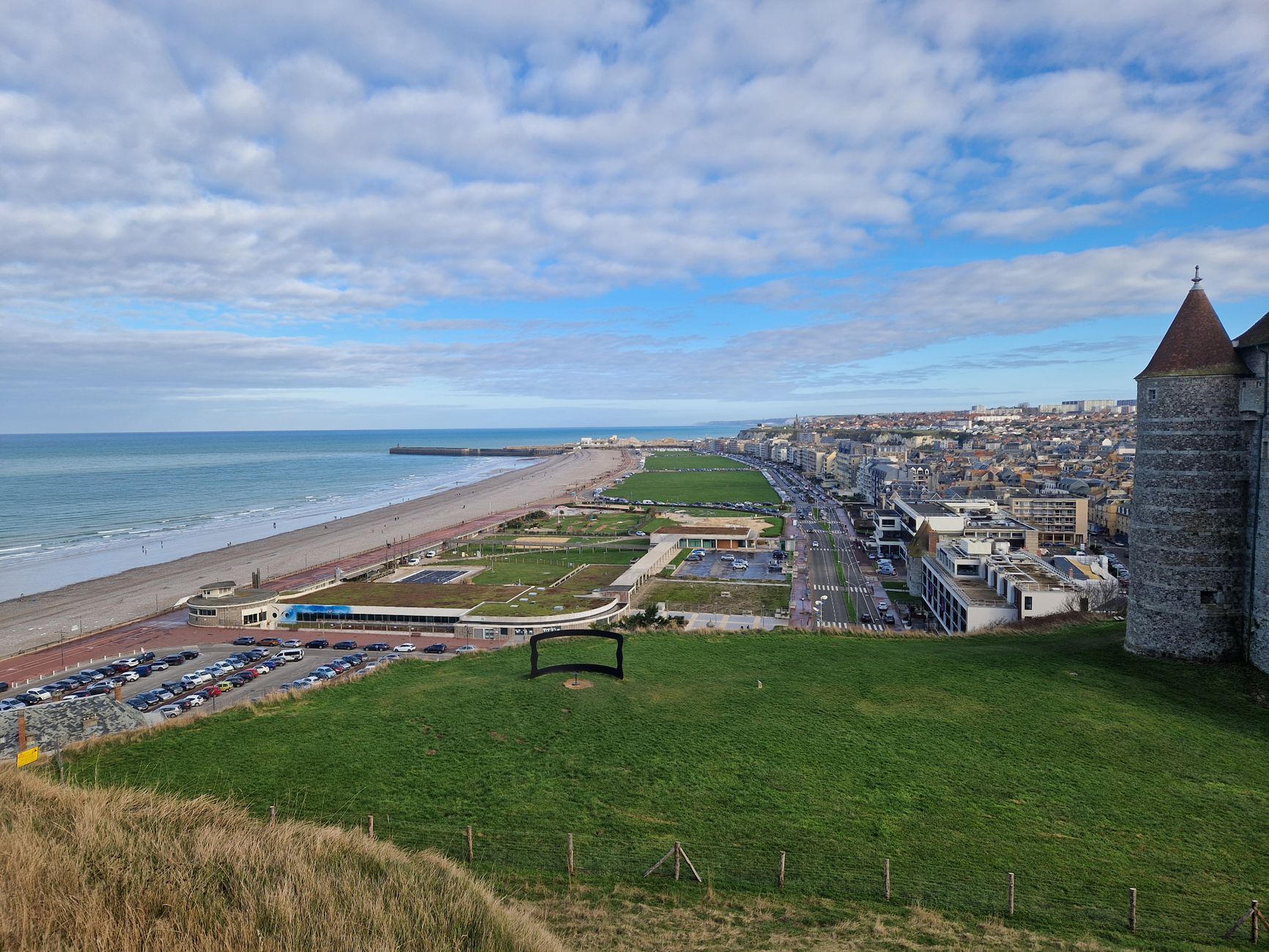
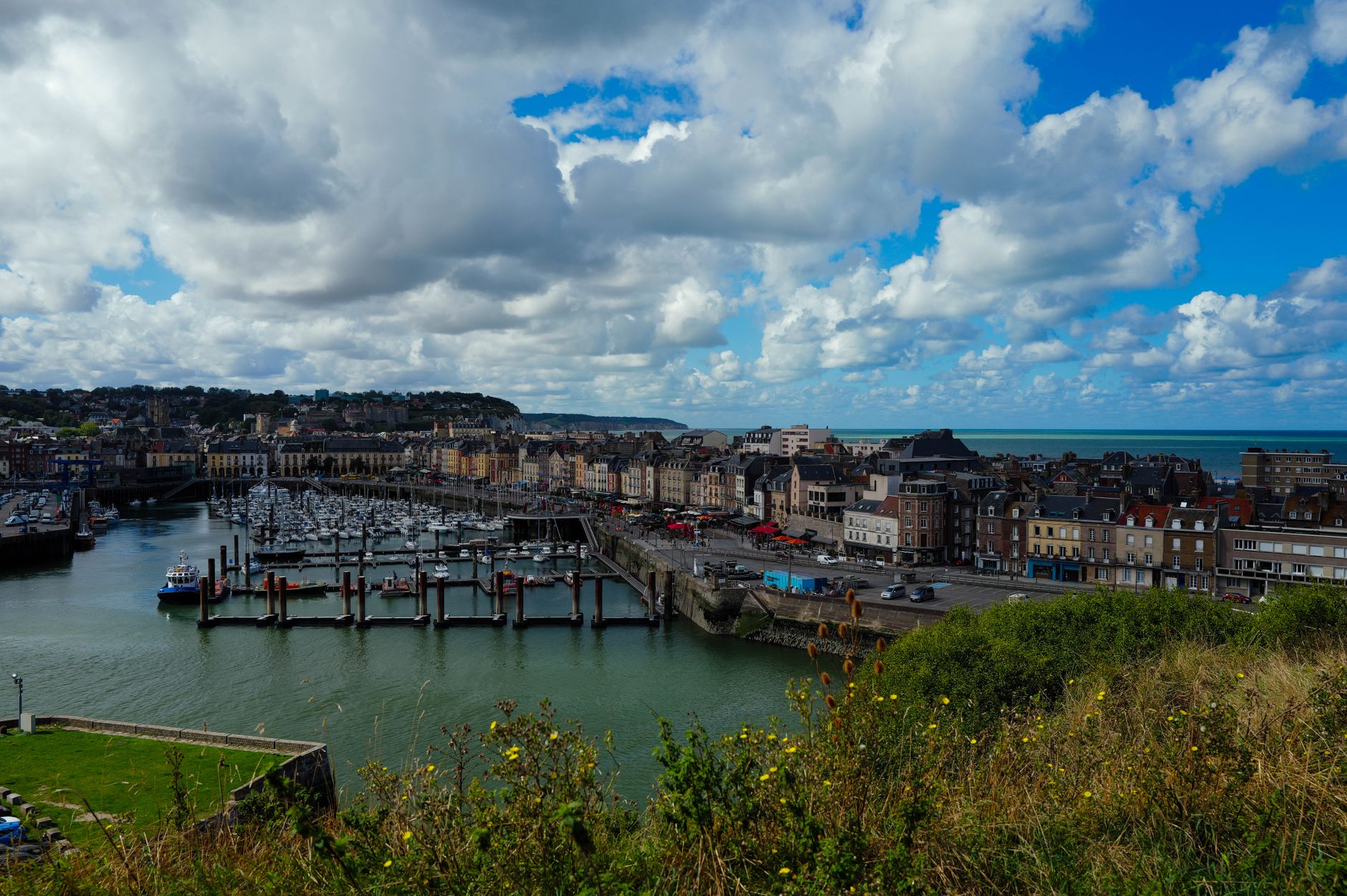
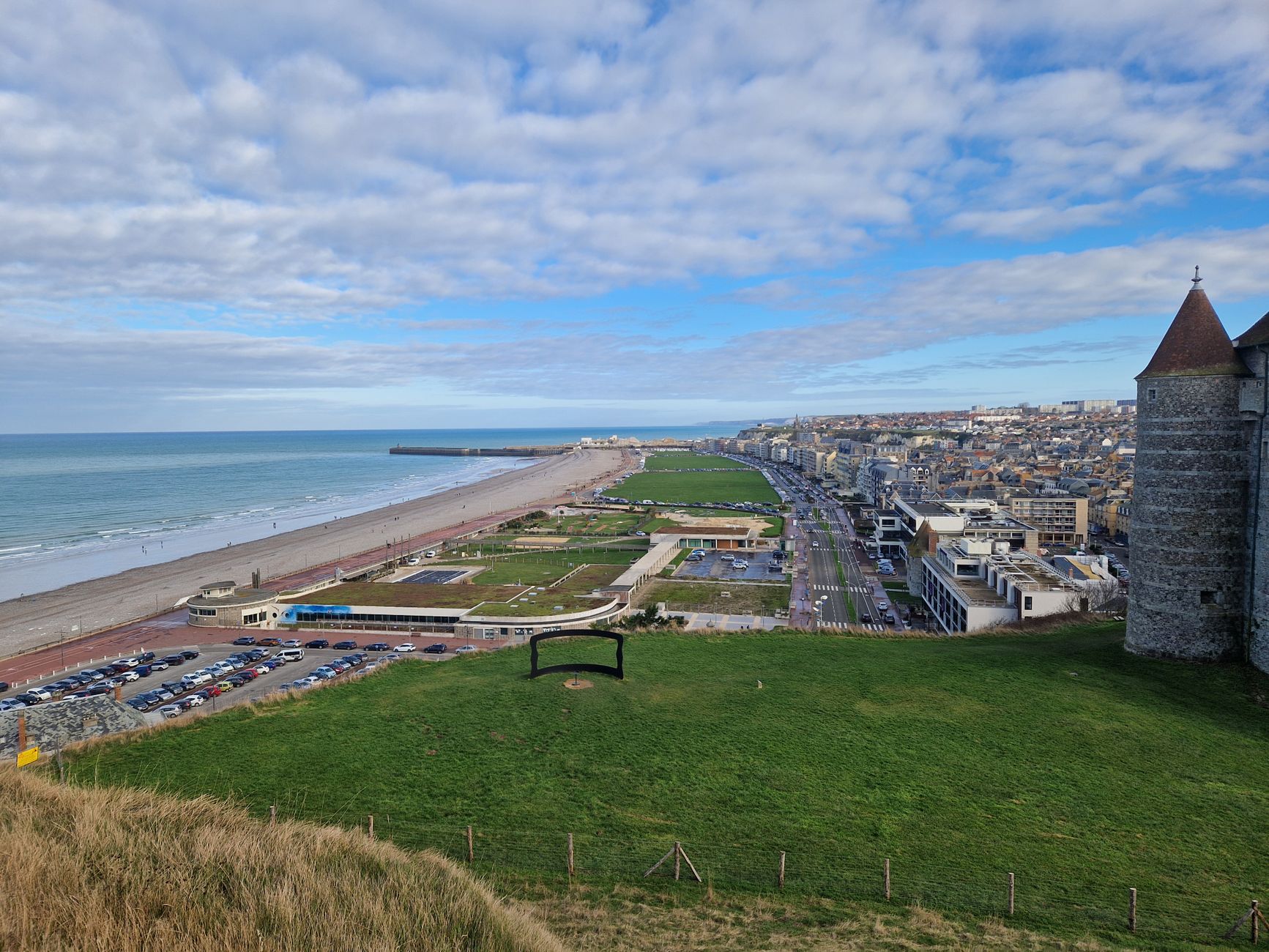
The first thing you notice in Dieppe is the smell — salt, fish, diesel from the ferry — and then the castle sitting high above the harbour, pale stone that somehow survived the English and Dutch bombardment that flattened the rest of the town in 1694. Everything below it was rebuilt in a single burst of French classical planning, which gives the old streets an unusual coherence for a Channel port.
Dieppe has been pulling people across the water for centuries: Turner and Monet came for the light, Oscar Wilde drank at the Café des Tribunaux, and the Duchess of Berry more or less invented the French seaside holiday here in 1824. The Saturday market, voted France's most beautiful in 2020, still fills the Grande Rue with everything from Normandy cheese to live crabs.
💛 What travellers fall for
People who come back tend to time it around the Saturday market, then walk it off along the clifftop path east of town. The Café des Tribunaux on Place du Puits Salé is the reliable anchor — coffee in the morning, something stronger after the castle. The Château museum's ivory carving collection surprises almost everyone.
Experiences you don't want to miss




Deals in Dieppe
Book directly at the provider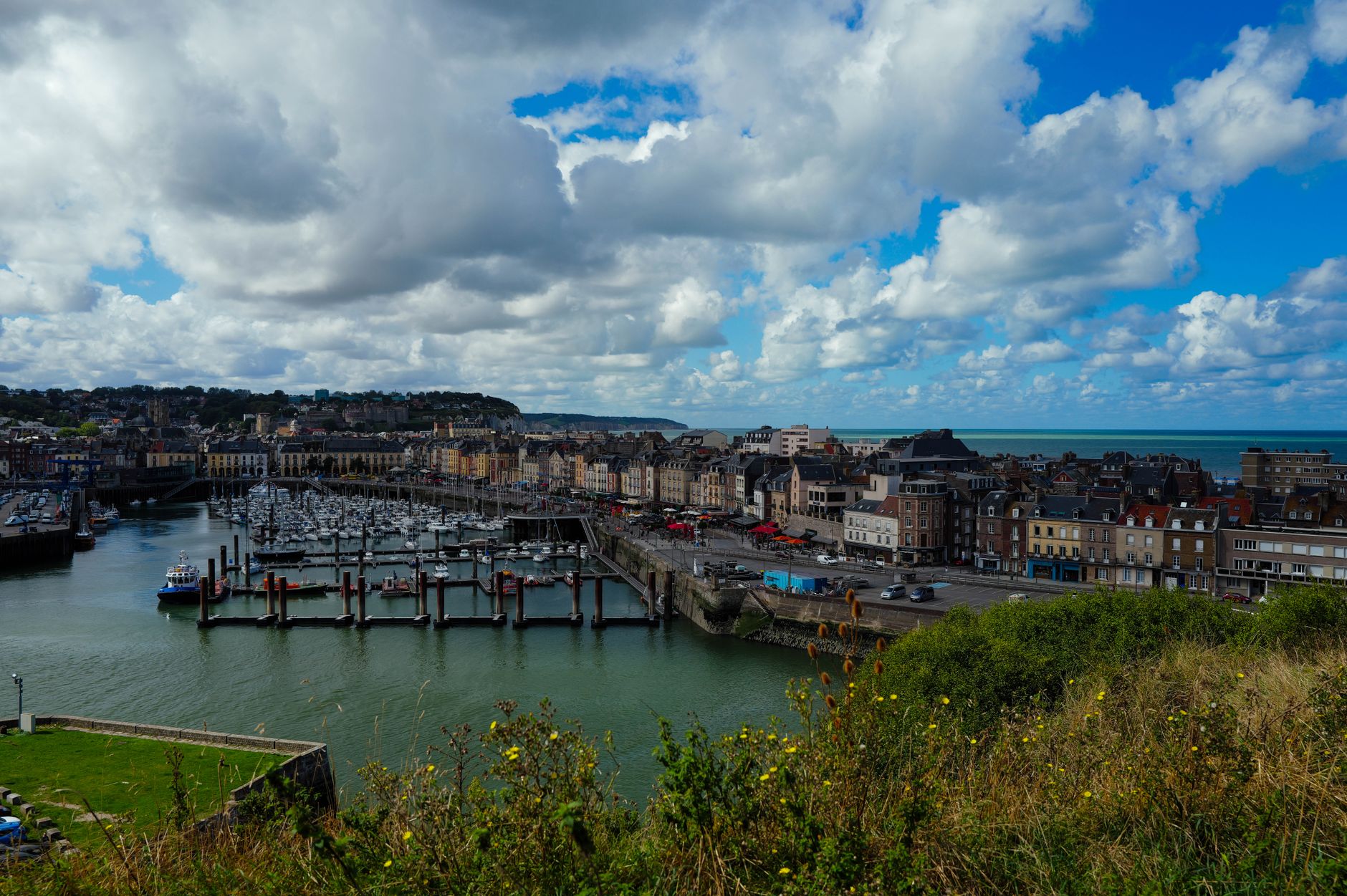
How Dieppe came to be
Vikings settled the estuary around 1030, and the town spent the following centuries changing hands — English-occupied during the Hundred Years' War until locals expelled them in 1435. By the 16th century Dieppe housed France's most advanced school of cartography, and ship-owner Jehan Ango was funding exploration voyages for Francis I. The 17th century brought plague, the persecution of Protestants after 1685, and then the near-total destruction of the town by English and Dutch naval bombardment in 1694.
Architect Ventabren rebuilt it from 1696 onward in the classical French style you still walk through today. Two and a half centuries later, on 19 August 1942, Allied forces — mainly Canada's 2nd Infantry Division — landed here in a raid that became one of the war's costliest single-day operations. The Canadians returned to liberate the city on 1 September 1944.
Who and what shaped it
People who shaped it
Landmark buildings
See Dieppe in motion
Plan your visit
On the map
When to go
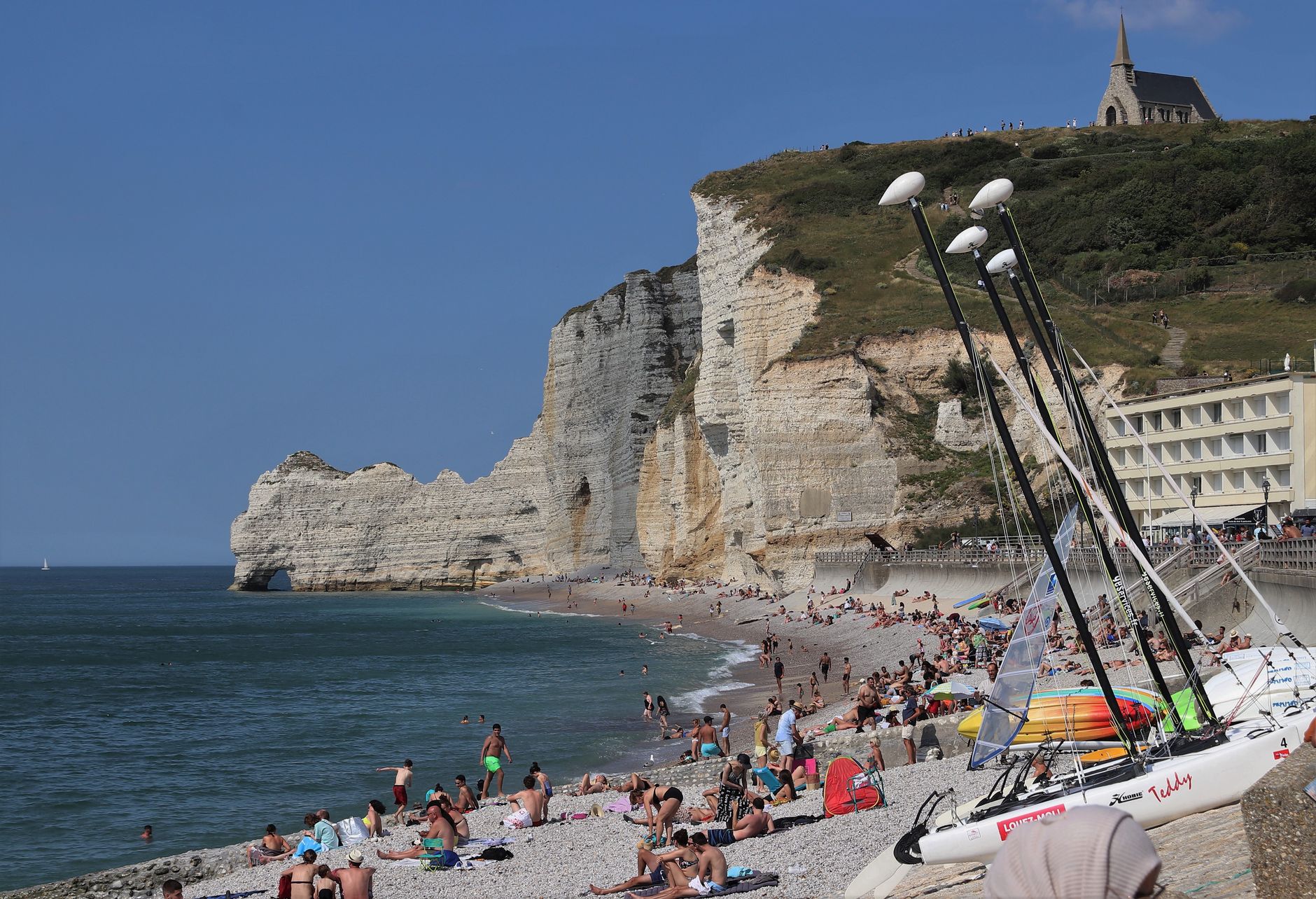
Summers are comfortable and long enough to justify the beach — June through September averages around 19°C, with the sea reaching its warmest in August. Winters are cold, overcast, and persistently windy, with average highs around 7°C, though the light on the cliffs in February has its own austere quality, which is presumably what kept Turner coming back.
Right now
Background & history adapted from Wikipedia (CC BY-SA) · specs from Wikidata (CC0) · weather from Open-Meteo · map data © OpenStreetMap contributors · photos from Wikimedia Commons / Unsplash with per-image credit. No third-party reviews or social posts reproduced.