
Alsace
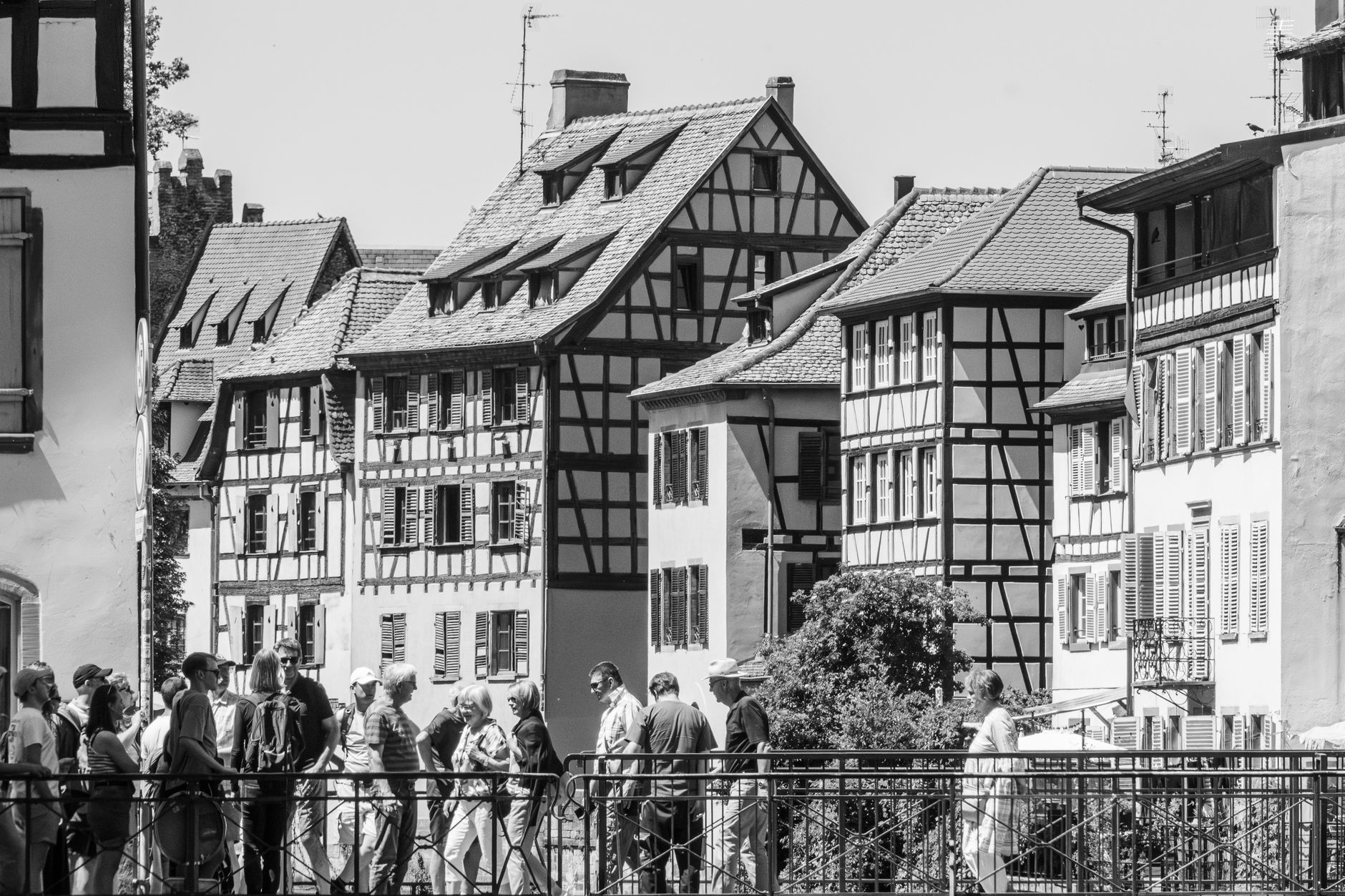
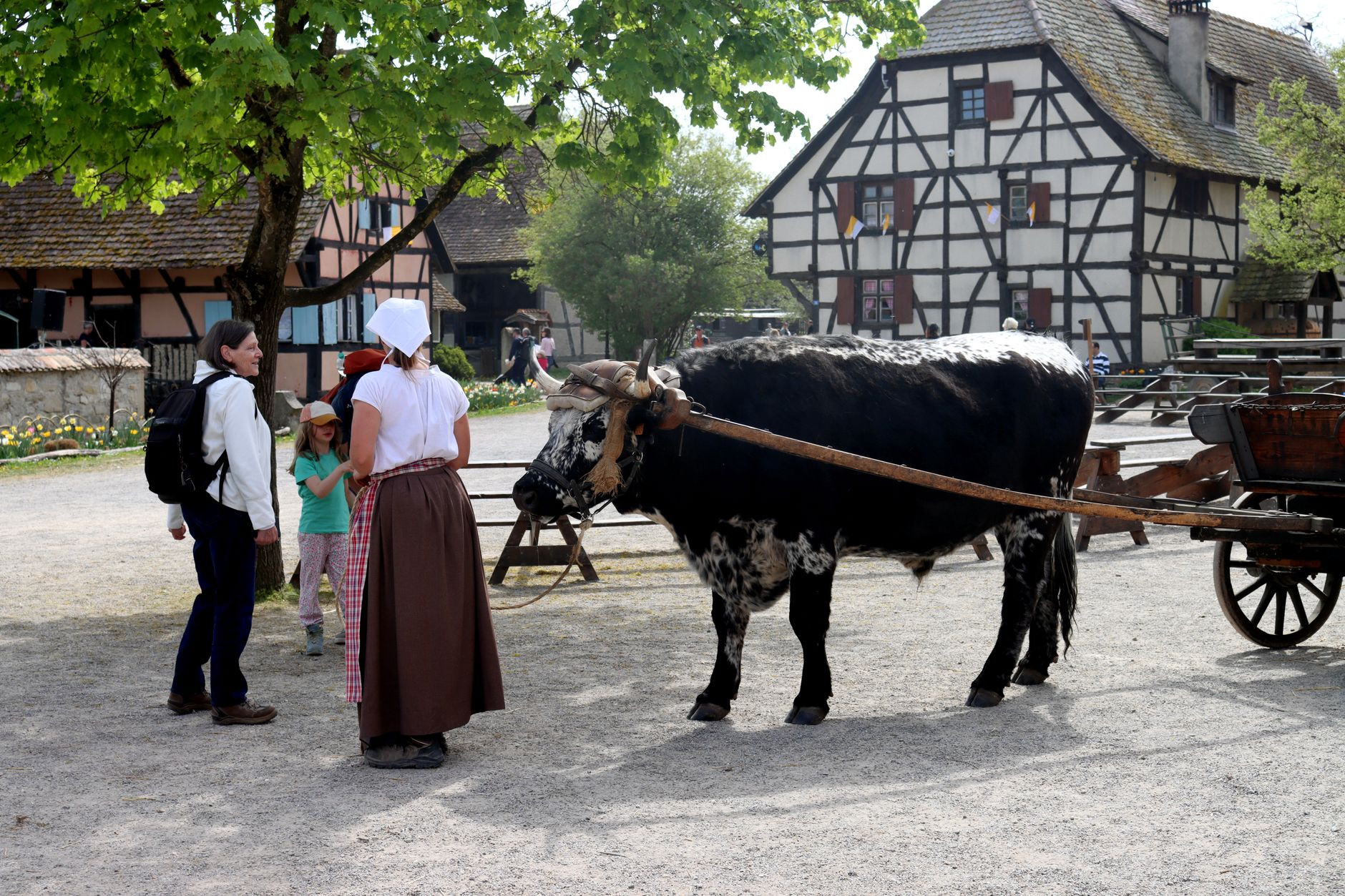
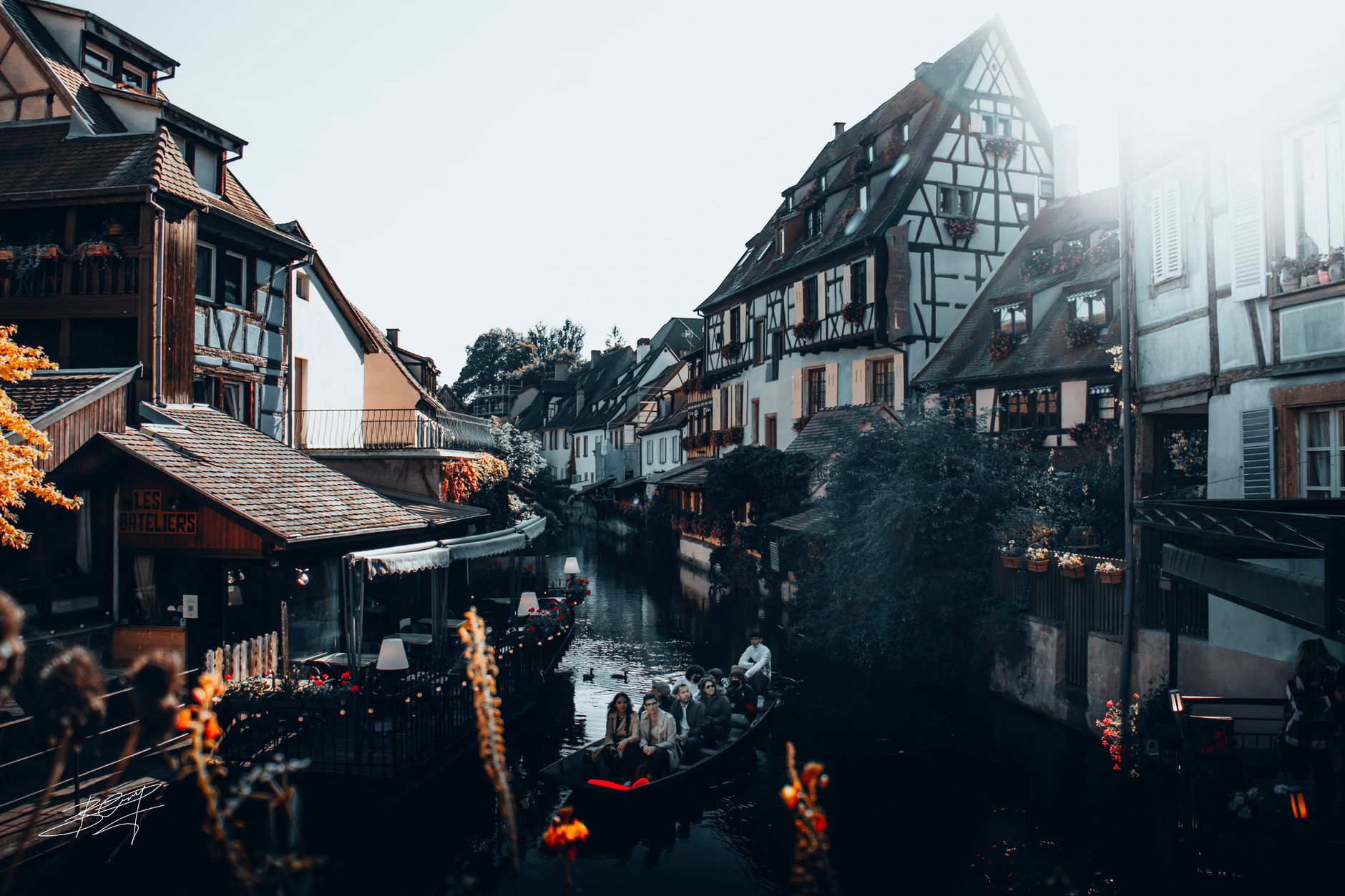
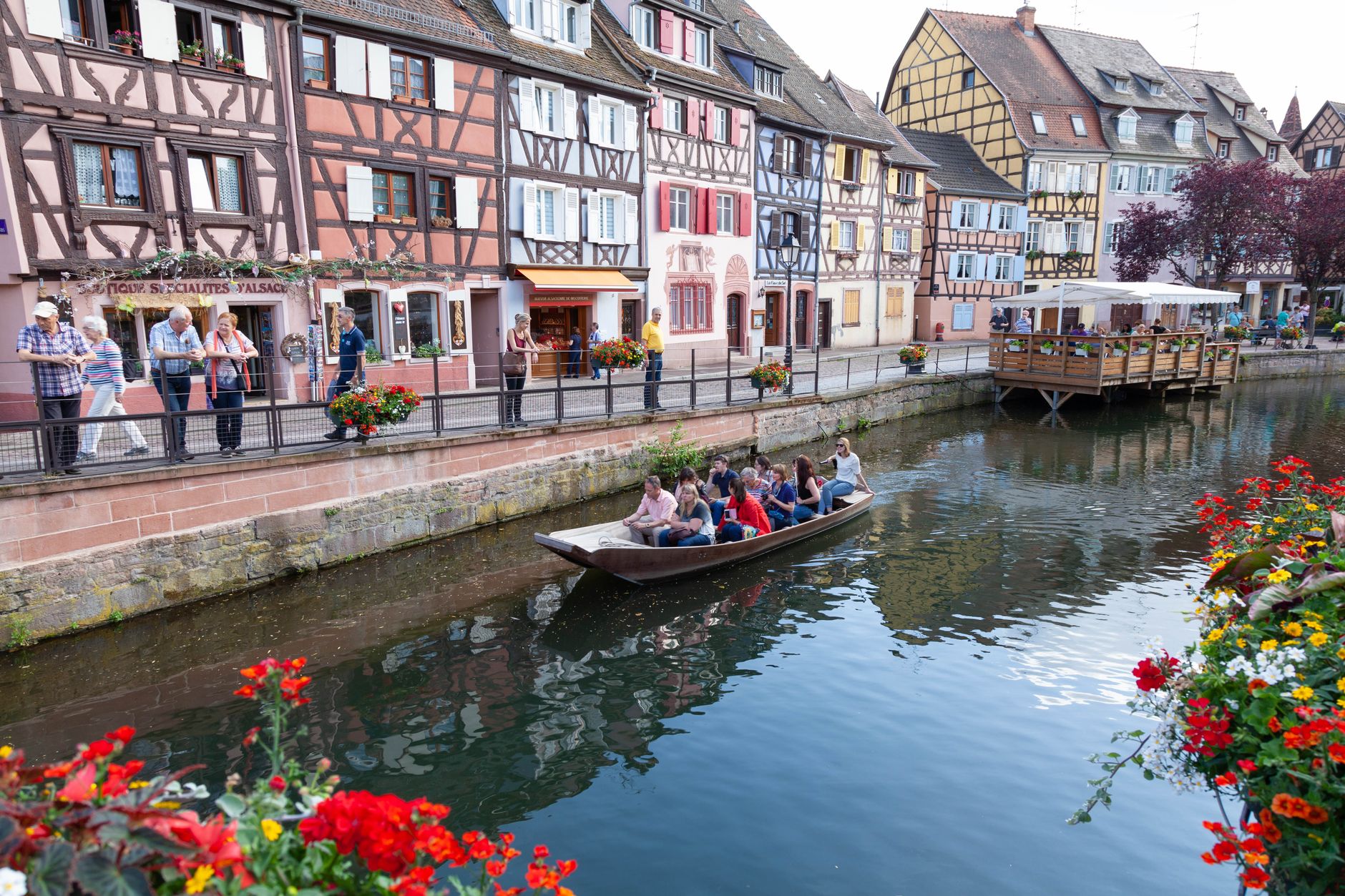
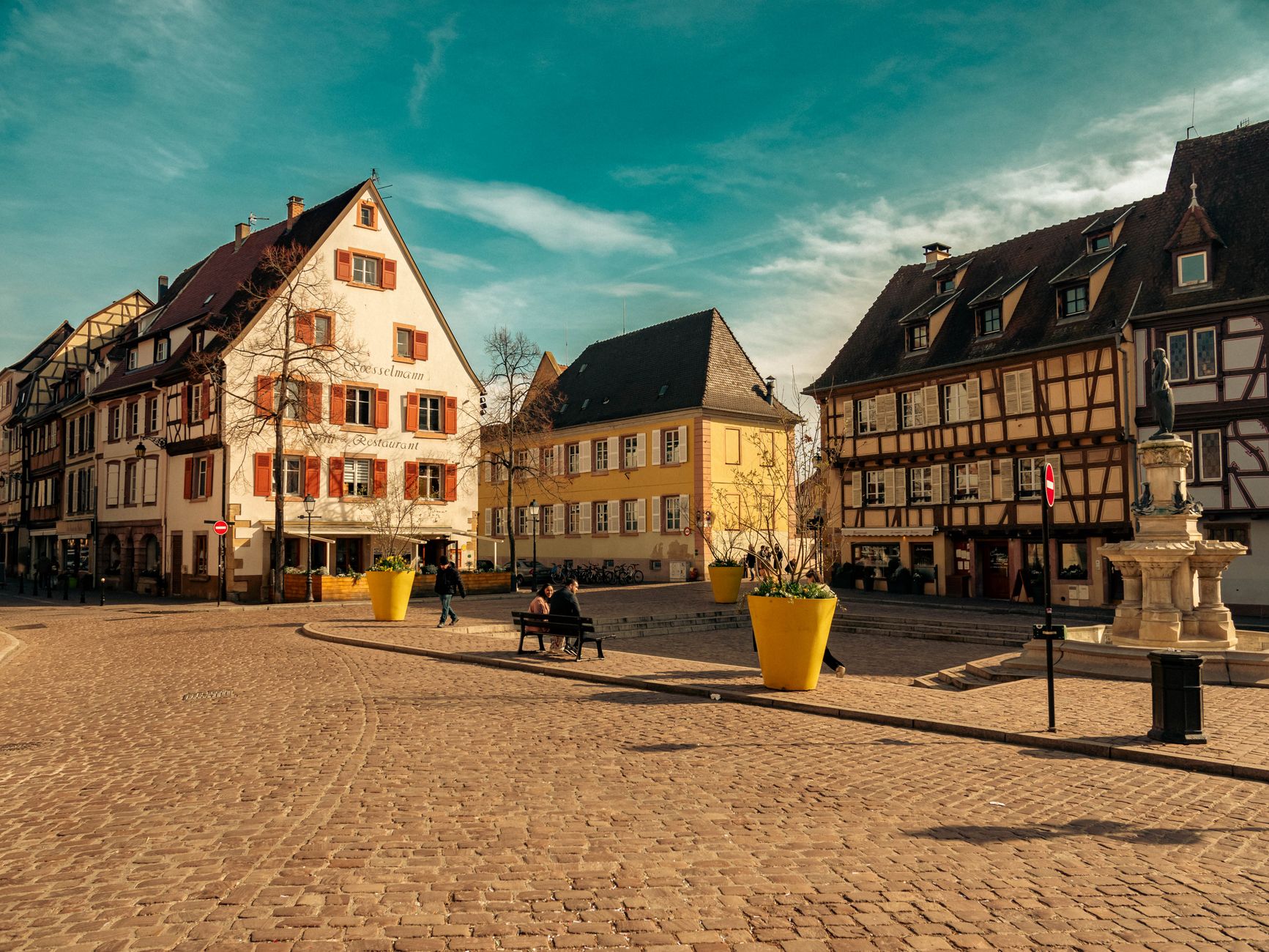
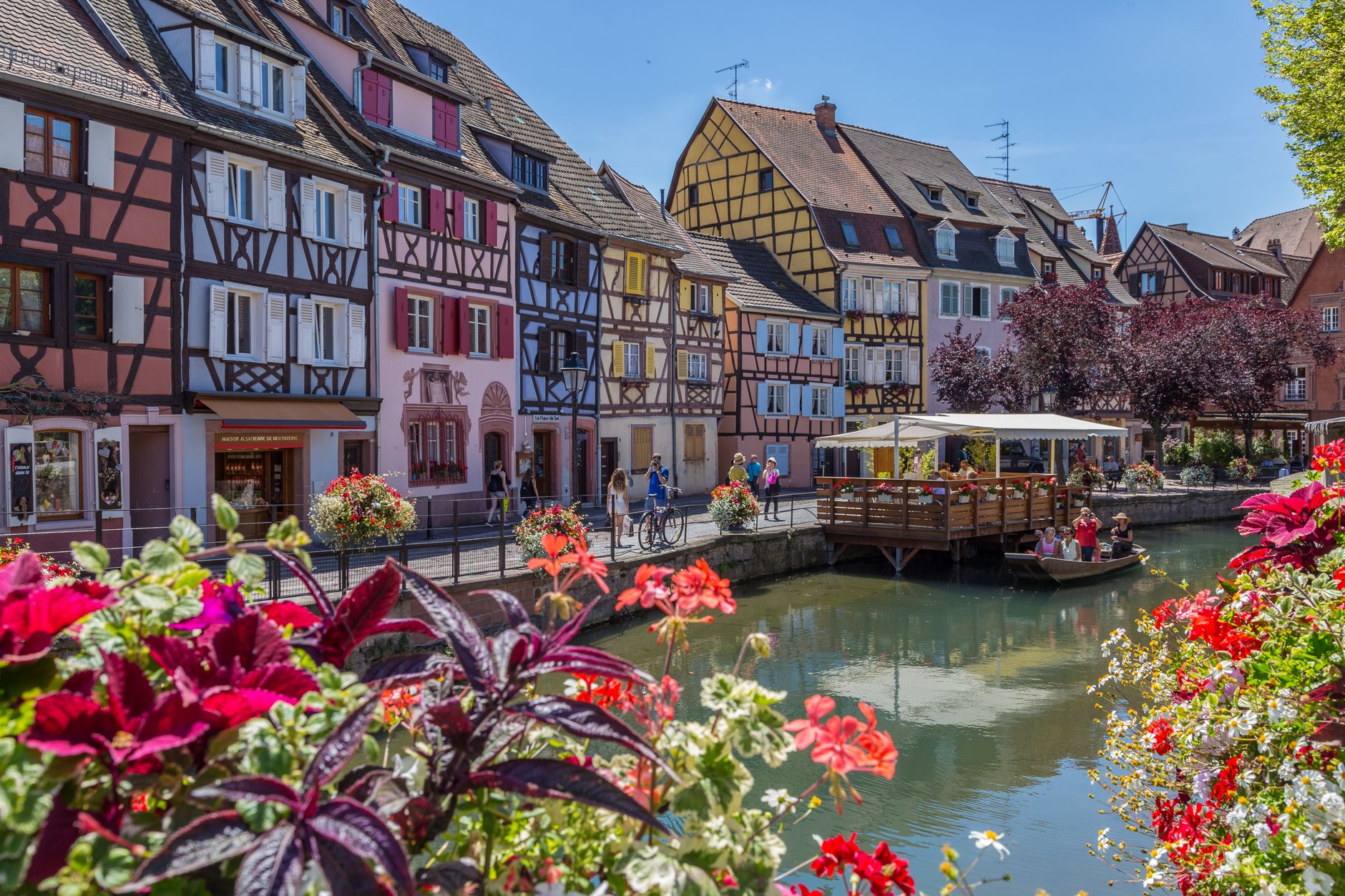
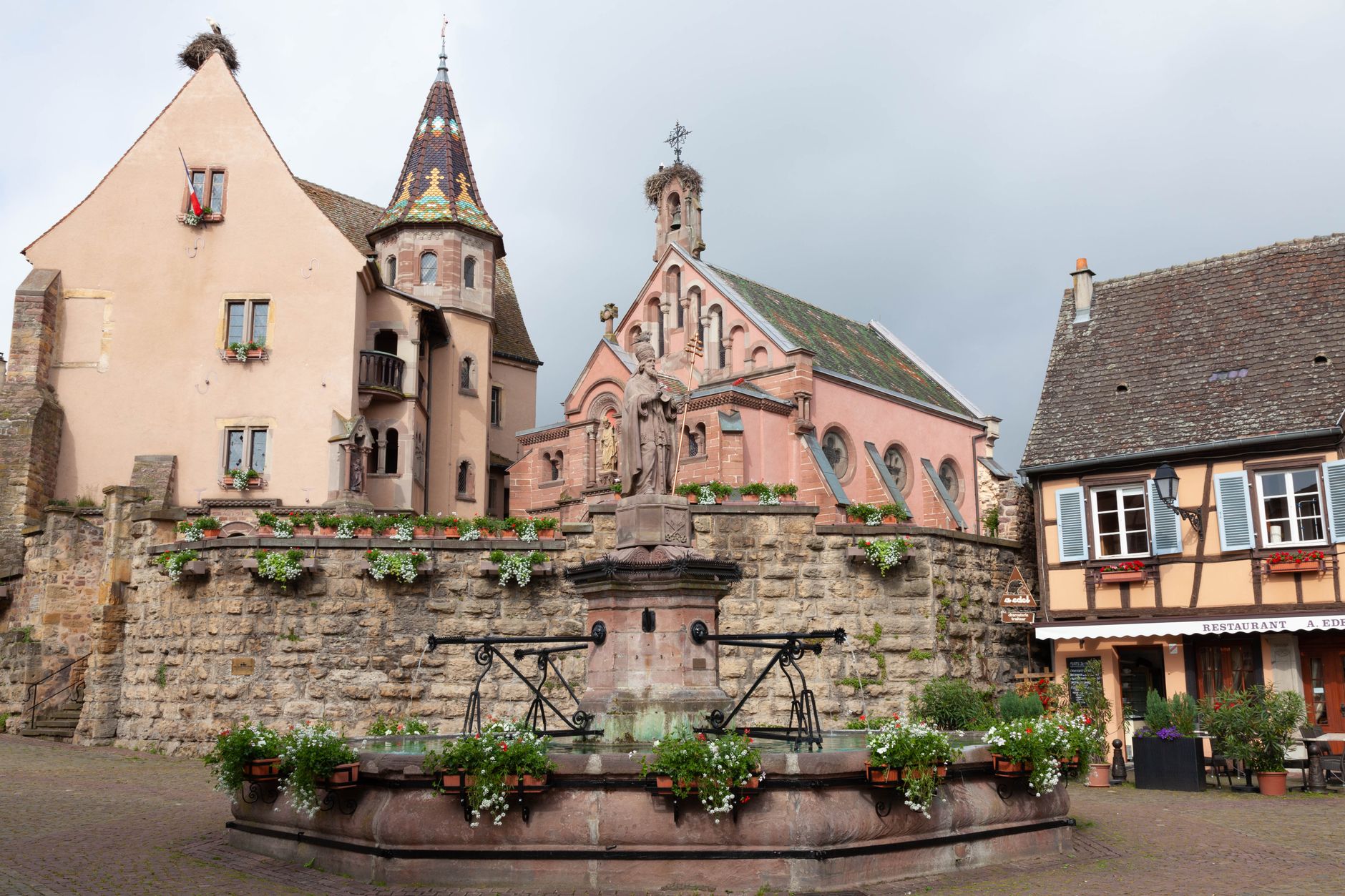
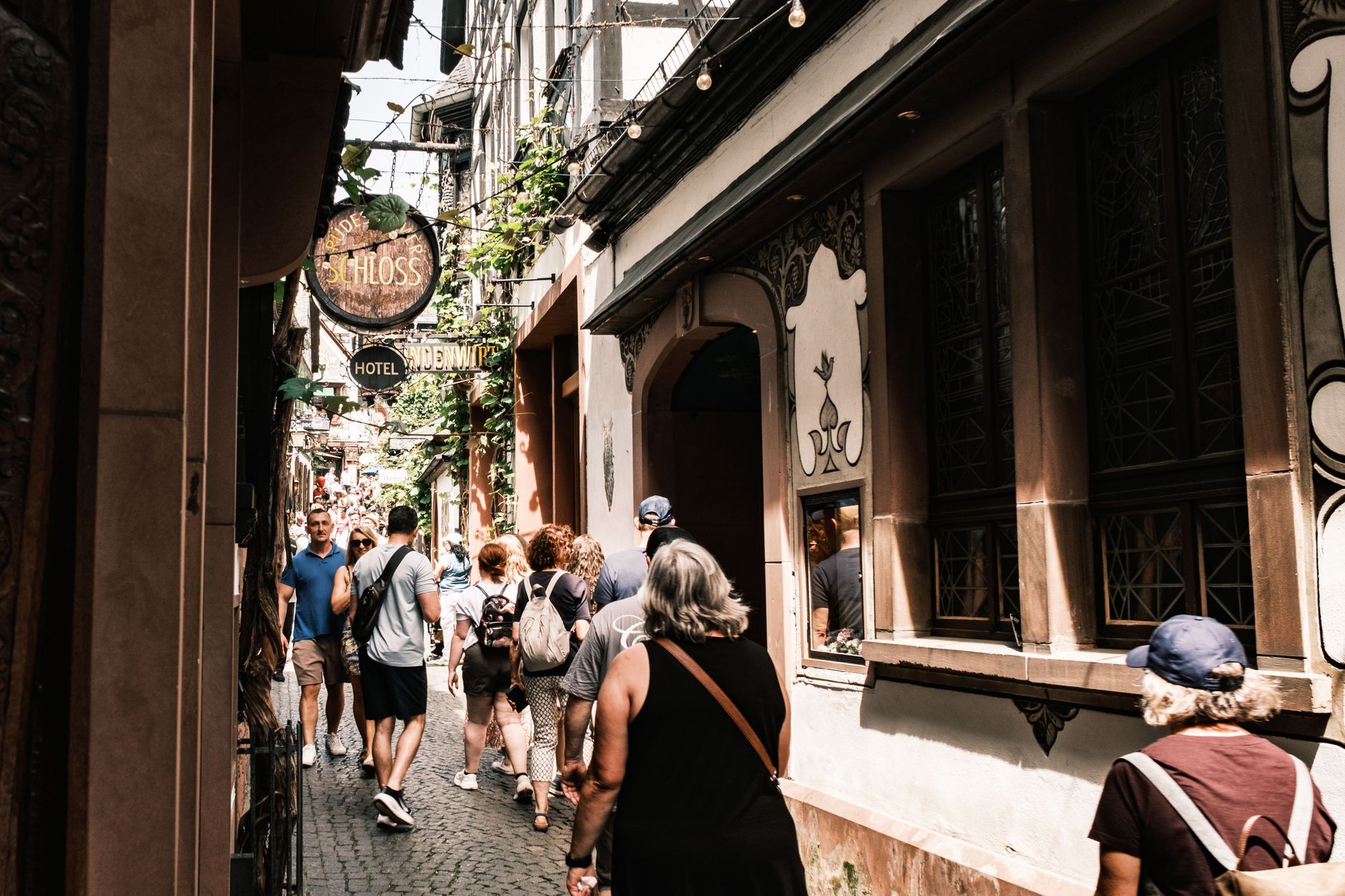
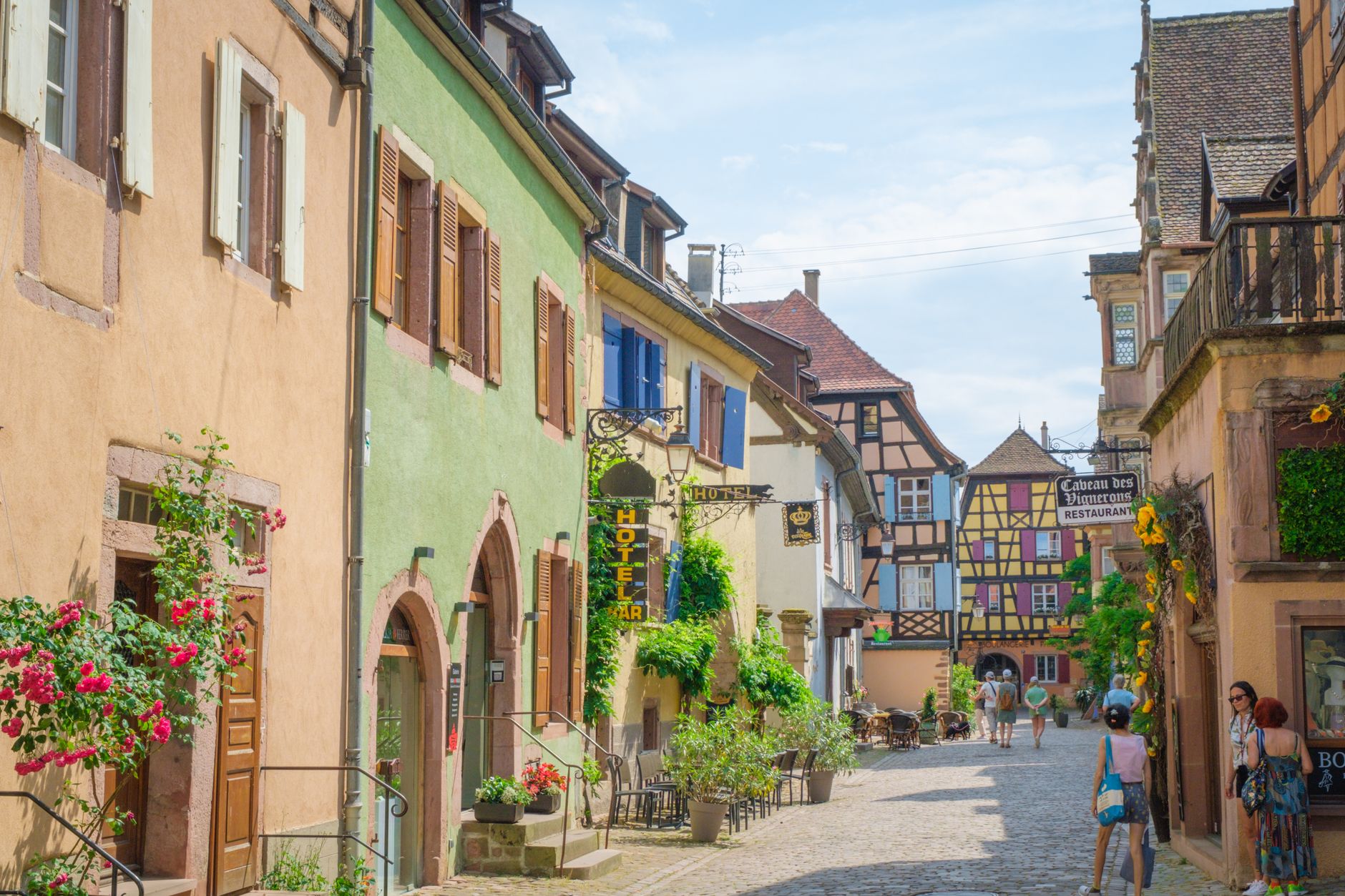
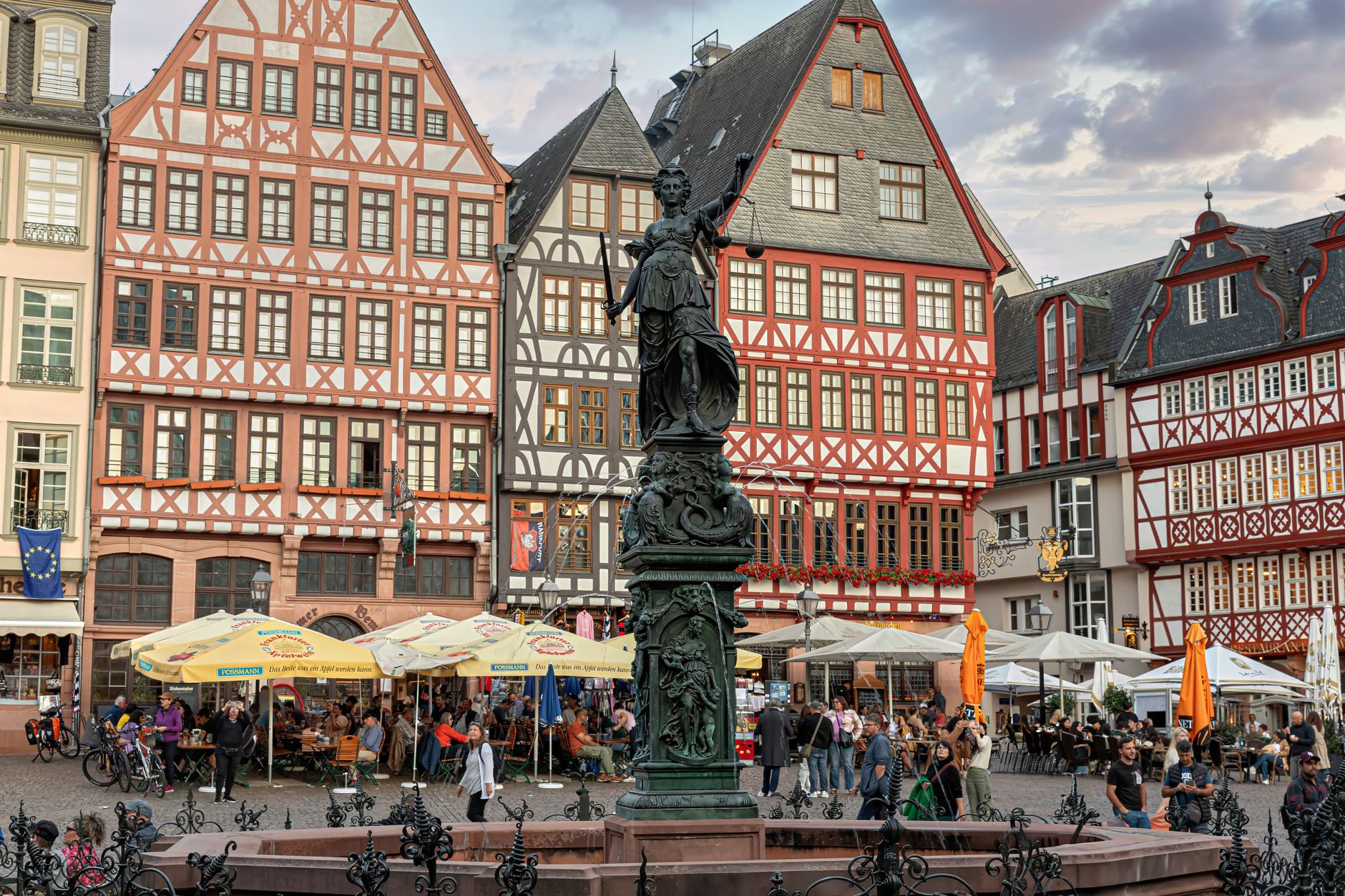
Alsace sits on the French side of the Rhine, pressed between the Vosges mountains and Germany, and the geography has shaped everything — the food, the dialect, the architecture, the wine. Half-timbered houses lean over canal-cut streets in Strasbourg's Petite France, pink sandstone churches anchor small market towns, and vineyard roads unspool south through the foothills past Colmar and Eguisheim.
This is a region that has changed hands repeatedly — French, German, French again — and the layering shows in ways that feel less like a history lesson and more like a texture. You eat choucroute in a room that feels Alsatian in a way that is neither quite French nor German, and that specific quality is the point.
Popular cities in Alsace
💛 What travellers fall for
Return visitors tend to anchor in Colmar rather than Strasbourg — smaller, easier to walk, and the Maison Pfister alone is worth a slow look. The Kut'zig hop-on-hop-off bus (€17/day) is the unhurried way to move between Ribeauvillé, Riquewihr, and Kaysersberg without a rental car.
Experiences you don't want to miss




How Alsace came to be
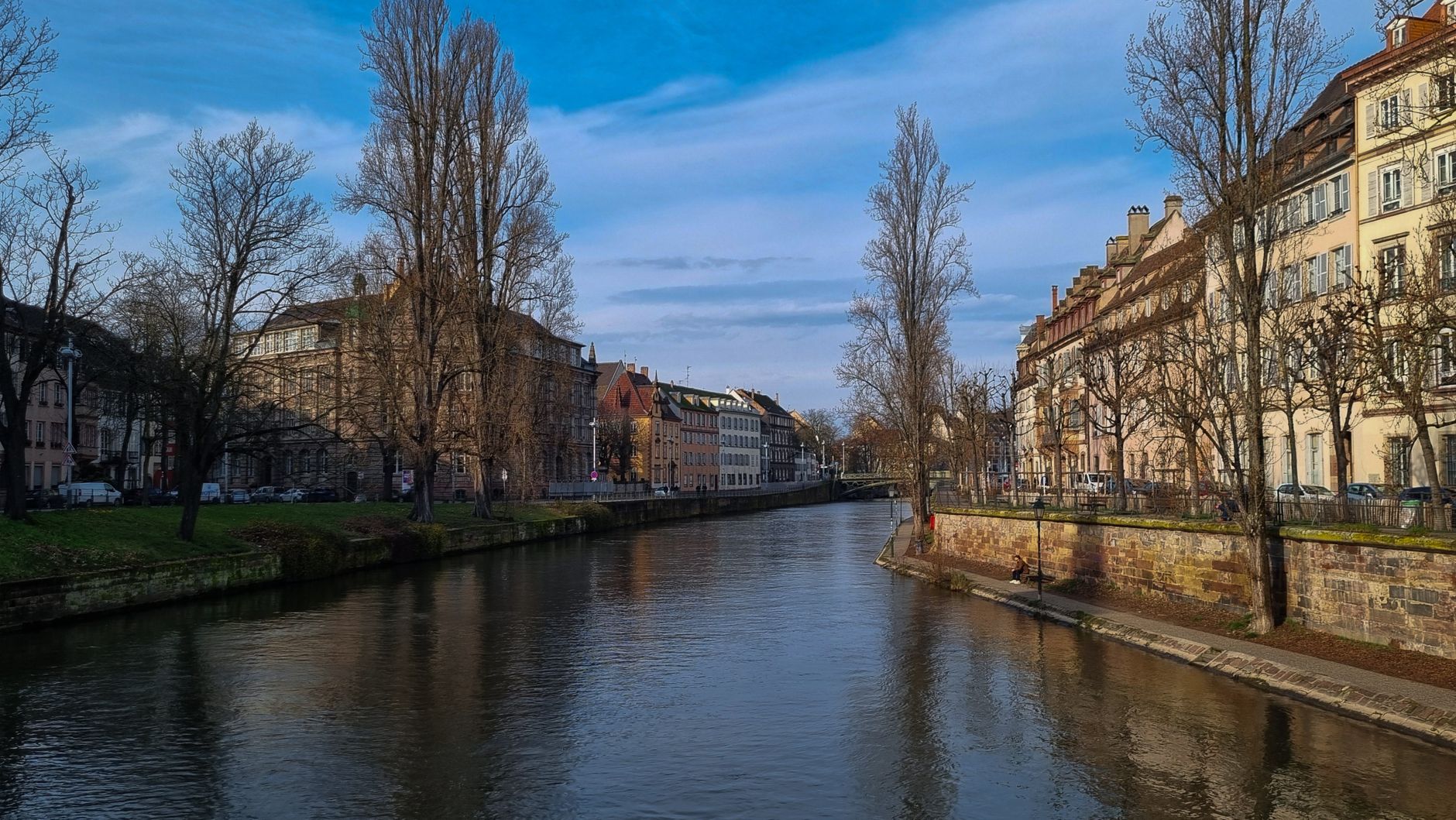
Alsace passed through Celtic and Germanic hands before Julius Caesar's legions arrived in 58 BC. The Franks took it in 496 CE after Clovis defeated the Alemanni at Tolbiac, and the region found its medieval footing under the Hohenstaufen emperors — Frederick Barbarossa called it 'the dearest of our family possessions.' Strasbourg won free imperial city status in the early 13th century, and construction on its Gothic cathedral began in 1015, stretching across four centuries.
France secured Alsace through the Peace of Westphalia in 1648, but the region spent 1871 to 1919 inside the German Empire, then was reincorporated by Germany again from 1940 to 1945. That back-and-forth — five changes of national sovereignty in under a century — is why Alsace feels like no other part of France.
Who and what shaped it
People who shaped it
Landmark buildings
See Alsace in motion
Plan your visit
On the map
When to go
Winters run cold, averaging around 2°C in January and February, with occasional snow in the Vosges foothills. Summers are warm and dry, reaching around 20°C in July and August — the season when the vineyard roads are at their most photogenic and the outdoor markets run long into the evening.
Right now
↡ Cities

No places match these filters.
Background & history adapted from Wikipedia (CC BY-SA) · specs from Wikidata (CC0) · weather from Open-Meteo · map data © OpenStreetMap contributors · photos from Wikimedia Commons / Unsplash with per-image credit. No third-party reviews or social posts reproduced.