
Mulhouse
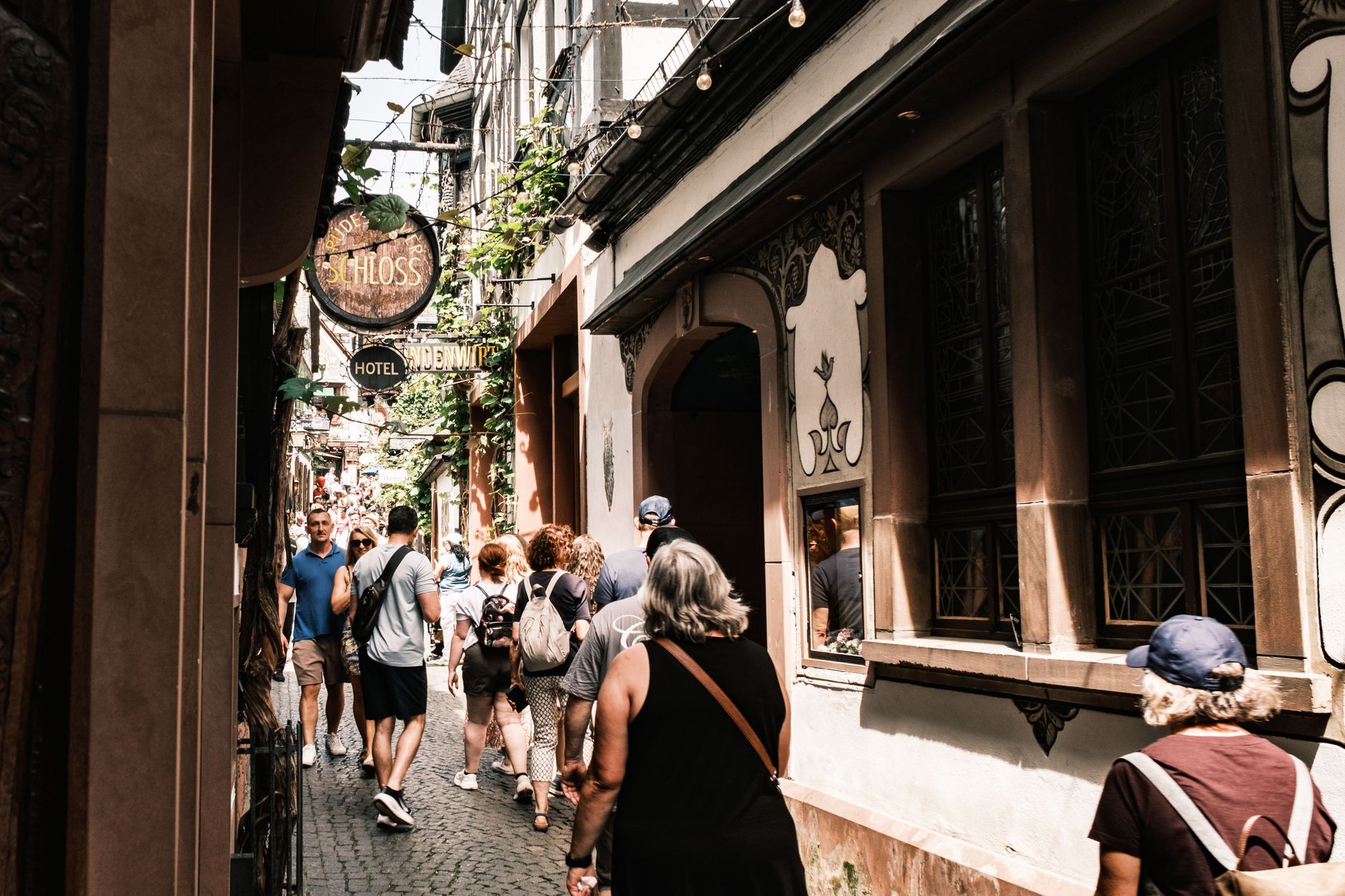
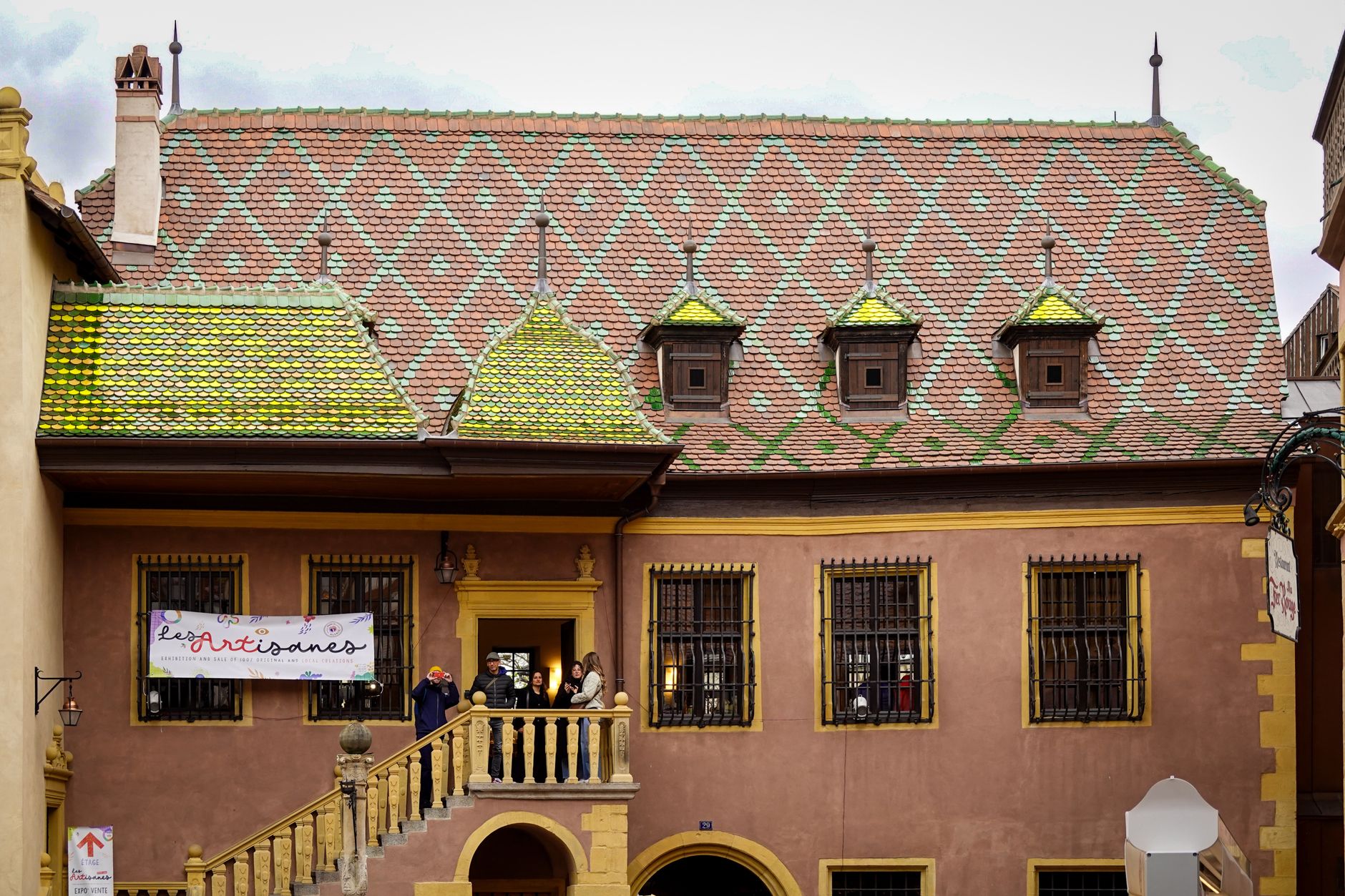
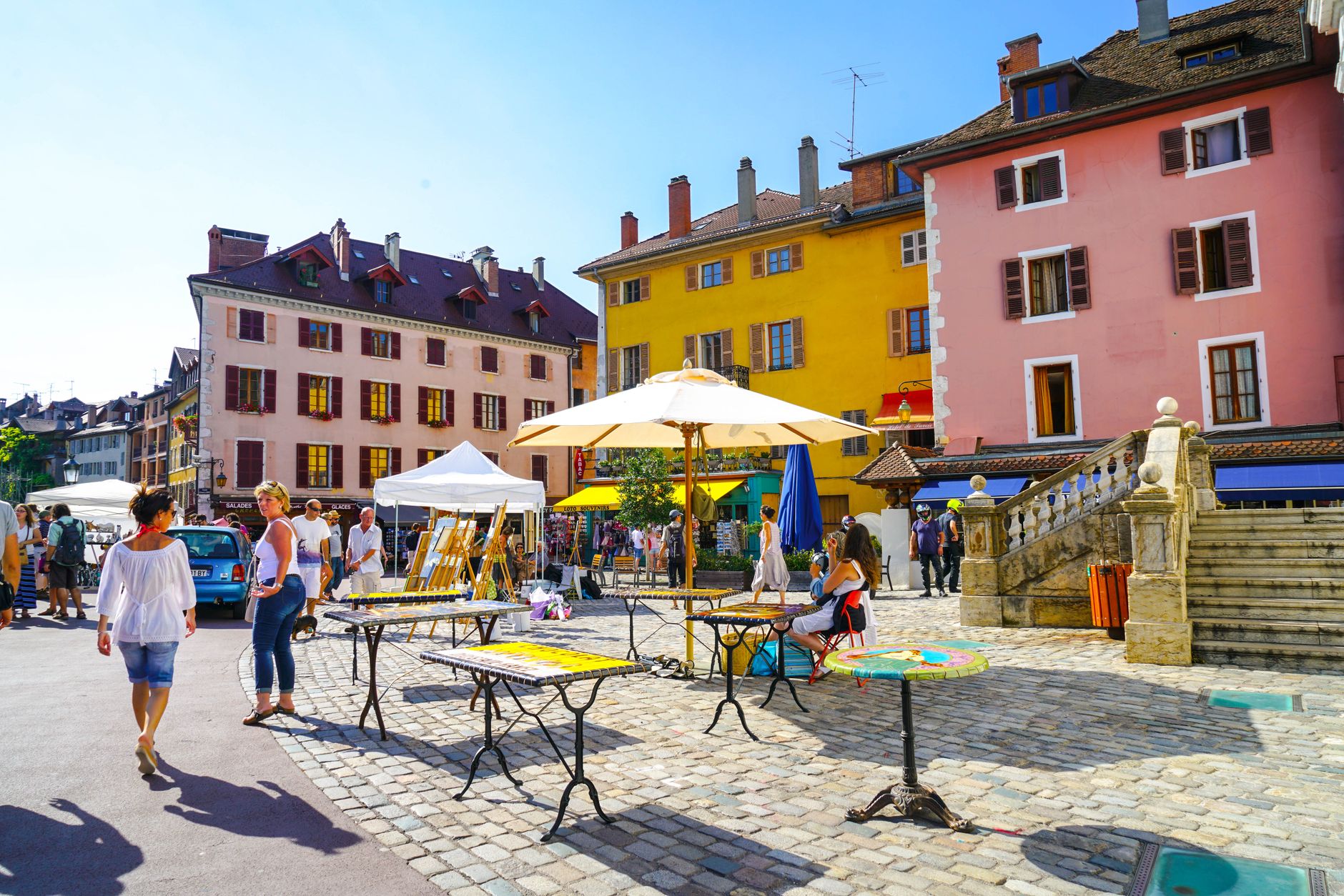
Mulhouse makes its first impression through sheer accumulation: over 400 vintage cars in a former factory hall, the largest railway museum in the world two streets away, and a neo-Gothic church on the main square whose stained-glass windows date back to the fourteenth century while the building around them does not. This is a city that collects things — industries, identities, passports — and keeps them.
For most of its history Mulhouse belonged to no one country for very long. It spent centuries as a free city, then allied itself with Switzerland, then voted itself into France in 1798, then was annexed by Germany after 1871, then returned to France in 1918. The architecture, the family names on old shop fronts, and the museums all carry that layered record.
💛 What travellers fall for
People who come back tend to do the Cité de l'Automobile properly the second time — meaning slowly, with the audio guide, pausing at the Bugattis. They also find their way to the Pharmacie au Lys on Place de la Réunion, in business since 1649, where the shelves are worth a longer look than most galleries.
Experiences you don't want to miss


Deals in Mulhouse
Book directly at the provider
How Mulhouse came to be
Mulhouse first appears in written records in the twelfth century and became an Imperial Free City in 1273. In 1347 it elected its first burgomaster and declared itself a republic. For over a century and a half it was part of the Zehnstädtebund — a league of ten Alsatian cities — before joining the Swiss Confederation as an associate in 1515, a move that kept it out of French hands when the Peace of Westphalia reshaped the region in 1648.
The city's industrial chapter opened in 1746 when Samuel Kœchlin, Jean-Jacques Schmalzer, Jean-Henri Dollfus, and Jean-Jacques Feer founded its first textile-printing factory. Wealth followed. Citizens voted to join France on 4 January 1798, and the Treaty of Mulhouse was signed twenty-four days later. The Franco-Prussian War brought German annexation in 1871; the Treaty of Versailles returned Mulhouse to France in 1918. Alfred Dreyfus, whose court-martial in 1894 divided the French Republic, was born here.
Who and what shaped it
People who shaped it
Landmark buildings
See Mulhouse in motion
Plan your visit
On the map
When to go
Mulhouse sits in the Rhine plain and gets cold, clear winters and warm summers — July temperatures regularly reach the low thirties Celsius. Spring and September offer the most comfortable conditions for walking between the outdoor squares and the museum sites; winter visits work well given how much of what the city does best is indoors.
Right now
Background & history adapted from Wikipedia (CC BY-SA) · specs from Wikidata (CC0) · weather from Open-Meteo · map data © OpenStreetMap contributors · photos from Wikimedia Commons / Unsplash with per-image credit. No third-party reviews or social posts reproduced.