
Kaysersberg
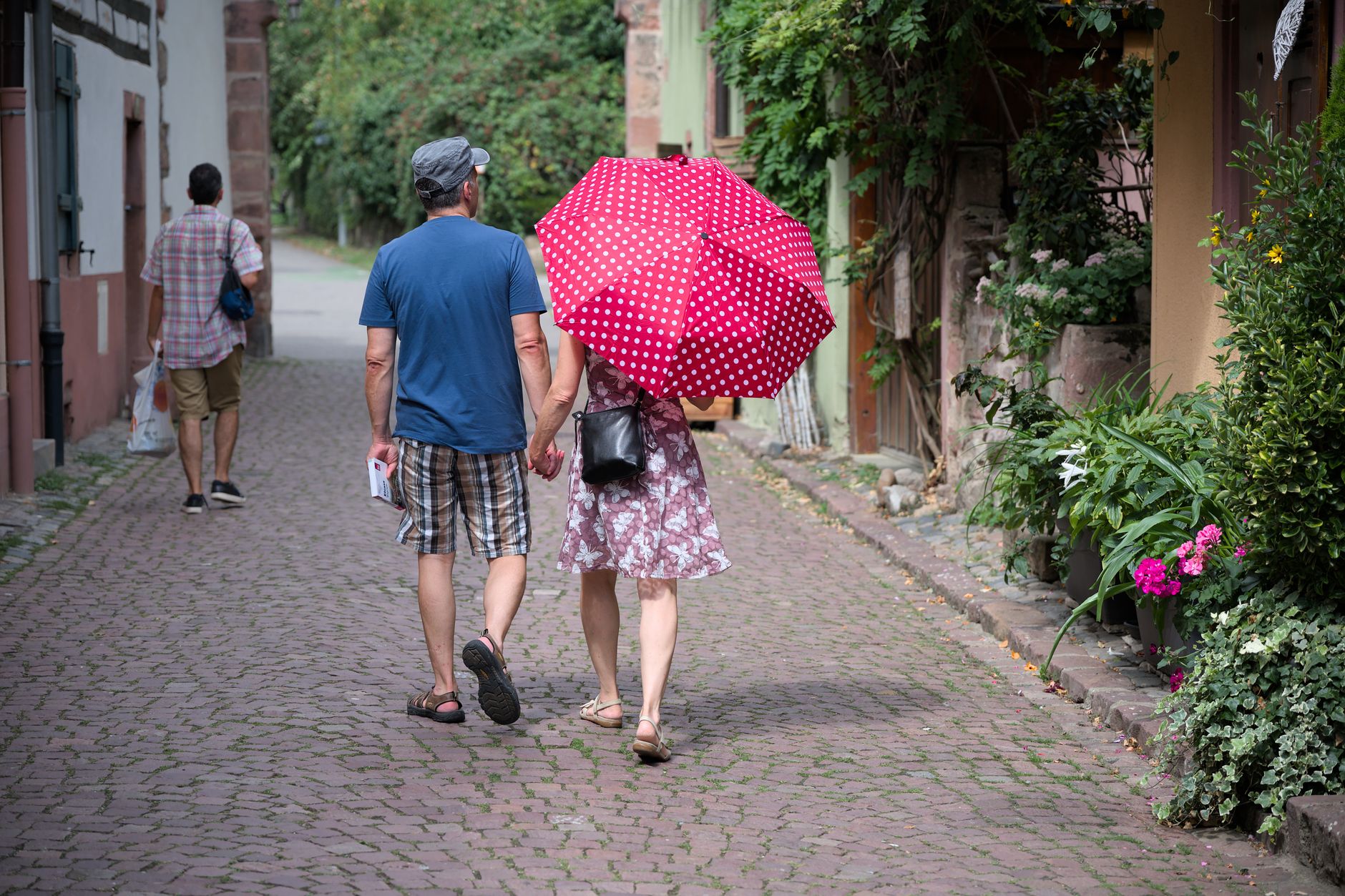
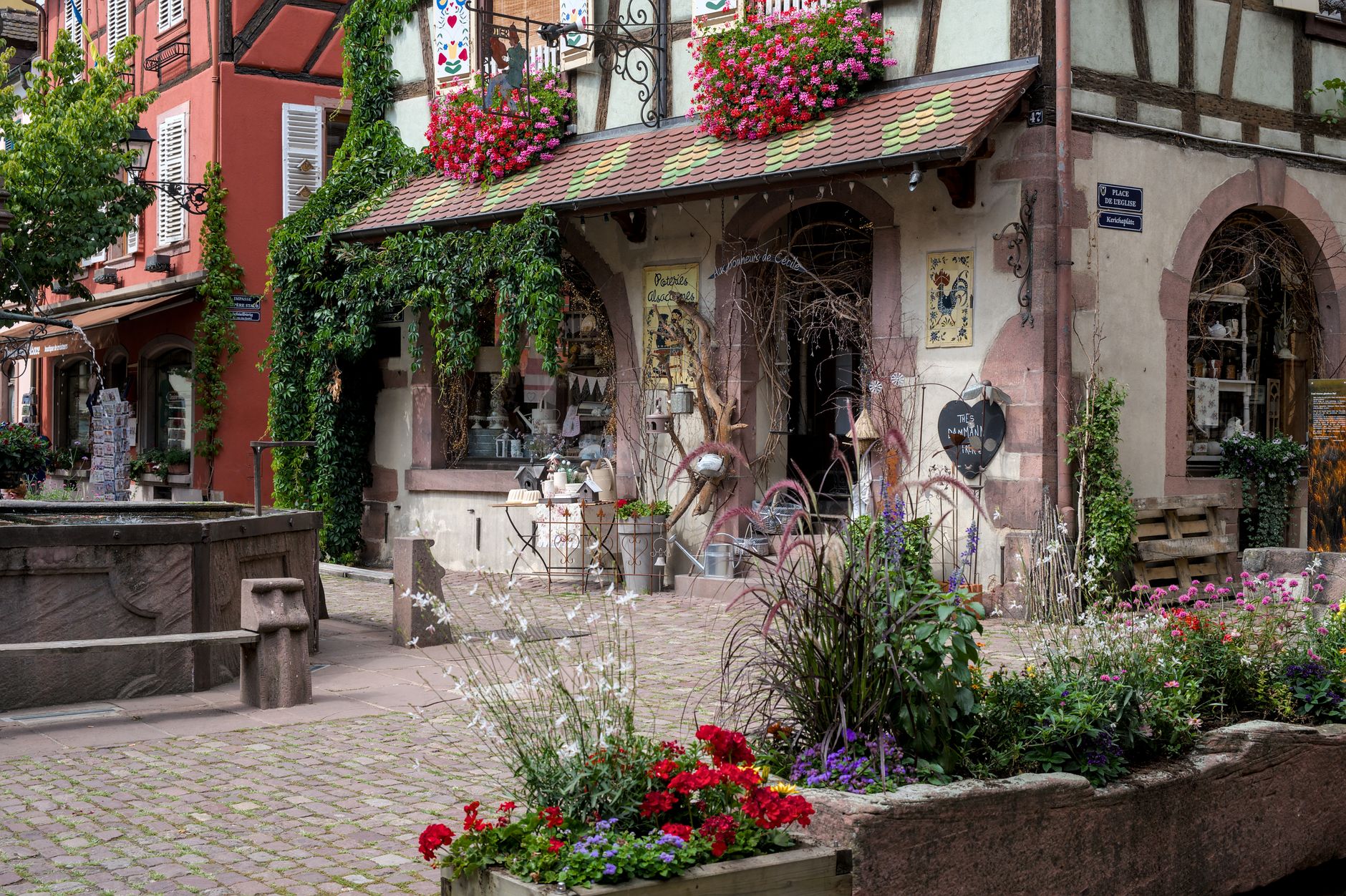
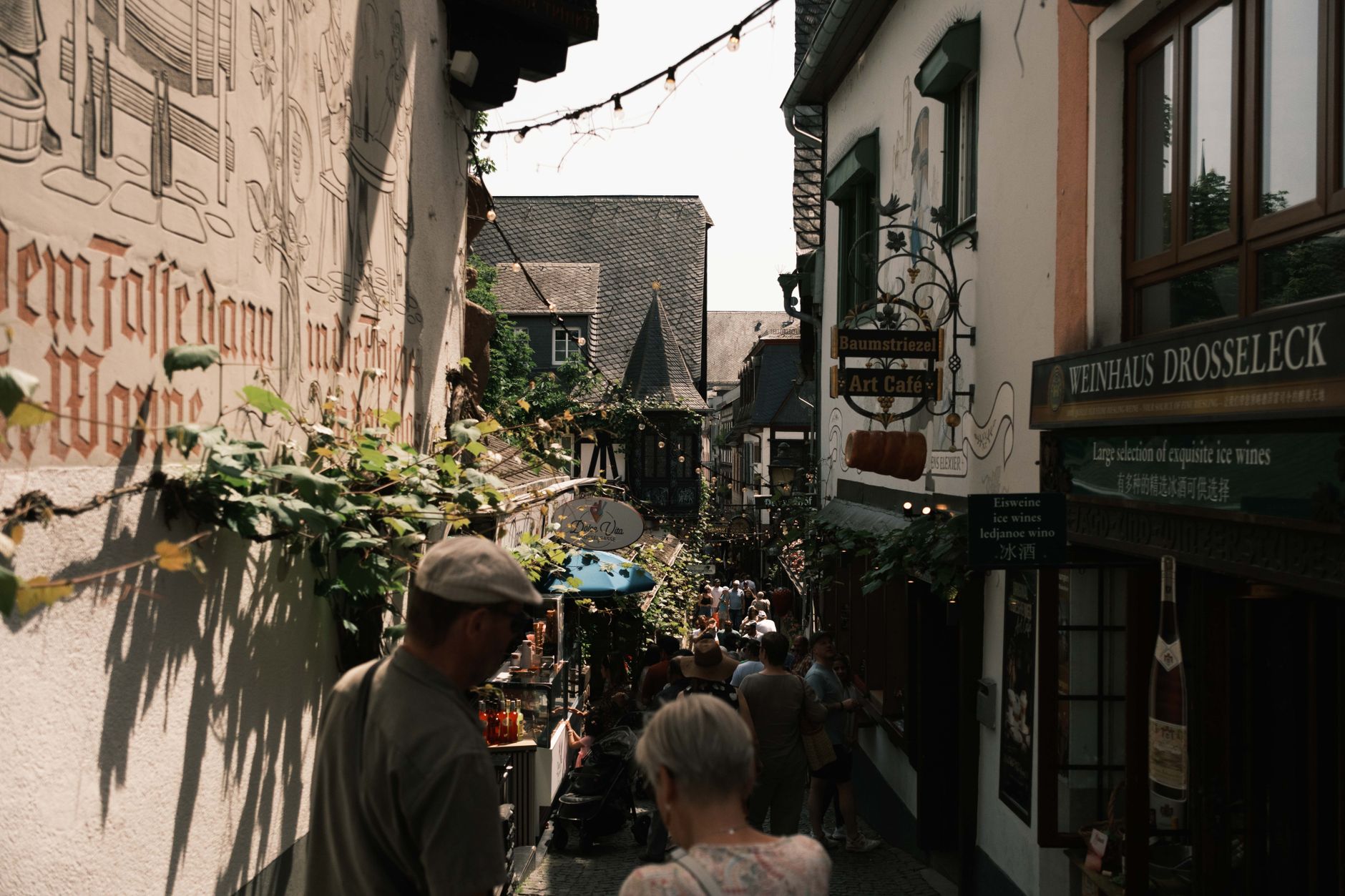
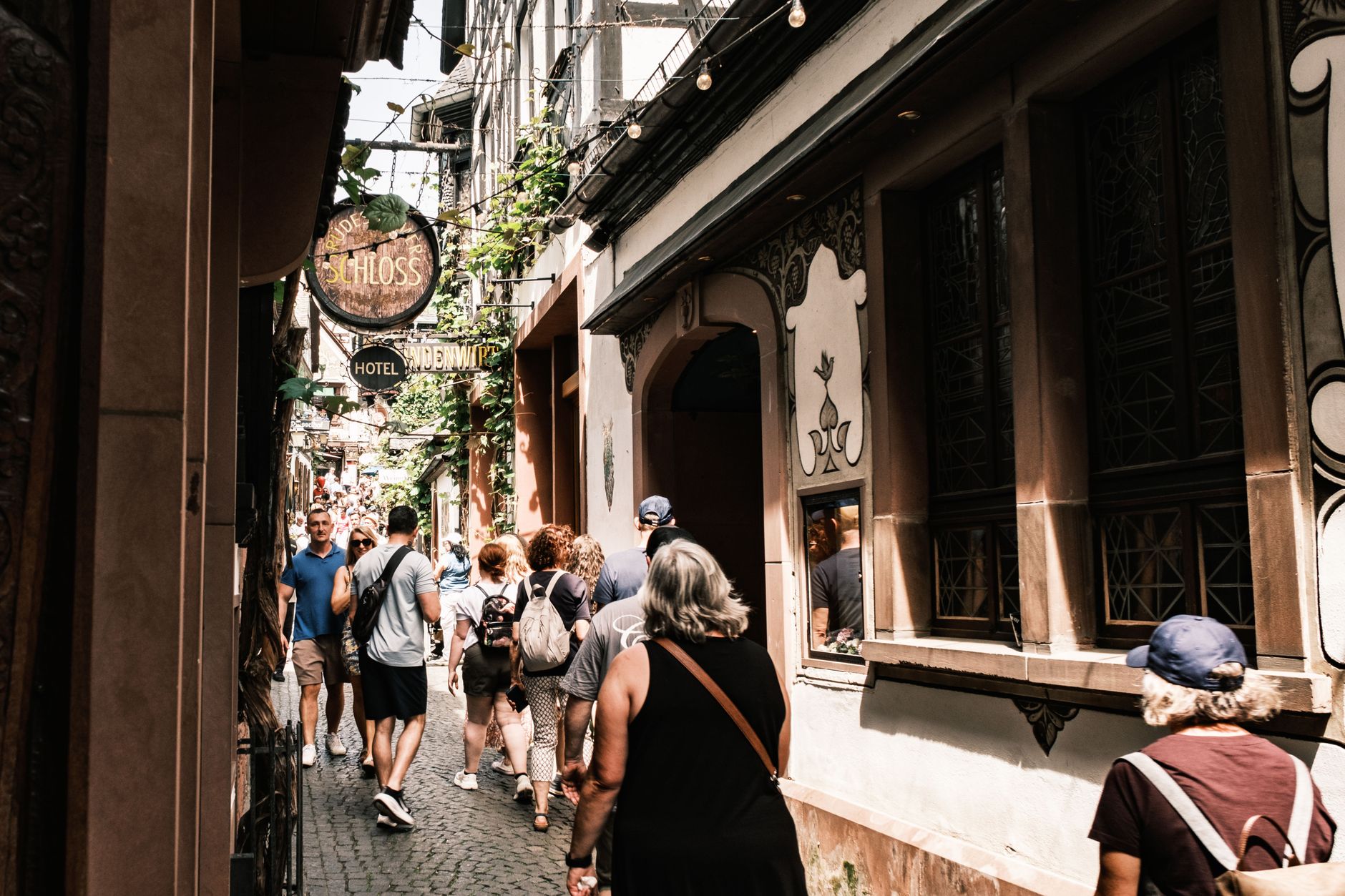
Stand on Kaysersberg's fortified bridge — built in 1514, complete with embrasures and a small chapel at its centre once used for penance — and you have the whole town in miniature: defensive, devout, and quietly extraordinary. The Weiss river runs cold beneath you, the castle ruin crowns the hill above, and the Grand'Rue stretches back through half-timbered facades and pink Vosges sandstone.
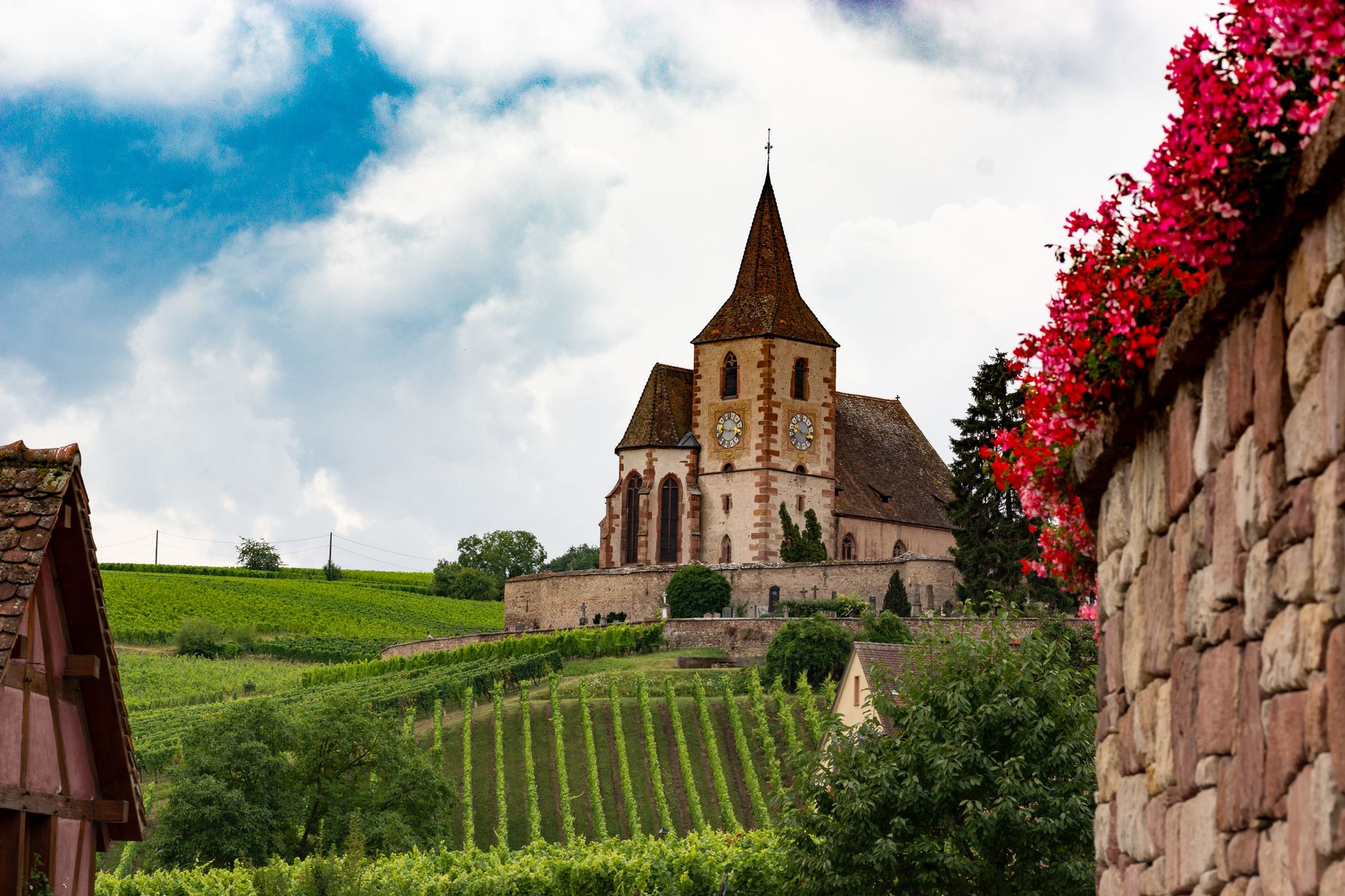
This is a town of twelve kilometres' distance from Colmar and several centuries' distance from anywhere hurried. Its wine-growing commune, Kaysersberg Vignoble, folds in the villages of Kientzheim and Sigolsheim, and the slopes around it produce Alsatian whites of serious reputation. The streets reward slow walking.
💛 What travellers fall for
People who return tend to time it around the vineyards — Domaine Weinbach, whose estate dates to 1612, is the name that comes up most. They also climb to the castle ruins early, before the tour groups, when the circular keep's four-metre-thick walls still hold the morning cool. The museum in Schweitzer's birth house on rue du Général de Gaulle is smaller than you'd expect, and better for it.
Experiences you don't want to miss


Deals in Kaysersberg
Book directly at the providerHow Kaysersberg came to be
Frederick II, Holy Roman Emperor, acquired the site in 1227 and ordered the castle refortified — the circular keep that still stands in ruin dates to around 1220, among the oldest of its type in Alsace. By 1293, Kaysersberg had been elevated to a Free Imperial City, and in 1354 it joined the Décapole, the alliance of ten Alsatian towns that would hold together until 1679.
The town passed to France in 1648, though most inhabitants kept speaking German — a linguistic ambiguity that would recur when the territory went to Germany from 1871 to 1918 and again from 1940 to 1944. Swedish mercenaries wrecked the castle in 1632 during the Thirty Years War; much of what you walk through today survived that and more. In 2017, the French public voted it their favourite village.
Who and what shaped it
People who shaped it
Landmark buildings
See Kaysersberg in motion
Plan your visit
On the map
When to go
Kaysersberg sits on the eastern slopes of the Vosges, which shelter it from Atlantic rain and give it one of the drier, sunnier climates in France — summers are warm and often long, winters cold but clear. Spring and October bring the most atmospheric light on the sandstone facades.
Right now
Background & history adapted from Wikipedia (CC BY-SA) · specs from Wikidata (CC0) · weather from Open-Meteo · map data © OpenStreetMap contributors · photos from Wikimedia Commons / Unsplash with per-image credit. No third-party reviews or social posts reproduced.