
Riquewihr
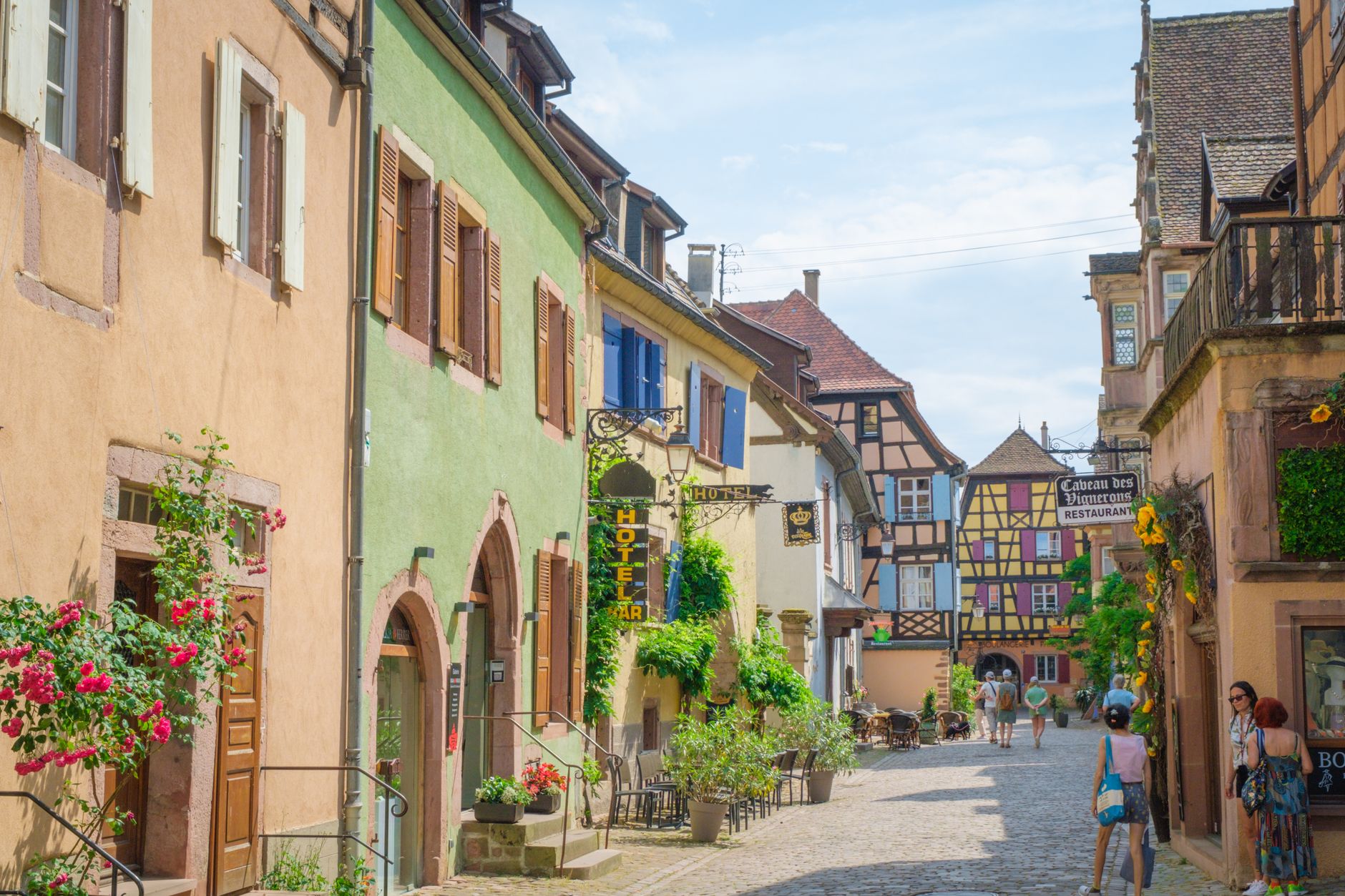
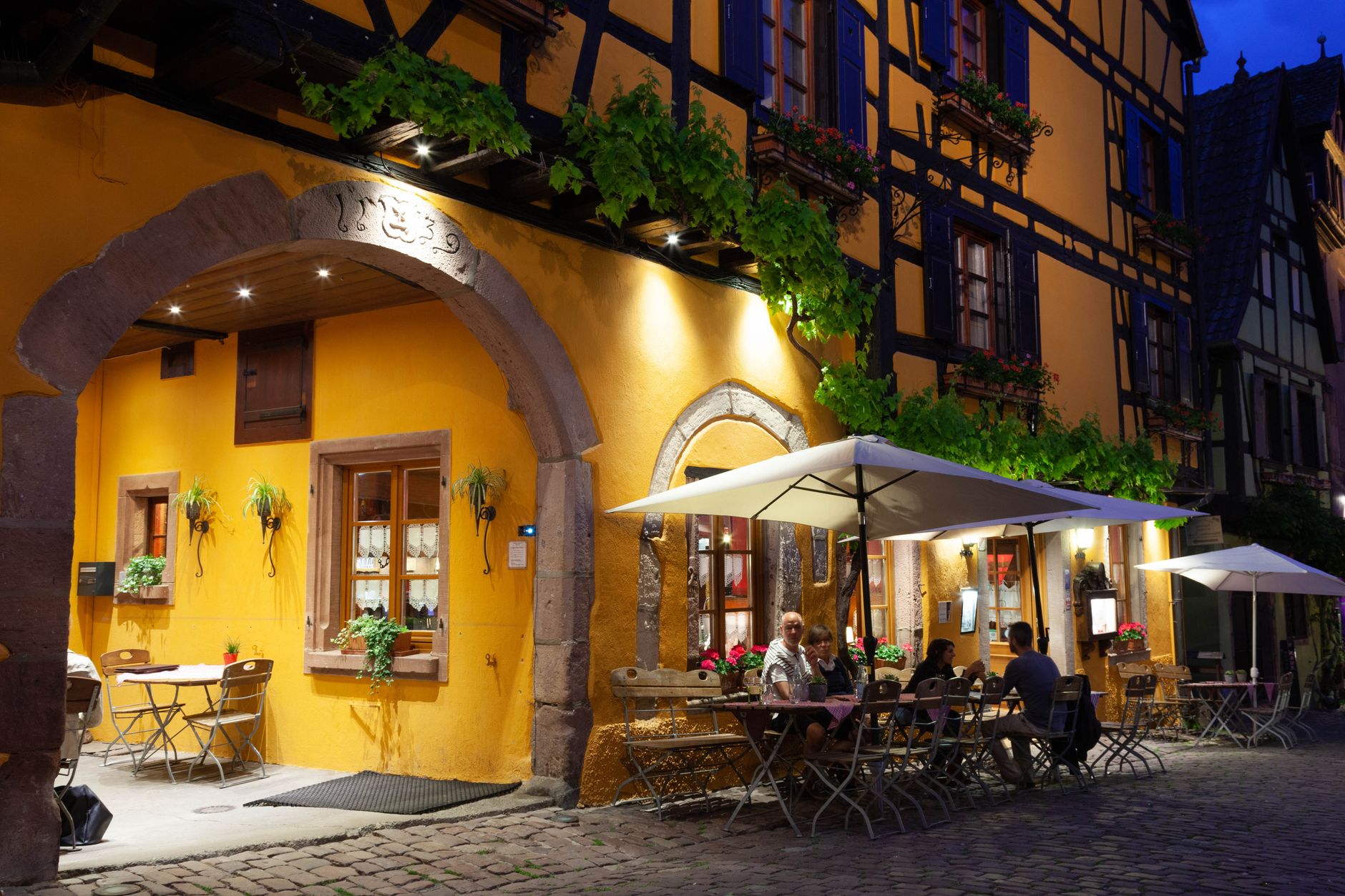
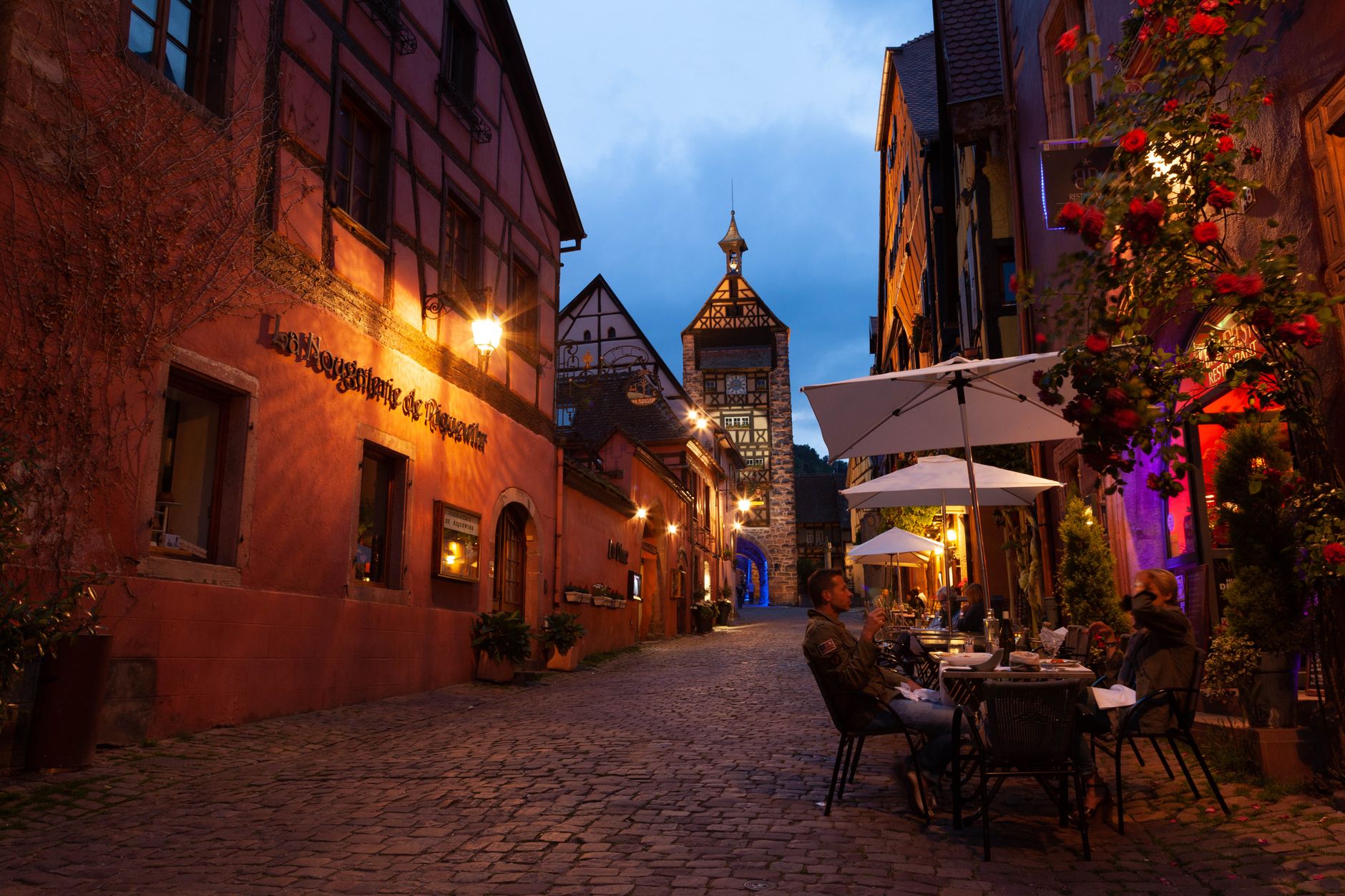
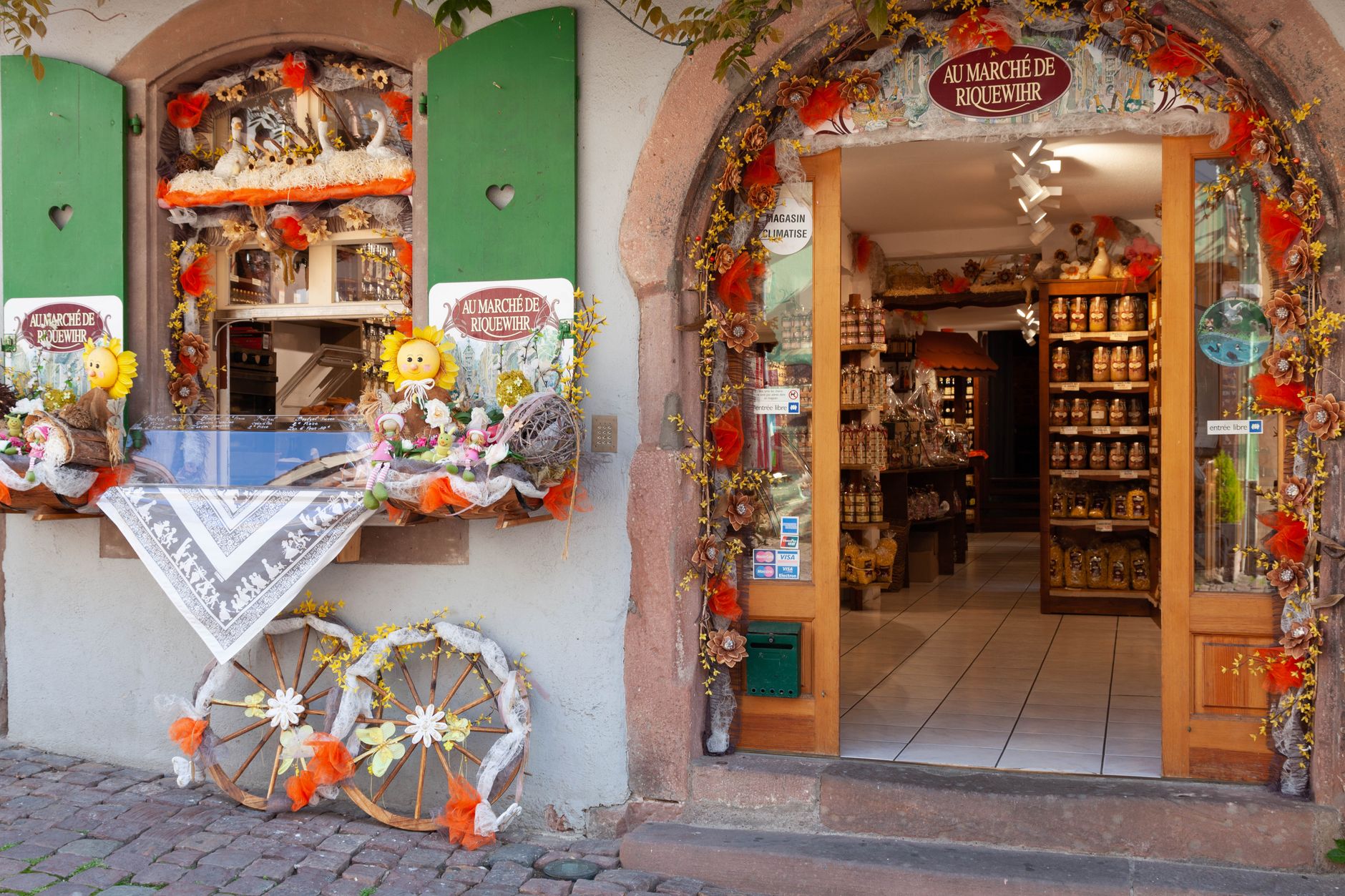
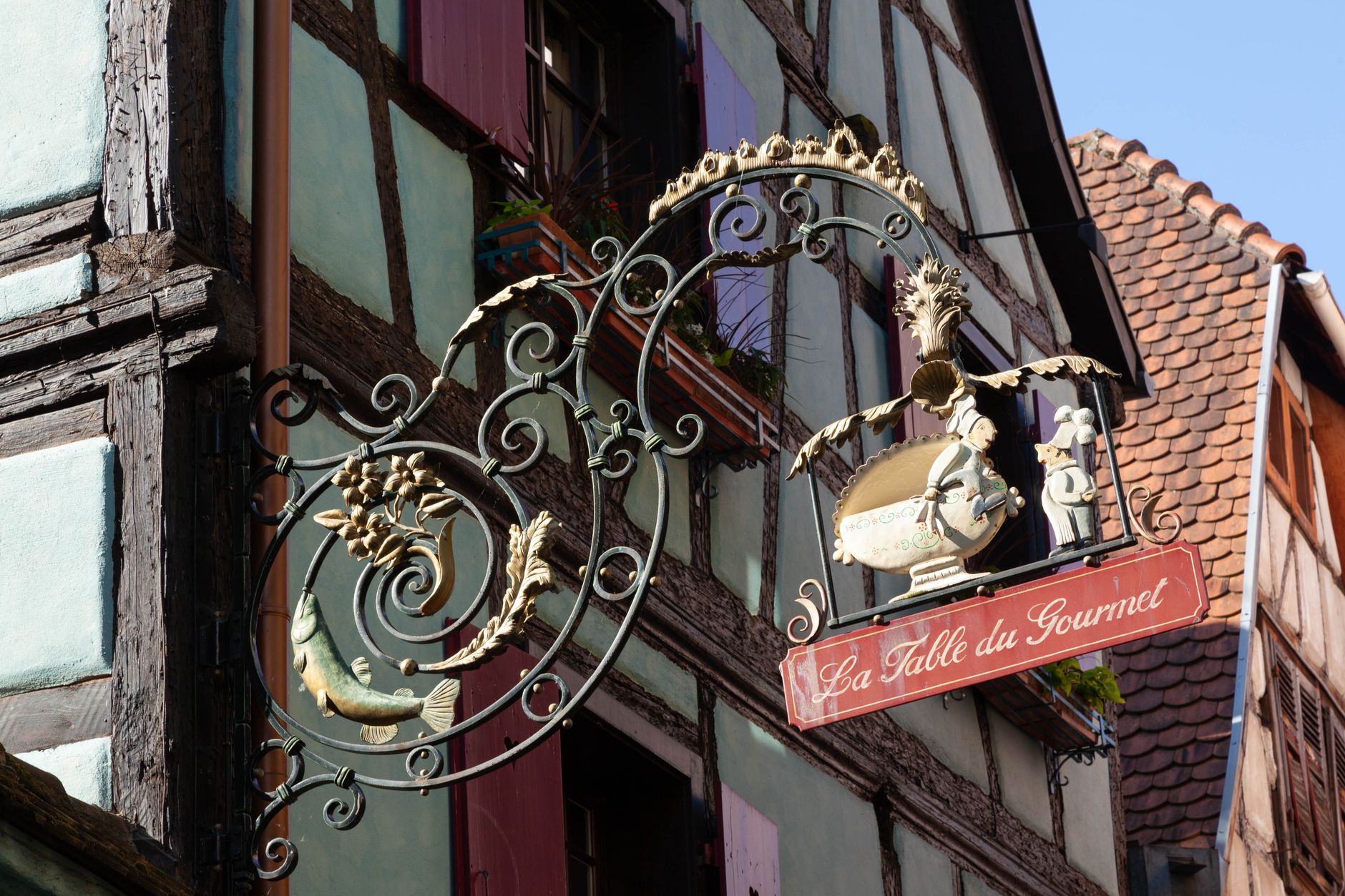
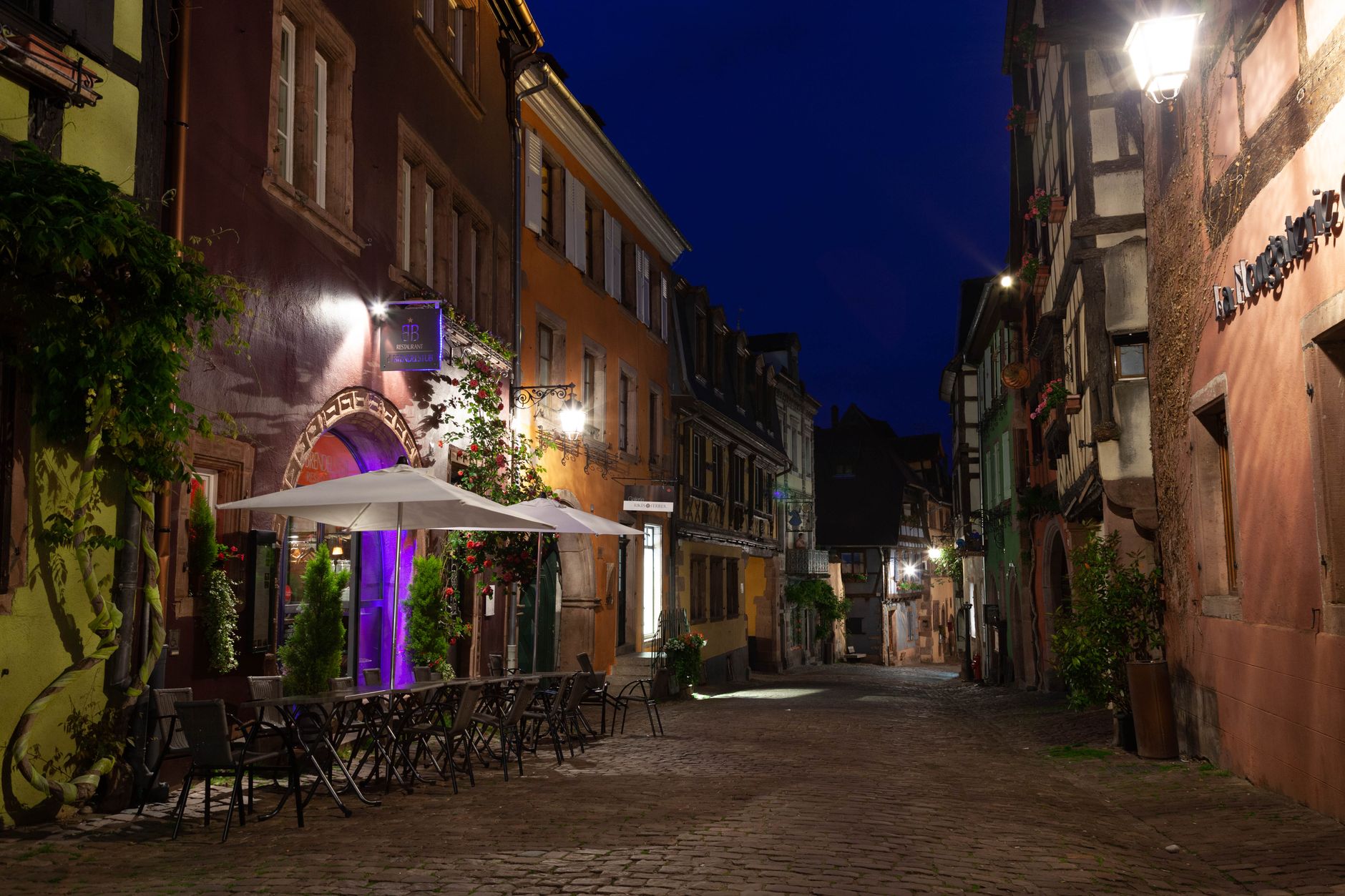
The street that runs through Riquewihr's old town is barely wide enough for two people to pass comfortably, and the half-timbered houses lean toward each other overhead as if sharing a confidence. Some of them have been standing since 1514. The walls that ring the town went up in 1291, and the Dolder Tower still anchors the main gate at 25 metres, its machicolations intact.
This is wine country — the Schoenenbourg Grand Cru vineyard climbs the slopes just outside the walls, and Riesling has been the business here for nearly a thousand years. The whole old town is pedestrianised, which means you walk on uneven stone and listen to something other than traffic.
💛 What travellers fall for
People who come back tend to arrive before 10am, when the tour buses haven't yet filled the Rue du Général de Gaulle. They skip the souvenir shops and head straight up to the Thieves' Tower on Rue des Juifs — the dungeon and guard's apartment inside are oddly specific and worth the five euros.
Experiences you don't want to miss


Deals in Riquewihr
Book directly at the provider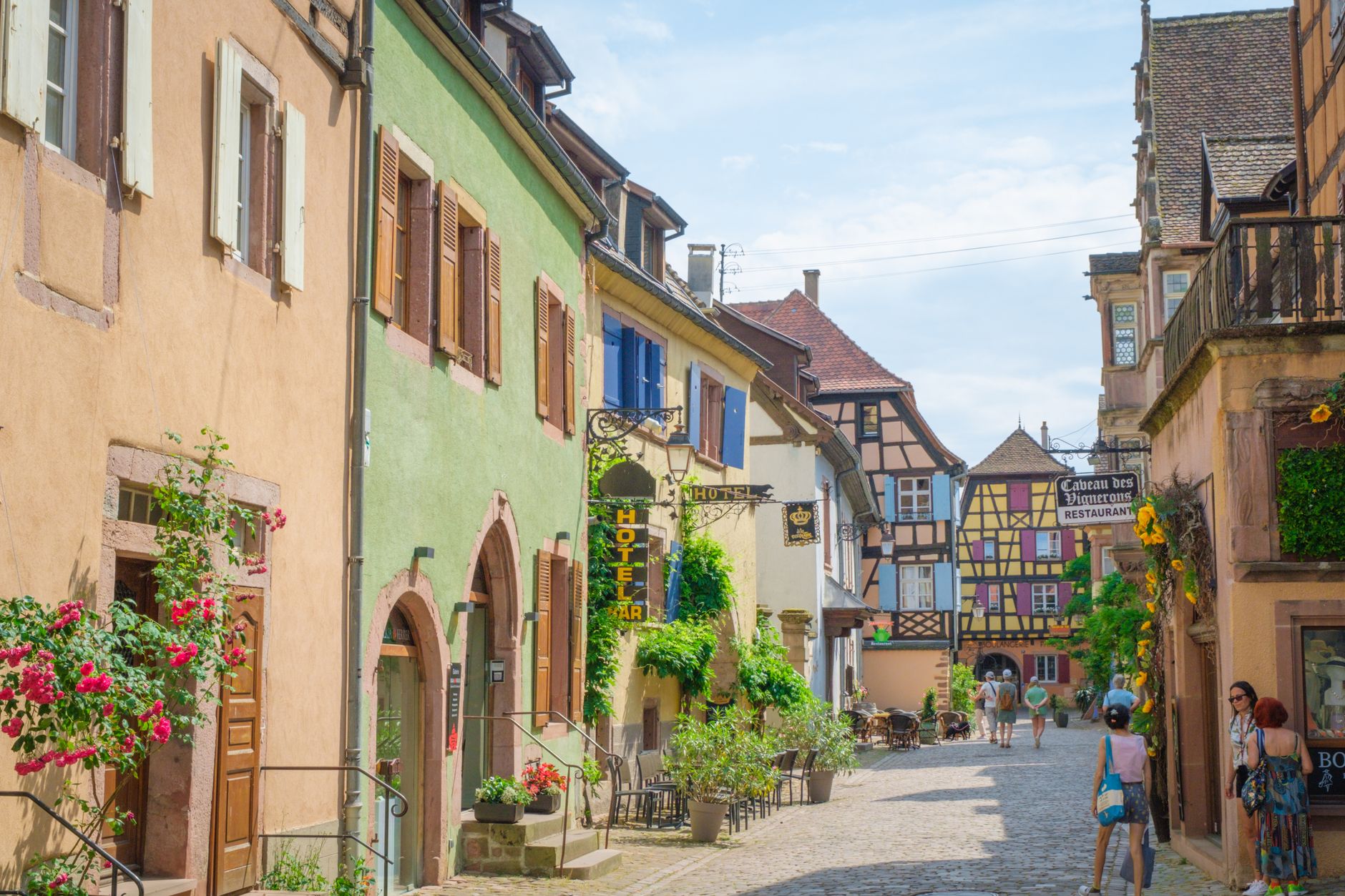

How Riquewihr came to be
The settlement began around 800 AD as Richovilla, a Frankish estate. By 1094 it was documented as Richenwilre, already tied to viticulture. The Lords of Horbourg built the walls, moat, Dolder gate and Thieves' Tower in 1291; the town passed to the Counts of Württemberg in 1324, who held it for nearly five centuries. The dukes converted the population to Protestantism in the 16th century and employed the architect Schickhardt, who built his eponymous house here in 1606.
The Thirty Years' War left its mark — sieges, pillaging, epidemics, famine. The Treaty of Westphalia in 1648 folded the town into France while preserving certain German customs, an ambiguous arrangement that lasted until 1796, when the Treaty of Paris completed full annexation. Allied forces liberated Riquewihr on 5 December 1944.
Who and what shaped it
People who shaped it
Landmark buildings
See Riquewihr in motion
Plan your visit
On the map
When to go
Alsace sits in a rain shadow cast by the Vosges, so Riquewihr is drier than much of northeastern France. Summers are warm and sunny; spring and autumn are mild and the most comfortable for walking the fortifications. December is cold but draws enormous crowds for the Christmas markets.
Right now
Background & history adapted from Wikipedia (CC BY-SA) · specs from Wikidata (CC0) · weather from Open-Meteo · map data © OpenStreetMap contributors · photos from Wikimedia Commons / Unsplash with per-image credit. No third-party reviews or social posts reproduced.