
Guebwiller
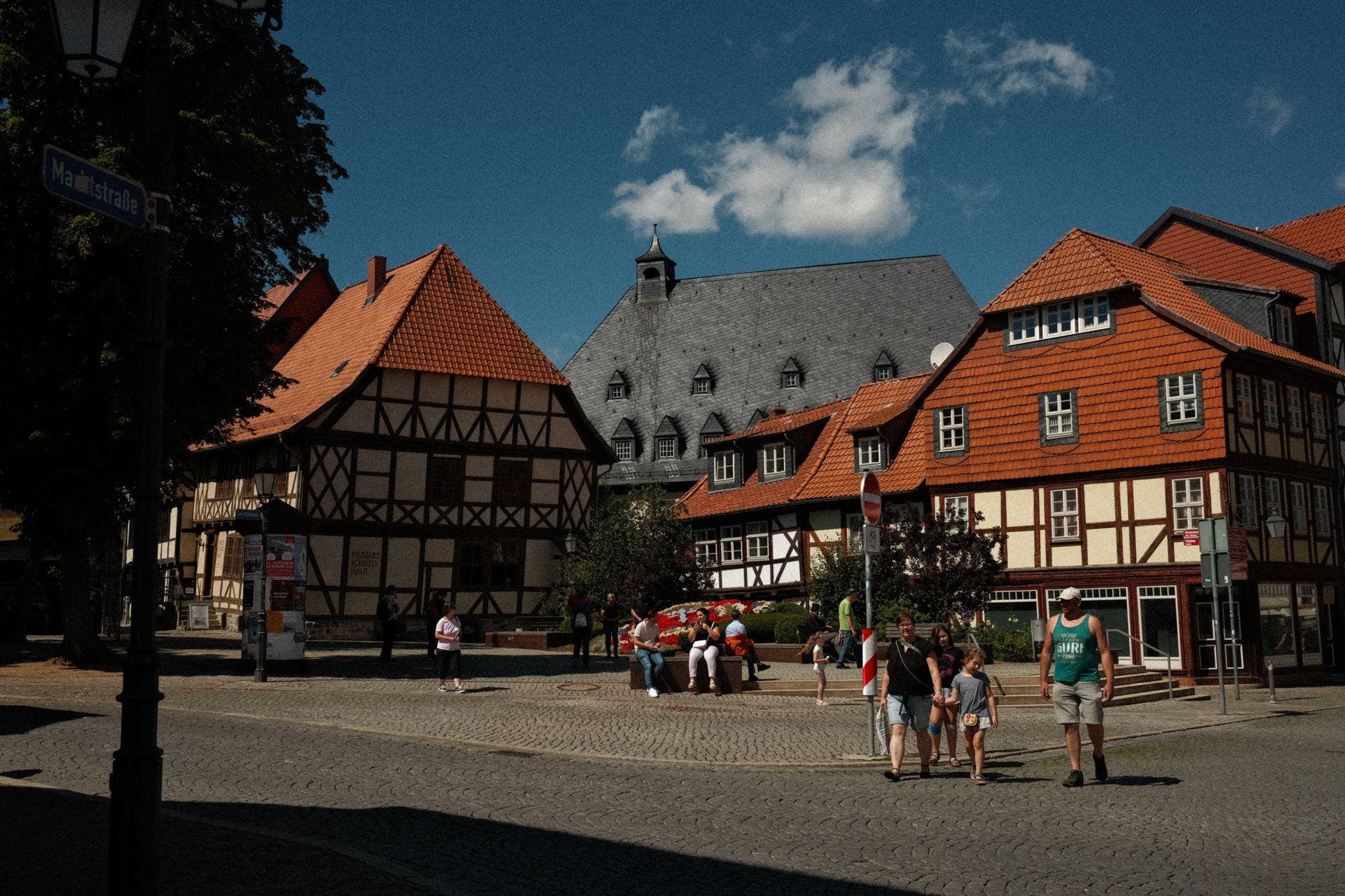
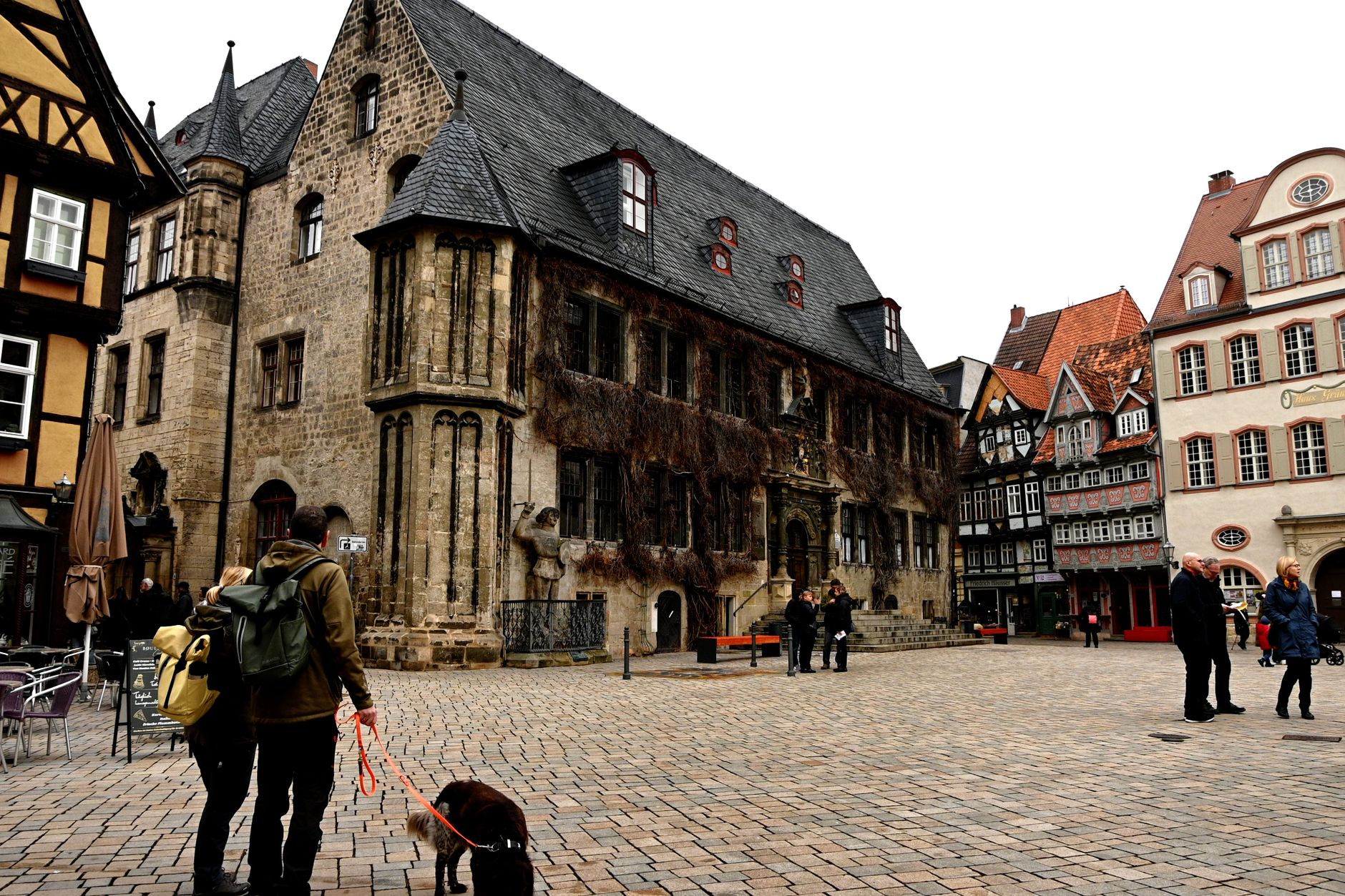
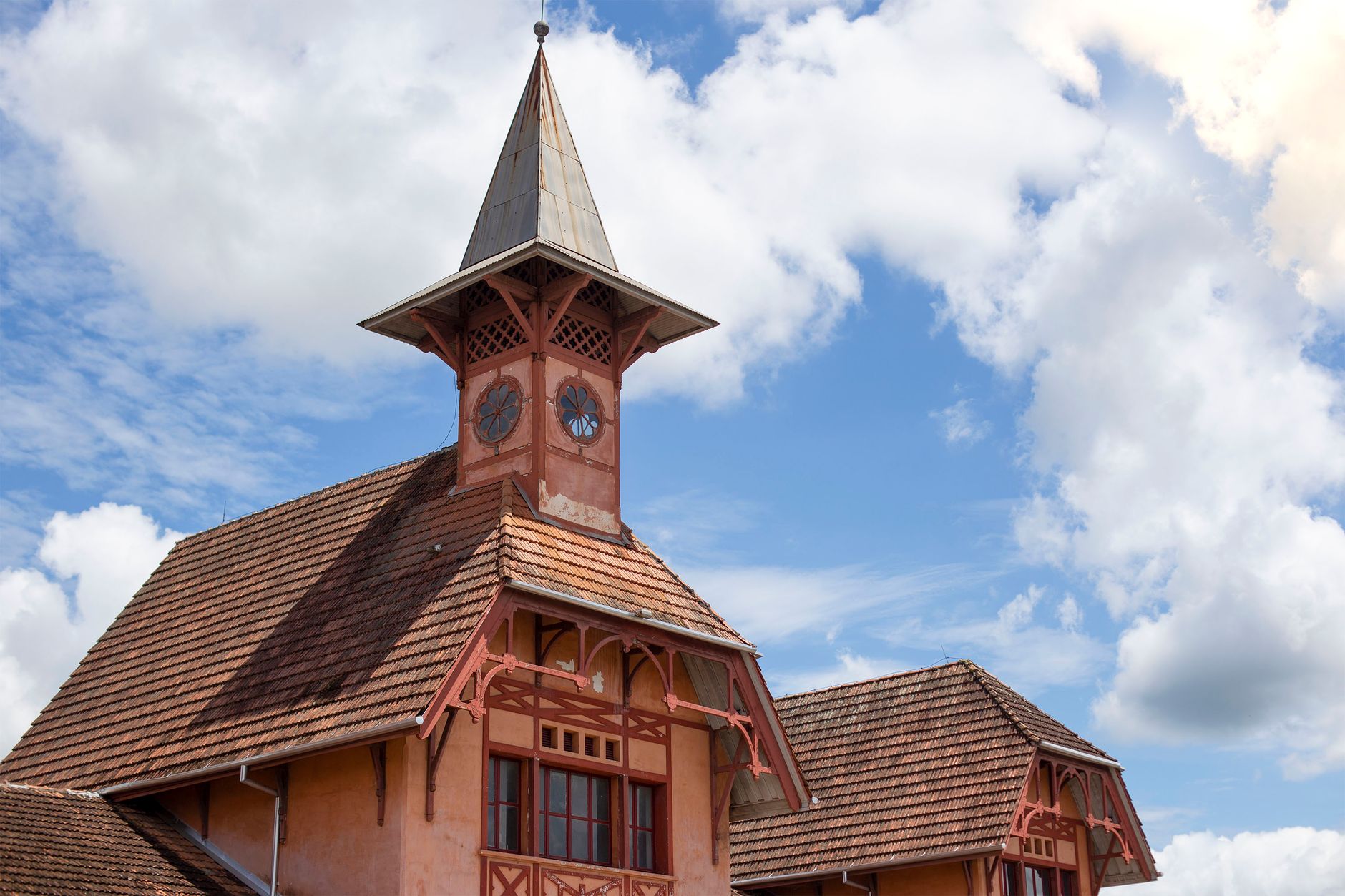
Guebwiller sits at 300 metres, with the Grand Ballon — the highest point in the Vosges, at 1,424 metres — rising sharply behind it. The town has three churches from three different centuries standing within easy walking distance of each other, which tells you something about the ambition of the abbots who once ran things here. Along the canal, half-timbered houses trail flowers over the water, and a handful of streets lined with ornate facades that look medieval turn out, on closer inspection, to date from around 1900.
This is a working Alsatian town with a serious industrial past and a Nobel laureate to its name, not a set piece preserved for tourism. The Théodore Deck Museum holds the world's largest collection of his ceramics — around 550 pieces — and the Dominican convent, Gothic and largely intact, now hosts cultural events in its cloister.
💛 What travellers fall for
People who come back tend to time a visit around the Tuesday or Friday market, then spend the afternoon at the Théodore Deck Museum on Place Jeanne d'Arc before the 18:00 closing. The Art Nouveau building at 69 Rue de la République rewards a slow look — the Aesculapian serpent worked into the facade is easy to miss at pace.
Experiences you don't want to miss




Deals in Guebwiller
Book directly at the provider
How Guebwiller came to be
The settlement appears in records as early as 774, but Guebwiller's character was shaped above all by the Abbey of Murbach. From the 13th century through to the Revolution, the town served as the administrative capital of the Principality of Abbey Murbach, enclosed by ramparts between 1270 and 1287. In 1759, the abbots shifted their residence here, and it was under their patronage that the Church of Saint-Léger had already risen in pink sandstone between 1182 and 1235, and that Notre-Dame — the largest neo-classical church in Alsace — was begun in 1763.
The Revolution ended all of that abruptly. In 1789 the monastic buildings were destroyed, and the abbey's assets were sold to industrial developers. Within a generation, Guebwiller had reinvented itself as the second industrial centre in Alsace after Mulhouse — a transformation that explains both the town's confident 19th-century streetscapes and the fact that Alfred Kastler, who would win the Nobel Prize in Physics in 1966, was born here in 1902.
Who and what shaped it
People who shaped it
Landmark buildings
See Guebwiller in motion
Plan your visit
On the map
When to go
Summers are warm and manageable — July averages around 20°C — making the stretch from May through September the most comfortable time to walk the town. Winters are cold and December is the wettest month, though the bare trees do reveal the architecture more clearly.
Right now
Background & history adapted from Wikipedia (CC BY-SA) · specs from Wikidata (CC0) · weather from Open-Meteo · map data © OpenStreetMap contributors · photos from Wikimedia Commons / Unsplash with per-image credit. No third-party reviews or social posts reproduced.