
Ribeauvillé
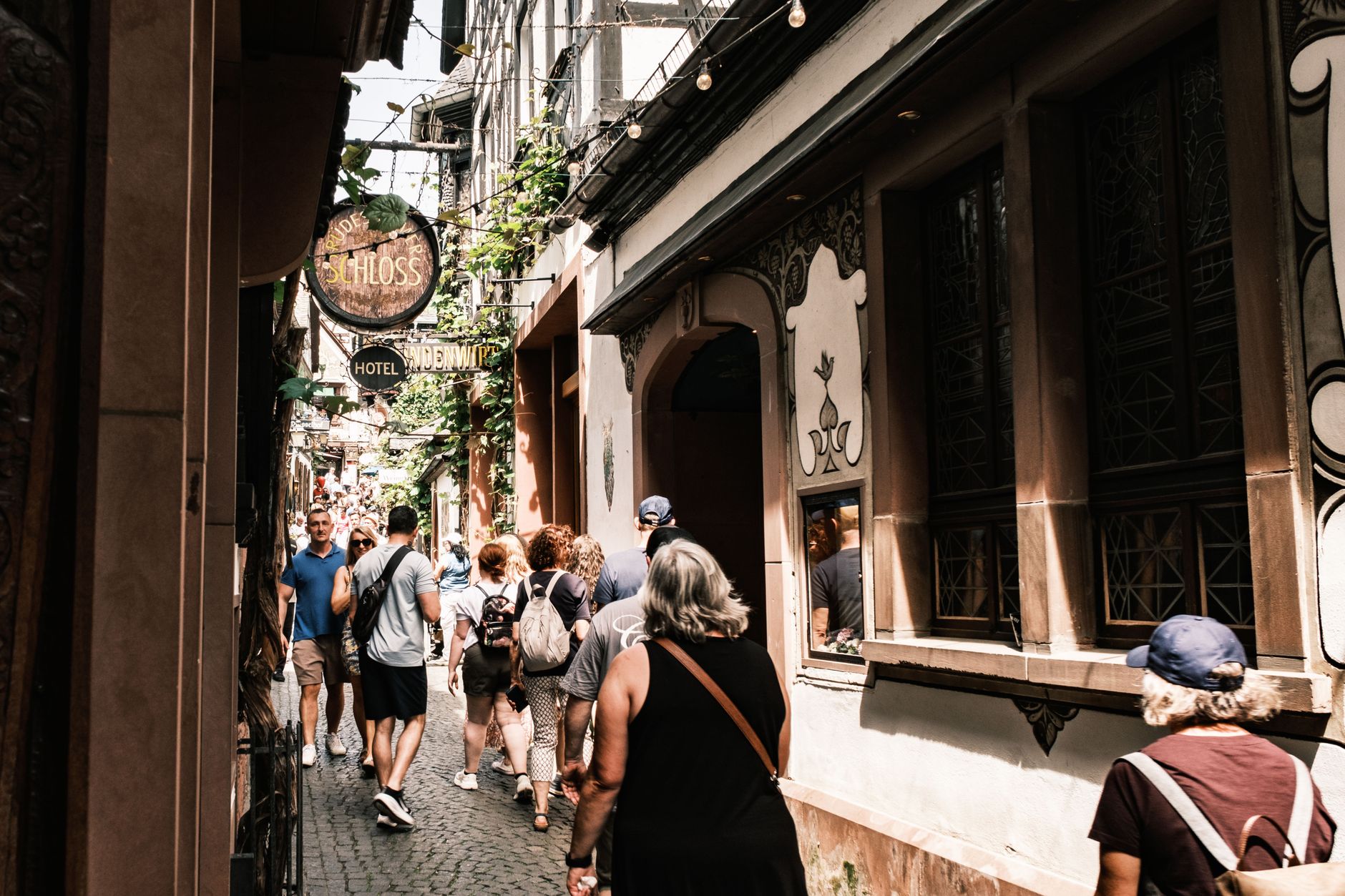
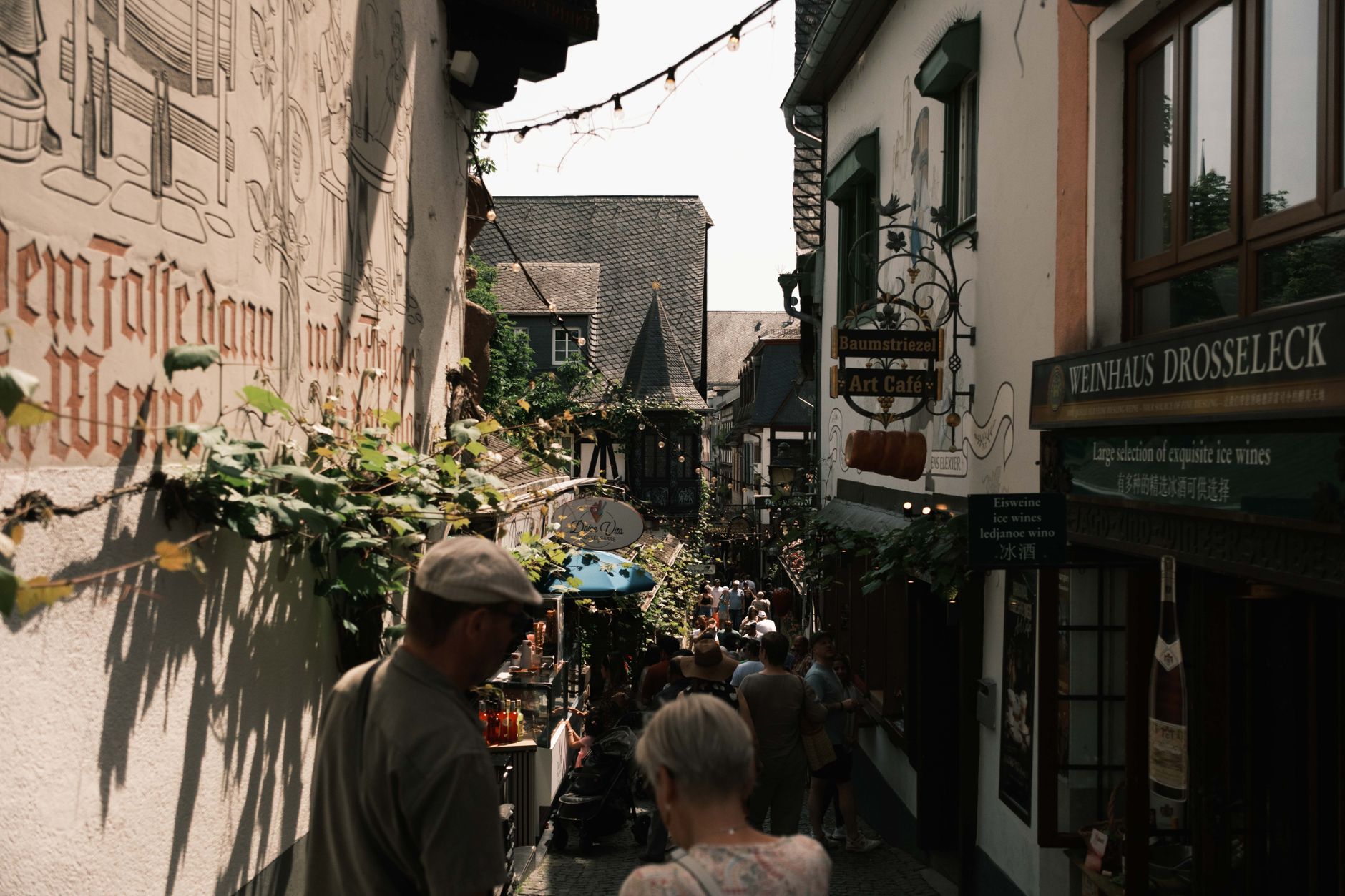
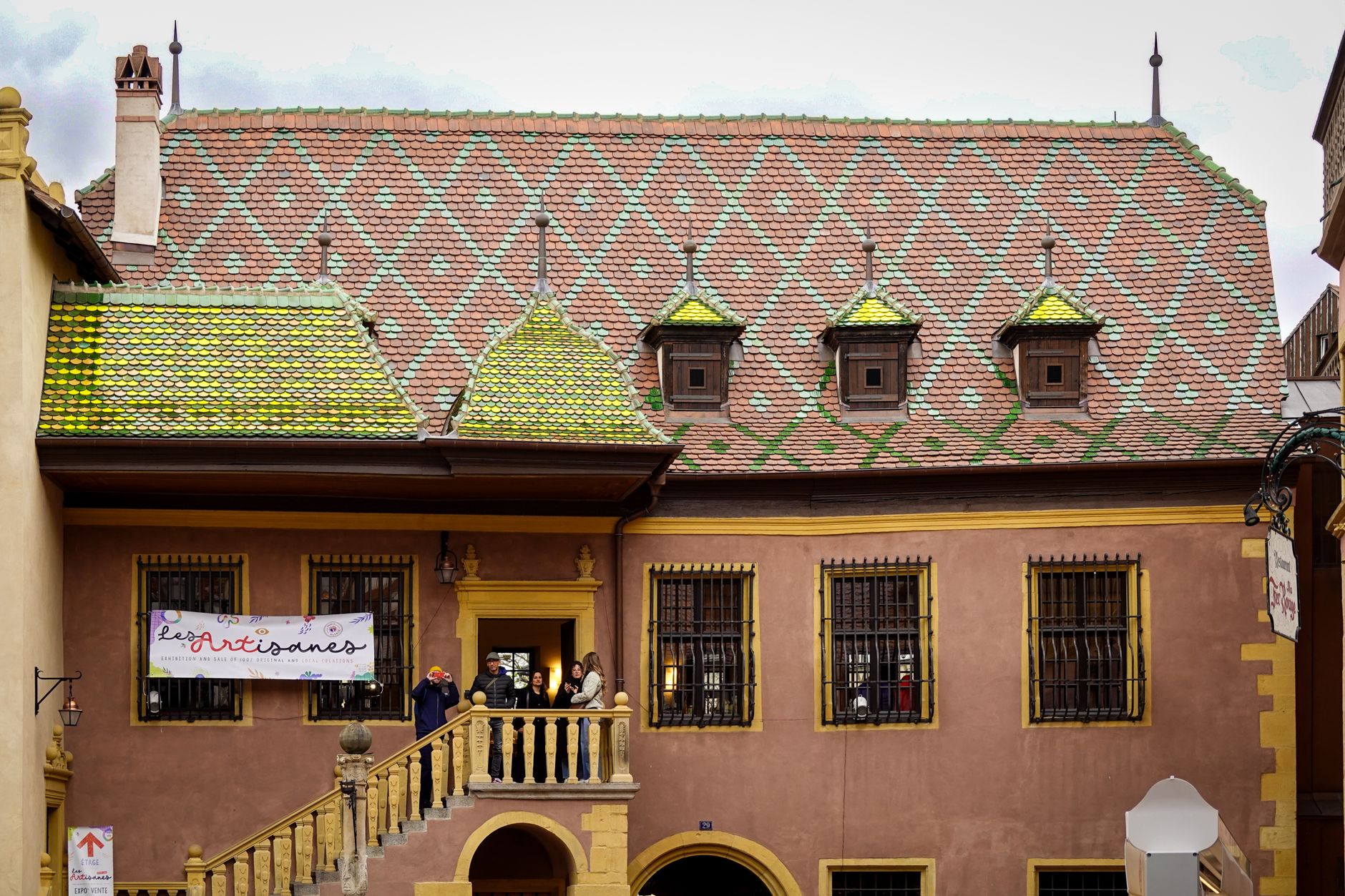
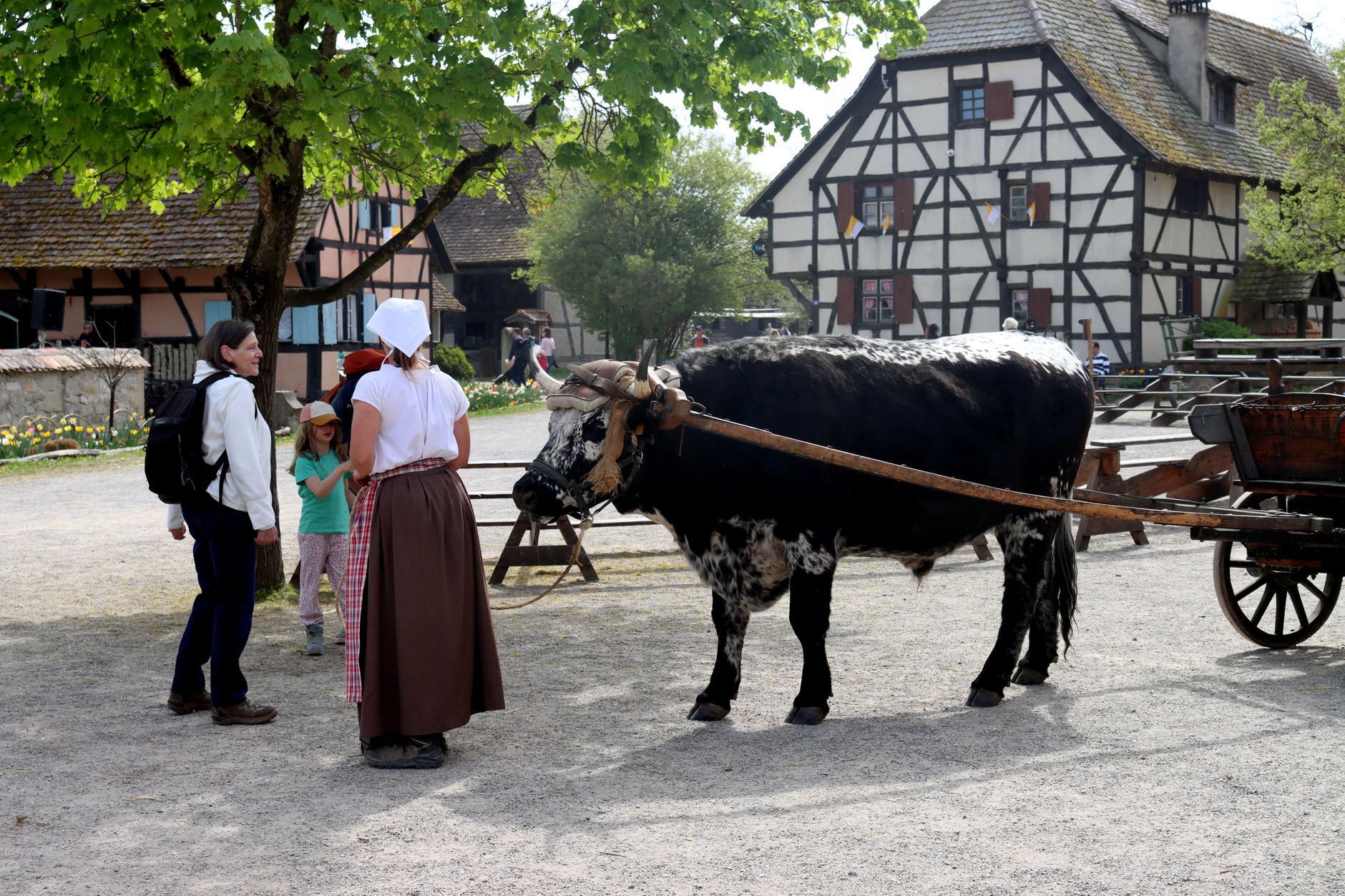
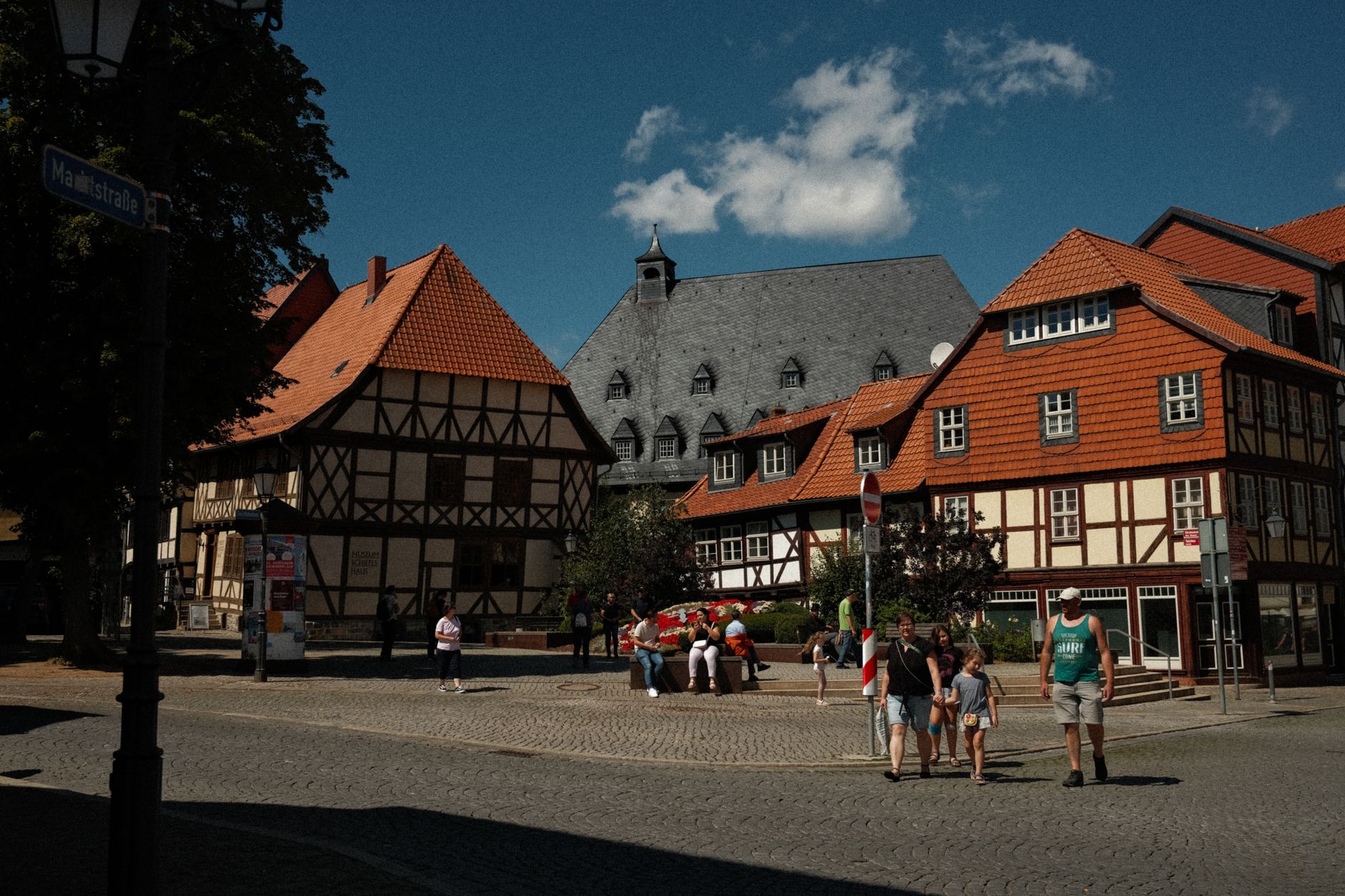
The Tour des Bouchers rises 29 metres above Grand'Rue, a gate tower that once marked the border between Ribeauvillé's upper and lower towns and now serves as the town's most useful landmark. Below it, a kilometre of 15th- to 18th-century buildings lines the main street, punctuated by Renaissance fountains and the occasional oriel window jutting over the pavement.
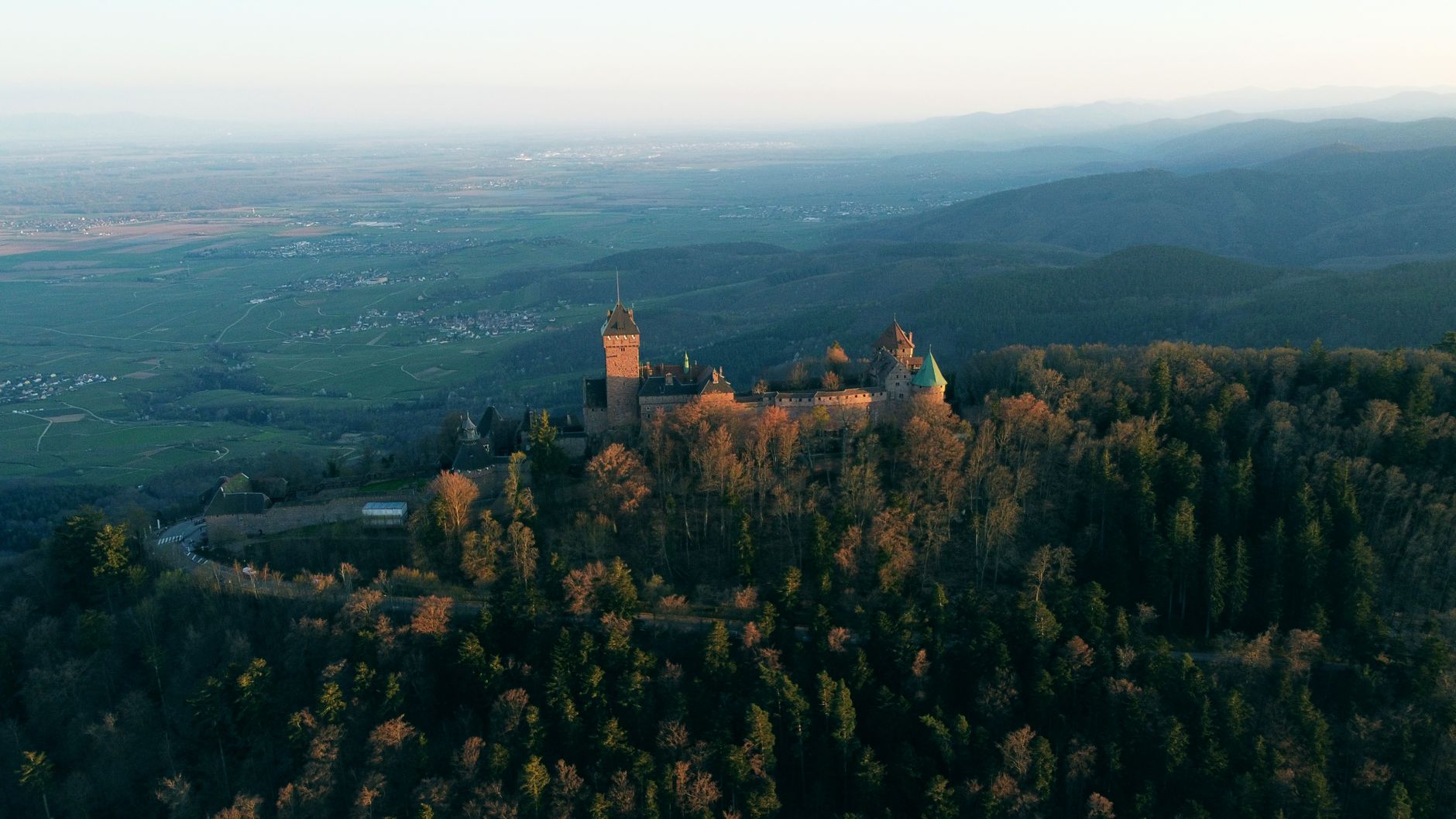
Three castle ruins belonging to the Ribeaupierre family sit on the wooded ridge above town, connected by a section of the GR5. You can walk to all three in a morning, look down over the vine-covered plain, and be back on Grand'Rue for lunch.
💛 What travellers fall for
People who return tend to time it for the first Saturday in September, when the Pfifferdaj fiddlers' festival fills Grand'Rue — a tradition rooted in the 1481 gathering of the fiddlers' brotherhood. The Saturday market is the other reliable draw. The Town Hall's collection of gold plates and silver goblets, donated by the Lords of Ribeaupierre, is worth the few minutes it takes.
Experiences you don't want to miss




Deals in Ribeauvillé
Book directly at the provider

How Ribeauvillé came to be
The settlement appears in records as early as the 8th century under the name Rathaldovilare, governed by the Bishops of Basel. In 1084, Emperor Henry IV transferred land here to the bishop, who passed it to the Urslingen lords — ancestors of the Ribeaupierre dynasty that would shape the town for the next four centuries. By 1290 it was formally a town, divided into four distinct districts. The Ribeaupierre family built their three castles on the ridge between the 11th and 13th centuries, and welcomed a Jewish community that had its own synagogue by 1311.
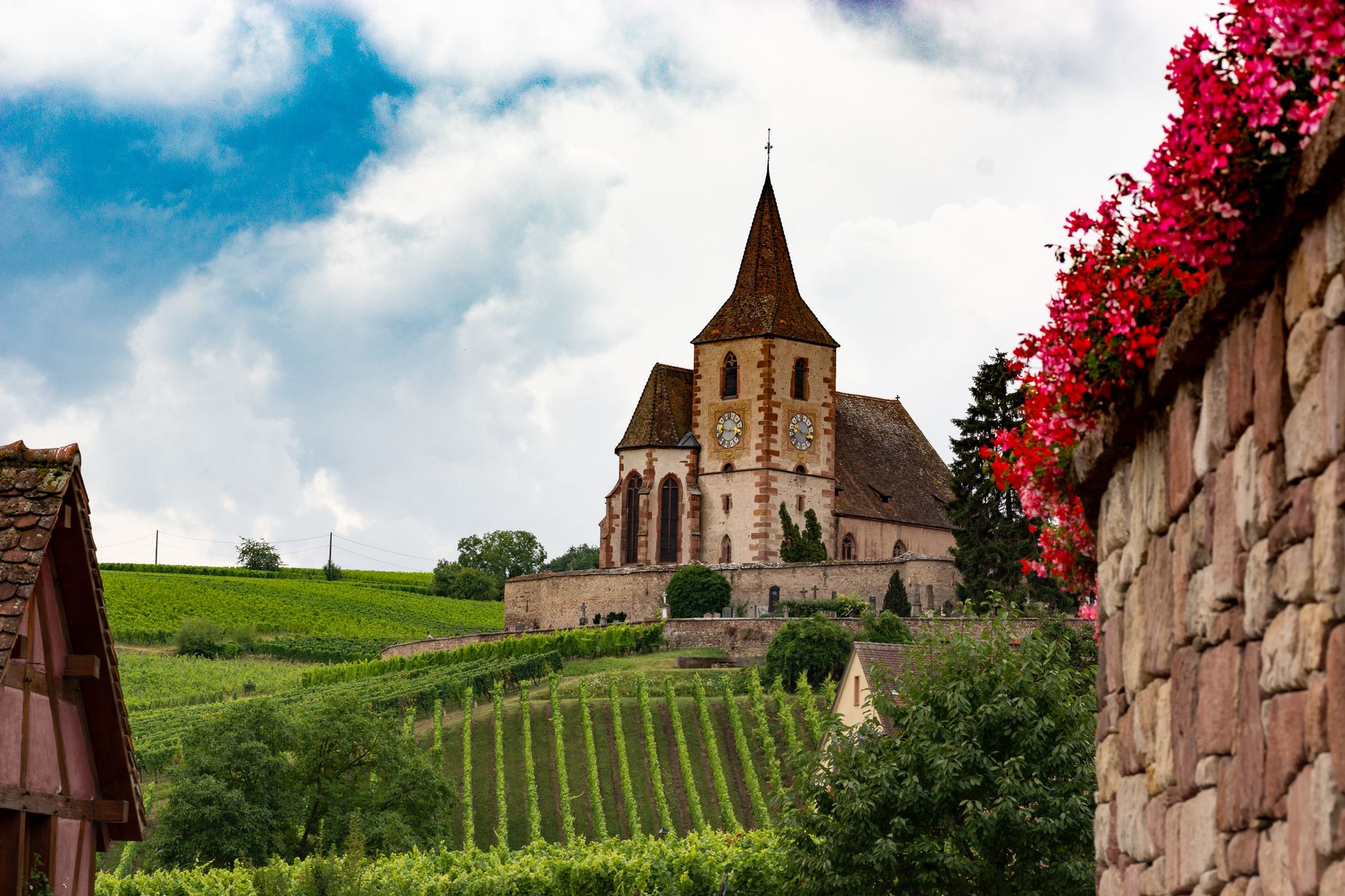
In 1680, Louis XIV absorbed Ribeauvillé into France through his reunions policy. The wine cooperative founded in 1895 — one of the oldest in France — is still operating, a reminder that viticulture has been the valley's real continuity beneath every change of sovereignty.
Who and what shaped it
People who shaped it
Landmark buildings
See Ribeauvillé in motion
Plan your visit
On the map
When to go
Alsace sits in a rain shadow cast by the Vosges, so Ribeauvillé gets relatively dry, warm summers — good walking weather from May through September. Winters are cold and clear more often than grey, and the vine rows on the slopes turn amber through October.
Right now
Background & history adapted from Wikipedia (CC BY-SA) · specs from Wikidata (CC0) · weather from Open-Meteo · map data © OpenStreetMap contributors · photos from Wikimedia Commons / Unsplash with per-image credit. No third-party reviews or social posts reproduced.