
Colmar
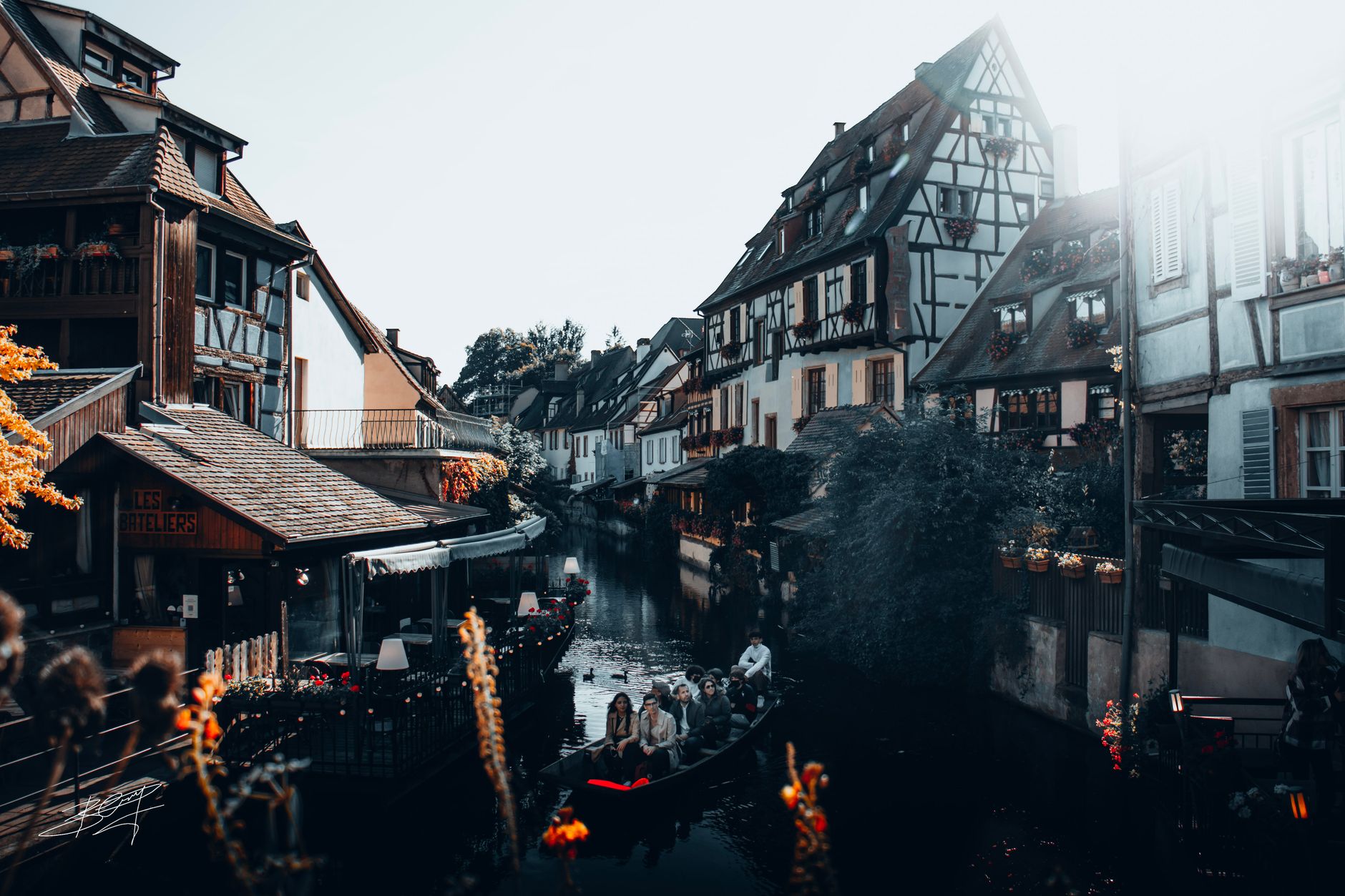
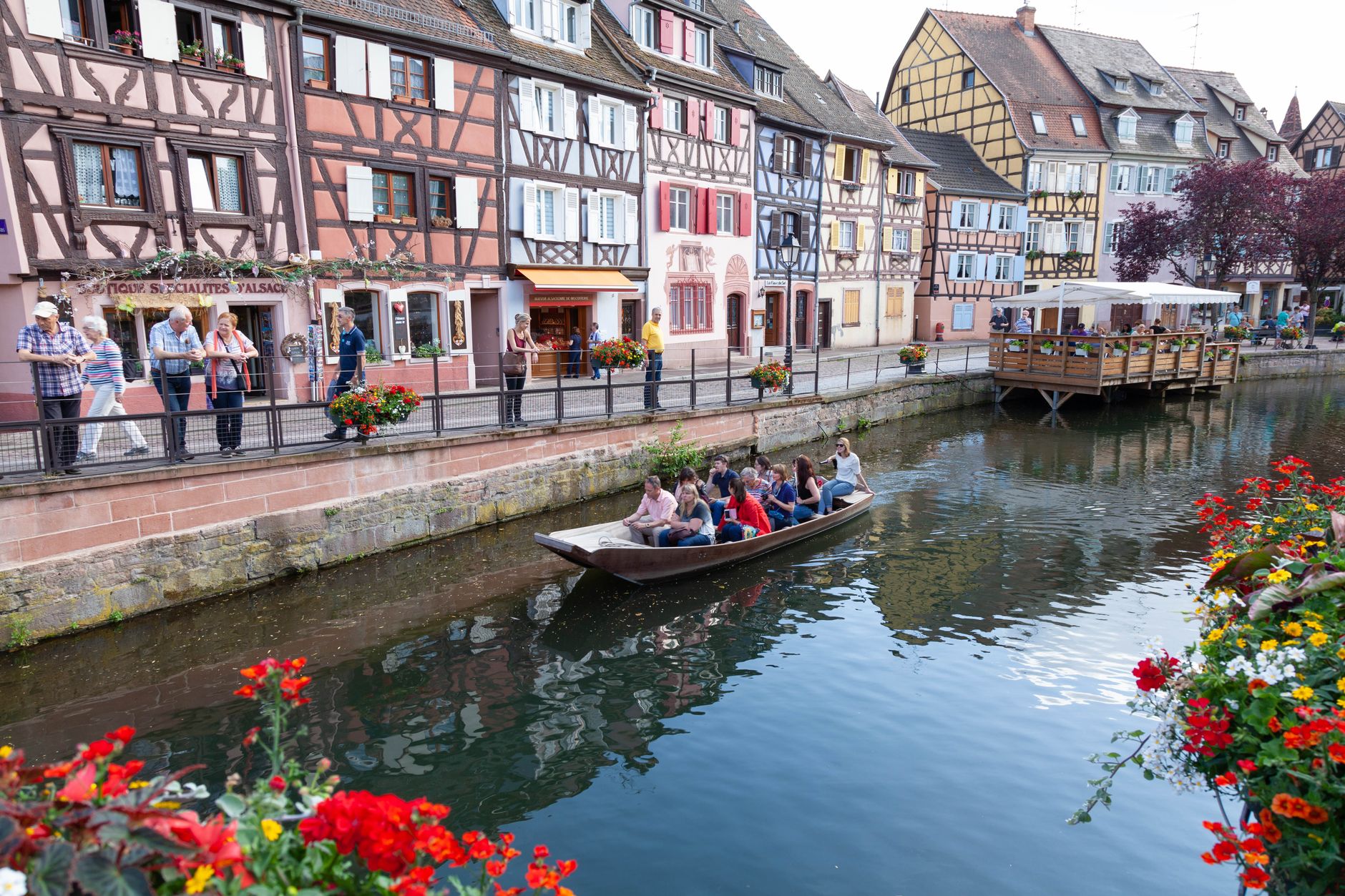
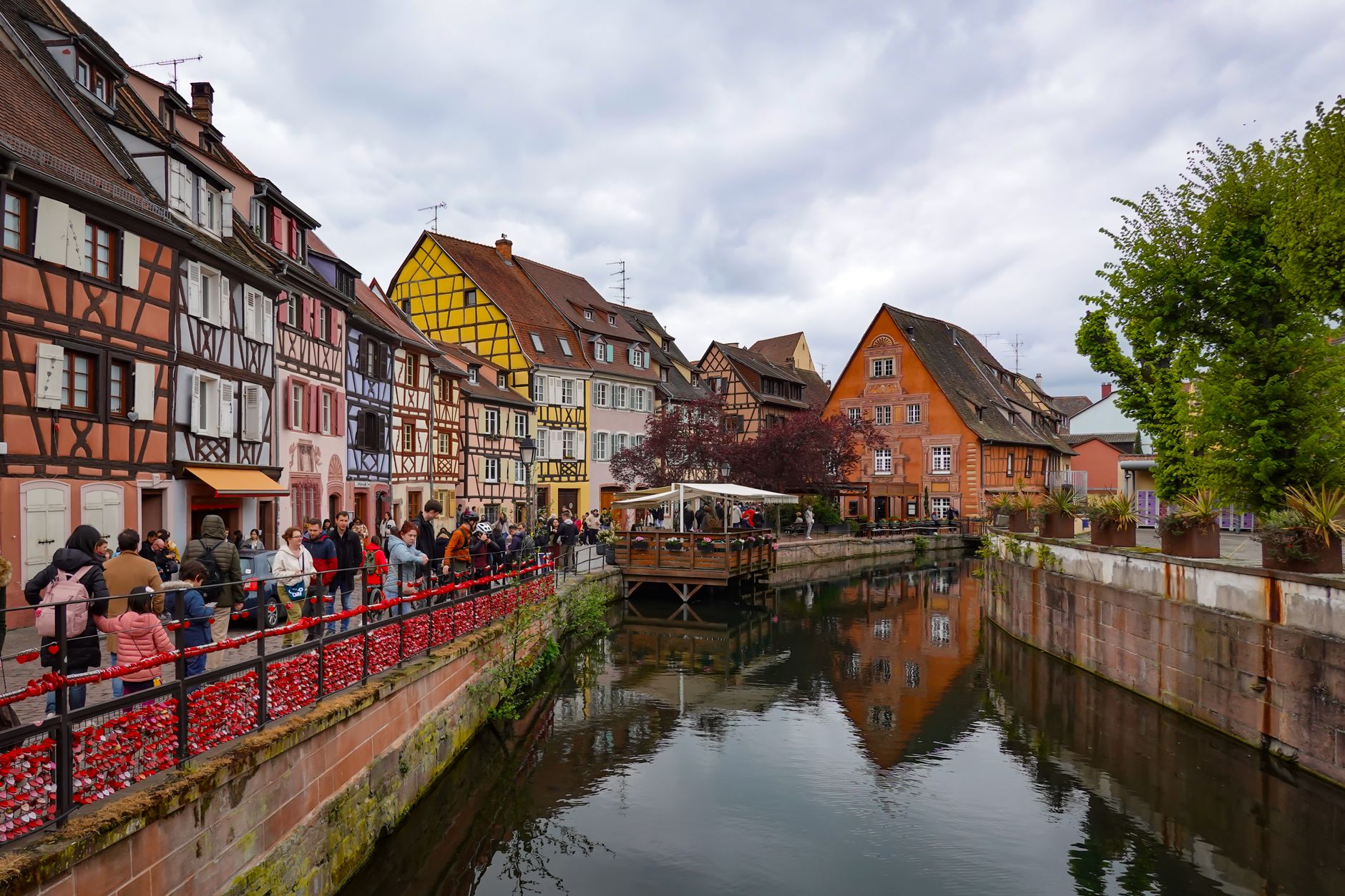
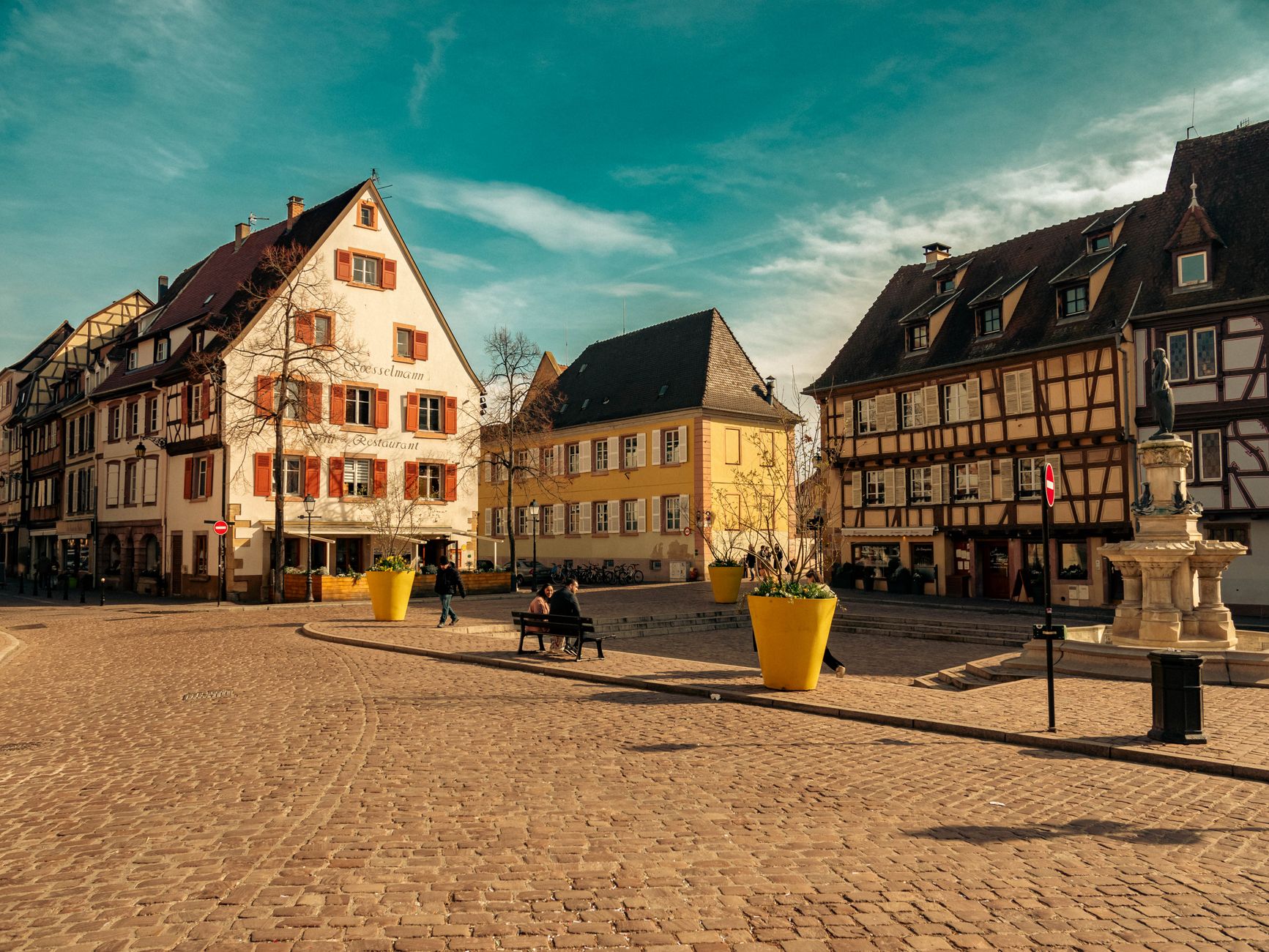
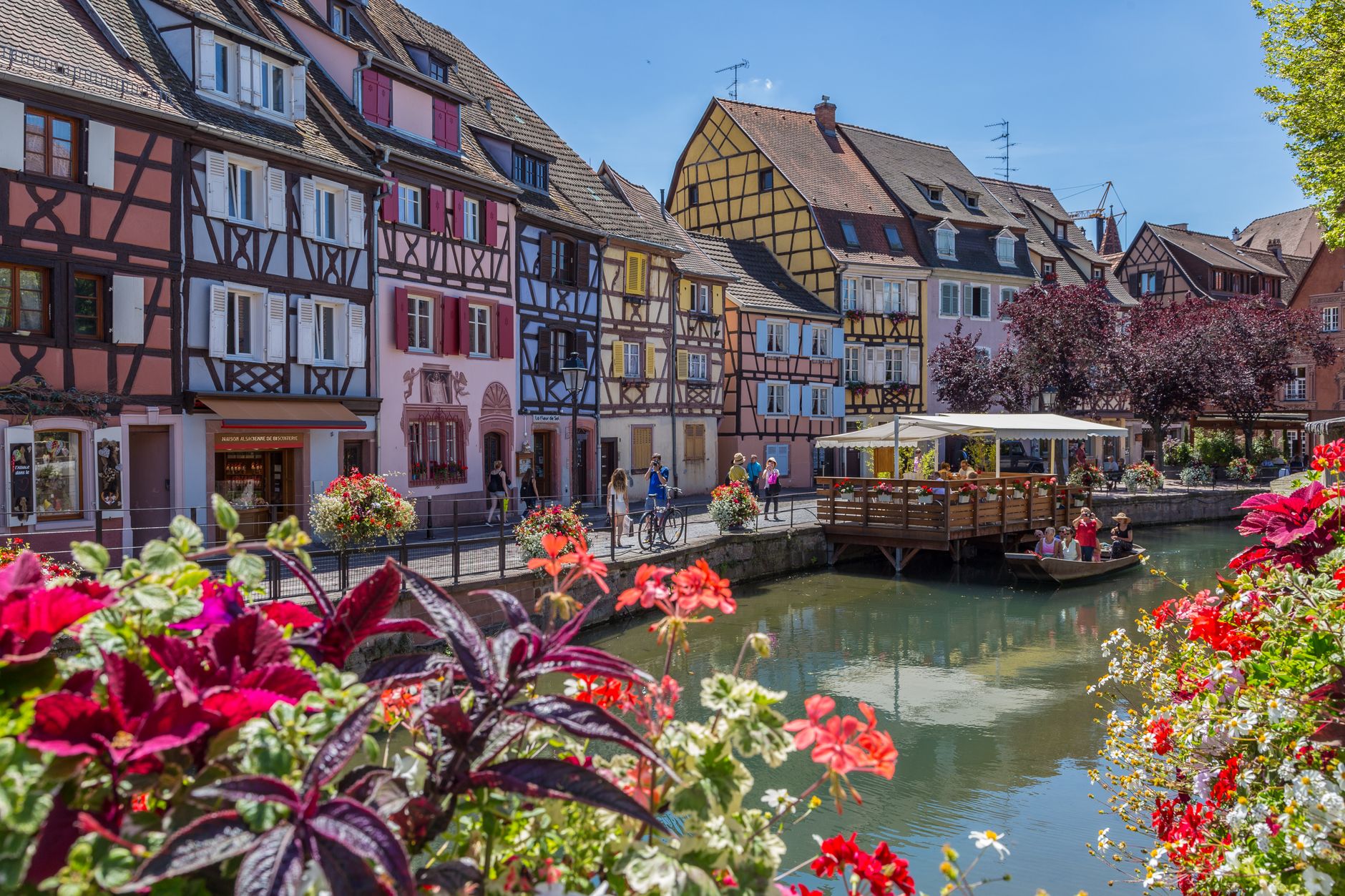
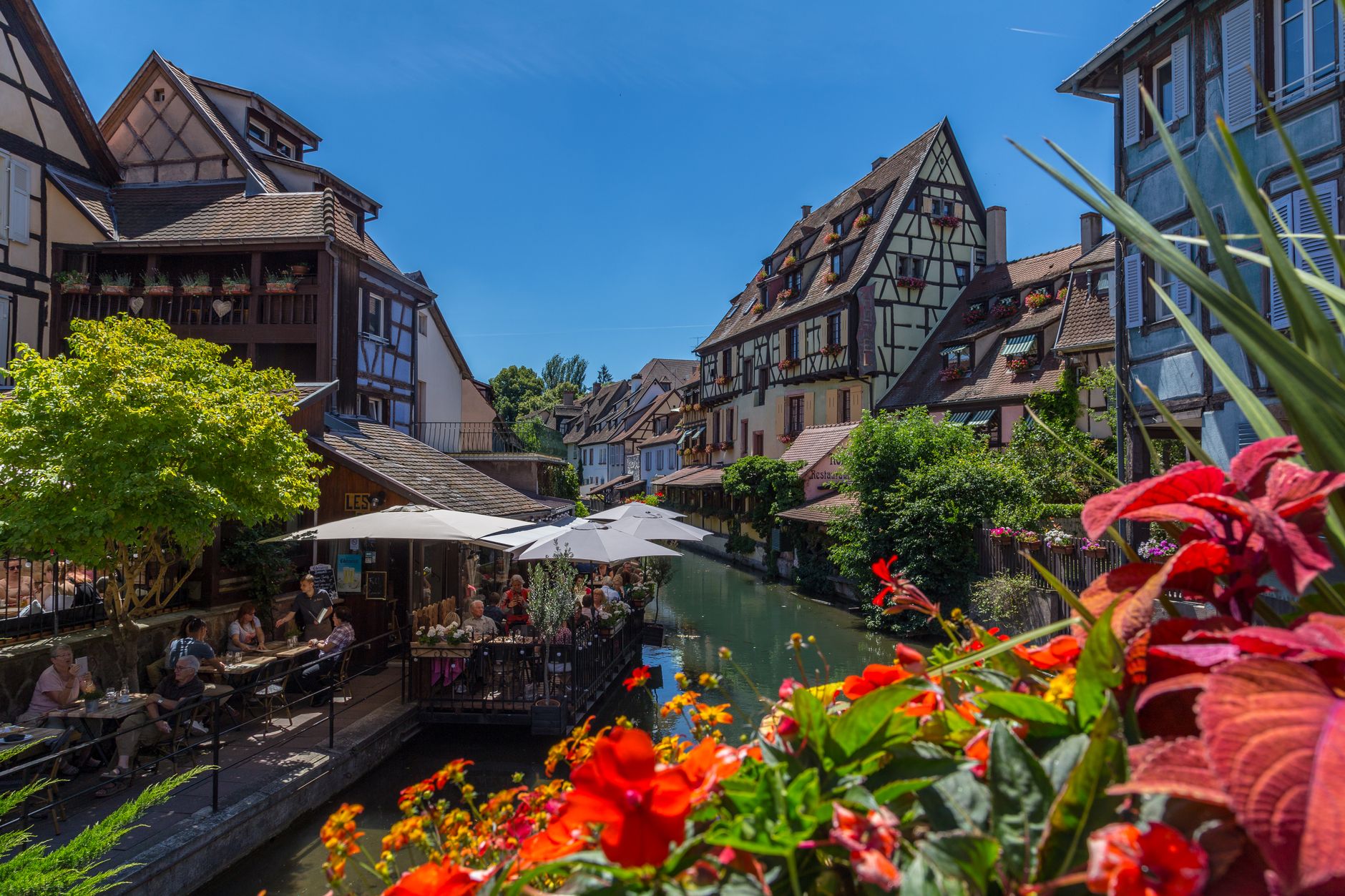
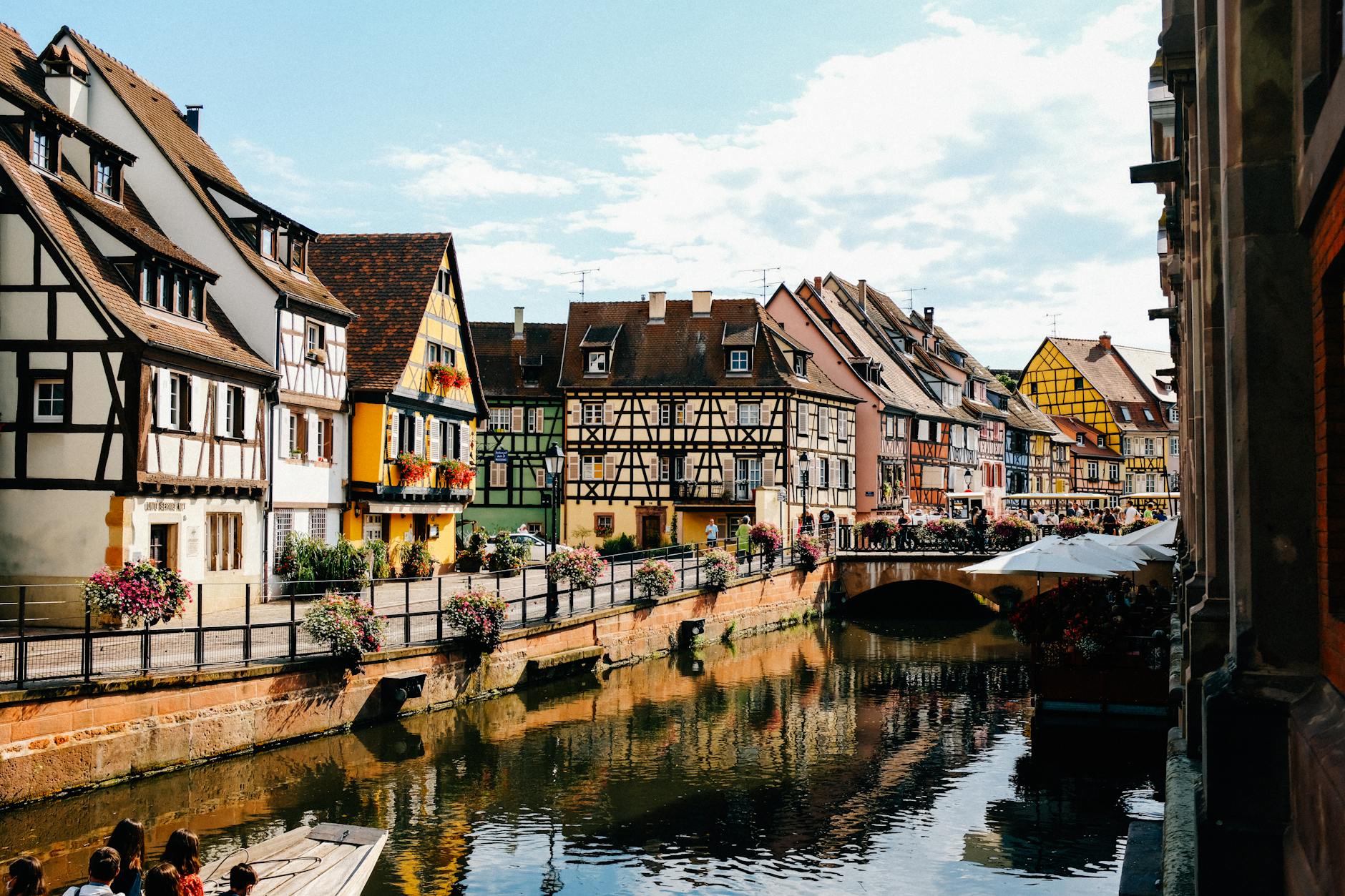
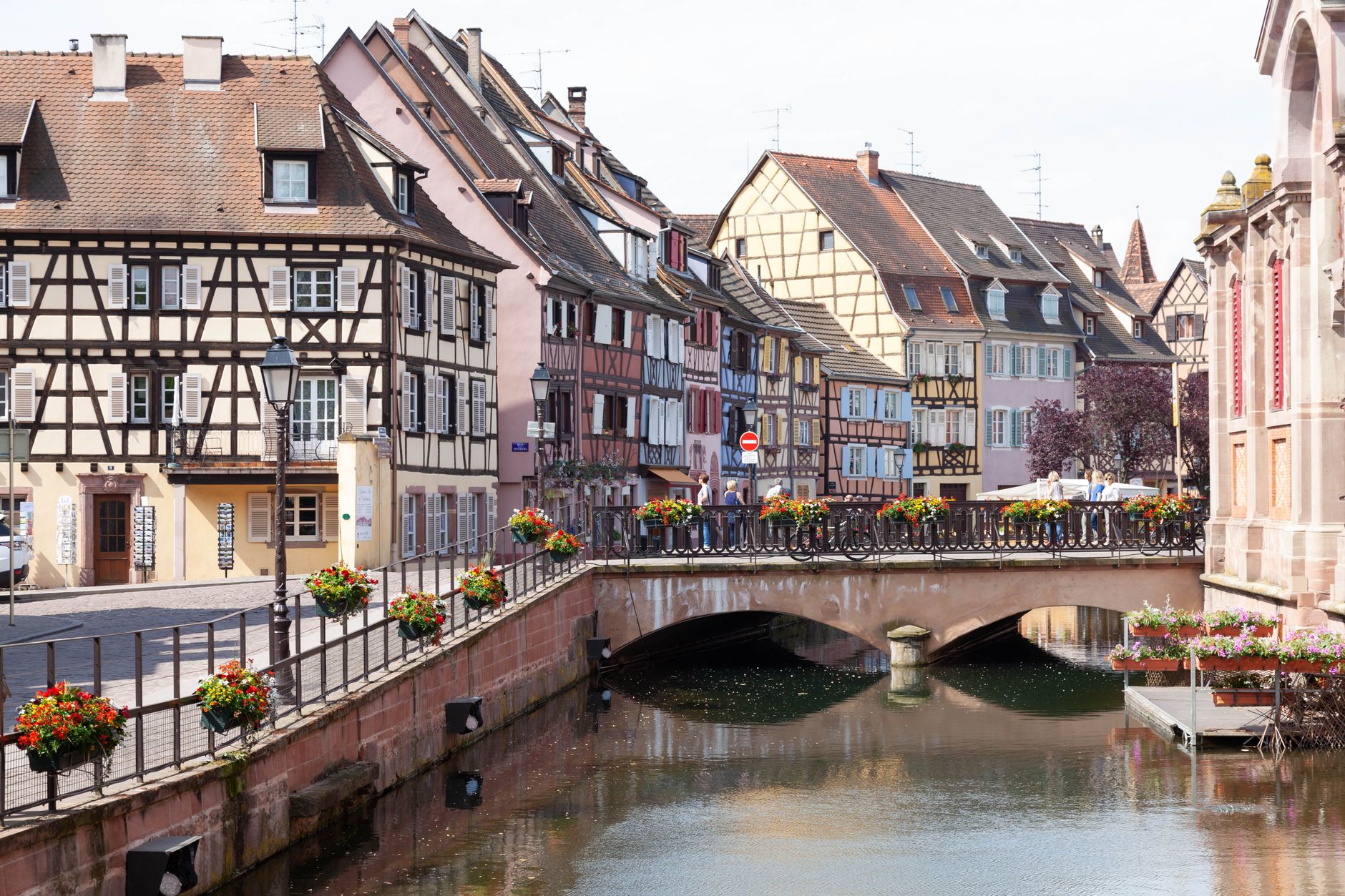
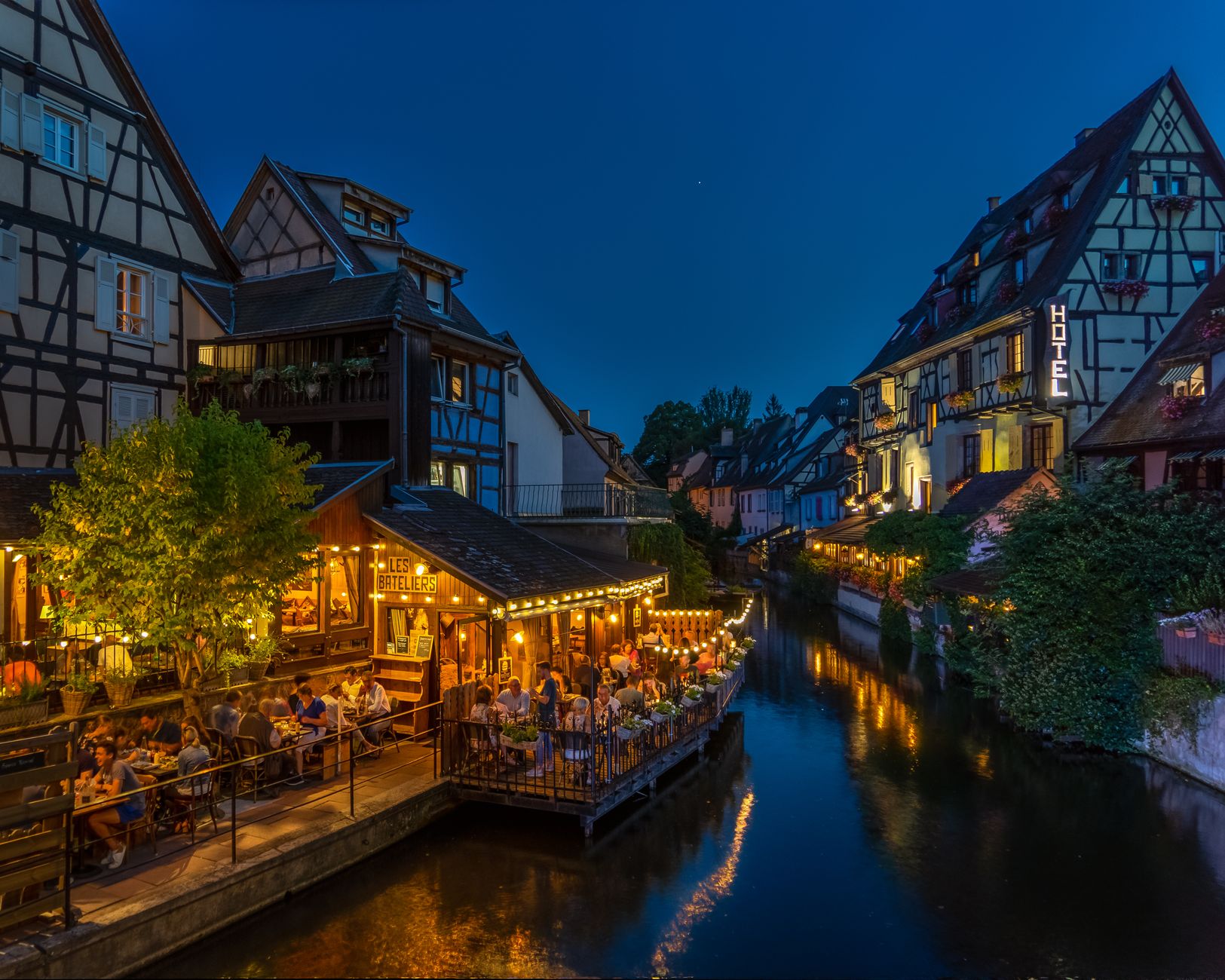
The thing that stops you first in Colmar is the colour. Half-timbered houses painted ochre, terracotta, dusty rose — the kind of palette you'd expect from a film set, except this has been the actual streetscape since the 15th and 16th centuries. The canals of the Petite Venise quarter reflect it all back at you, doubled.
Colmar sits in the southern Alsace plain, close enough to the Rhine to have spent centuries being passed between empires. French, then German, then French again — the architecture absorbed every handover without quite becoming either. What's left is a city with its own specific grammar: German guild-house bones dressed in French bourgeois detail, with Alsatian dialect still audible in the covered market.
💛 What travellers fall for
People who come back tend to agree: go to the Unterlinden Museum early, before the tour groups arrive, and stand in front of the Isenheim Altarpiece for longer than you think you need to. The carved and painted panels reward patience in a way that photographs — however good — don't prepare you for. The Champ-de-Mars carousel, running since 1900, is worth a detour if you're travelling with children or simply appreciate the absurdity of France's largest wooden-horse carousel existing quietly in a city park.
Experiences you don't want to miss

Deals in Colmar
Book directly at the provider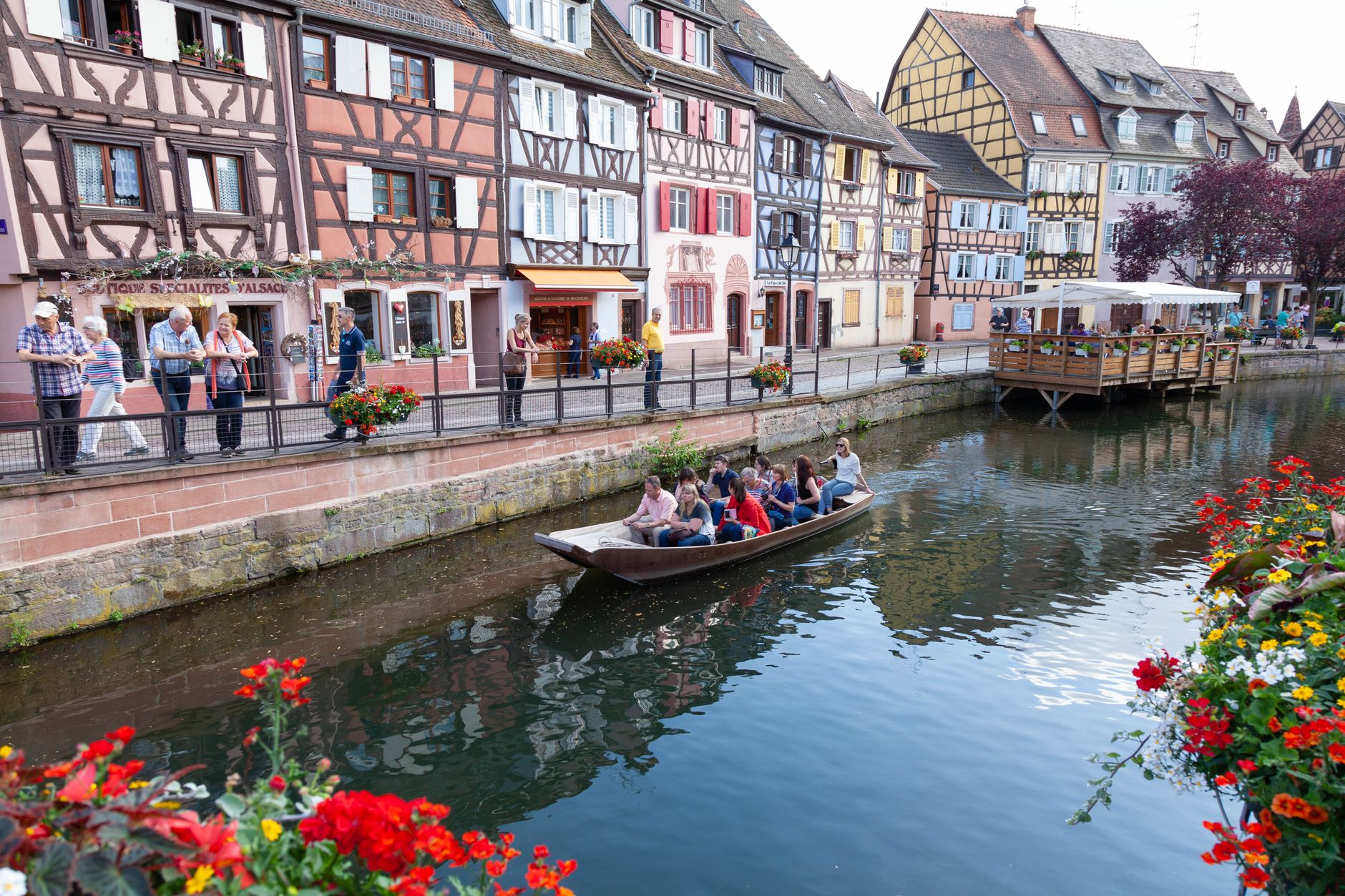
How Colmar came to be
Colmar surfaces in the written record in 823, when Louis the Pious issued a donation act mentioning the settlement. By 884 it was significant enough to host a diet under Charles the Fat. Frederick II granted it free imperial city status in 1226, and it joined the Décapole — a league of ten Alsatian cities — in 1354. The Protestant Reformation arrived in 1575; the Thirty Years' War brought Swedish occupation in 1632. Louis XIV took the city in 1673, and by 1698 the Sovereign Council of Alsace had established itself here, making Colmar the province's judicial capital.
The 19th and 20th centuries were harder. A cholera epidemic in 1854, then German annexation after 1871 — the period that produced cartoonist Jean-Jacques Waltz (Hansi), whose satirical drawings mocking German rule circulated as quiet resistance. The city changed hands twice more in the 20th century, finally returning to France in February 1945 after the battles of the Colmar Pocket.
Who and what shaped it
People who shaped it
Landmark buildings
See Colmar in motion
Plan your visit
On the map
When to go
Alsace sits in a rain shadow cast by the Vosges mountains, which makes Colmar one of the driest cities in France — summers are warm and often sunny, winters cold and crisp with occasional snow that softens the half-timbered streets considerably. Spring arrives gently from April onward; by July the heat can concentrate in the old town's narrow lanes.
Right now
Background & history adapted from Wikipedia (CC BY-SA) · specs from Wikidata (CC0) · weather from Open-Meteo · map data © OpenStreetMap contributors · photos from Wikimedia Commons / Unsplash with per-image credit. No third-party reviews or social posts reproduced.