
Wissembourg
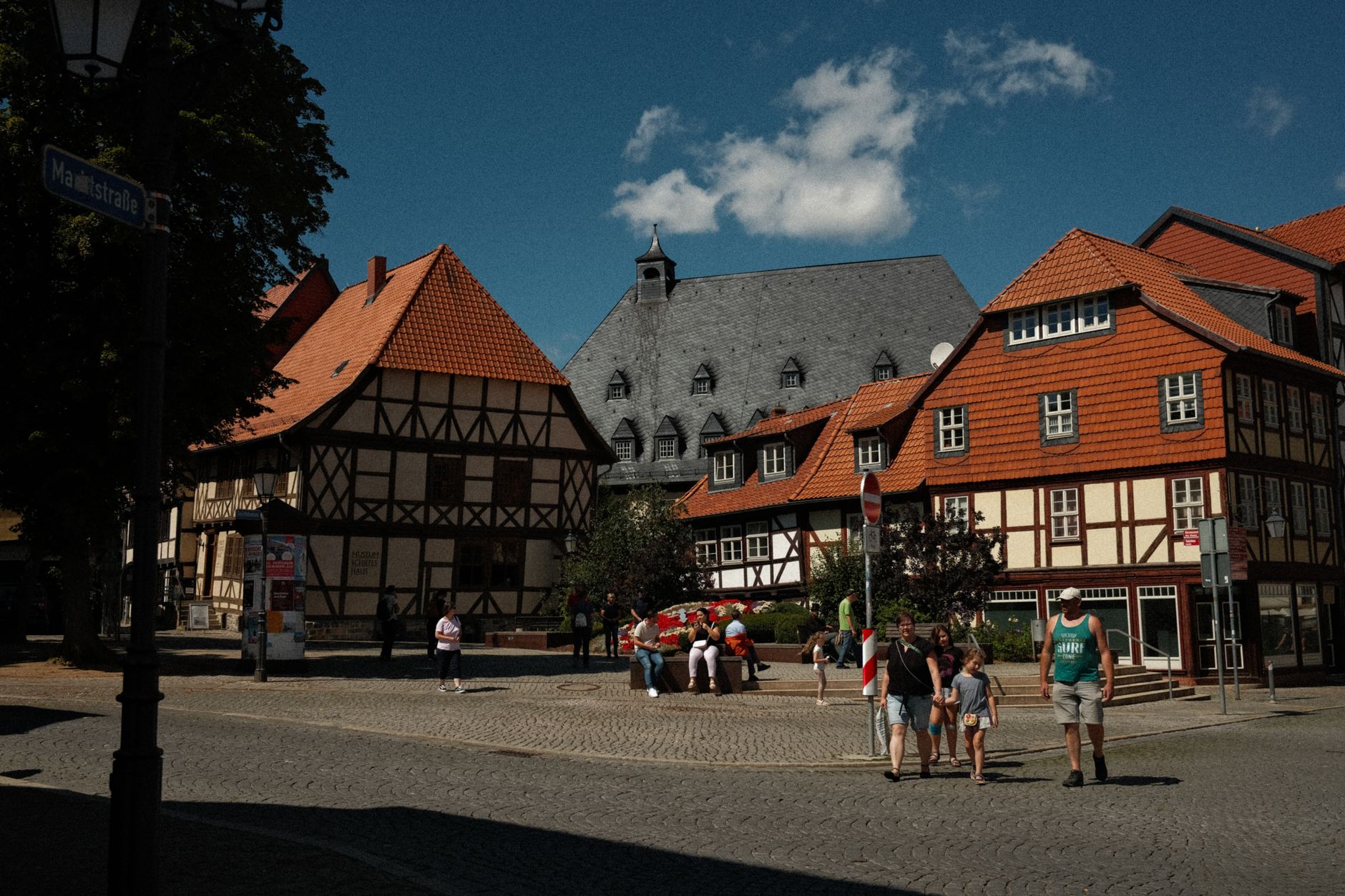
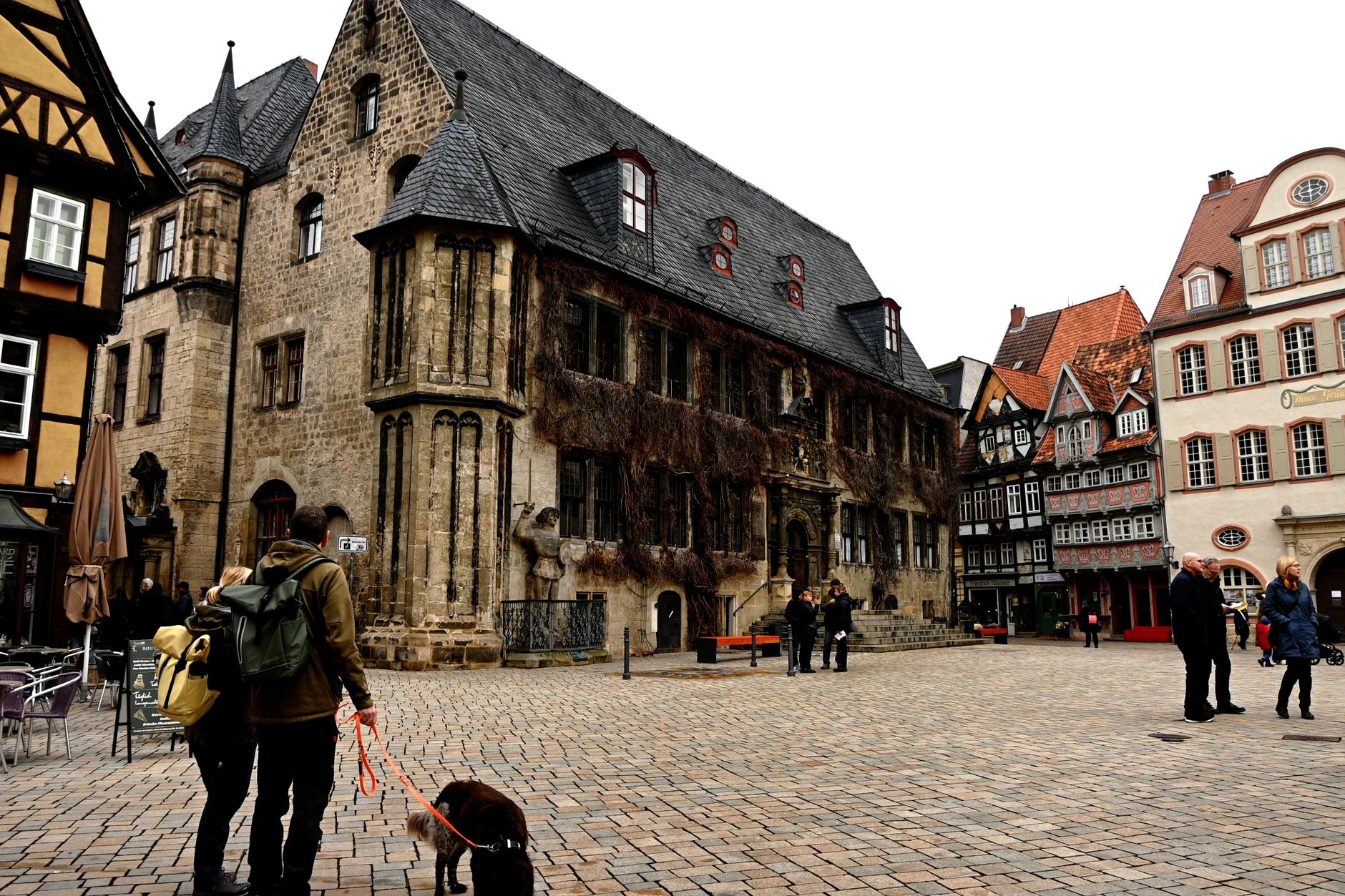

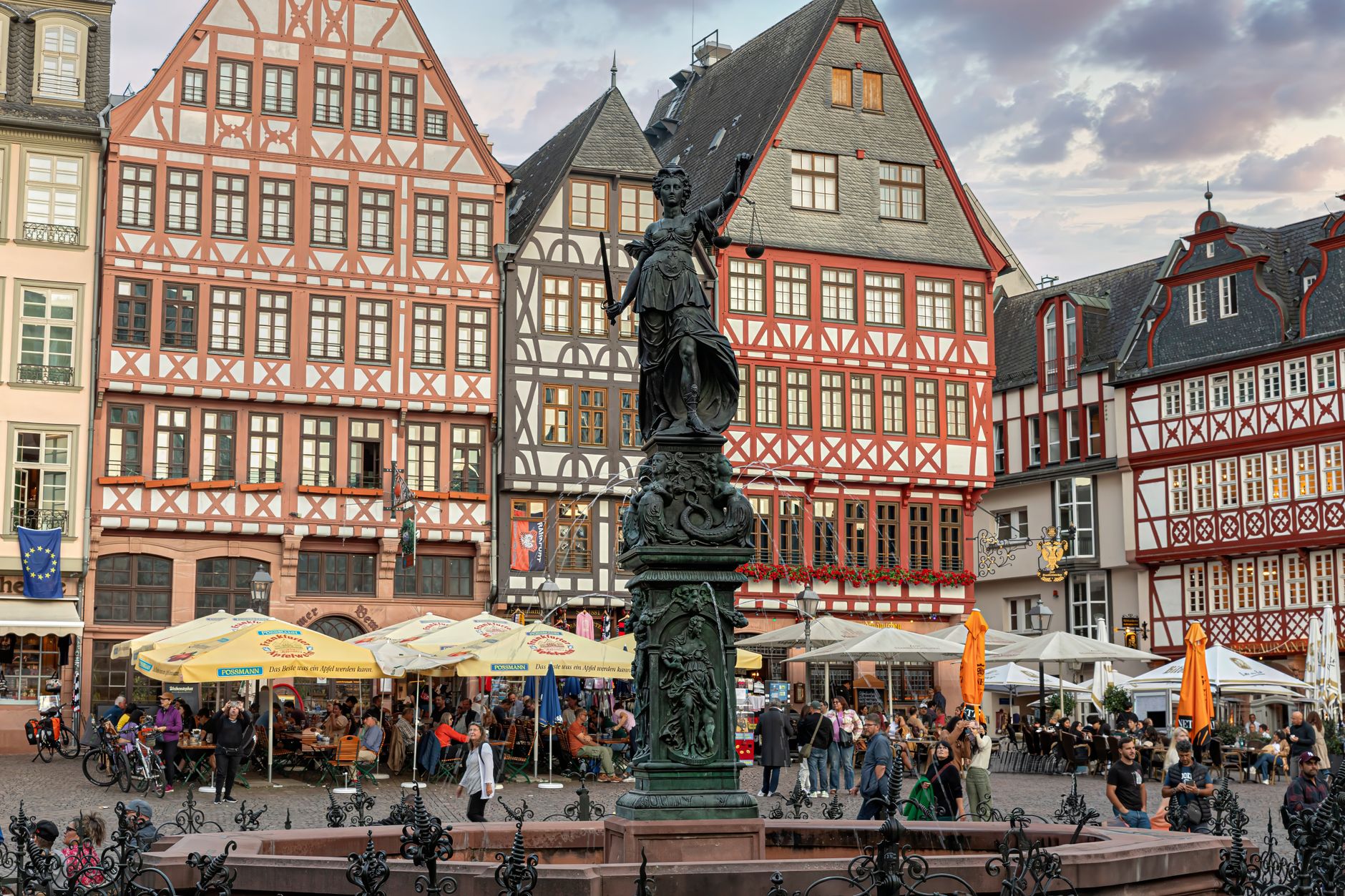
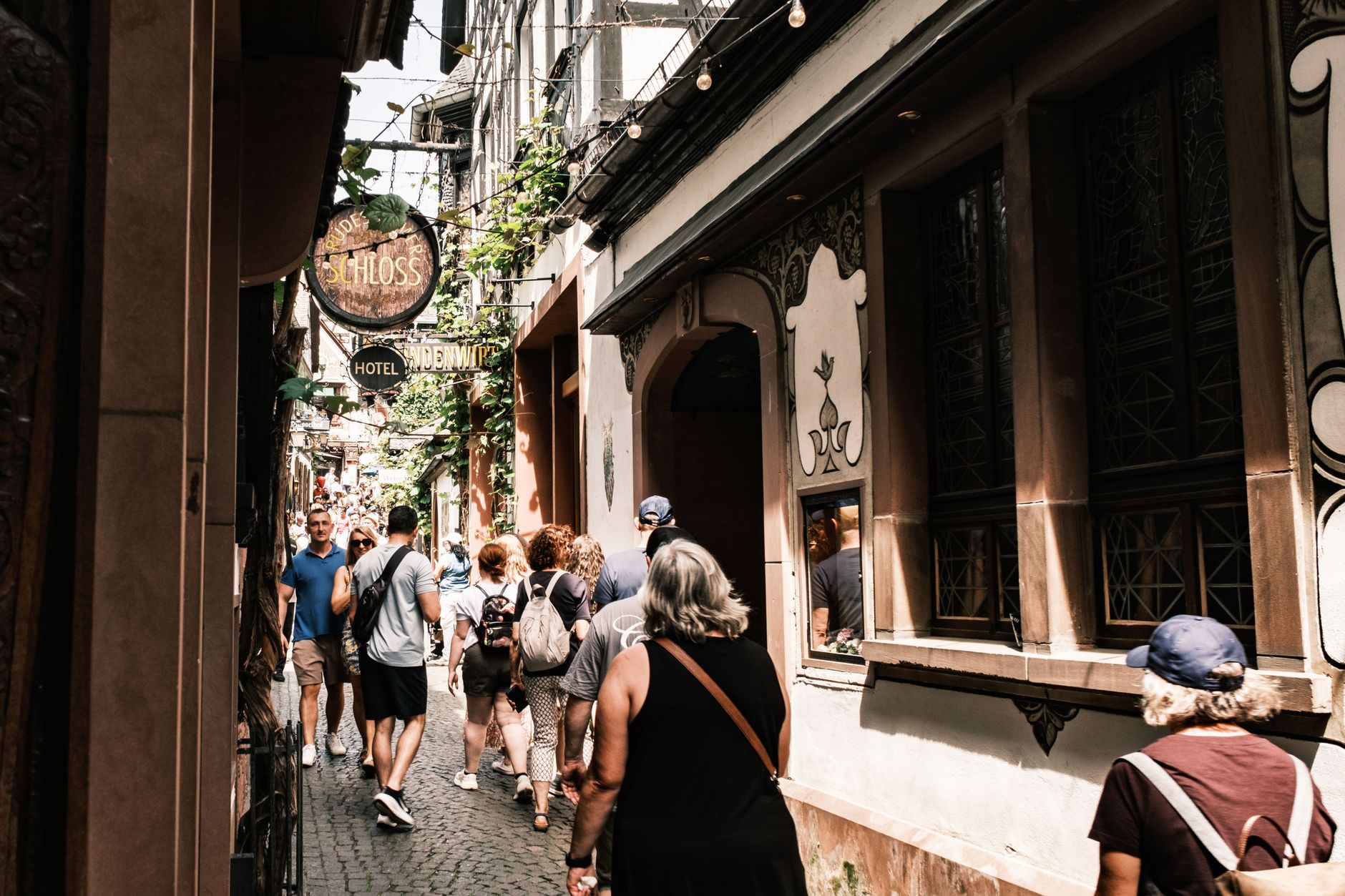
Wissembourg sits at the very top of Alsace, pressed against the German border, where the Lauter river cuts through a town that has been gathering centuries like sediment. The abbey church of Saints Peter and Paul — the largest parish church in Alsace after Strasbourg's cathedral — dominates the old centre, and inside its walls an 11-metre fresco of Saint Christopher holds the distinction of being the largest painted human figure on French territory.
The streets around it are compact enough to cover on foot in a morning, lined with half-timbered houses and the occasional Renaissance portal. The Ami Fritz House, an old tannery from 1550, still carries its carved stonework; the 18th-century tithe barn still stands. This is a town where the layers haven't been smoothed over.
💛 What travellers fall for
People who come back tend to cross into Germany the same day — the train from Wissembourg station reaches Neustadt an der Weinstraße without a connection, and the contrast between Alsatian and Palatine wine culture over a single afternoon is quietly instructive. The walk from the station to the old centre takes about ten minutes and tells you most of what you need to know about the scale of the place.
Experiences you don't want to miss



Deals in Wissembourg
Book directly at the provider

How Wissembourg came to be
A Benedictine abbey founded in the 7th century — its founding attributed to the Bishop of Speyer, Dragobodo, in 661 — gave Wissembourg its reason to exist. The town that grew around it was fortified in the 13th century, and in 1354 joined the Décapole, the league of ten free imperial cities that shaped Alsatian civic identity for centuries. The abbey church's main consecration came in 1289; its Romanesque bell tower is the last remnant of an even earlier 11th-century structure.
French troops burned the town on 25 January 1677, destroying the medieval town hall recorded as far back as 1396. The replacement — a Baroque building designed by Joseph Massol, groundbreaking in 1741, inaugurated in 1752 — is now a classified monument. Wissembourg formally joined France in 1680, and in 1975 absorbed the neighbouring commune of Altenstadt, bringing the Romanesque church of Saint-Ulrich within its boundaries.
Who and what shaped it
People who shaped it
Landmark buildings
See Wissembourg in motion
Plan your visit
On the map
When to go
July averages around 26°C, warm enough for long evenings in the streets without the heat becoming oppressive. Winter settles around 6°C — cold but not severe, and the town is quieter then, which has its own appeal.
Right now
Background & history adapted from Wikipedia (CC BY-SA) · specs from Wikidata (CC0) · weather from Open-Meteo · map data © OpenStreetMap contributors · photos from Wikimedia Commons / Unsplash with per-image credit. No third-party reviews or social posts reproduced.