
Saverne
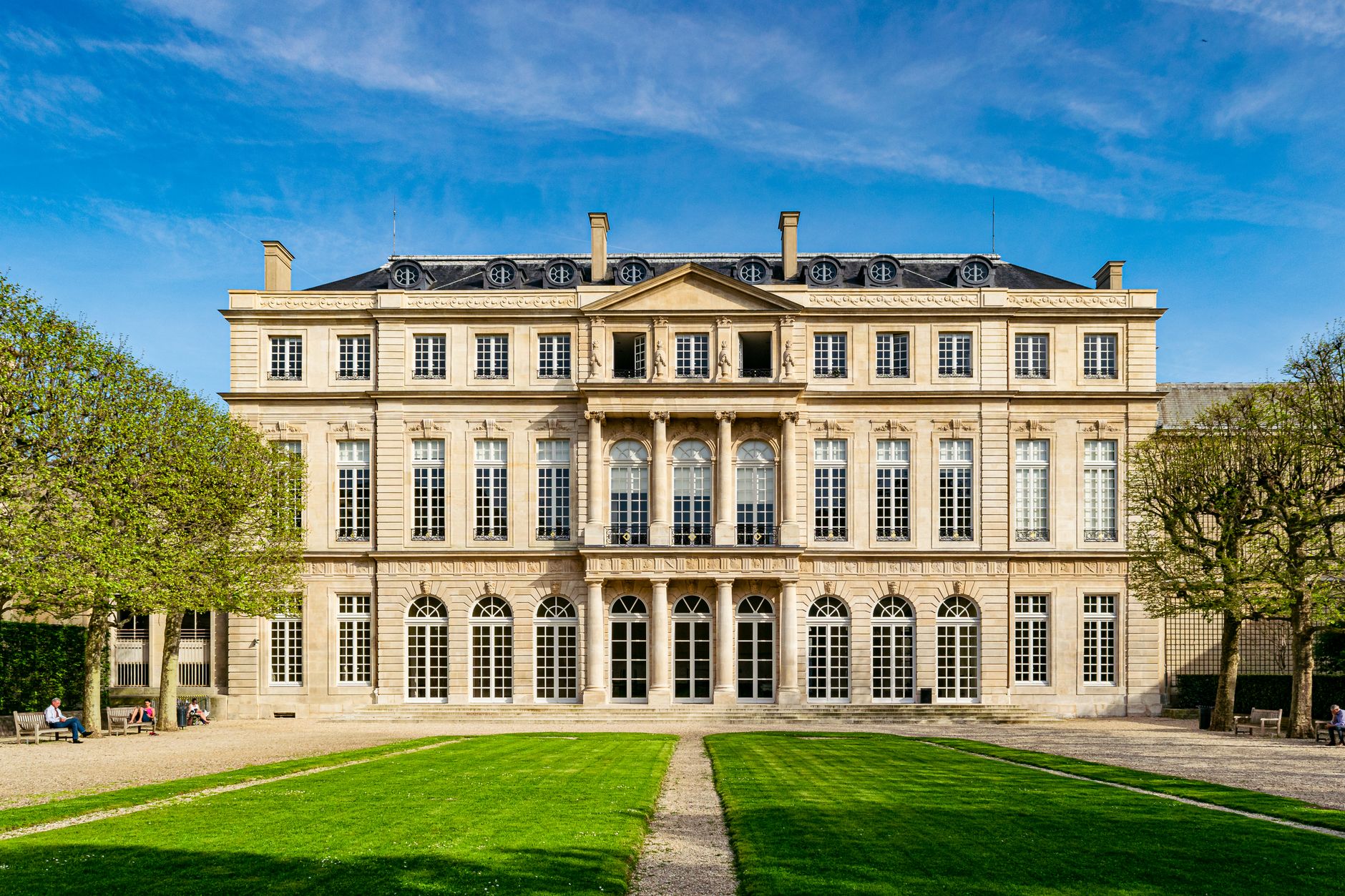
The first thing you notice about Saverne is that 140-metre wall of red Vosges sandstone — the Château des Rohan, sitting flush against the town like a statement. It was built in the 1780s for bishops who ruled here for five centuries, and it still sets the tone: unhurried, a little grand, and oddly intimate for a place with that kind of history behind it.
Saverne sits at the gap where the Vosges mountains open toward Strasbourg, a position the Romans understood well enough to plant a garrison here in 310 CE. The town that grew from that relay post still rewards the traveller who pauses rather than passes through.
💛 What travellers fall for
People who come back tend to time it for the rose garden in June, when the Roseraie has 5,000 bushes in full colour and the International Contest of New Roses is on. Others make straight for the Château des Rohan museum on a weekday afternoon, when the decorative-arts rooms are nearly empty. Thursday morning market is worth adjusting your schedule for.
Experiences you don't want to miss


Deals in Saverne
Book directly at the provider

How Saverne came to be
The Romans called it Tres Tabernae — Three Relays — a staging post on the Strasbourg-Metz road, and by 310 CE a proper castrum stood here to hold the Gallic frontier. Emperor Julian mentioned it by name in 357 CE during his campaigns against the Alamans. After Rome withdrew in the early 5th century, Saverne passed through medieval hands until the Bishops of Strasbourg took control in 1236, making it their residence from 1394 onward.
The 18th century brought the four Rohan bishops and a burst of architectural ambition — the current château was commissioned after its predecessor burned in 1779, completed by 1790, and promptly overtaken by the Revolution. The town later gave its name to a moment of history it would rather forget: the 1913 Zabern Affair, when a Prussian officer's abuse of Alsatian recruits became an international scandal and added the word 'Zabernism' to the political vocabulary. General Leclerc's 2nd Armored Division liberated the town on 22 November 1944.
Who and what shaped it
People who shaped it
Landmark buildings
See Saverne in motion
Plan your visit
On the map
When to go
Saverne sits in a mountain gap that funnels Atlantic weather into Alsace, so summers are warm and rose-garden-friendly, while winters are cold and often grey. Spring and early autumn offer clear skies and manageable crowds — the best light for the sandstone façade falls in the morning.
Right now
Background & history adapted from Wikipedia (CC BY-SA) · specs from Wikidata (CC0) · weather from Open-Meteo · map data © OpenStreetMap contributors · photos from Wikimedia Commons / Unsplash with per-image credit. No third-party reviews or social posts reproduced.