
Haguenau
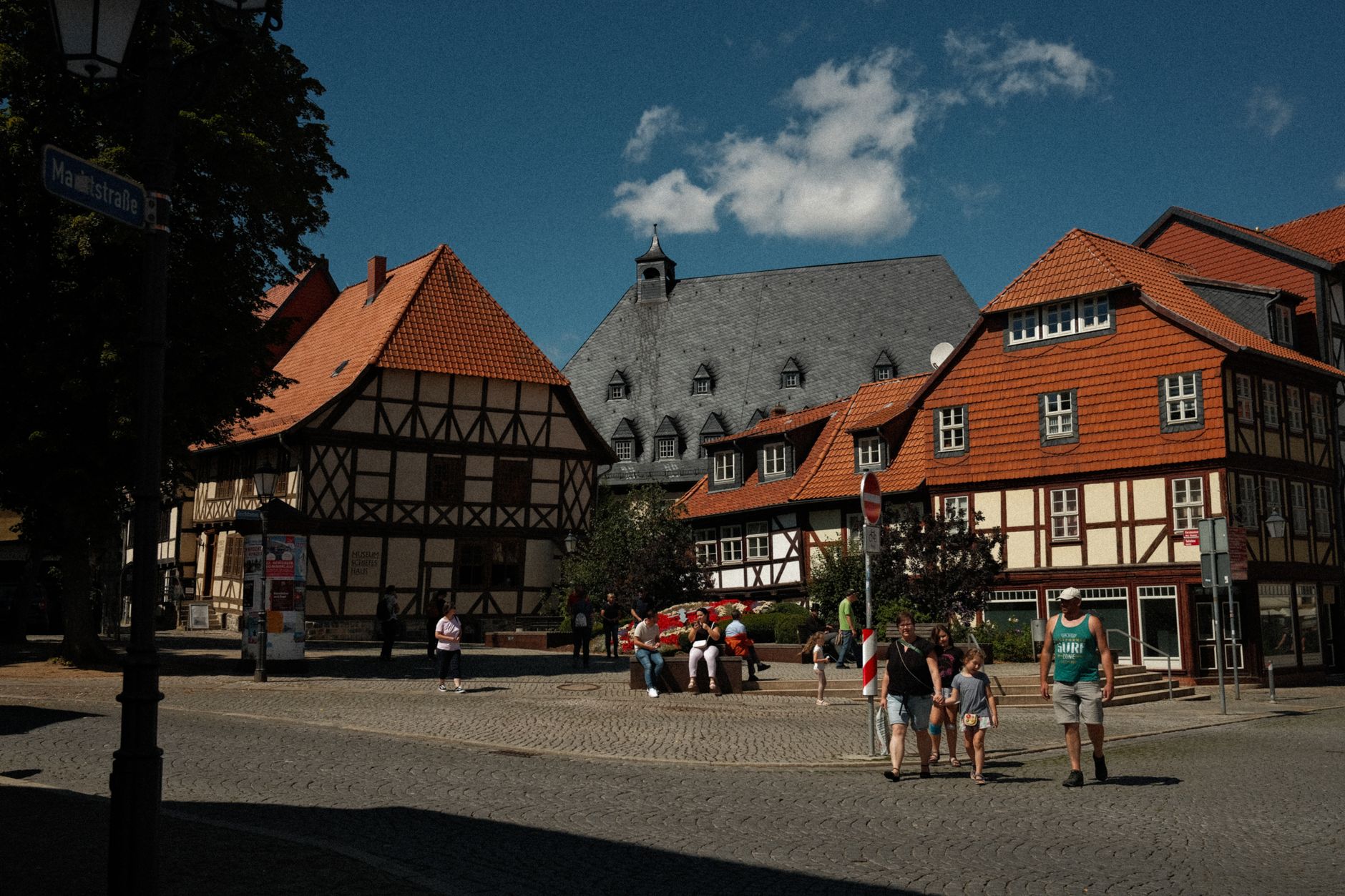
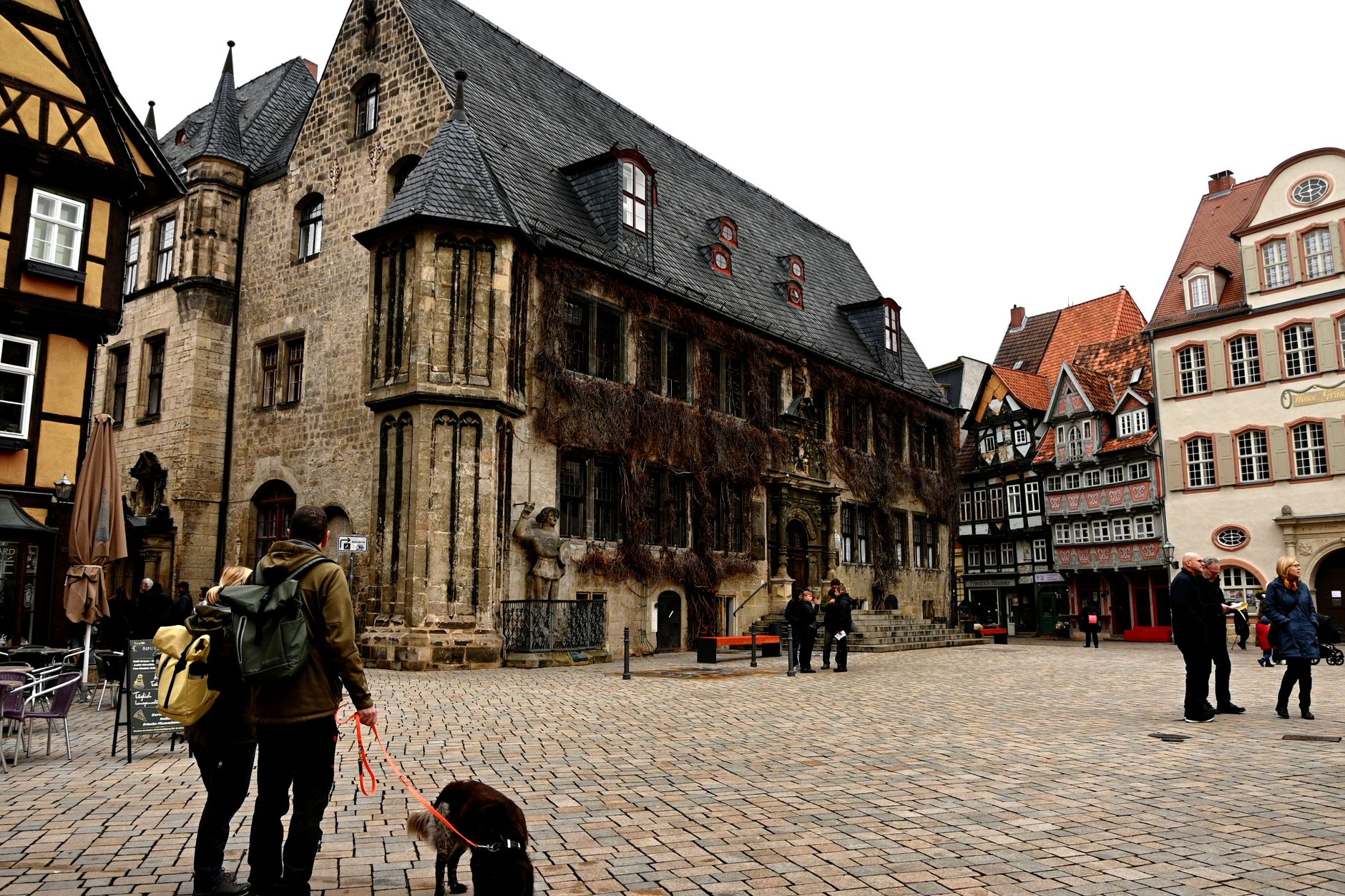
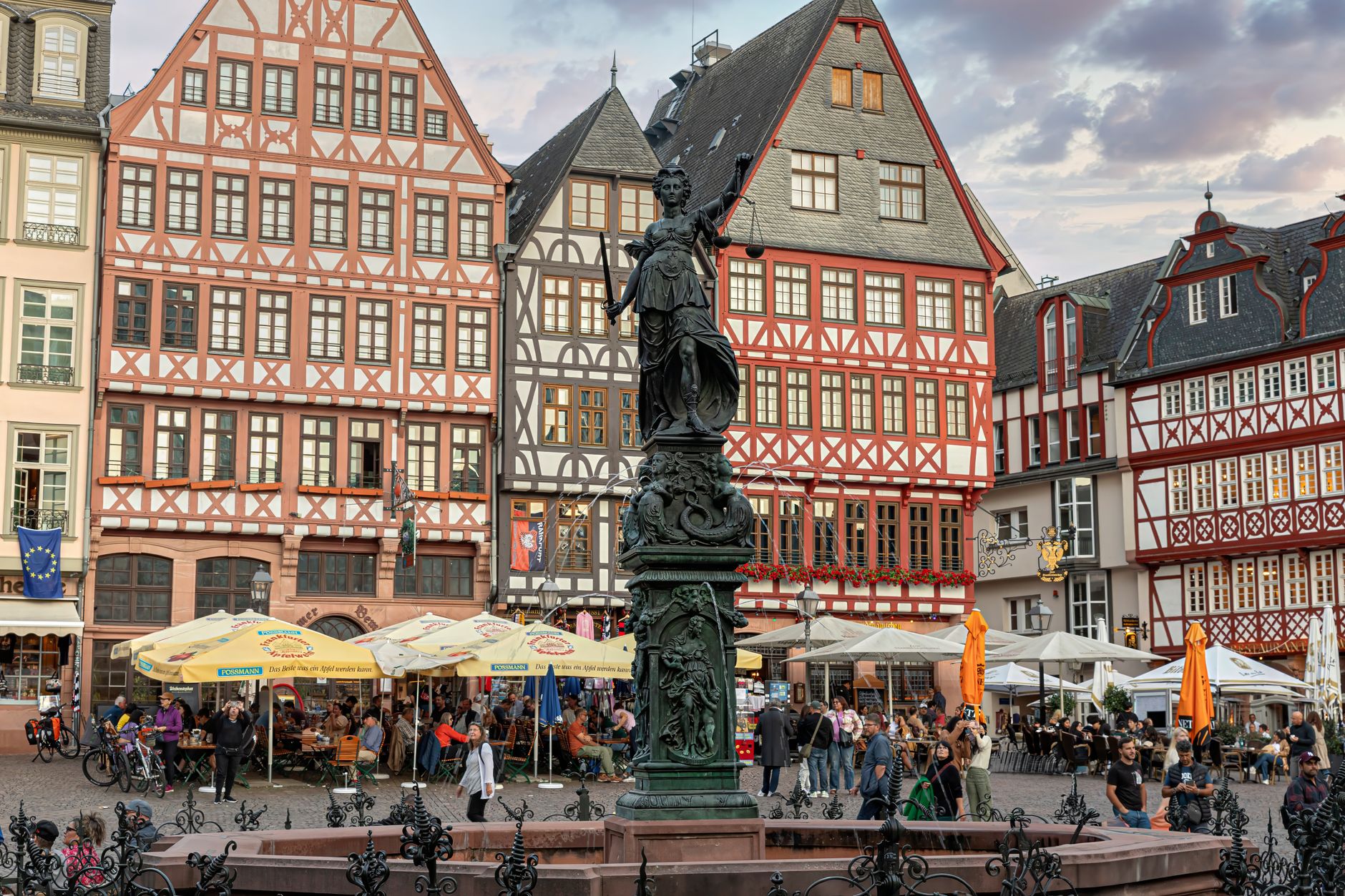
Haguenau sits on the Moder River about twenty minutes north of Strasbourg, and it tends to get skipped — which means you often have the old town largely to yourself. The cobbled Place d'Armes is ringed by buildings that have watched the city change hands between France and Germany more than once, and the red-brick defensive towers from the 13th century still stand at the edge of what was once a serious imperial stronghold.
The hop hall — a grand iron-and-brick structure built in 1867 to trade the hops grown in the surrounding plain — tells you something important about the city's economic backbone. Haguenau was never purely decorative. It was a working place, and that texture is still legible in its streets.
💛 What travellers fall for
People who come back tend to mention the combined museum ticket: six euros gets you the Historical Museum, the Alsatian Museum in the red Renaissance Chancellery, and the Baggage Museum in a converted 1840s villa. It sounds eccentric, but the pairing of medieval artefacts and vintage luggage somehow works. The tourist office, right inside the Chancellery building, is genuinely useful.
Experiences you don't want to miss


Deals in Haguenau
Book directly at the provider


How Haguenau came to be
Haguenau began as a hunting lodge built by Duke Frederick II of Swabia on an island in the Moder. His descendant Frederick I Barbarossa formalized it, granting town rights in 1154 and raising an imperial palace — the Kaiserpfalz — that made Haguenau a seat of real power. By 1257 it had become an imperial city, and in the 14th century it hosted the executive council of the Decapole, the alliance of ten Alsatian towns.
The 1677 sacking by General Montclar's troops — which destroyed the Kaiserpfalz and killed much of the population — was the city's most devastating rupture. The Peace of Westphalia had already transferred Alsace to France in 1648; after the Franco-Prussian War of 1871, Haguenau passed to the German Empire for nearly five decades before returning to France in 1918, a transfer ratified by the Treaty of Versailles in 1919. The last German soldiers were cleared from the town on 19 March 1945 after house-to-house fighting.
Who and what shaped it
People who shaped it
Landmark buildings
See Haguenau in motion
Plan your visit
On the map
When to go
Summers are warm and genuinely sunny, with July daytime highs around 27°C — good walking weather. Winters are cold, with January averaging around 6°C during the day and dropping to near freezing at night; December is the wettest month, so pack accordingly.
Right now
Background & history adapted from Wikipedia (CC BY-SA) · specs from Wikidata (CC0) · weather from Open-Meteo · map data © OpenStreetMap contributors · photos from Wikimedia Commons / Unsplash with per-image credit. No third-party reviews or social posts reproduced.