
Obernai
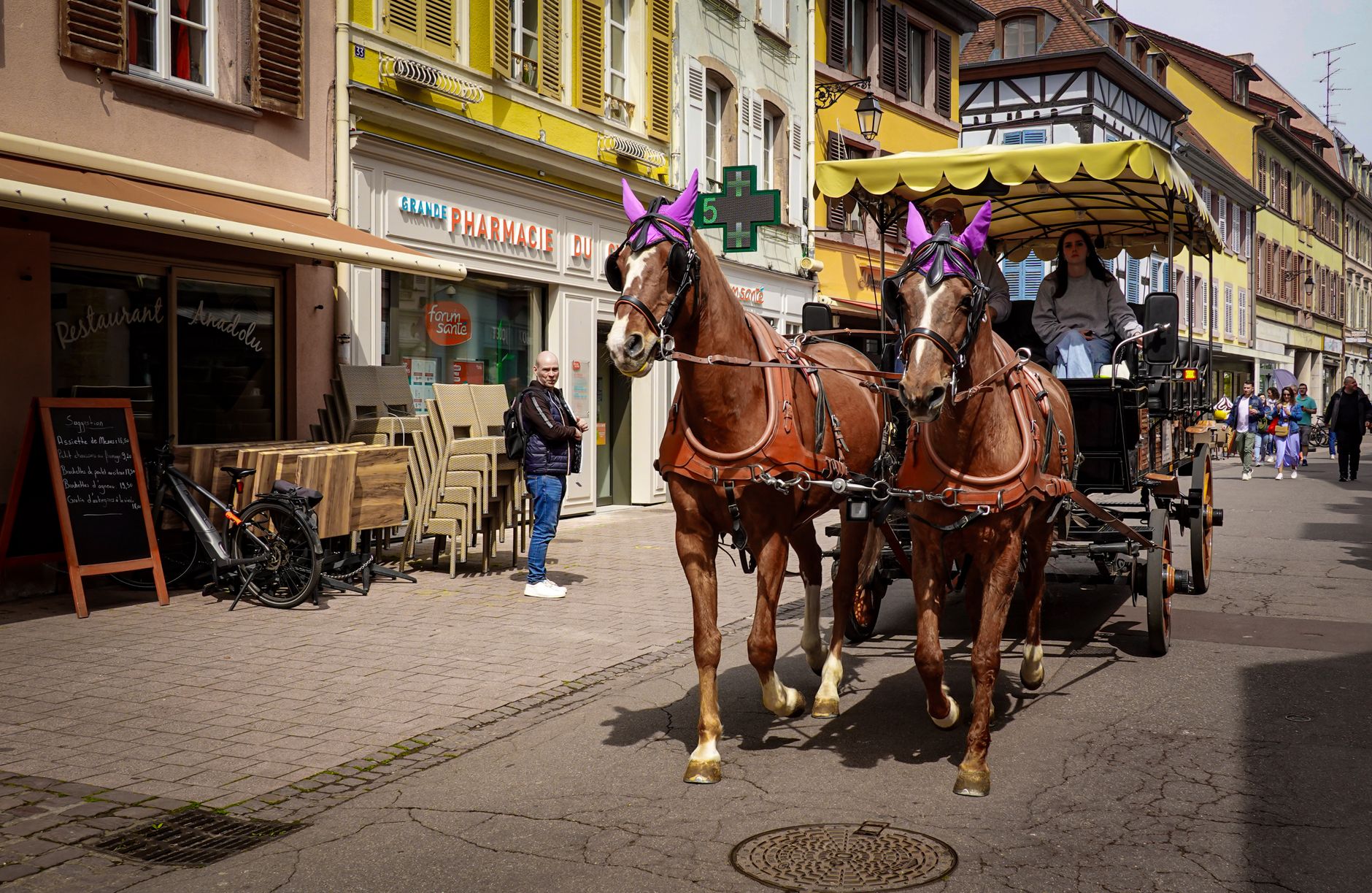
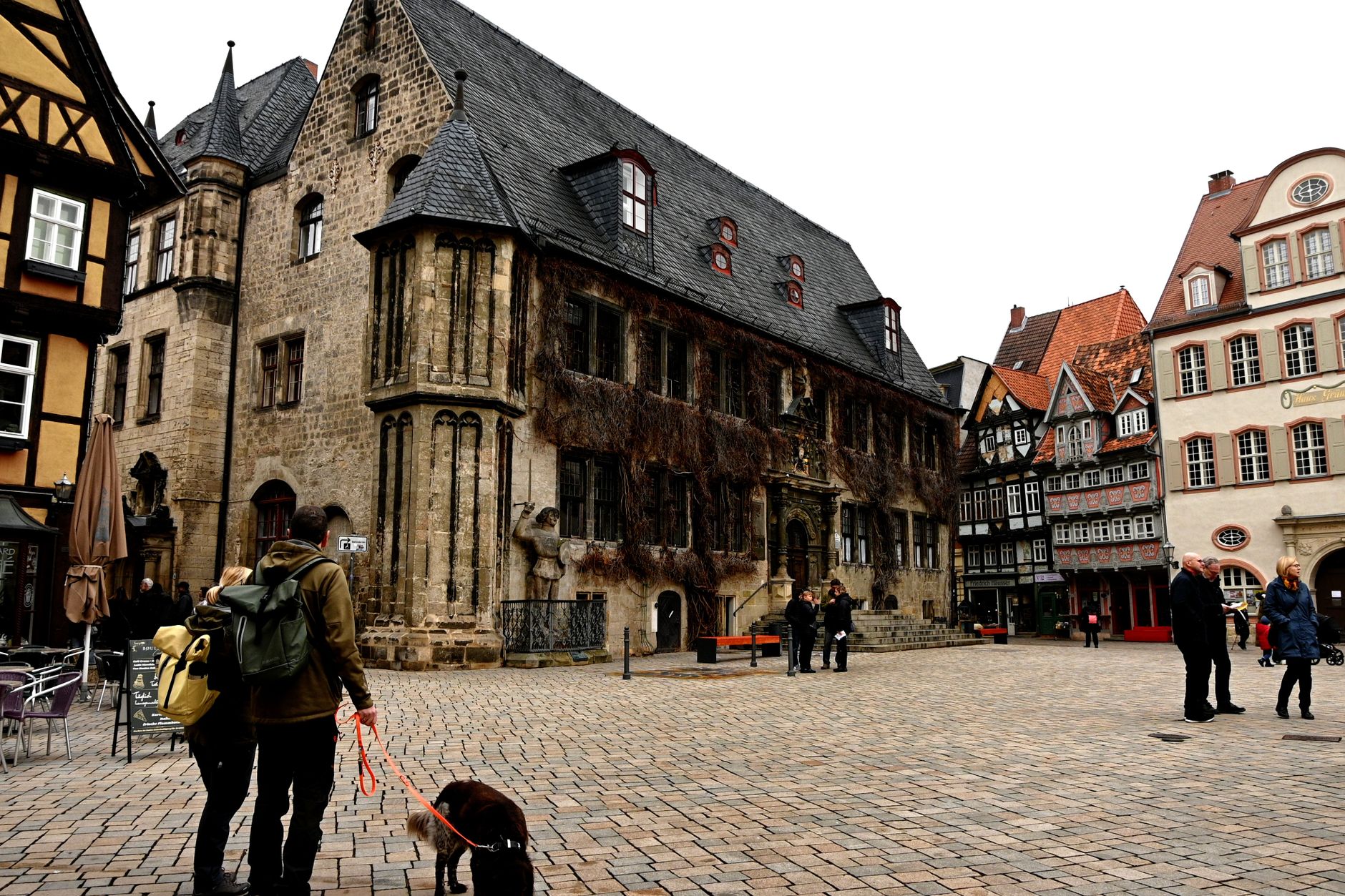
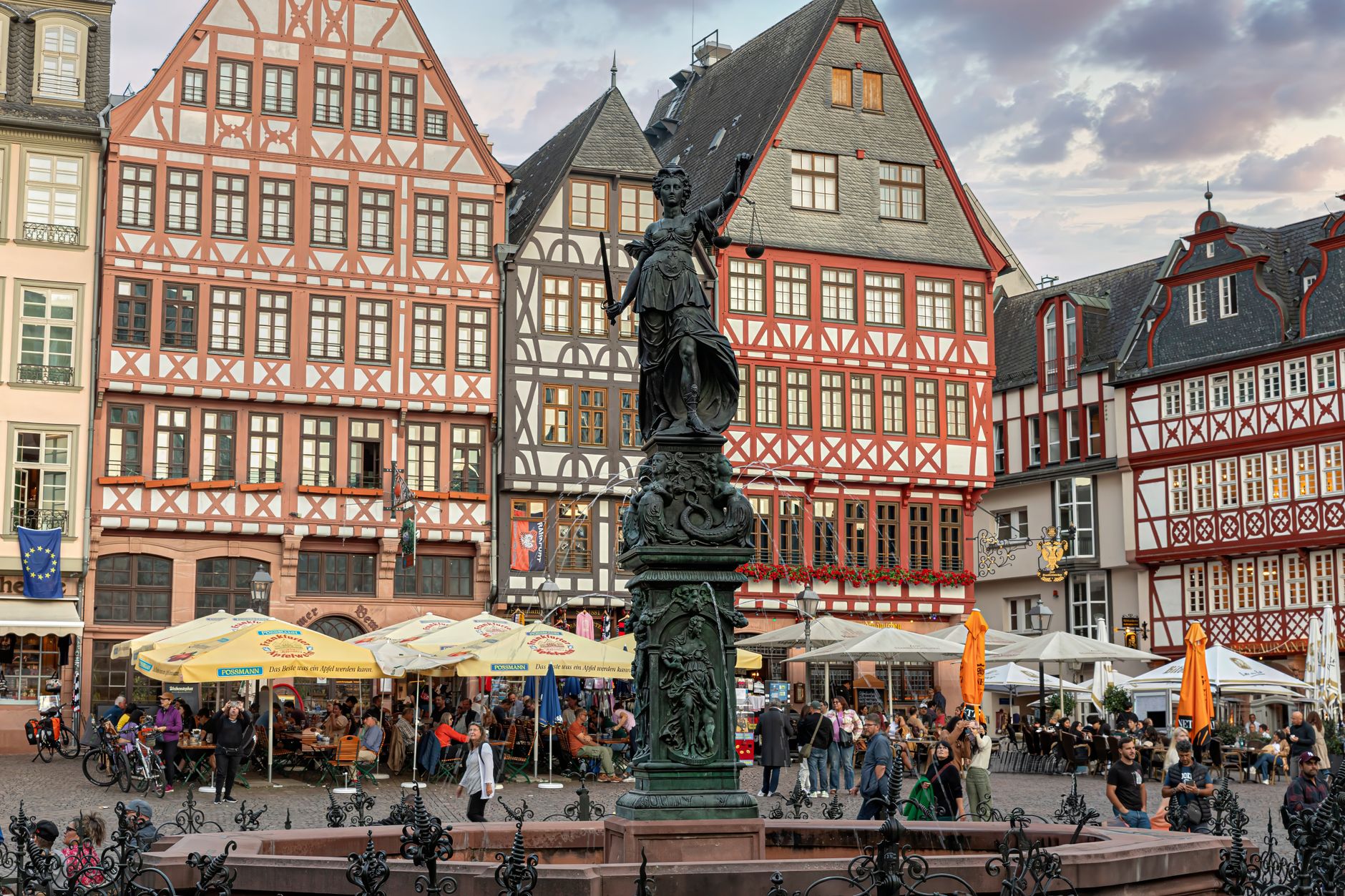
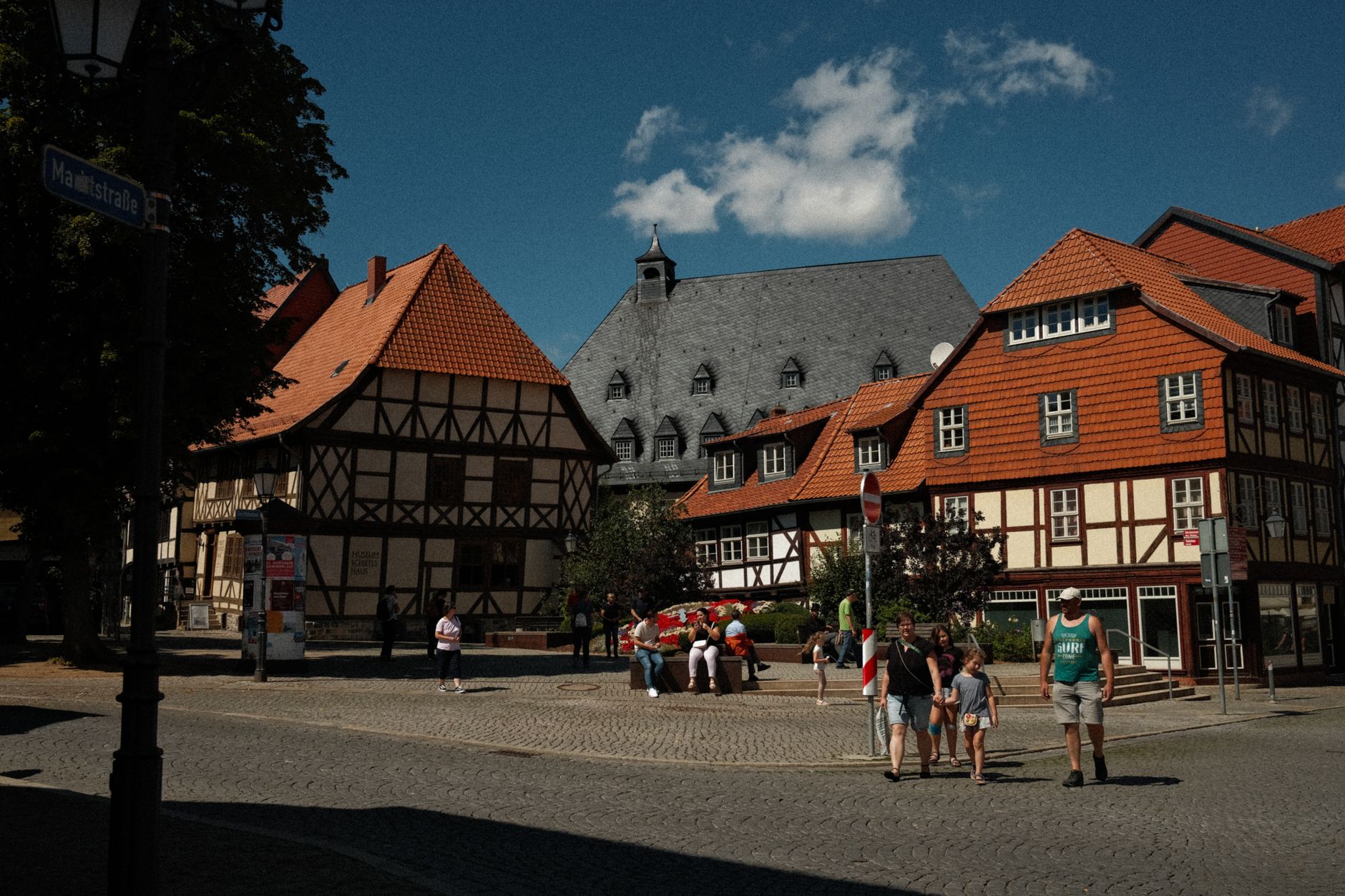
The six-bucket well at the centre of Obernai's market square has been drawing water since 1617, its stone basin engraved with the names of six local notables who apparently wanted posterity to know they paid for it. That kind of civic self-confidence runs through the whole old town — ramparts still intact for 1.4 kilometres, a Renaissance town hall that took sixty years to finish, a belfry that kept growing until it hit sixty metres. Obernai is not a stage set. People live here, shop at the Thursday market that has run since 1301, and commute to Strasbourg in half an hour.
Sit at the edge of the Vosges foothills, the town wears its Alsatian identity plainly: half-timbered facades, red-sandstone churches, and a synagogue from 1876 that speaks to the layered communities who have called this place home across the centuries.
💛 What travellers fall for
Regulars tend to arrive on a Thursday to catch the market on the Place du Marché, then walk the ramparts before the afternoon crowds. The Leonardsau park, four kilometres west, comes up often — a nine-hectare grounds around a half-timbered château that most day-trippers never reach. Worth the detour.
Experiences you don't want to miss


Deals in Obernai
Book directly at the provider
How Obernai came to be
The dukes of Alsace held this territory from the 7th century, and the town's founding story is bound up with one of their daughters: Odile, born here around 662, who went on to found the monastery at Mont Sainte-Odile and become patron saint of Alsace. Obernai itself first appears by name in 1240, when it gained town status under the Hohenstaufen family, and became an imperial city by 1280.
In 1354 it joined nine other Alsatian towns in the Décapole, a mutual-defence league that held together for three centuries. The Peace of Westphalia in 1648 set the stage for Louis XIV to absorb all ten towns into France by 1679. Obernai then passed to Germany in 1871, returned to France after 1918, and was liberated by American forces on 26 November 1944 — emerging with its medieval core largely unscathed.
Who and what shaped it
People who shaped it
Landmark buildings
See Obernai in motion
Plan your visit
On the map
When to go
Summers are warm and dry enough to spend most of the day outdoors, though the Vosges can push rain through quickly. Winters are cold and often grey, but the town's stone-and-timber streets hold their character well outside the peak December market period.
Right now
Background & history adapted from Wikipedia (CC BY-SA) · specs from Wikidata (CC0) · weather from Open-Meteo · map data © OpenStreetMap contributors · photos from Wikimedia Commons / Unsplash with per-image credit. No third-party reviews or social posts reproduced.