
Sélestat
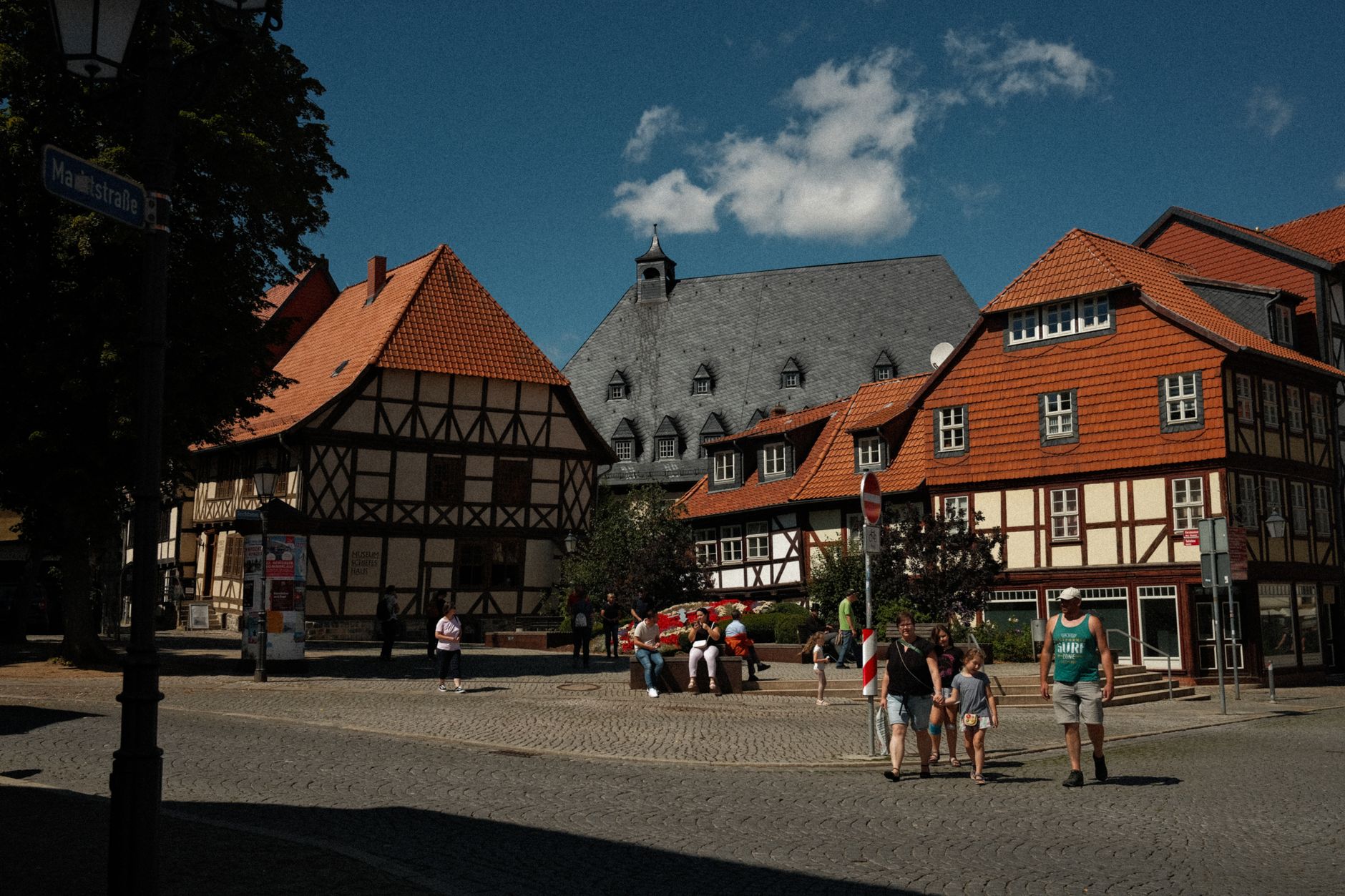
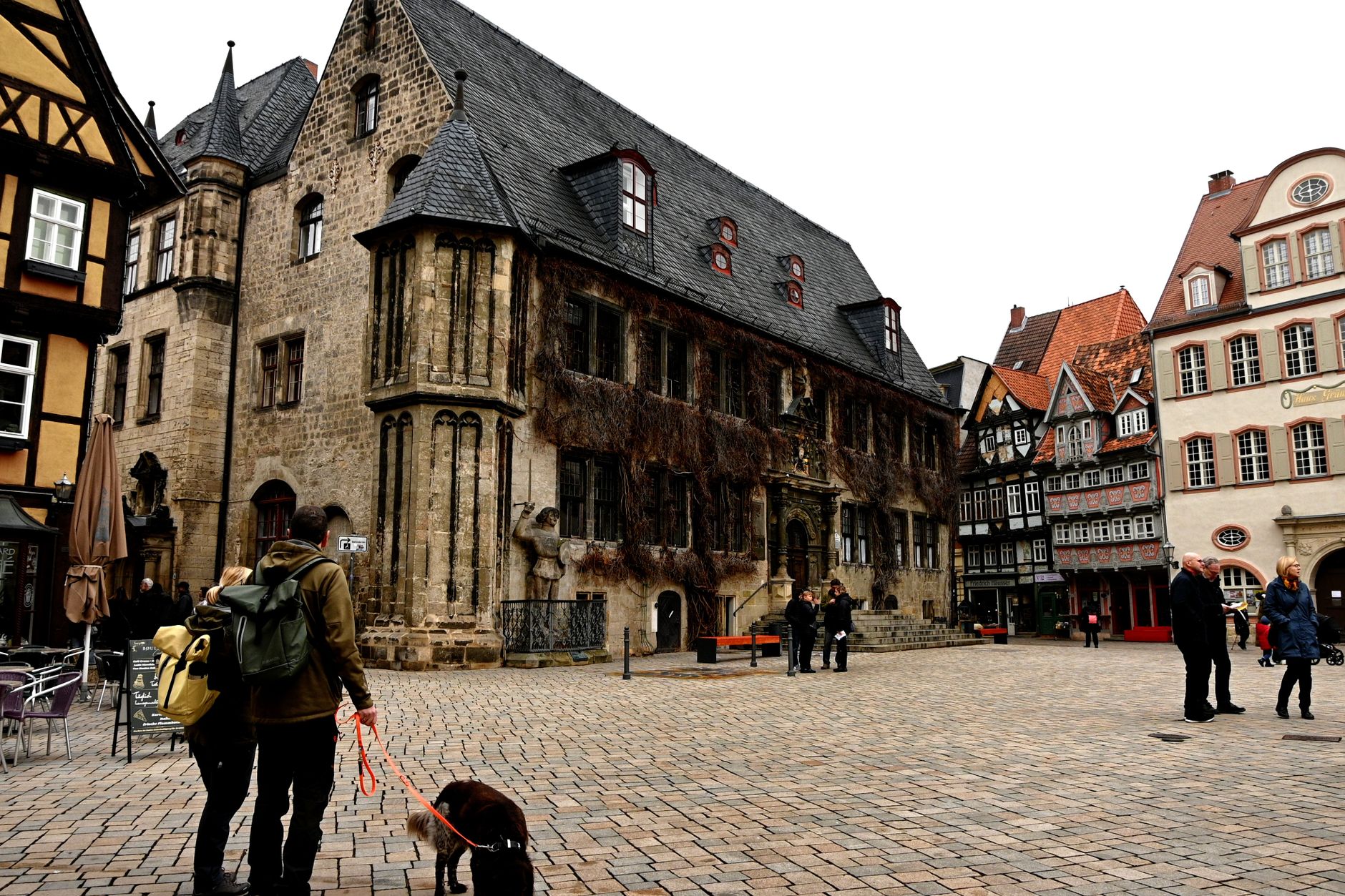
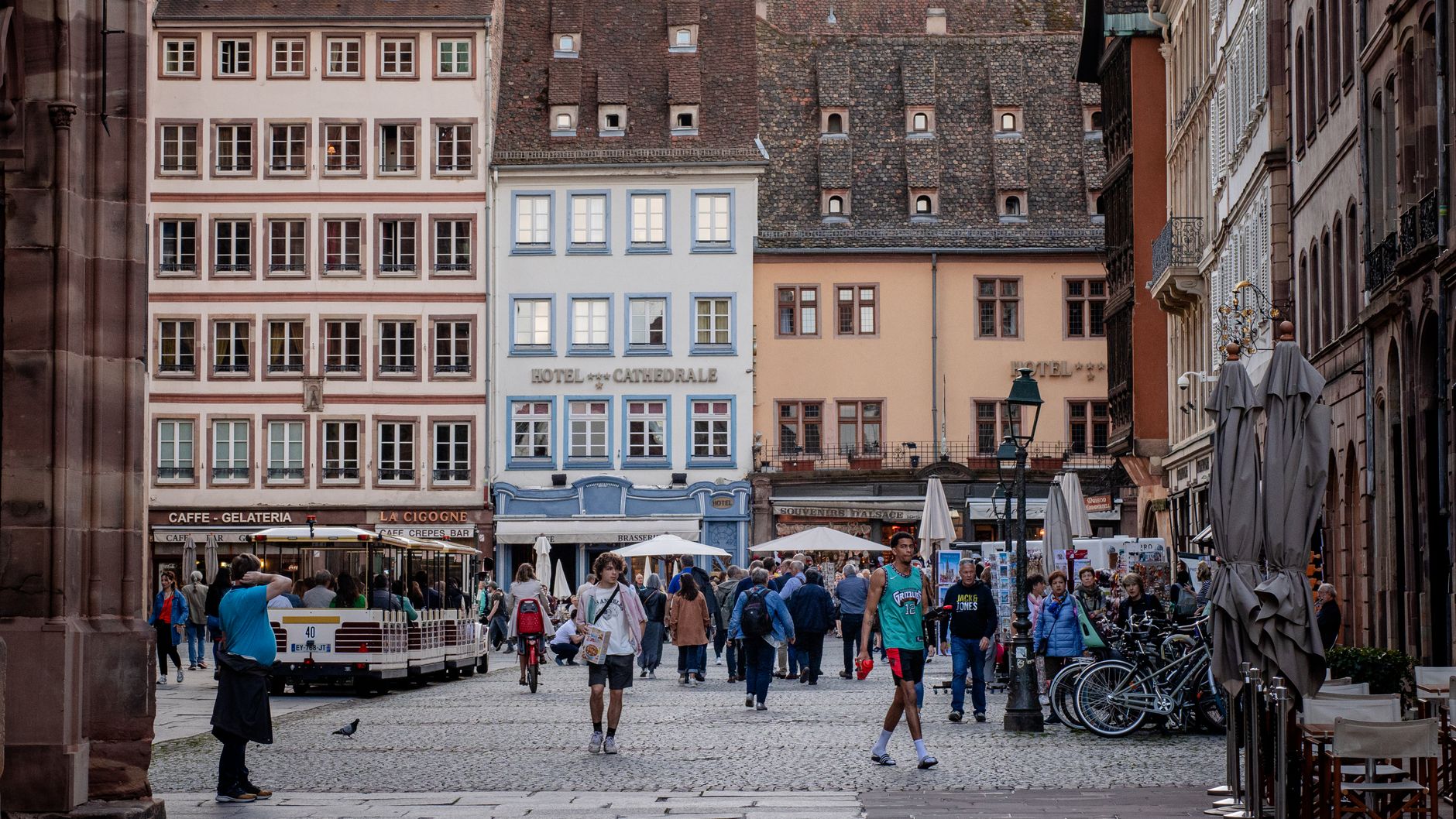
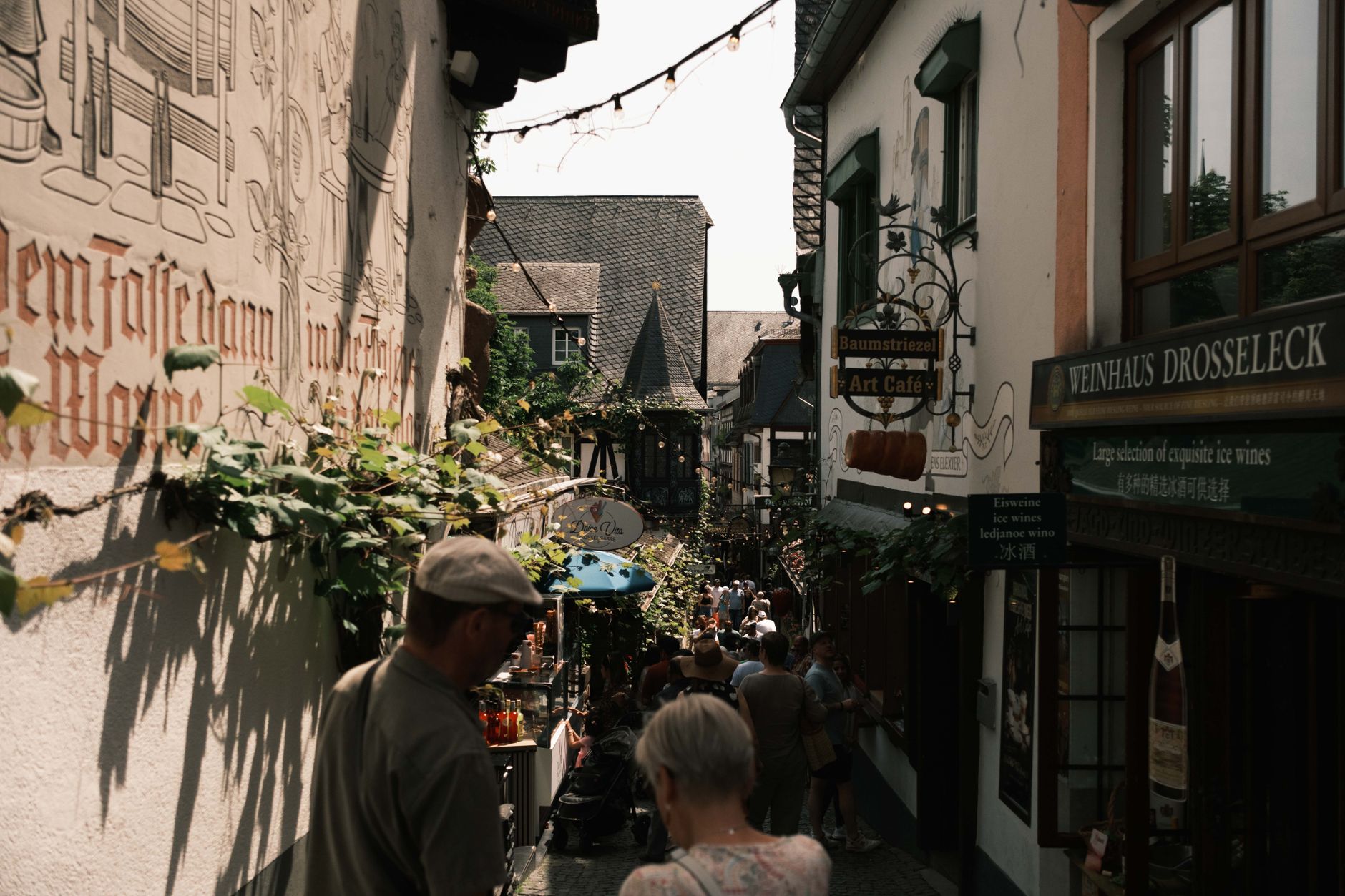
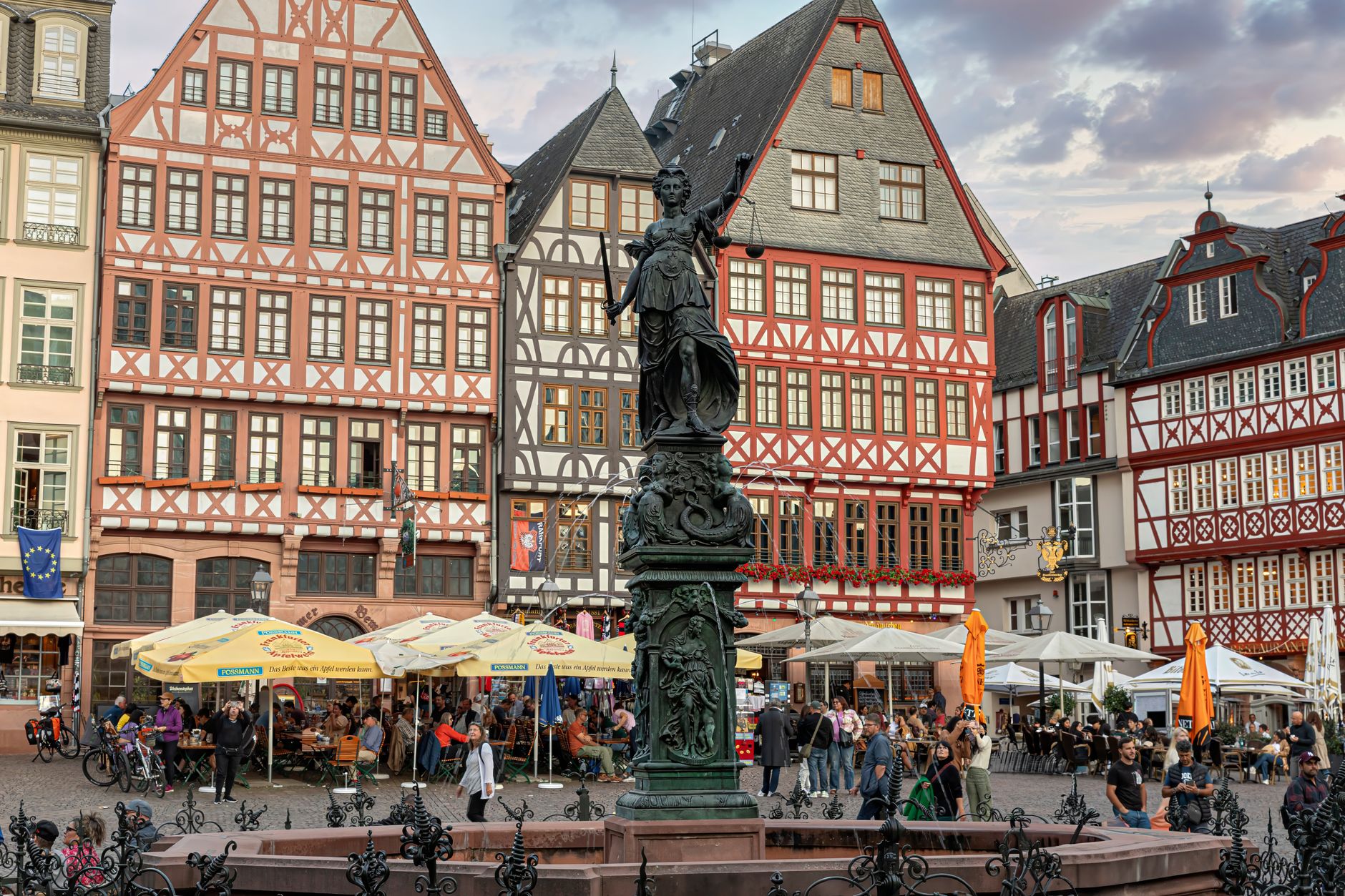
Sélestat earns its place on the Alsatian plain quietly. The two churches at its centre — Sainte-Foy, Romanesque and low-slung from the 1170s, and Saint-Georges, Gothic and reaching sixty metres into the sky — face each other across a few medieval blocks as if in long conversation. Between them, a former wheat market houses one of the most significant humanist libraries in Europe, its shelves holding 450 medieval manuscripts and the personal collection of a scholar who corresponded with Erasmus.
This was a Free Imperial City by 1217, a member of the Décapole alliance by 1354, and by the 15th century a place serious enough that Erasmus wrote a poem in its honour. That intellectual seriousness still feels present — less performed than in some of the more-visited towns along the wine route.
💛 What travellers fall for
People who return tend to spend longer in the Bibliothèque Humaniste than they planned — the incunabula cases reward slow looking. The Quai des Tanneurs is worth the detour in morning light, when the half-timbered facades along the old stream channel are at their quietest. The Tour des Sorcières, once the north gate and later a prison, is easy to walk past without stopping — don't.
Experiences you don't want to miss



Deals in Sélestat
Book directly at the provider

How Sélestat came to be
Settlement here goes back to the Upper Palaeolithic, but Sélestat's recorded story begins in 727 AD. Charlemagne spent Christmas here in 775, and a Carolingian royal estate anchored the site. The Benedictine monks who arrived in 1094 built the priory of Sainte-Foy; the town became a Free Imperial City in 1217 and began fortifying itself seriously. By 1354 it had joined the Décapole, the alliance of ten Imperial cities in Alsace.
The Latin school, founded 1452, made Sélestat a centre of Renaissance humanism — Beatus Rhenanus, Martin Bucer and Jacques Wimpheling all studied there, and Erasmus took notice. The Thirty Years' War passed through, the Swedes came, then the French, and by 1648 Alsace was French. Vauban rebuilt the walls between 1675 and 1691; only two bastions and a gate survive, the rest demolished after German annexation in 1874.
Who and what shaped it
People who shaped it
Landmark buildings
See Sélestat in motion
Plan your visit
On the map
When to go
Alsace has a semi-continental climate, meaning warm summers and cold, sometimes snowy winters. Spring (April–May) and September are reliable for mild temperatures and manageable visitor numbers; July and August are warm but can be humid.
Right now
Background & history adapted from Wikipedia (CC BY-SA) · specs from Wikidata (CC0) · weather from Open-Meteo · map data © OpenStreetMap contributors · photos from Wikimedia Commons / Unsplash with per-image credit. No third-party reviews or social posts reproduced.