
Turckheim
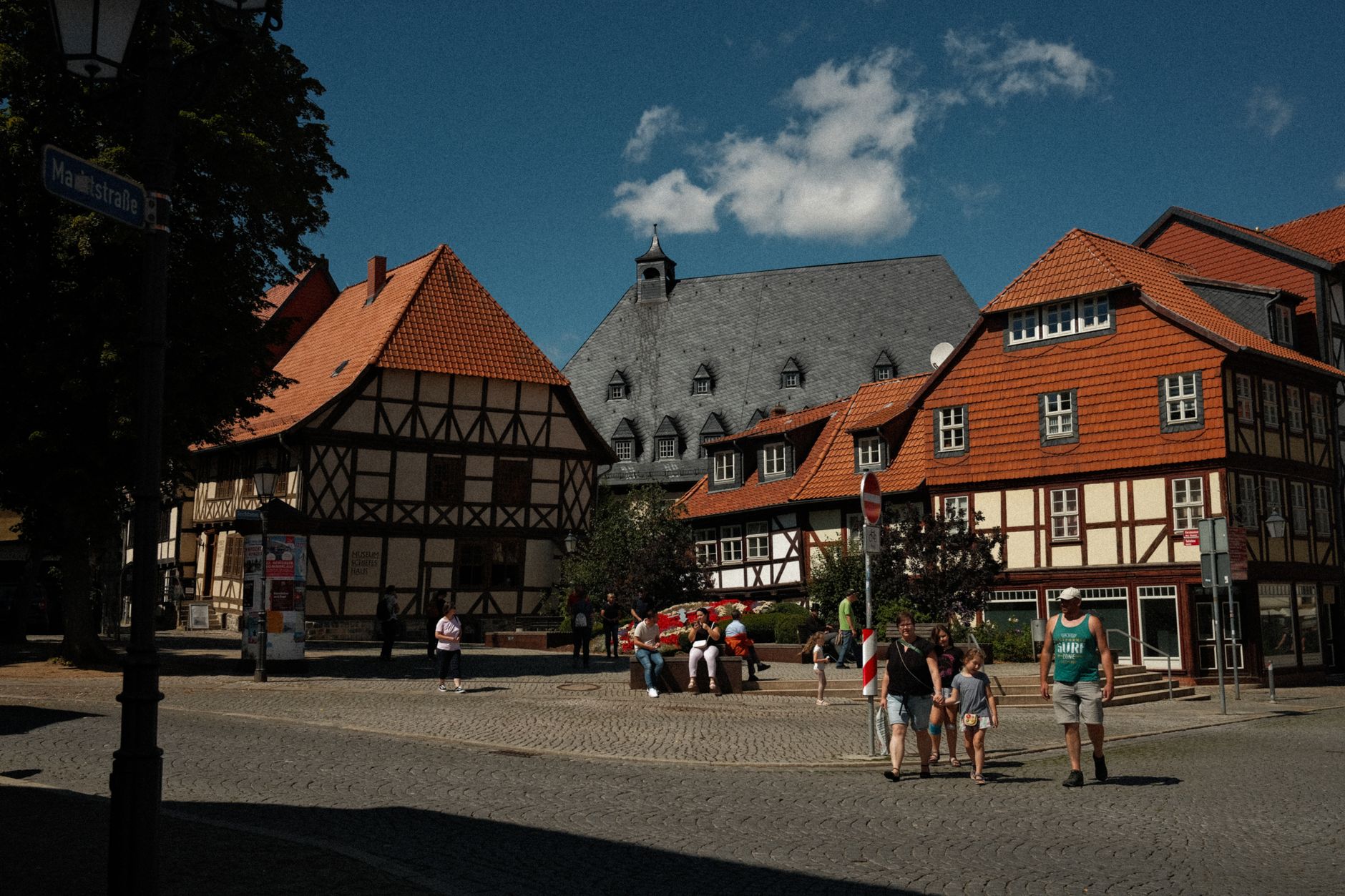
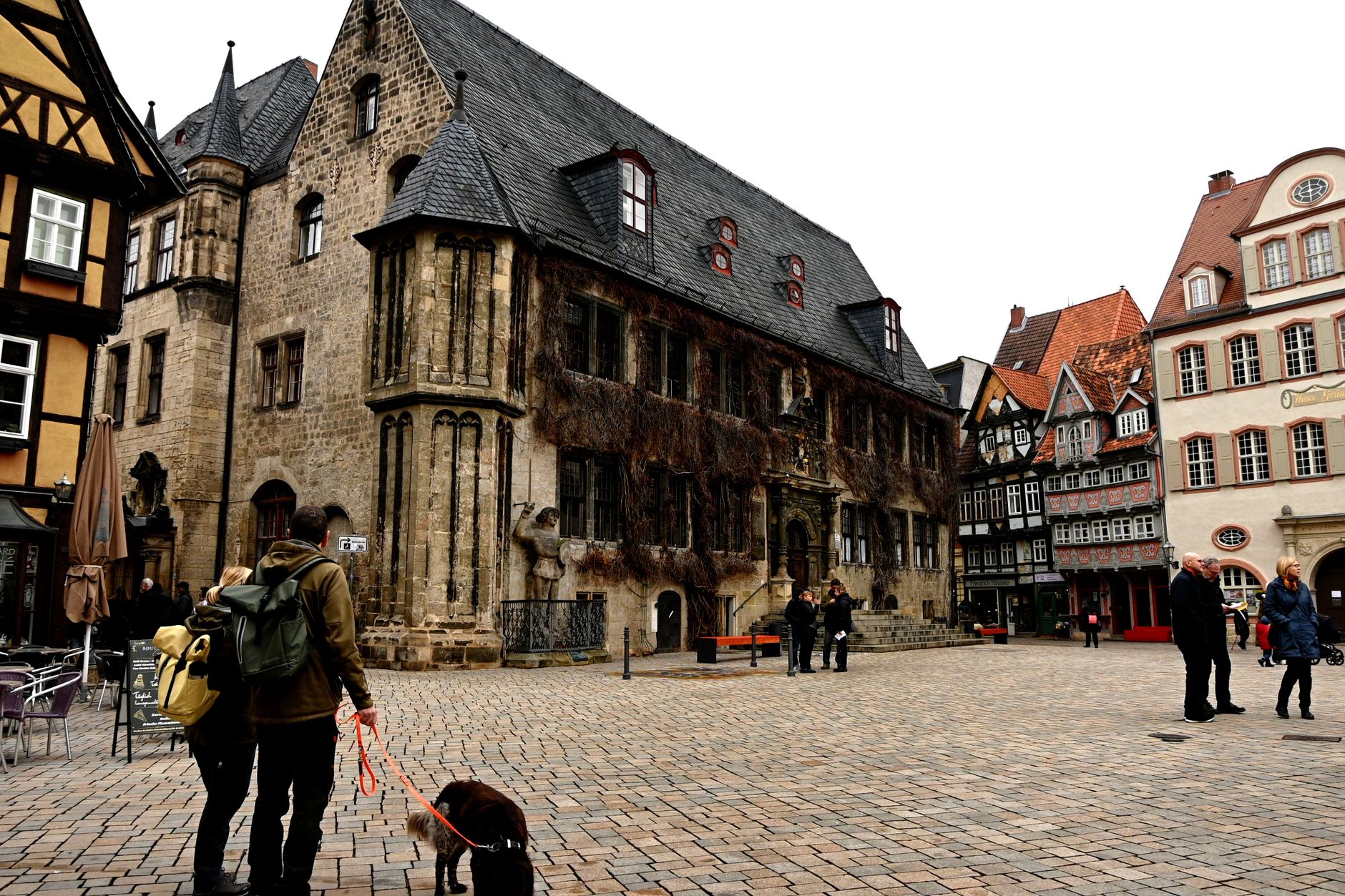
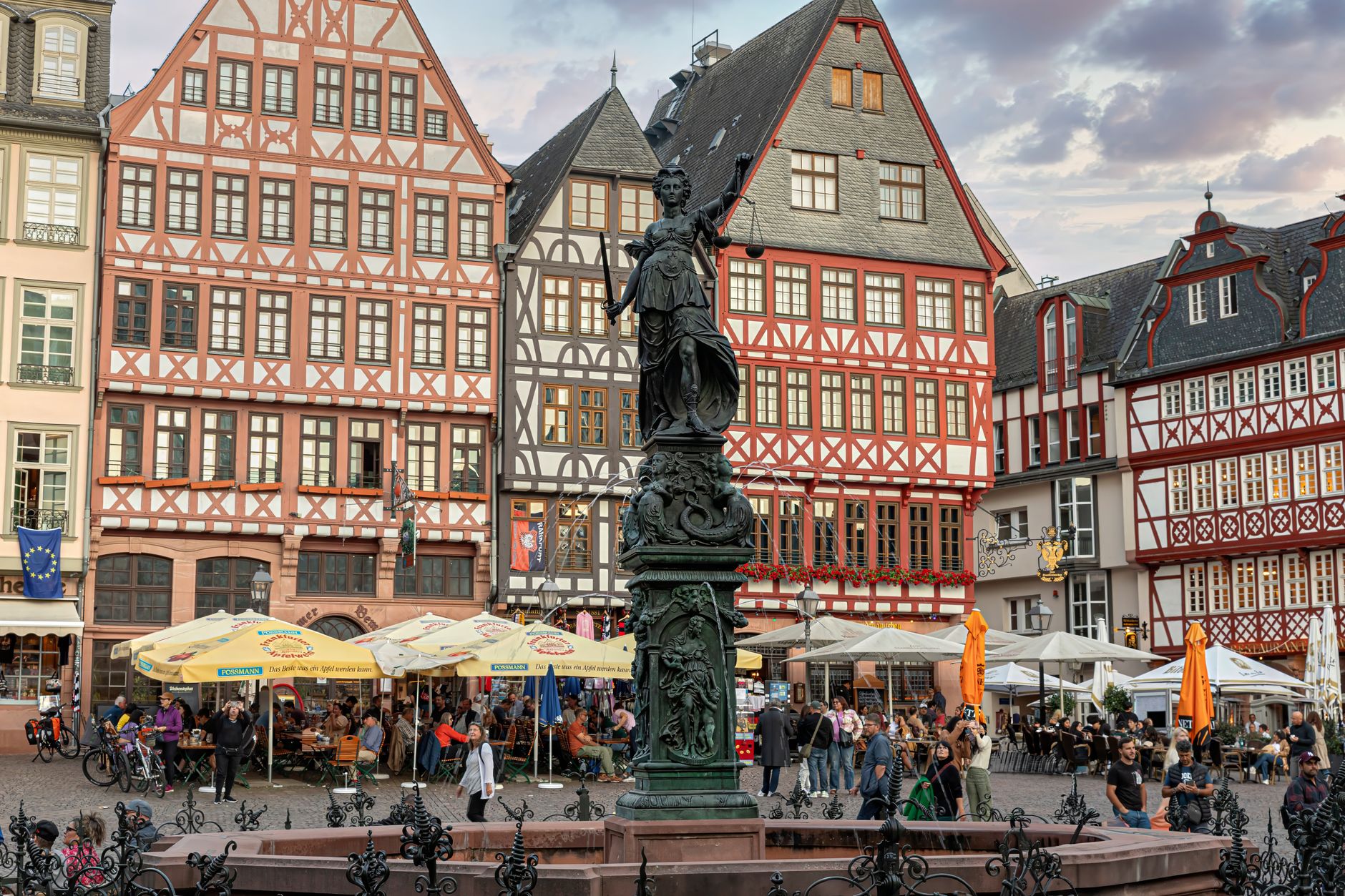
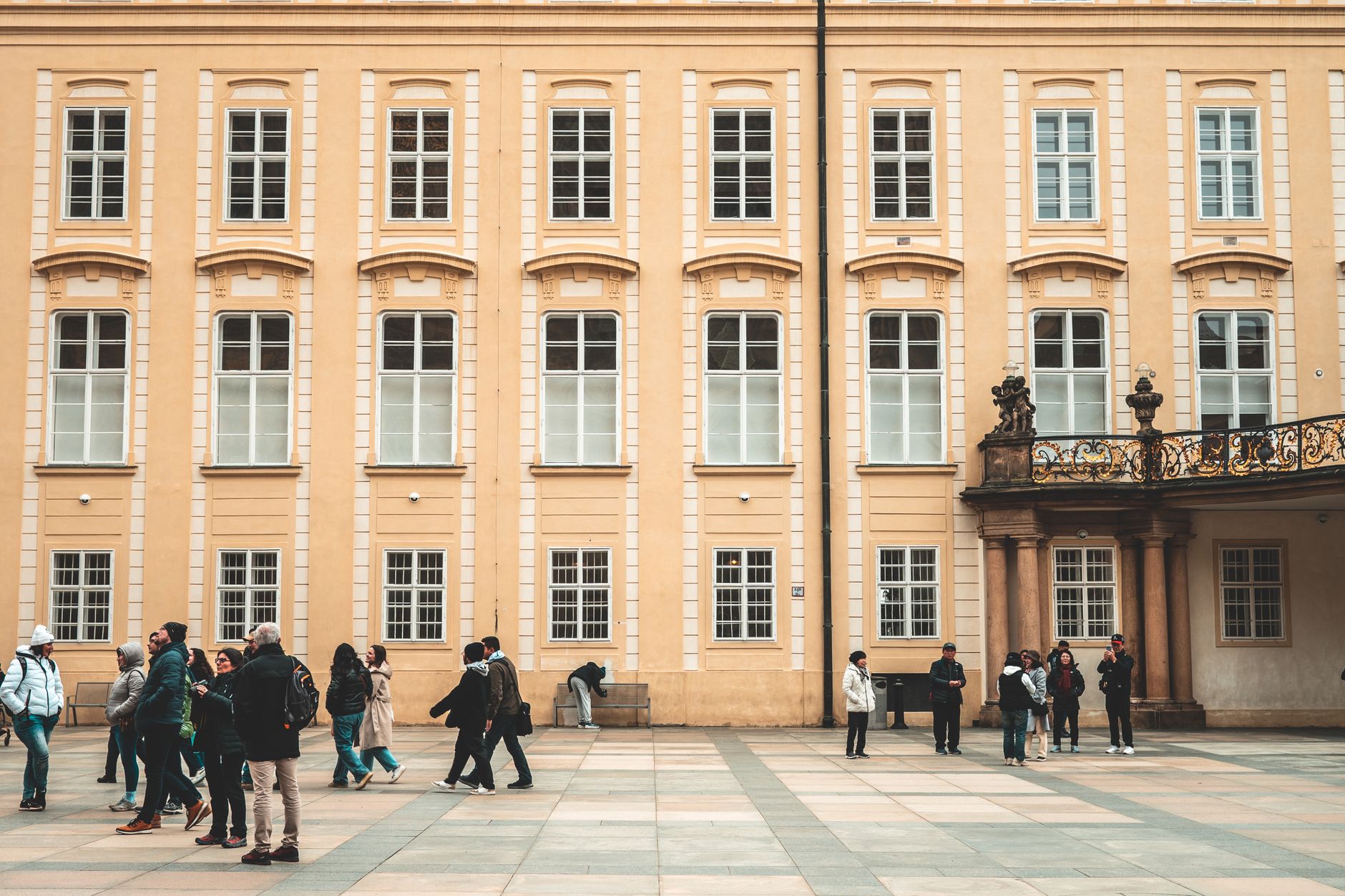
At ten o'clock on a summer evening, a figure in black rounds the corner of Grand'Rue carrying a halberd and a lantern, calling the hour. Turckheim is one of the last towns in France to keep a municipal night watchman, and that single detail tells you what kind of place this is: small, self-possessed, and in no hurry to modernise away its own character.
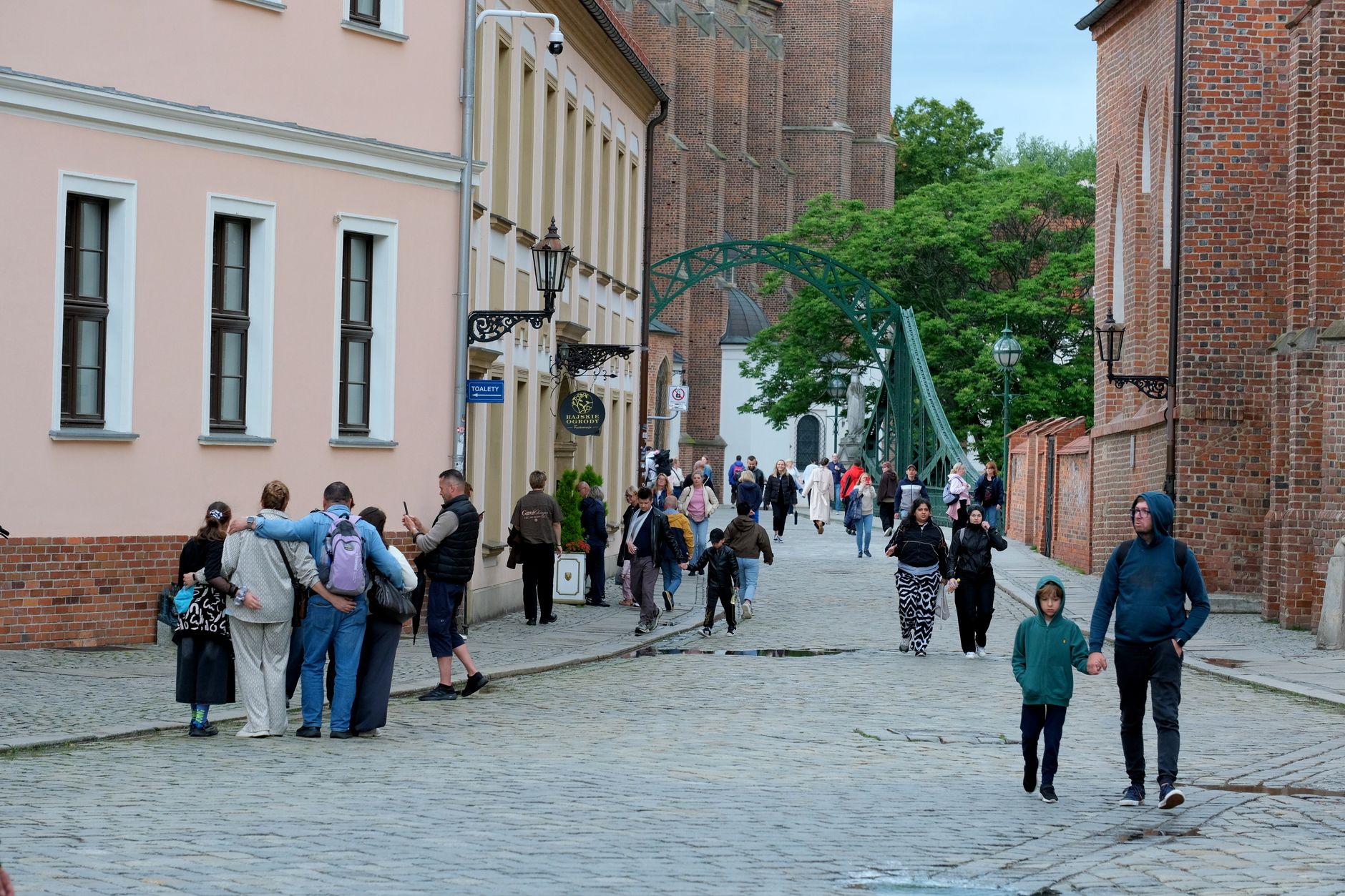
The three medieval gates still stand — the Porte de France, the Porte du Brand, the Porte de Munster — along with stretches of 14th-century rampart that you can walk without a guided tour. The Brand vineyard rises just beyond the walls. Two hours on foot covers the old town comfortably, and the train from Colmar takes eleven minutes.
💛 What travellers fall for
People who come back tend to time a visit around the night watchman's rounds between May and October, then linger on the path from the Munster Gate toward the Brand vines to catch the last light on the rooftops. Friday mornings, the market gives you a reason to arrive early and leave late.
Experiences you don't want to miss



Deals in Turckheim
Book directly at the provider

How Turckheim came to be
The name traces back to a Germanic tribe, the Thuringii, and Roman-era finds confirm the site was occupied long before the medieval walls went up. Turckheim became a free imperial city in 1312; three years later, construction of the ramparts began. For more than three centuries, from 1354 to 1679, it held membership in the Décapole, the league of ten free imperial cities of the Holy Roman Empire.
The town's most decisive day came on 5 January 1675, when the Viscount of Turenne defeated combined Austrian and Brandenburg forces here during the Franco-Dutch War. The Treaty of Nijmegen in 1678 confirmed Turckheim as French territory — though the Franco-Prussian War of 1870–71 handed it to Prussia until 1918, when it returned to France for good.
Who and what shaped it
People who shaped it
Landmark buildings
See Turckheim in motion
Plan your visit
On the map
When to go
Summers are warm and sunny — July averages a high of 25°C and 245 hours of sunshine, though it is also the wettest month, so a layer is worth carrying. Winters are cold and quiet, with January highs around 5°C; the night watchman returns for the three Saturdays before Christmas, which makes a visit in December worth considering.
Right now
Background & history adapted from Wikipedia (CC BY-SA) · specs from Wikidata (CC0) · weather from Open-Meteo · map data © OpenStreetMap contributors · photos from Wikimedia Commons / Unsplash with per-image credit. No third-party reviews or social posts reproduced.