
Strasbourg
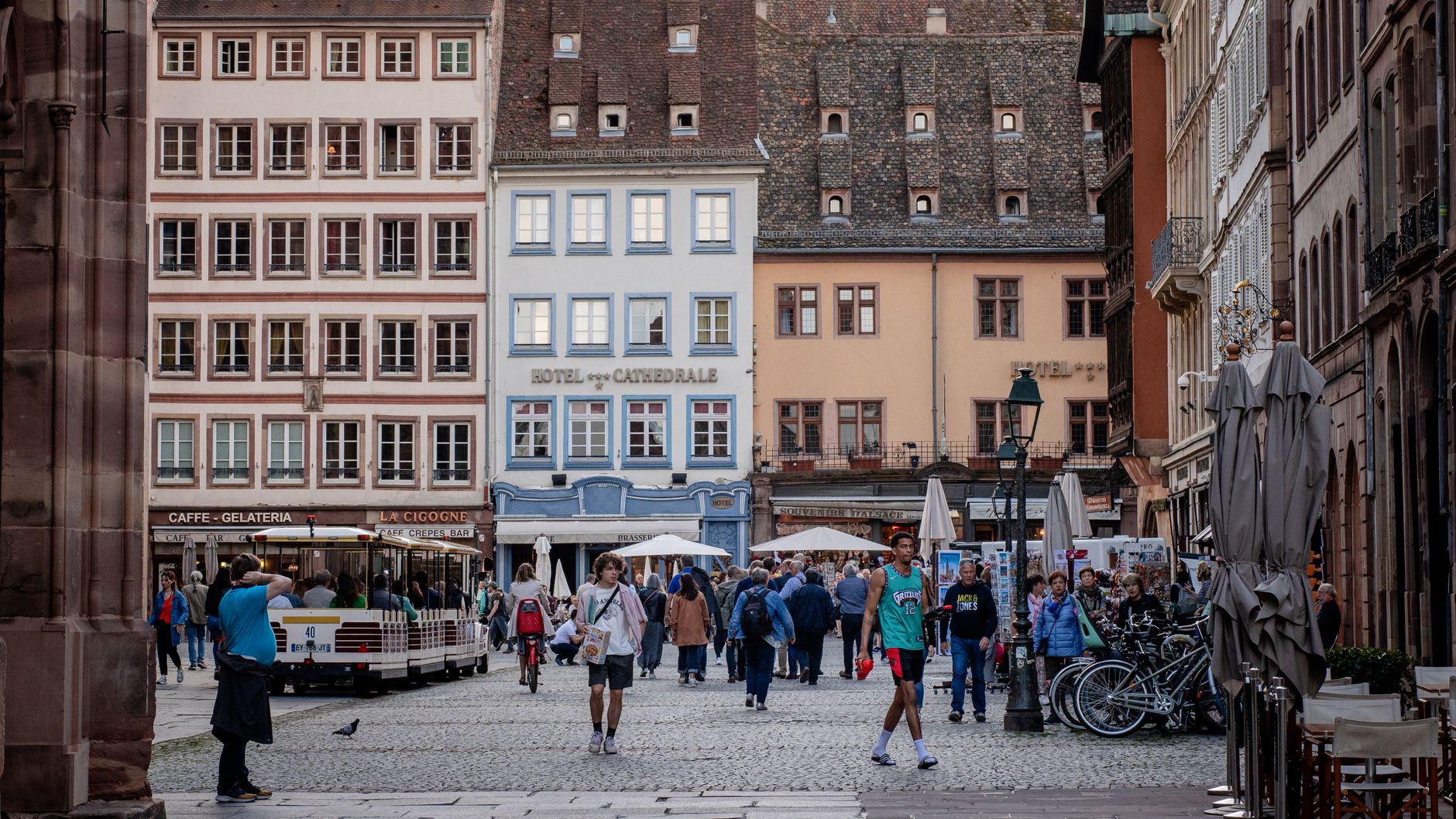
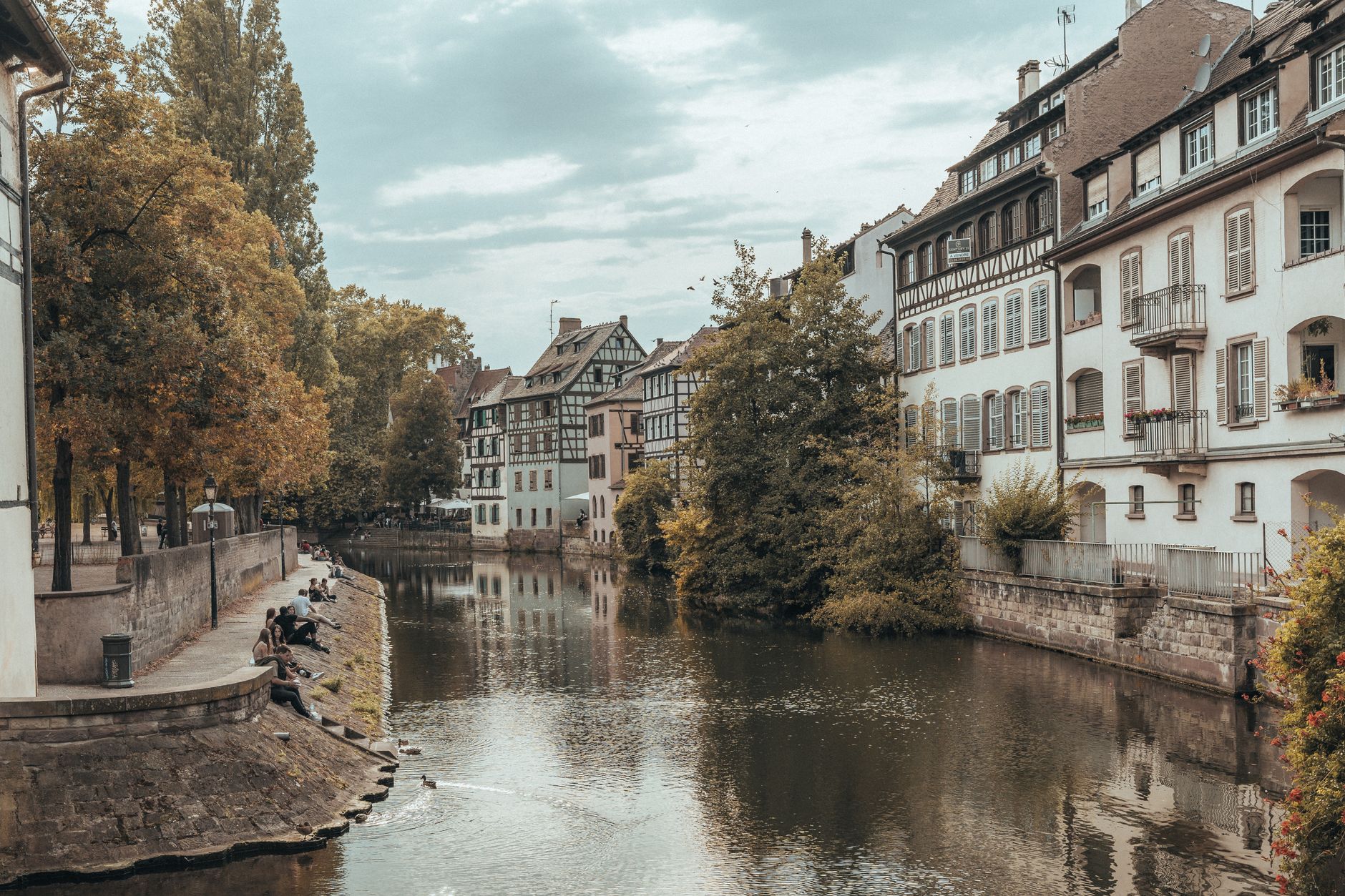
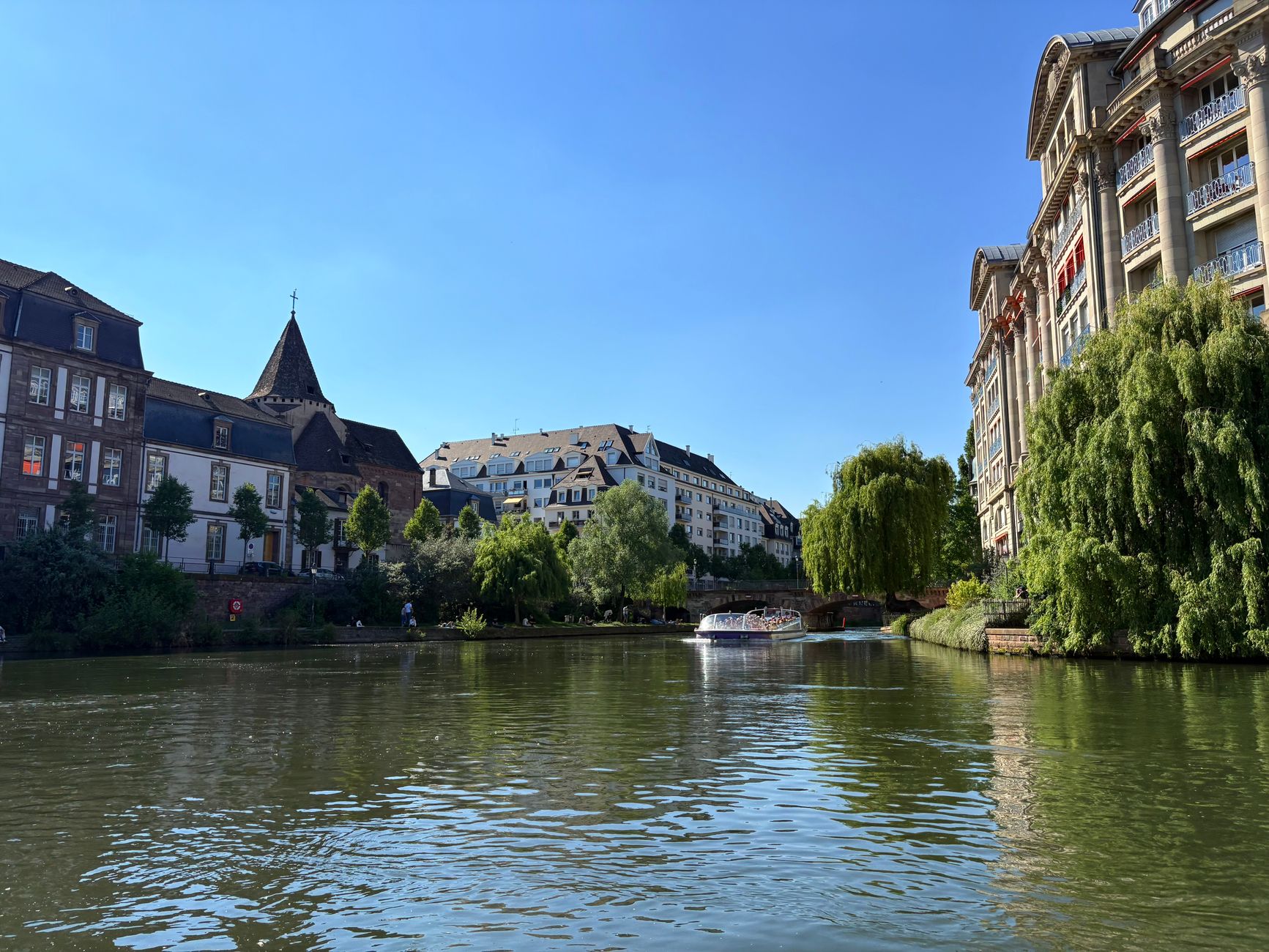
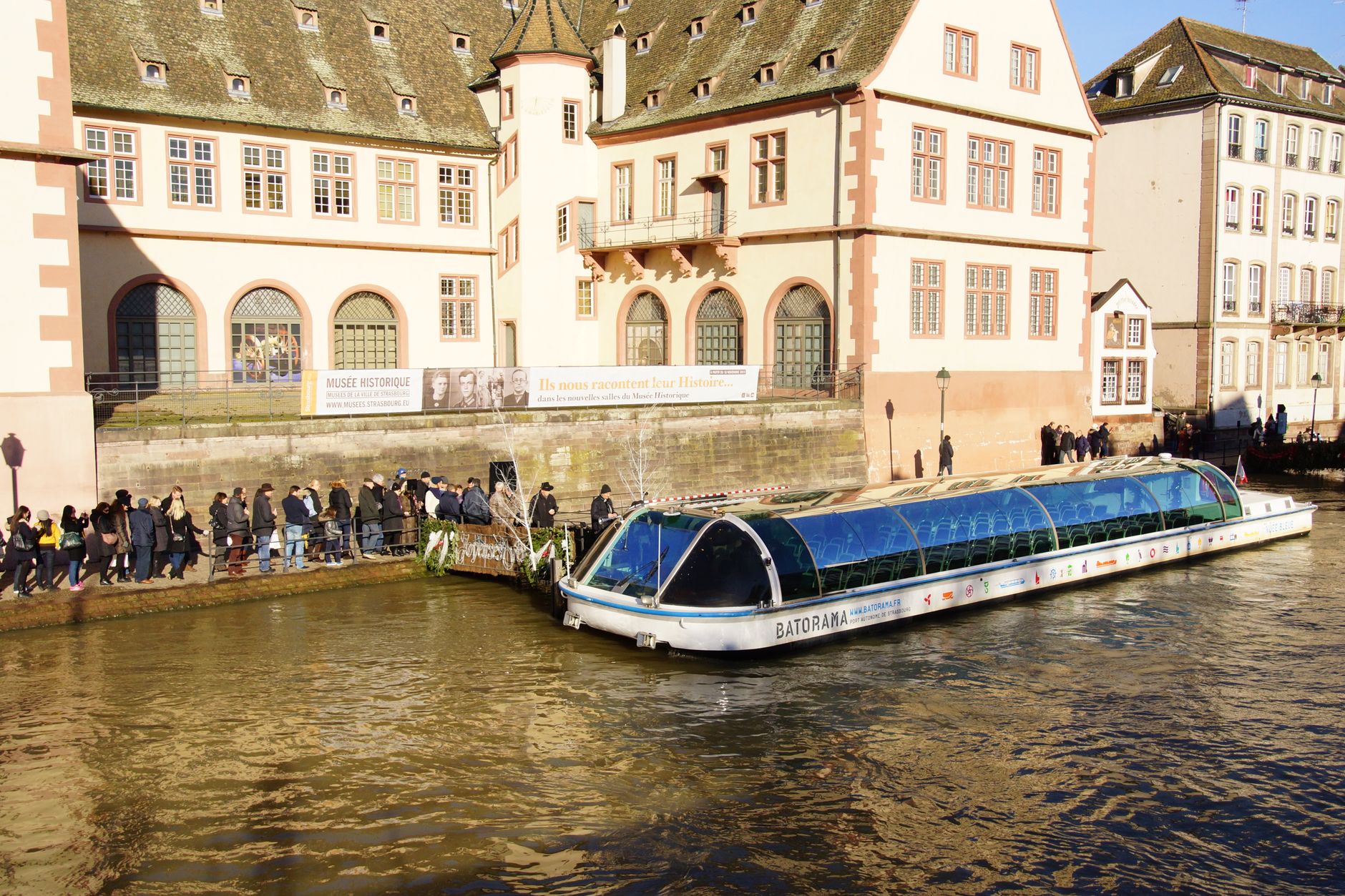
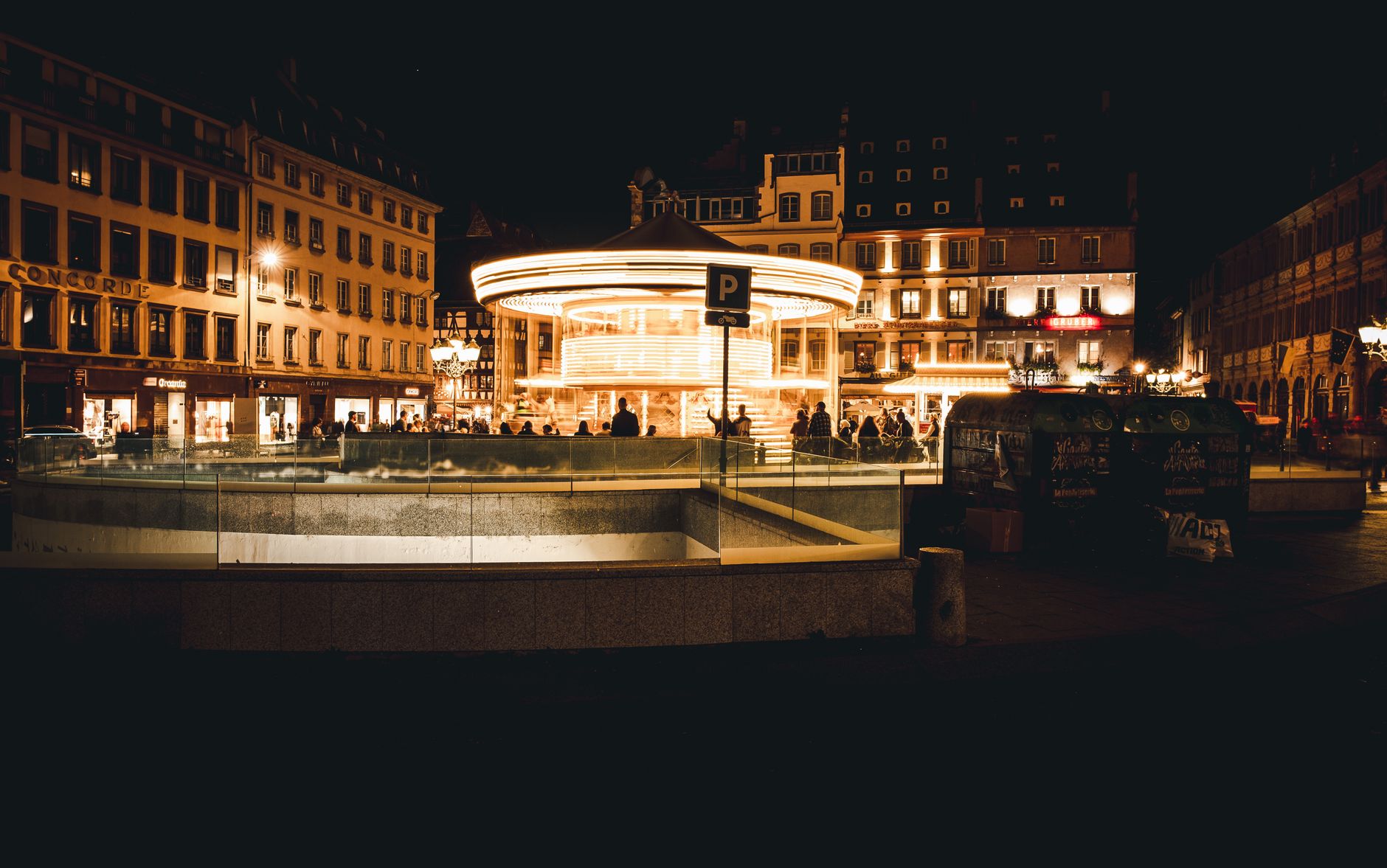
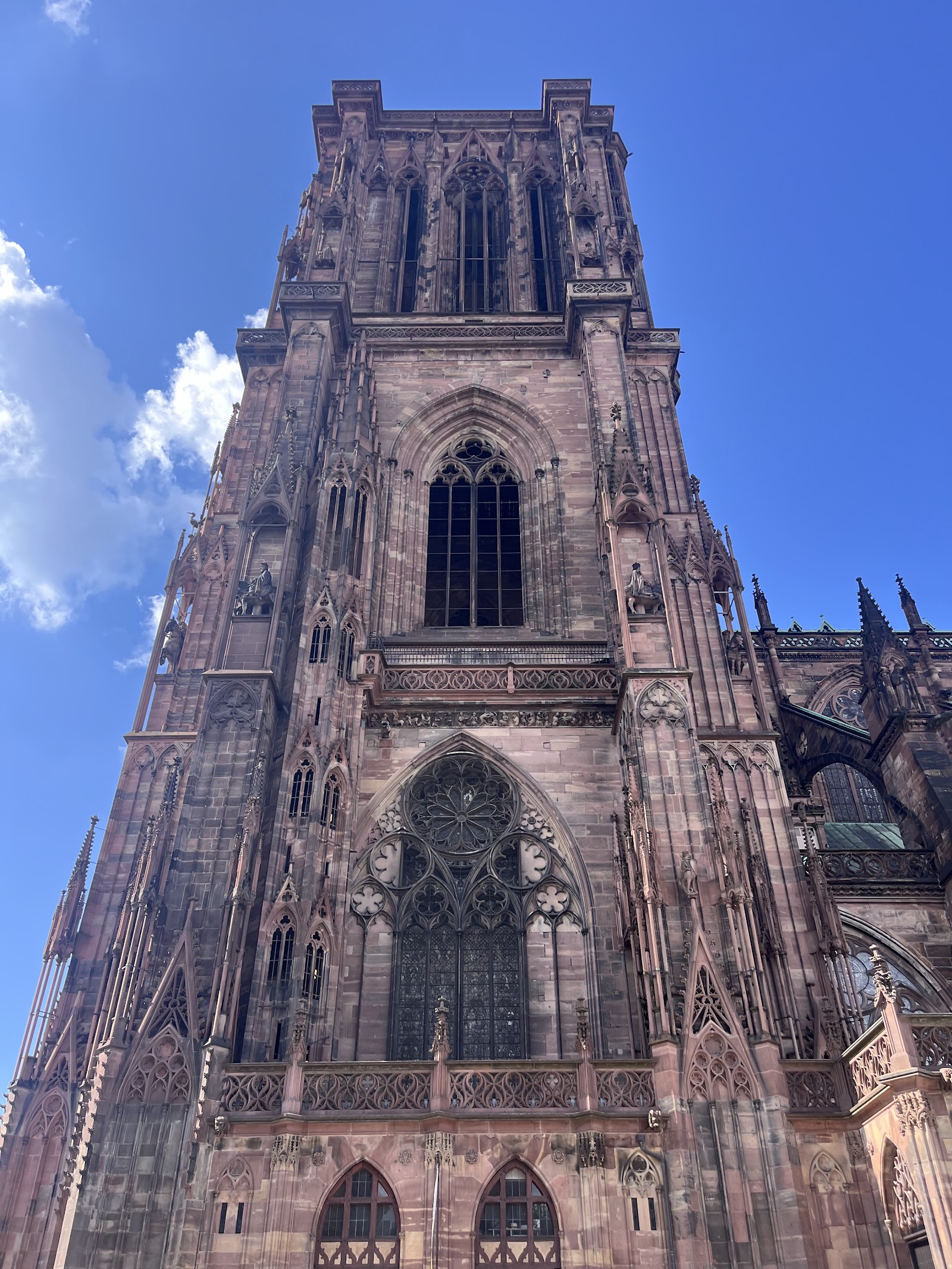
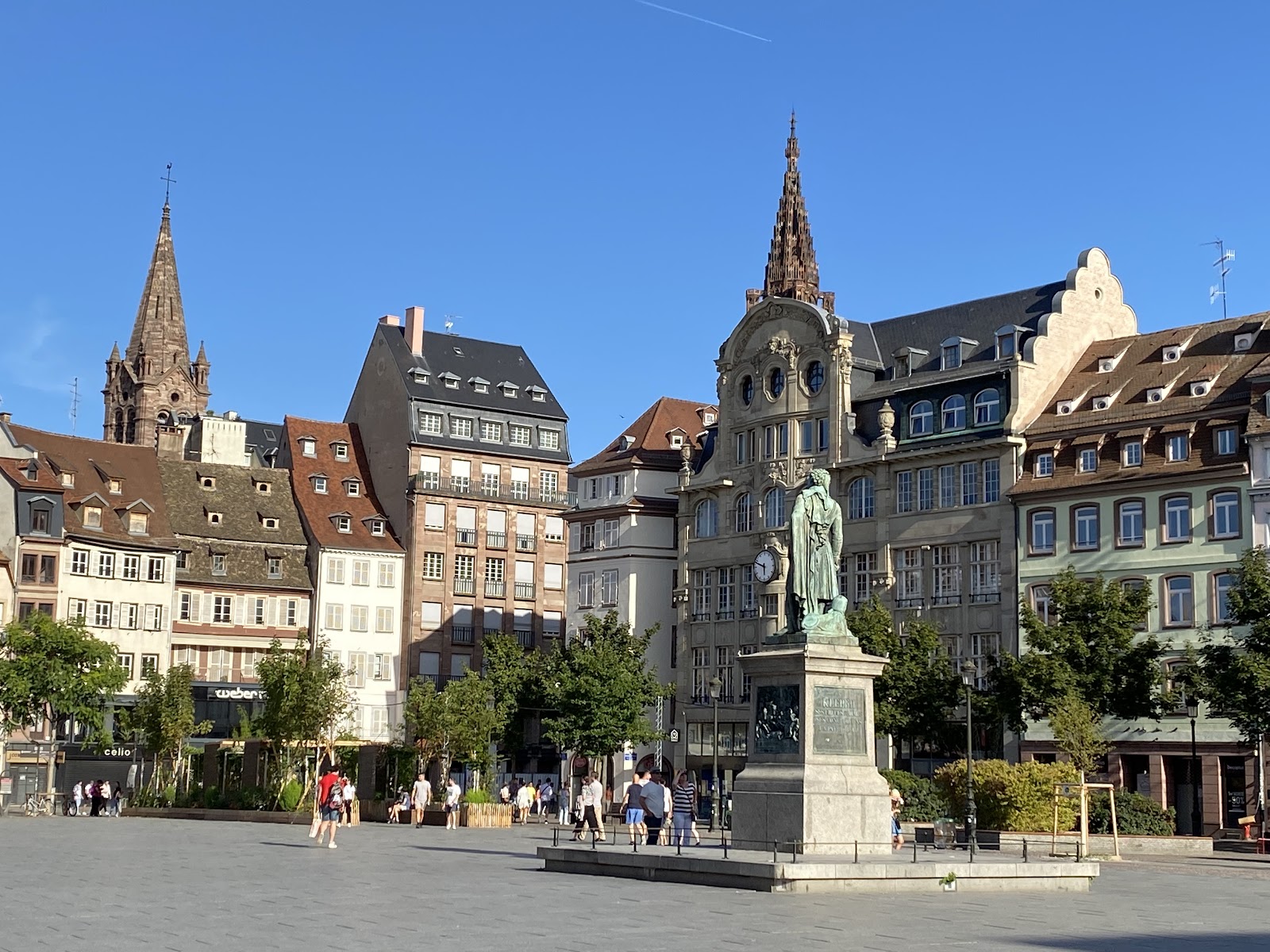
Stand at the base of the Cathédrale Notre-Dame and look up: the Gothic spire climbs 142 metres and held the title of world's tallest structure for nearly two and a half centuries. That singular fact says something about Strasbourg — a city that has always been at the centre of things, even when the world wasn't paying attention. The Grande Île, its medieval core, became the first city district anywhere to receive UNESCO World Heritage status in its entirety.
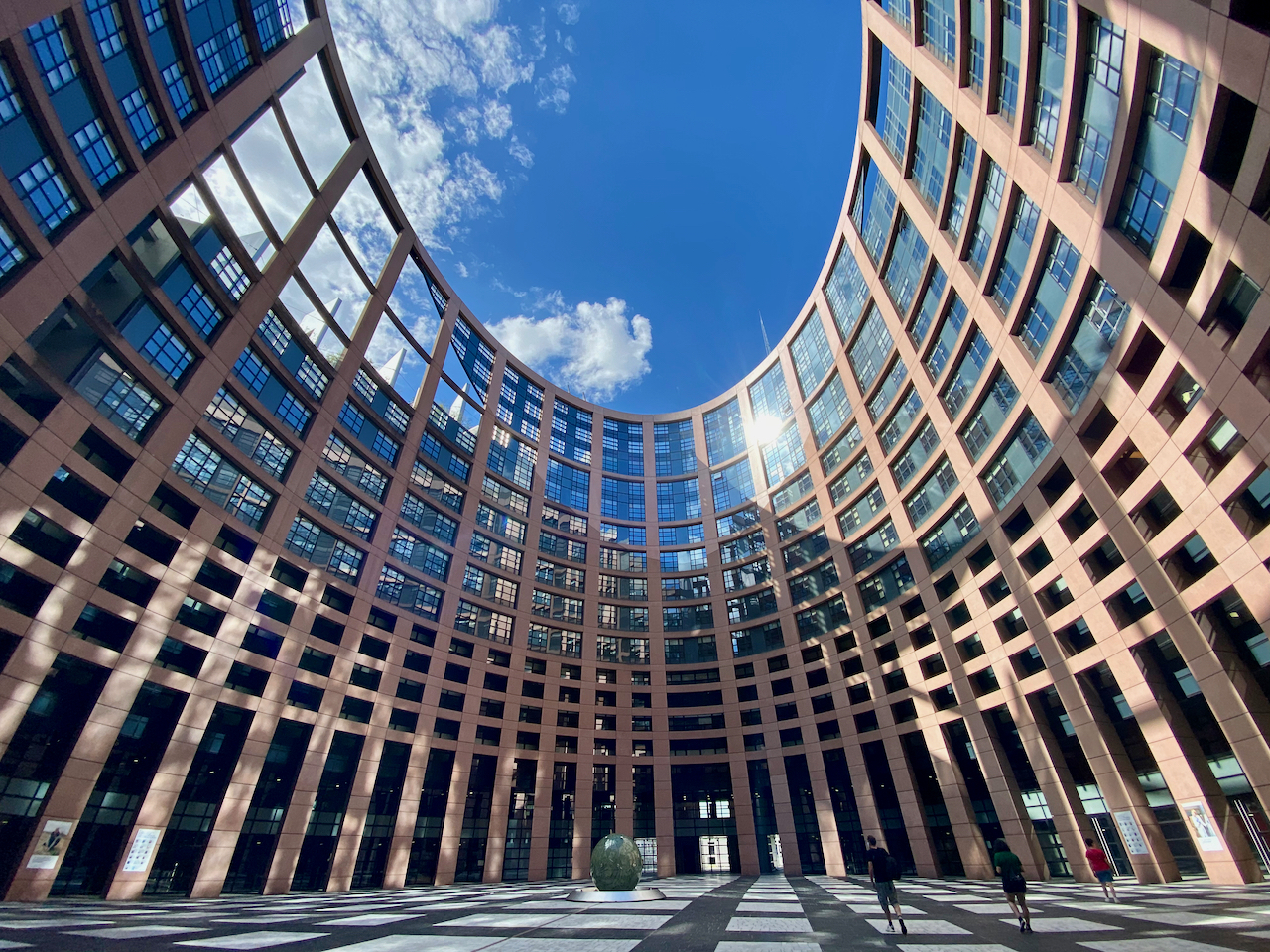
Strasbourg has changed nationality four times between 1870 and 1945, and that history sits quietly in its architecture, its menus, and the way people switch between French and the Alsatian dialect mid-sentence. Today it houses the European Parliament, which feels appropriate for a city that has spent centuries being claimed, contested, and ultimately shared.
💛 What travellers fall for
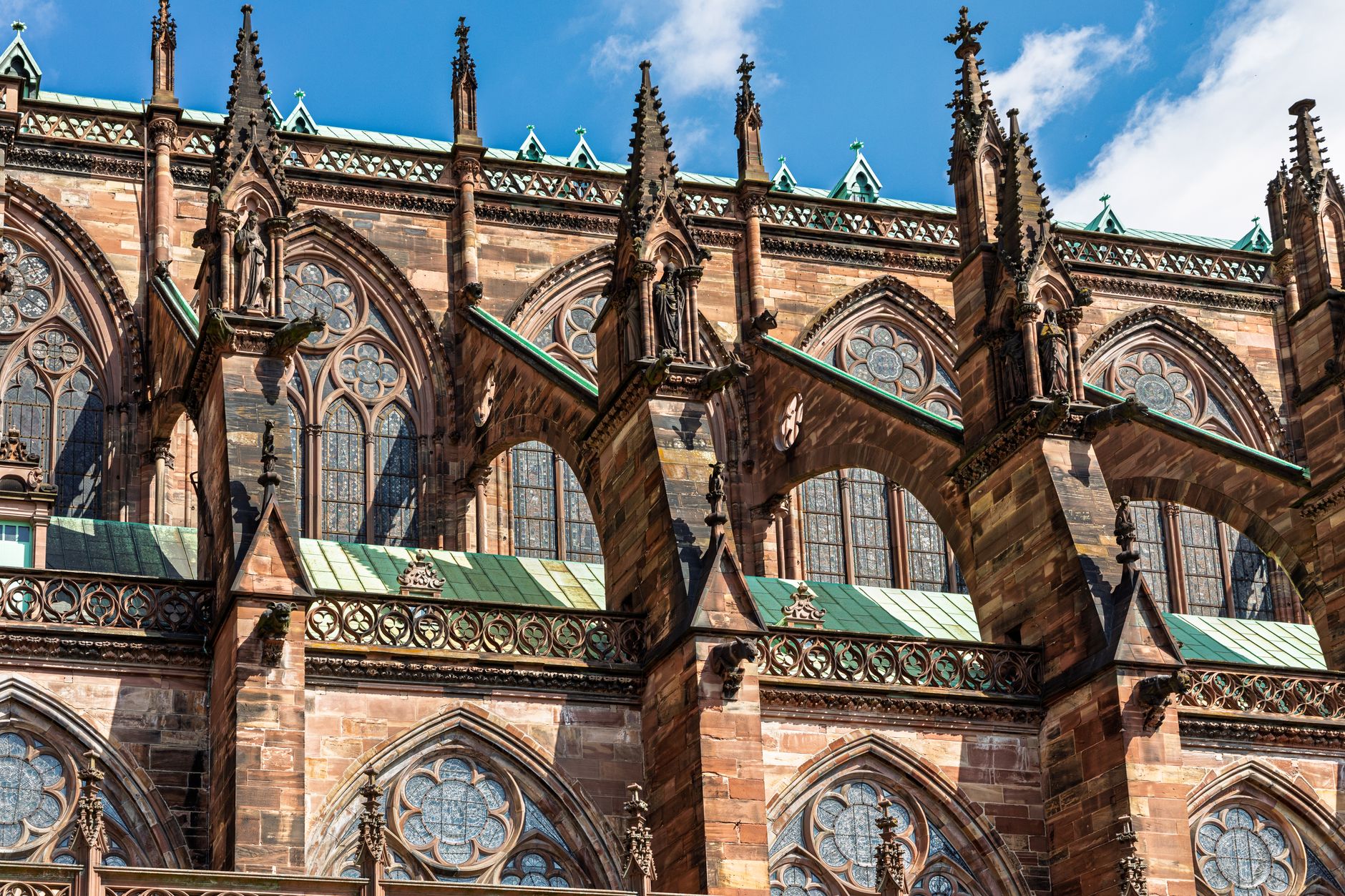
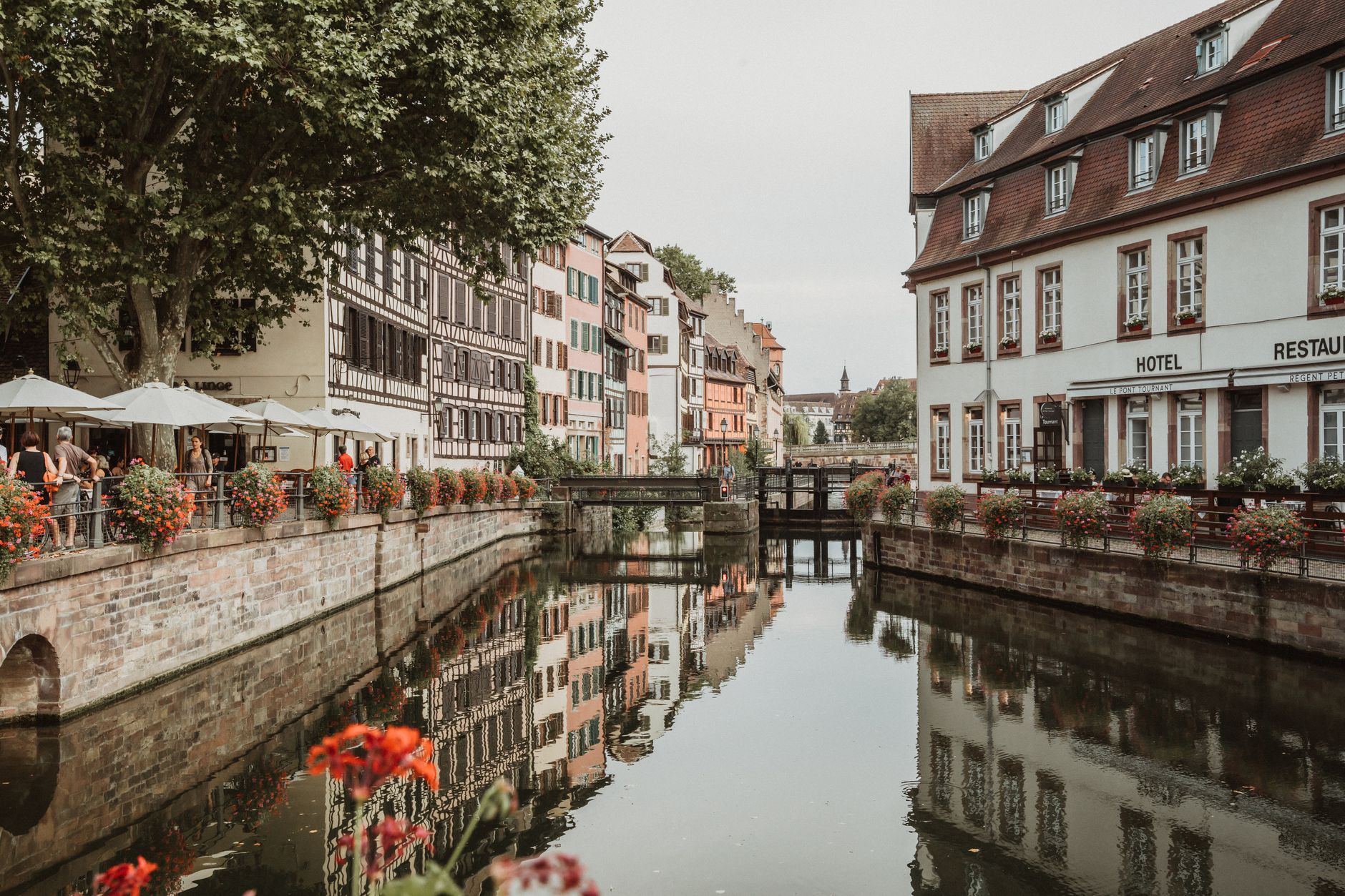
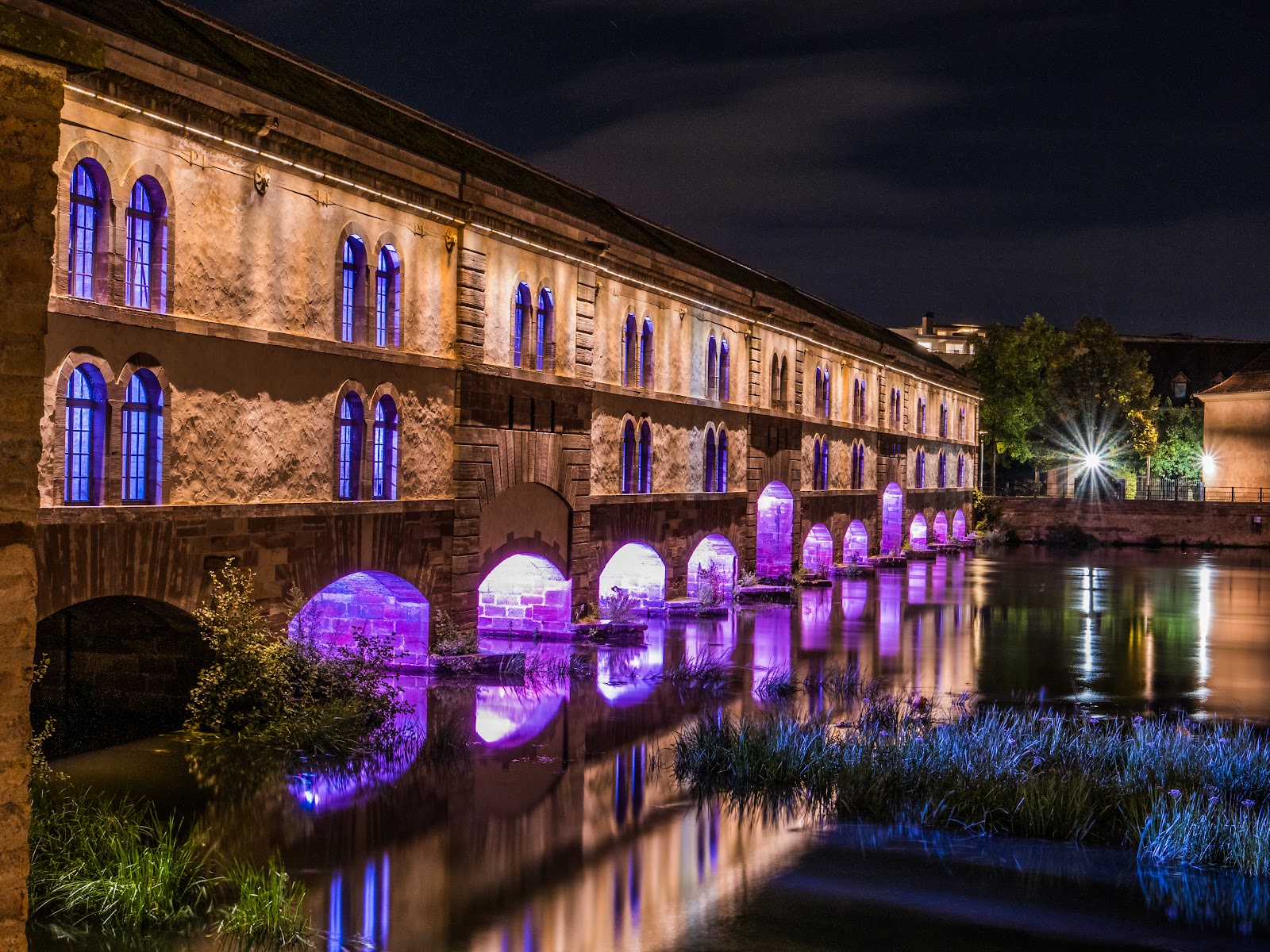
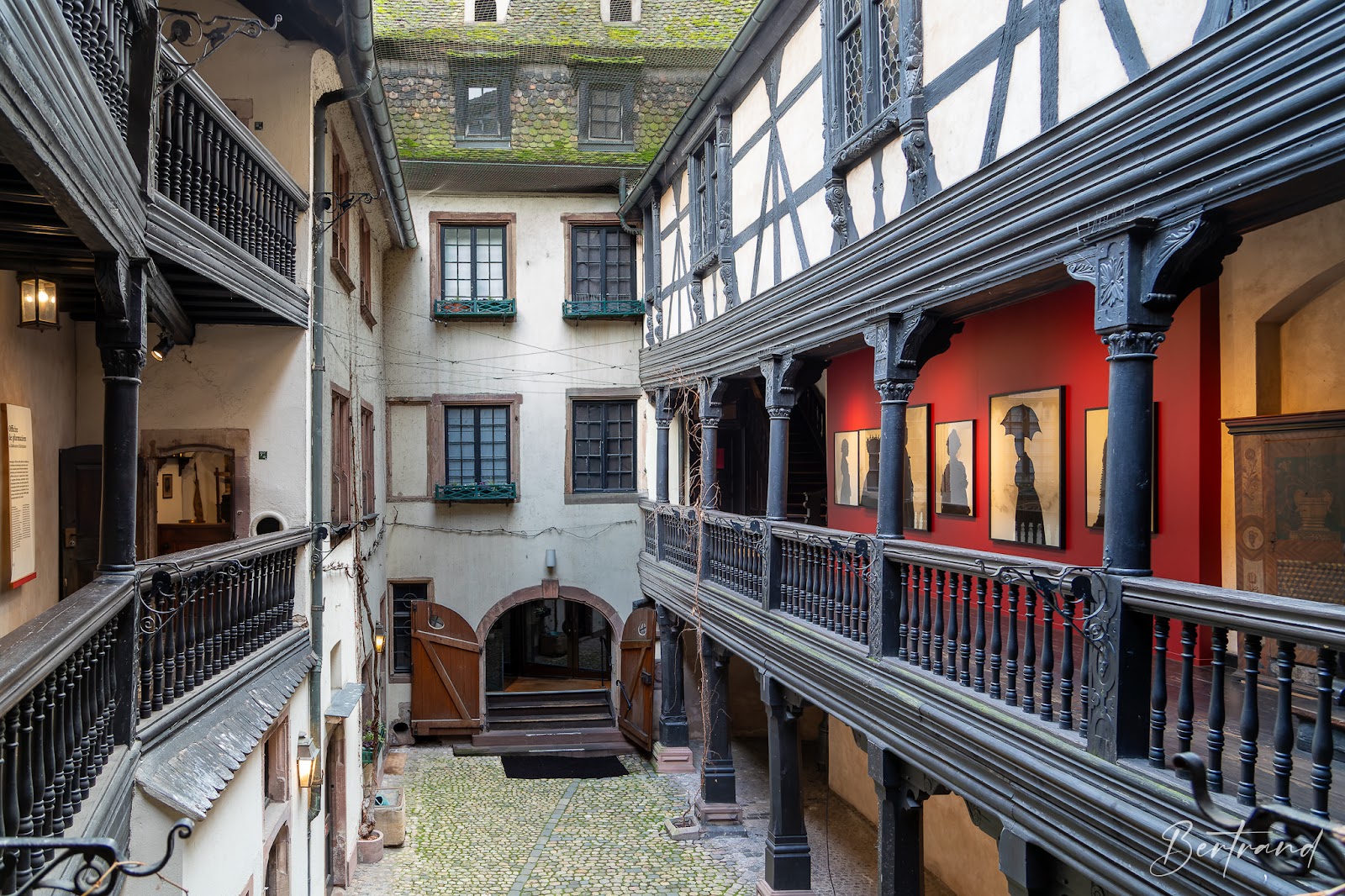
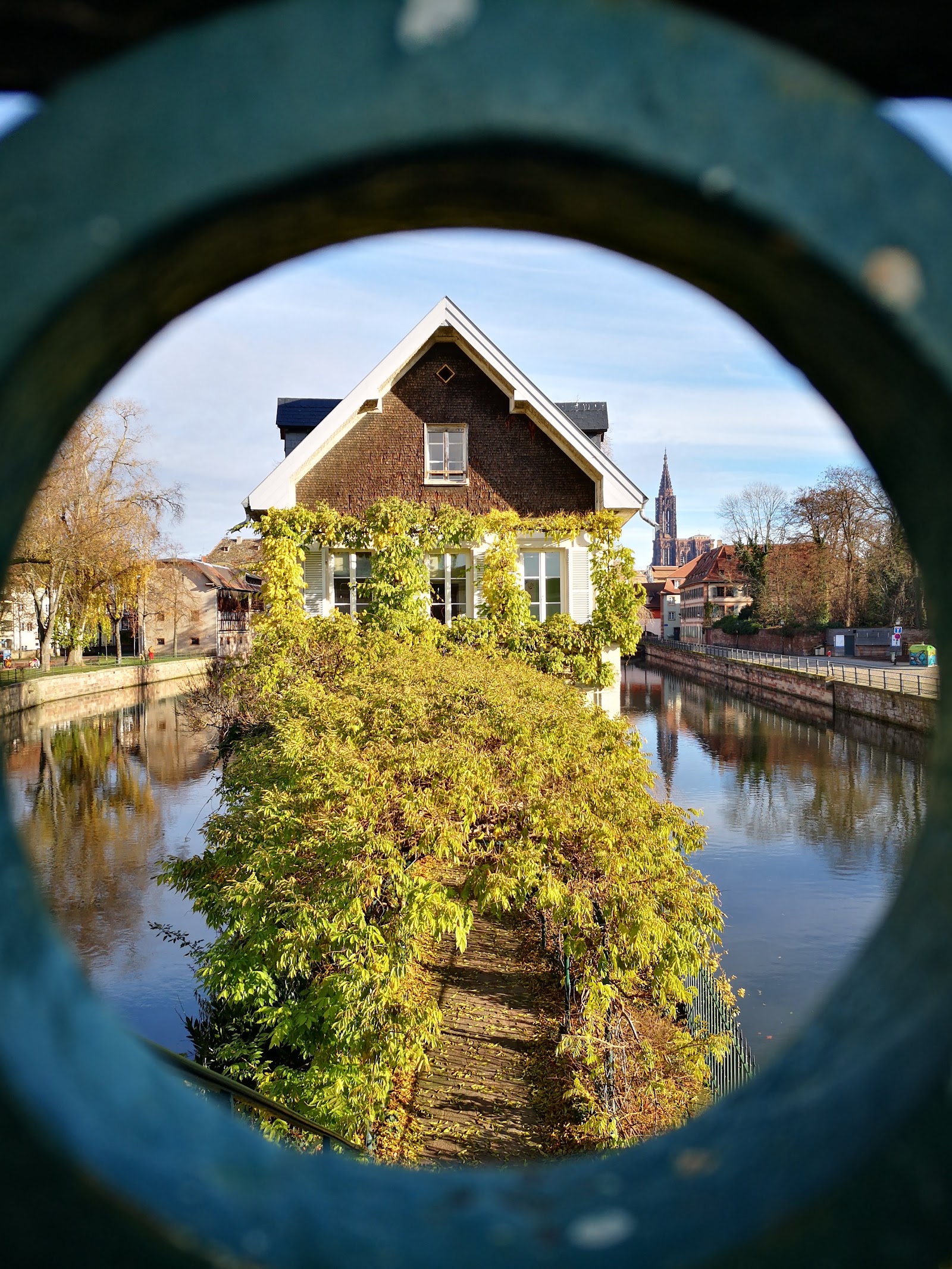
People who return tend to develop a Barrage Vauban habit — the 17th-century pink sandstone dam with art inside and a rooftop terrace that frames the Ponts Couverts better than any postcard angle. They also learn to walk through Petite France at dusk, once the day-trippers thin out, when the half-timbered facades reflect in the river without an audience.
Experiences you don't want to miss


Deals in Strasbourg
Book directly at the provider

How Strasbourg came to be
Romans founded the settlement in 12 BC as Argentoratum. After centuries under Merovingian rule and then the Holy Roman Empire, Strasbourg won Free Imperial City status in 1262 and spent the following centuries building its cathedral — four hundred years of construction, with the spire finally completed in 1439. Johannes Gutenberg worked here between 1434 and 1444, conducting early experiments that would lead to the printing press. On the evening of 25 April 1792, Claude Joseph Rouget de Lisle composed the song that became "La Marseillaise" at a dinner in the city.
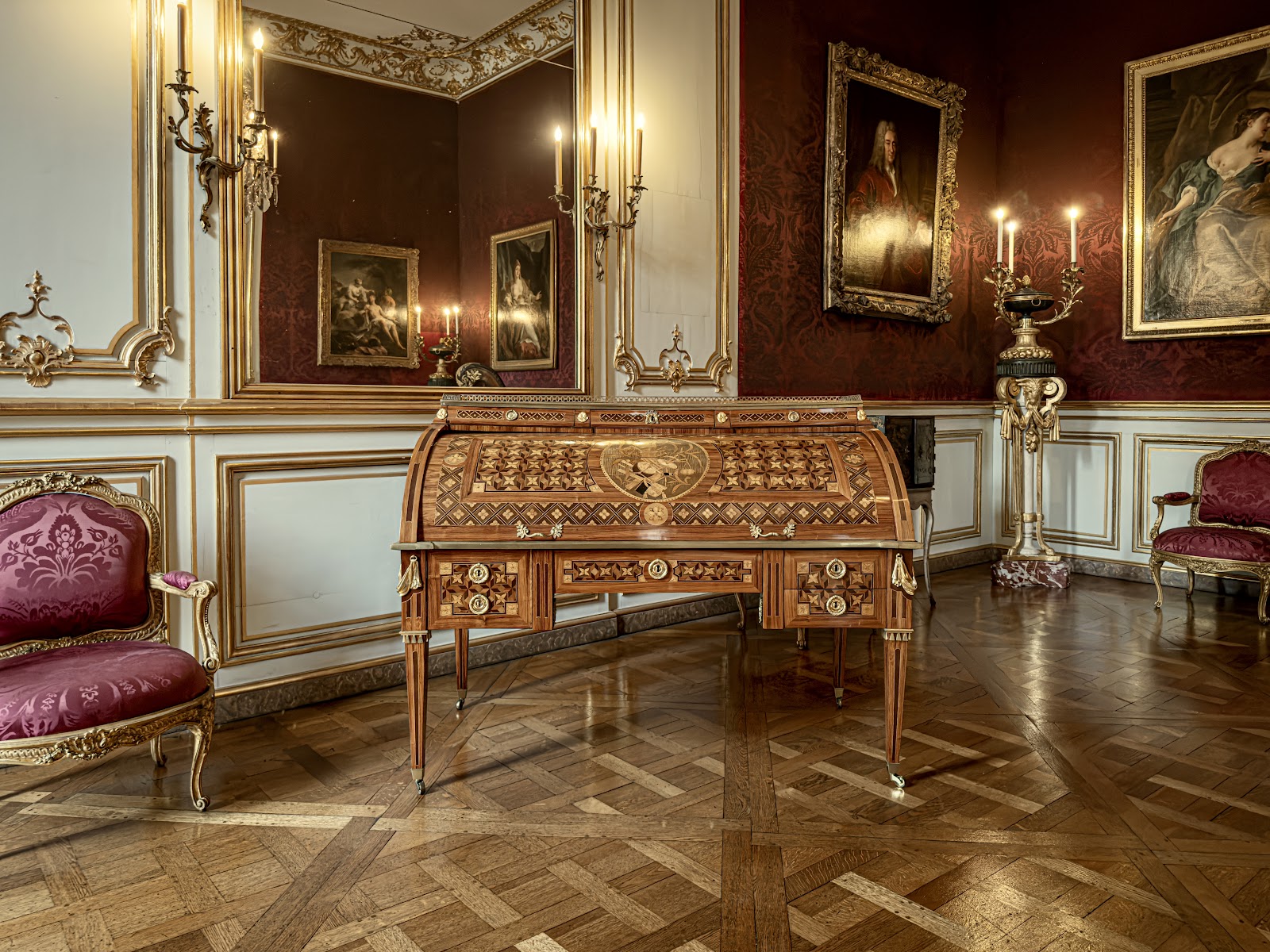
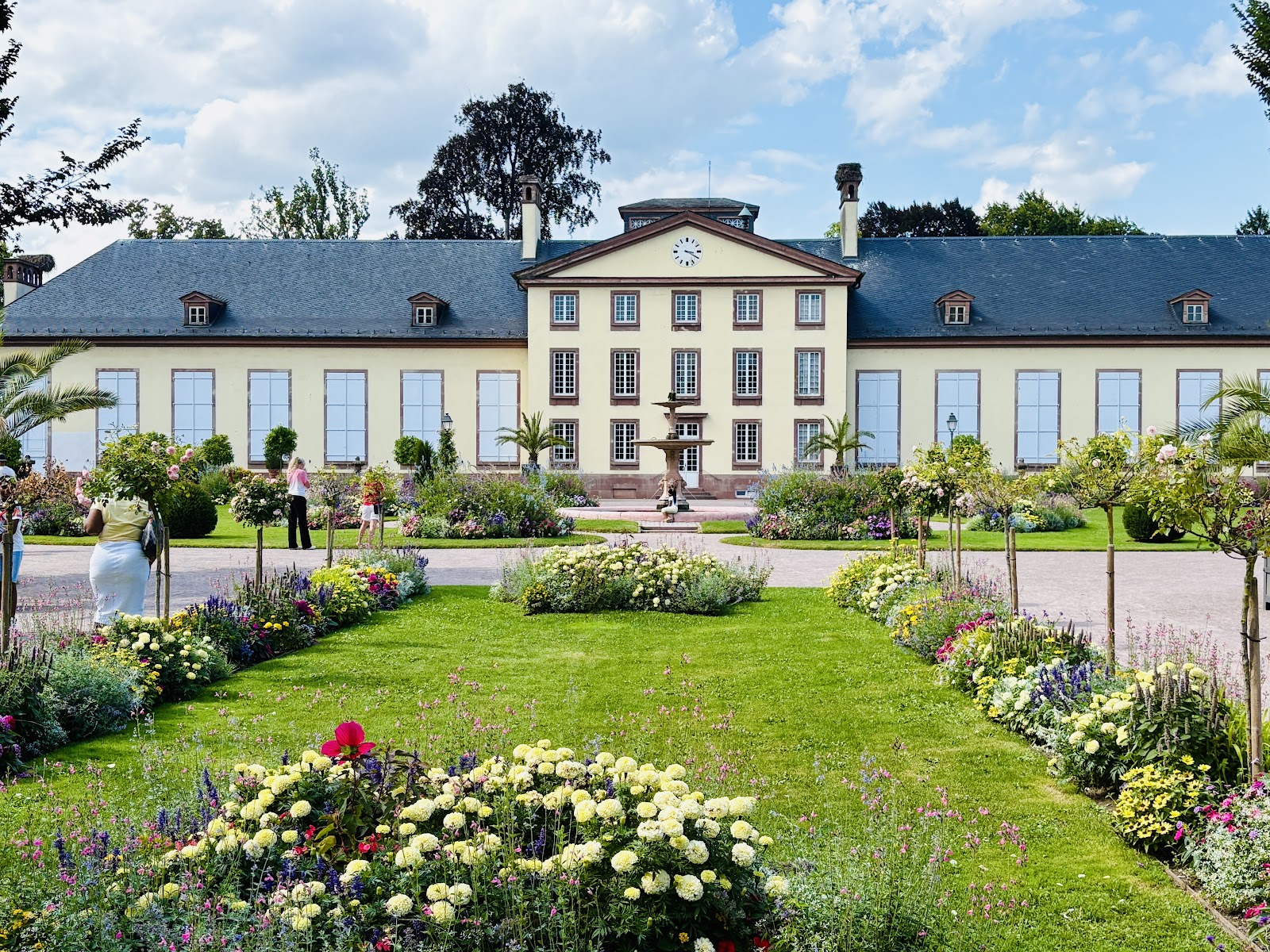
Louis XIV's army took Strasbourg in two days in September 1681, making it French for the first time. It then passed to Germany after 1870, returned to France in 1918, was occupied again during the Second World War, and was liberated by French troops on 22 November 1944. That back-and-forth left the city with a German imperial palace, a French baroque palace, and a railway station whose 19th-century German facade is now entirely enclosed by a vast modern glass canopy.
Who and what shaped it
People who shaped it
Landmark buildings
See Strasbourg in motion
Plan your visit
On the map
When to go
Summers are warm and often sunny, with temperatures that make walking the Grande Île comfortable through June and July. Winters are cold and can be grey — but the city leans into December with the Christmas market, and the sandstone buildings hold their colour even under low skies.
Right now
↡ Attractions

Background & history adapted from Wikipedia (CC BY-SA) · specs from Wikidata (CC0) · weather from Open-Meteo · map data © OpenStreetMap contributors · photos from Wikimedia Commons / Unsplash with per-image credit. No third-party reviews or social posts reproduced.