
Musée Alsacien
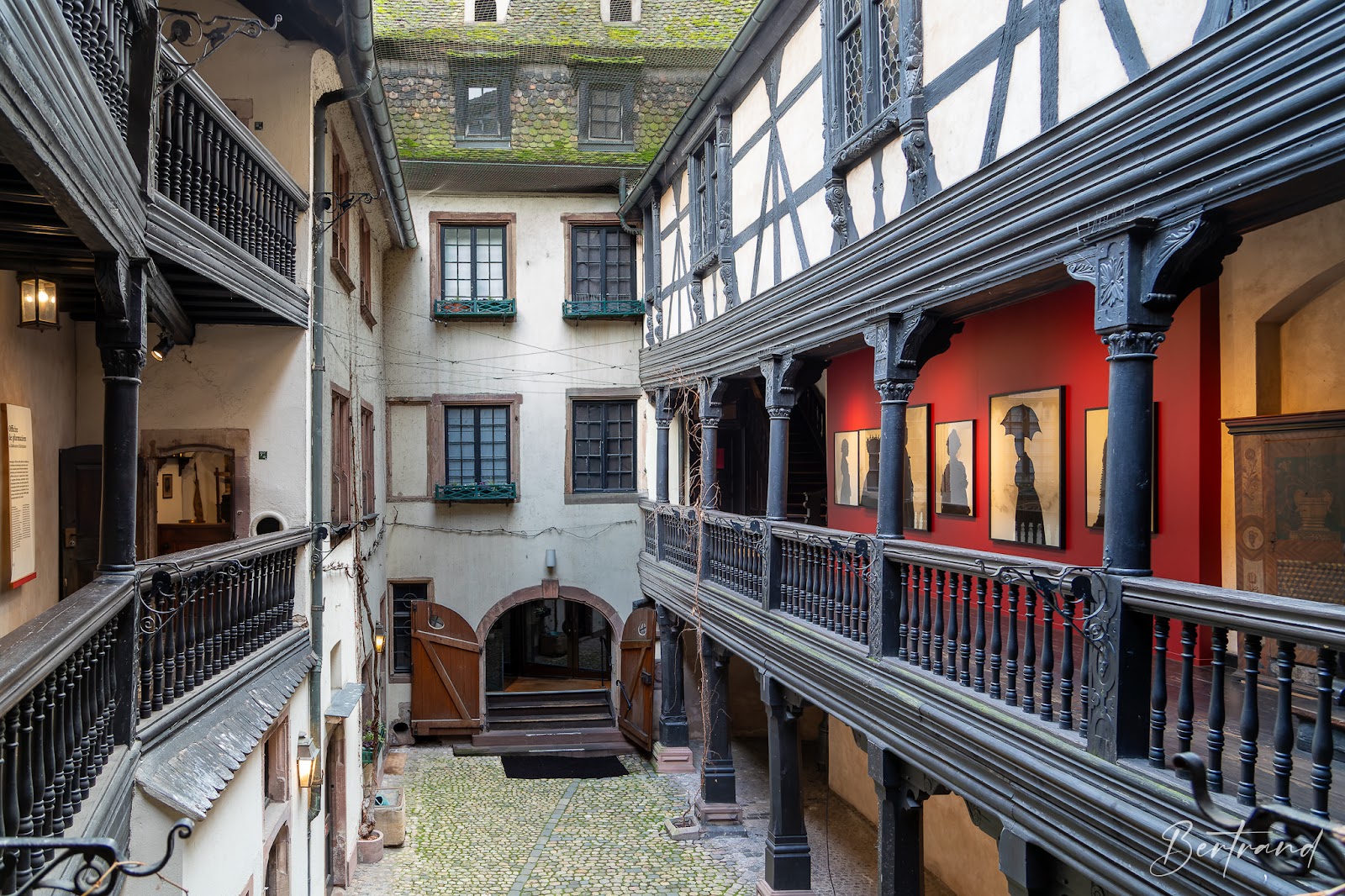
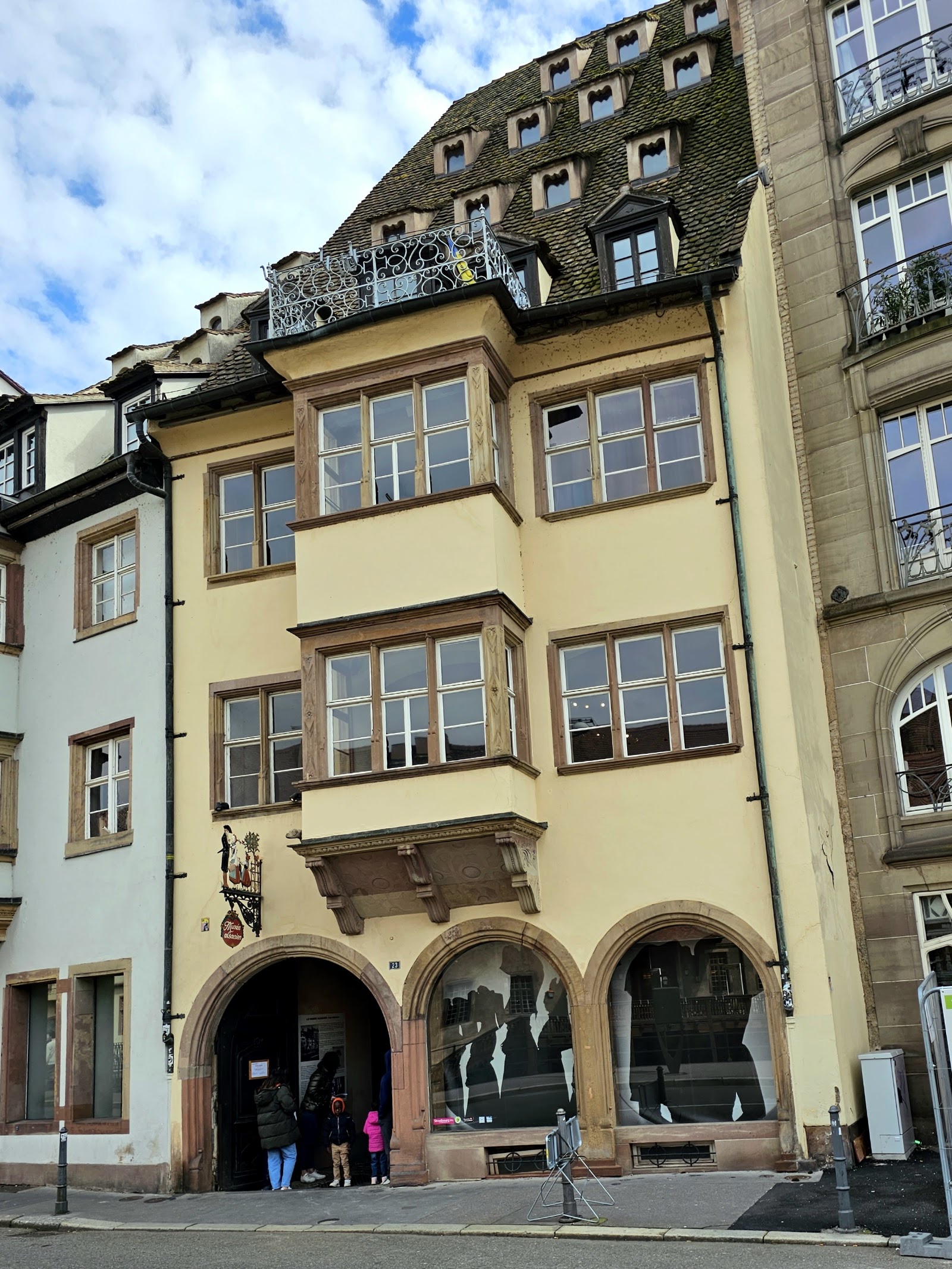
Three Renaissance timber-framed houses on Quai Saint-Nicolas — a former wholesale merchant's premises, an inn called À la canette d'or, and a butcher's shop — were quietly stitched together in 1904 to hold something the founders considered urgent: proof that Alsace existed on its own terms.
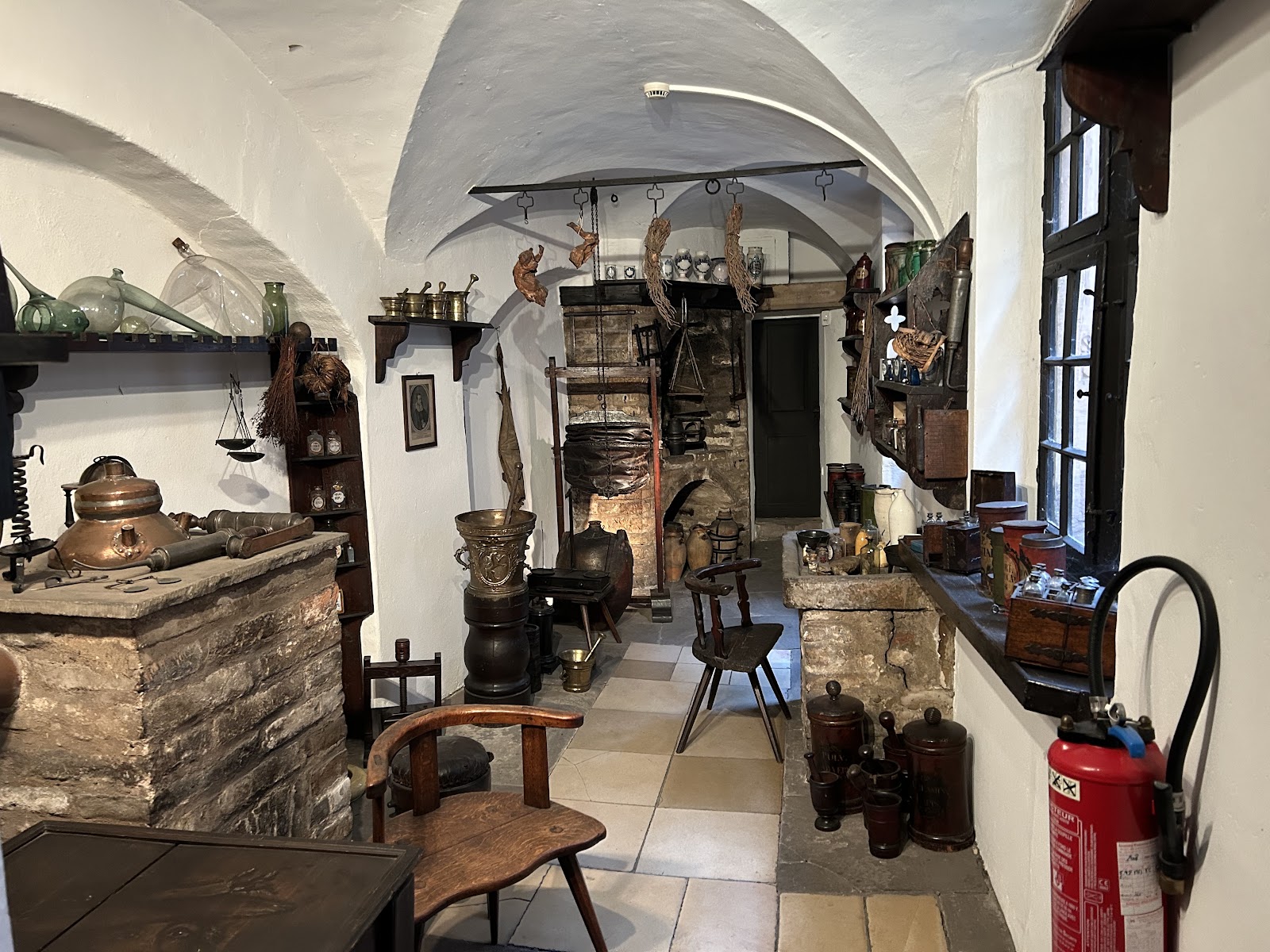
Inside, across 30 rooms and more than 5,000 objects, the museum reconstructs the texture of Alsatian domestic life. Furniture, tools, toys, sacred artifacts from the region's Jewish communities, embroidered costumes — the kind of things that rarely make it into official history but carry most of the weight of how people actually lived.
💛 What travellers fall for
People who've been before tend to mention the reconstructed room interiors — you move through them less like a visitor in a museum and more like someone who has wandered into a stranger's house mid-century. The Jewish artifact collection, modest in scale but carefully assembled, repays a slow look.
The story behind Musée Alsacien
On November 3, 1902, a group of Alsatians — among them Dr Pierre Bucher, archaeologist Robert Forrer, and several others — gathered in Strasbourg with a specific purpose. The region had been under German administration since 1871, and the founders wanted a counter-archive: a place that documented Alsatian folk culture before it was absorbed or erased. Charles Spindler donated original watercolors from his 1902 book on Alsatian costumes as the first acquisitions.
The Société des Amis du Musée Alsacien purchased the Quai Saint-Nicolas buildings in 1904, and the museum opened on May 11, 1907. It ran as a private institution until January 1917, when wartime pressures led to its dissolution; the City of Strasbourg took ownership that April. It has remained a civic institution ever since.
Good to know
The museum is closed from July 7, 2025 until 2027 for roof renovation — worth checking before you plan around it. When it reopens, tram A or D to Porte de l'Hôpital gets you there in minutes. Note that the building is not wheelchair accessible.
Where is Musée Alsacien?
More tickets & tours for Musée Alsacien
Book directly at the provider
What travellers say about Musée Alsacien
An interesting museum that presents the way of life of the old inhabitants of the Alsace area. Hosted by a group of old, interconnected houses. Beautiful inner courtyard! You need approximately one hour to visit it.
A small exposition with interesting and simple descriptions in English German and French. The receptionist was very helpful and friendly. There are a few souvenirs to buy at the shop store. the toilets are a mess but they have luggage deposit boxes. all in all a great visit
Such an interesting collection of exhibits in a beautifully restored building. The artifacts and scenes of daily life that have been reconstructed are well done and help to show what life was like in the area hundreds of years ago. The museum is right next to the river and only a few minutes walk from the other sites in old town. We arrived without tickets on a weekend and had no problem getting in immediately.
I visited this museum on the first Sunday of April—my second time here. Though it’s relatively small, the museum is thoughtfully curated, offering an engaging and informative look into the livelihood, beliefs, and culture of the Alsatian people from the 16th to 19th centuries.
Very nice museum. Not too crowded during the holidays. There are no elevators and you go up 2 floors. They give a great overview of the Alsace region, culture and people. The museum is mostly trilingual with it's signage in French, English and German. There was no option to buy tickets online.
More of Strasbourg
Discover where to stay, what to do and the best deals for your trip.
Explore Strasbourg →More attractions in Strasbourg
All of Strasbourg →

Background adapted from Wikipedia (CC BY-SA) · map data © OpenStreetMap contributors · ratings & place photos via Google · other photos with per-image credit. Ticket links may earn us a commission at no extra cost to you.