
Petite France
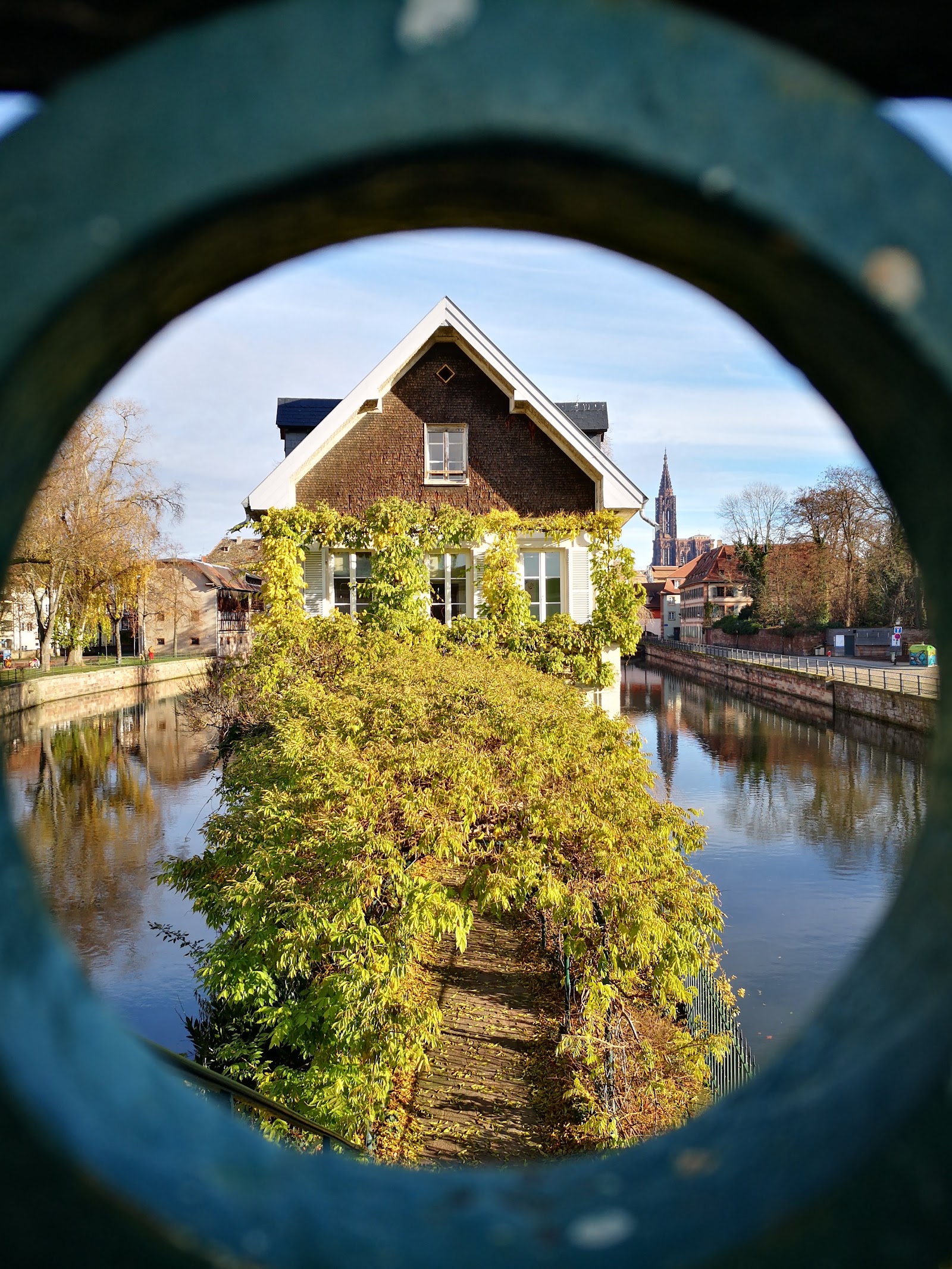
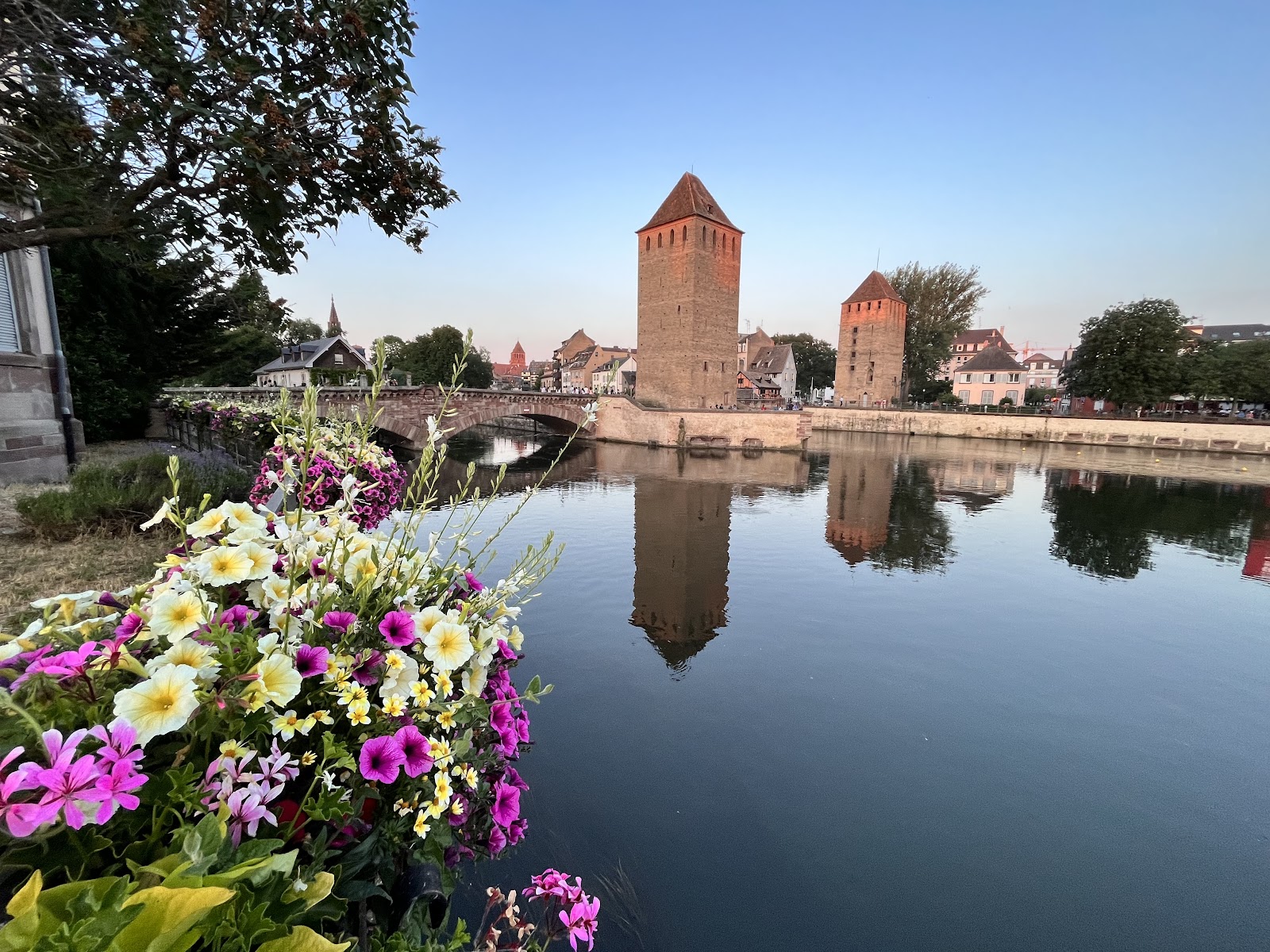
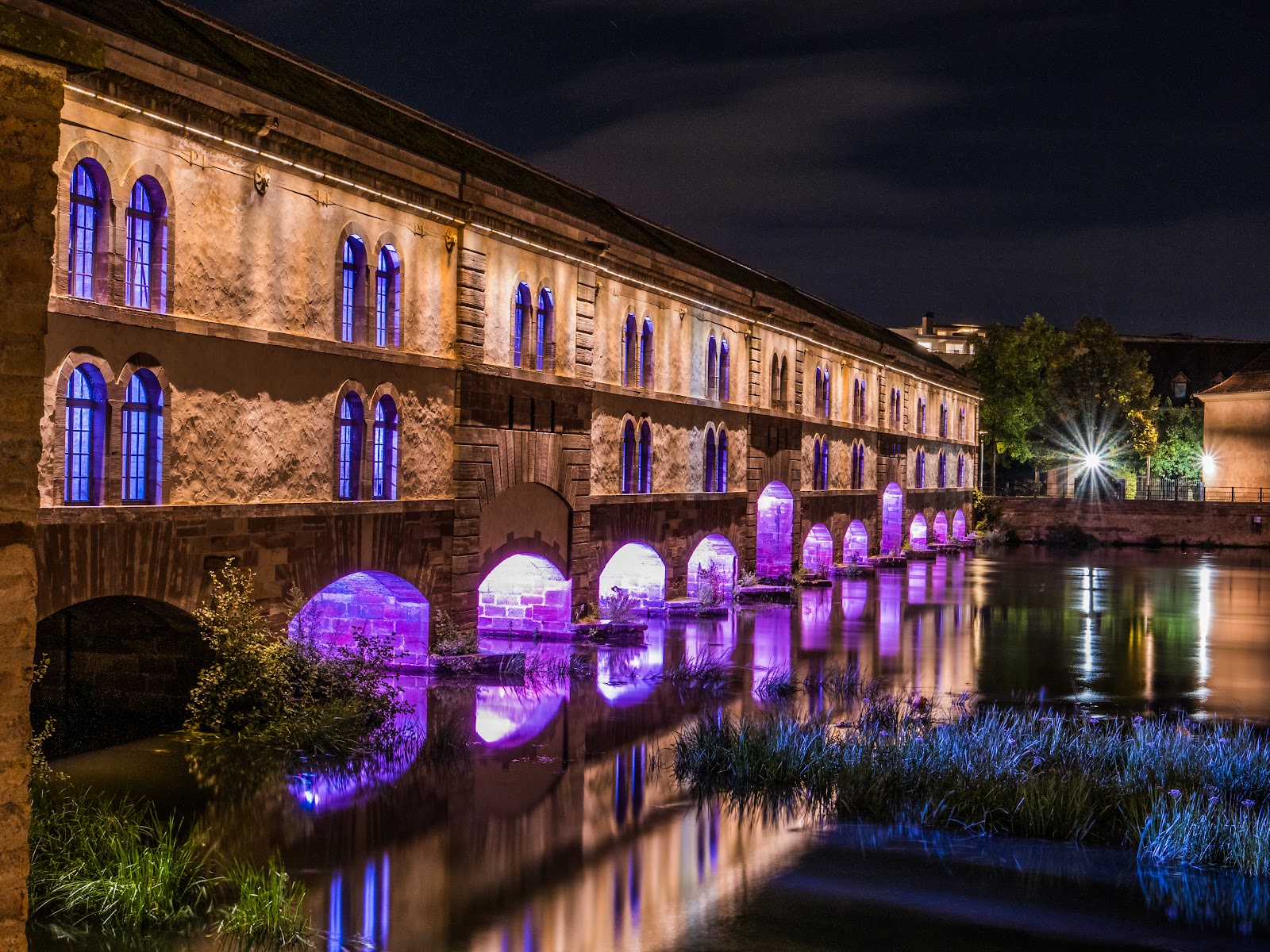
The name came from a hospice — a place where soldiers with syphilis were sent to recover or die, tucked along the Ill River on what locals once called the ruelle des syphilitiques. That origin has been thoroughly overtaken by centuries of timber and water. Today Petite France is a tangle of 16th-century half-timbered houses, slow-moving canals, and the three roofless towers of the Ponts Couverts standing watch over nothing in particular.
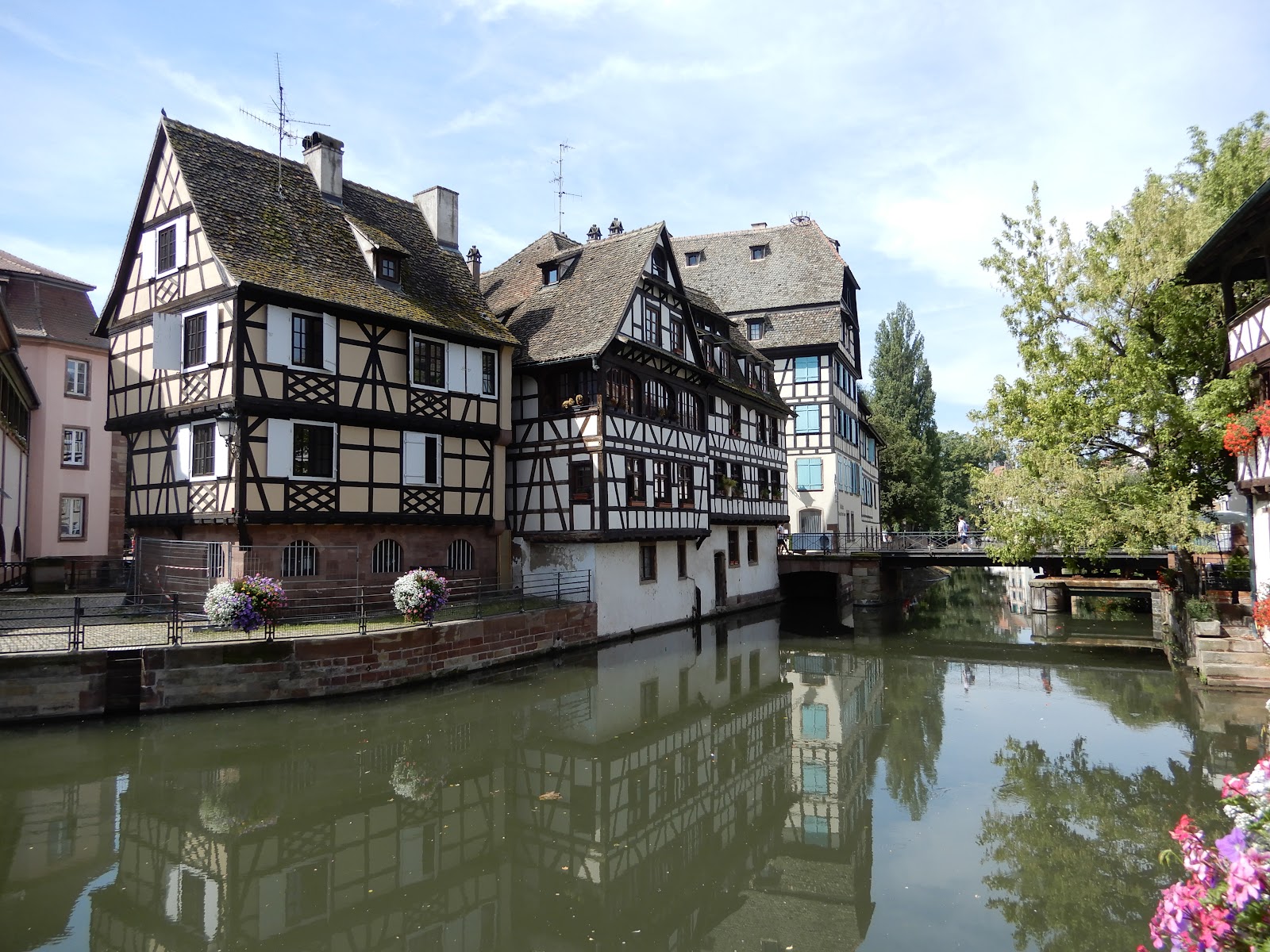
The district sits on a pair of islands where the Ill splits into channels, and the water is always present — under the bridges, beside the old tanneries, carrying Batorama boats through locks that open for almost nobody else. Rue du Bain-aux-Plantes is the street people photograph most, and it earns it.
💛 What travellers fall for
People who return tend to arrive early, before the tour groups settle in around the Ponts Couverts. The rooftop terrace of the Barrage Vauban — added in 1966, free to climb — gives you a view back across the whole district that most visitors miss entirely. The Maison des Tanneurs (1572, now a restaurant) is worth lunch if you book ahead.
The story behind Petite France
In 1503, a man named Gaspard Hofmeister founded a hospice here for soldiers of Charles VIII who had contracted syphilis during the Italian wars. The building that gave the district its name moved to what is now Quai de la Petite-France in 1687 and operated until the Revolution. By 1795 the name had spread to the whole quarter.
The half-timbered houses date mostly from 1570 to 1620, built when tanners, millers, and fishermen worked the river channels. The district was designated a UNESCO World Heritage Site in 1988, part of Grande Île. Two of its most notable natives — General Jean-Baptiste Kléber and Napoleonic illustrator Benjamin Zix — were born here before it became anywhere anyone came to look at.
Good to know
Tram lines A and D stop at Langstross Grand'Rue, a five-minute walk away. The district is free and open around the clock. Mid-May through September is the most comfortable window. Cobblestones are everywhere — manageable on foot, awkward with wheels. Allow two hours minimum; more if you're eating or taking a Batorama boat tour.
July and August bring the warmest days, around 26°C, with cool nights — good walking weather, though afternoon thunderstorms are common from May onward. Winter drops close to freezing, snow is possible through March, and the canals take on a quieter, grayer character that has its own appeal.
Where is Petite France?
Location
- In Strasbourg
- 48.5793, 7.7387
- Open in Google Maps
More tickets & tours for Petite France
Book directly at the provider
More of Strasbourg
Discover where to stay, what to do and the best deals for your trip.
Explore Strasbourg →More attractions in Strasbourg
All of Strasbourg →

Background adapted from Wikipedia (CC BY-SA) · map data © OpenStreetMap contributors · ratings & place photos via Google · other photos with per-image credit. Ticket links may earn us a commission at no extra cost to you.