
Place de la République
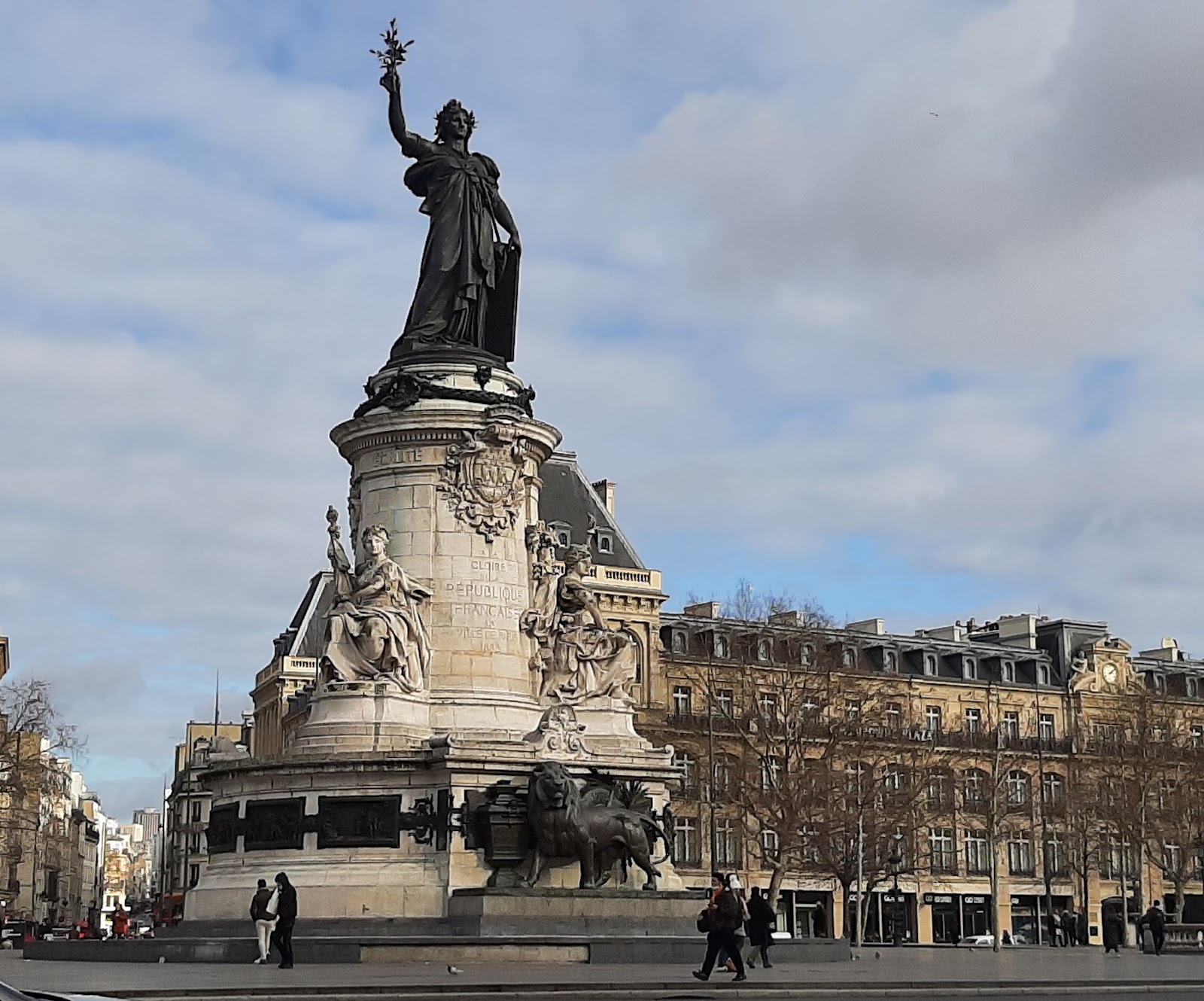
Stand at the centre of Place de la République and you are standing inside a deliberate statement. Five stone monuments — all classified historic — close in on three sides: the domed Palais du Rhin, the Théâtre national, the Préfecture with its stone lions. Every one of them was built during the decades Strasbourg spent inside the German Empire, and every one of them now carries a French name.
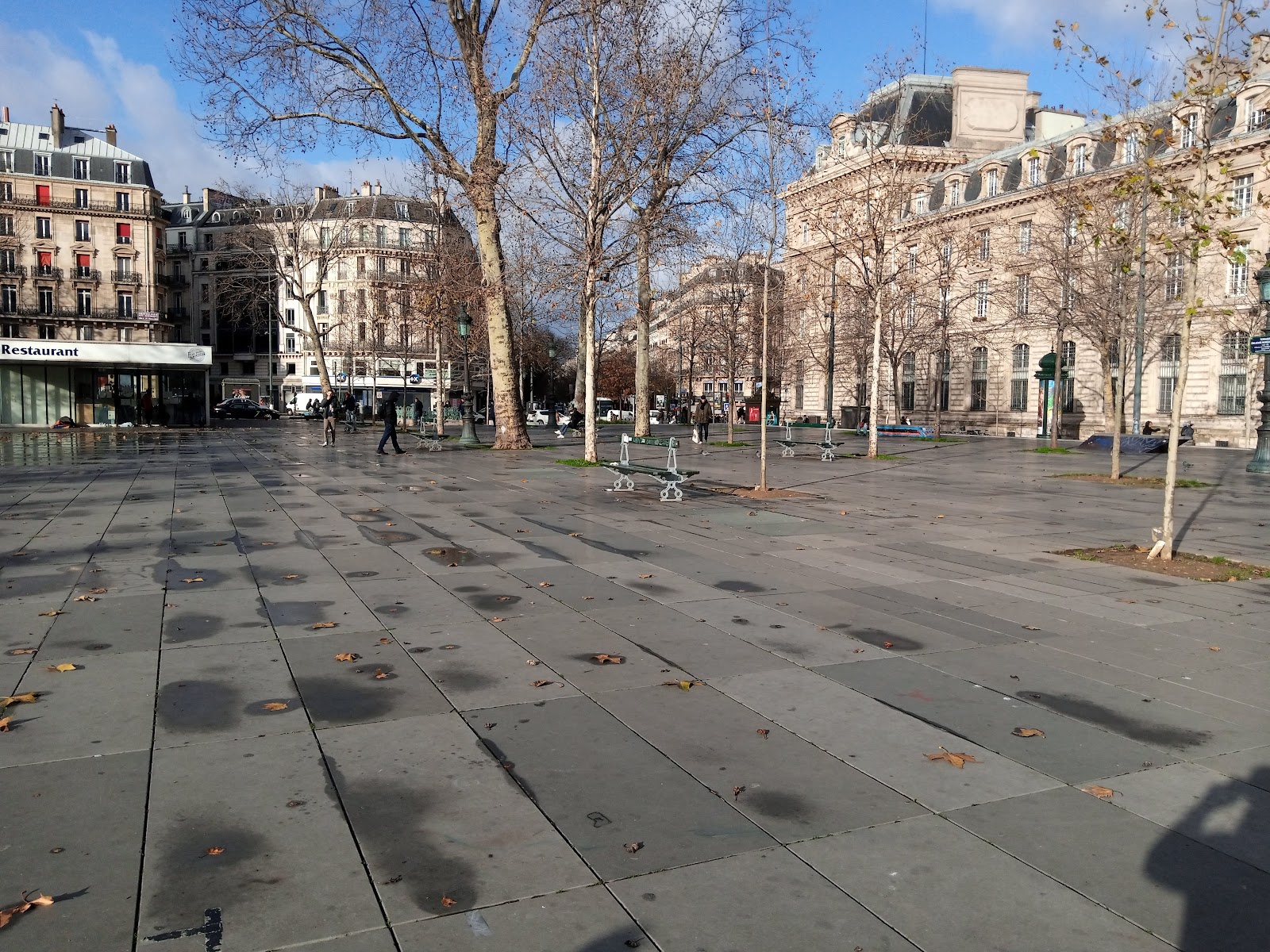
Four ginkgo biloba trees anchor the central garden, planted in the 1880s from a gift by Emperor Meiji of Japan to his German counterpart. The square is a roundabout as much as a plaza, but locals cut through it daily, and the bench-shaped spiral sculpture by Bert Theis invites you to stay a little longer than the traffic suggests you should.
💛 What travellers fall for
People who come back tend to do a slow circuit of the perimeter rather than just cutting through — each facade rewards a closer look. The Préfecture's lion statues by Alfred Marzolff are easy to miss at speed, and Léon-Ernest Drivier's war memorial, a mother cradling two dead sons, stops most people cold once they understand what it depicts.
The story behind Place de la République
Strasbourg came under German control after the Franco-Prussian War, and the new administration set about reshaping the city's northern edge. Construction on what was then called Kaiserplatz began around 1880, with the layout credited to architects Johann Karl Ott and Jean-Geoffroy Conrath. Hermann Eggert's Palais du Rhin followed between 1884 and 1887, then Ludwig Levy's Théâtre national (originally the Alsace-Lorraine parliament) from 1899 to 1902, and finally Levy's Préfecture, completed in 1911.
When Alsace-Lorraine returned to France in 1919, Kaiserplatz became Place de la République. During the German occupation of 1940–45 it was briefly renamed Bismarckplatz, then reverted. The 1936 war memorial — its subject a mother holding two sons killed in the same war but on opposite sides — makes the square's layered identity impossible to forget.
Good to know
Tram lines B, C, E and F all stop at République, making it one of the easiest points in the city to reach. The square is free and open at all hours. Mid-May through September is the most comfortable window; the ginkgo trees are at their best in late autumn before the leaves drop.
Winters here are genuinely cold, often hovering around freezing from December through February, with periodic snow. Spring is cool and unsettled until May. Summer days reach around 25°C, with afternoon thunderstorms common in June and July. The stretch from mid-May to late September gives you the square at its most comfortable.
Where is Place de la République?
Location
- In Strasbourg
- 48.5869, 7.7558
- Open in Google Maps
More tickets & tours for Place de la République
Book directly at the provider
More of Strasbourg
Discover where to stay, what to do and the best deals for your trip.
Explore Strasbourg →More attractions in Strasbourg
All of Strasbourg →

Background adapted from Wikipedia (CC BY-SA) · map data © OpenStreetMap contributors · ratings & place photos via Google · other photos with per-image credit. Ticket links may earn us a commission at no extra cost to you.