
Corsica
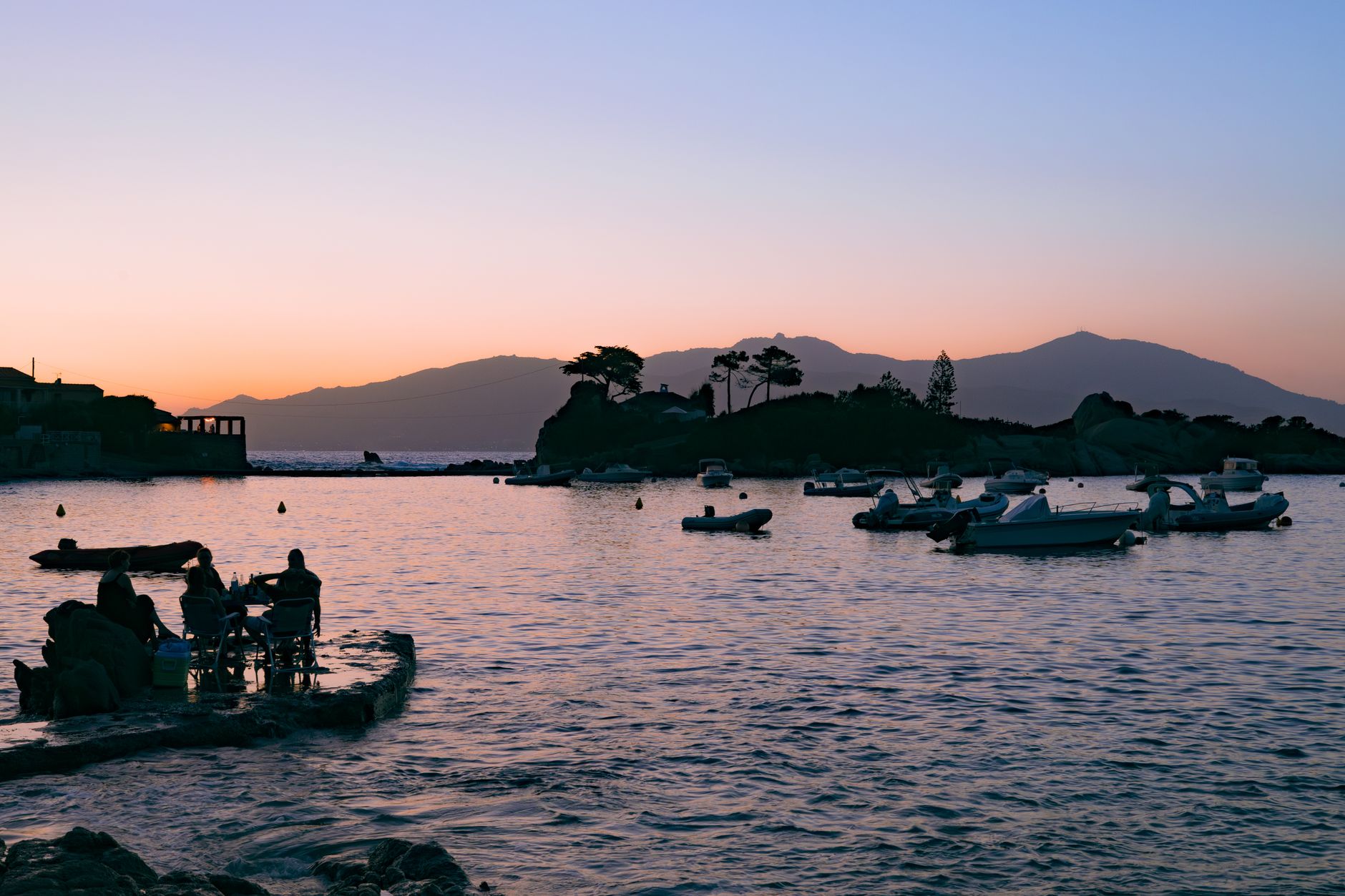
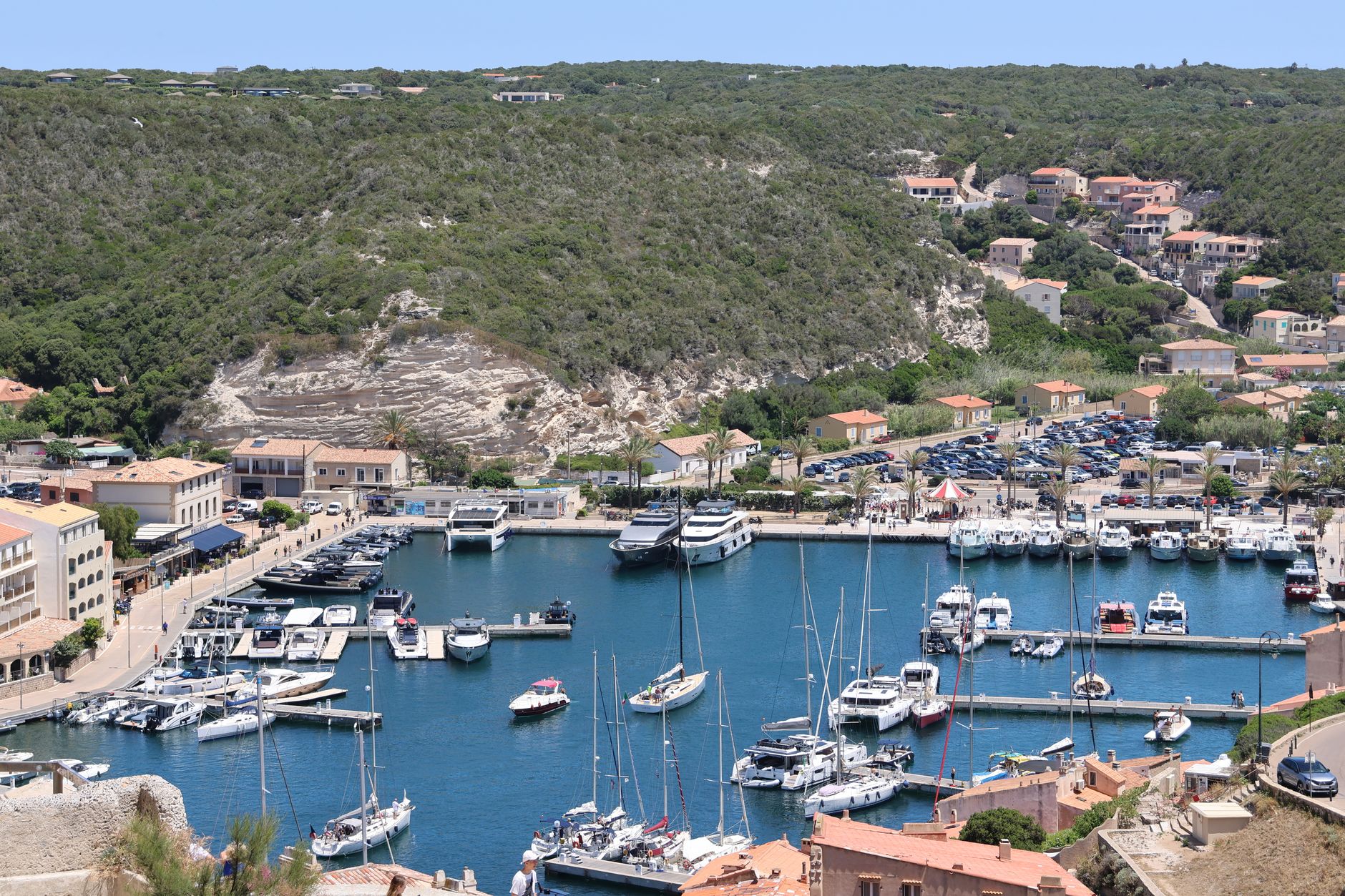
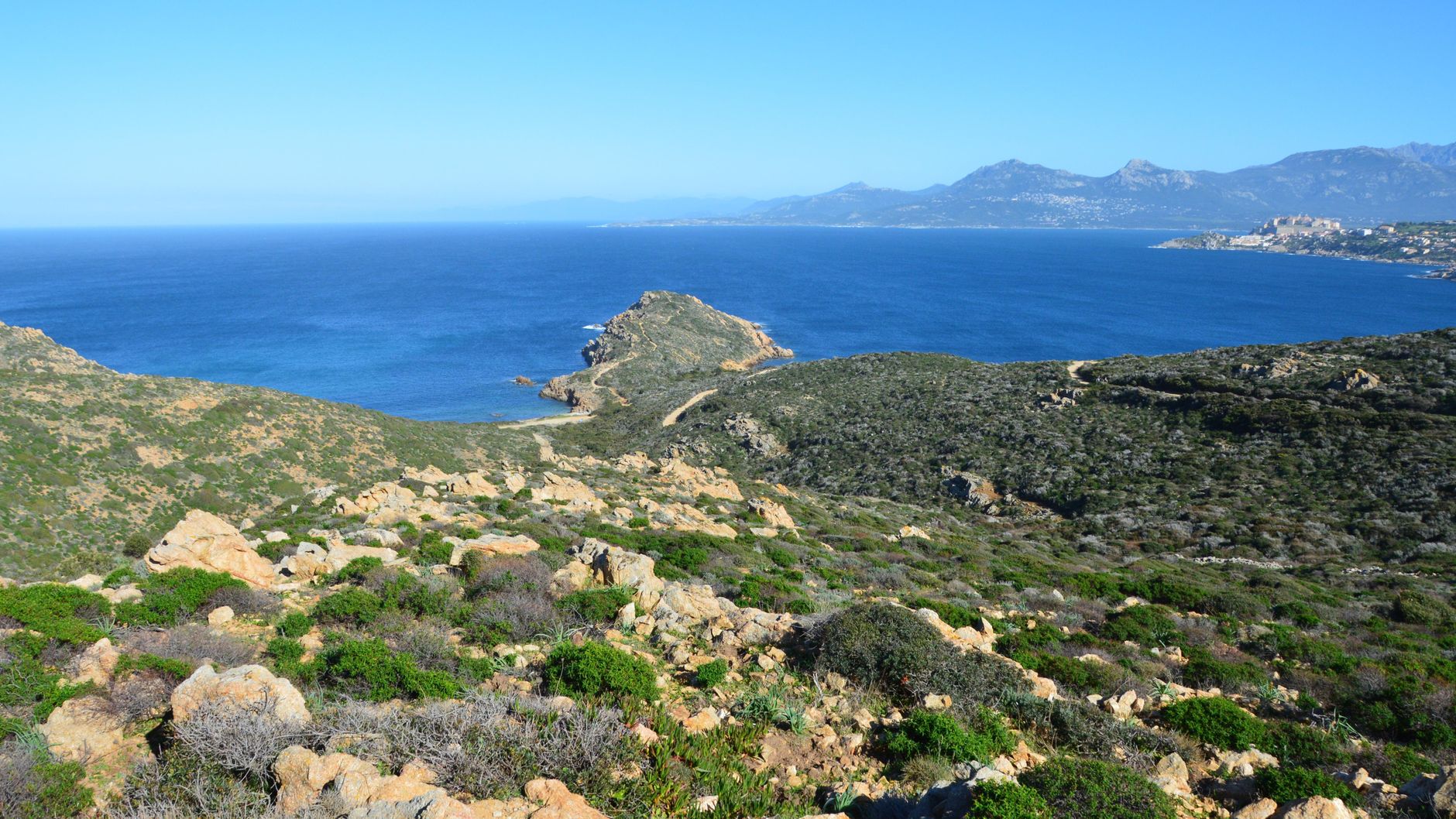
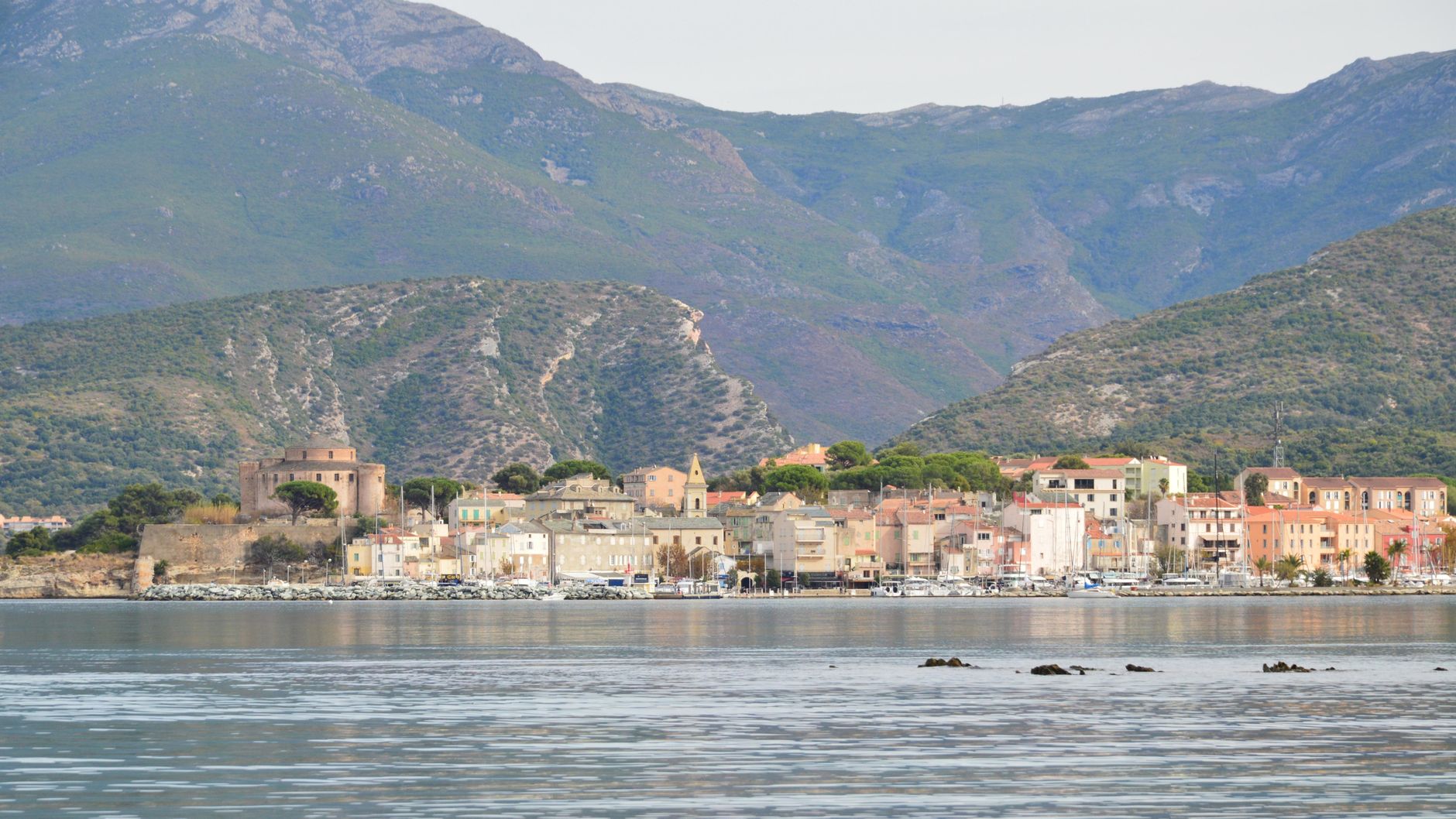
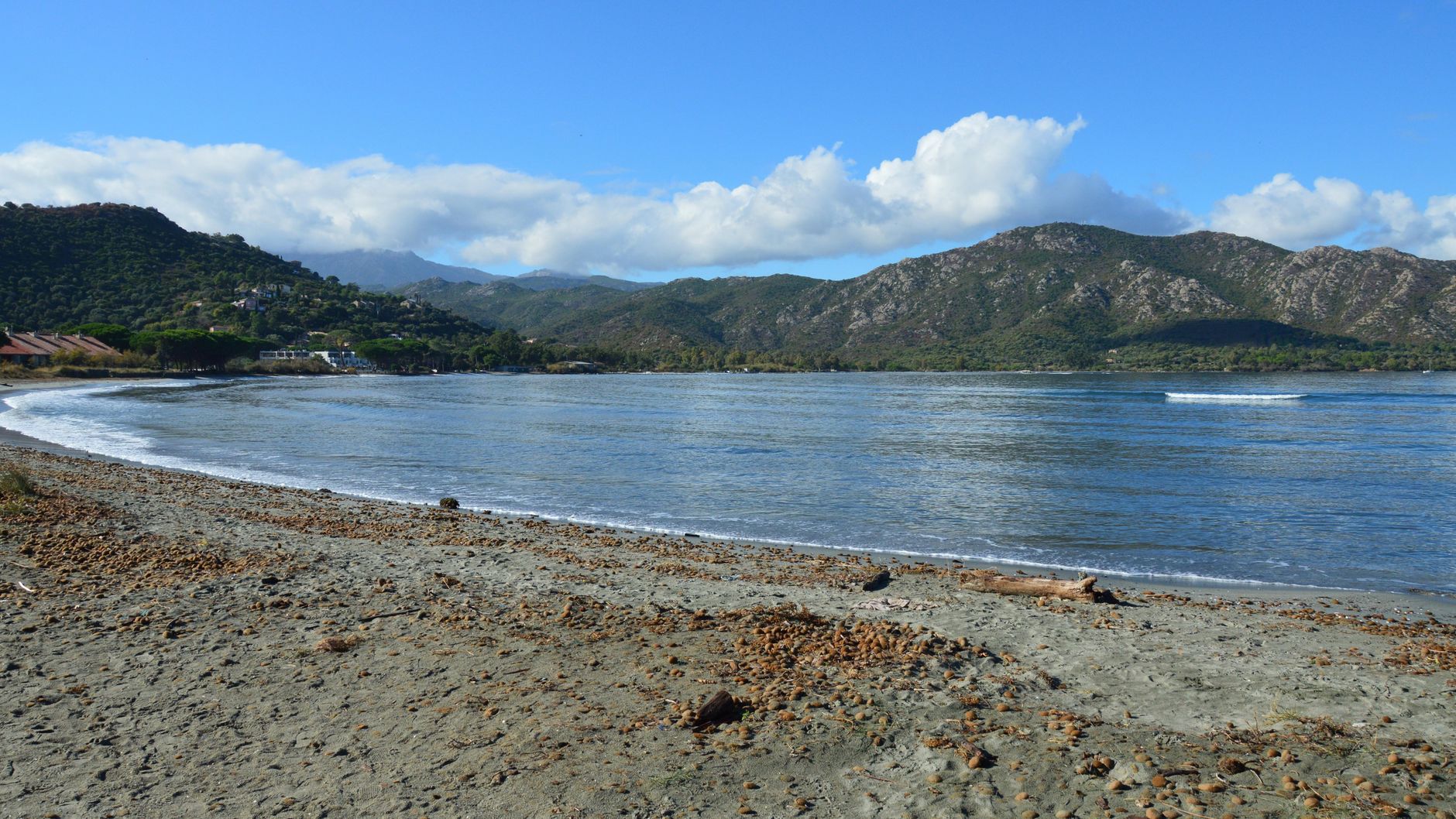
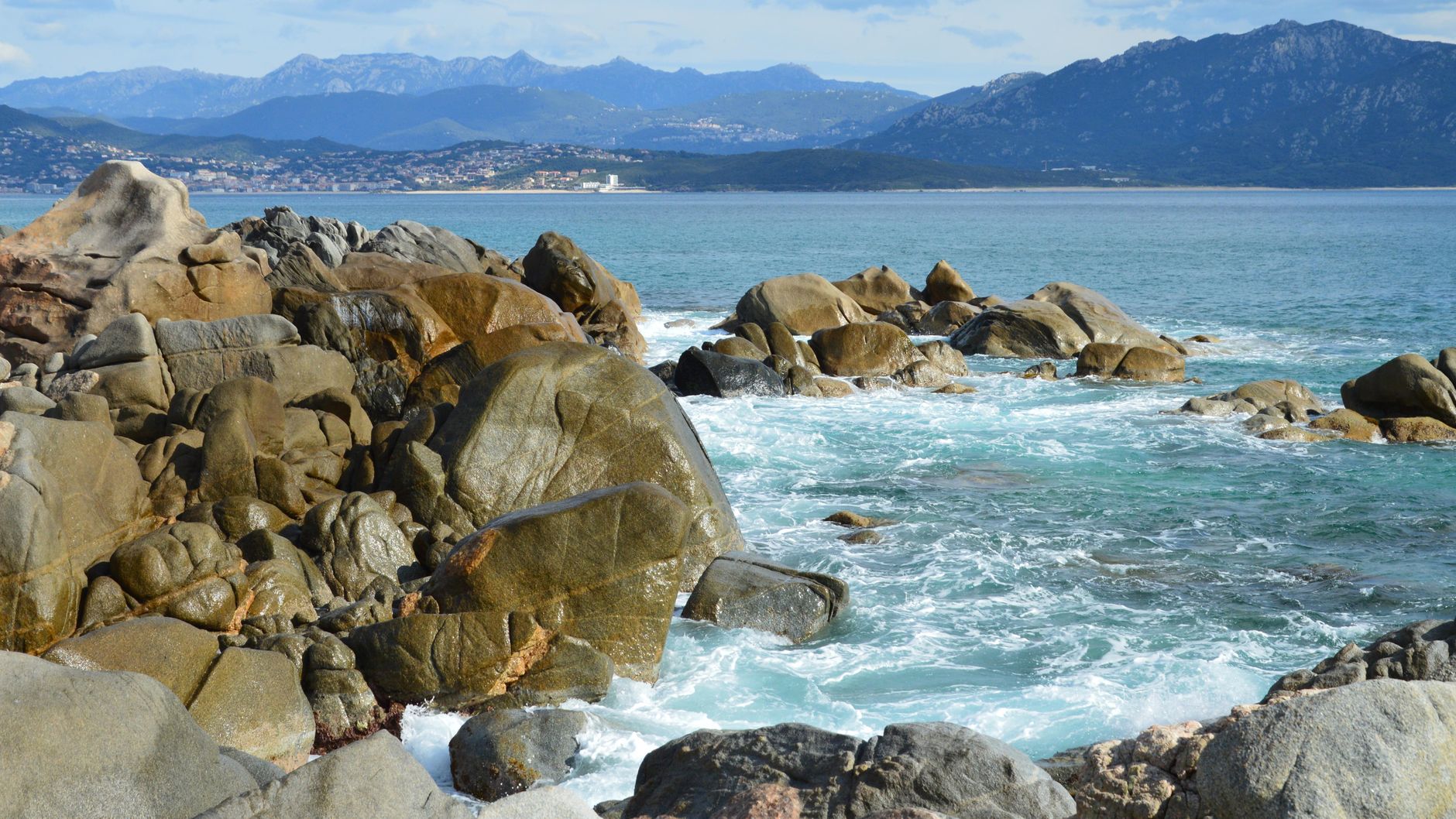
Corsica sits in the Mediterranean like a small continent — granite peaks above 2,700 metres, maquis scrubland that scents the air with rosemary and cistus, and a coastline that shifts between red porphyry cliffs and pale sand bays within a single afternoon's drive. The island is technically French, but it has always been its own thing: its own language, its own legal codes, its own long memory of occupation and resistance.
Sixty-seven Genoese watchtowers still ring the coast, built in the 15th and 16th centuries to watch for pirate raids. Prehistoric menhirs stand at Filitosa, carved 8,000 years ago. The past here isn't curated — it's just present.
💛 What travellers fall for
People who come back tend to settle on a base and radiate outward: Corte for the mountains and the citadel, Porto for the Scandola coast, Ajaccio for the museums and the evening promenade. The maquis blooms hardest in spring, the sea stays warm well into October, and the Parc Naturel Régional is quieter than you'd expect even in high summer.
Experiences you don't want to miss




How Corsica came to be
People have been here a long time — chipped stones near Porto-Vecchio date to around 9000 BC. Ionian Greek colonists from Phocaea founded the settlement of Alalia on the east coast around 562 BC, though an Etruscan-Carthaginian coalition pushed them out by 535 BC. Rome took the island in 238 BC and held it for centuries. Vandals, Charlemagne, the Pisans, and then Genoa followed in succession.
In 1755, the Corsican Republic declared itself under Pasquale Paoli — a genuine experiment in self-governance, complete with a university, a printing press, and a navy — before France acquired the island by treaty in 1768 and annexed it the following year. Napoleon Bonaparte was born in Ajaccio in 1769, a few months after that annexation.
Who and what shaped it
People who shaped it
Landmark buildings
See Corsica in motion
Plan your visit
On the map
When to go
Summers are hot and dry, with July delivering over twelve hours of sunshine a day and the sea reaching 25°C by August. Spring and autumn bring more rain but also green maquis, warm water, and far fewer people; winters are mild on the coast but cold and wet through January and February.
Right now
Background & history adapted from Wikipedia (CC BY-SA) · specs from Wikidata (CC0) · weather from Open-Meteo · map data © OpenStreetMap contributors · photos from Wikimedia Commons / Unsplash with per-image credit. No third-party reviews or social posts reproduced.