
Bordeaux
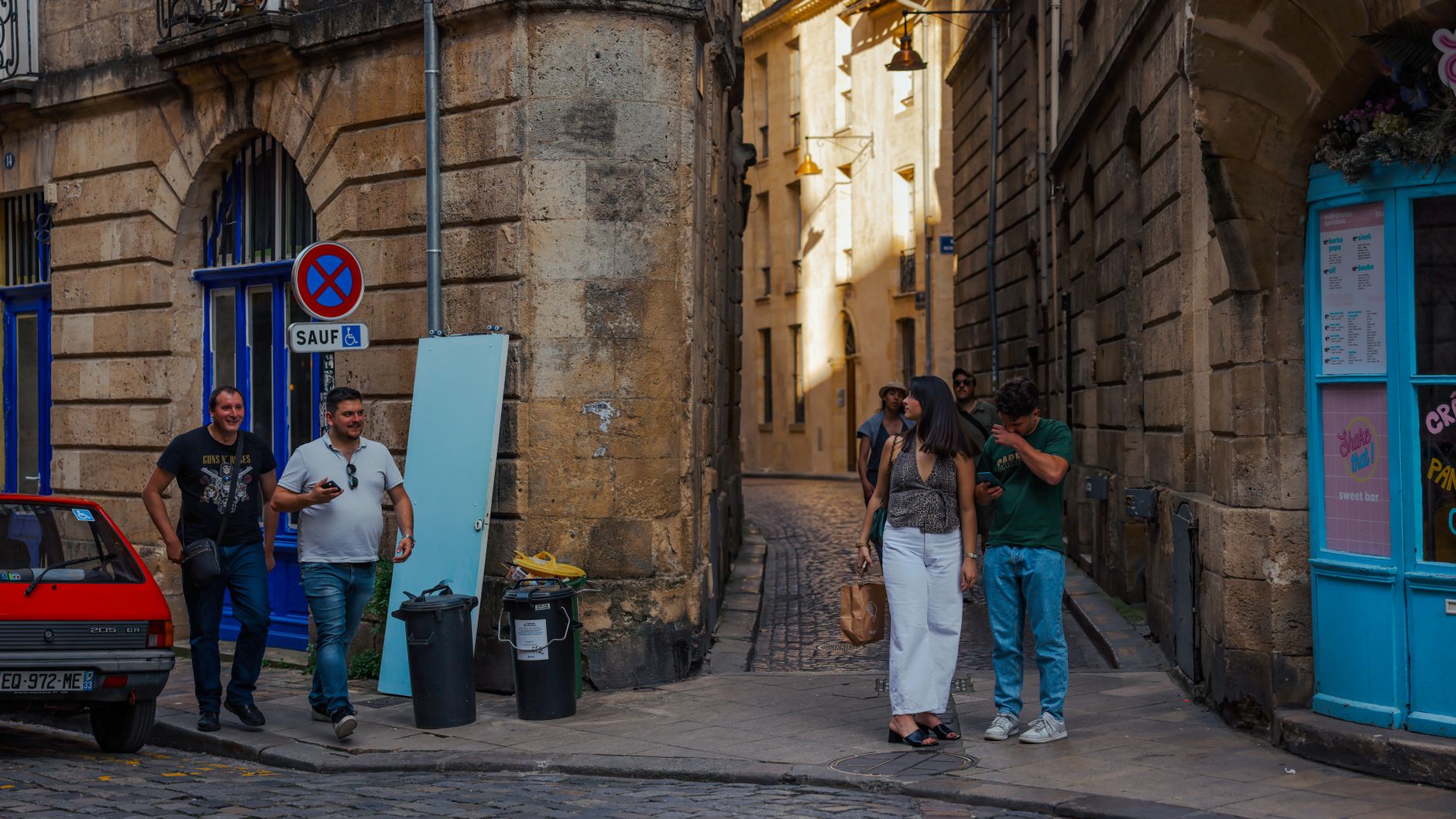
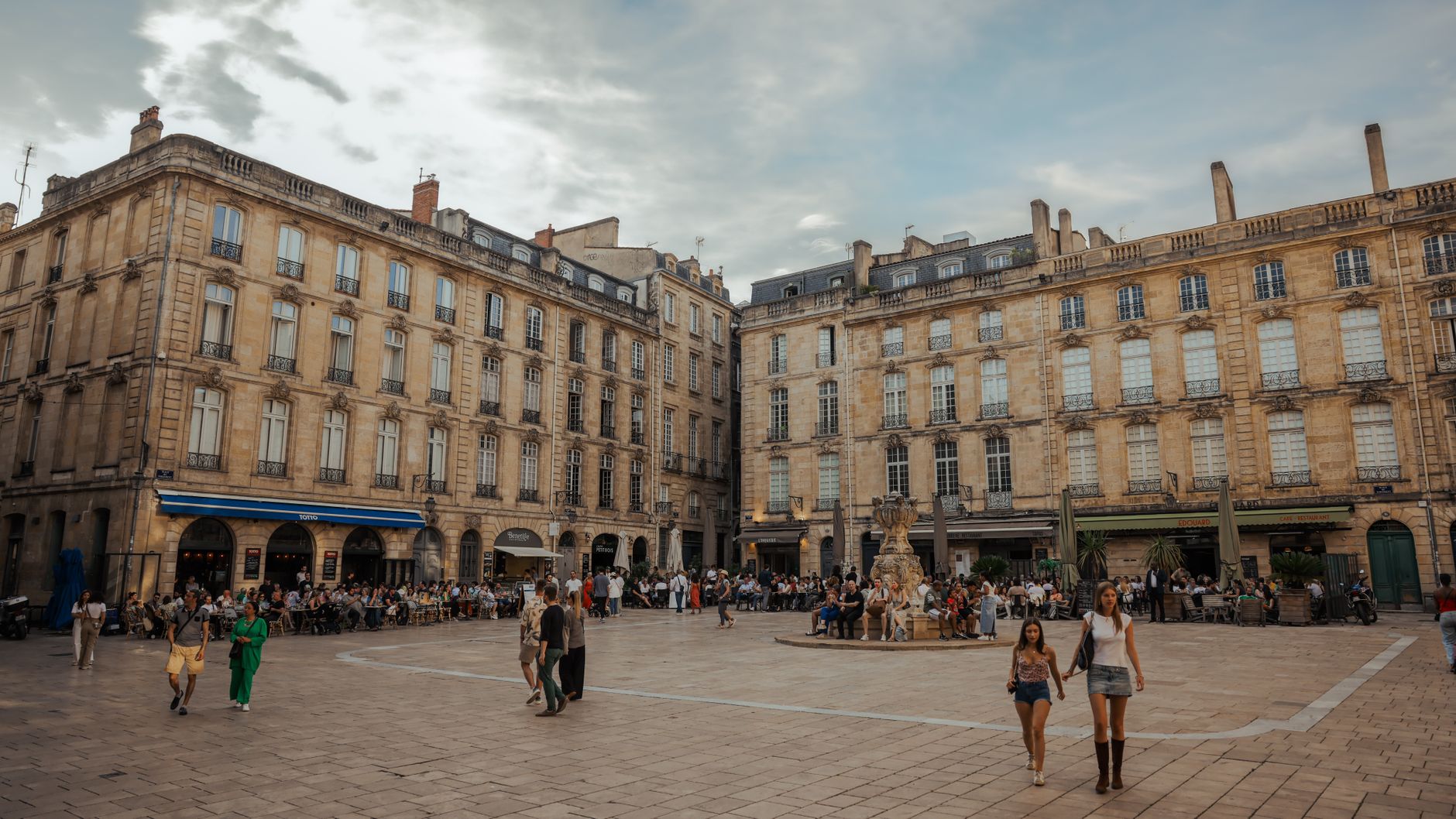
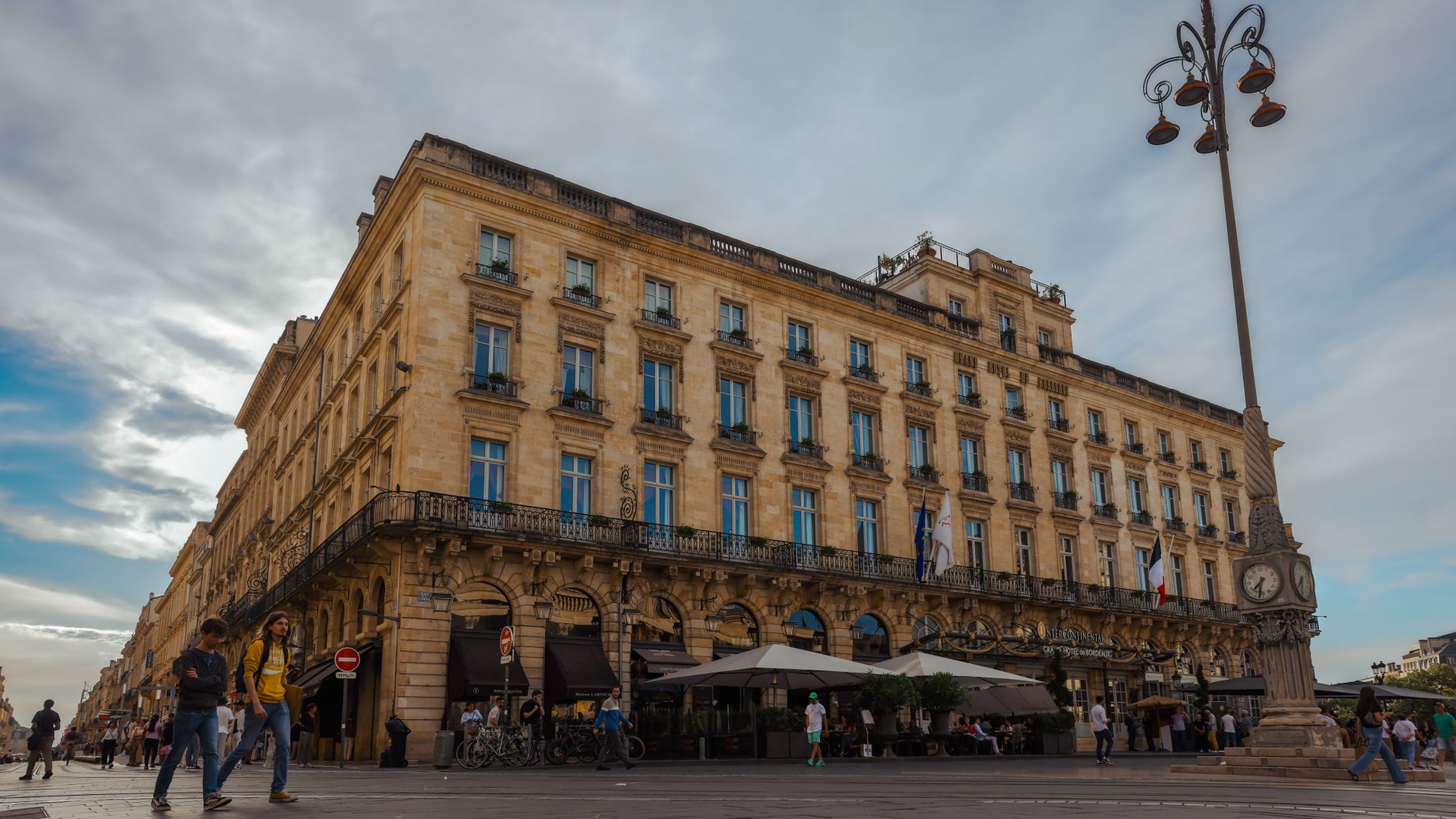
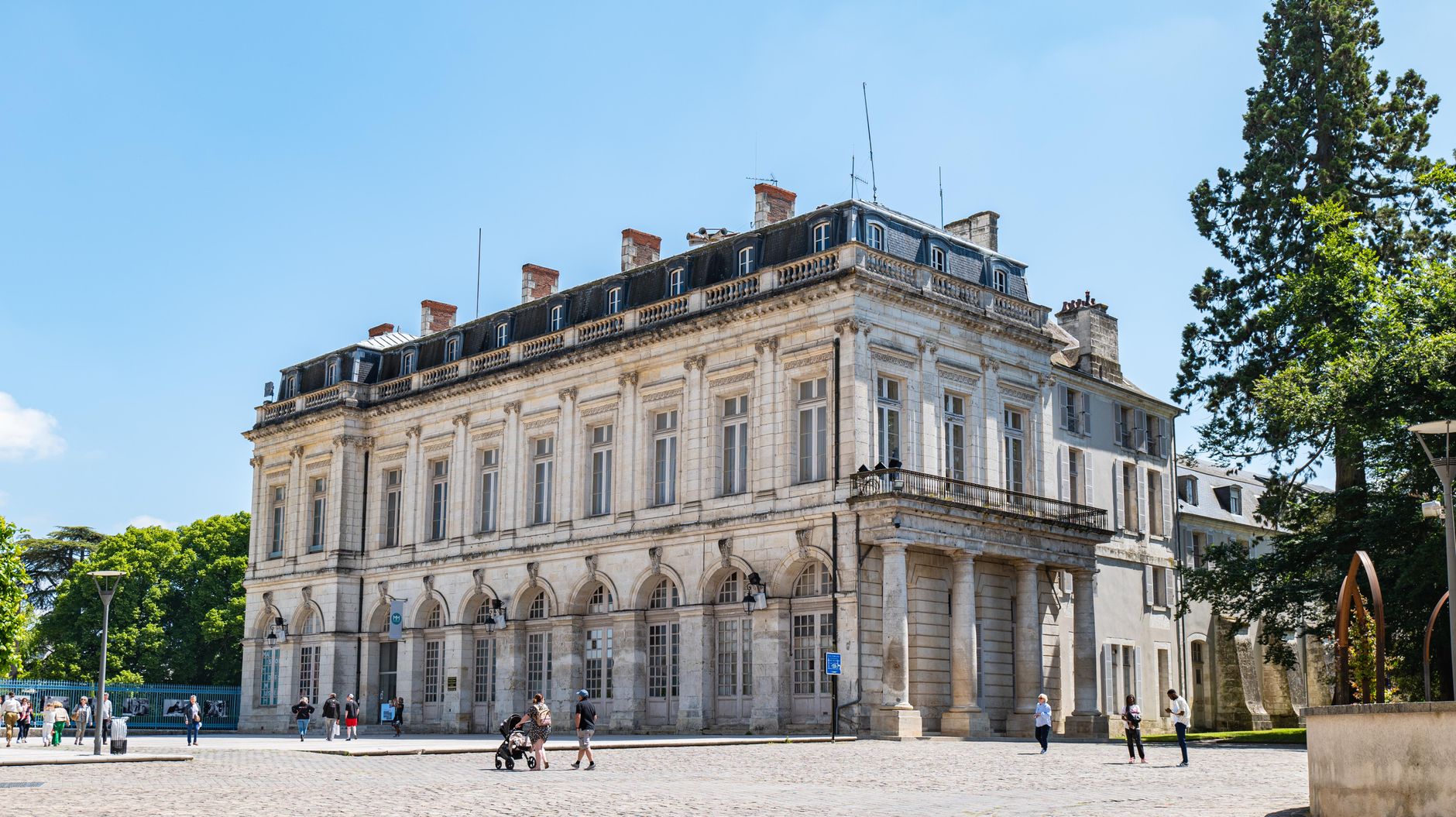
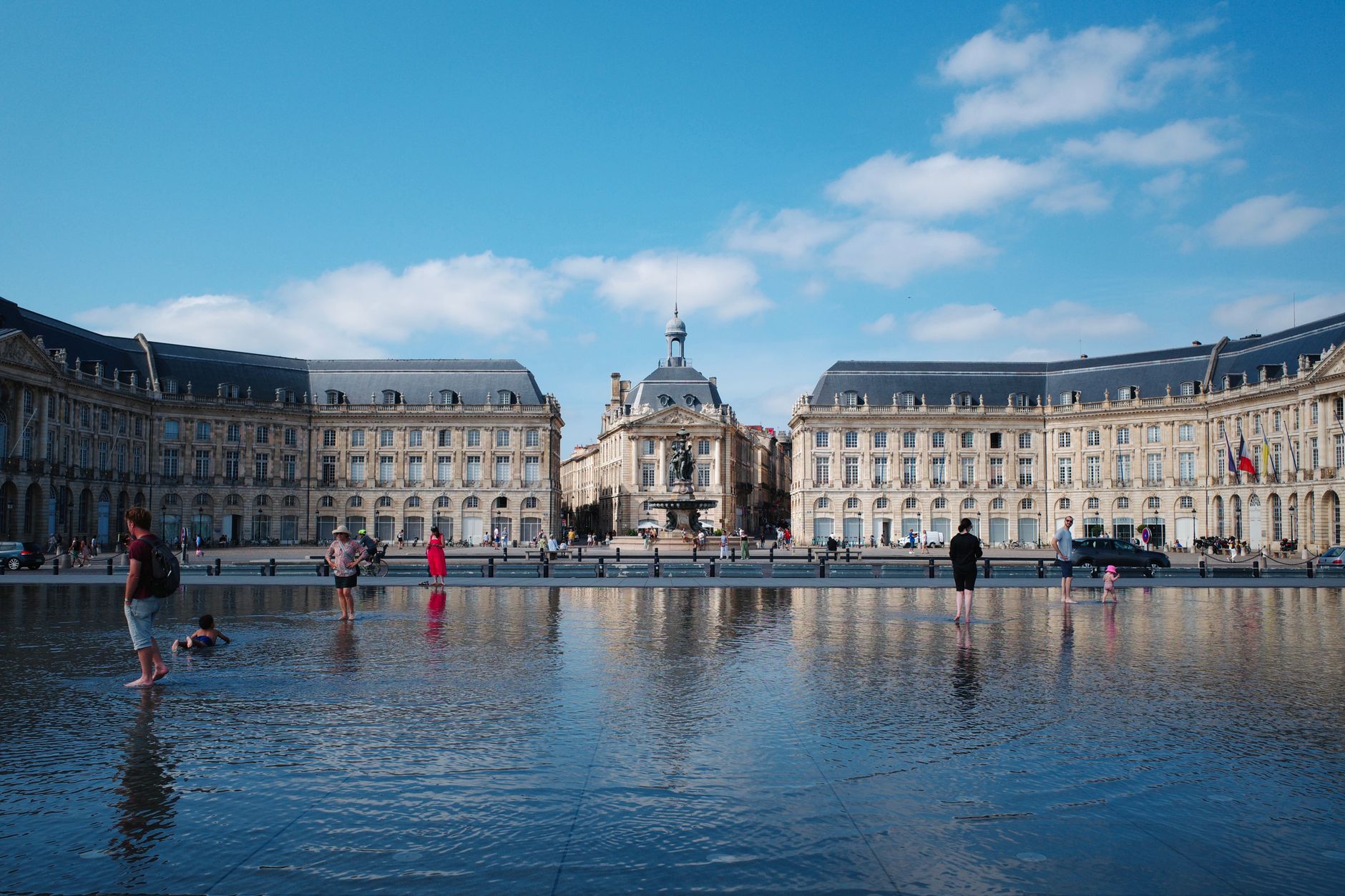
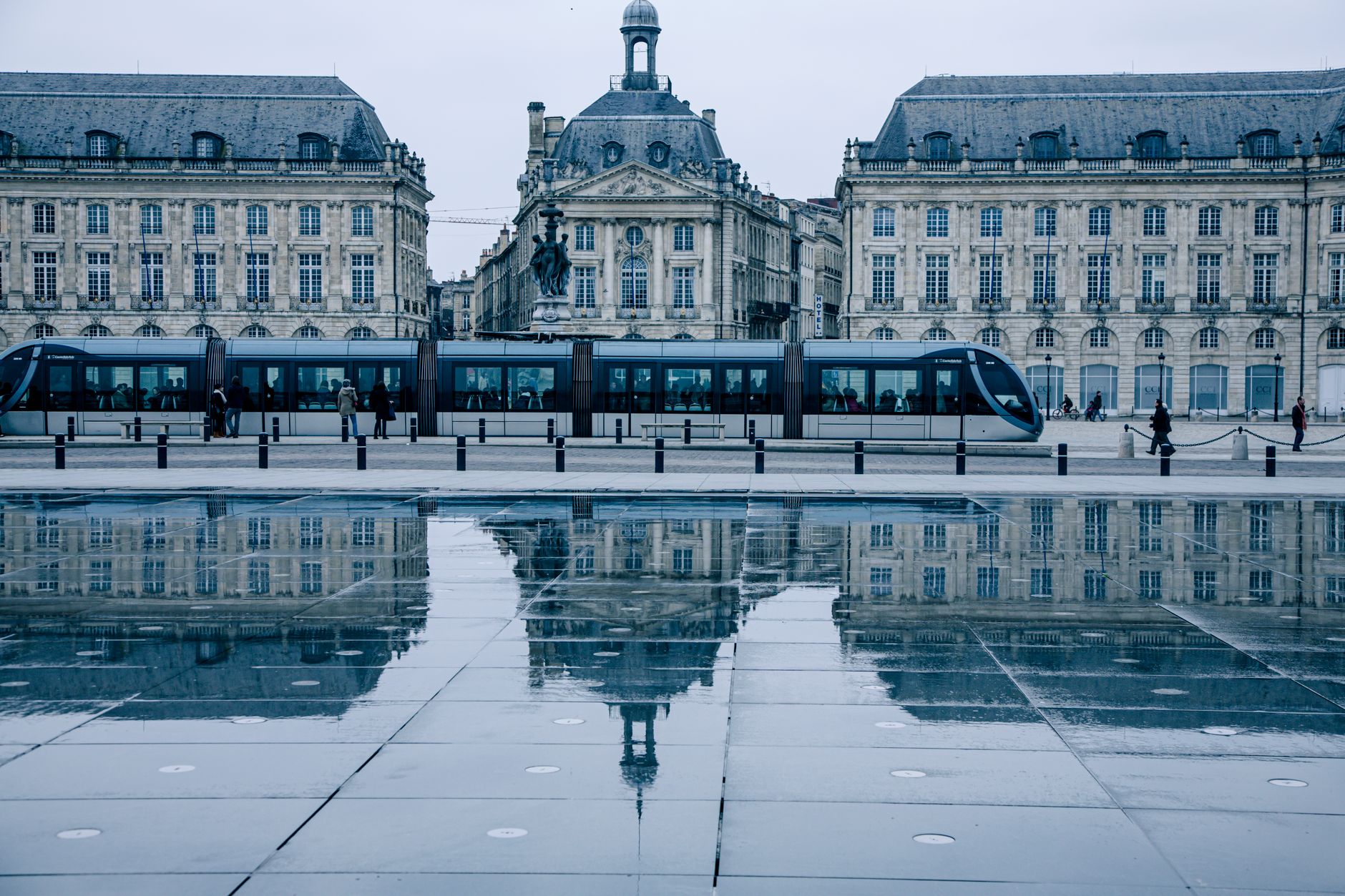
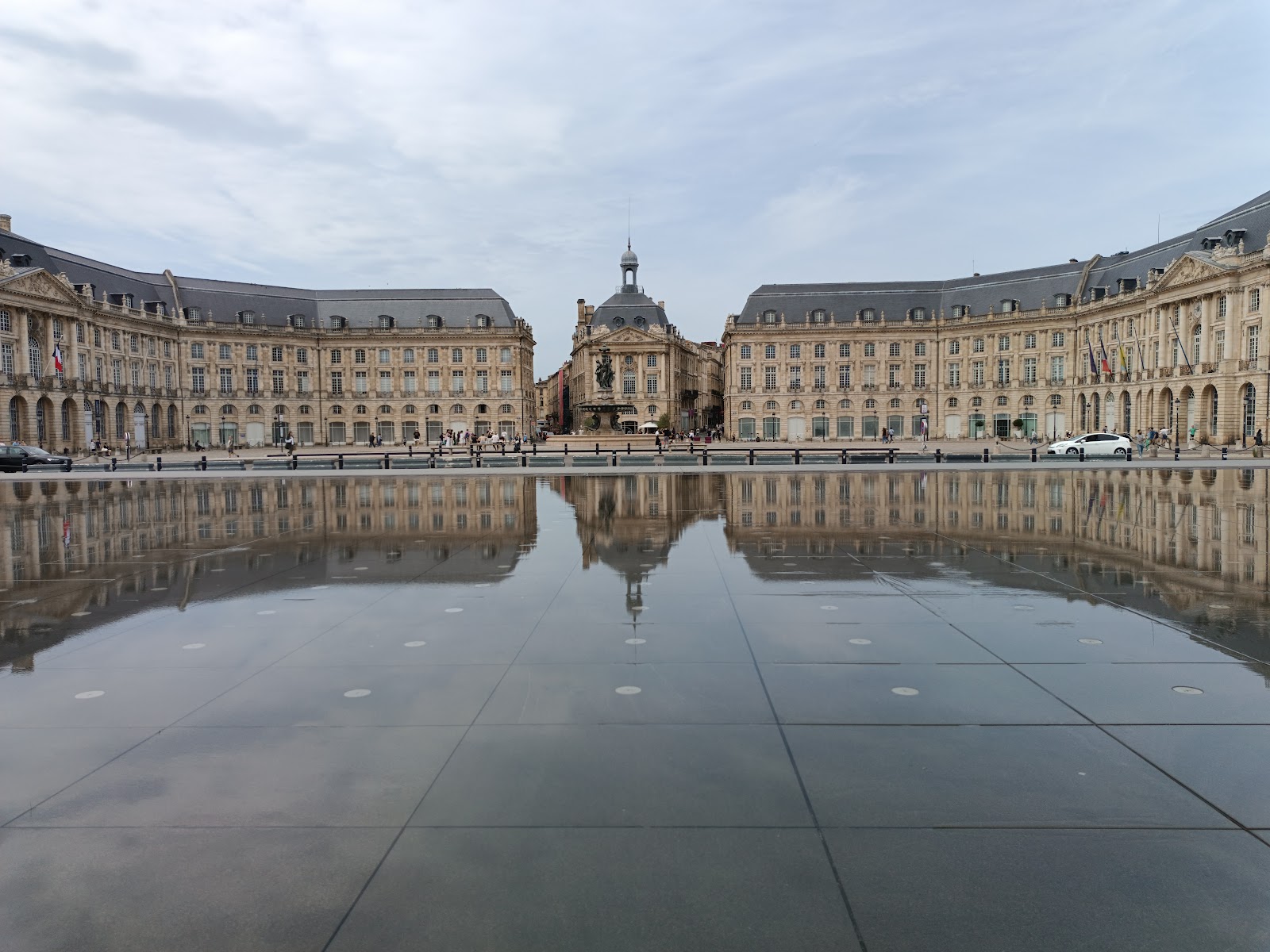
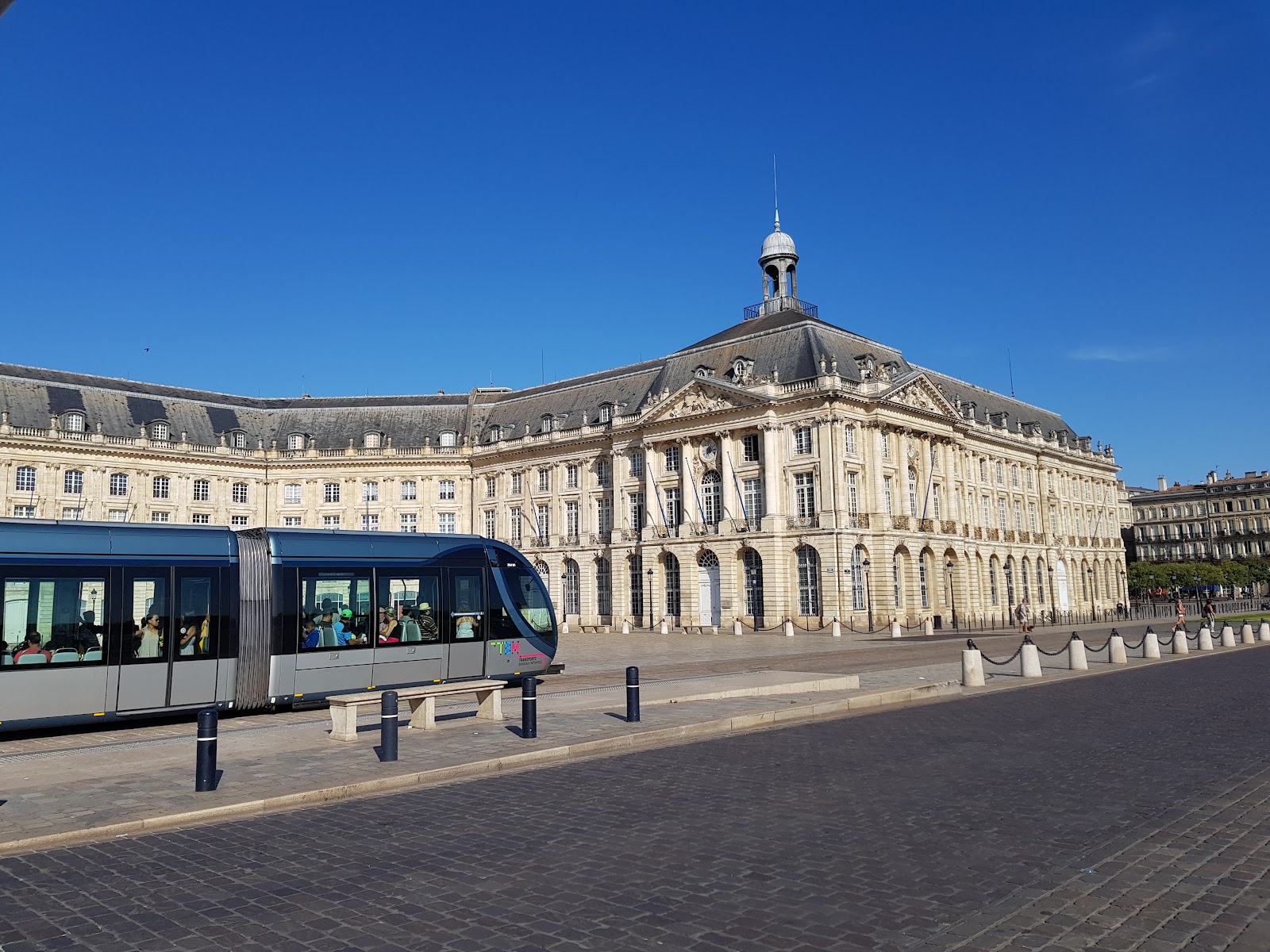
Stand at the edge of the Miroir d'eau on a still morning and the entire curved facade of Place de la Bourse appears twice — once in stone, once in two centimetres of water that the city replenishes every quarter hour with a slow drift of mist. That particular trick of light and civic ambition tells you something about Bordeaux: it has always known how to present itself.
This is a city shaped by trade, twice used as France's emergency capital, and rebuilt so thoroughly in the 18th century that its centre is now a UNESCO World Heritage site. The wine is inseparable from the story, but so is the stone, the river, and a tramway network that makes the whole thing genuinely easy to move through.
💛 What travellers fall for
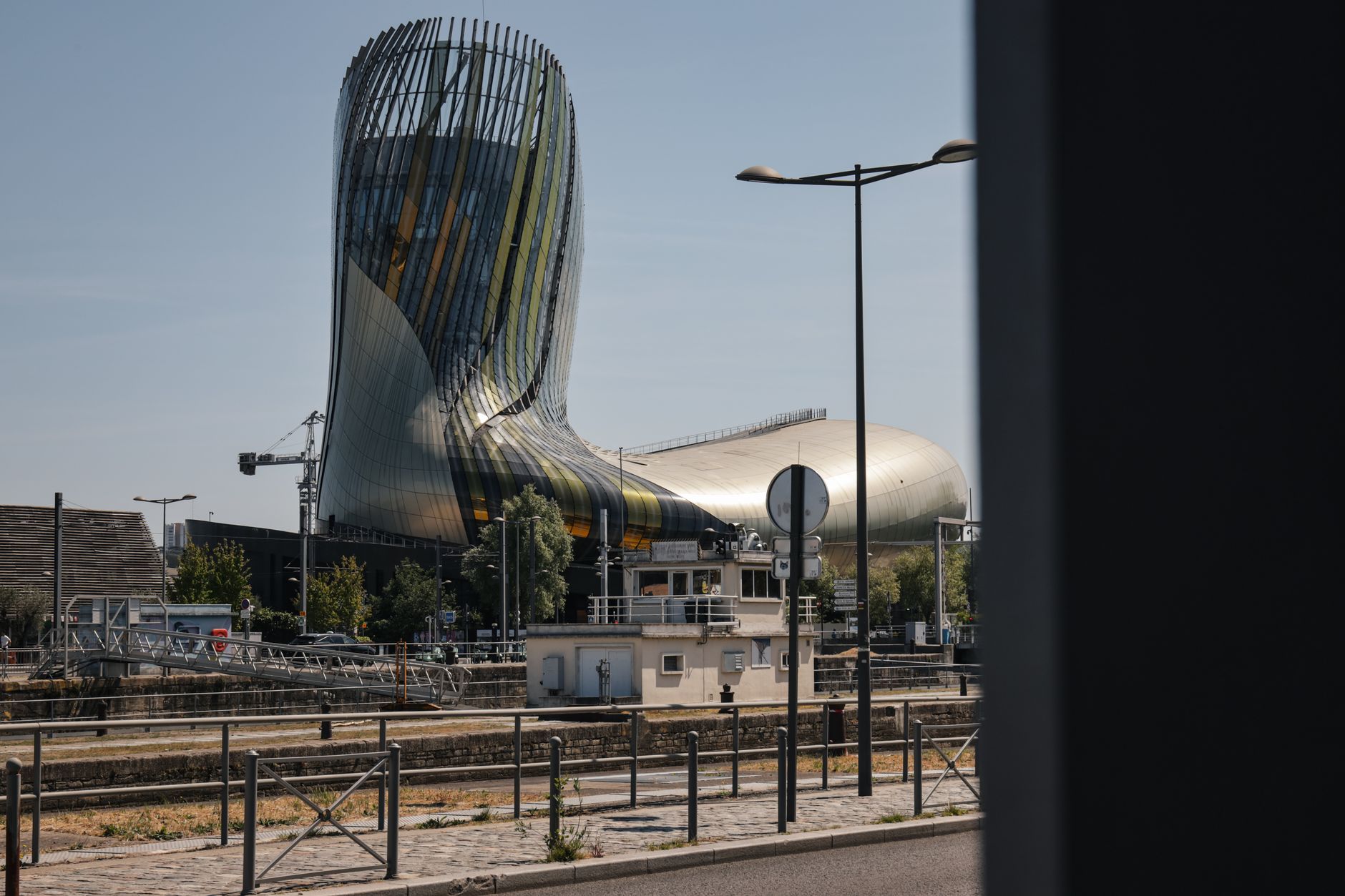
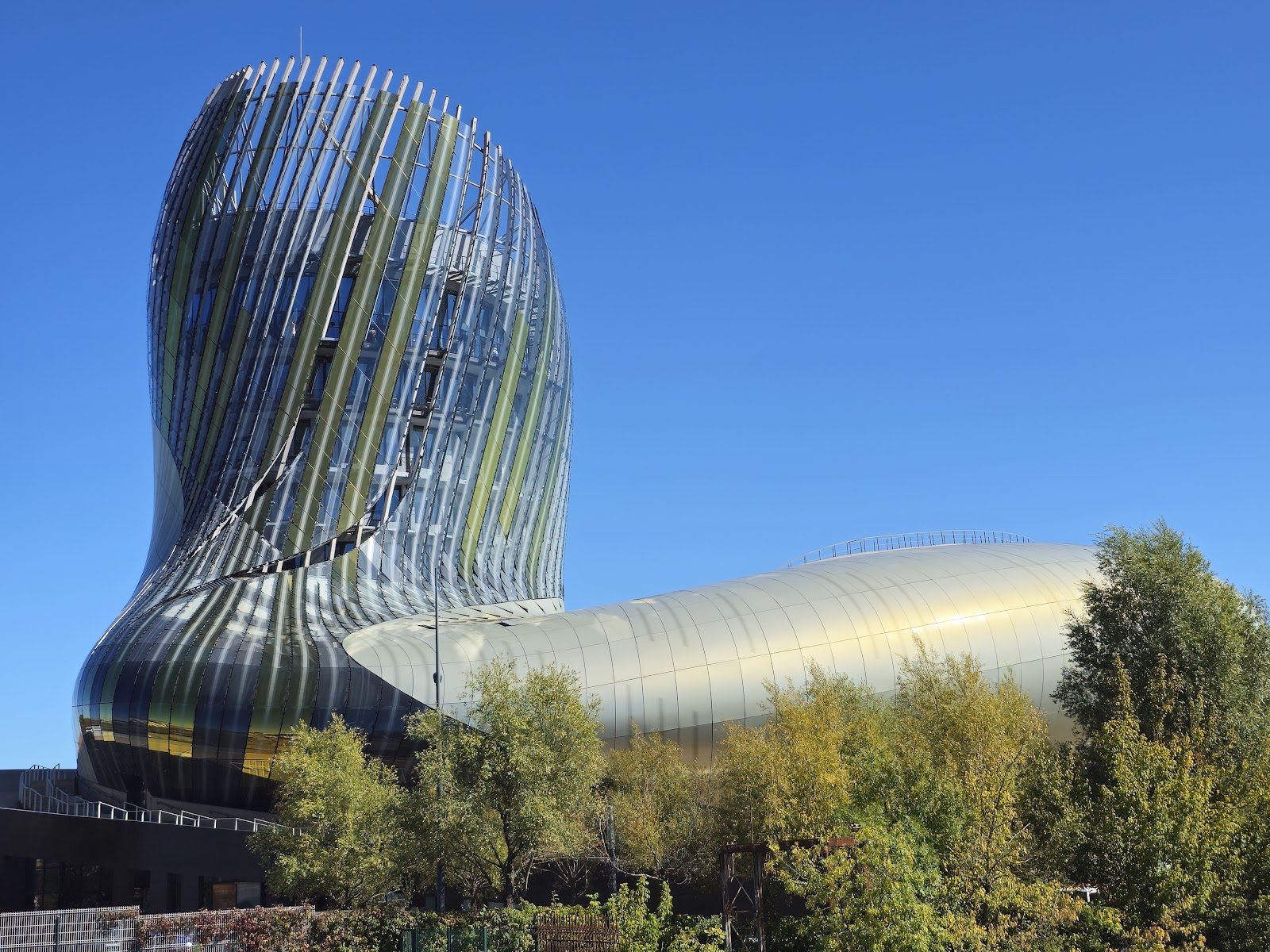
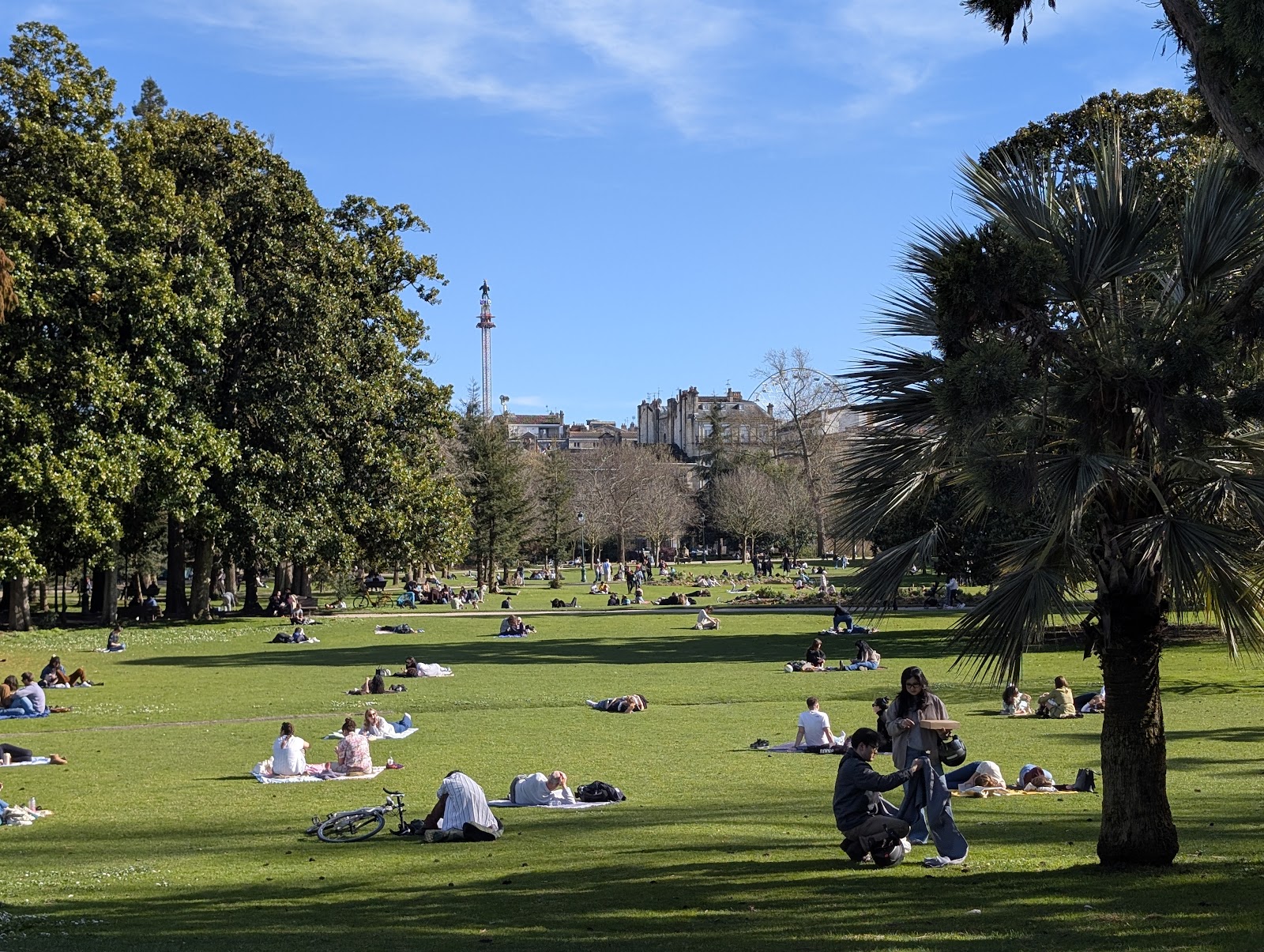
People who come back tend to mention the same ritual: take Tram A from the centre, ride it all the way out past the old port, then walk the quays south as the light changes over the Garonne. They also swear by the Cité du Vin at dusk, when the glass tower catches the last hour of sun and the crowd on the terrace thins out.
Experiences you don't want to miss




Deals in Bordeaux
Book directly at the provider

How Bordeaux came to be
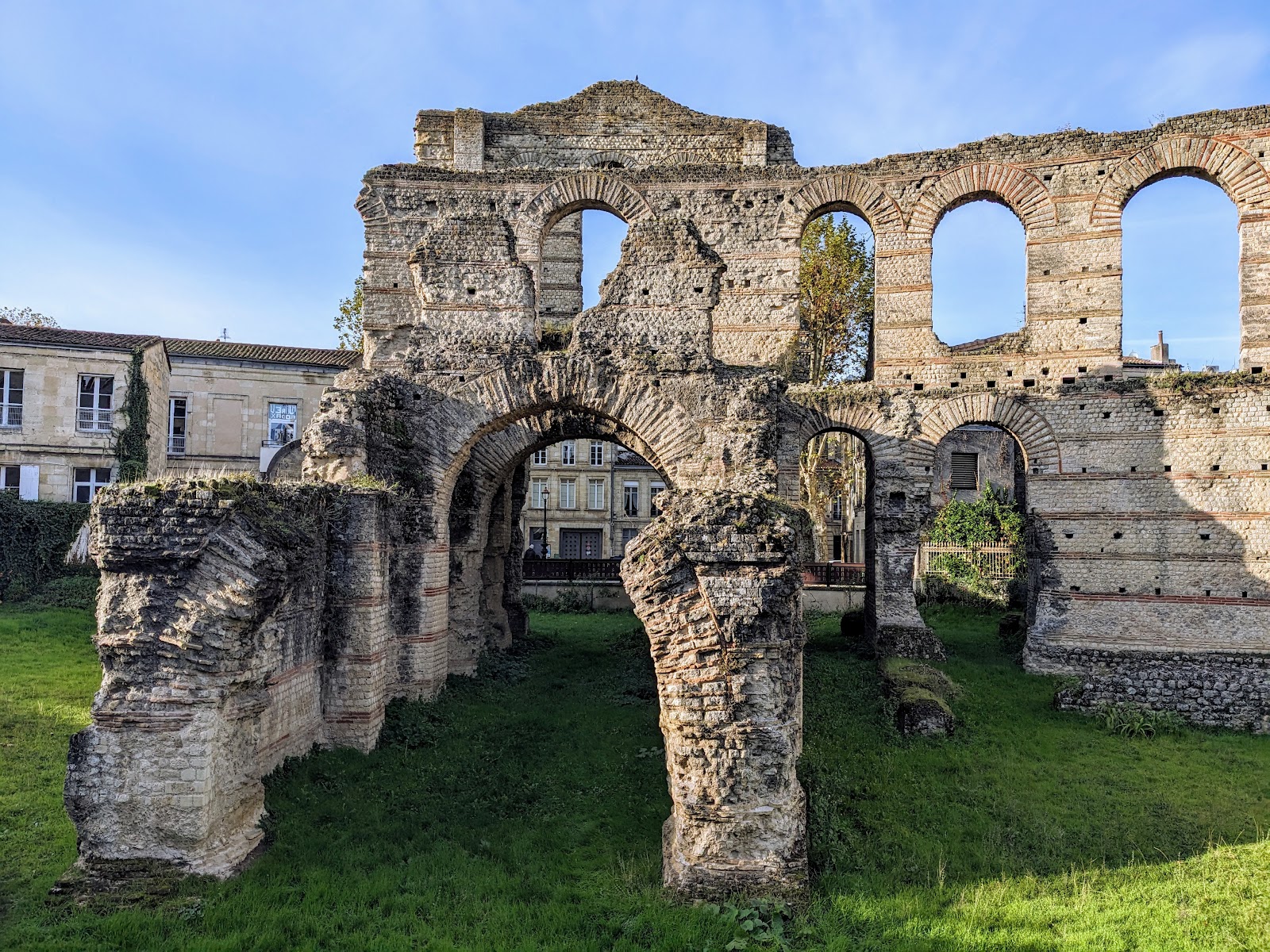
A Celtic tribe, the Bituriges Vivisques, founded Burdigala in the 3rd century BC. Rome arrived around 60 BC and made it the capital of Roman Aquitaine, a hub for lead and tin. The city's most consequential marriage came in 1152, when Eleanor of Aquitaine wed Henri Plantagenet, handing the region to English rule for three centuries. Louis XIV ended that chapter by force in 1653.
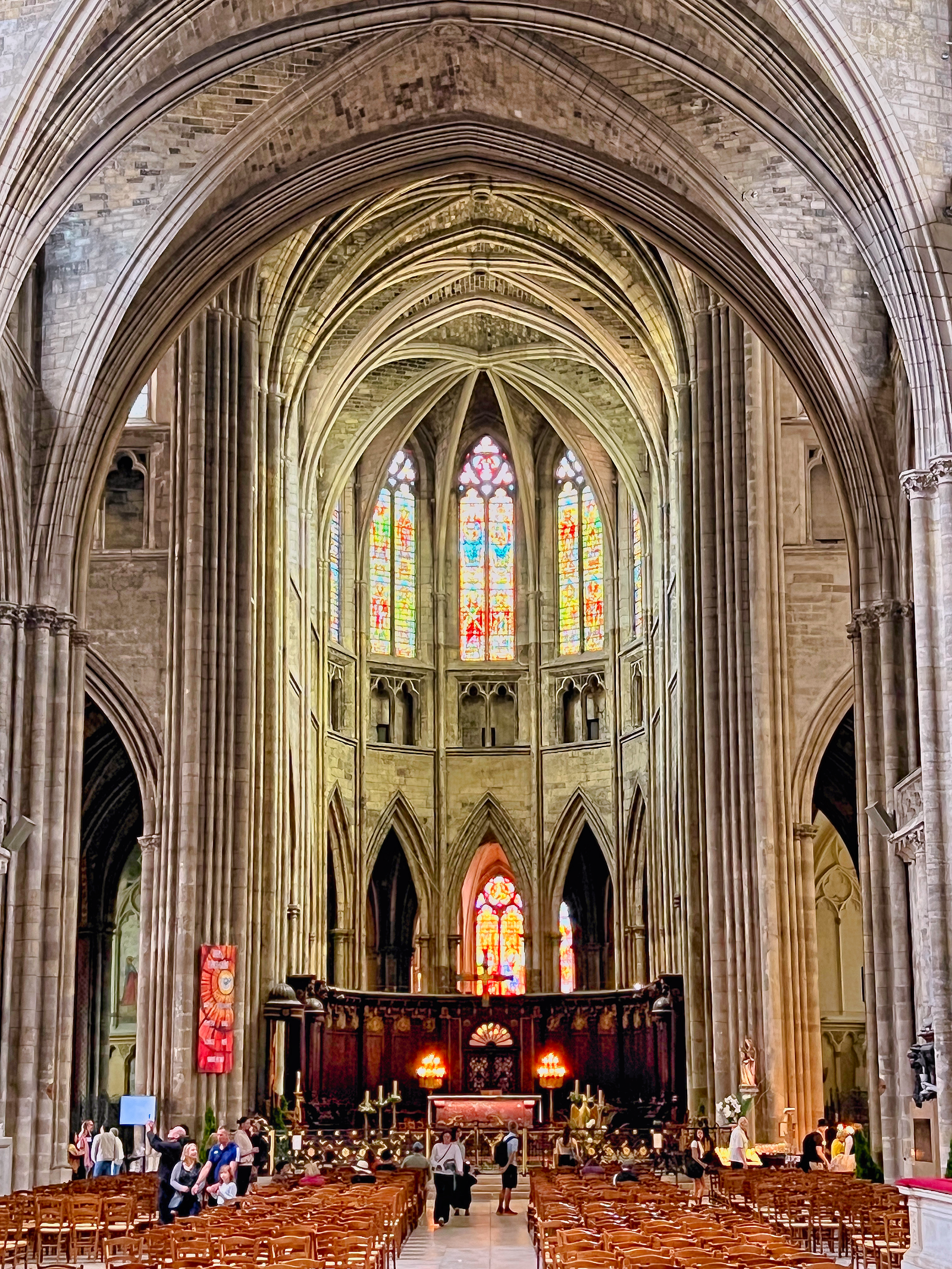
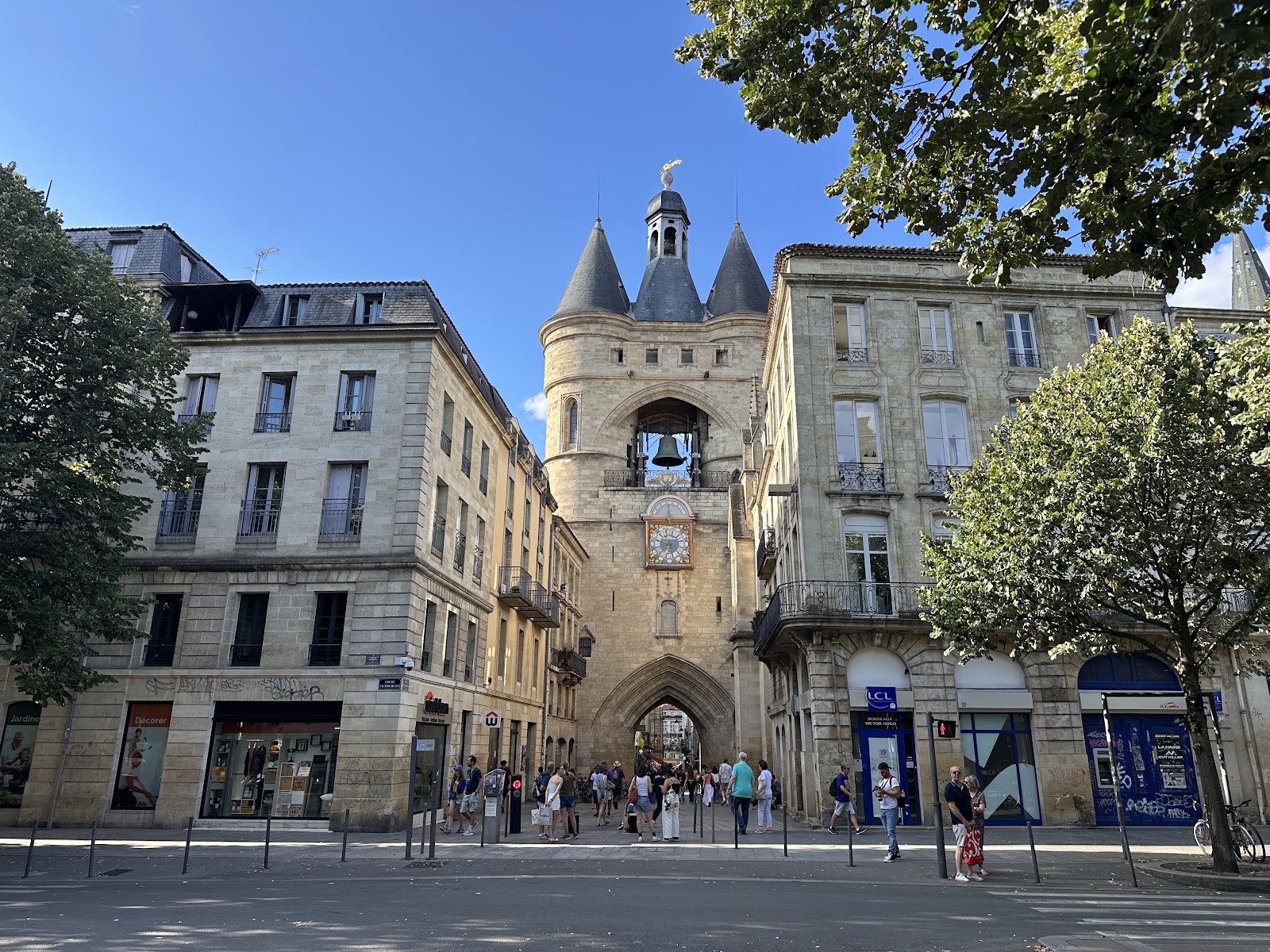
The 18th century remade the city almost entirely: architect Victor Louis designed some 5,000 buildings, and the riverfront expansion that resulted became the direct model Georges-Eugène Haussmann later used to reshape Paris. In both World Wars, the French government retreated to Bordeaux as German forces advanced — a history the city carries quietly, alongside the wine.
Who and what shaped it
People who shaped it
Landmark buildings
See Bordeaux in motion
Plan your visit
On the map
When to go
Bordeaux has an oceanic climate: summers run warm without being punishing, averaging around 22°C in August, while January sits around 7°C with frequent rain. Spring and September are the sweet spot — long evenings, dry enough to walk the quays without checking the sky every hour.
Right now
↡ Attractions

Background & history adapted from Wikipedia (CC BY-SA) · specs from Wikidata (CC0) · weather from Open-Meteo · map data © OpenStreetMap contributors · photos from Wikimedia Commons / Unsplash with per-image credit. No third-party reviews or social posts reproduced.