
Jardin Public de Bordeaux
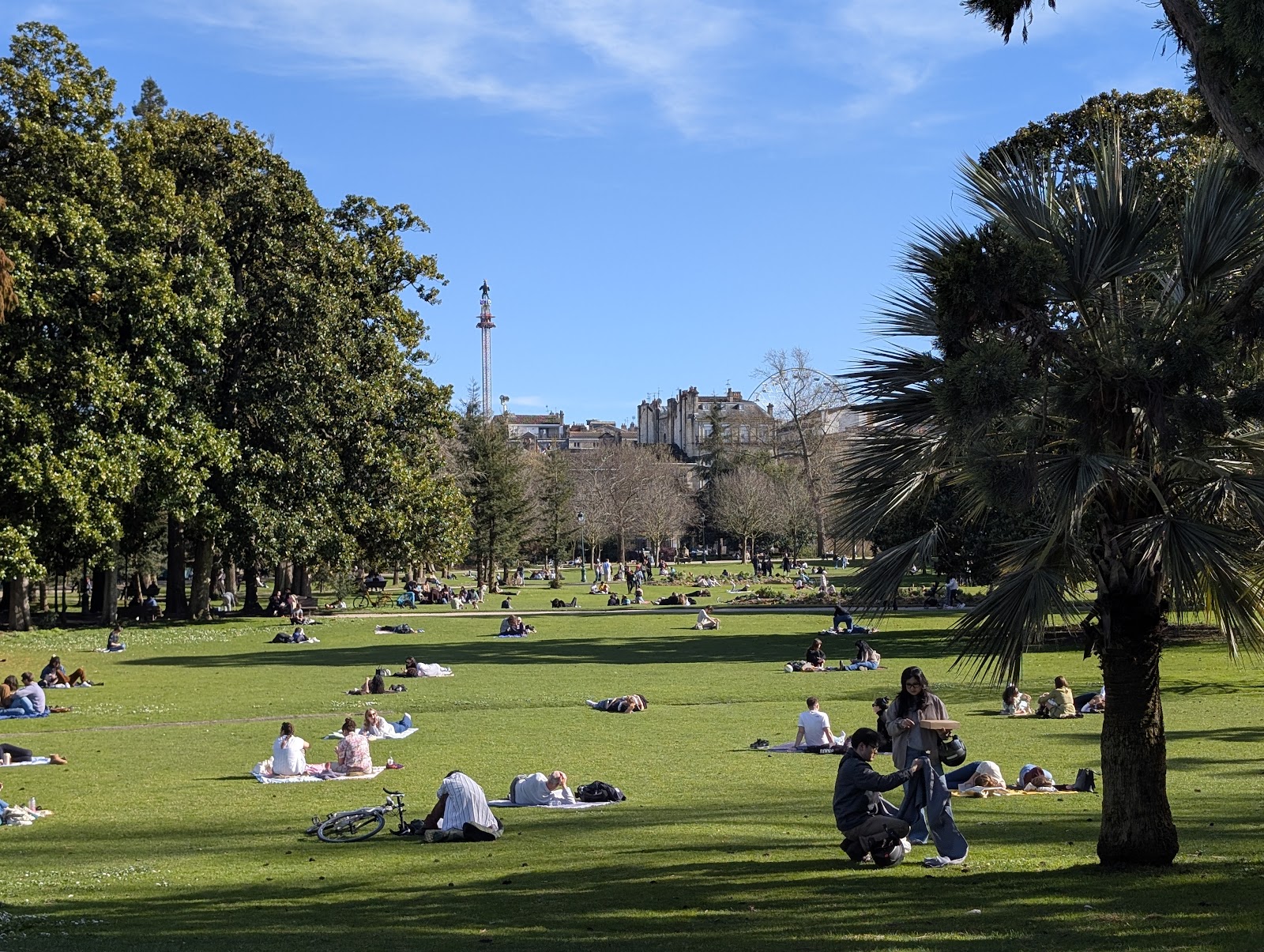
Two trees in the Jardin Public have been officially designated Remarkable Trees of France — a Mexican cypress standing 31 metres tall and a pecan that clears 38. Once you've looked up at them, the rest of the garden starts to make sense: this is a place that has been tended, argued over and remade for nearly three centuries, and it shows in the best possible way.
At 10.8 hectares, it sits in the centre of Bordeaux as a genuinely usable park rather than a ceremonial one. The grand basin draws joggers in the morning and children with model boats by afternoon. The iron-and-glass greenhouses from 1856 anchor the far end, their central pavilion rising 17.5 metres.
💛 What travellers fall for
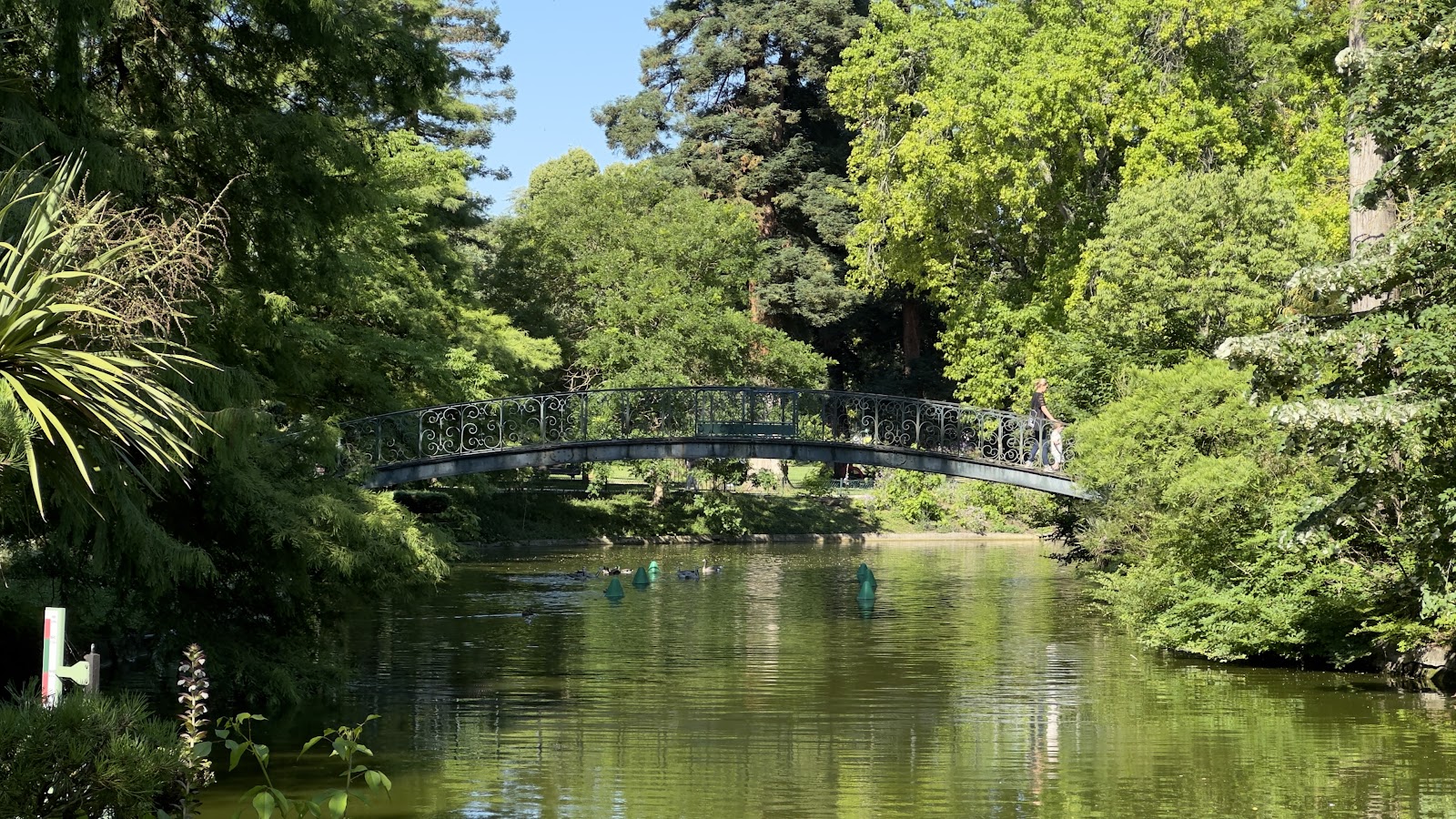
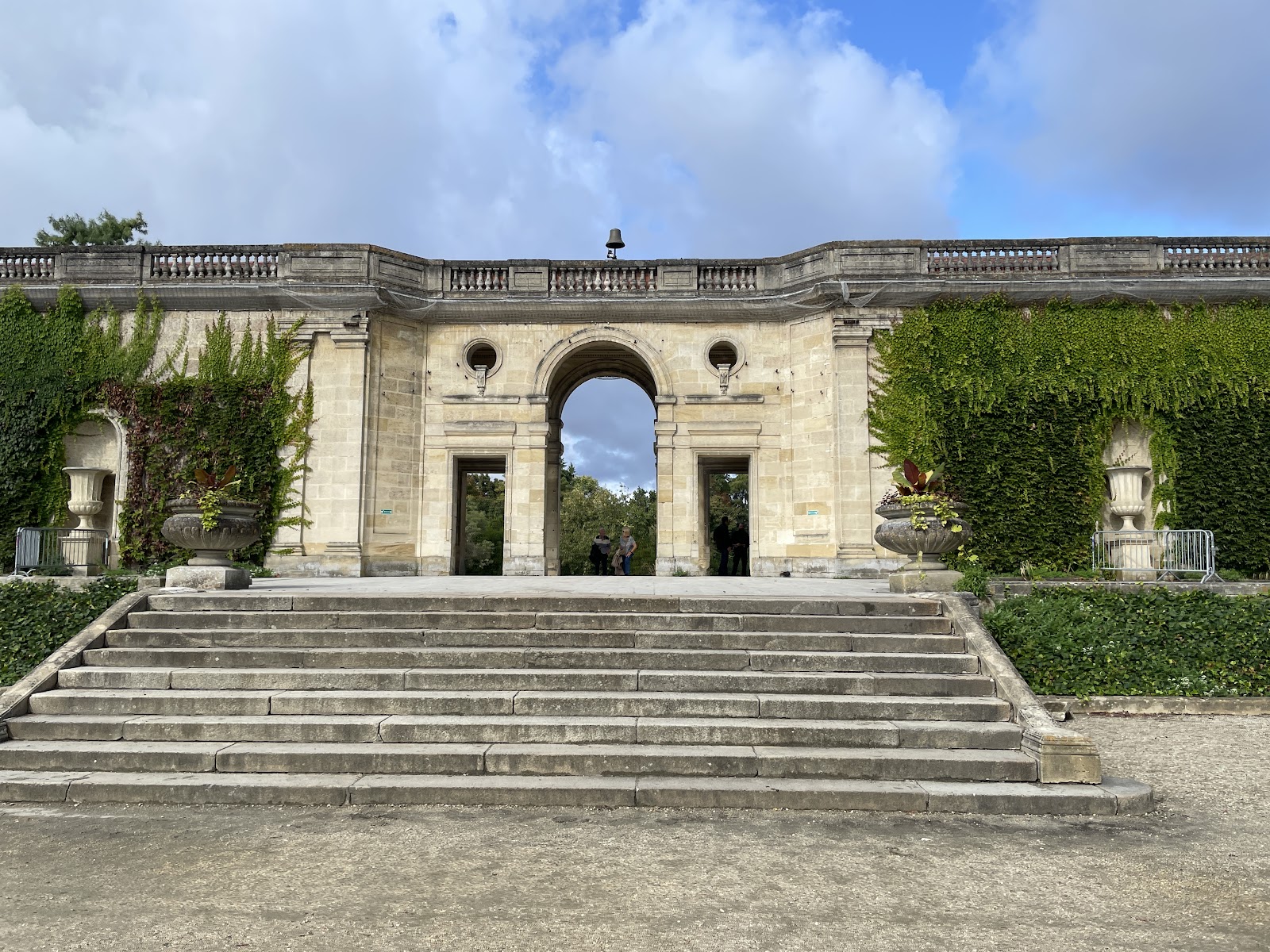
Regulars tend to enter from the rue d'Aviau side, where the 18th-century facades frame the treeline before you've even passed through the classified wrought-iron grille. The erythrina near the place Bardineau entrance — moved here around 1850 from the old botanical garden — is worth finding. The electric boat Va, Petit Mousse runs for €3.50 and carries twelve; worth it for the unhurried angle on the basin.
The story behind Jardin Public de Bordeaux
The garden was projected in 1746 by the intendant Tourny and designed by Ange-Jacques Gabriel — making it the first garden in France conceived from the outset as a public space. Laid out in the formal French manner, it took roughly a decade to complete. In 1858, landscape architect Louis-Bernard Fischer overhauled it entirely, replacing the geometry with the looser, naturalistic lines of an English garden.
The iron-and-glass greenhouses were built in 1856 by architect Charles Burguet, the same year the grand basin took its serpentine form. The Hôtel de Lisleferme, built in 1781, now houses the Natural History Museum. The Guérin family has run the Guignol puppet theatre here since 1853. The garden was listed as a historical monument in 1935.
Good to know
Tram C stops at Jardin Public; buses 2, 26 and 29 also serve the area. Entry is free and gates open as early as 7am. Autumn brings the best foliage. The café-restaurant L'Orangerie handles lunch without fuss.
Summer evenings, when the gates stay open until 9pm, are the long unhurried hours the garden was made for. Autumn is when the canopy earns its reputation — the colour peaks around the basin and under the remarkable trees.
Where is Jardin Public de Bordeaux?
More tickets & tours for Jardin Public de Bordeaux
Book directly at the provider
What travellers say about Jardin Public de Bordeaux
We stumbled into Jardin Public on a sunny afternoon and ended up staying way longer than planned. This park is an absolute gem in Bordeaux. It was actually the first garden in France designed specifically for the public. You can watch ducks, geese, and carp swimming around. A small botanical garden at the back with plants from around the world, the Natural History Museum right on the edge, and plenty of statues and 18th-century buildings scattered throughout. If you have kids, there's a playground, an old-fashioned carousel, and even a Guignol puppet theatre that's been running since 1853.
Very beautiful relaxing park to visit. Lovely birds there and beautiful trees.
The most beautiful public park and botanical garden, all for free! It was so breathtaking to explore this large park and see so many people lounging in the grass or playing with kids. We even saw a group of like 50 people dancing in couples to lively old-schooled music! The dogs were all so behaved and friendly as well. And there’s so much shade that you can get a break from having too much sun. There’s a little river and bridges that go over that are so fun to watch the huge fish and ducks swim in! Highly recommend for a safe outdoors experience to get your steps in.
Wonderful public gardens close to centre of Bordeaux, the Orangerie Cafe is a lovely spot for a noisette and cake, also the natural history museum is worth a visit - especially if it's raining.
Beautiful park, quite spacious. A culture shock for me was people in bathing suits 👙 on the lawn sunbathing! (As a South African) At first I thought "there has to be a swimming pool in this park with so many people in bathing suits" turn out no 😄😄
More of Bordeaux
Discover where to stay, what to do and the best deals for your trip.
Explore Bordeaux →More attractions in Bordeaux
All of Bordeaux →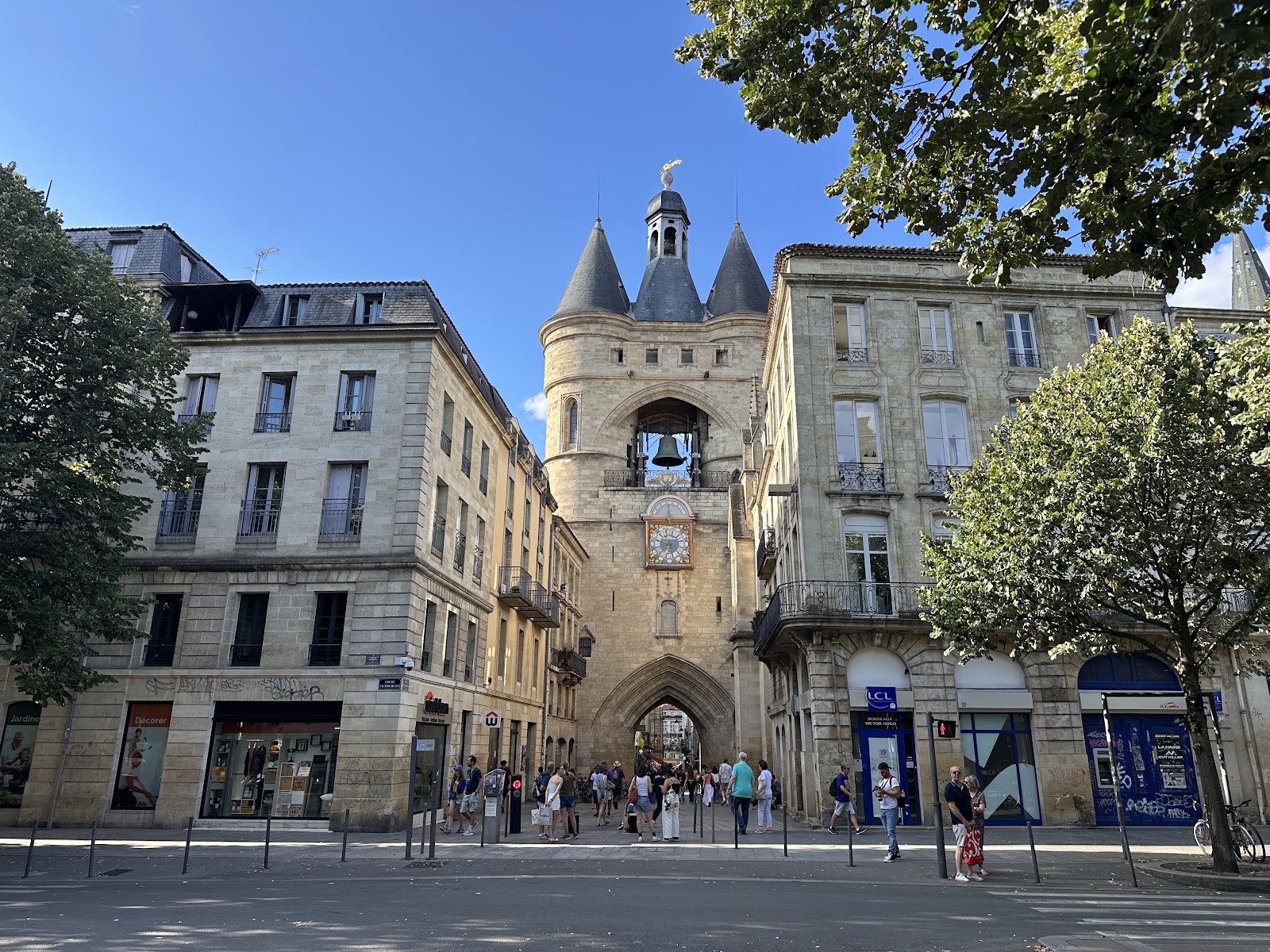
Background adapted from Wikipedia (CC BY-SA) · map data © OpenStreetMap contributors · ratings & place photos via Google · other photos with per-image credit. Ticket links may earn us a commission at no extra cost to you.