
Toulouse
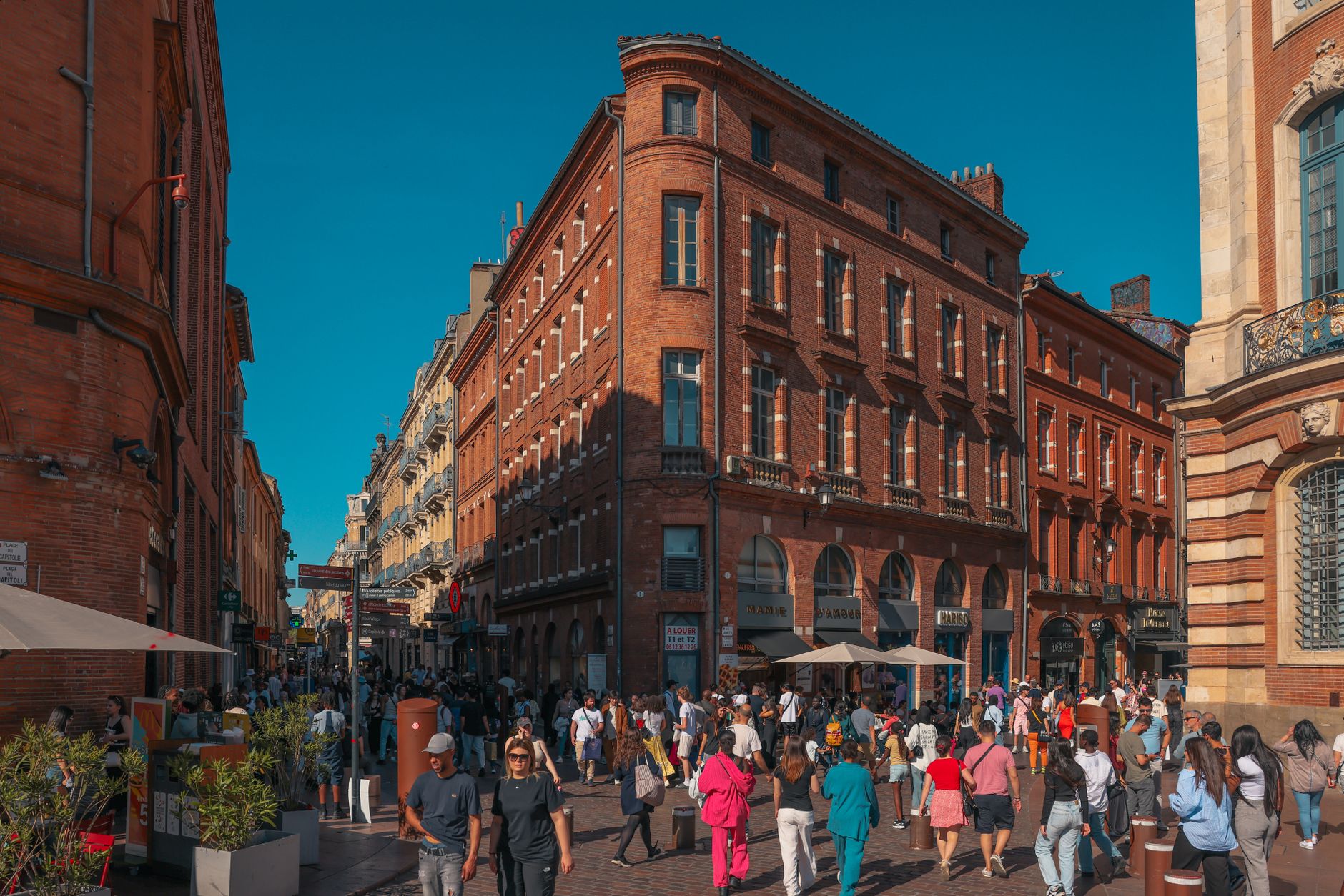
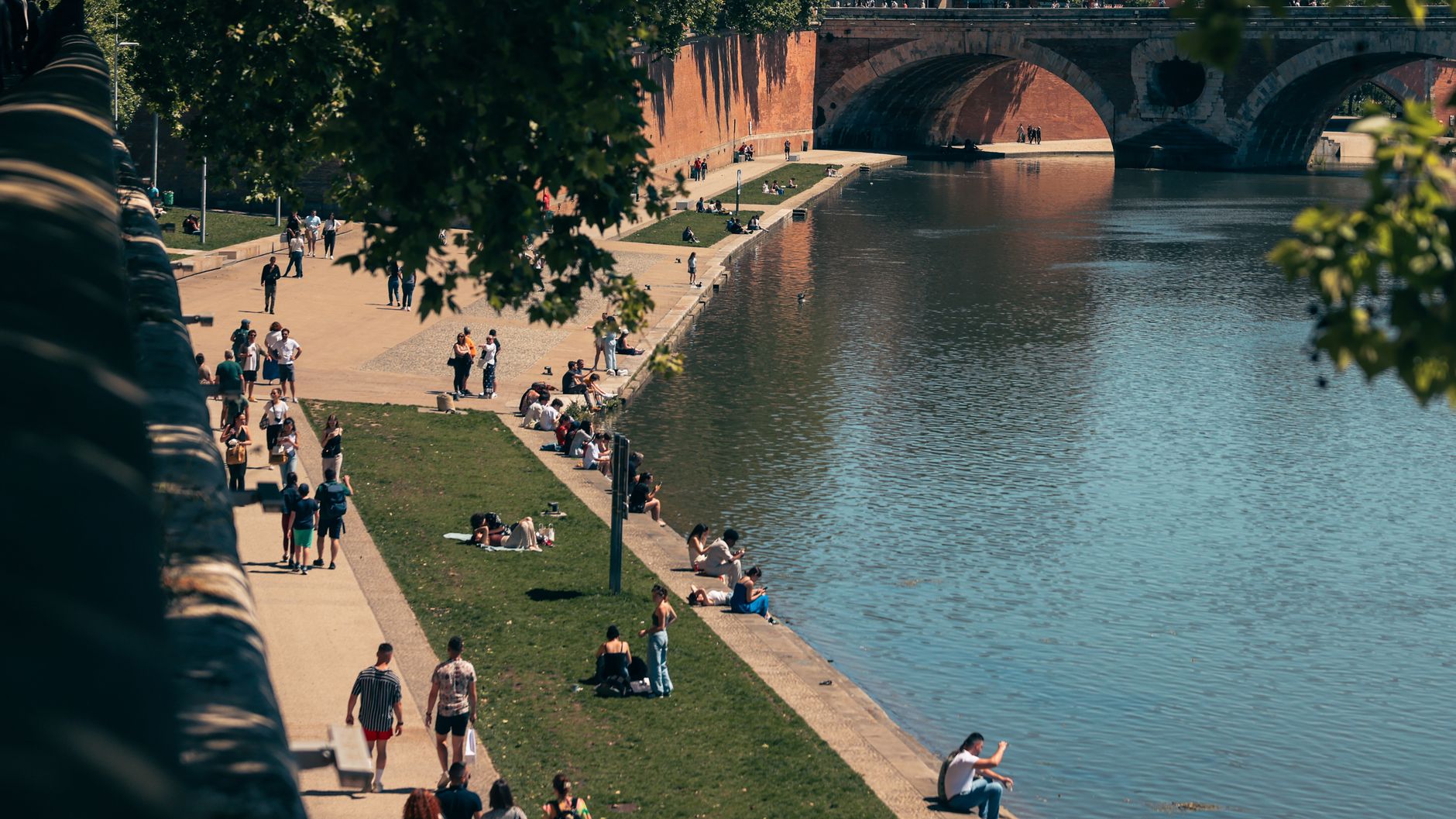
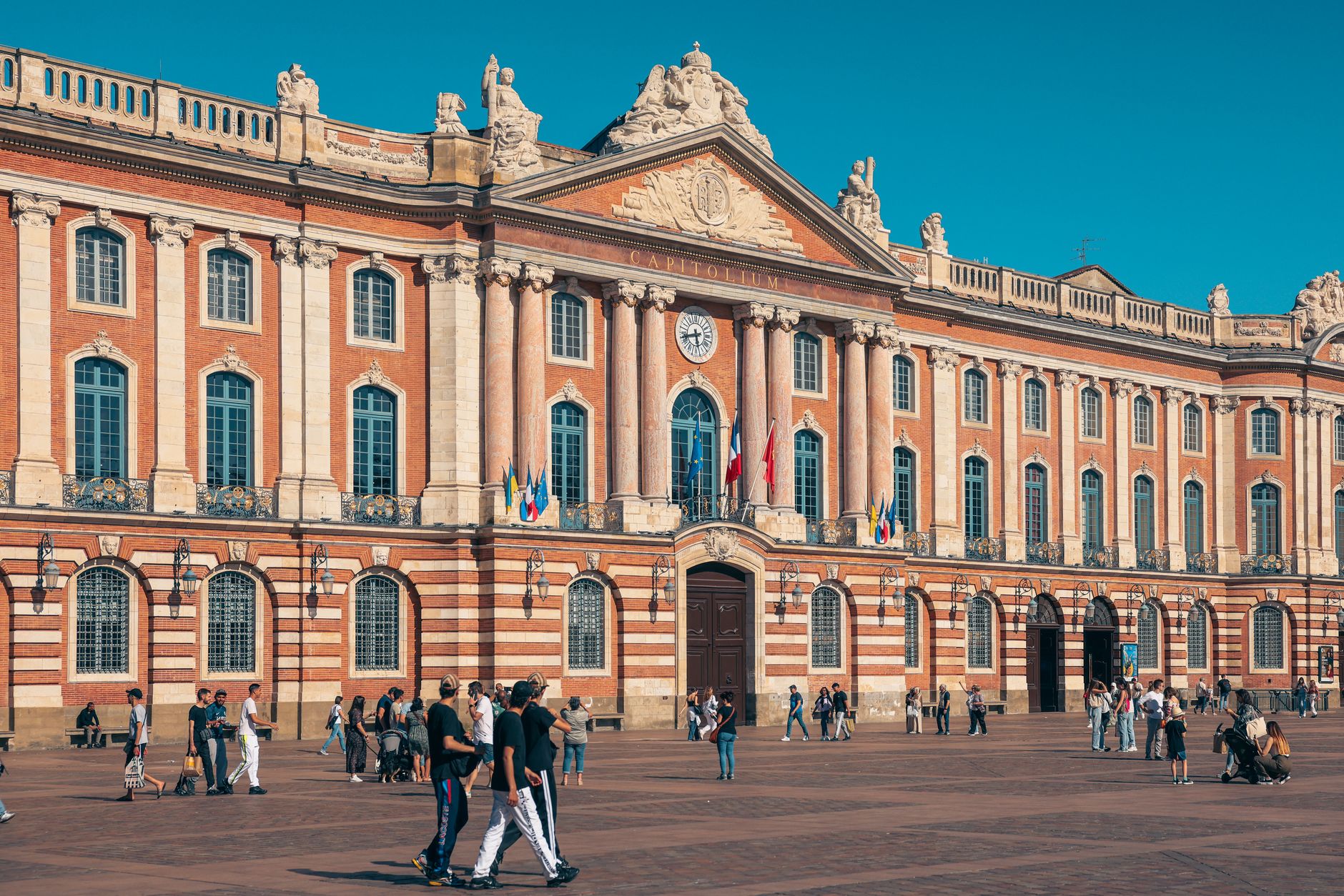
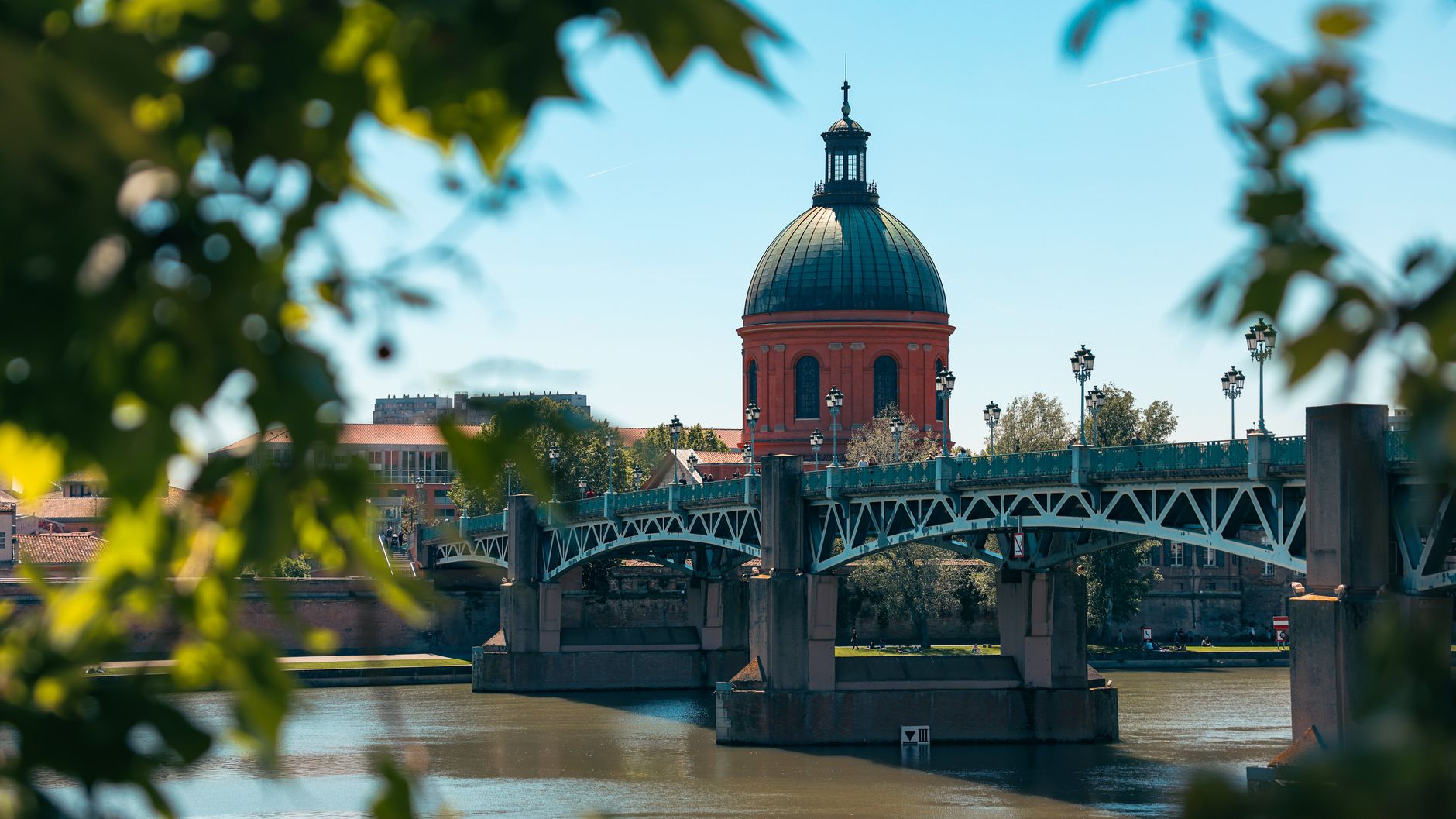
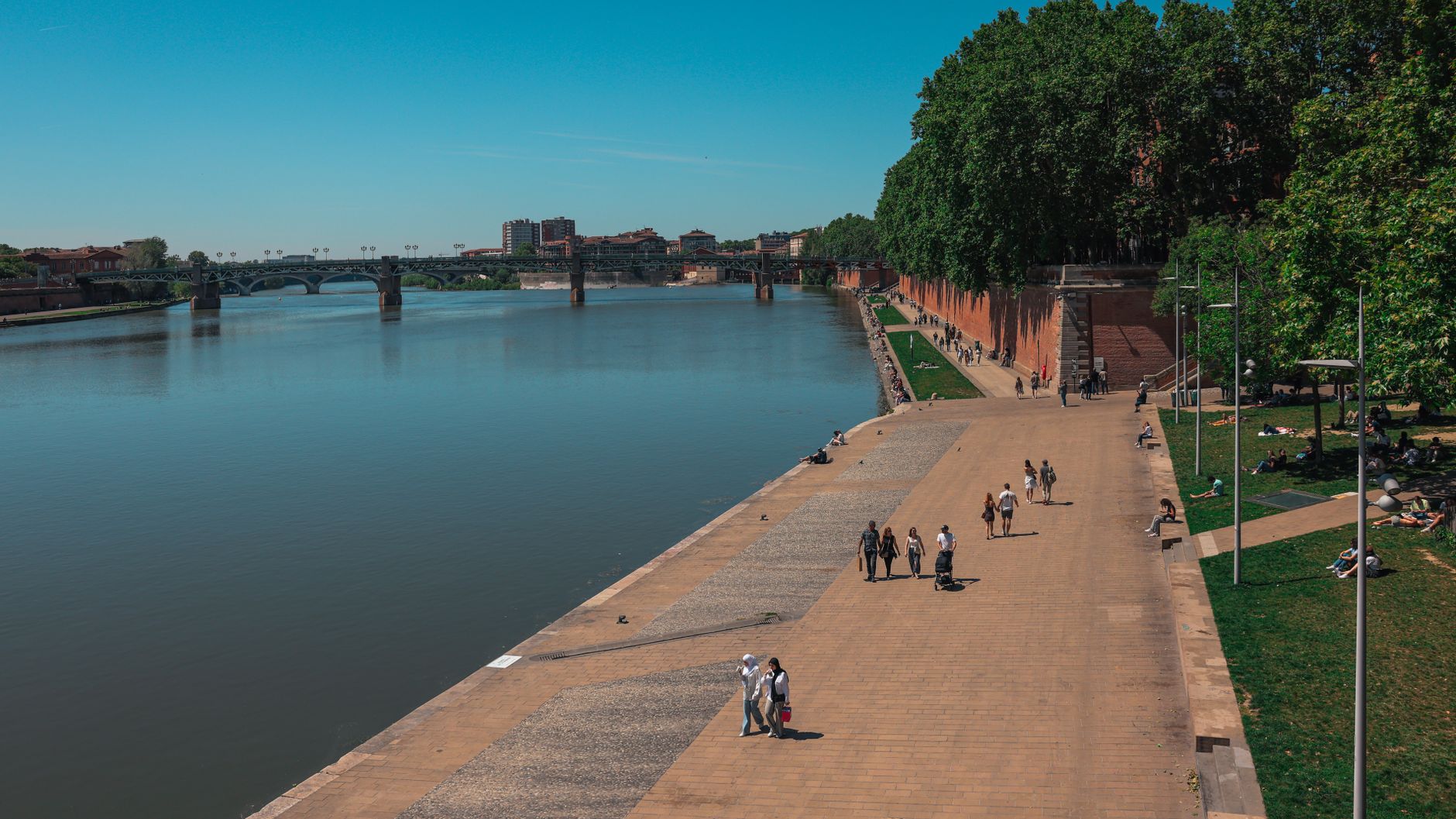
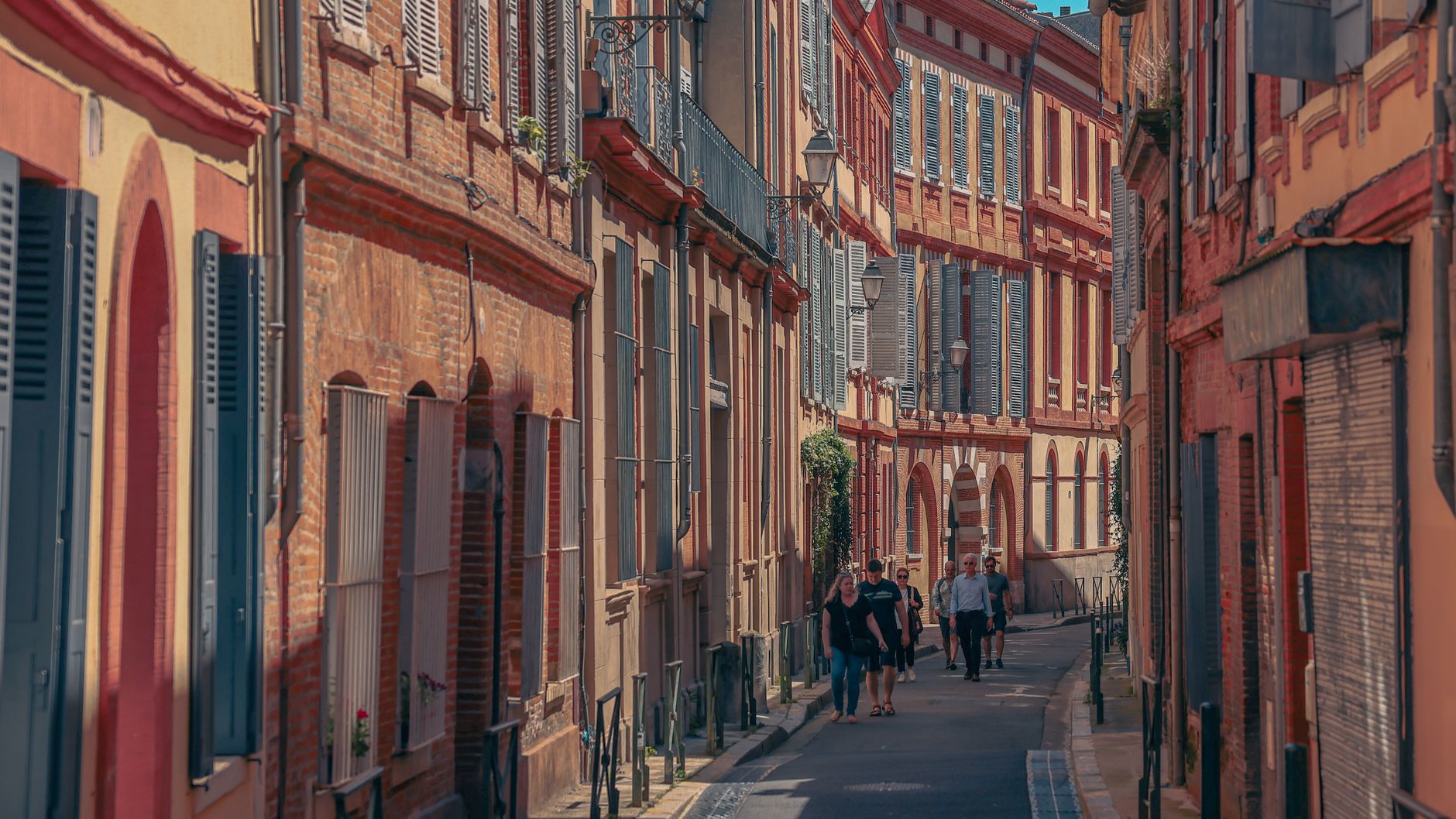
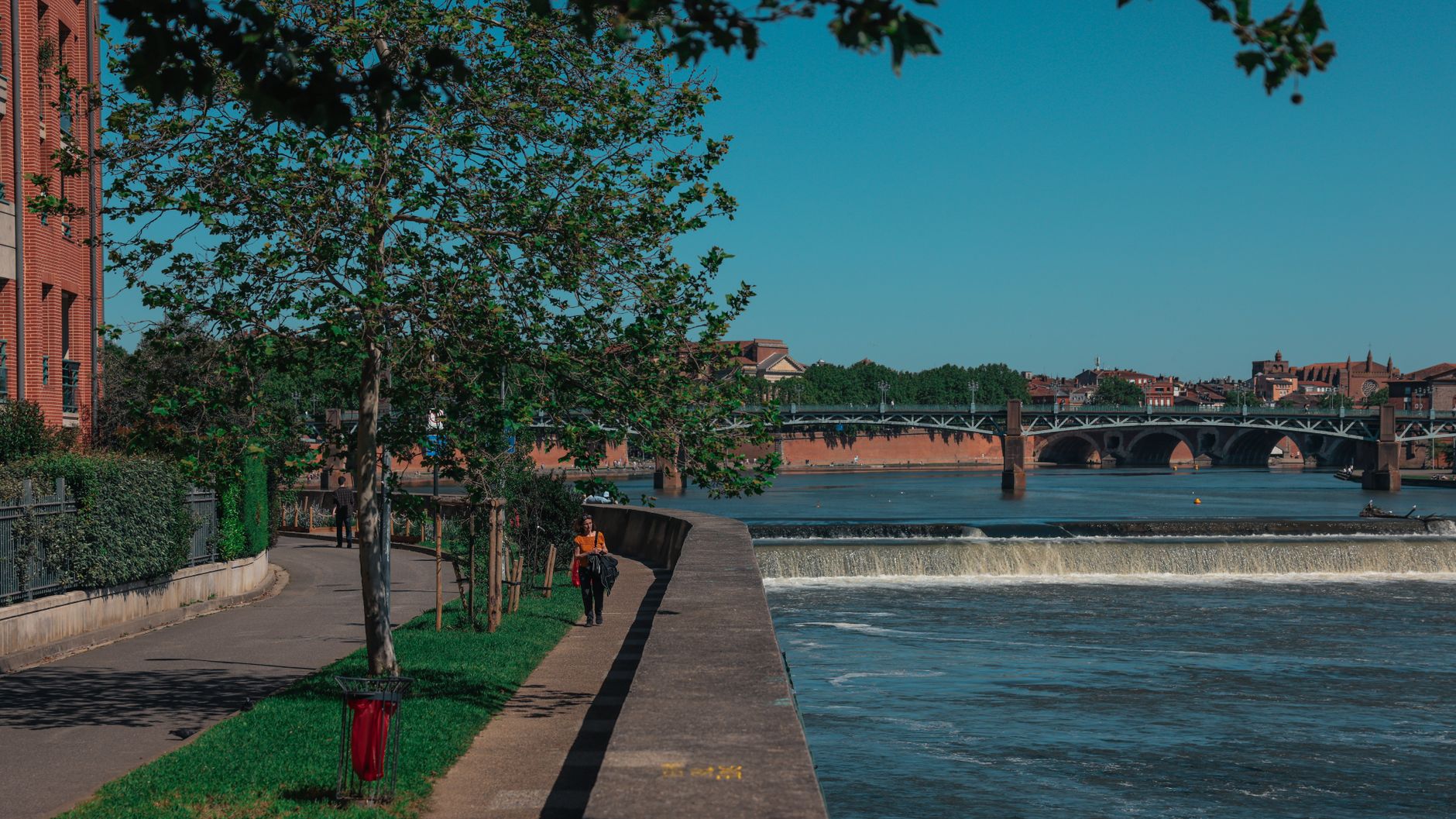
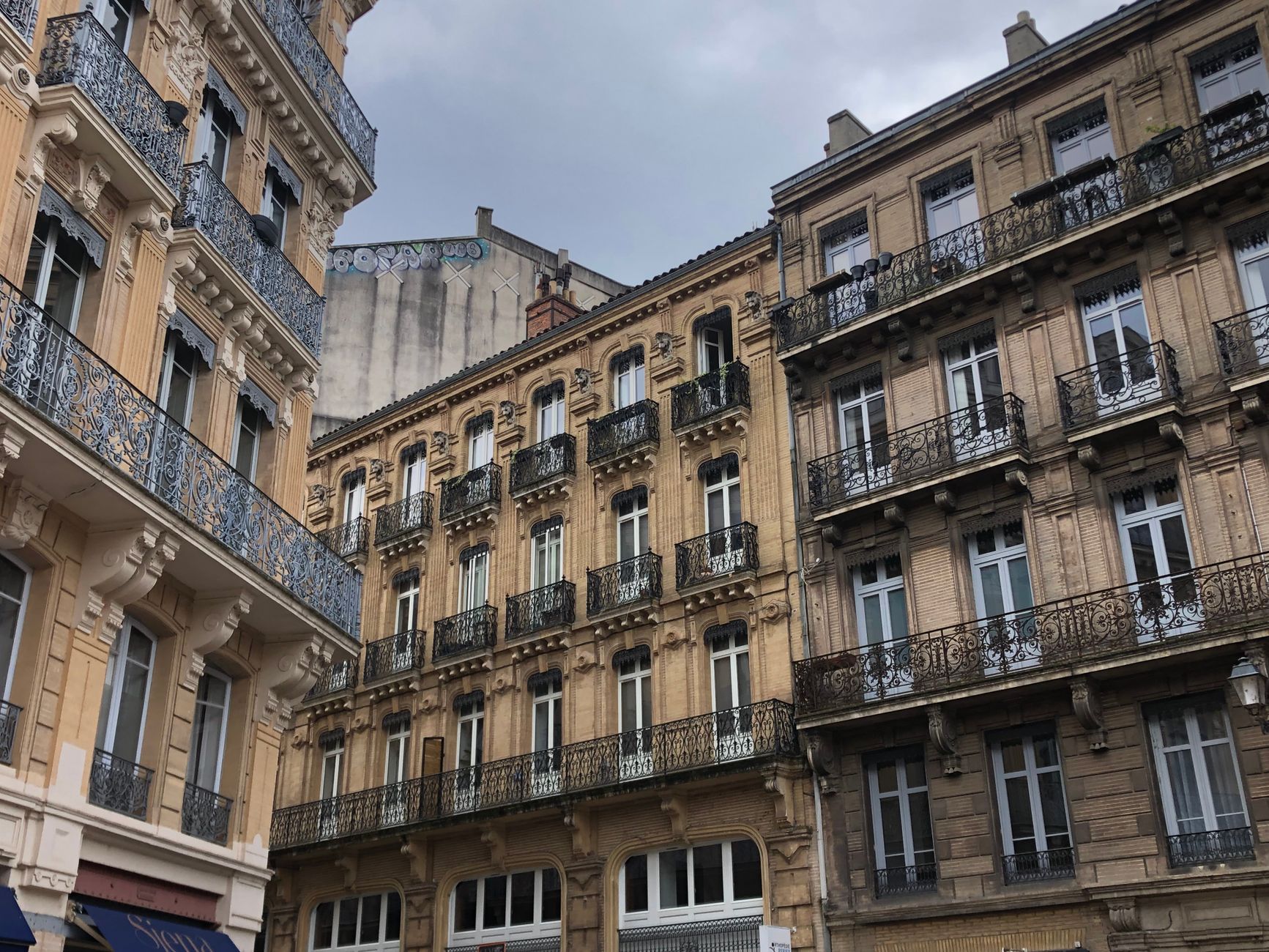
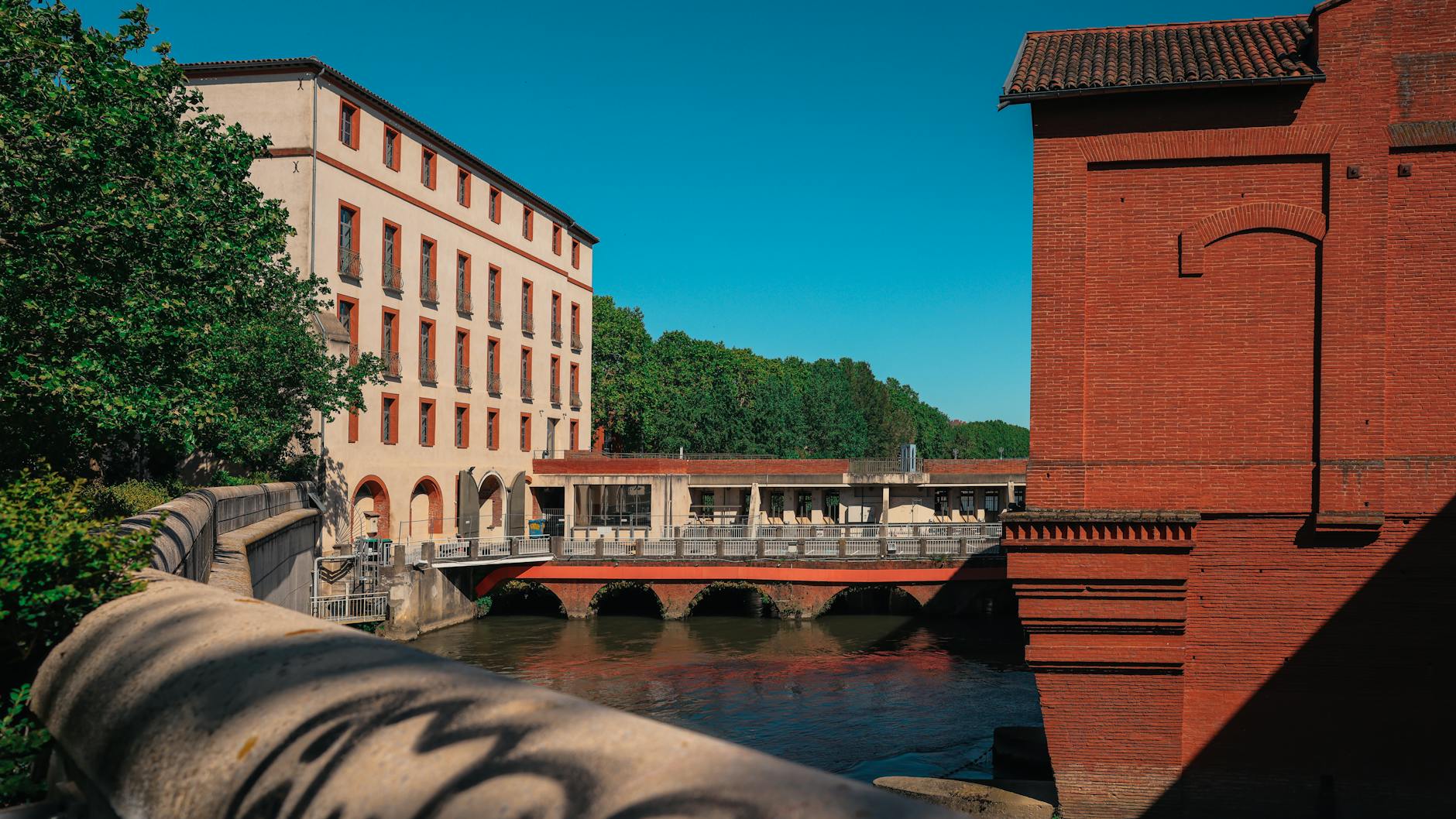
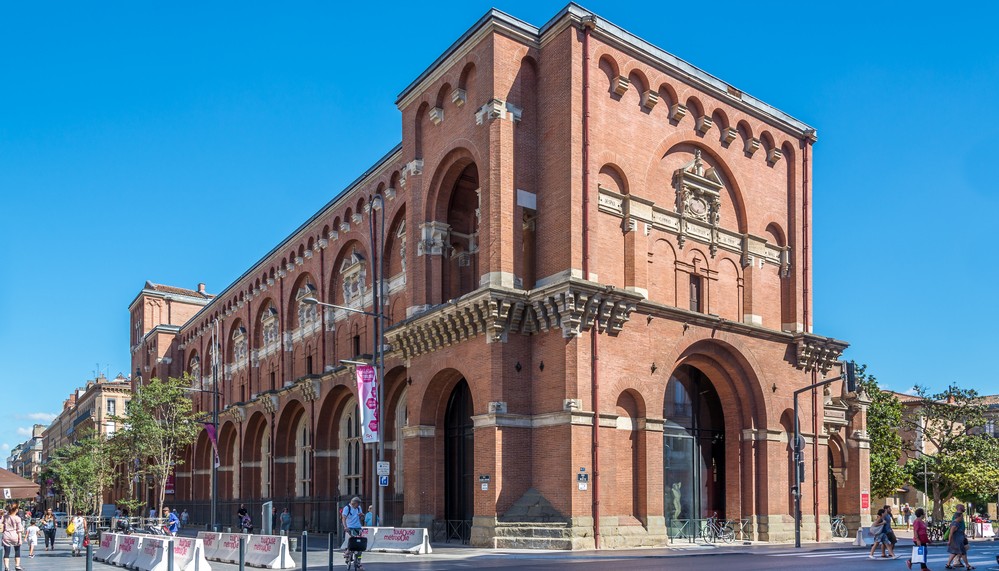
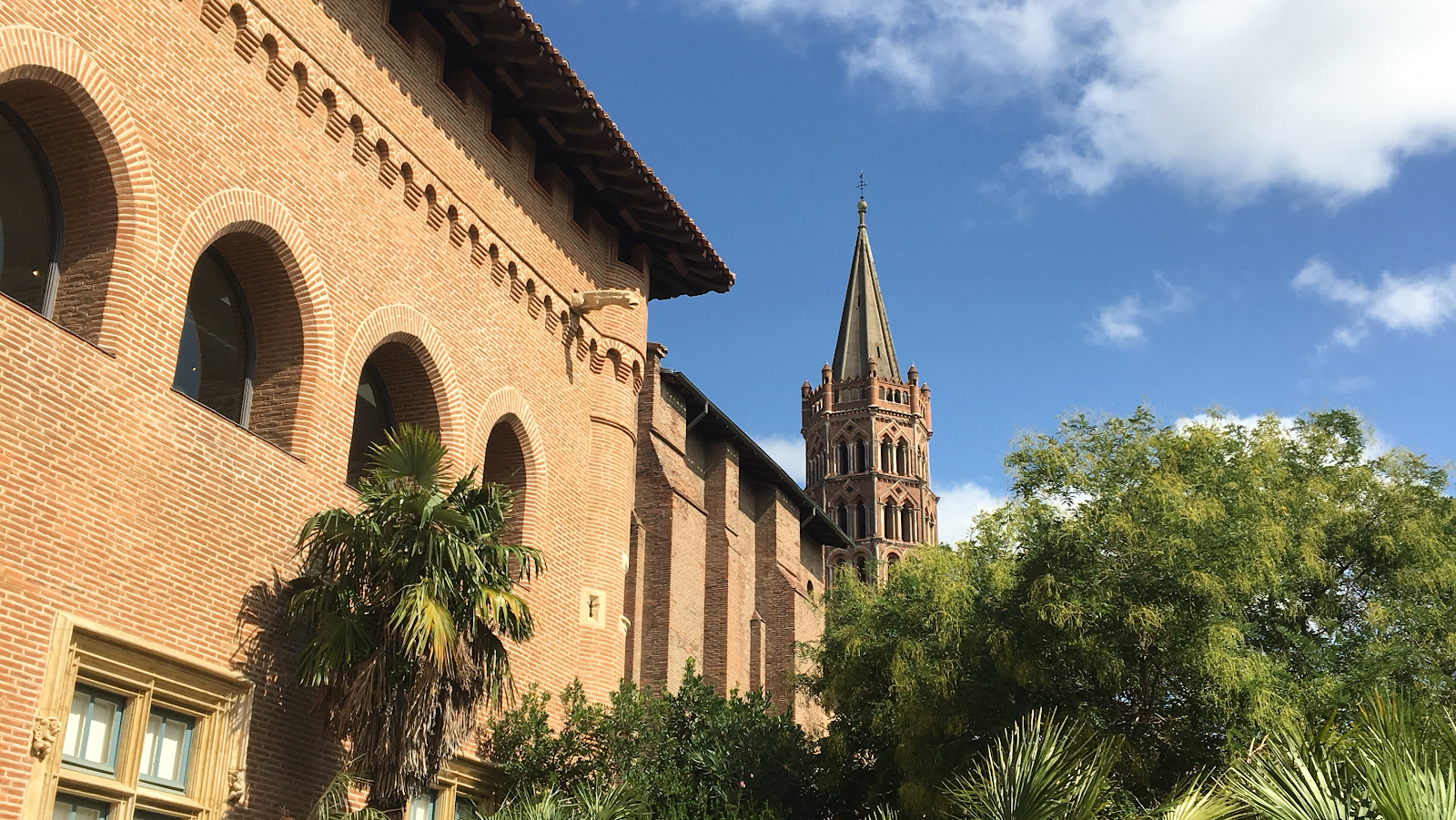
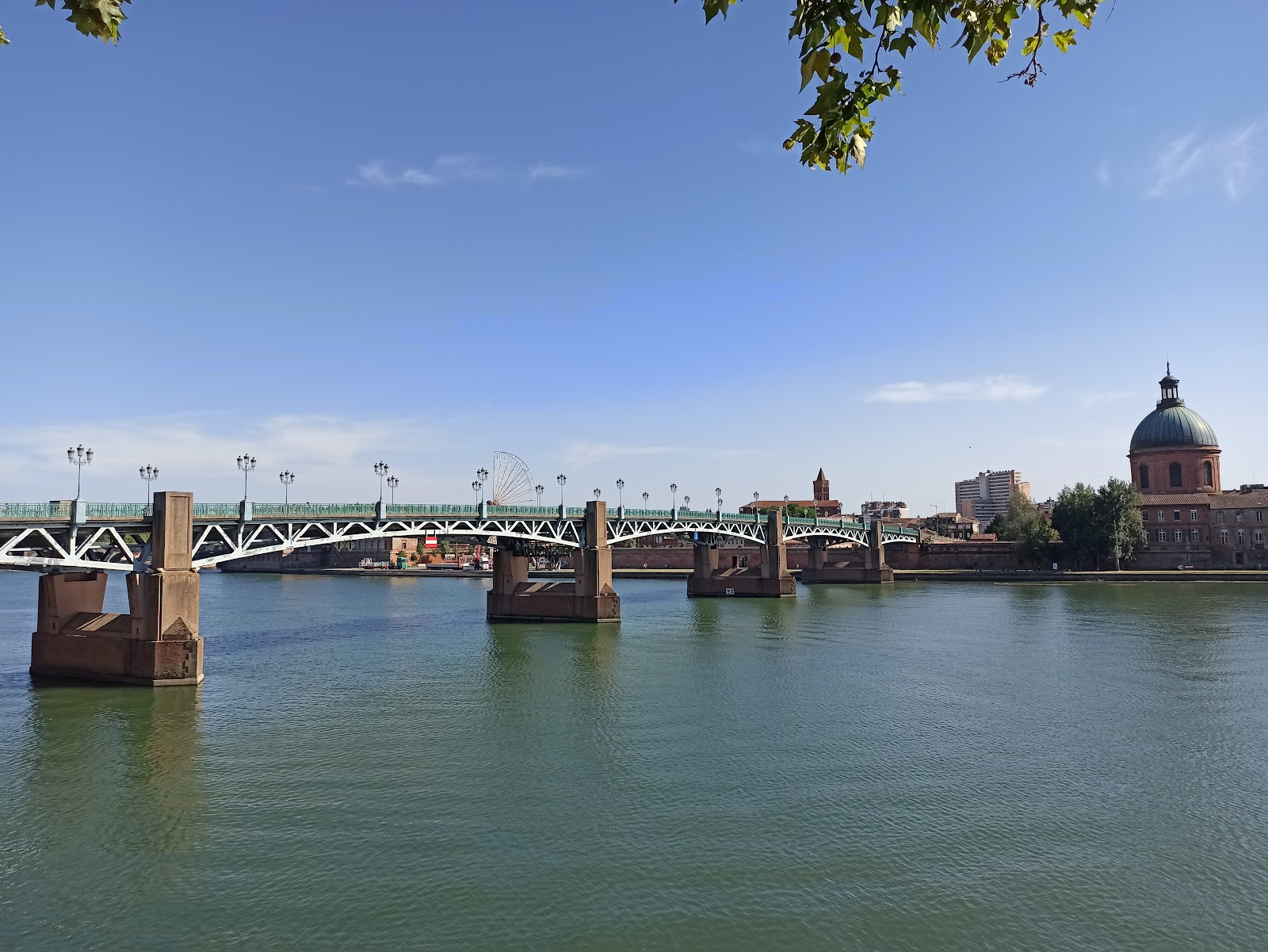
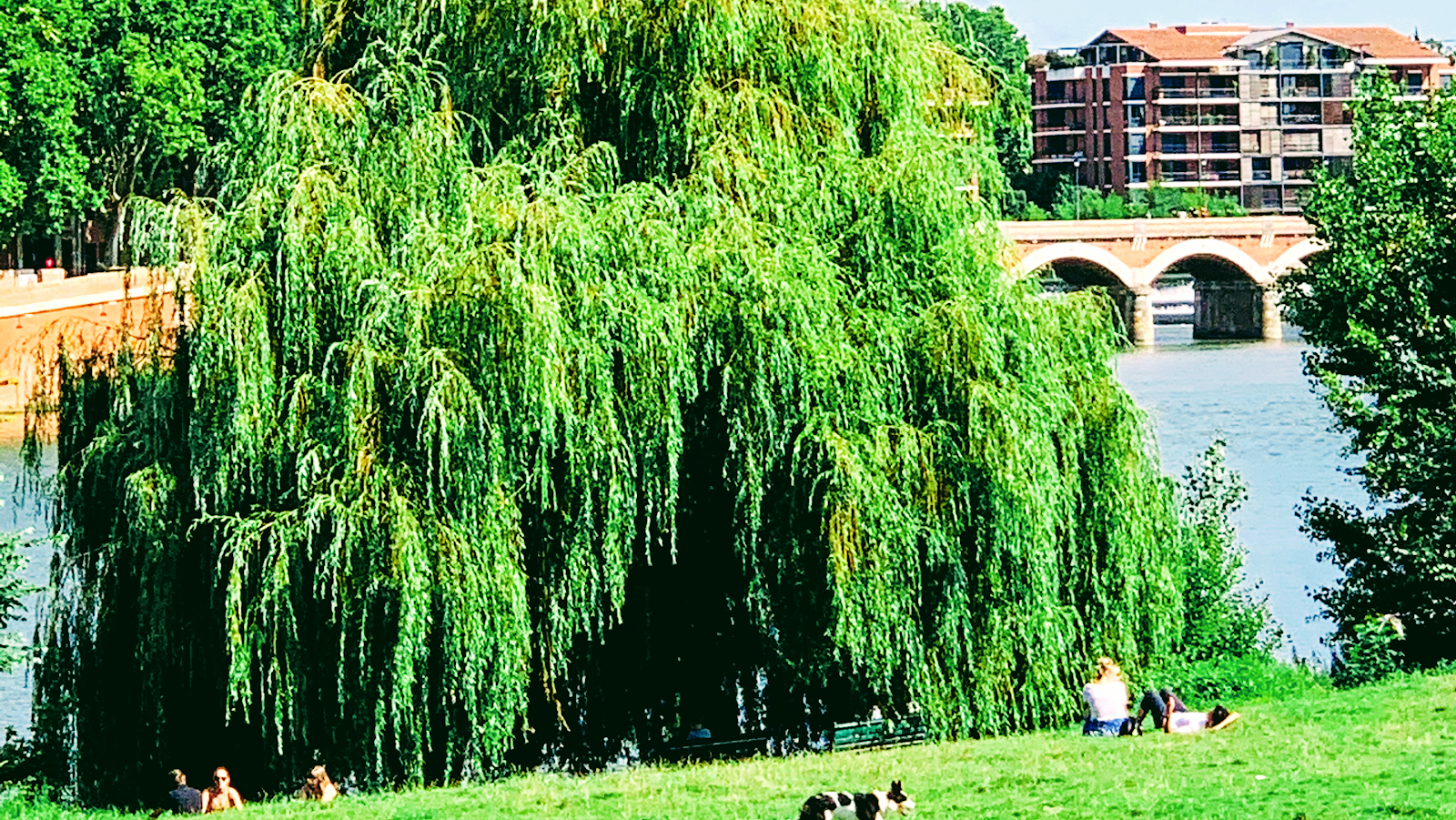
Toulouse is the colour of its own bricks — a warm terracotta-pink that shifts from pale amber at noon to something close to rose at dusk, which is why locals have called it La Ville Rose for centuries. The Garonne cuts through the west of the city, wide and fast, and the Canal du Midi begins its long journey to the Mediterranean just a short walk from the centre.
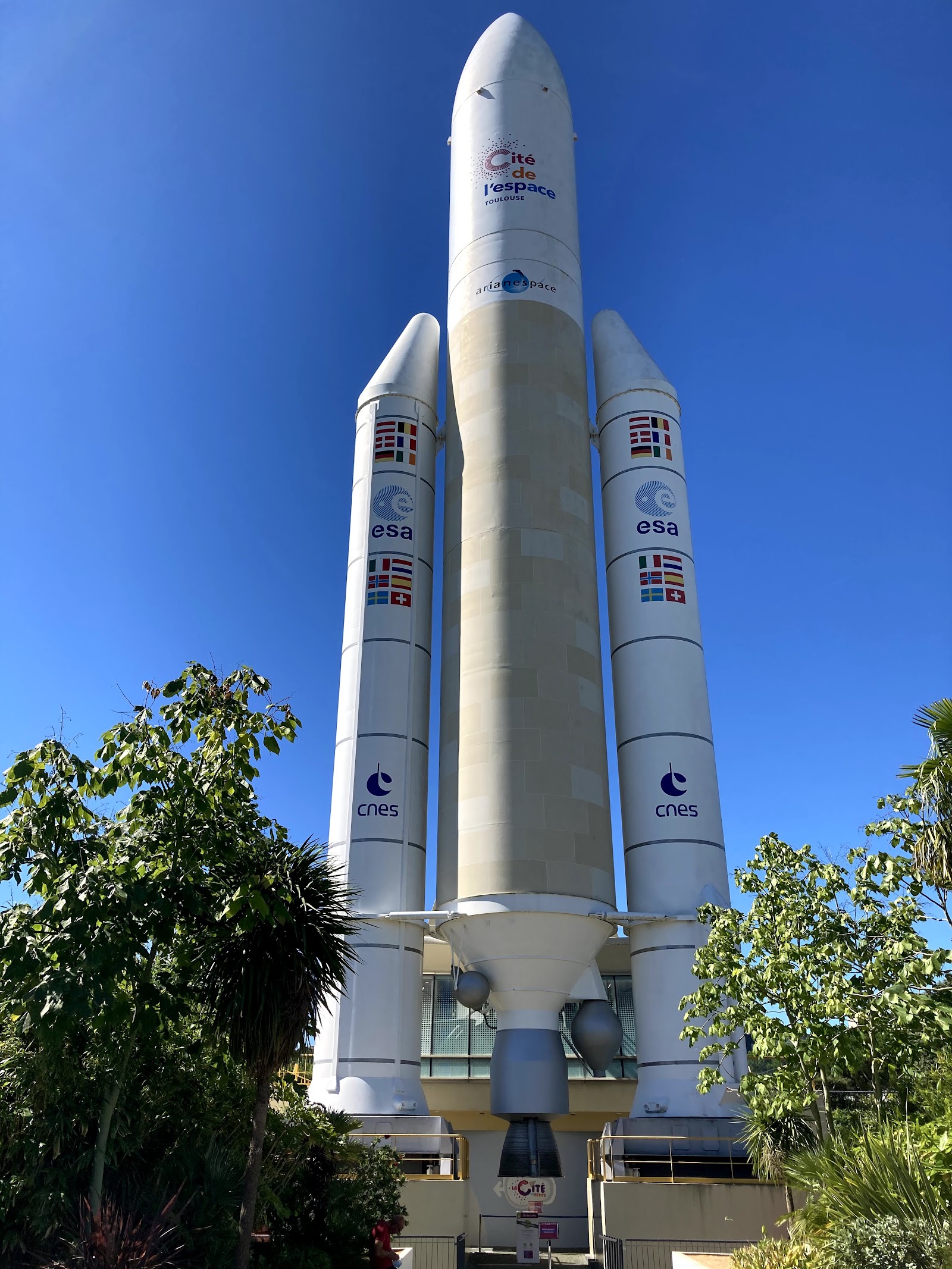
This is a city that has been, in turn, a Celtic stronghold, a Visigoth capital, a medieval heresy flashpoint, and the birthplace of both modern psychiatry and the tango. Today it is the centre of European aerospace — Airbus assembles its wide-body jets on the western edge of town — yet the old city still belongs, stubbornly, to its university and its streets.
💛 What travellers fall for
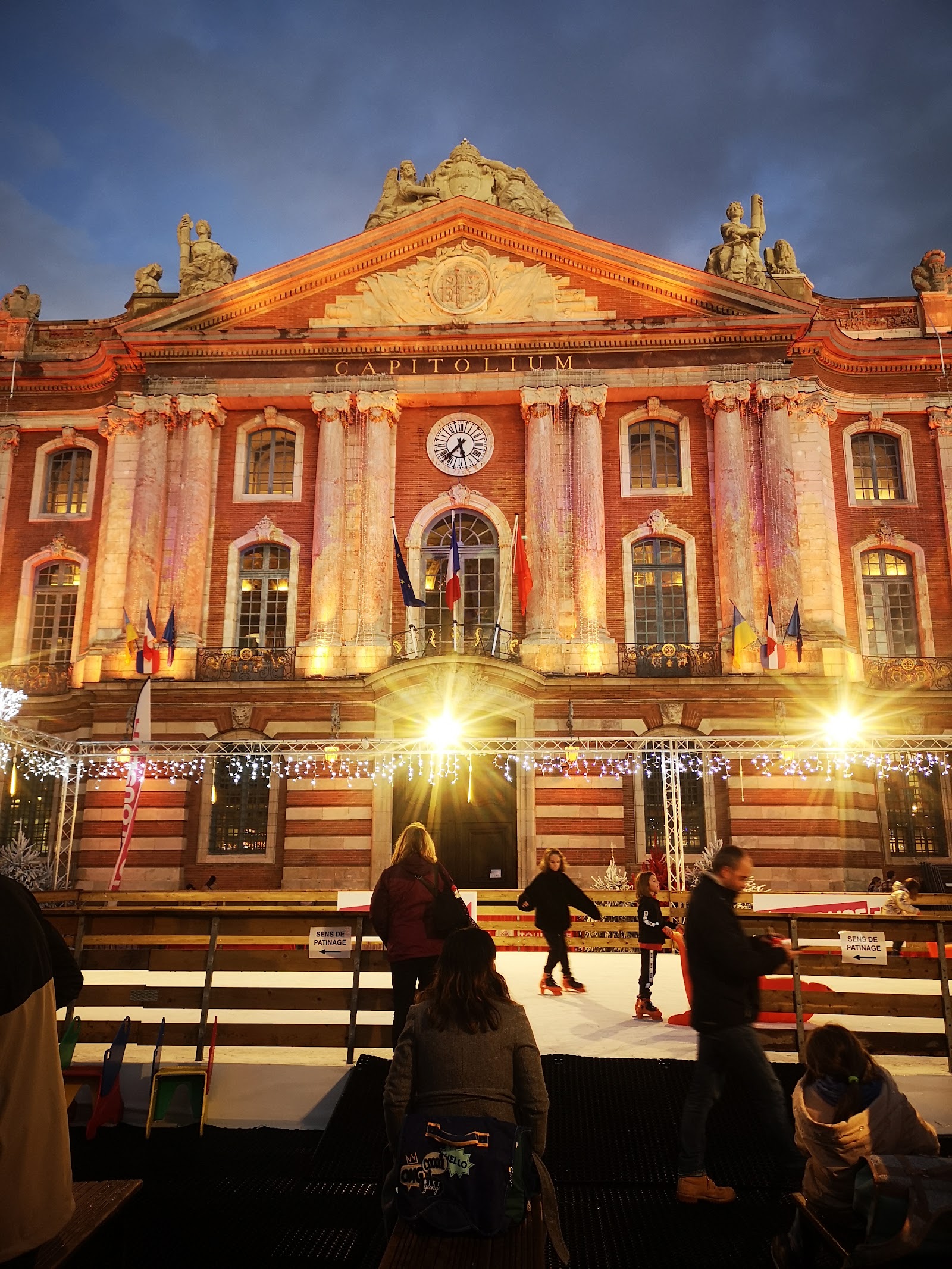
People who come back tend to mention the same morning: coffee on the Place du Capitole before the market stalls are fully set up, then a slow walk through the Couvent des Jacobins to look up at that single palm-tree column spreading its ribs across the ceiling. They also warn you not to skip the Musée des Augustins — the Romanesque sculpture room alone is worth the detour.
Experiences you don't want to miss

Deals in Toulouse
Book directly at the provider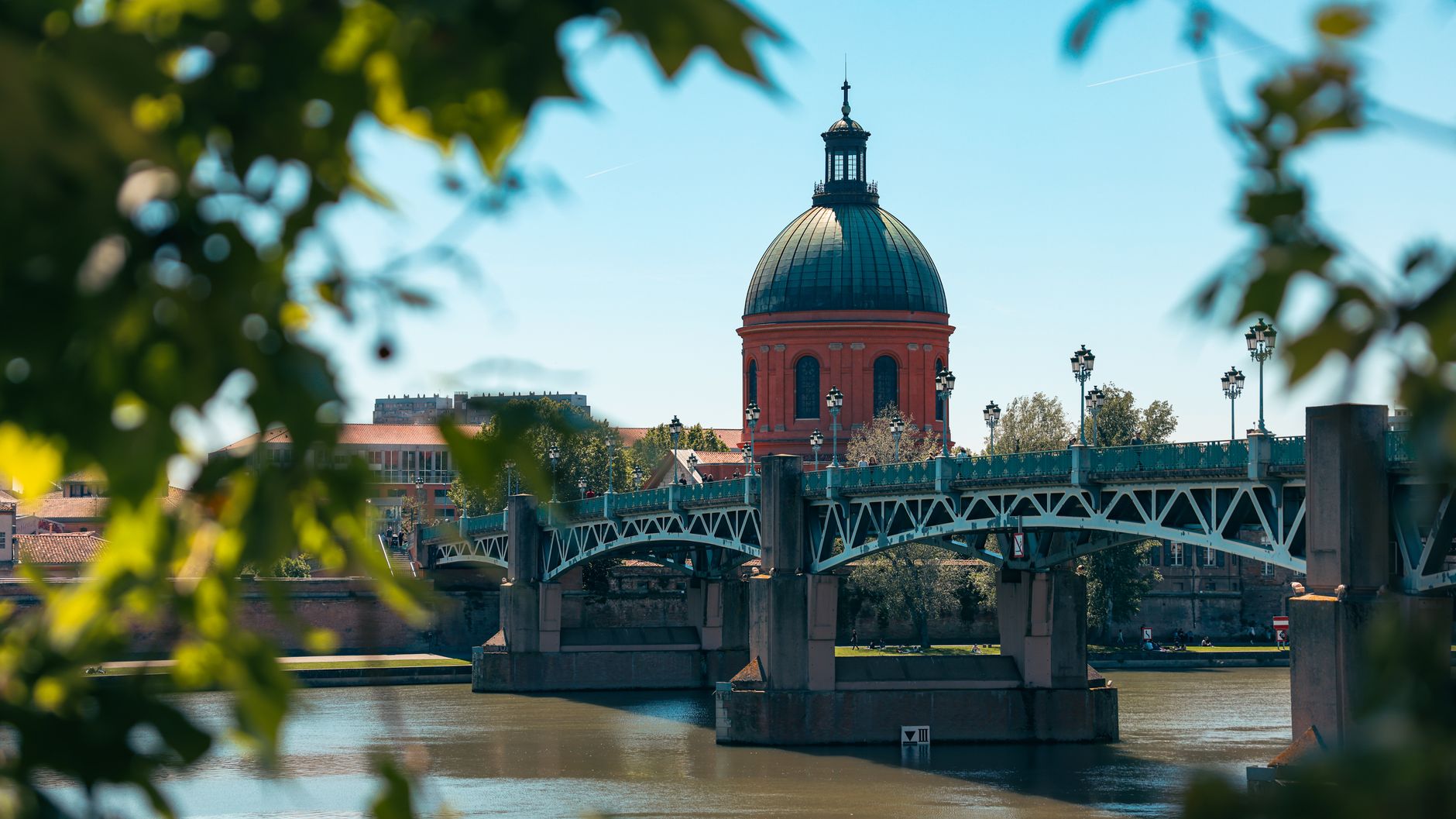
How Toulouse came to be
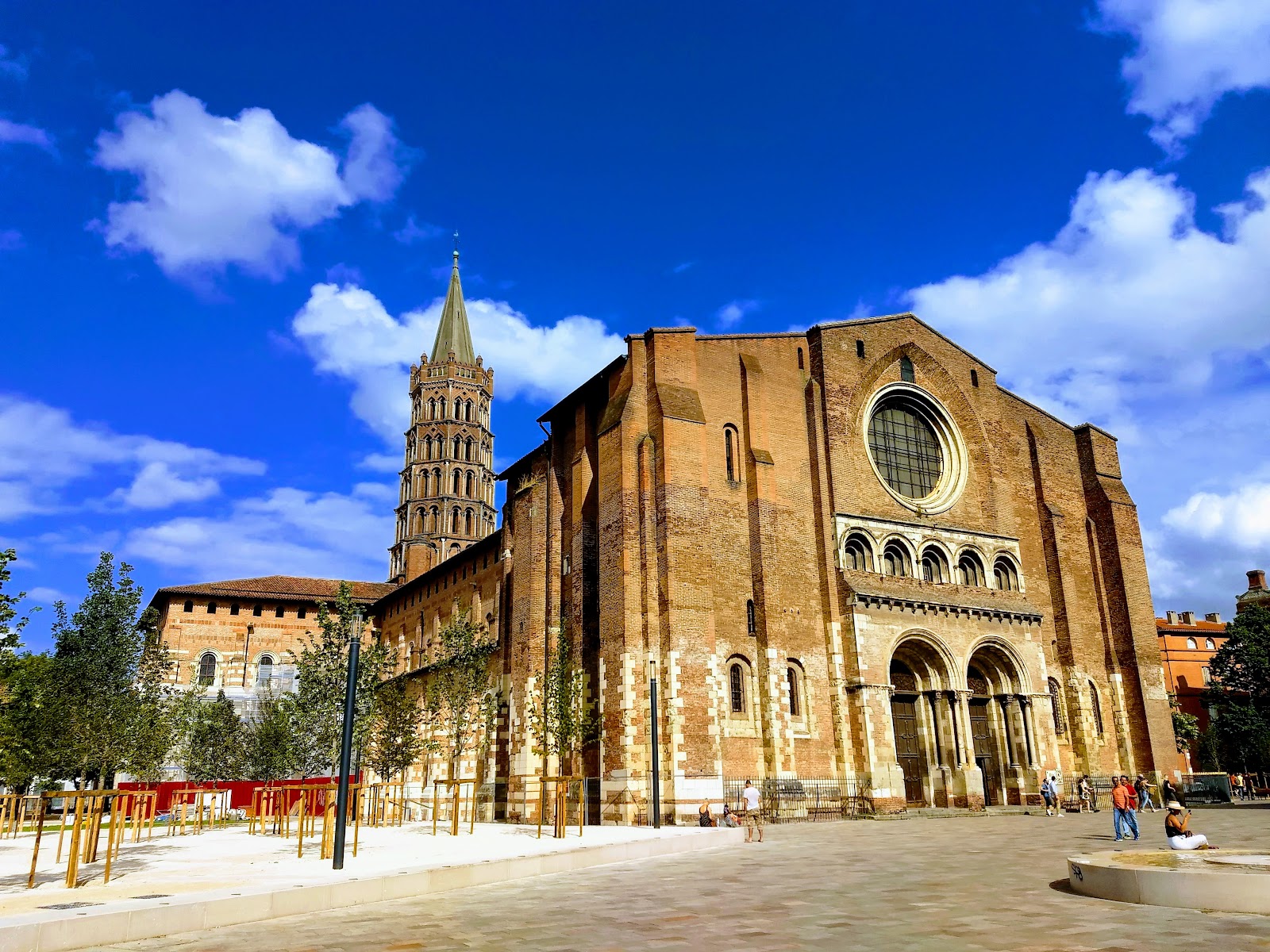
The city began as Tolosa, a centre of the Celtic Volcae Tectosages tribe around the 8th century BC. It served as the Visigoth capital after 418 AD, then passed through Frankish hands before being absorbed into the Kingdom of France in 1271. Its medieval chapter was turbulent: the University of Toulouse was founded in 1229 partly as a condition imposed on the city's counts after their resistance to the Albigensian Crusade, and the Dominican Order had already been established here by Saint Dominic in 1215.
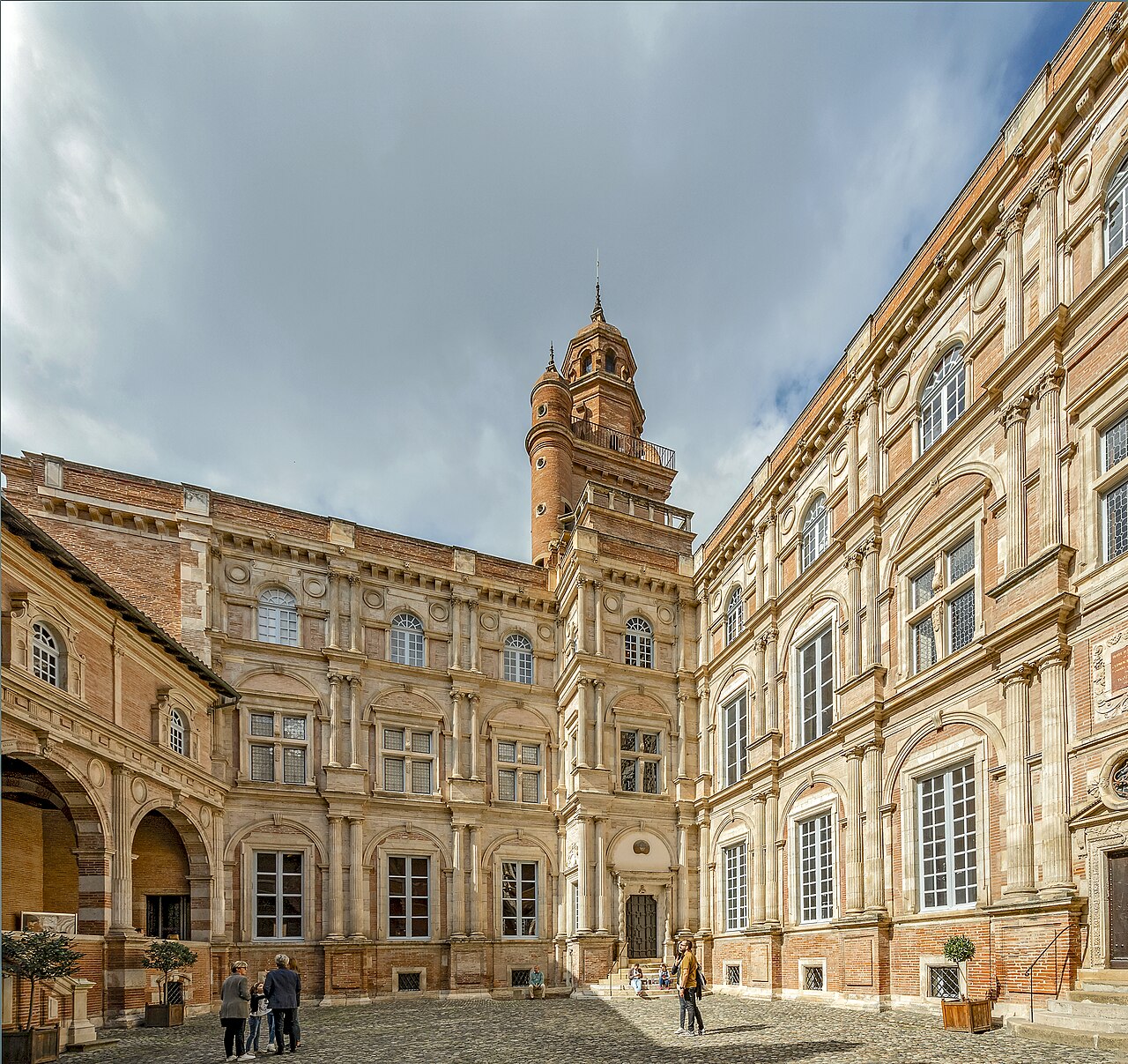
The Renaissance brought extraordinary wealth through the pastel trade — woad, the blue dye plant, funded the grand brick mansions that still line the old streets. The Canal du Midi, completed in the 17th century, deepened the city's role as a trading hub. Then, in 1917, Georges Latécoère founded Aeropostale at Montaudran, and pilots including Saint-Exupéry and Mermoz flew mail routes from that same runway — a thread that connects directly to Toulouse's present as the axis of European aviation.
Who and what shaped it
People who shaped it
Landmark buildings
See Toulouse in motion
Plan your visit
On the map
When to go
Summers are warm and often dry, with temperatures regularly reaching the low 30s Celsius; the city empties a little in August as locals leave. Spring and autumn bring mild days and the occasional heavy Pyrenean downpour, while winters are cool but rarely harsh — snow is unusual.
Right now
↡ Attractions

Background & history adapted from Wikipedia (CC BY-SA) · specs from Wikidata (CC0) · weather from Open-Meteo · map data © OpenStreetMap contributors · photos from Wikimedia Commons / Unsplash with per-image credit. No third-party reviews or social posts reproduced.