
Musée Saint-Raymond
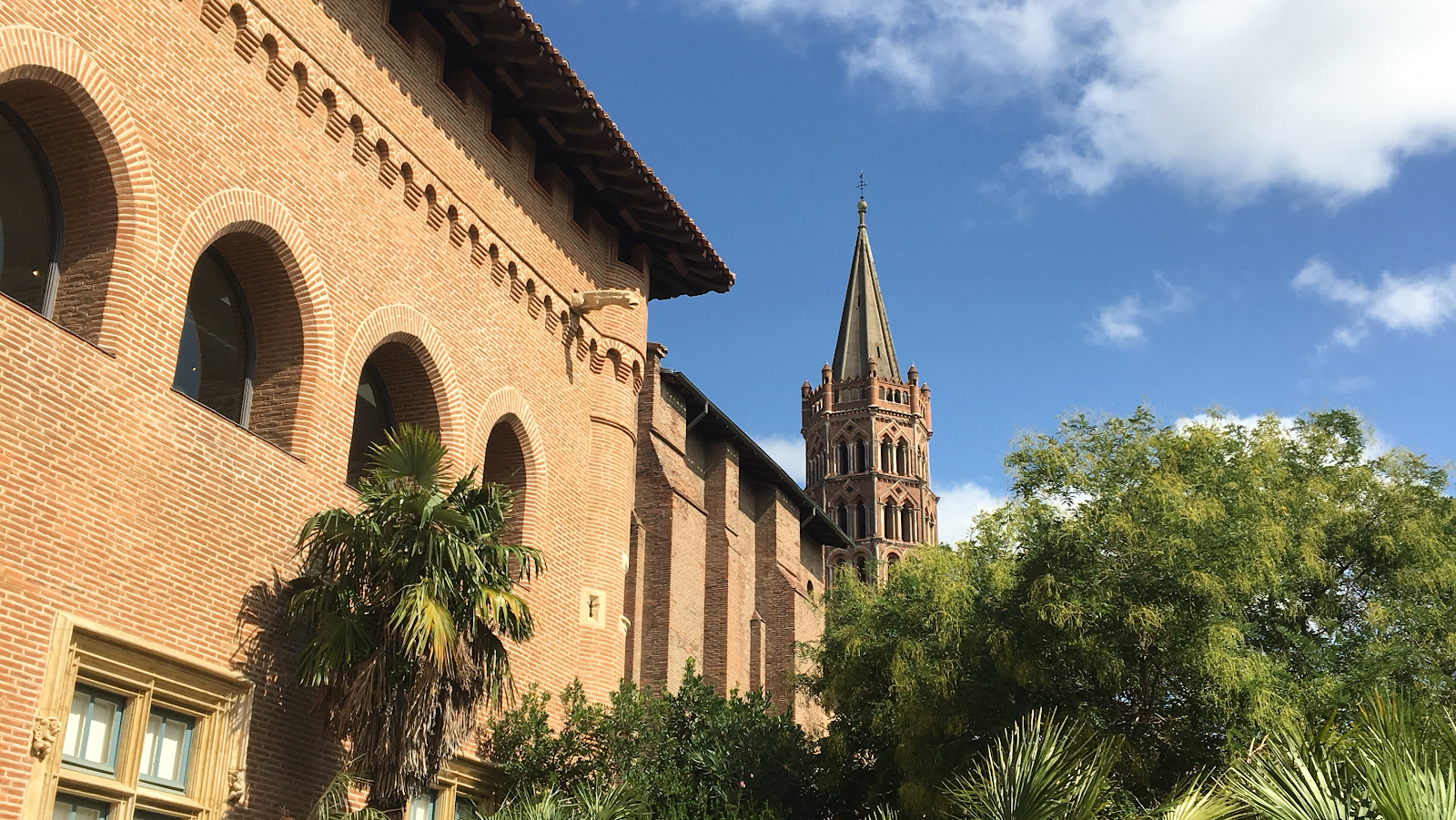
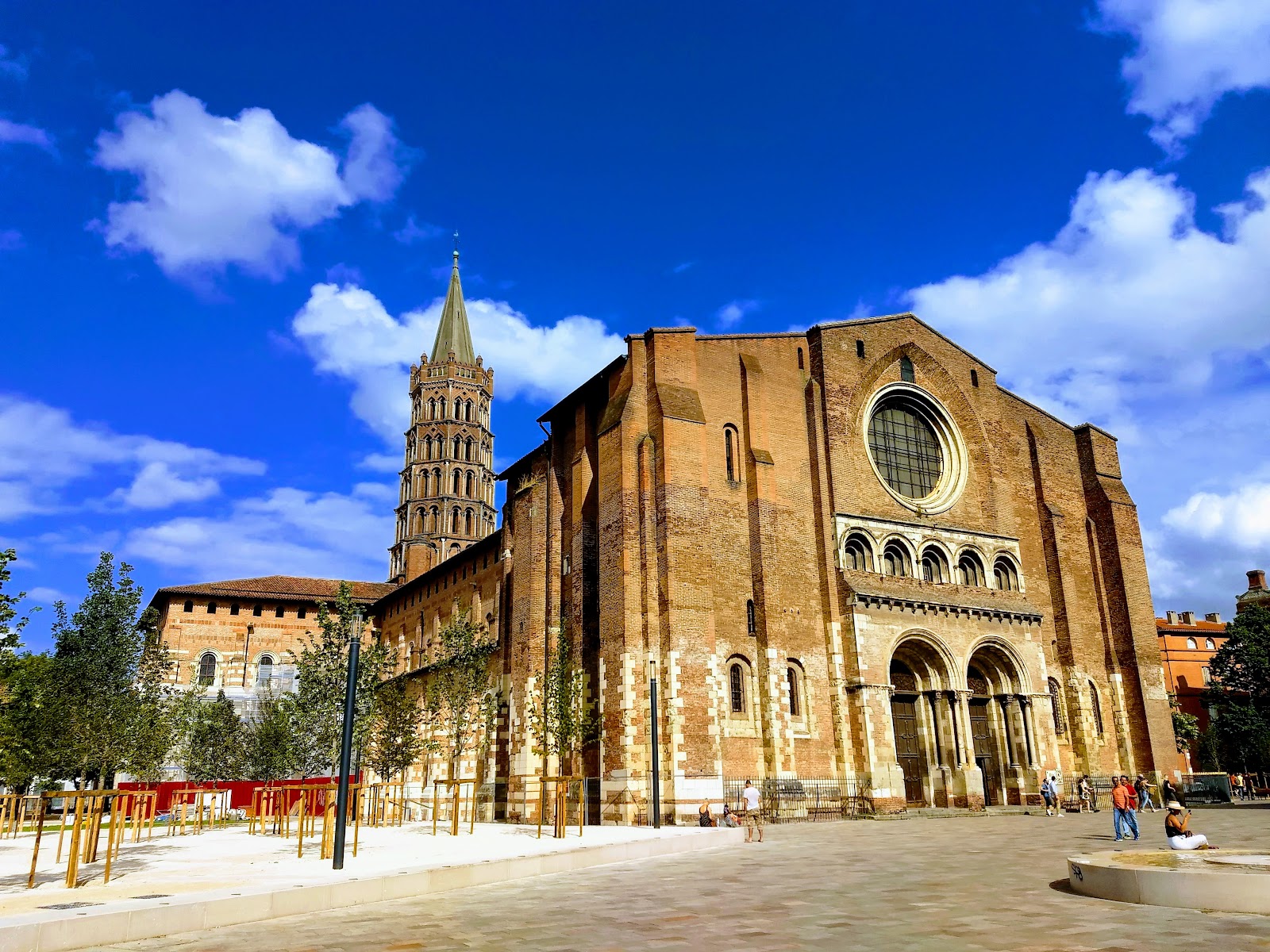
The Musée Saint-Raymond sits right against the flank of the Basilique Saint-Sernin, built from the same red brick that gives Toulouse its particular warm glow — brick, because there is no stone quarry nearby and the clay-rich soil made it easier. The building itself is a former university college, rebuilt in 1523 by architect Louis Privat from 76,000 bricks, and it carries that layered history in its bones: hospital, prison, student lodgings, stables, before it finally became a museum in 1892.
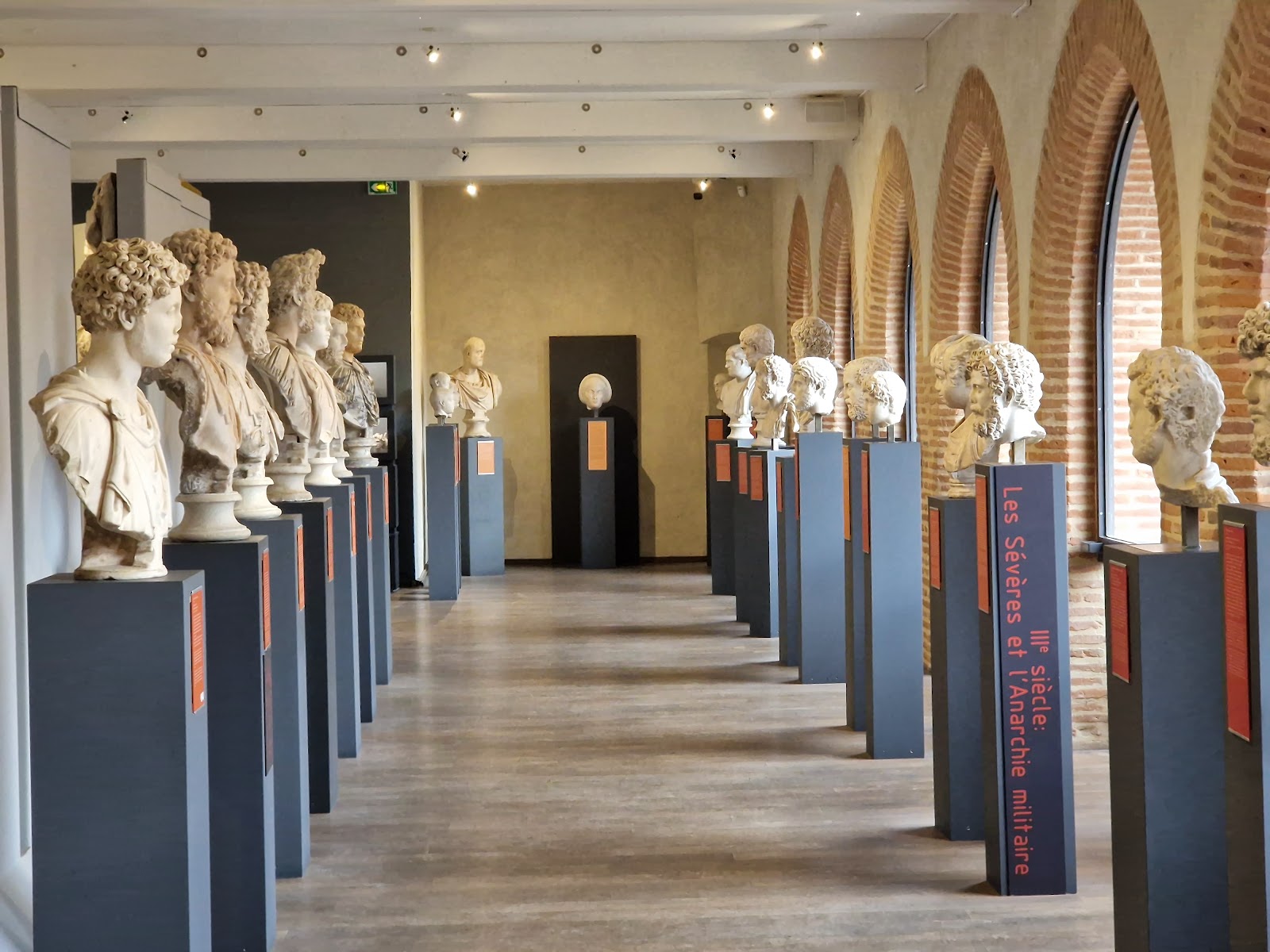
Below ground, the real surprise waits: a basement archaeological site where an early Christian necropolis opens up around you, complete with sarcophagi, funerary inscriptions, and a rare lime kiln that burned through the 5th and 6th centuries. Above, the Roman portrait collection — busts and reliefs recovered from the villa at Chiragan — is the second largest of its kind in France after the Louvre.
💛 What travellers fall for
People who come back tend to head straight downstairs before anything else — the basement necropolis rewards a slow look, especially when the upper floors are busier. The ground-floor tinel, the old hall of honour where students once gathered, makes sense of the building's scale in a way the collections alone don't.
The story behind Musée Saint-Raymond
The site's history runs deeper than the 1892 opening date suggests. Between 1075 and 1080, Raymond Gayrard founded a hospital here for pilgrims walking the Way of Saint James, financed by the Count of Toulouse. A university college followed in the 13th century, and the current brick structure was raised in 1523 under Louis Privat. Eugène Viollet-le-Duc worked the building over between 1868 and 1871 — adding a fourth corner turret and crenellated chimneys — before later restorations in 1981–82 walked back some of his interventions.
The museum proper opened on 24 April 1892, inaugurated by mayor Camille Ournac with city councilor Jean Jaurès present. Curator Émile Cartailhac reorganised it from 1912; Robert Mesuret rebuilt it again between 1946 and 1950. A four-year renovation closed it before a reopening on 8 May 1999, restoring the 1523 fabric and rethinking the permanent displays.
Good to know
Open Wednesday to Sunday, 10h–18h; closed Mondays and major public holidays. Adults pay €5. Metro Line A to Capitole or Line B to Jeanne d'Arc both work. There's a VélÔ bike-share station just beside the entrance on rue des Trois-Renards. Budget around 90 minutes for the permanent collection.
Where is Musée Saint-Raymond?
More tickets & tours for Musée Saint-Raymond
Book directly at the provider
What travellers say about Musée Saint-Raymond
Archeological museum with great curating. There are extensive Roman sculptures and gardens. There was a necropolis on this site in the 4th century. Thus museum opened in 1872. It is the former 16th century college of Saint Raymond rebuilt in 1523 after a fire. A really spectacular museum.
This is more like a gem of a museum, information is very well presented, and very well worth if you want to learn the history of Toulouse from pre Roman to the Roman times and later. Seeing a mummy made it even more worthwhile.
This is an archaeological museum, specializing in artifacts from prehistoric times to the Middle Ages, with a particular focus on the Gallo-Roman period. It offers deep insight into the ancient history and early Christian heritage of Toulouse and the wider Occitanie region. The museum is housed in a 16th-century former university residence, which has served as a museum since 1892. The collections include Roman sculptures, funerary steles, everyday objects, and early medieval relics, offering a chronological journey through the region’s ancient civilizations. ※ Included in the Toulouse Pass Tourisme.
A fantastic museum filled with some very high quality exhibits. Almost all of the exhibits also provided English descriptions. The video at the start of the museum (on the top floor) was also very informative.
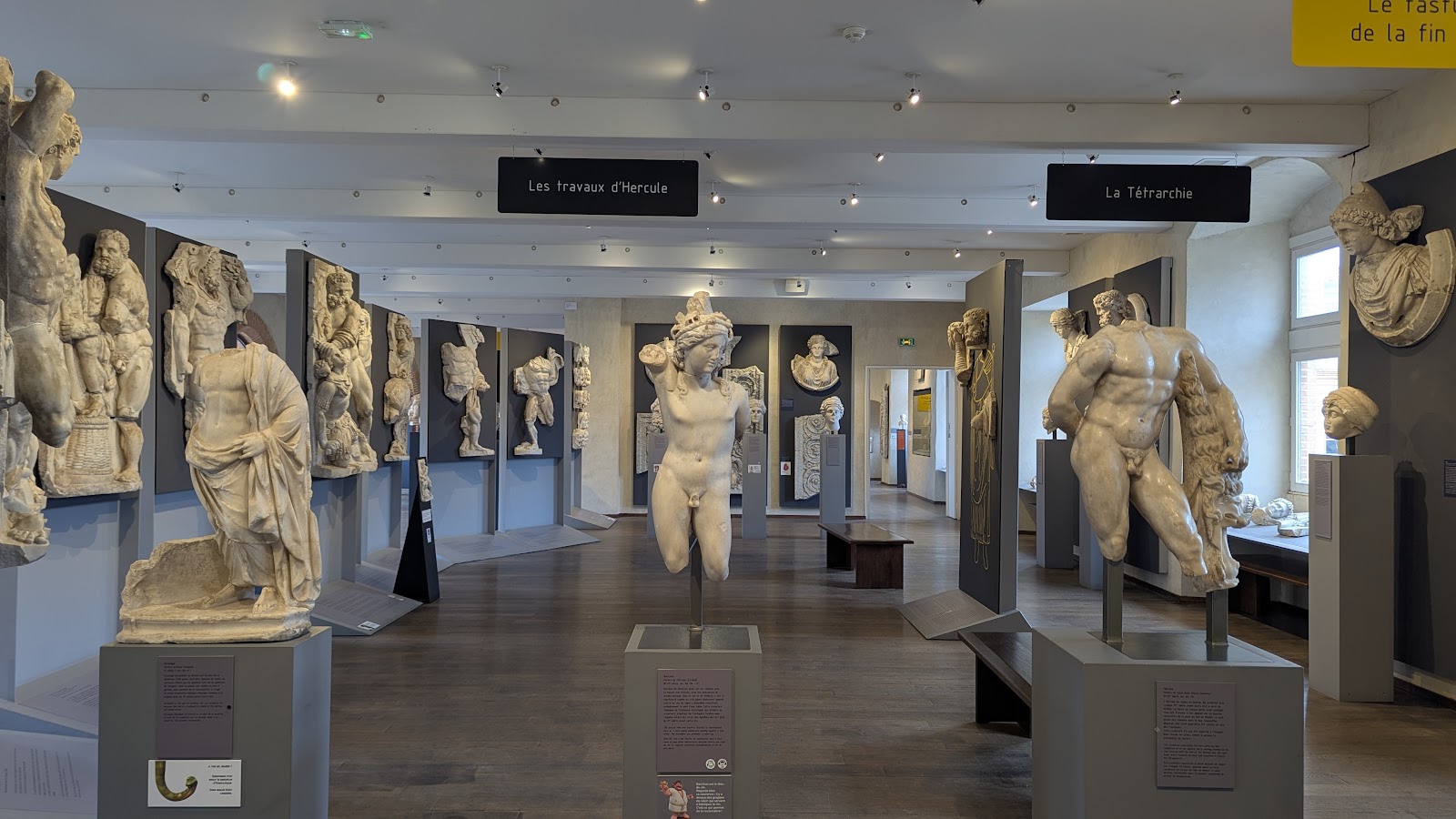
Given the 5 eur entrance fee I wasn't expecting much but was amazed by the displays. Not so much the Roman era busts, coins and mosaics, or pre Roman artefacts which were vaguely interesting to myself (although the very fun set of reliefs of the Labours of Hercules was a great reminder of those epic legends and a highlight), and much more by teh temporary exhibition on the 1st floor with outstanding displays of Egyptian sarcophagi, an incredibly well preserved mummy and other ancient Egyptian as well as European medieval artefacts. I happily spent over an hour here taking it all in. According to the signage, only 3% of their collection is on display at any one time, which boggles the mind - if the other objects are of the same quality and all went on display, they could open mini Louvre! Worth every cent of those 5 eurs for entry.
More of Toulouse
Discover where to stay, what to do and the best deals for your trip.
Explore Toulouse →More attractions in Toulouse
All of Toulouse →
Background adapted from Wikipedia (CC BY-SA) · map data © OpenStreetMap contributors · ratings & place photos via Google · other photos with per-image credit. Ticket links may earn us a commission at no extra cost to you.