
Capitole de Toulouse
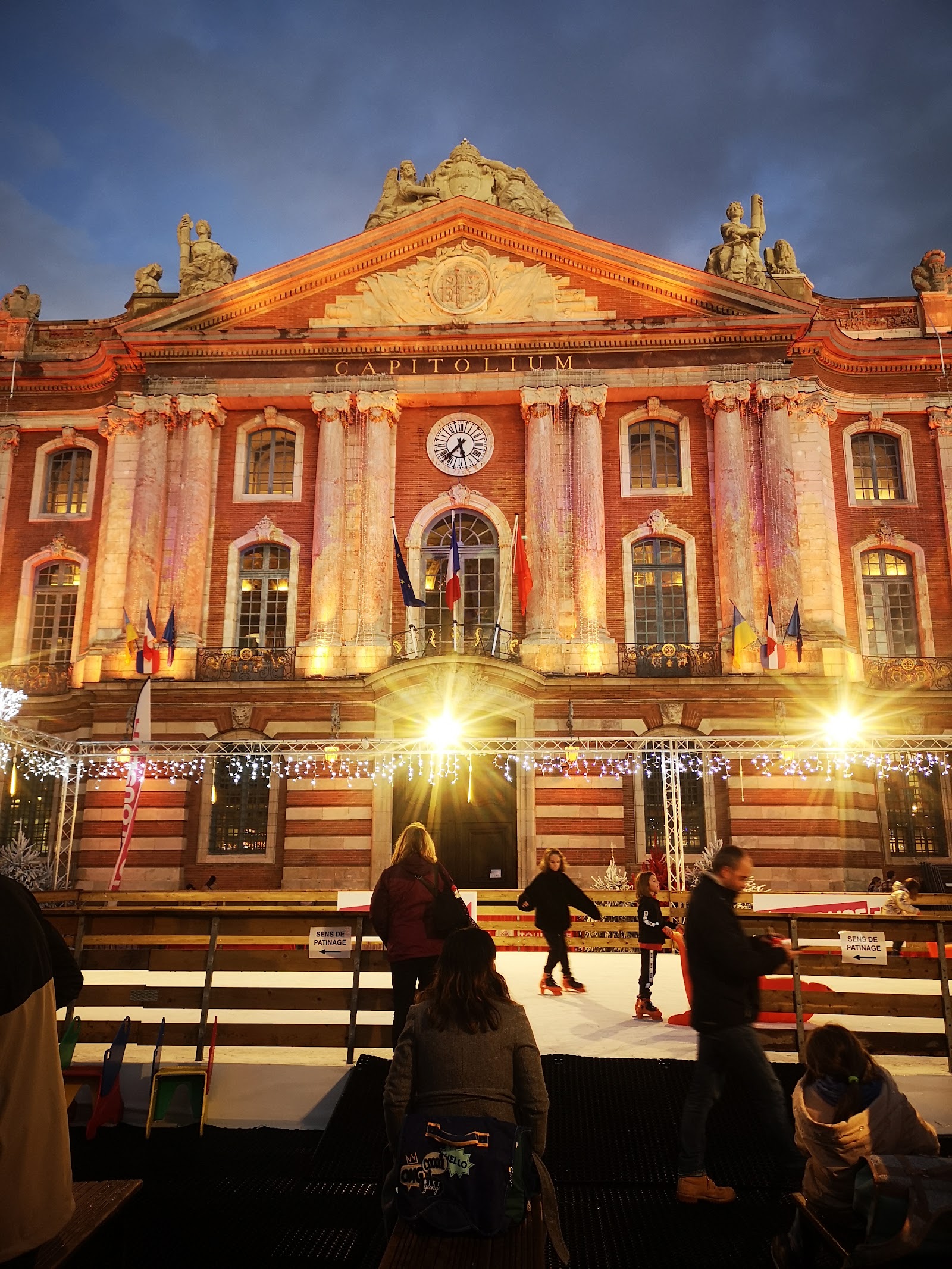
The Capitole's pink-brick façade stretches 135 metres across the western edge of Place du Capitole, and the first thing you notice is the scale of it — this is not a building that apologises for itself. Designed by Guillaume Cammas and completed in 1760, it has served continuously as Toulouse's city hall, which means the rooms behind that neoclassical frontage are still very much in use: couples marry on Saturdays in the same halls where frescoes of regional heroes cover every wall.
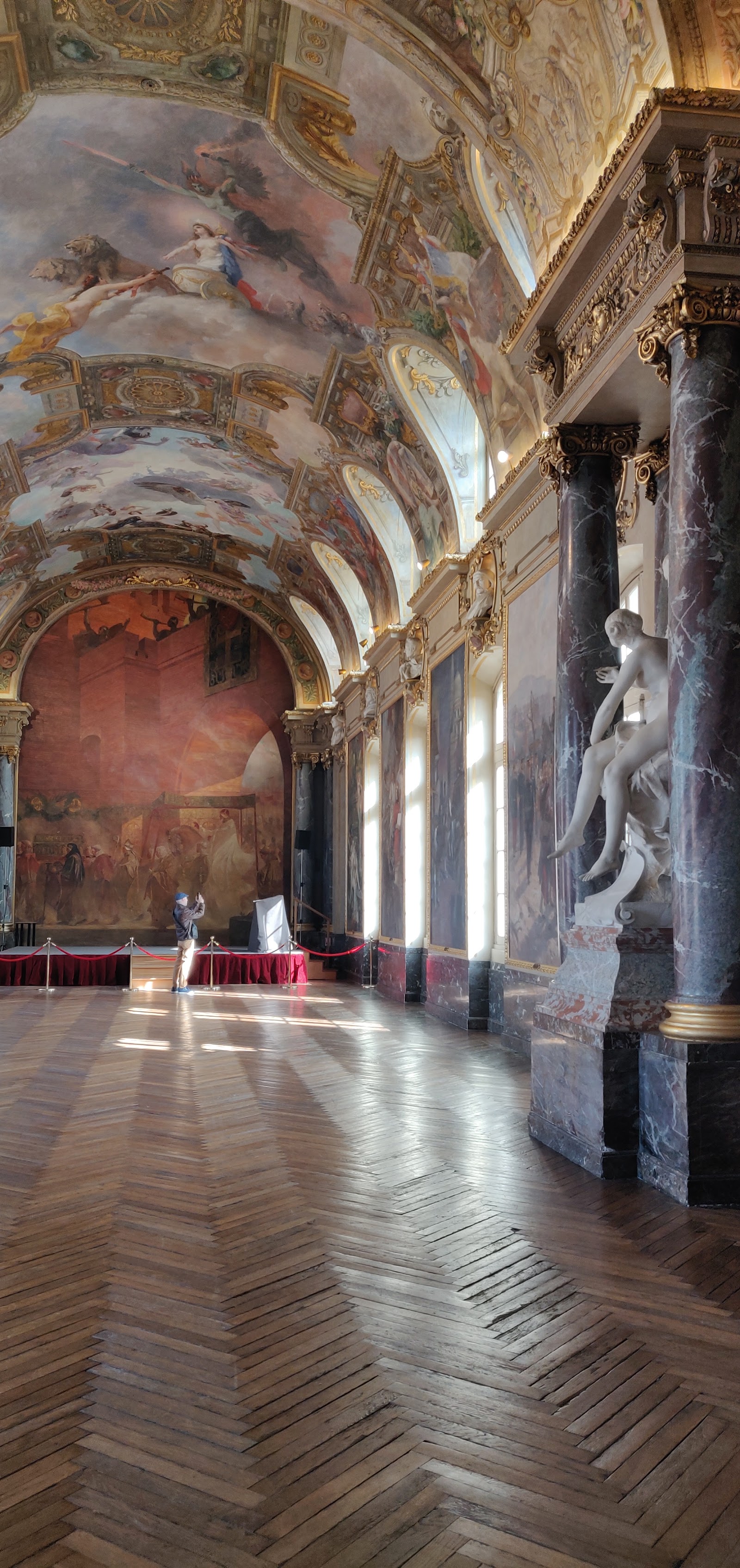
Step inside when the Salle des Illustres is open and you find monumental paintings and marble busts arranged with the seriousness of a place that genuinely believed its city mattered. The building earns that conviction.
💛 What travellers fall for
People who come back tend to time it carefully: the Salle des Illustres closes on Saturdays, so a weekday morning gets you the frescoes without crowds. The arcaded gallery facing the square — its coffered ceilings painted by Raymond Moretti as late as 1997 — is easy to miss if you walk straight through. Pause there on the way out.
The story behind Capitole de Toulouse
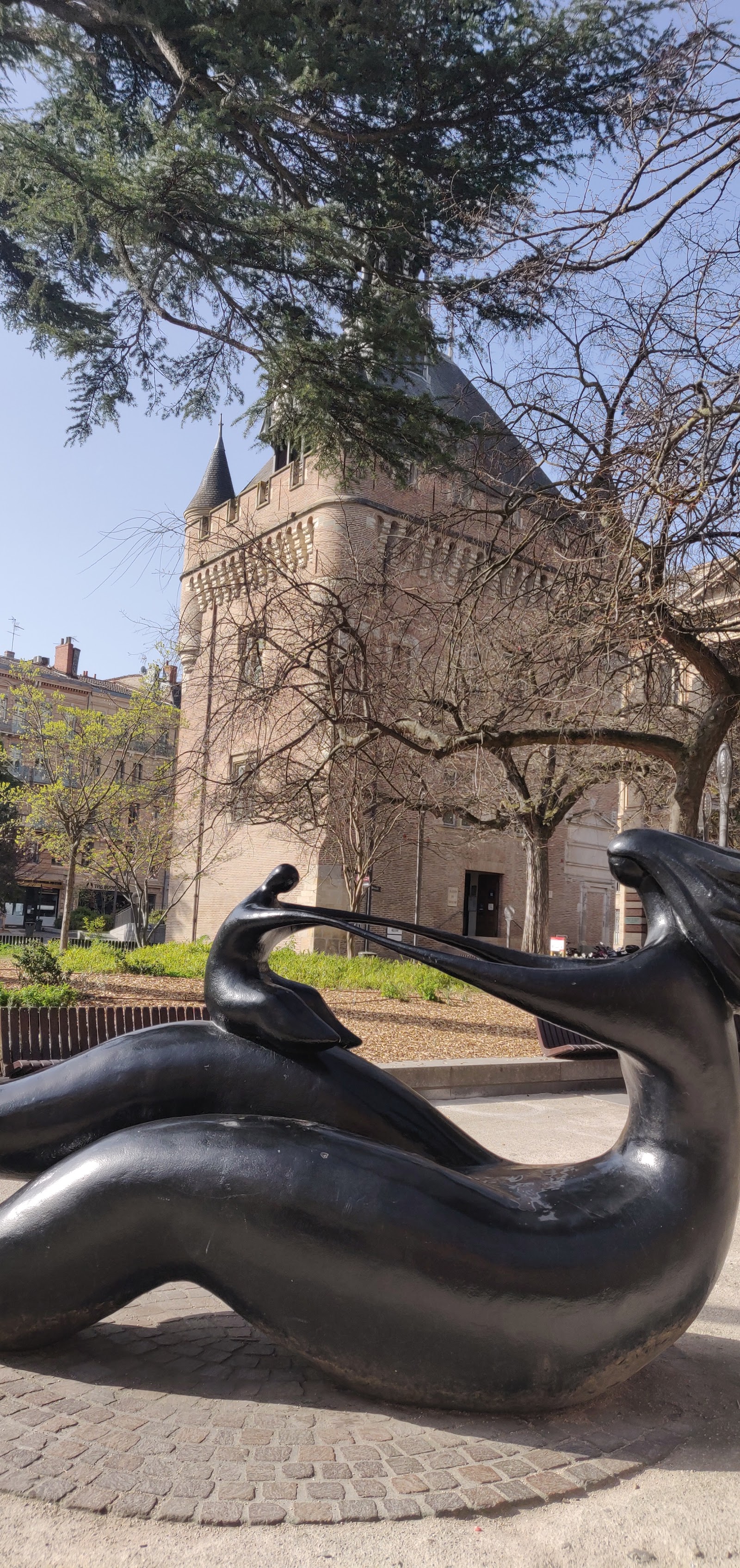
The Capitouls — Toulouse's governing magistrates — established a seat of civic power on this site in 1190, and the name 'Capitole' came later, coined by town clerk Pierre Salmon in 1522 to invoke the Roman Capitol. Of the medieval complex, only the Henri IV courtyard and its Renaissance gateway survive; the gateway was designed by Nicolas Bachelier and completed in 1546. The tower known as le donjon followed in 1530, was later rebuilt by Eugène Viollet-le-Duc in 1873, and now houses the Tourist Office.
The building's defining moment came in 1760 when Cammas's neoclassical façade was completed in the pink brick that gives Toulouse its colour. A room for theatrical performances, created in 1737, grew into what is now the Théâtre du Capitole. The Salle des Illustres, inaugurated in 1883, added the frescoes. The whole complex was designated a monument historique in 1840.
Good to know
Entry to the main halls is free; bring ID for the security scan at the Salle des Illustres. Rooms close without notice for weddings, council sessions and civic ceremonies — mostly Saturdays. The Tourist Office occupies le donjon tower. Hours run Monday–Saturday 9am–7pm, Sundays 10am–6pm; closed 25 December, 1 January and 1 May.
Where is Capitole de Toulouse?
Location
- In Toulouse
- 43.6047, 1.4442
- Open in Google Maps
More tickets & tours for Capitole de Toulouse
Book directly at the provider
More of Toulouse
Discover where to stay, what to do and the best deals for your trip.
Explore Toulouse →More attractions in Toulouse
All of Toulouse →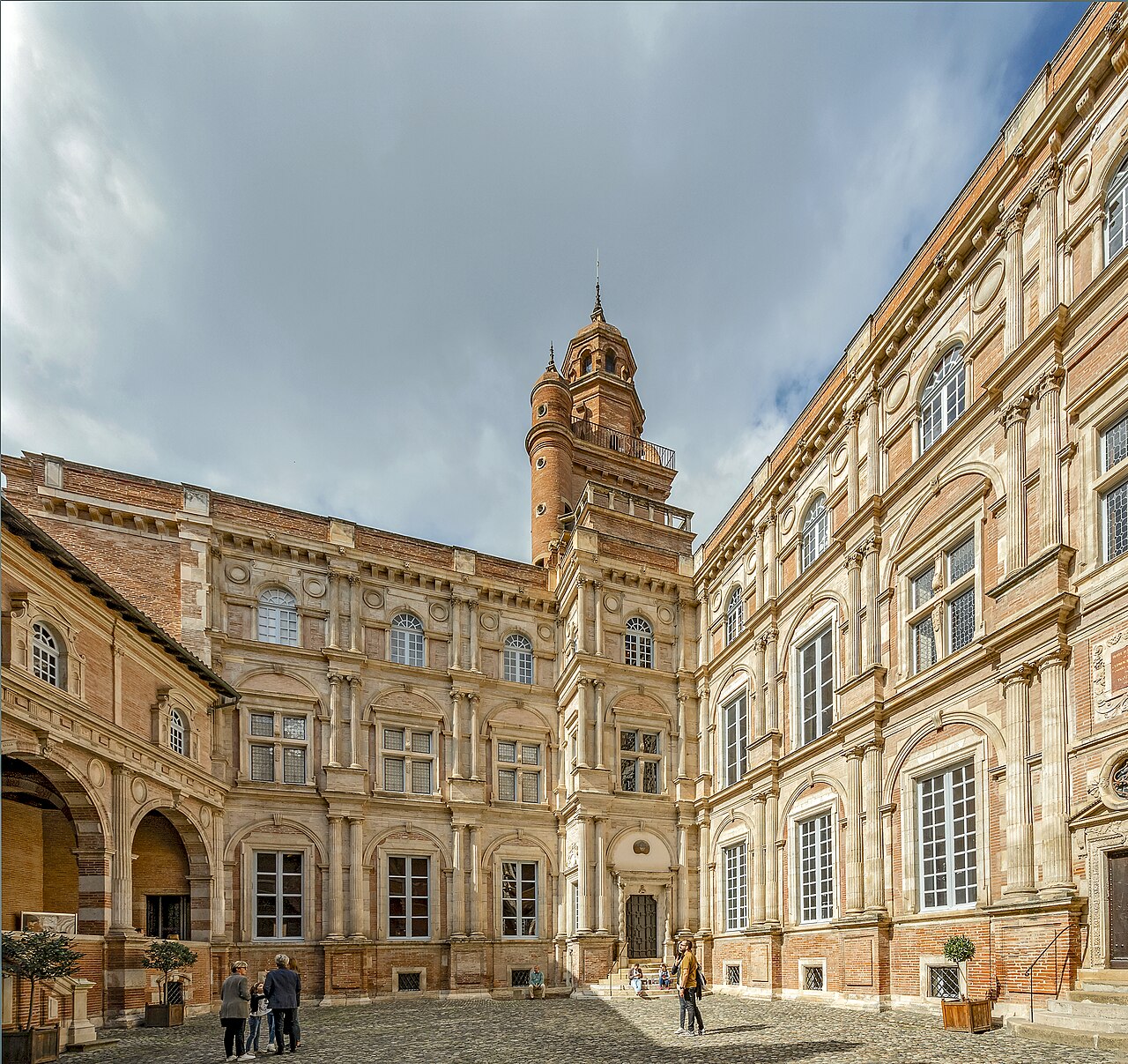
Background adapted from Wikipedia (CC BY-SA) · map data © OpenStreetMap contributors · ratings & place photos via Google · other photos with per-image credit. Ticket links may earn us a commission at no extra cost to you.