
Pont Neuf de Toulouse
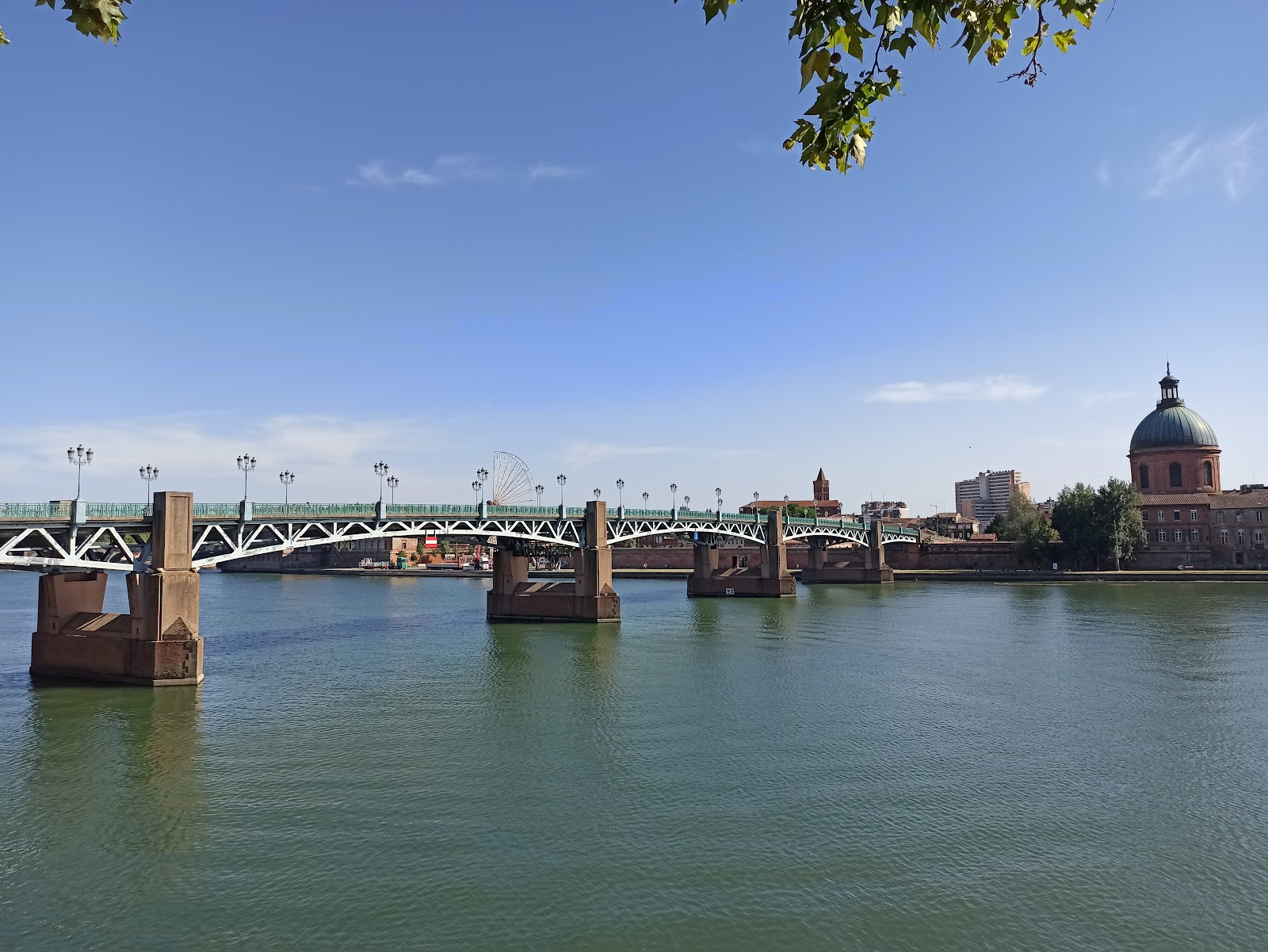
The oldest bridge in Toulouse took nearly a century to build — started in 1544, open to traffic by 1632, formally inaugurated by Louis XIV in 1659 on his way to the Basque Country to marry Marie-Thérèse d'Autriche. That gap between completion and ceremony tells you something about the bridge's character: it has always existed on its own terms, indifferent to occasion.
Spanning 220 metres across the Garonne on seven asymmetrical arches of brick and cut stone, Pont Neuf picks up the pink hue of the city around it. The piers are pierced with oval openings — ouïes, the French call them — designed to release water pressure during floods. In 1875, when the Garonne ran thirty-six times its normal volume, every other bridge in Toulouse gave way. This one held.
💛 What travellers fall for
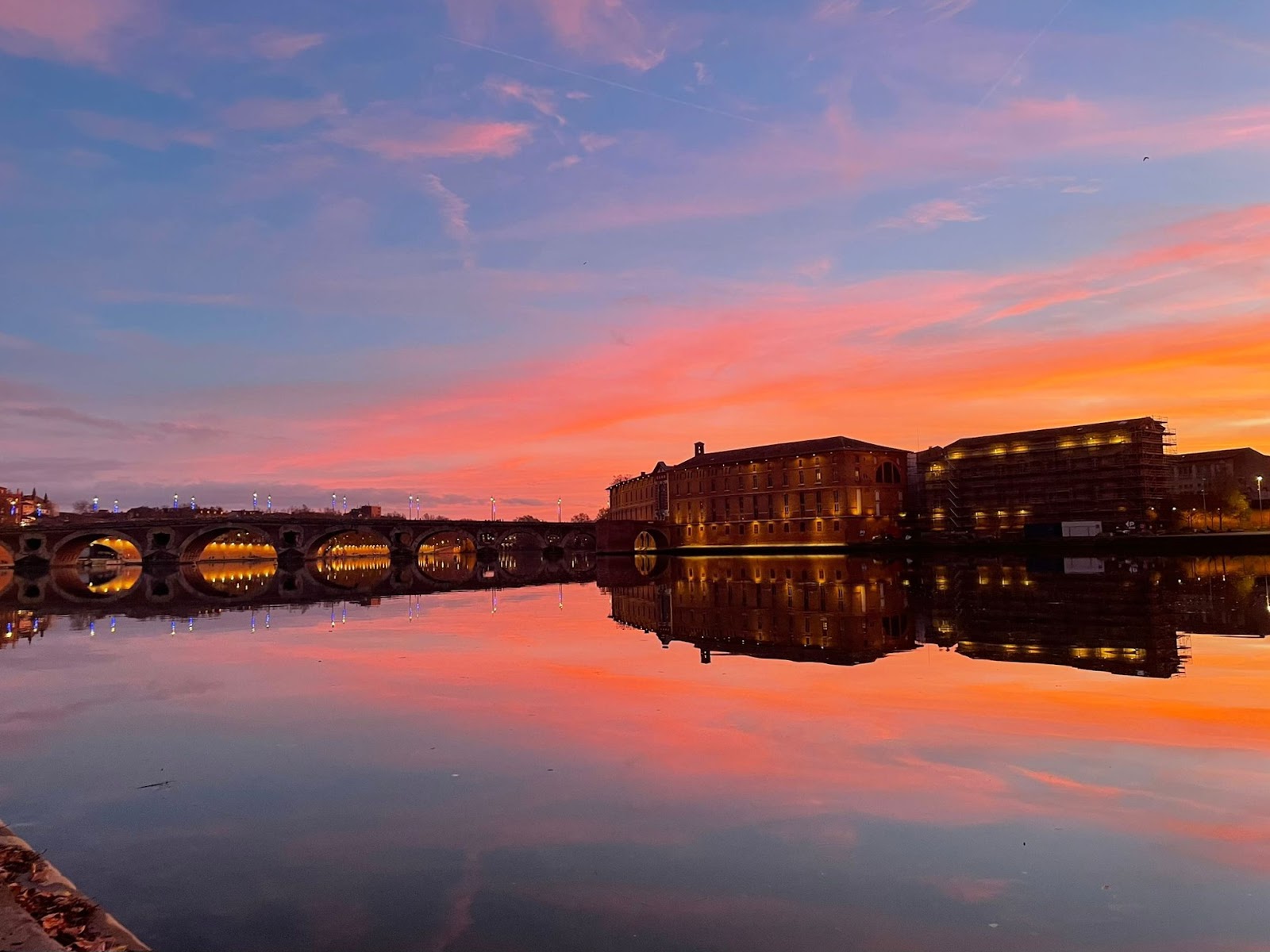
People who cross it regularly tend to slow down at the third arch from the right bank, where the span is longest and the river opens up widest. Early evening, when the stone catches the last of the light and the water below starts to reflect the city, is when the bridge earns its keep as a place to simply stand.
The story behind Pont Neuf de Toulouse
The decision to build came from Francis I, who wanted a reliable crossing over the Garonne with Spain — and Charles V — uncomfortably close to the south. Work began in 1544 under Renaissance architect Nicolas Bachelier, who sank the first pier near the left bank without trouble. The project then stalled repeatedly: violent floods and unstable marl beneath the riverbed slowed each subsequent pier by years. Pierre Souffron, master architect of Auch Cathedral, was called in 1597 to tackle the final two supports, finishing the eighth pier in 1604. Jacques Lemercier, later a leading figure in French Baroque architecture, completed the bridge, and a young François Mansart served as representative of the Parisian contractors during vaulting.
In 1642 a monumental triumphal arch — designed by Jean Cailhau, with high-reliefs of Louis XIII on horseback sculpted by Pierre Affre — was added at the bridge's entrance. It stood for over two centuries before being demolished between 1858 and 1867 to ease traffic. The foundations were reinforced between 1937 and 1949, driving the piers down through the marl to firm soil. The bridge that survived the catastrophic 1875 flood is structurally, in its essentials, the same one you walk across today.
Good to know
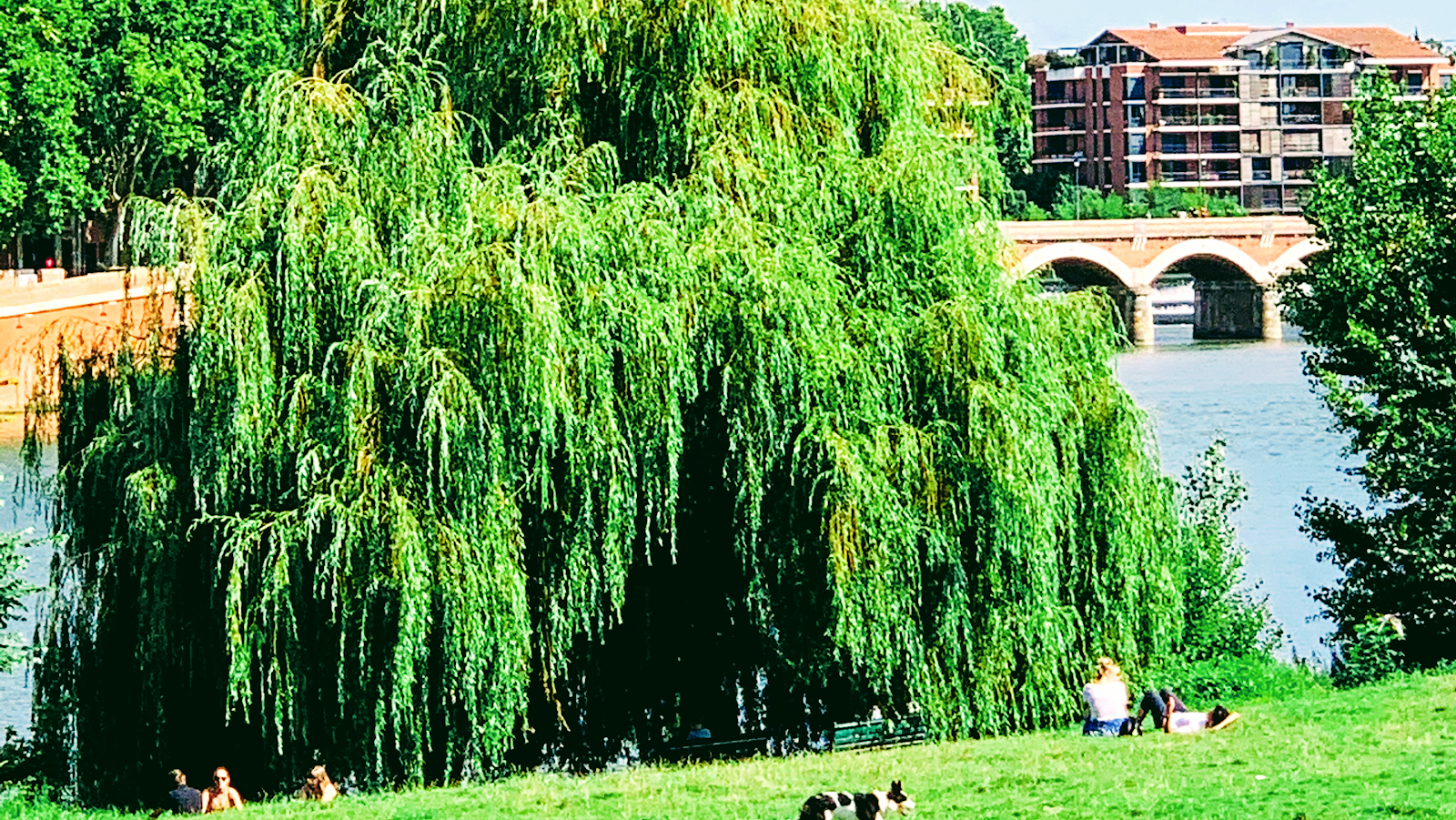
Free and open around the clock. The Pont Neuf bus stop puts you right at the foot of it; Metro line A to Esquirol is a short walk west. Prairie des Filtres, the riverbank park, runs alongside and rewards a slow loop back. Thirty minutes is enough to cross and return; longer if you linger.
Spring and early autumn keep temperatures comfortable for a slow crossing or a long pause on the parapet. Midsummer in Toulouse can be genuinely hot, and the bridge offers no shade, so mornings are worth the earlier start.
Where is Pont Neuf de Toulouse?
More tickets & tours for Pont Neuf de Toulouse
Book directly at the provider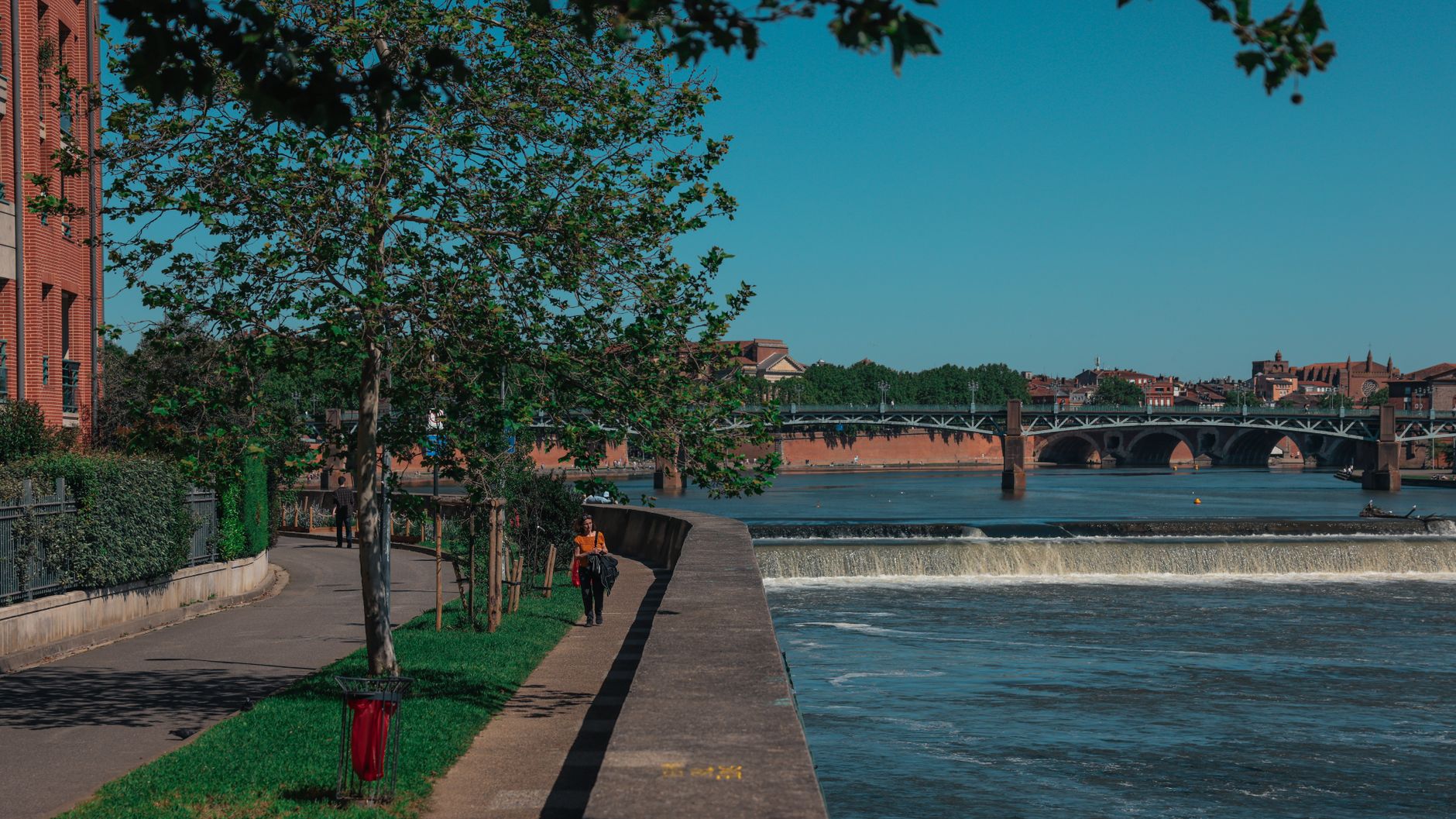
What travellers say about Pont Neuf de Toulouse
"I visited Toulouse and its surrounding areas in October 2025, and the experience was truly memorable. Pont Neuf, just like the city of Toulouse itself, gives me a sense of peace and serenity. Compared to many other European big cities, it’s remarkably clean and well-maintained. Walking across the bridge and through the streets feels so relaxing and comfortable.
Best place in Toulouse city to vist. Must vist tourist place in ntoulosue during sunset 🌇 Hey everyone, planning a trip to Toulouse and looking for the perfect sunset spot? You're in luck, because this city is stunning when the sun goes down! I'd highly recommend checking out the Pont Neuf bridge, especially if you can get there before the golden hour. From there, you get some amazing views of the Garonne river. The buildings of Toulouse, with their brick facades, will glow beautifully in the fading light. Another awesome choice would be the Jardin des Plantes; it's a peaceful place to watch the sunset. You can even grab some takeout food and have a little picnic there! So, make sure to bring your camera and enjoy the show; you won't regret it!
Beautiful bridge which spans the Garonne's river and provides passage between the Esquirol and Saint-Cyprien districts, connecting the Rue de la République to the Rue de Metz. While construction began in the 16th century, it wasn't inaugurated until a century later, in 1632. The economic and political upheavals of the time, along with the globalization of the era, took their toll on the city's finances. It is one of the bridges that can be admired in all weather, from the Quai de Tounis or the Quai de la Daurade. Despite its great age, it has withstood the numerous floods of a river that is often raging. Its seven wide, irregular arches benefit from the presence of spillways and cutwaters that stabilize its piers.
Perfect both in photos and in person. Best spot to sit and relax while having some coffee.
Nice views over the river. Also nice walkway along the river.
More of Toulouse
Discover where to stay, what to do and the best deals for your trip.
Explore Toulouse →More attractions in Toulouse
All of Toulouse →
Background adapted from Wikipedia (CC BY-SA) · map data © OpenStreetMap contributors · ratings & place photos via Google · other photos with per-image credit. Ticket links may earn us a commission at no extra cost to you.