
Musée des Augustins
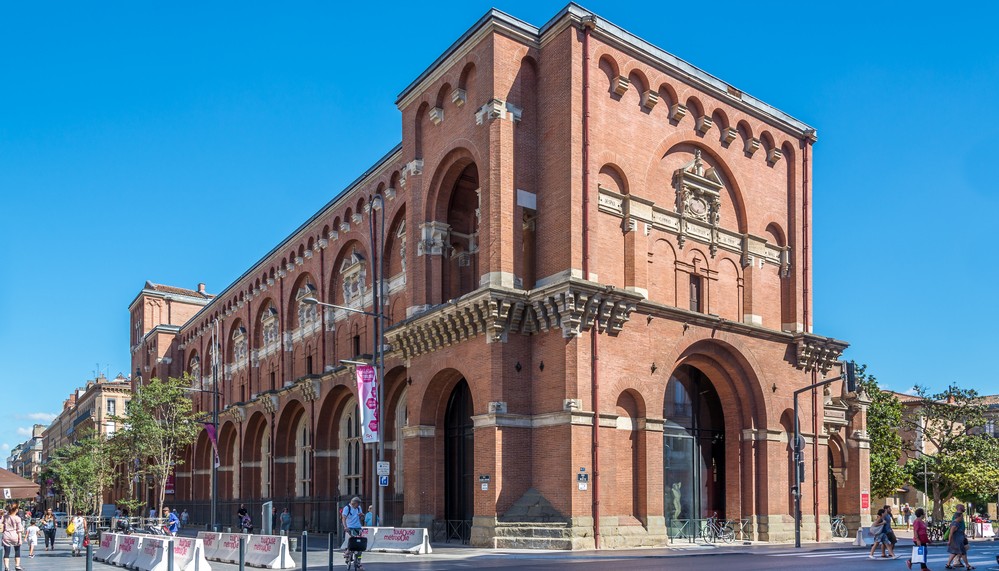
The Musée des Augustins announces itself through a new monolithic entrance on the south façade — a sculptural addition by Aires Mateus that sits in quiet conversation with the 14th-century Gothic stonework behind it. Step through and you're inside one of the oldest museums in France, a former Augustinian convent that has been gathering sculpture and painting since 1795, reopened in December 2025 after six years of renovation.
The building does as much work as the collection. The large cloister — the only completely preserved Gothic cloister from this period in south-west France — runs to 176 twin marble columns, each capital carved differently. The medieval garden at its centre, planted with aromatic and medicinal herbs, is one of the quieter corners in central Toulouse.
💛 What travellers fall for
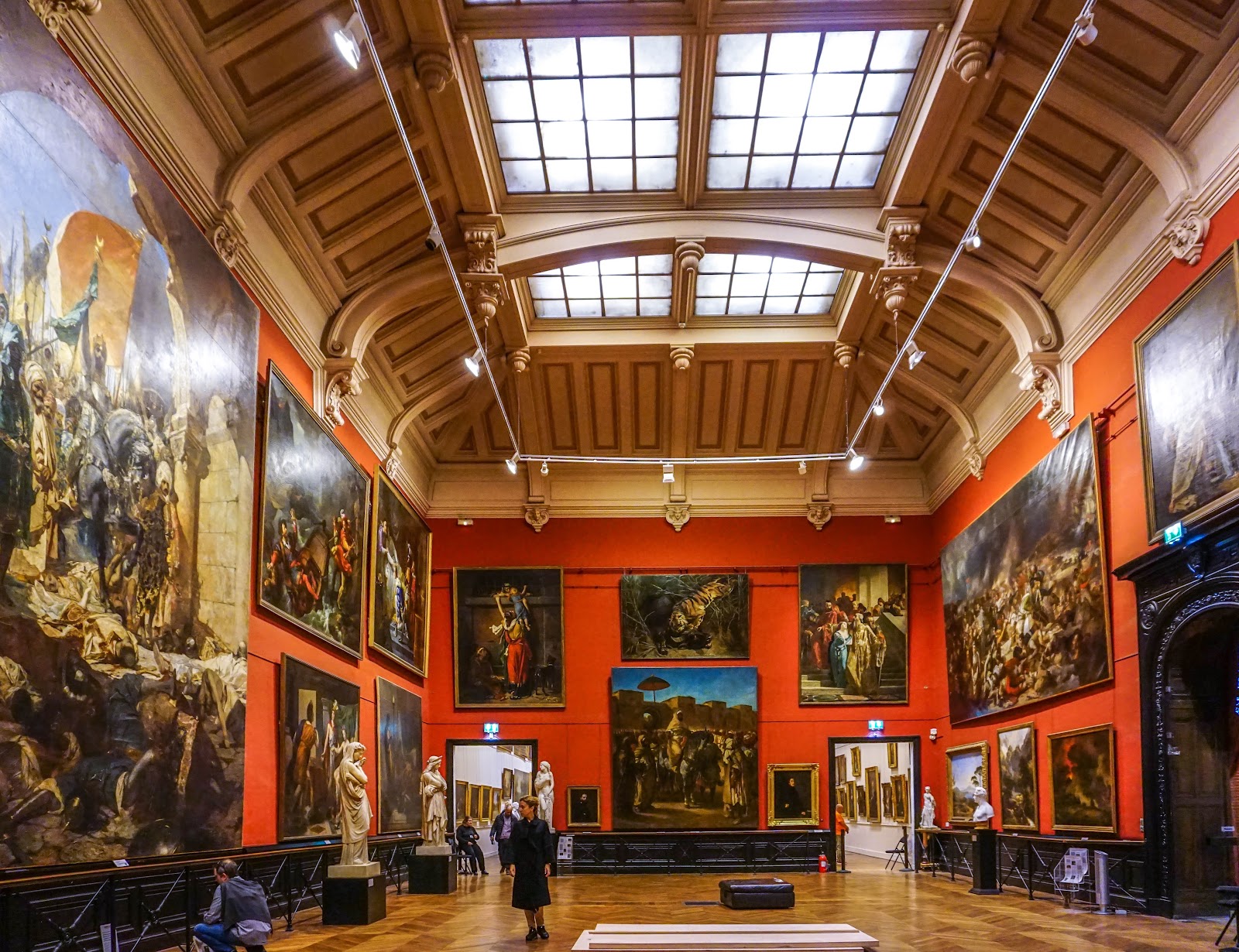
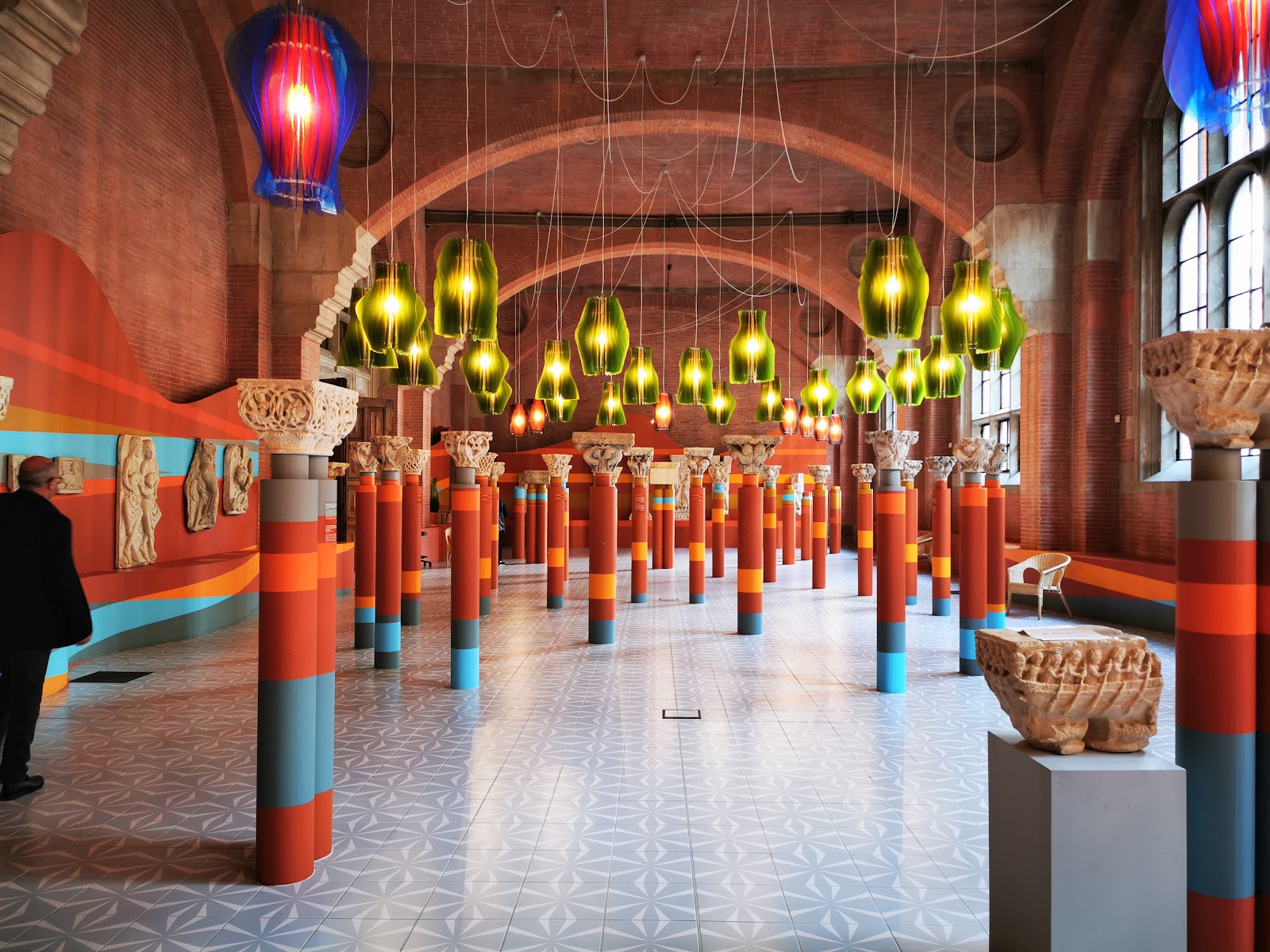
People who come back tend to arrive on a first Sunday (free entry) and stay longer than planned. The monumental Gothic Revival staircase, built 1893–1903 on the site of a demolished refectory, rewards a slow look upward at the vaulting. The boutique-café under brick vaults is worth the stop before you leave.
The story behind Musée des Augustins
The convent was authorised by Pope Clement V in January 1310 and built in the meridional Gothic style that defines so much of medieval Toulouse. When the French Revolution secularized it in 1793, the building was converted to public use almost immediately — the museum opened by decree of the Convention on 27 August 1795, making it one of the earliest in France after the Louvre. Archaeologist Alexandre Du Mège oversaw the cloister's reconstruction to house medieval collections between 1832 and 1862.
The museum was formally founded in 1801 under interior minister Jean-Antoine Chaptal, who established fifteen provincial museums across France. Eugène Viollet-le-Duc was later commissioned to add purpose-built exhibition galleries; his pupil Denis Darcy carried the project through to 1901, including the monumental staircase that replaced the demolished refectory. The building was classed as a Monument historique in 1840.
Good to know
Take Metro Line A to Esquirol, then walk five minutes down rue de Metz. The museum is closed Wednesdays. Church and Gothic areas join the tour in 2026; the cloister restoration runs until spring 2027, so check what's accessible before you go. Budget around two hours; an annual pass at €15 pays for itself quickly.
Where is Musée des Augustins?
More tickets & tours for Musée des Augustins
Book directly at the provider
What travellers say about Musée des Augustins
Really good museum and nice option in Toulouse. We went in the first Sunday of the month, so the entry was free, but there is quite a good amount of people in the museum. Overall, I had a really nice time!
It was amazing ! Museum is not big, you need around 1 hour to visit, amazing paintings and sculpture from local artists, really enjoyed ! Entrance fee was 5 euros per person ( it definitely worth it)
Just Perfect. The art is amazing. Museum well decorated.
One of the places my son and I have enjoyed very much. He even took a power nap there and I take the opportunity to tank one more time to the very kind lady at the entrance of the light room, for letting him sleep on her chair. This is an old convent transformed in a museum with a beautiful patio garden with heavenly smelling roses and other beautiful plants that give these place a short of calmness and tranquility that you could only find in a church environment. On the other hand all the sculptures and artworks around compliment the settlement very well and the way the artwork is exposed, displayed is just fab. Loved it! 🙏
The museum is located in an old convent and it's a very beautiful gothic architectural gem. The collection is also beautiful with paintings and sculptures from the middle ages, a small collection but worth seeing The cafe in the ethrium middle of the building is also a plus. The museum is free and there was no waiting time.
More of Toulouse
Discover where to stay, what to do and the best deals for your trip.
Explore Toulouse →More attractions in Toulouse
All of Toulouse →
Background adapted from Wikipedia (CC BY-SA) · map data © OpenStreetMap contributors · ratings & place photos via Google · other photos with per-image credit. Ticket links may earn us a commission at no extra cost to you.