
Basilique Saint-Sernin
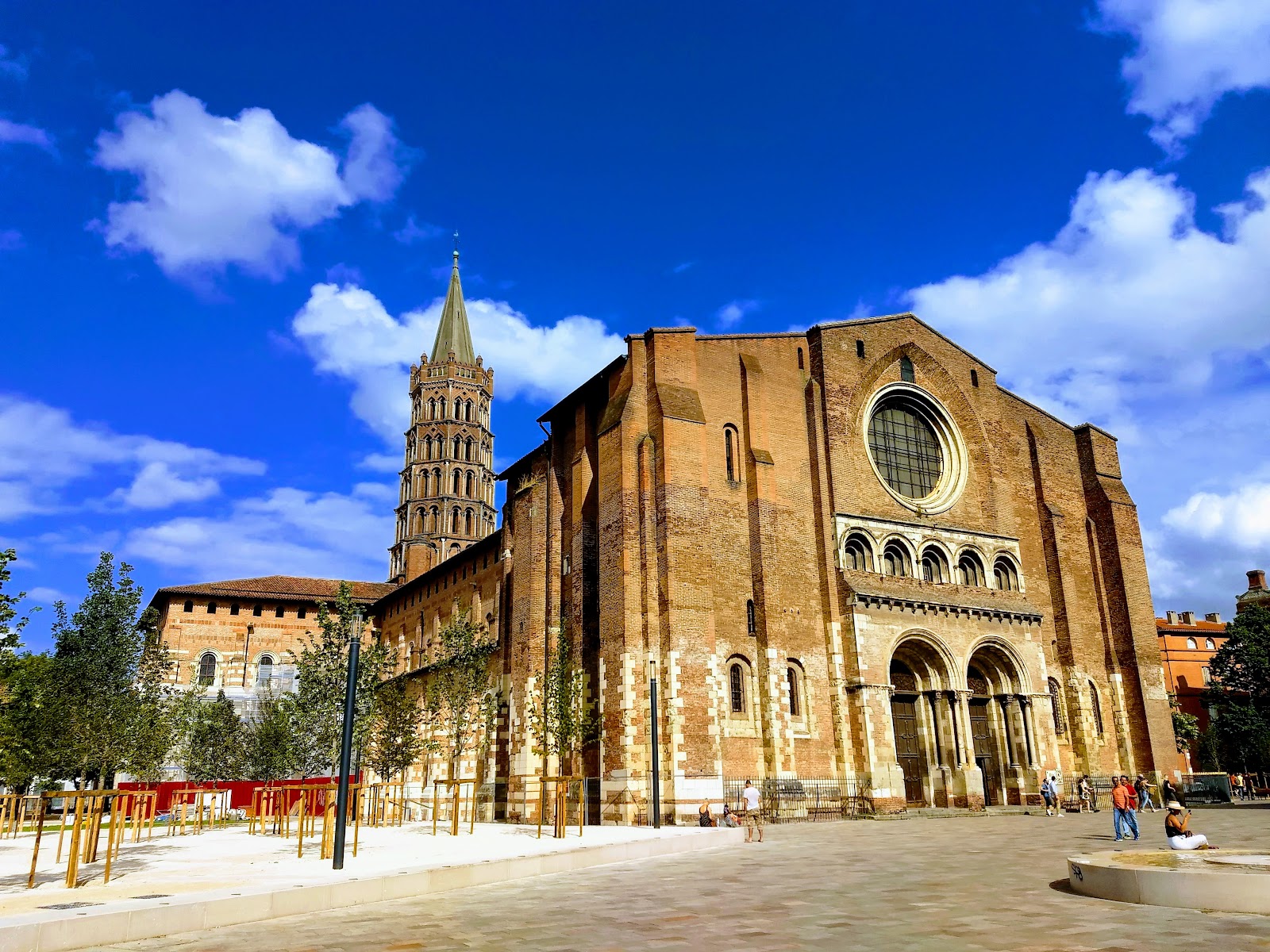
The brick tower of Saint-Sernin rises 65 metres above the rooftops of northern Toulouse in five distinct tiers — three Romanesque arches from the 12th century, two Gothic stories added around 1270, and a 15th-century spire that stitches the whole thing together. It is the largest surviving Romanesque church in the world, and its scale still stops people mid-stride on the Place Saint-Sernin.
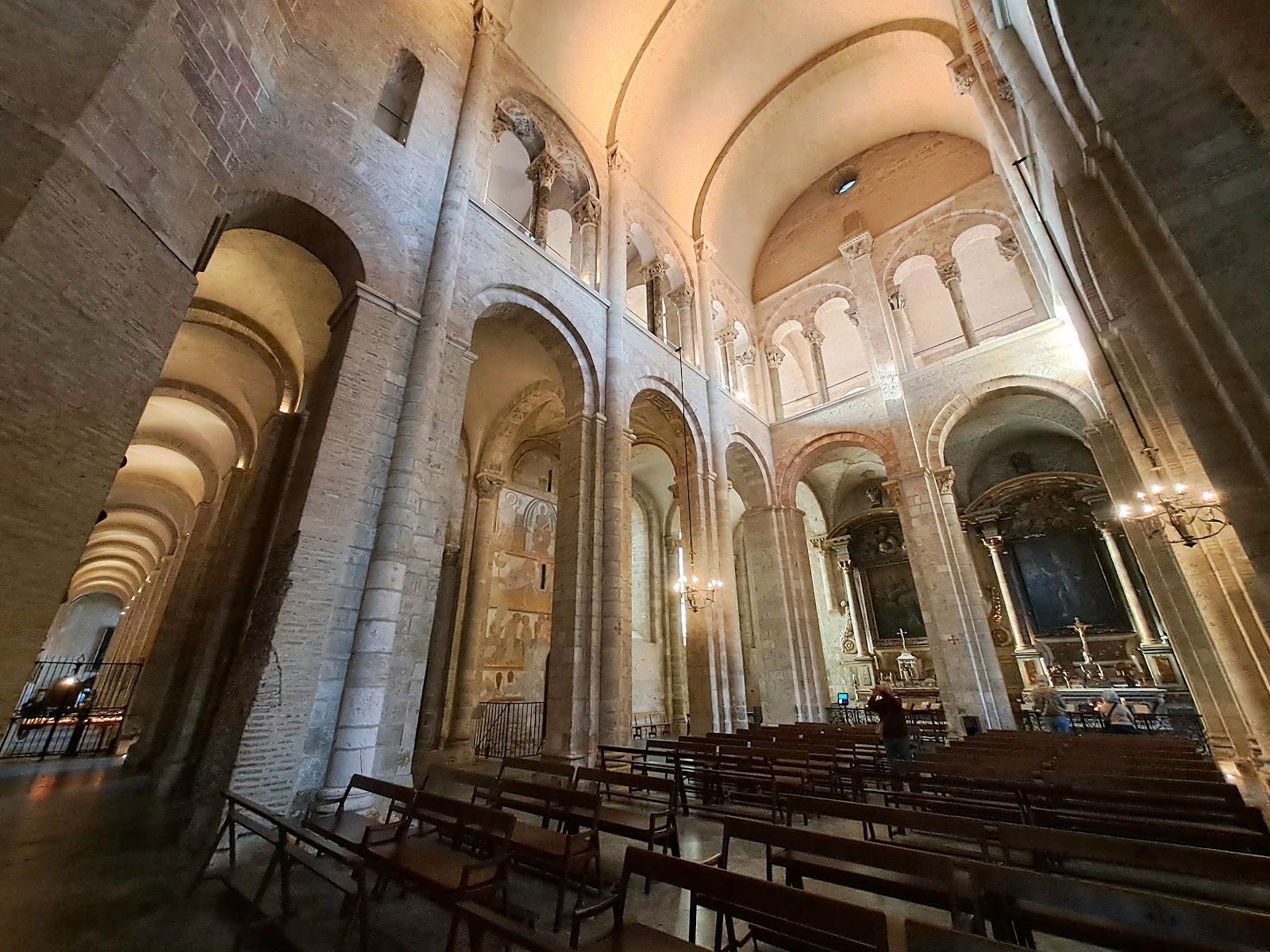
Inside, roughly 260 carved capitals line the nave and ambulatory, and the light that reaches the vaulted ceiling is the particular amber of old brick and old stone. The church has been drawing travellers since Pope Urban II dedicated its altar in 1096 — pilgrims on the road to Santiago de Compostela pausing to venerate the relics housed in the radiating chapels of the chevet.
💛 What travellers fall for
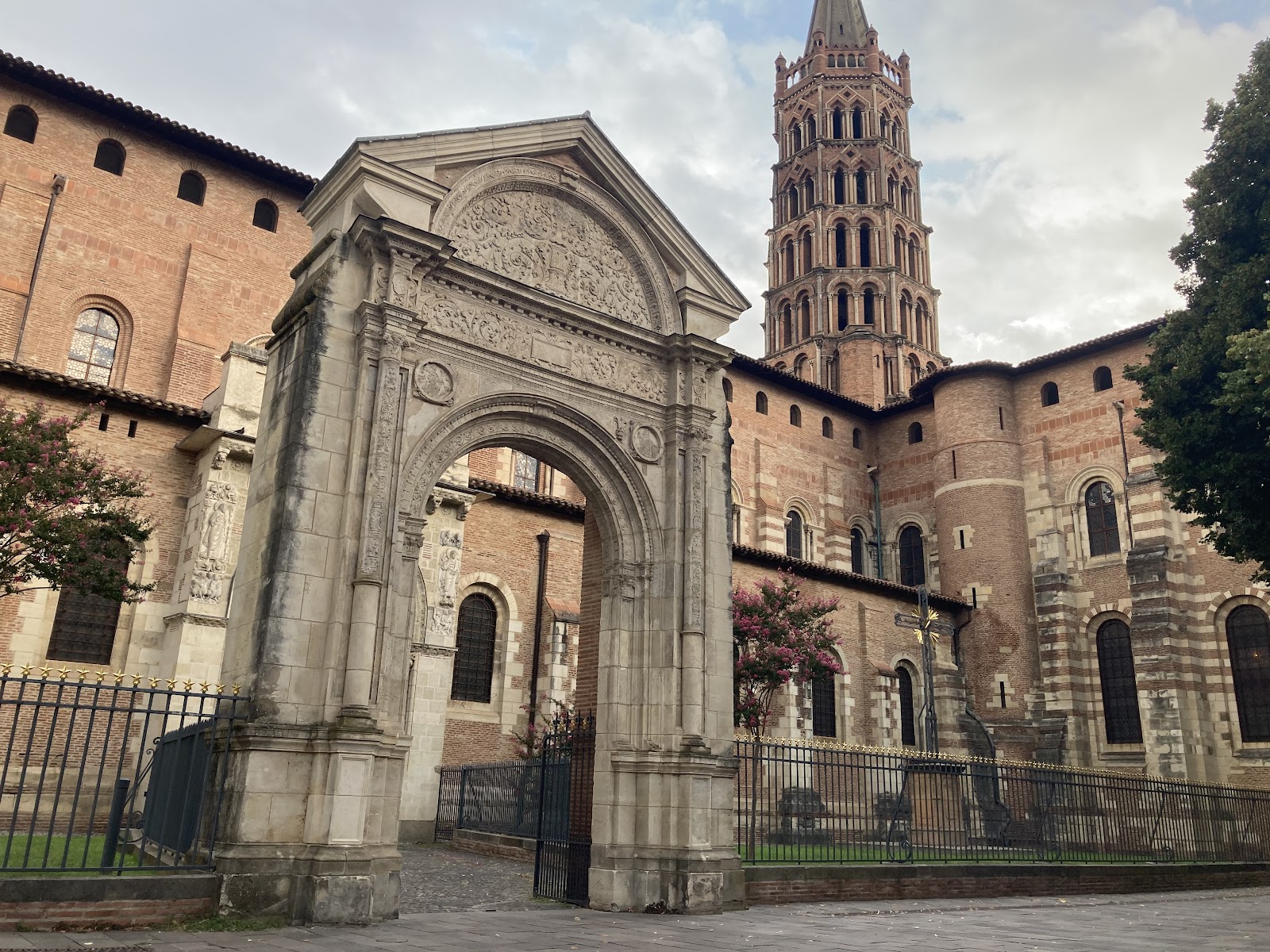
Return visitors tend to time a visit for when the Cavaillé-Coll organ is in use — built in 1888 and inaugurated by Alexandre Guilmant, it ranks alongside the instruments at Saint-Sulpice and Saint-Ouen as one of the great French organs. Even when silent, the ambulatory circuit around the chevet repays a slow second lap; the carved Porte des Comtes capitals, dated around 1082, reveal more on closer inspection.
The story behind Basilique Saint-Sernin
A basilica has stood on this ground since the 4th century, when the body of Saint Saturnin — first bishop of Toulouse, martyred around 250 AD — was brought here for burial. Bishop Sylvius began formal construction of an early basilica; Charlemagne later donated a quantity of relics that enlarged the site's importance considerably. By the 1010s, Bishop Pierre Roger was setting aside offerings to rebuild the Carolingian church.
The current structure went up through the 11th to 13th centuries, with Raymond Gayrard, canon and provost of the chapter, overseeing much of the work until his death in 1118. Eugène Viollet-le-Duc restored the building in 1860, and his interventions are now being gradually reversed. In 1998, Saint-Sernin was inscribed as a UNESCO World Heritage Site as part of the Routes of Santiago de Compostela in France.
Good to know
Metro line B to Jeanne d'Arc, then a ten-minute walk. The basilica opens daily from 8:30 to 18:00, but the ambulatory and crypt run shorter hours October through May — check before you go if those are your priority. The Musée Saint-Raymond, which holds Roman sculpture, sits directly opposite and pairs well.
Where is Basilique Saint-Sernin?
More tickets & tours for Basilique Saint-Sernin
Book directly at the provider
What travellers say about Basilique Saint-Sernin
Wonderful! Really cool Romanesque Basilica, very grand. Unique opportunity to see some great art, as well as visit a crypt. Would visit again, definitely a must-see of Toulouse.
Basilique Saint-Sernin A hidden masterpiece in Toulouse that rivals Europe’s great cathedrals. We stumbled upon this basilica during our visit and were genuinely surprised by its scale and atmosphere. Built in the Romanesque style, it’s one of the largest churches of its kind in Europe—and it feels both monumental and peaceful at the same time. What makes it special is its history: it’s often called a “second Rome” due to the large number of relics and saints associated with it. The crypt holds numerous remains, and tradition even claims connections to royal relics like the Thorns Crown. Whether or not all legends hold true, the sense of history is undeniable. Inside, the warm stone, high arches, and quiet light create a very contemplative mood. For me personally, only Sagrada Família surpassed it—but that’s a very high bar. Tip: Don’t skip the crypt—it’s easy to miss but adds a completely different layer to the visit. Verdict: A must-see in Toulouse, especially if you appreciate history and authentic, less crowded landmarks.
One of the most beautiful basilicas. Detailed explanations are provided in various parts of the basilica. Highly recommended for a visit.
What a beautiful basilica, gorgeous architecture, artworks, painted walls, a lovely warm feeling place. Beautiful, and plenty of information boards, free entry.
This is a church which is at once a sacred space as well as a historical space. The leadership of this church does an amazing job of welcoming guests who approach from either perspective. I was thrilled with the quantity of information about the purpose and construction of the Basilica. I also found the church an easy place to spend some quiet moments. If you go no where else on your visit to Toulouse, experience of this nearly thousand year-old church will leave an impression.
More of Toulouse
Discover where to stay, what to do and the best deals for your trip.
Explore Toulouse →More attractions in Toulouse
All of Toulouse →
Background adapted from Wikipedia (CC BY-SA) · map data © OpenStreetMap contributors · ratings & place photos via Google · other photos with per-image credit. Ticket links may earn us a commission at no extra cost to you.