
Loire Valley
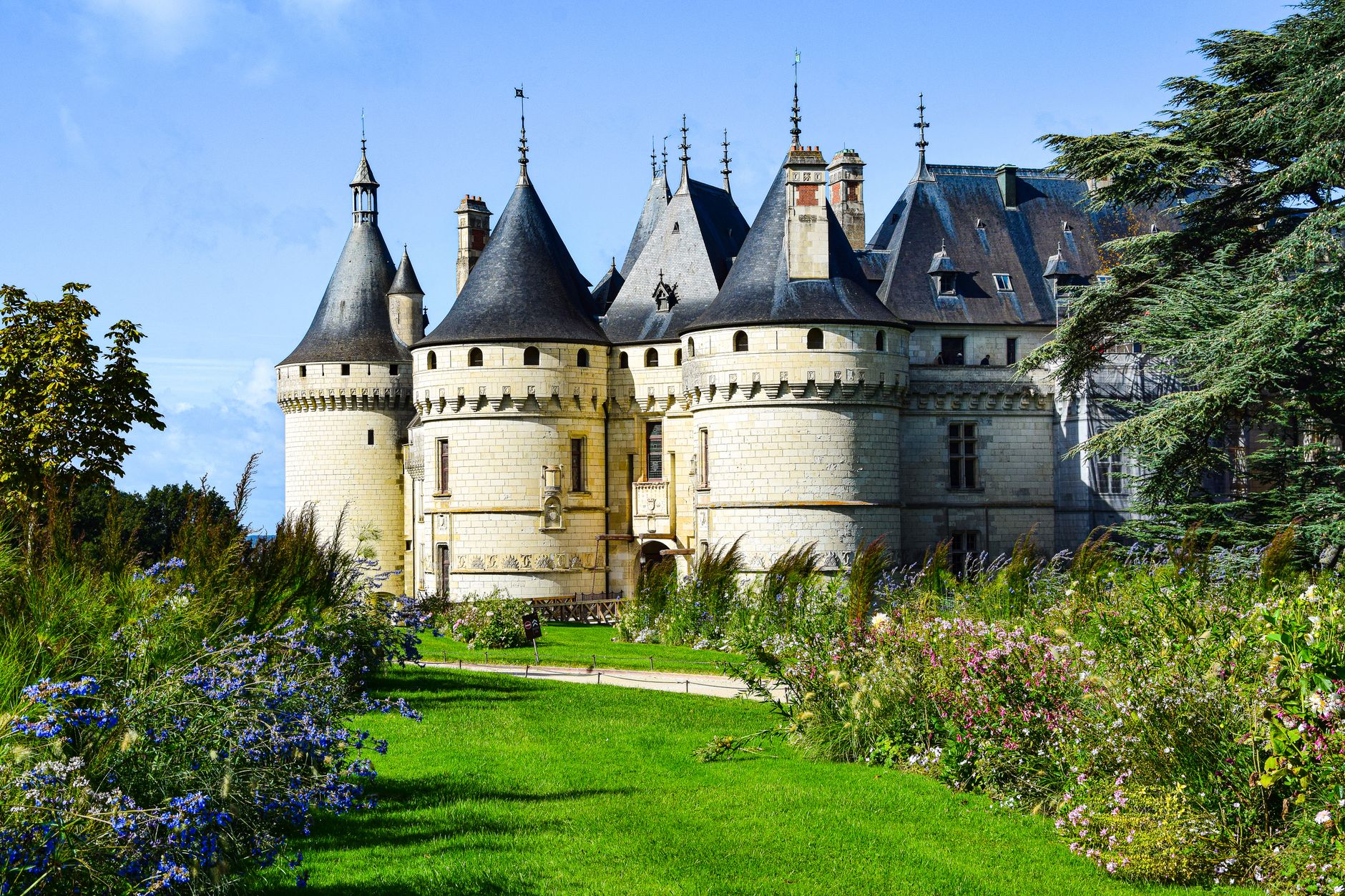
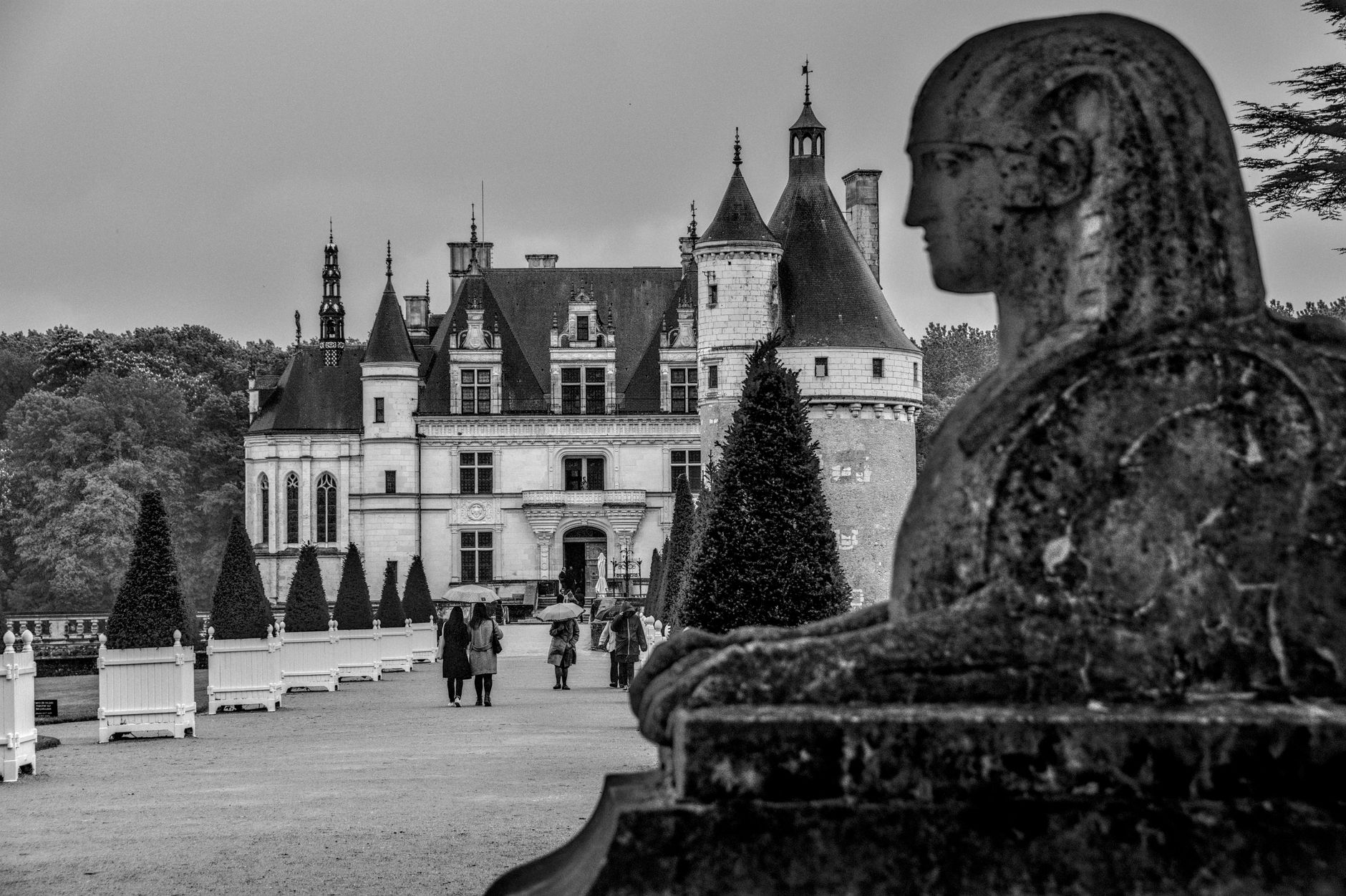
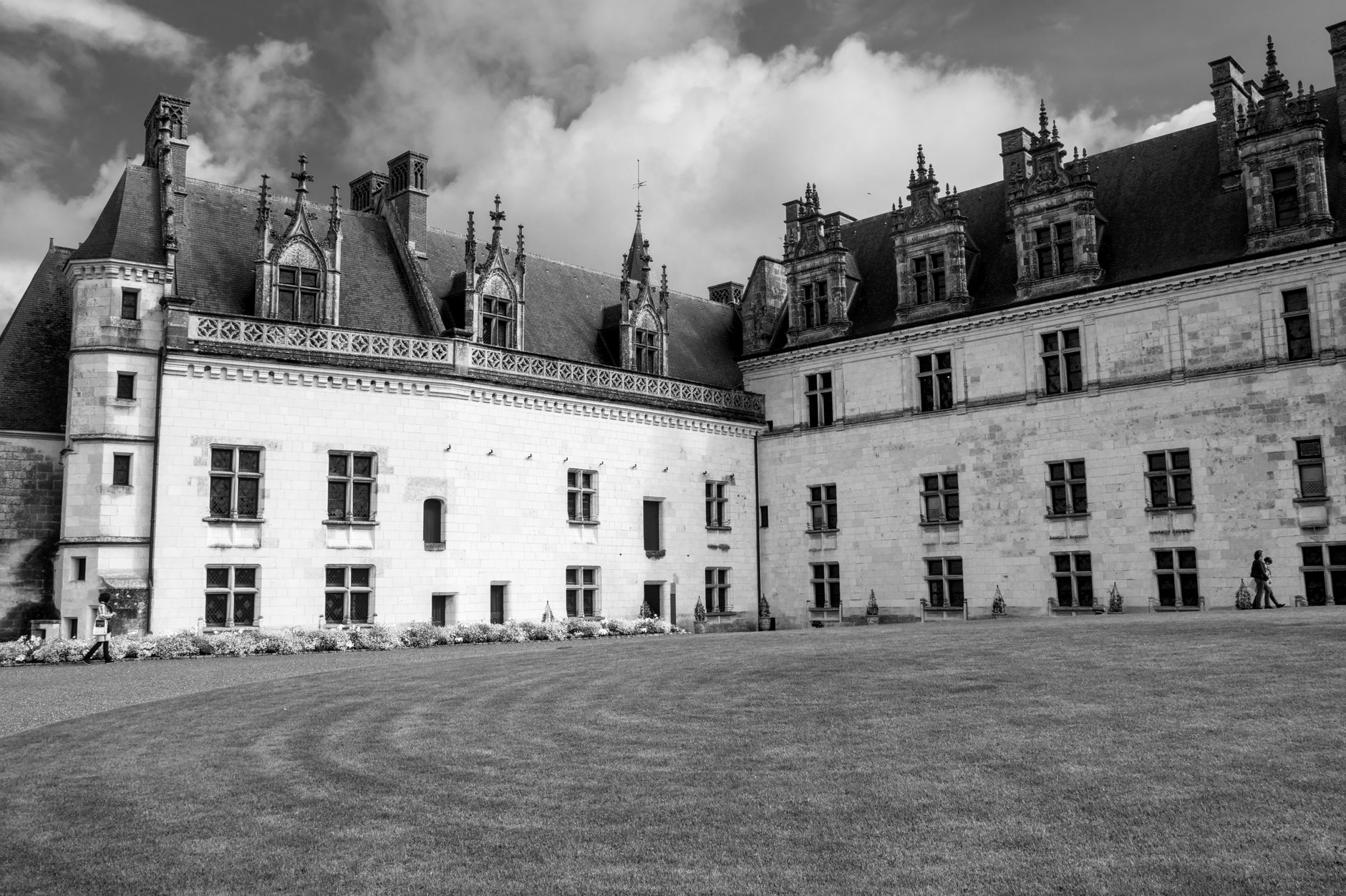
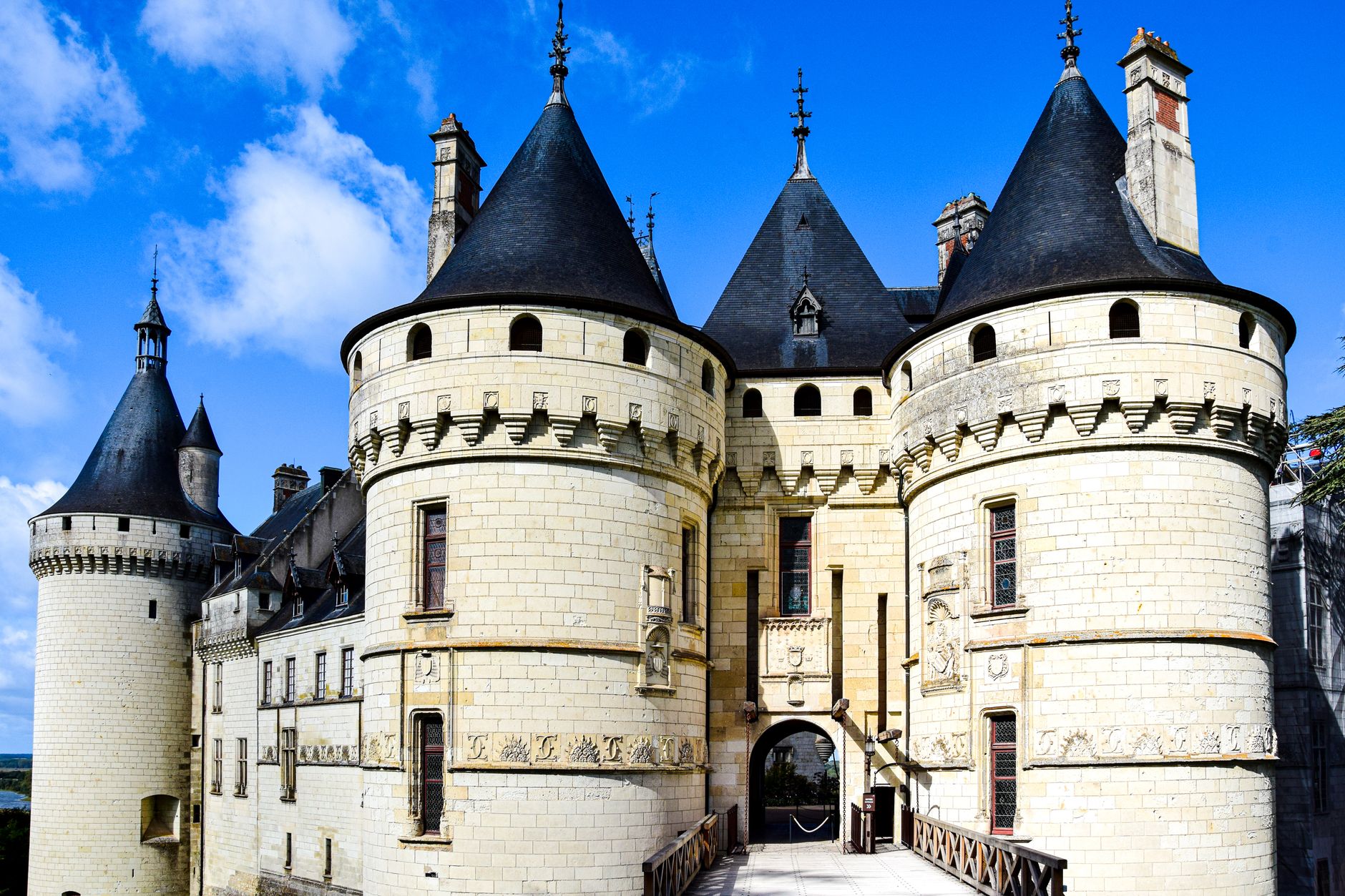
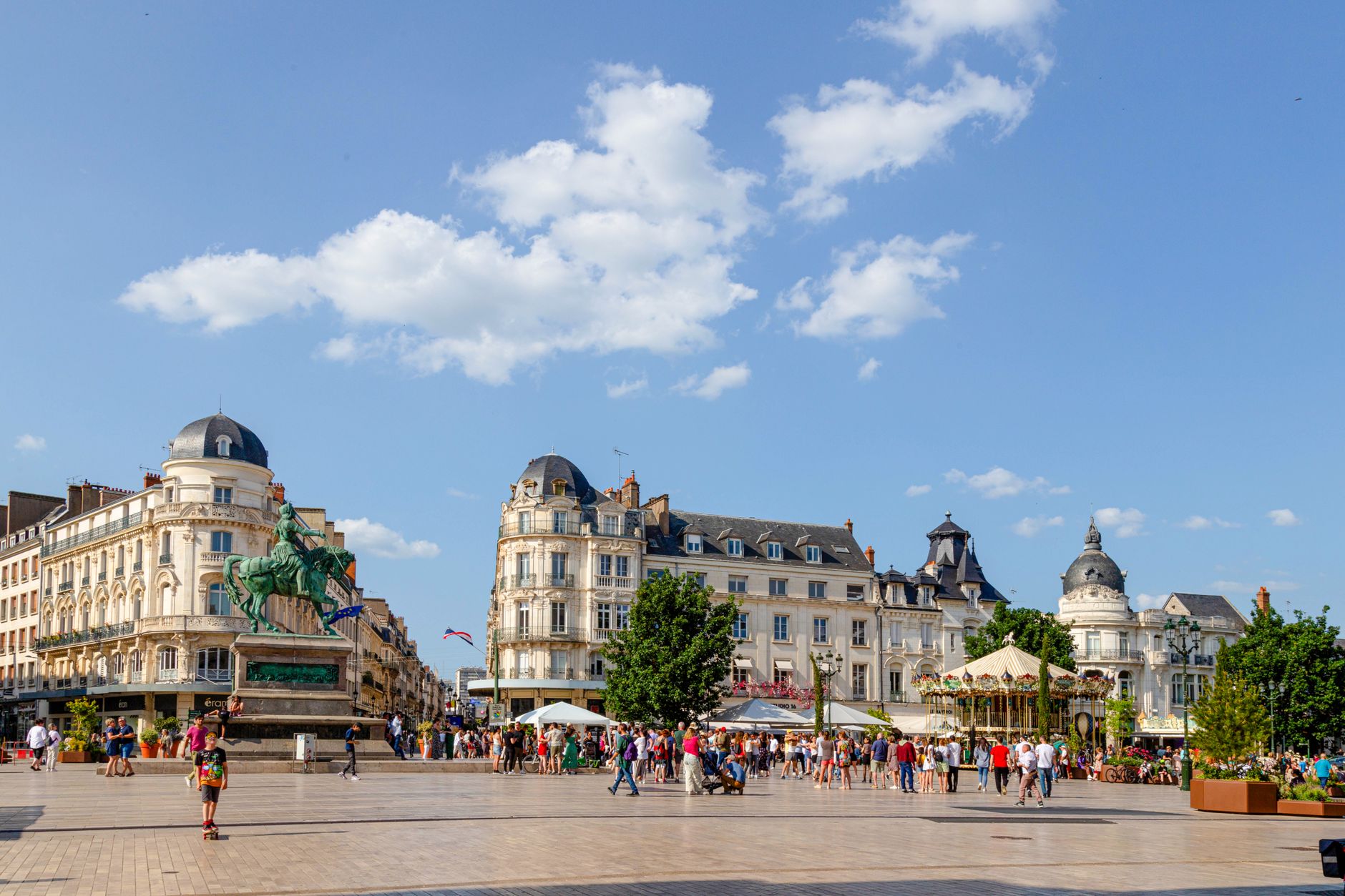
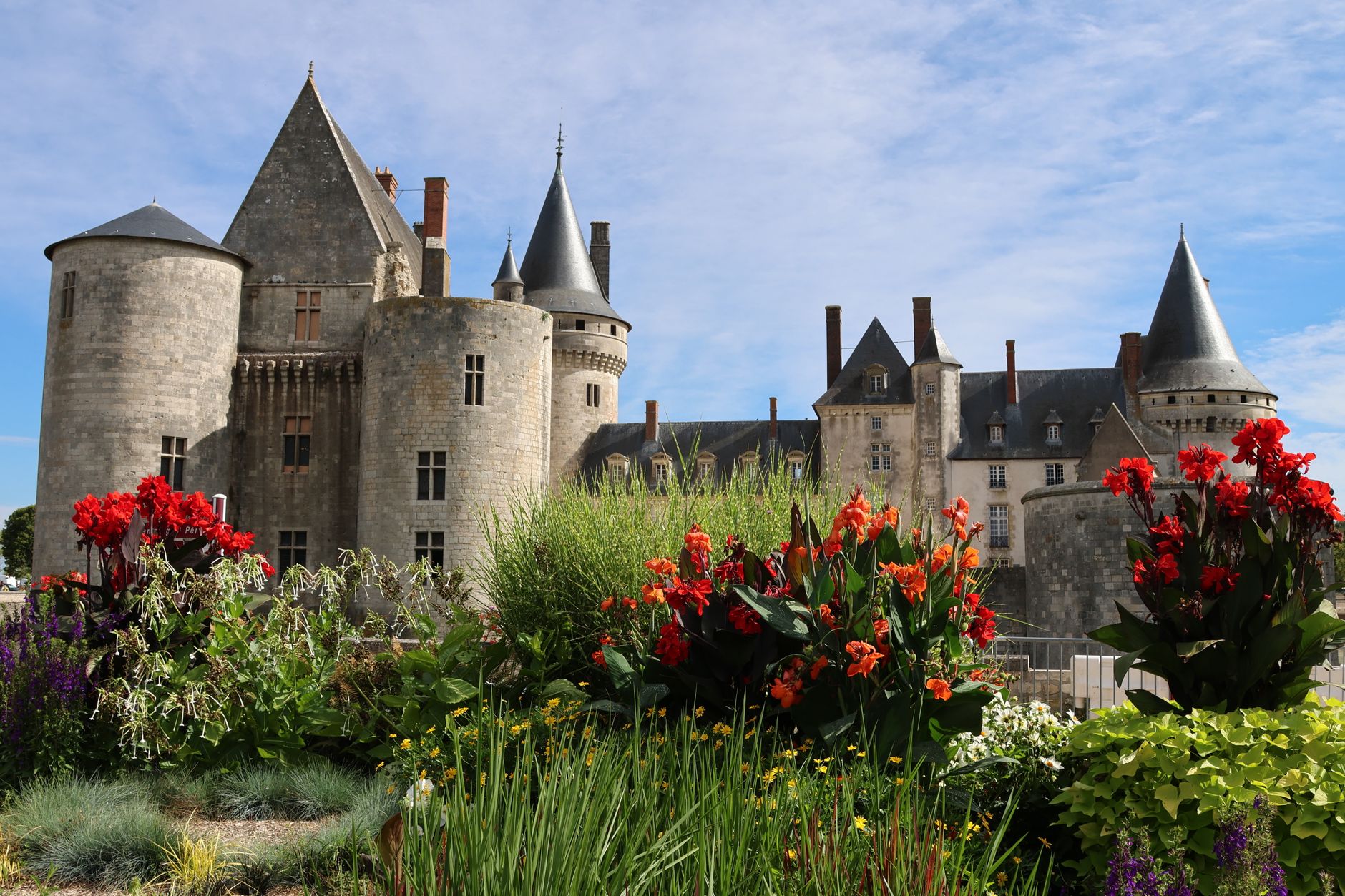
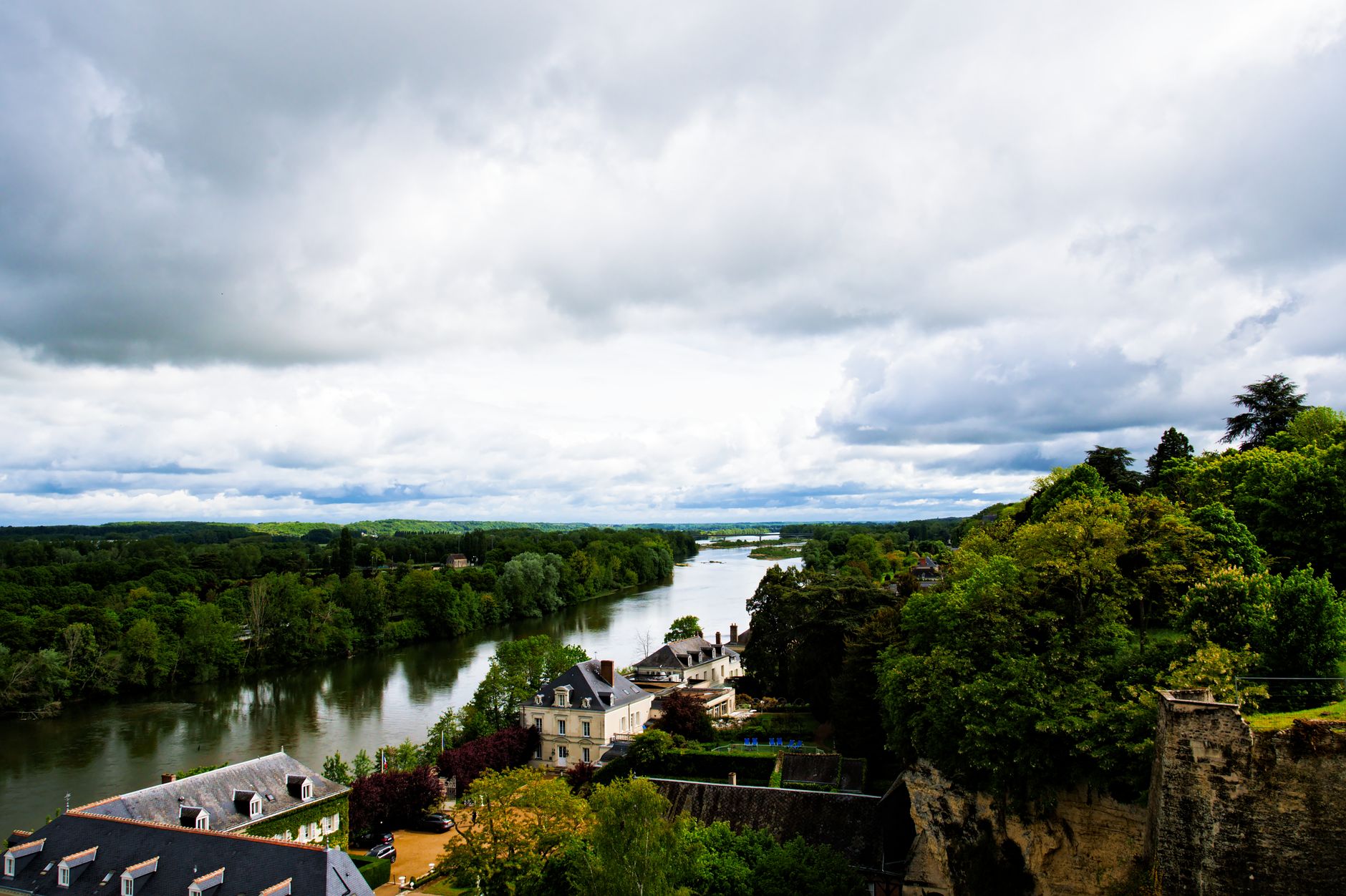
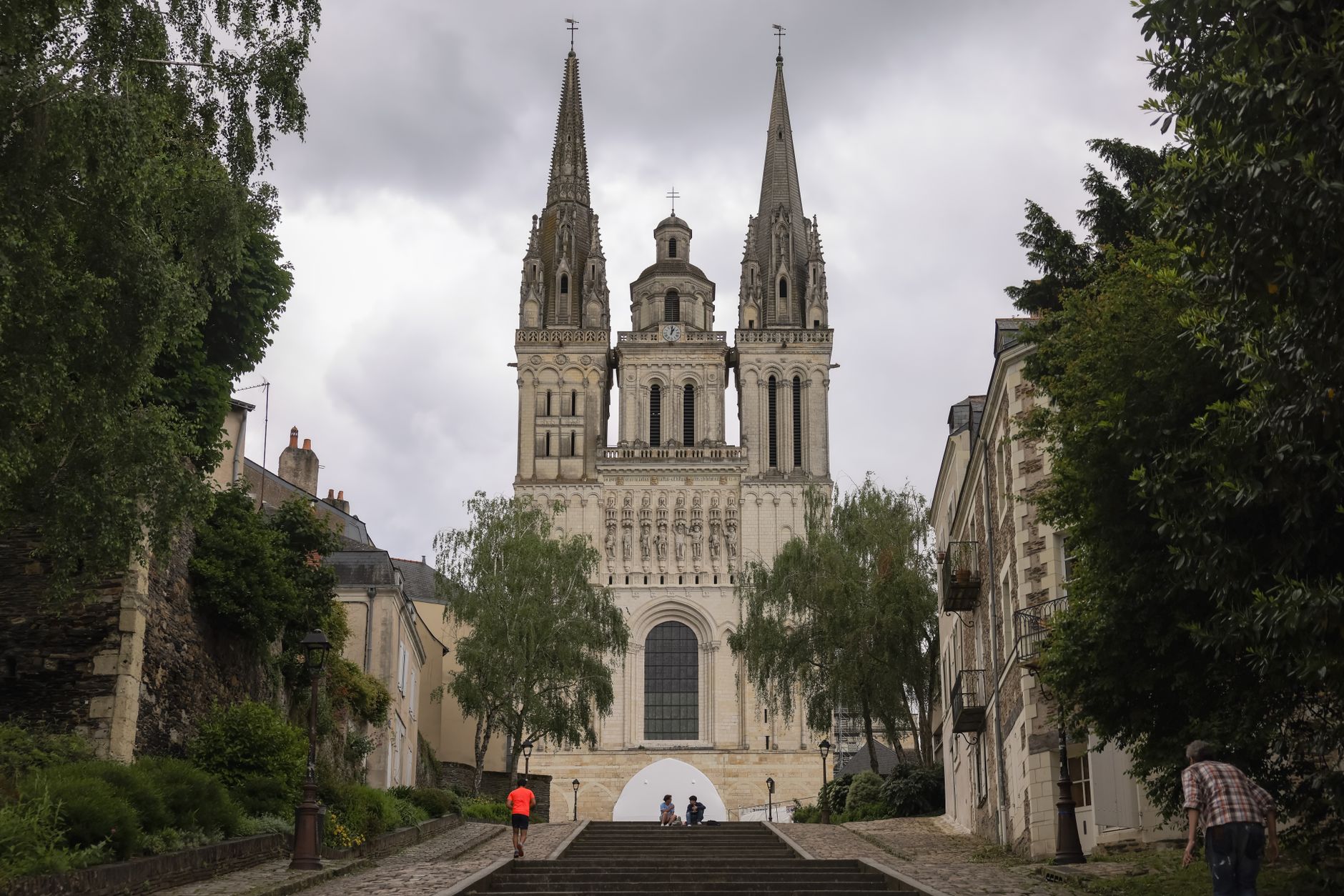
The Loire Valley holds more than three hundred châteaux, and the sheer number of them is the first thing that reorients you. This isn't a single monument to visit and tick off — it's a landscape that has been continuously shaped by power, money, and ambition across a thousand years. The river itself, wide and sandy and prone to flooding, runs through the middle of it all, and UNESCO recognised the whole central stretch between Chalonnes-sur-Loire and Sully-sur-Loire as a World Heritage Site in 2000.
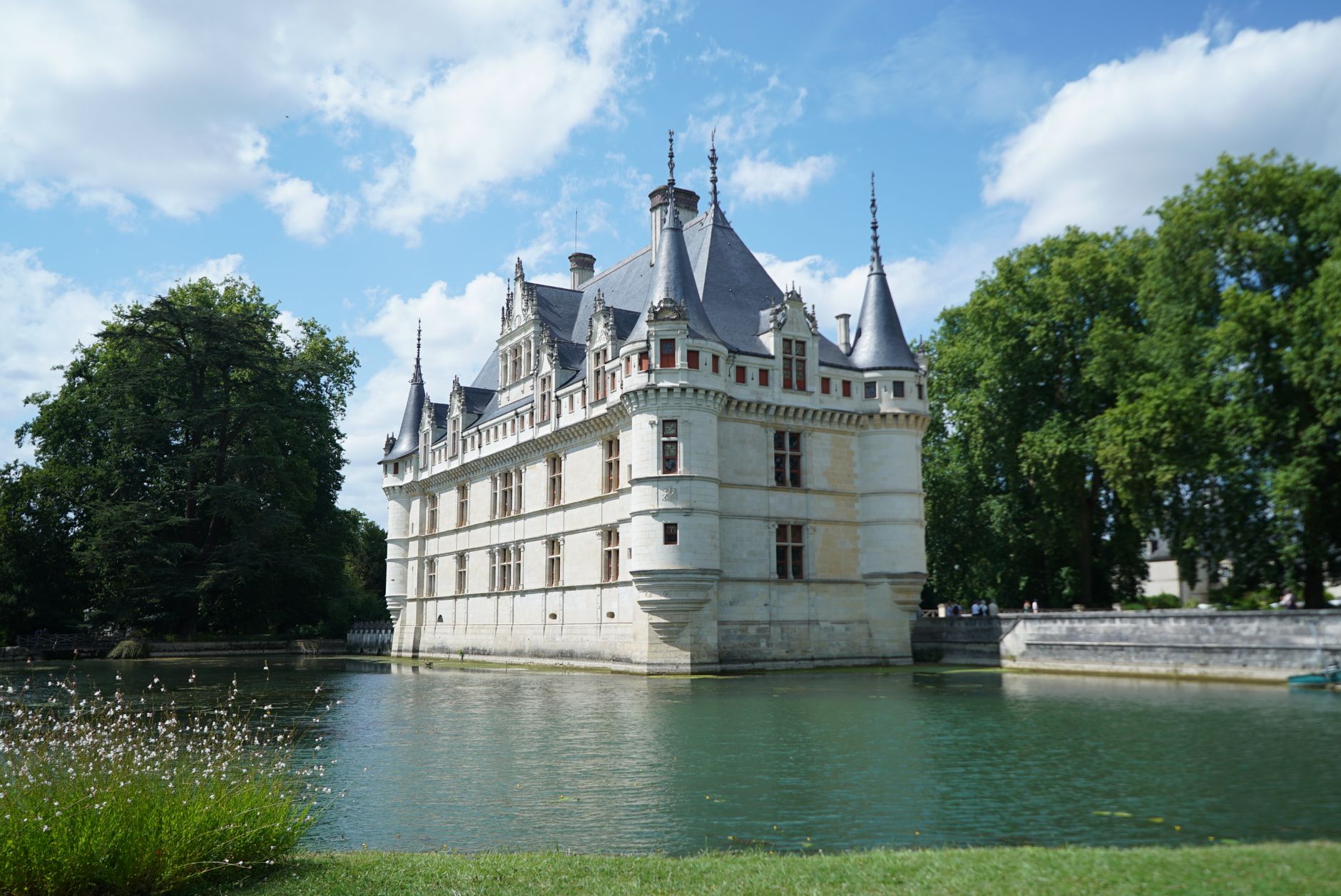
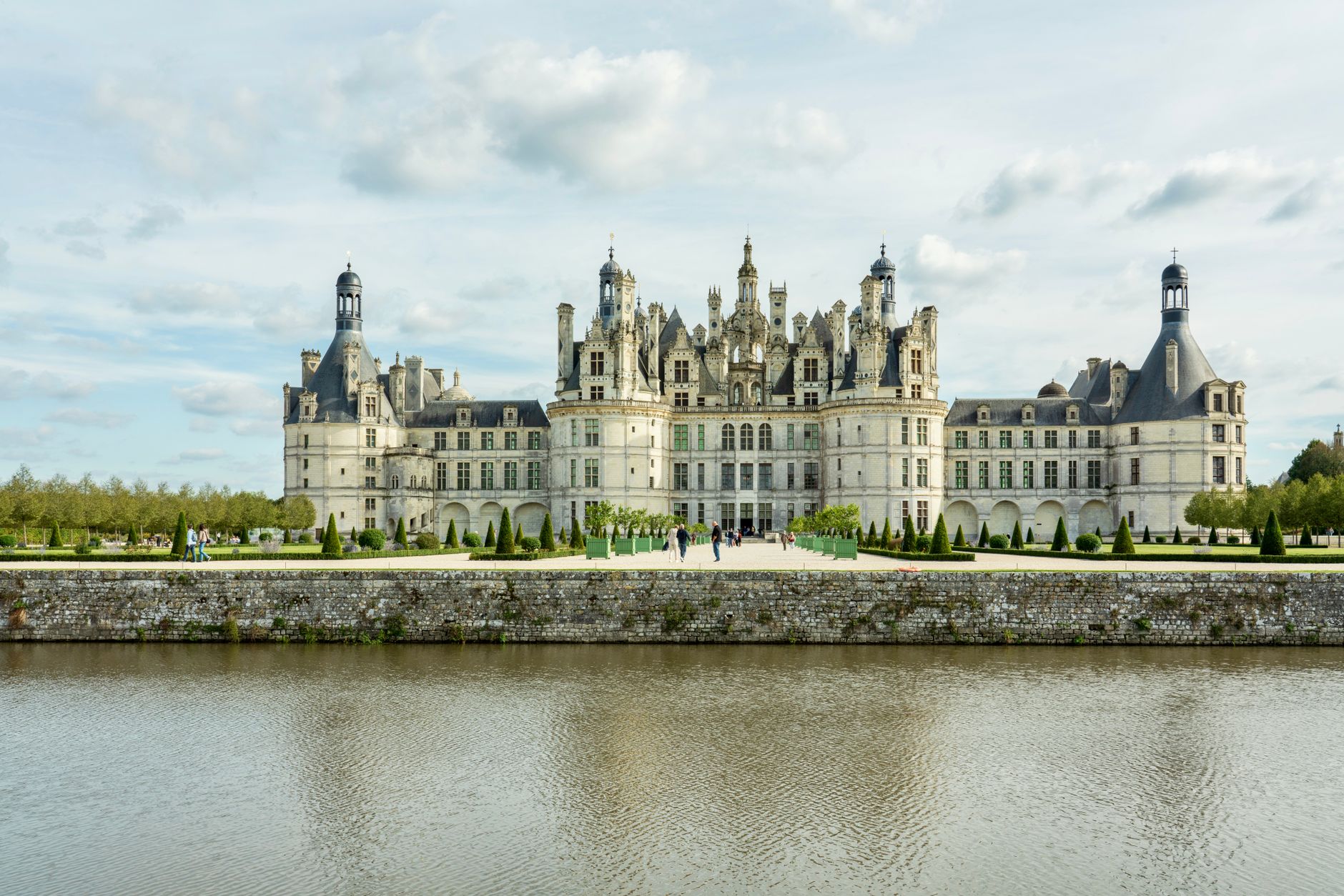
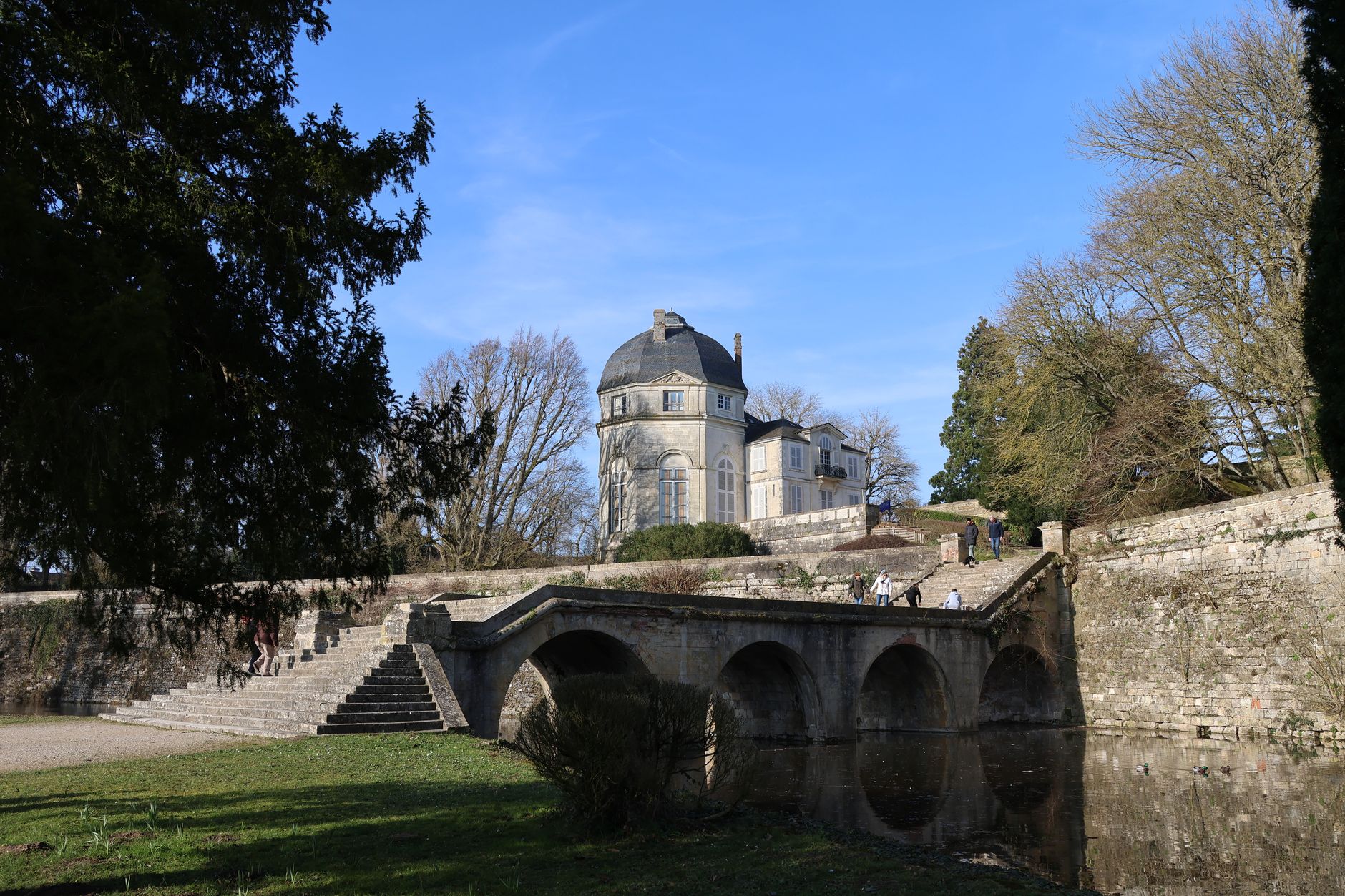
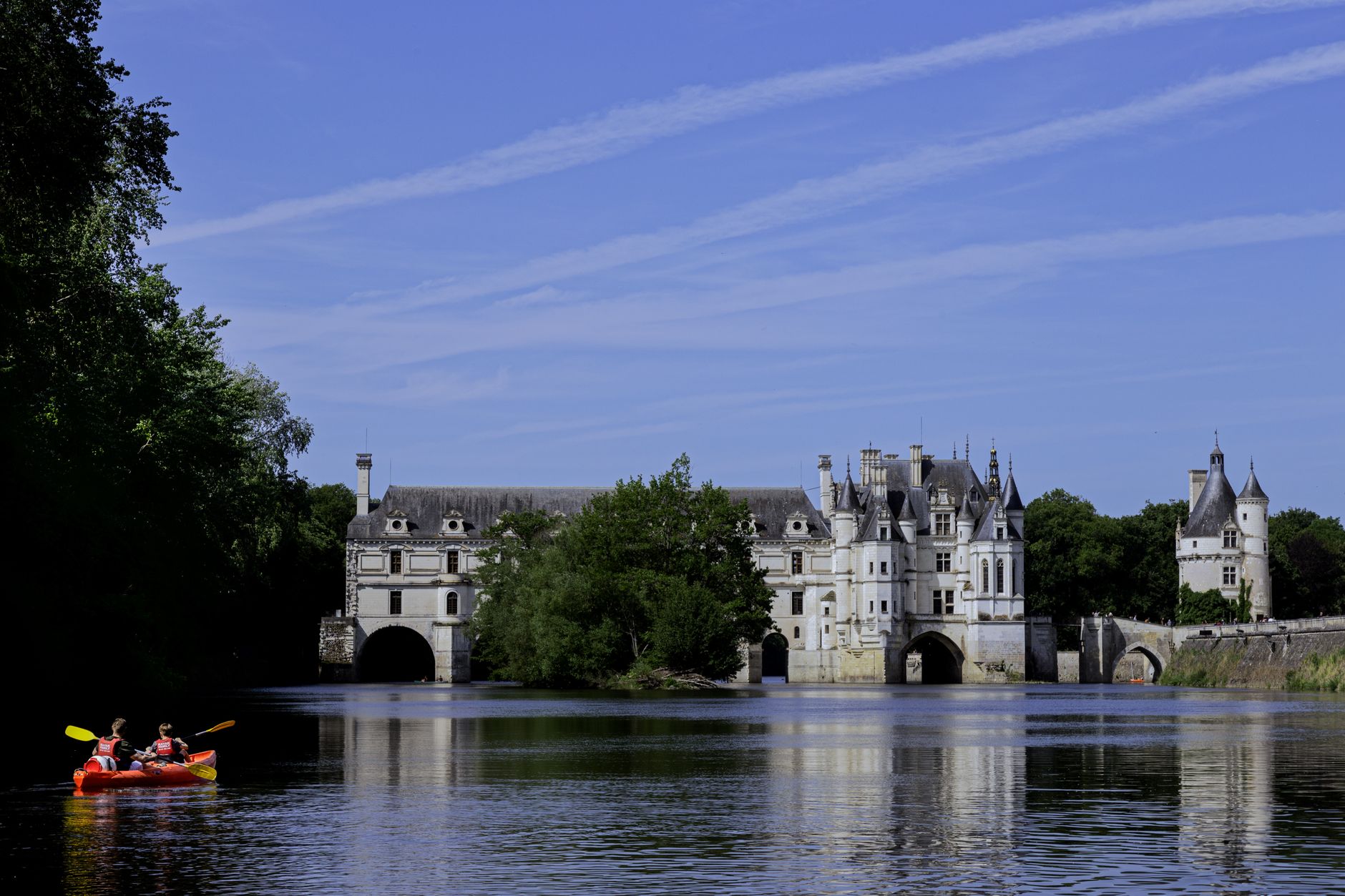
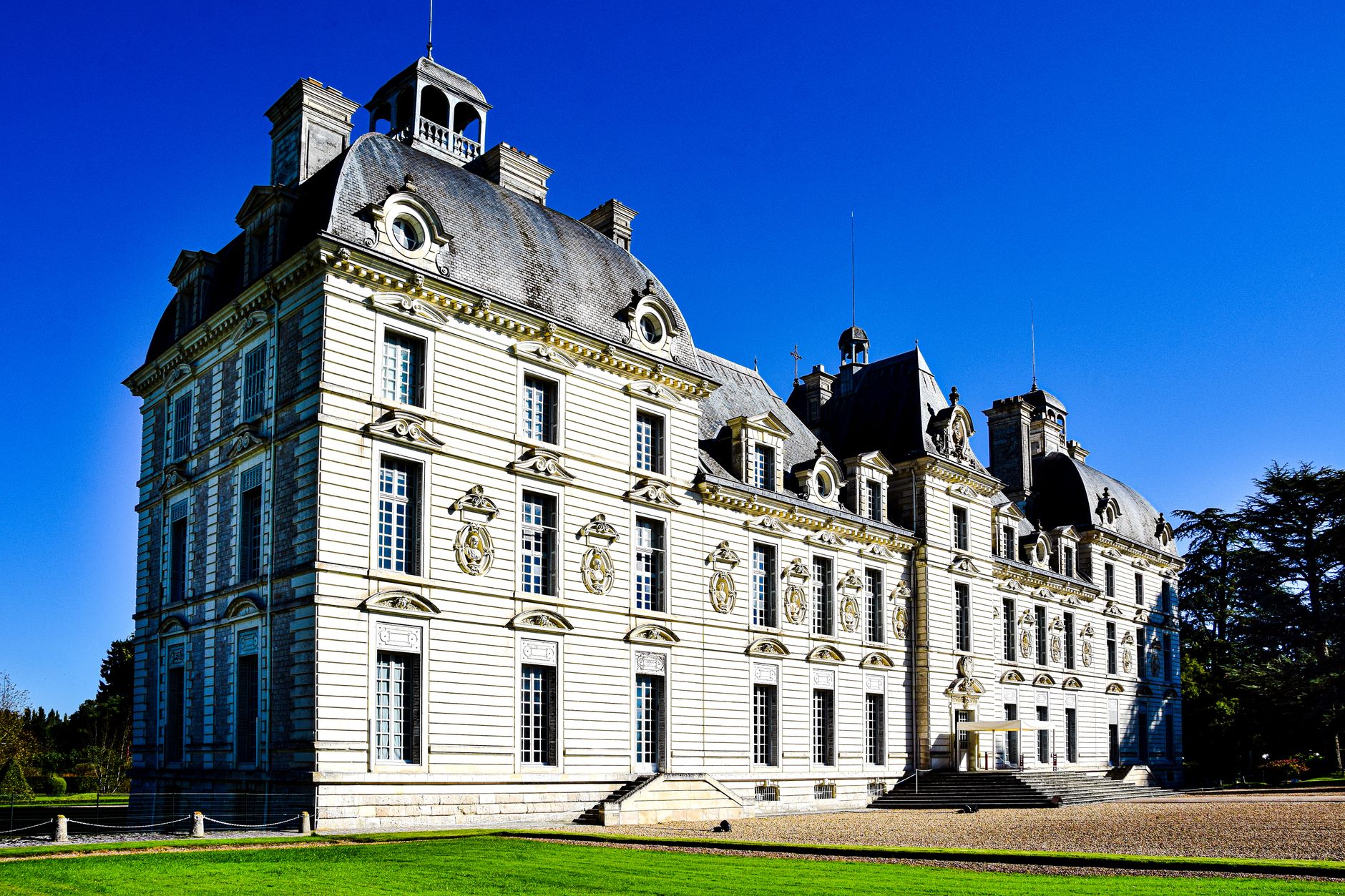
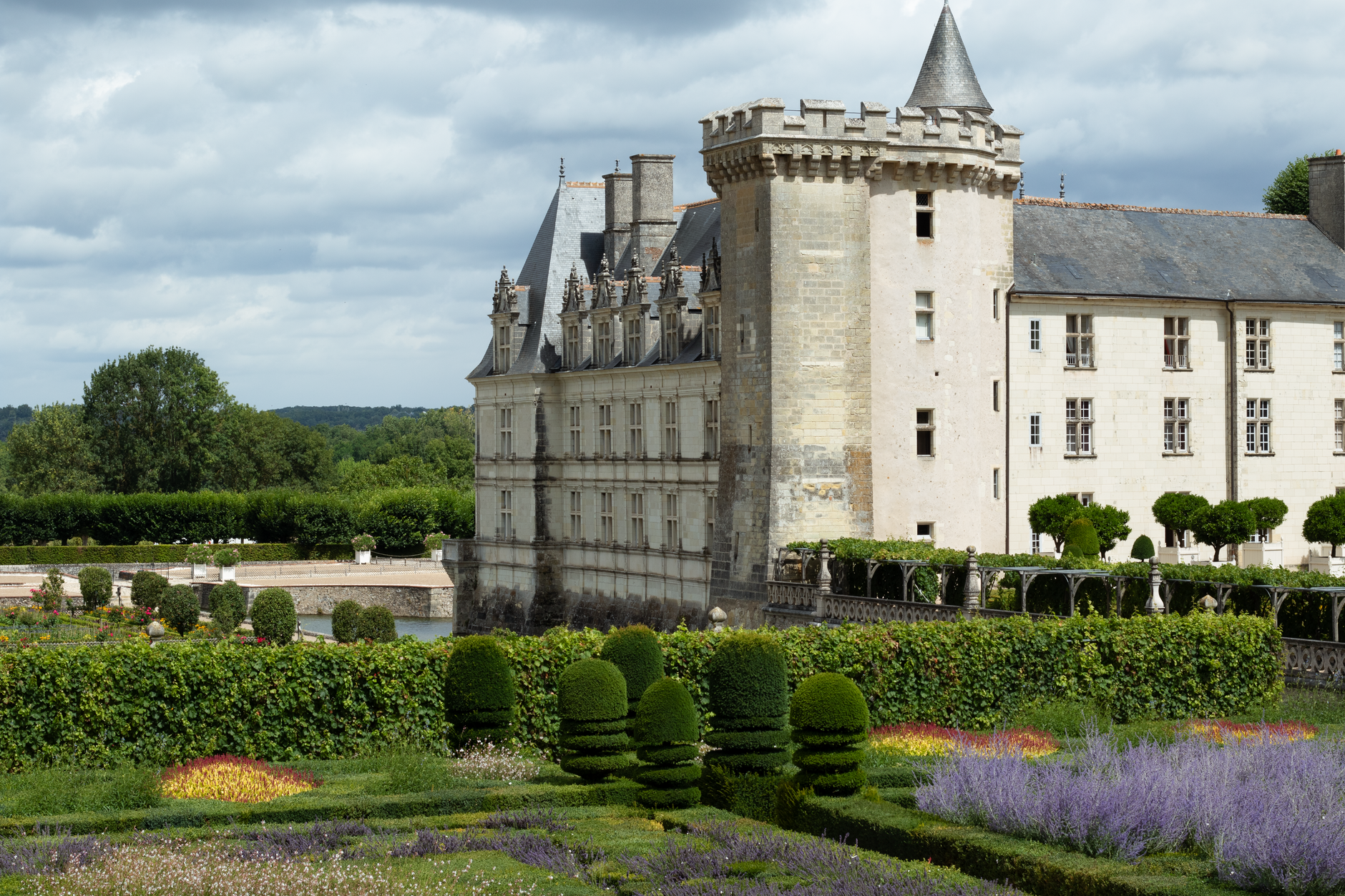
What makes the valley worth more than a day trip is the variety. Château de Chambord, built for Francis I from 1519, operates at a completely different scale from the intimate Azay-le-Rideau reflected in its moat. Chenonceau bridges the Cher River. Montsoreau was built directly in the riverbed. Give yourself five days if you can.
Popular cities in Loire Valley
💛 What travellers fall for
People who come back tend to base themselves in a town — Tours, Blois, or Amboise — rather than driving between châteaux from Paris. Amboise is a 20-minute walk from the Château Royal and close to Clos Lucé, where Leonardo da Vinci lived. Cycling between estates on the 550 km of tracks is one of the quieter ways to move through the valley.
Experiences you don't want to miss




How Loire Valley came to be
The valley's defining architectural period arrived almost by accident. After French kings — Charles VIII, Louis XII, and Francis I — conducted military campaigns in Italy, they returned with Italian architects, gardeners, and artisans, and the Italian Renaissance effectively landed in France along the Loire. Chambord went up from 1519; the Italian influence is visible in the double-helix staircase at its centre.
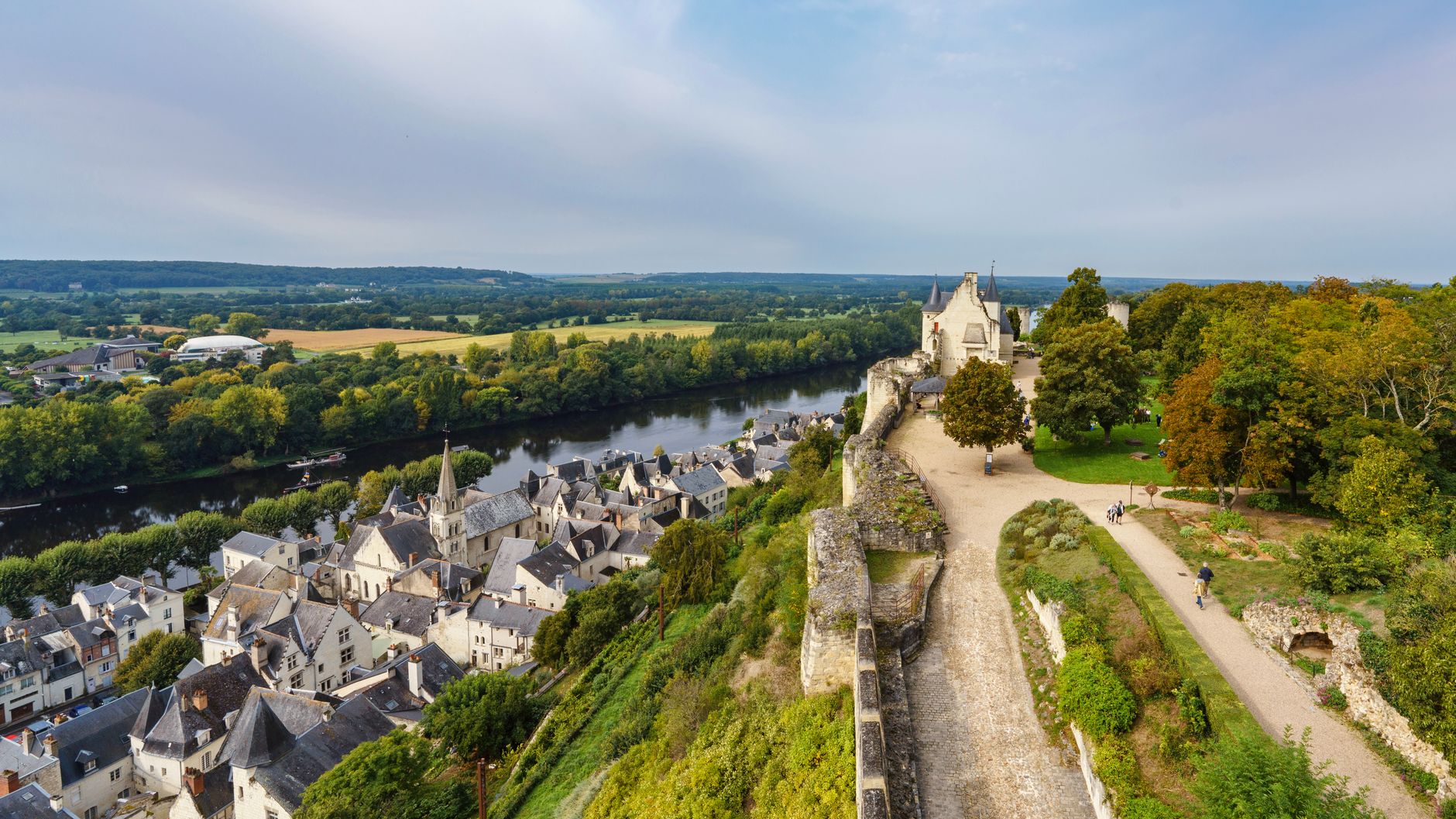
When Henry II gradually moved the seat of French power to Paris, the Loire lost royal patronage. Paradoxically, that saved it: without the funds to demolish and rebuild in later fashions, the Renaissance châteaux survived largely intact. Before all of this, the valley had earlier layers — defensive keeps built by Foulques Nerra of Anjou between 987 and 1040, and a moment in 1429 when a teenage girl named Joan arrived at Chinon claiming a divine mandate to relieve the siege of Orléans.
Who and what shaped it
People who shaped it
Landmark buildings
See Loire Valley in motion
Plan your visit
On the map
When to go
Spring (April–June) and early autumn (September–October) give you mild temperatures and manageable crowds. July and August are warm and busy, but also when the most transport connections — including château shuttles — are running. Winter is quiet and some smaller châteaux close entirely.
↡ Cities

No places match these filters.
Background & history adapted from Wikipedia (CC BY-SA) · specs from Wikidata (CC0) · weather from Open-Meteo · map data © OpenStreetMap contributors · photos from Wikimedia Commons / Unsplash with per-image credit. No third-party reviews or social posts reproduced.