
Cheverny
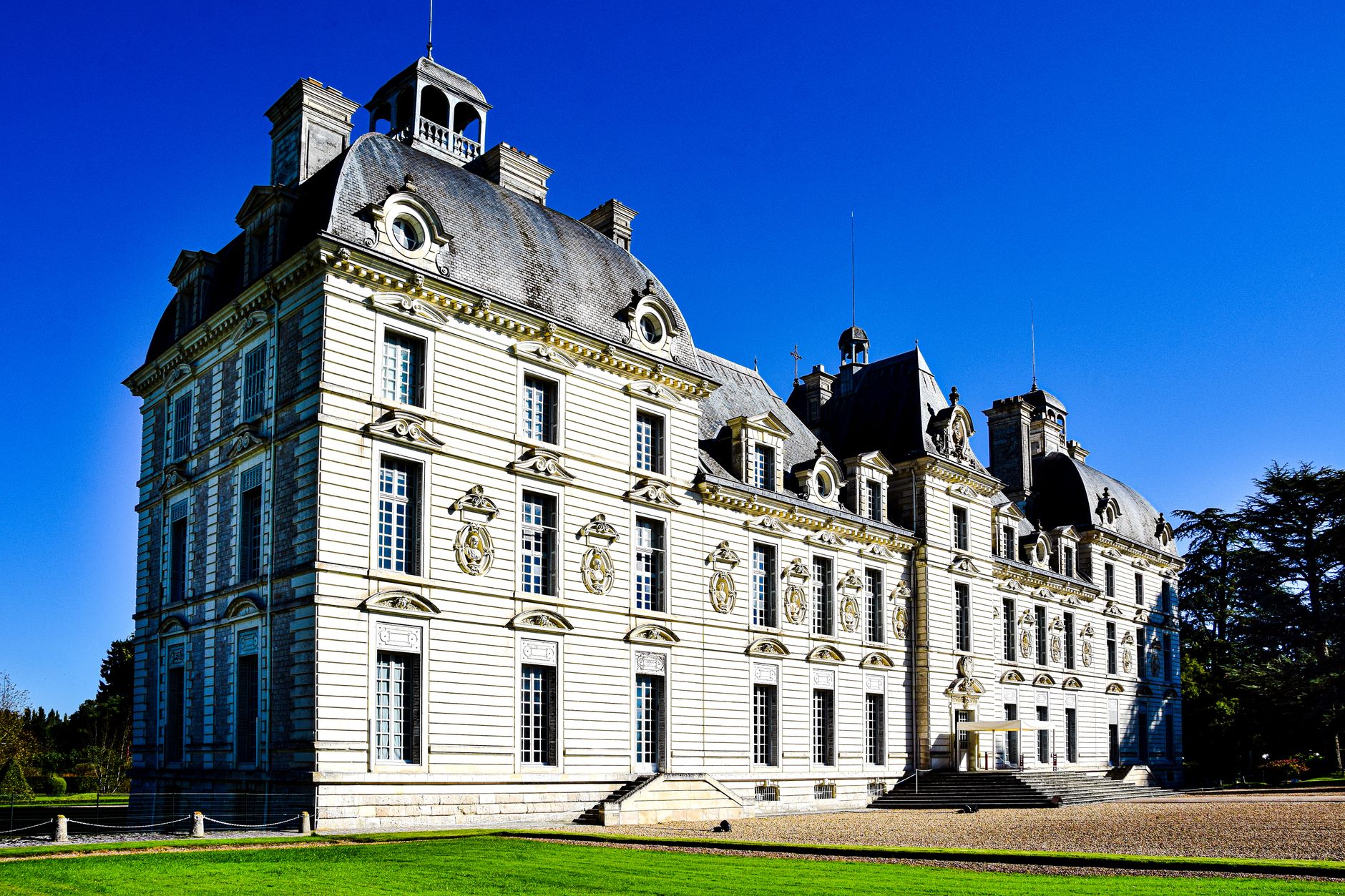
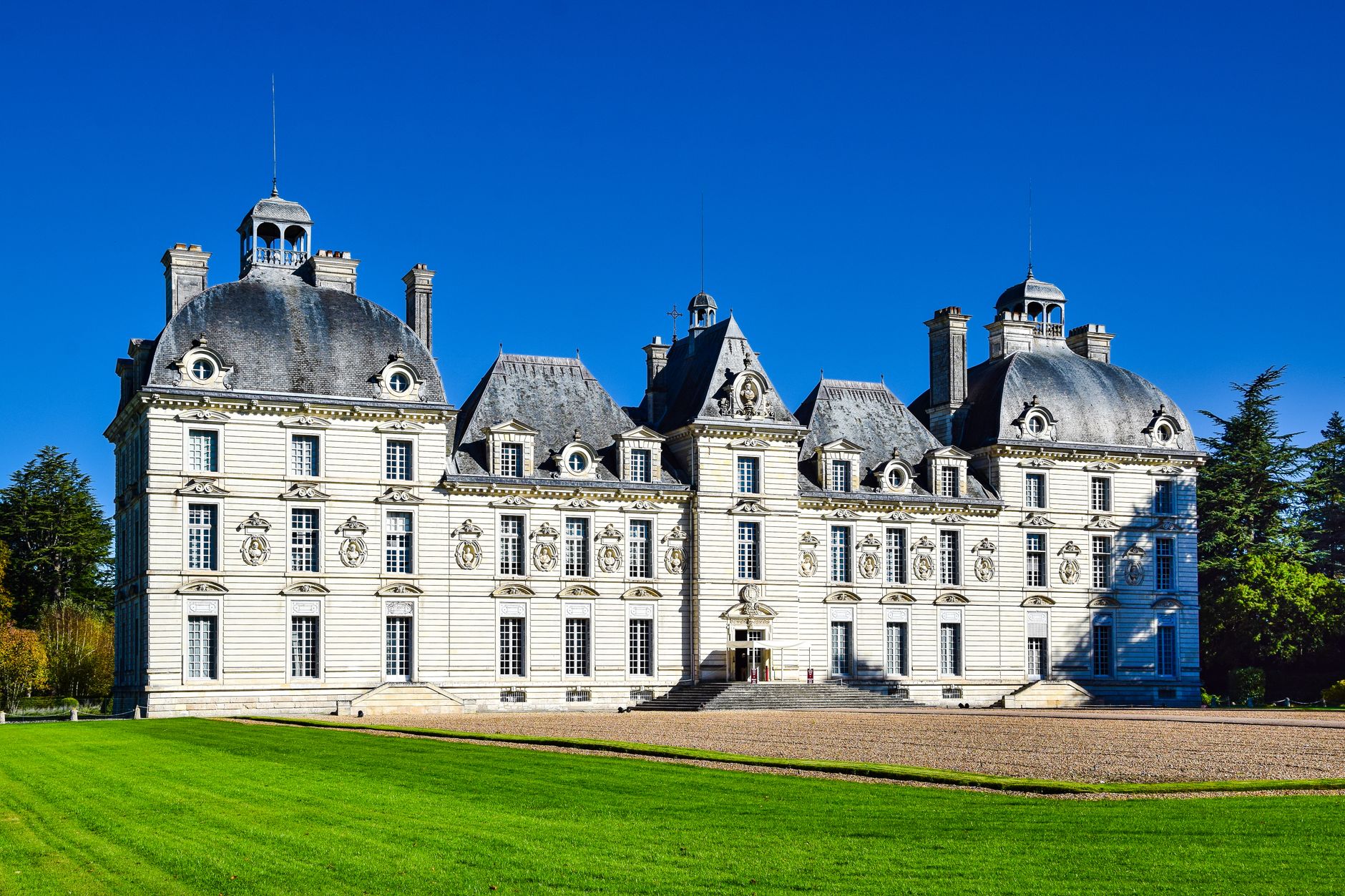
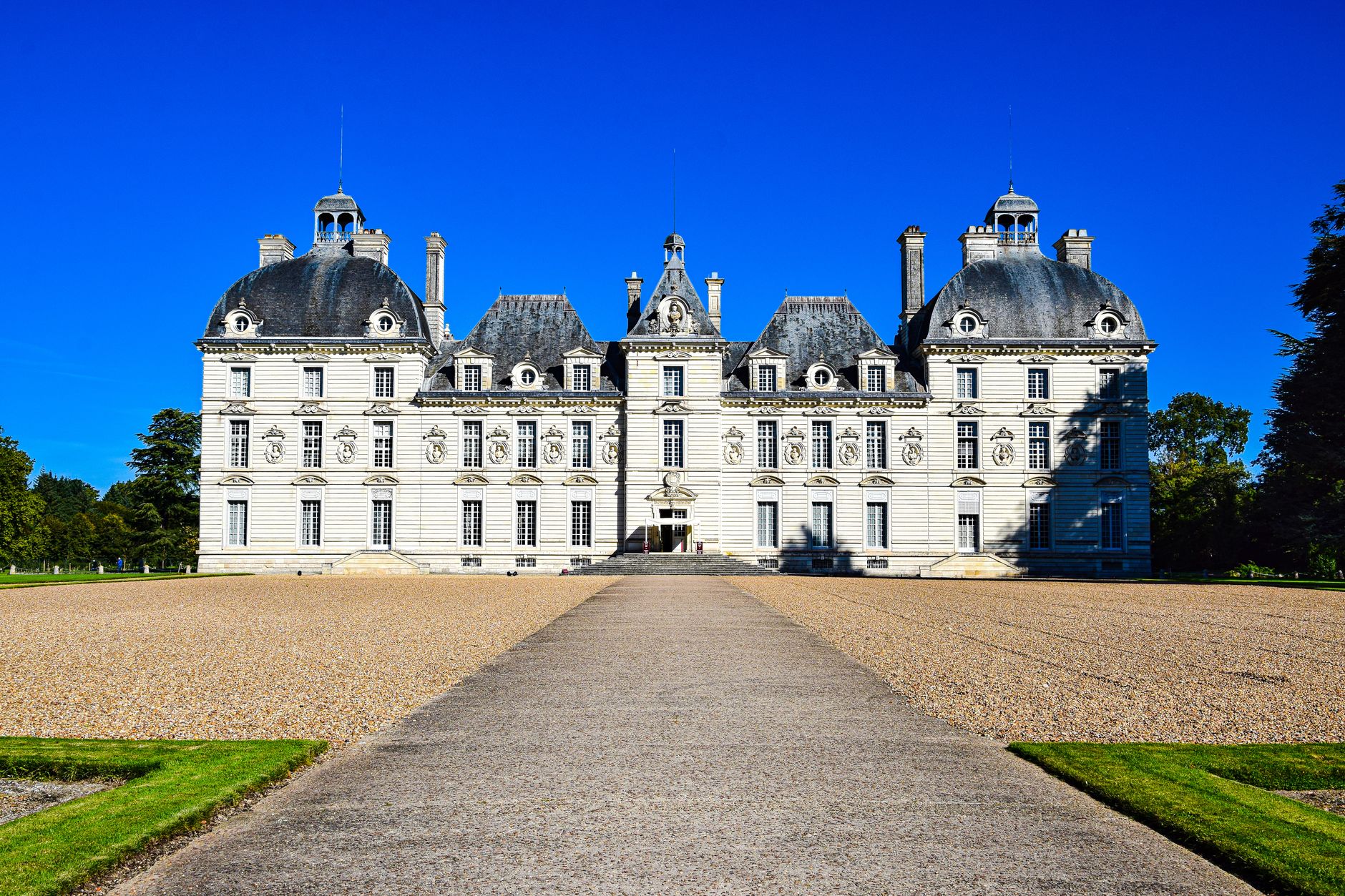
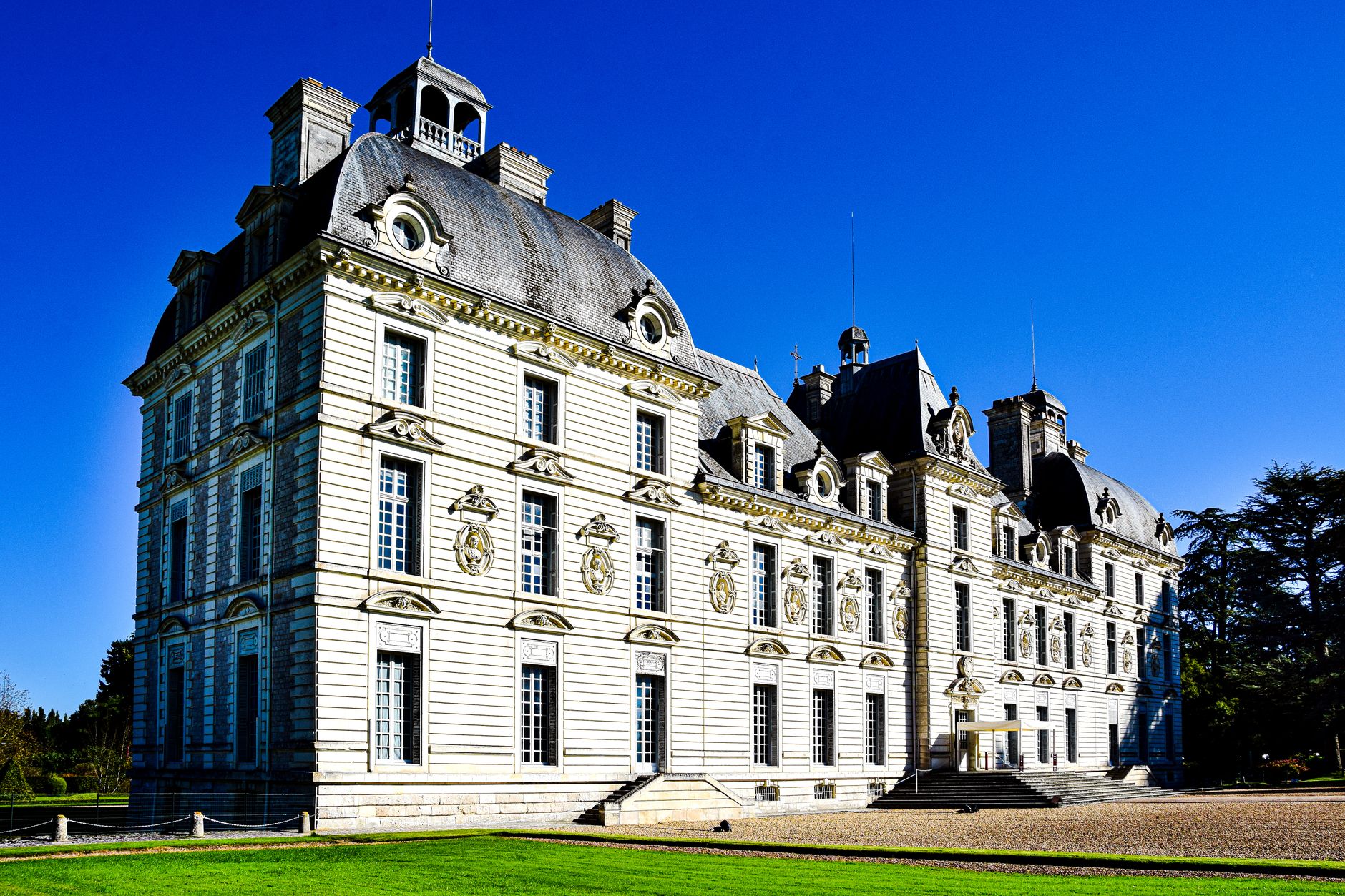
The stone at Cheverny does something unusual: it gets whiter as it ages. The château Jacques Bougier built between 1624 and 1630 from Bourré limestone now stands almost luminous against the Sologne sky, its clock tower and steep slate roofs reflected in the same grounds where hunt dogs have been kennelled since 1850. There are no defensive towers, no moat — Philippe Hurault wanted a house, not a fortress, and that confidence in peacetime comfort still comes through.
Cheverny has been in the same family, the Huraults and their Vibraye descendants, for the better part of four centuries. The current marquis and marquise still live here, which gives the place a quality most Loire châteaux have lost.
💛 What travellers fall for
People who come back tend to time a return visit for spring, when the tulip garden runs into thousands of blooms and the English park — planted across four decades in the nineteenth century — fills out around the redwoods and cedars Paul de Vibraye chose. The Tintin exhibition in the annexe rewards a second look if you bring children who've grown up since the first.
Experiences you don't want to miss



Deals in Cheverny
Book directly at the provider

How Cheverny came to be
The land traces back to the Carnutes tribe and passed through medieval hands before Jean Hurault acquired it in the late fourteenth century with its houses, presses and vineyards. The family lost it to the Crown through a fraud conviction; Henri II gave the estate to Diane de Poitiers, who eventually sold it to Philippe Hurault. He commissioned Jacques Bougier — sculptor-architect of Blois, trained under Salomon de Brosse — to build the present château between 1624 and 1630.
Philippe's son Henri Hurault, Count of Cheverny, and his wife Marguerite Gaillard de La Morinière oversaw the project as a replacement for a medieval fortress on the site. Their daughter Élisabeth, Marquise de Montglas, completed the interior decoration by around 1650, with the Blois painter Jean Mosnier responsible for the ceiling of the King's Chamber — his Perseus and Andromeda still visible overhead. Briefly confiscated during the Revolution, the property was repurchased by the Hurault family in 1824 and has stayed with their descendants since.
Who and what shaped it
People who shaped it
Landmark buildings
See Cheverny in motion
Plan your visit
On the map
When to go
The Loire Valley runs mild and relatively damp; summers are warm enough for long afternoons in the English park, though the grounds look their best in April and May when the tulip garden peaks. Winters are grey and quiet — the château stays open, but the gardens ask for a coat.
Right now
Background & history adapted from Wikipedia (CC BY-SA) · specs from Wikidata (CC0) · weather from Open-Meteo · map data © OpenStreetMap contributors · photos from Wikimedia Commons / Unsplash with per-image credit. No third-party reviews or social posts reproduced.