
Azay-le-Rideau
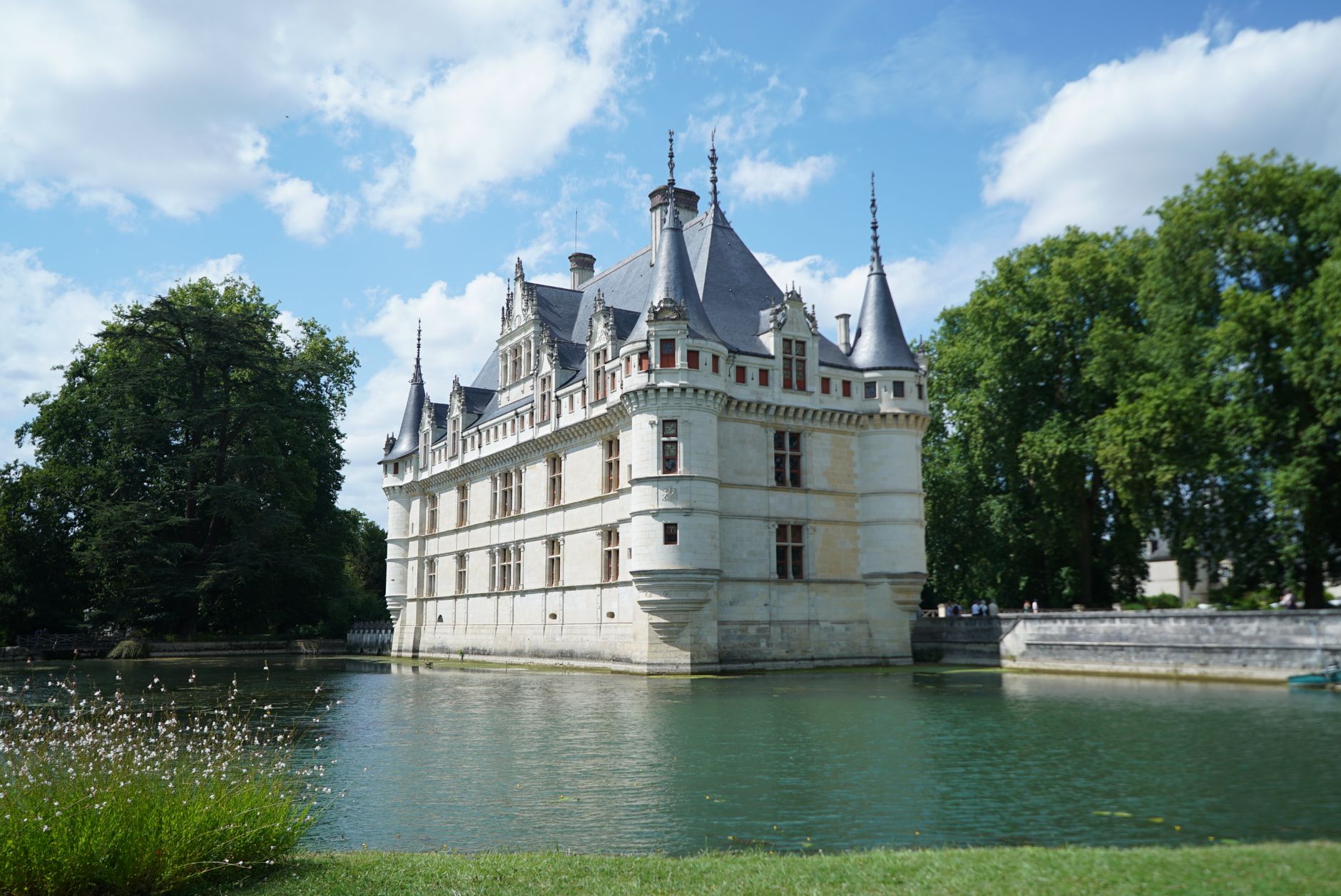
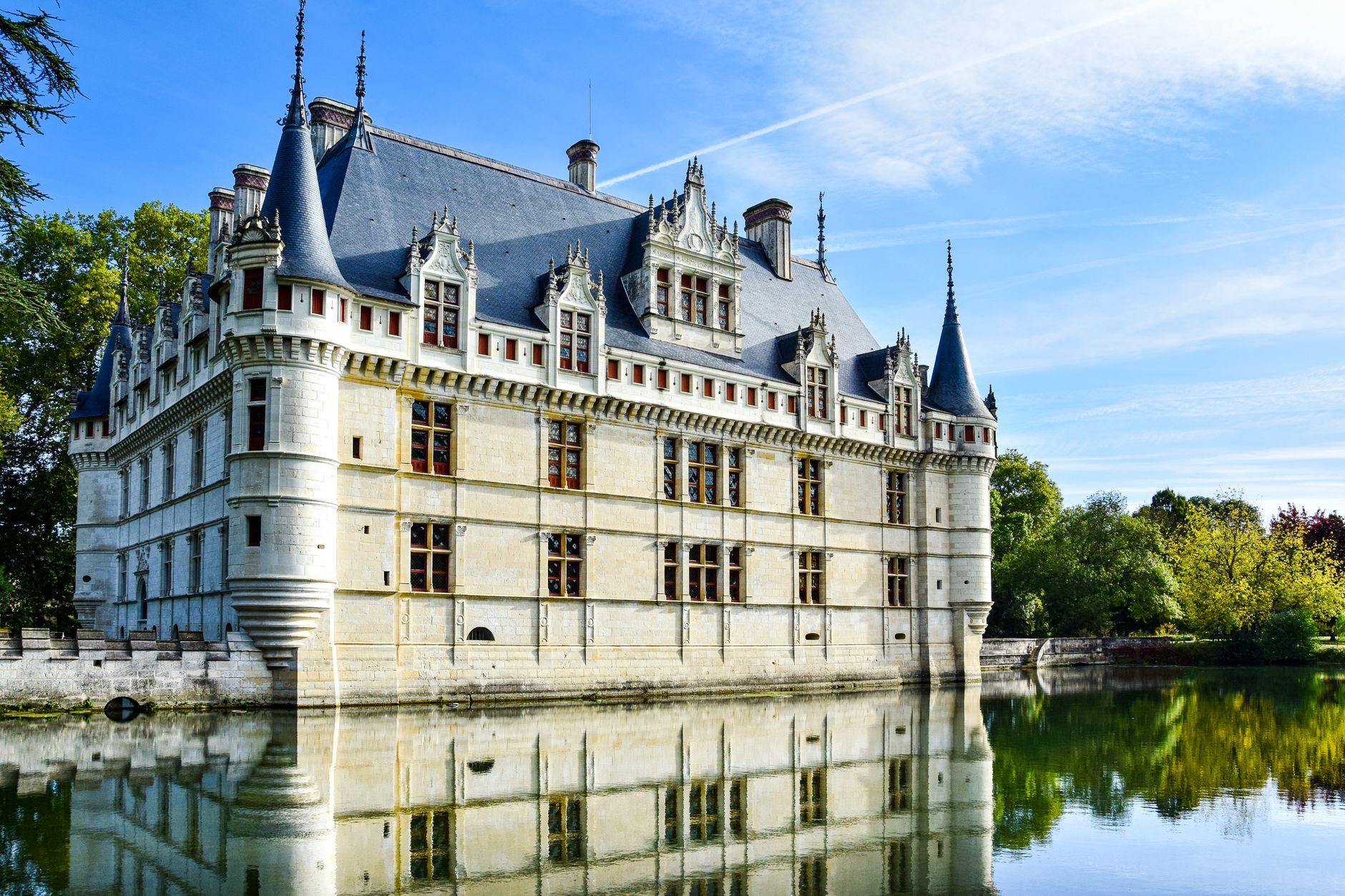
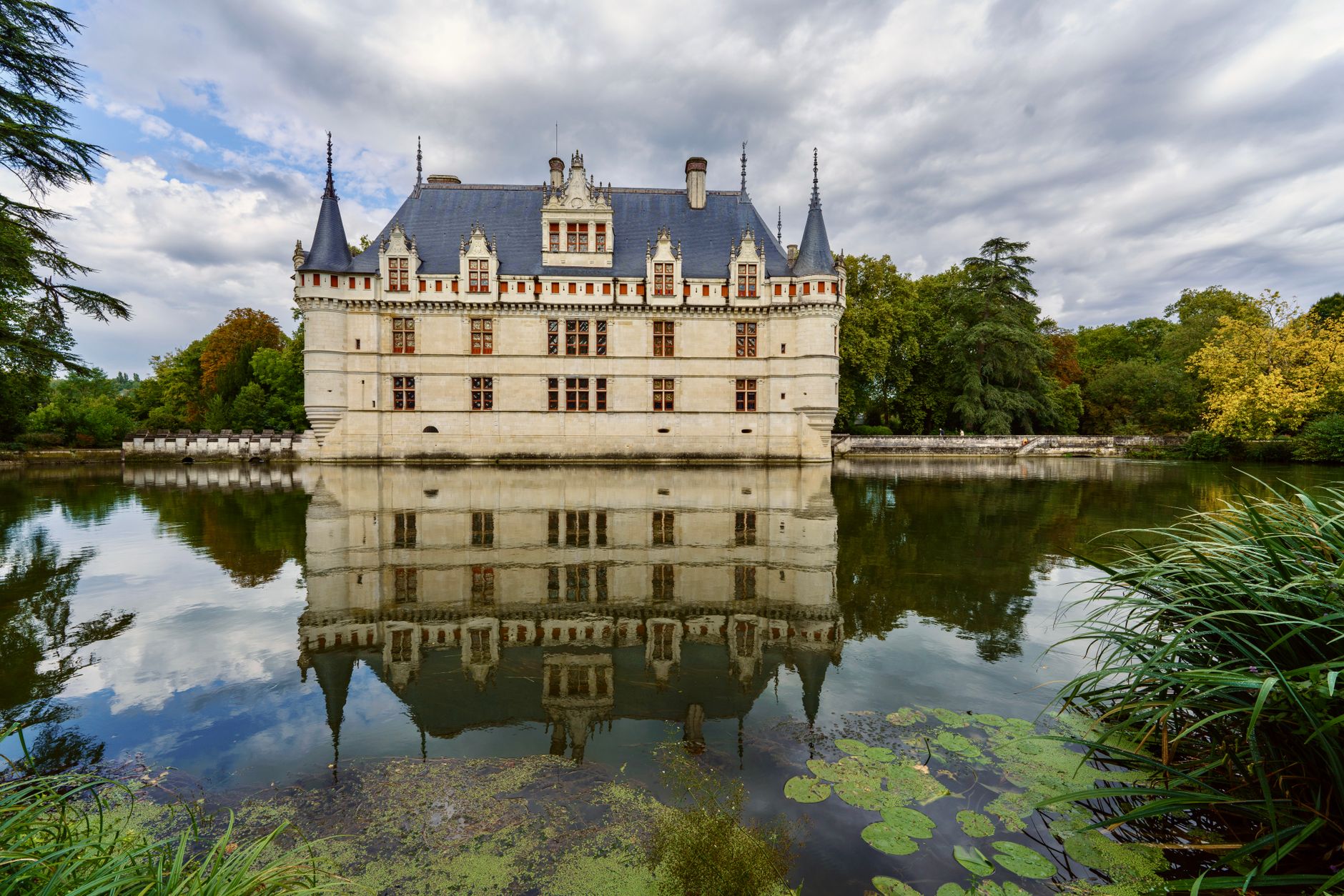
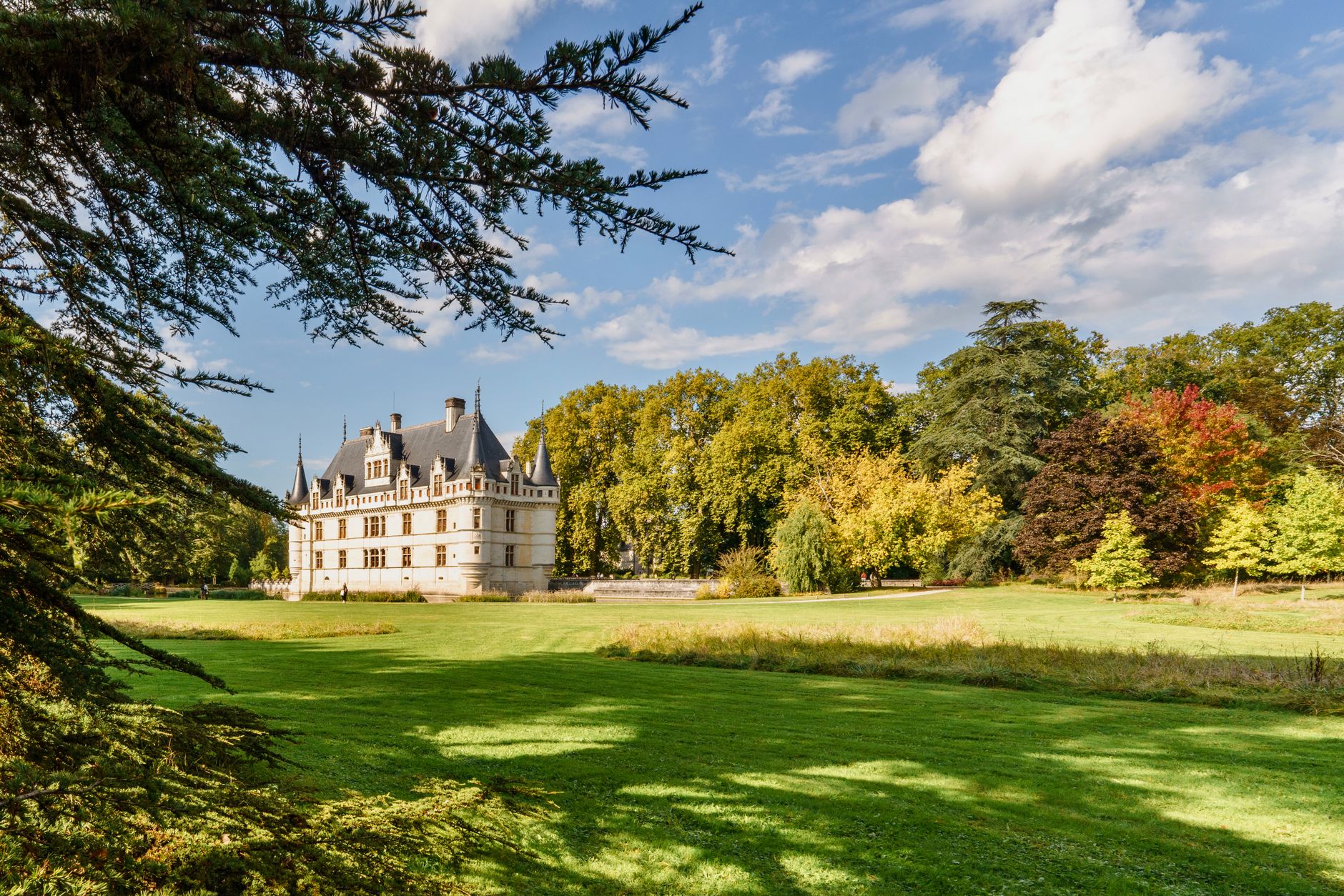
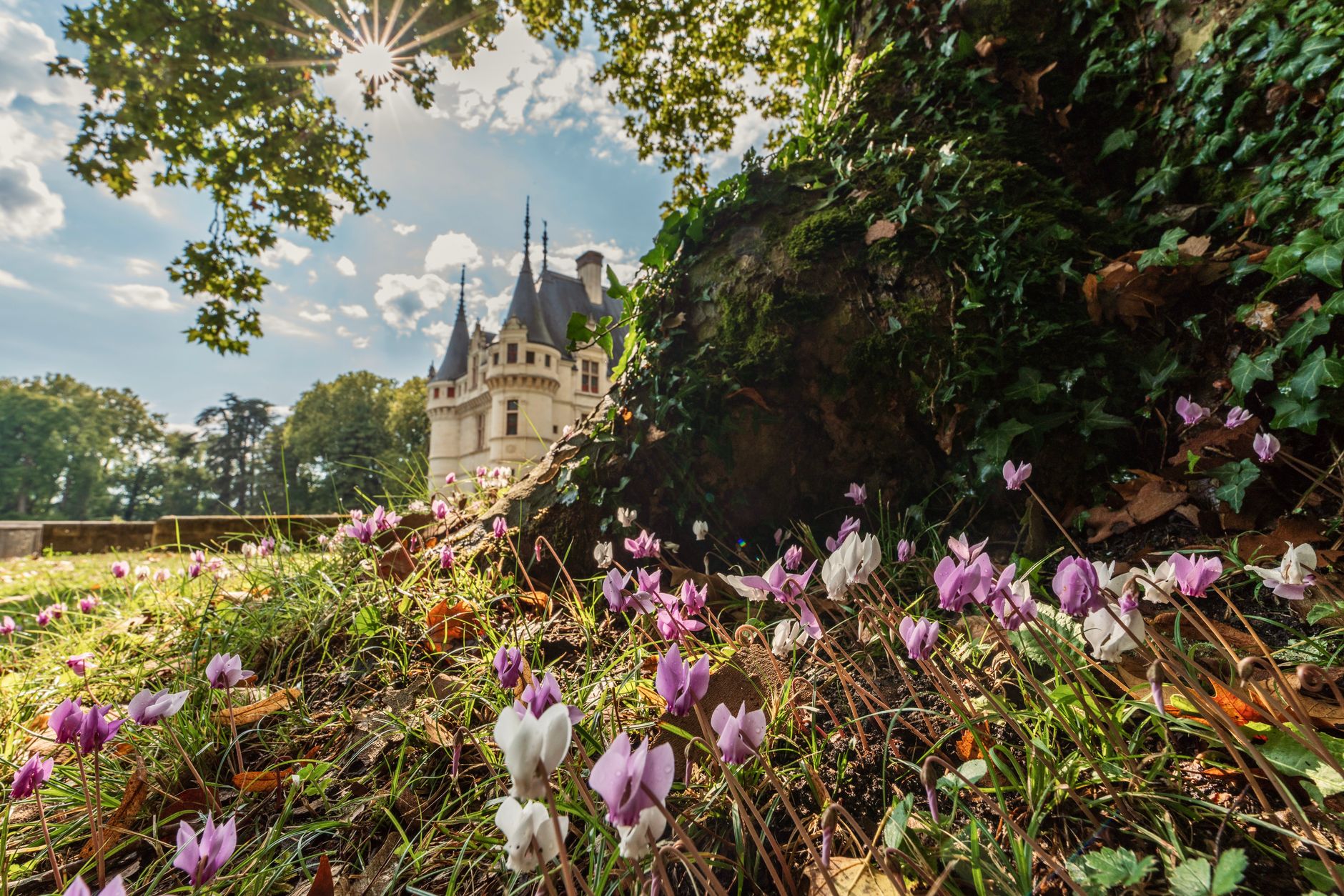
Stand on the south side of the château and you understand immediately why Balzac reached for the image of a faceted diamond: the tuffeau stone catches the light differently at every angle, and the Indre reflects the whole thing back at you from below. Azay-le-Rideau is a small town built around one extraordinary building — a château begun in 1518 by a royal financier and his wife, set on a genuine island in the river, and never quite finished before politics swept its owners away.
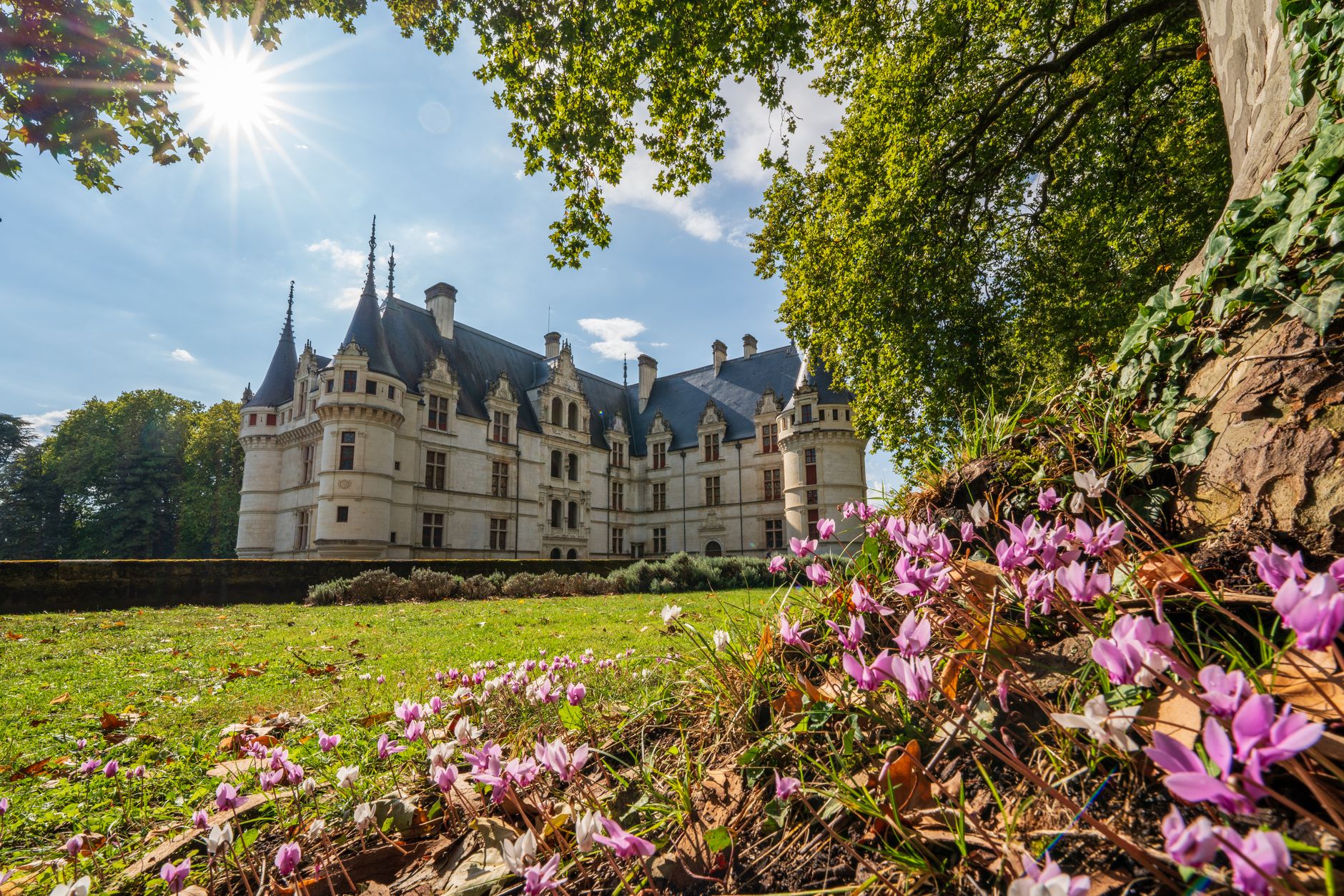
What survives is one of the clearest examples of early French Renaissance architecture in the Loire Valley: straight-flight staircase, stacked dormers, conical turrets, and eight hectares of English-style park where redwoods and cedars grow alongside the water mirrors that frame the south wing.
💛 What travellers fall for
People who come back tend to time a visit for the park-only hours at dusk, when the water mirror along the south wing goes still and the stone changes colour. The junior audio guide — available from age six — is also genuinely worth picking up for adults who want the domestic detail without the curatorial formality.
Experiences you don't want to miss


Deals in Azay-le-Rideau
Book directly at the provider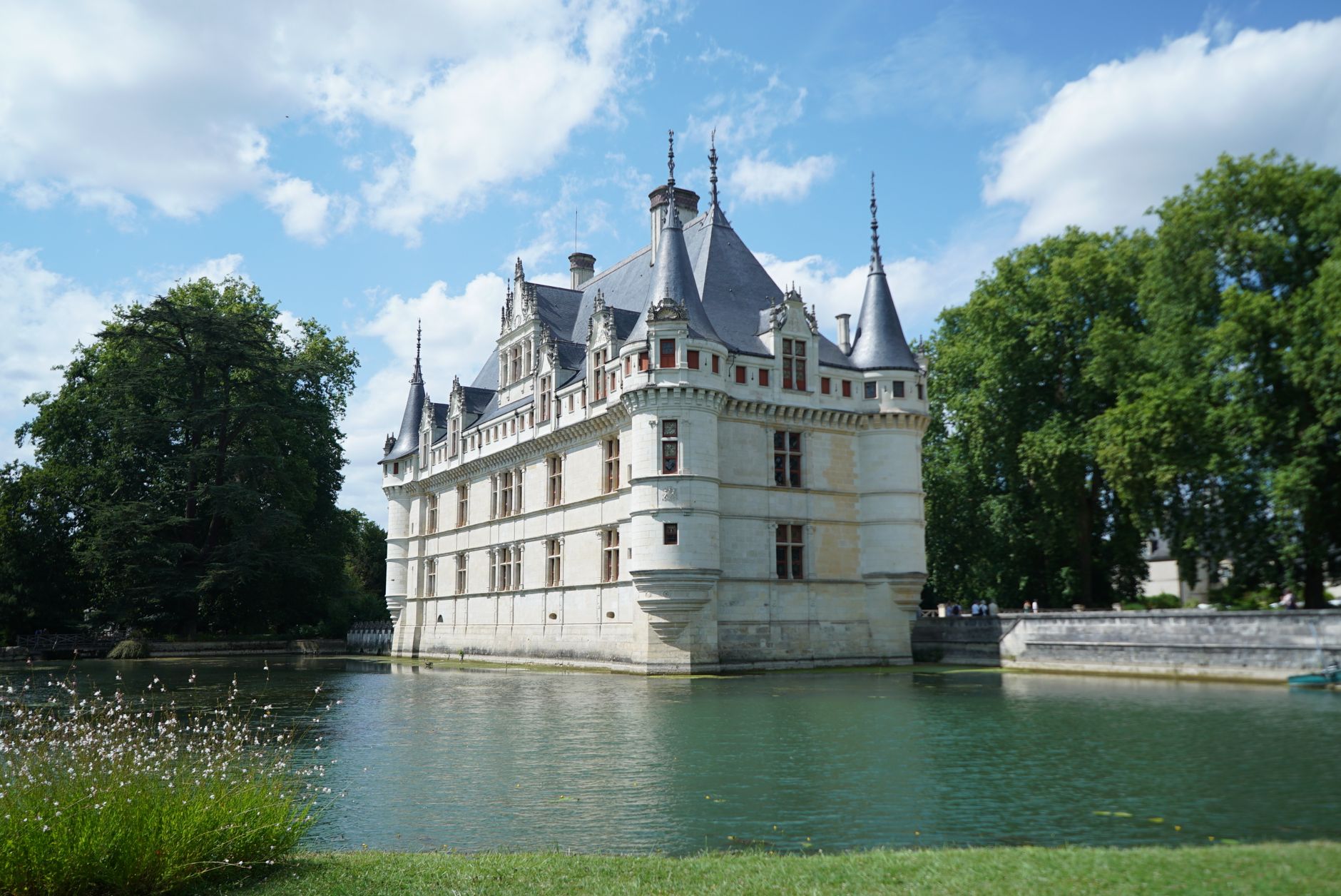
How Azay-le-Rideau came to be
A knight named Ridel d'Azay built the original fortress here in the 12th century to guard the road between Tours and Chinon where it crossed the Indre. It lasted until 1418, when Charles VII burned it during the Burgundian-Armagnac conflicts of the Hundred Years' War — a punishment for an insult from the garrison.
A century later, Gilles Berthelot, Francis I's financier and Mayor of Tours, acquired the site and began the château we see today. Because Berthelot was frequently absent on royal business, his wife Philippa Lesbahy supervised the construction directly. The building was still unfinished in 1527 when the execution of a fellow financier, Jacques de Beaune, forced Berthelot to flee France. Francis I confiscated the property, and it passed through several hands — including Françoise de Souvre, future governess to Louis XIV, who hosted Louis XIII here in 1619 — before the French state purchased it in 1905 for 250,000 francs.
Who and what shaped it
People who shaped it
Landmark buildings
See Azay-le-Rideau in motion
Plan your visit
On the map
When to go
Spring and early autumn are the most comfortable seasons: mild temperatures, manageable crowds, and the park at its most photogenic. July and August bring reliable warmth but also peak visitor numbers; January and February are cold and quiet, with shorter opening hours.
Right now
Background & history adapted from Wikipedia (CC BY-SA) · specs from Wikidata (CC0) · weather from Open-Meteo · map data © OpenStreetMap contributors · photos from Wikimedia Commons / Unsplash with per-image credit. No third-party reviews or social posts reproduced.