
Orléans
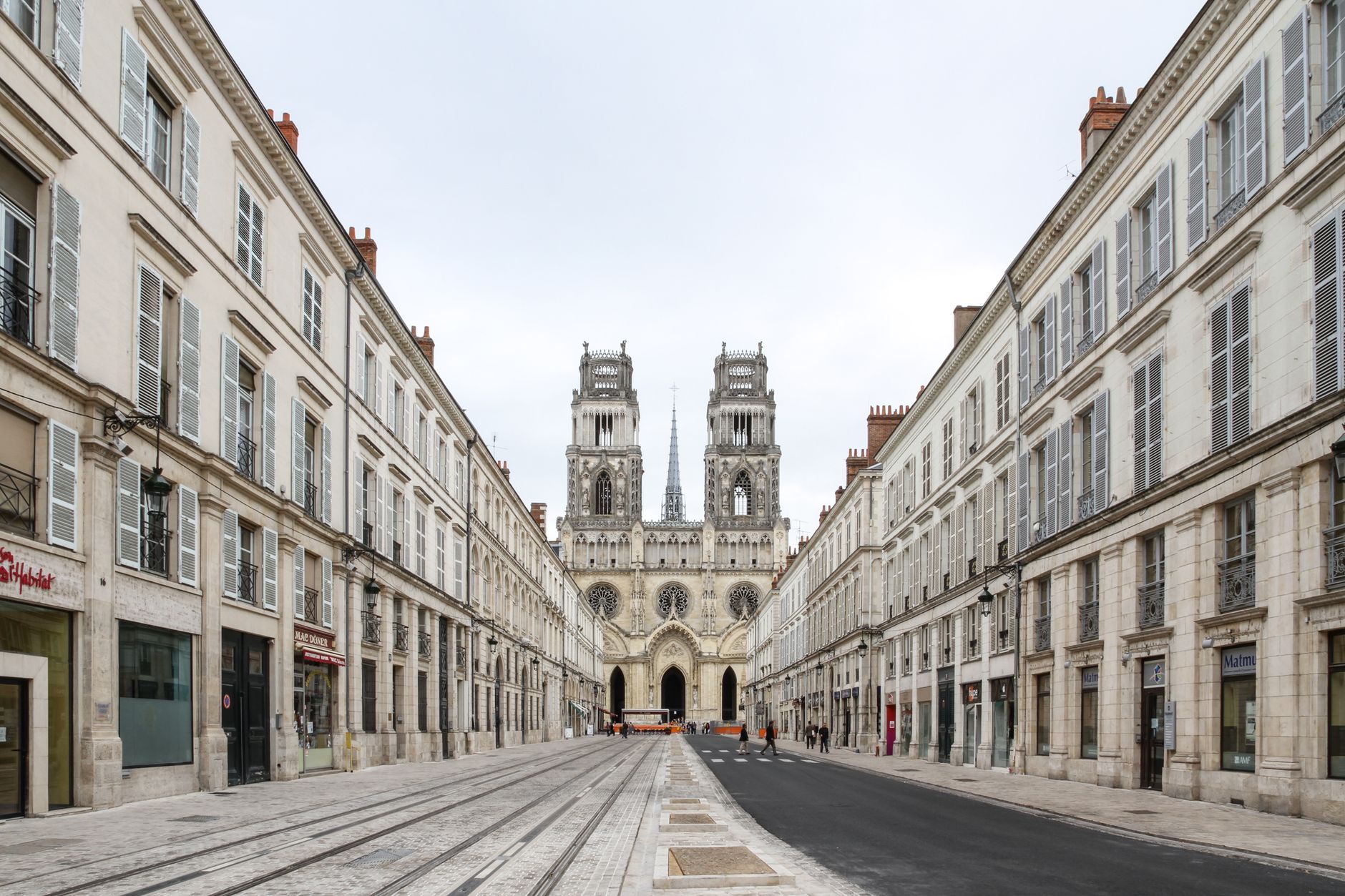
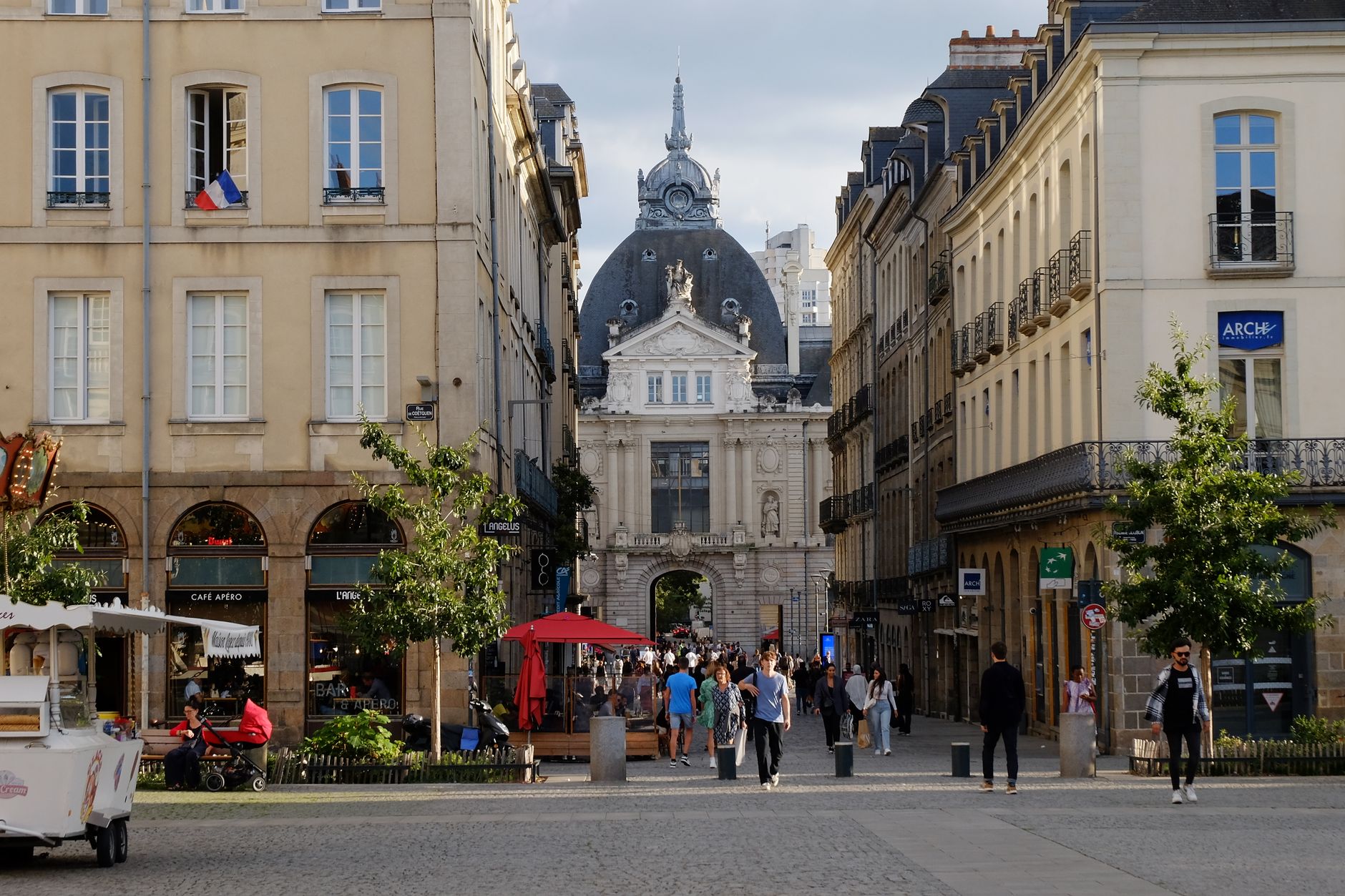
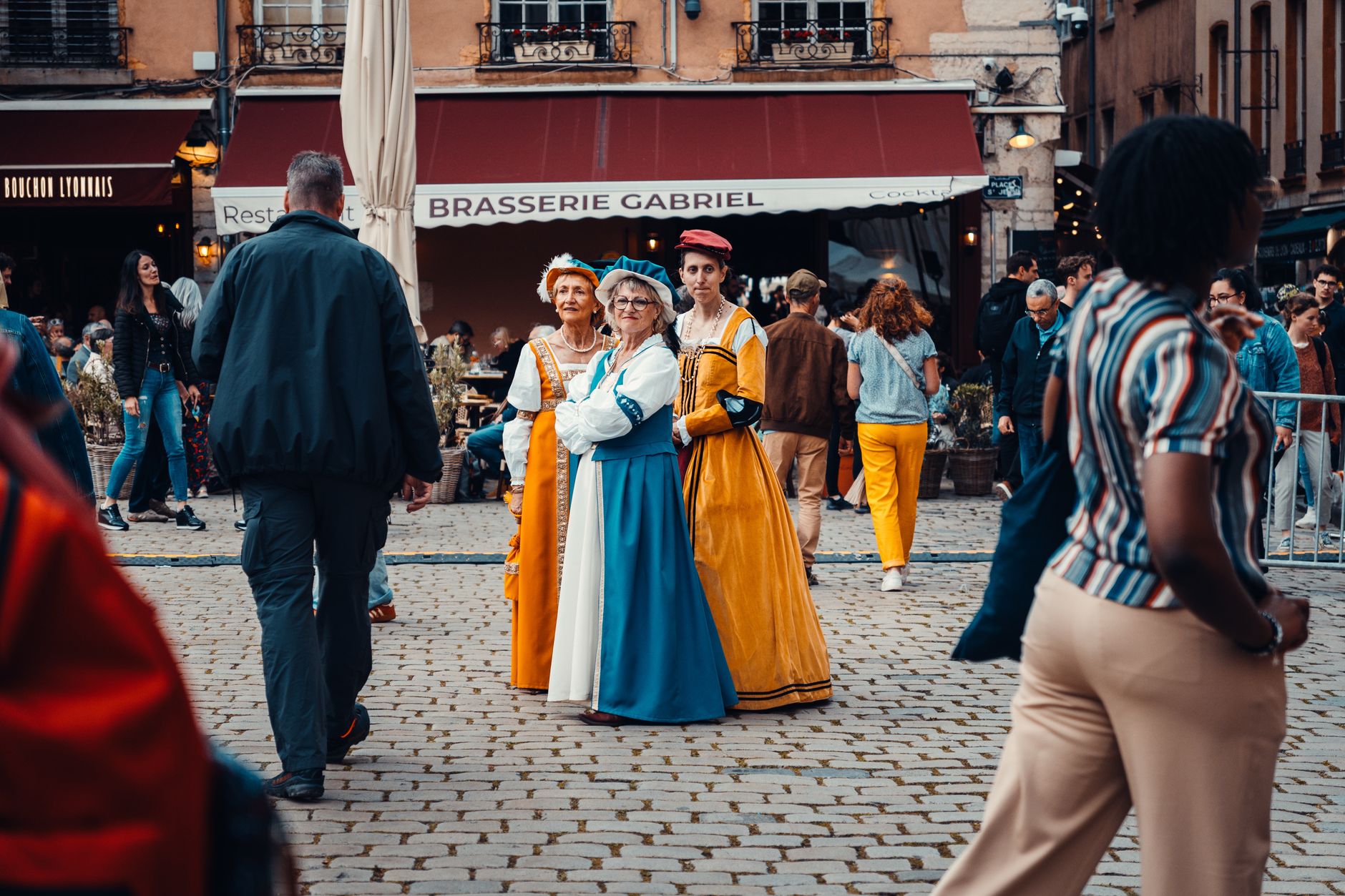

Stand at Place du Martroi and the whole city orients itself around a single bronze figure: Joan of Arc on horseback, inaugurated in 1855, watching over the wide square that has always been Orléans's unofficial centre. She is everywhere here — in street names, in festivals, in the timber-framed reconstruction of the house where she lodged in 1429 — but the city carries that weight lightly, as a living place rather than a shrine.
Orléans sits at the northernmost bend of the Loire, which is precisely why it has mattered for two millennia. The river crossing made it a Roman stronghold, a medieval capital, a university town. Today it is a compact, walkable city with a cathedral that took 542 years to finish and a fine-arts museum that holds Delacroix, Rodin and Picasso side by side.
💛 What travellers fall for
People who come back tend to mention the same thing: arrive on the tram from Orléans-Les Aubrais, walk straight to Sainte-Croix before the tour groups settle in, then spend the rest of the morning in the Musée des Beaux-Arts next door. The collections are larger than the building suggests, and almost always quiet.
Experiences you don't want to miss






Deals in Orléans
Book directly at the provider
How Orléans came to be
The site was already a Loire crossing when Julius Caesar seized it in 52 BCE, renaming the Gaulish settlement Aurelianum. By the 10th and 11th centuries Orléans ranked second only to Paris in France, serving as a Merovingian royal capital and, from 1306, home to a university founded by Pope Clement V — where, centuries later, both John Calvin and a young law student named Jean-Baptiste Poquelin (better known as Molière) would pass through its lecture rooms.
The city's most consequential moment came in April 1429, when a seventeen-year-old from Domrémy arrived with a relief army and lifted a seven-month English siege. The Hundred Years' War turned. Orléans has marked May 8 ever since — the 2026 festival was its 597th edition.
Who and what shaped it
People who shaped it
Landmark buildings
See Orléans in motion
Plan your visit
On the map
When to go
Orléans has a temperate continental climate: mild springs and warm summers make April through September the most comfortable window, though July and August can push into genuine heat. Winters are cool and grey but rarely severe, and the city is much quieter then.
Right now
Background & history adapted from Wikipedia (CC BY-SA) · specs from Wikidata (CC0) · weather from Open-Meteo · map data © OpenStreetMap contributors · photos from Wikimedia Commons / Unsplash with per-image credit. No third-party reviews or social posts reproduced.