Chenonceau
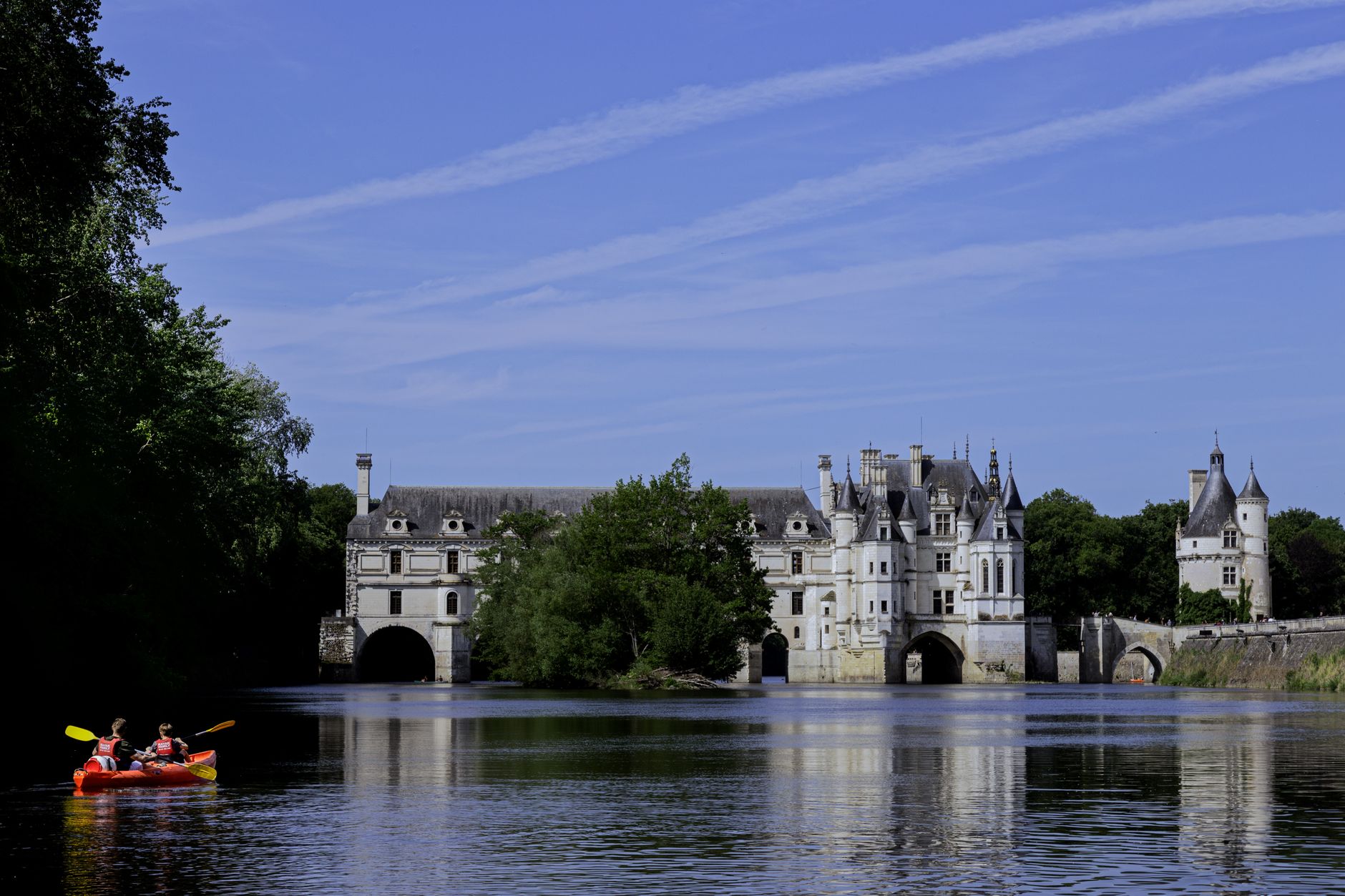
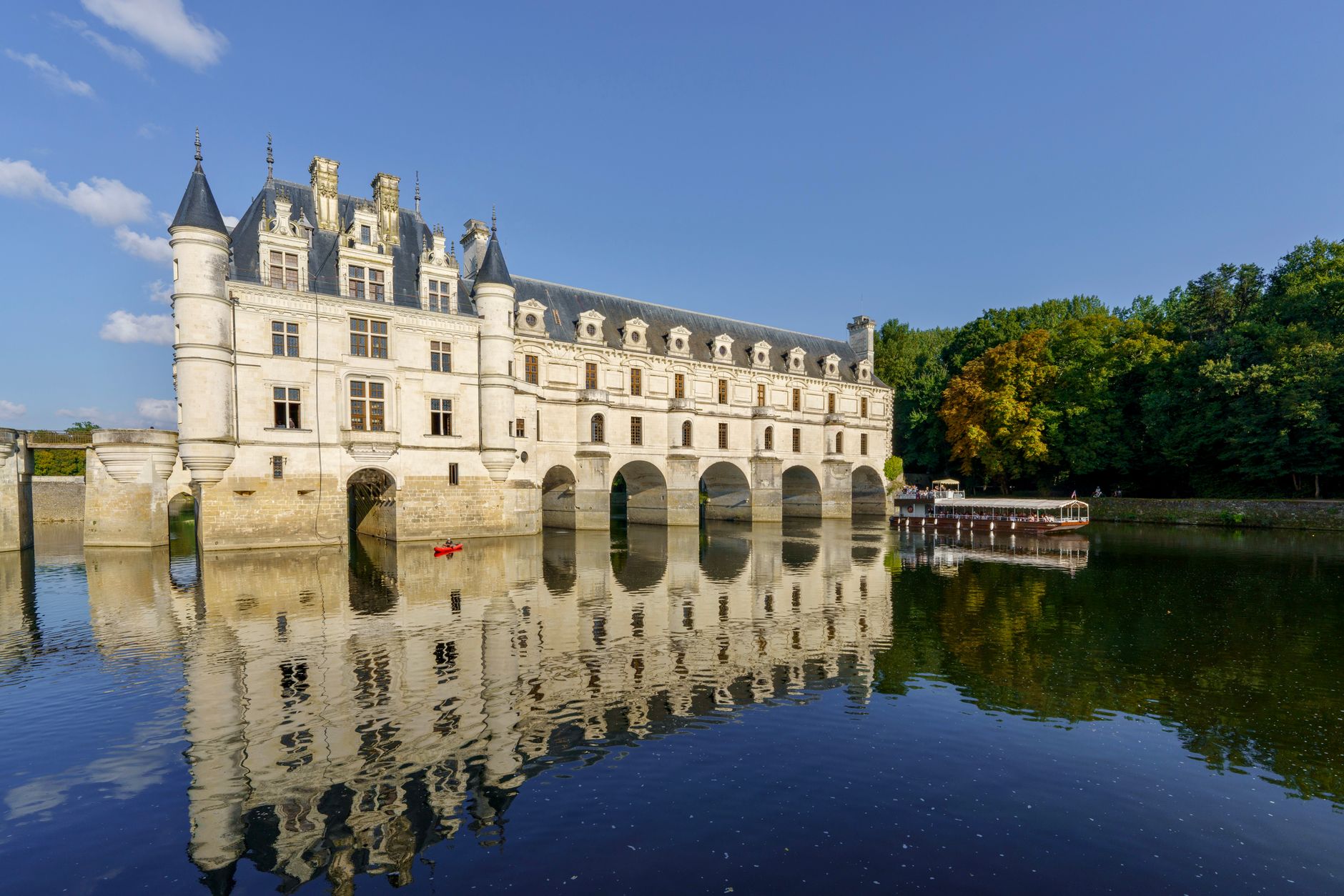
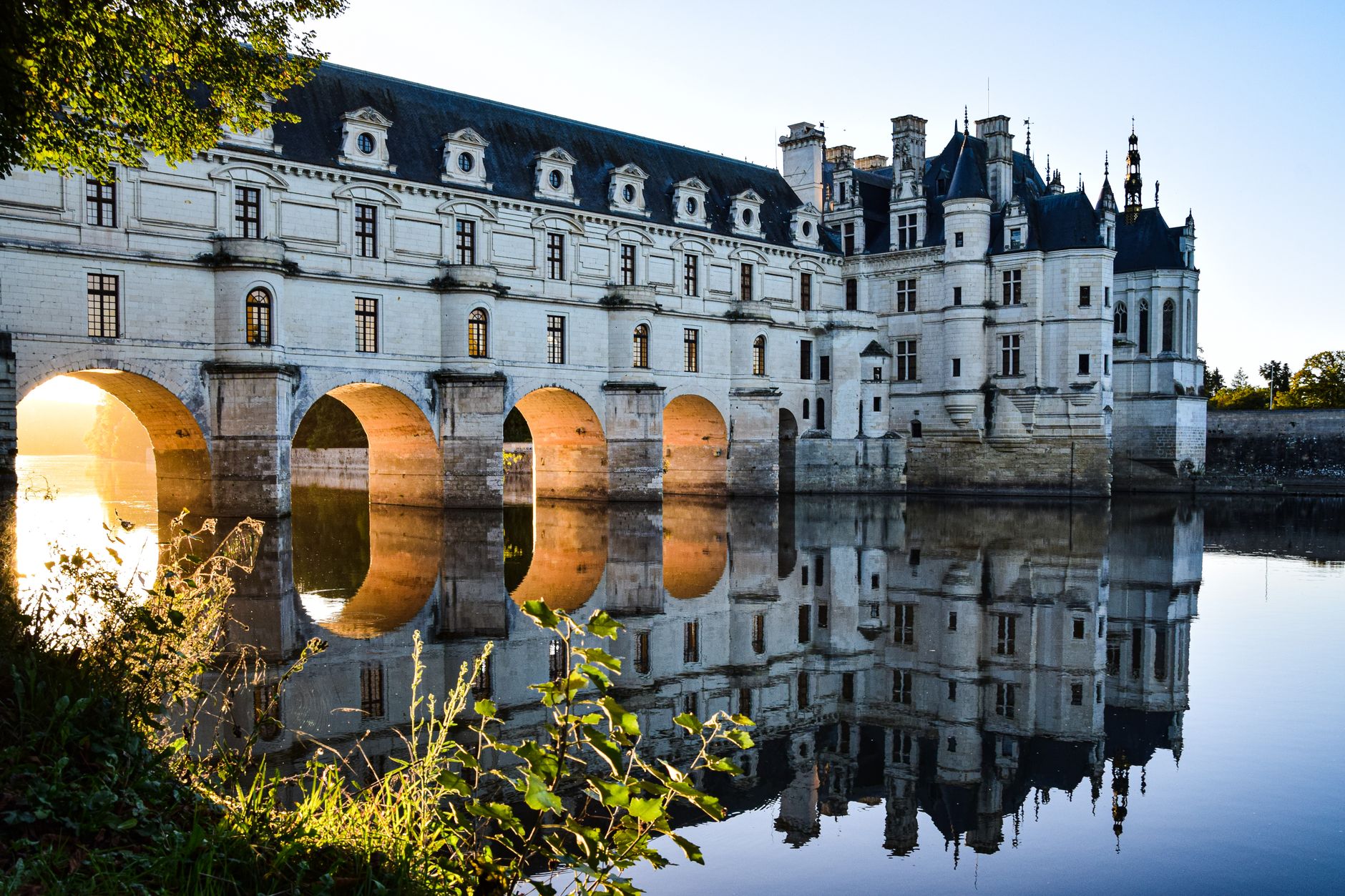
The thing that stops you at Chenonceau is purely architectural: a full château sitting on a bridge, its reflection doubling in the slow green water of the Cher below. The Grand Gallery runs sixty metres across the river on two floors of arches, and from certain angles it looks less like a building than a sentence suspended mid-air.
The château has been in continuous private hands since 1913, which shows — the gardens are serious, the interiors are furnished rather than curated, and the whole place has the particular quality of somewhere still cared for rather than merely preserved.
💛 What travellers fall for
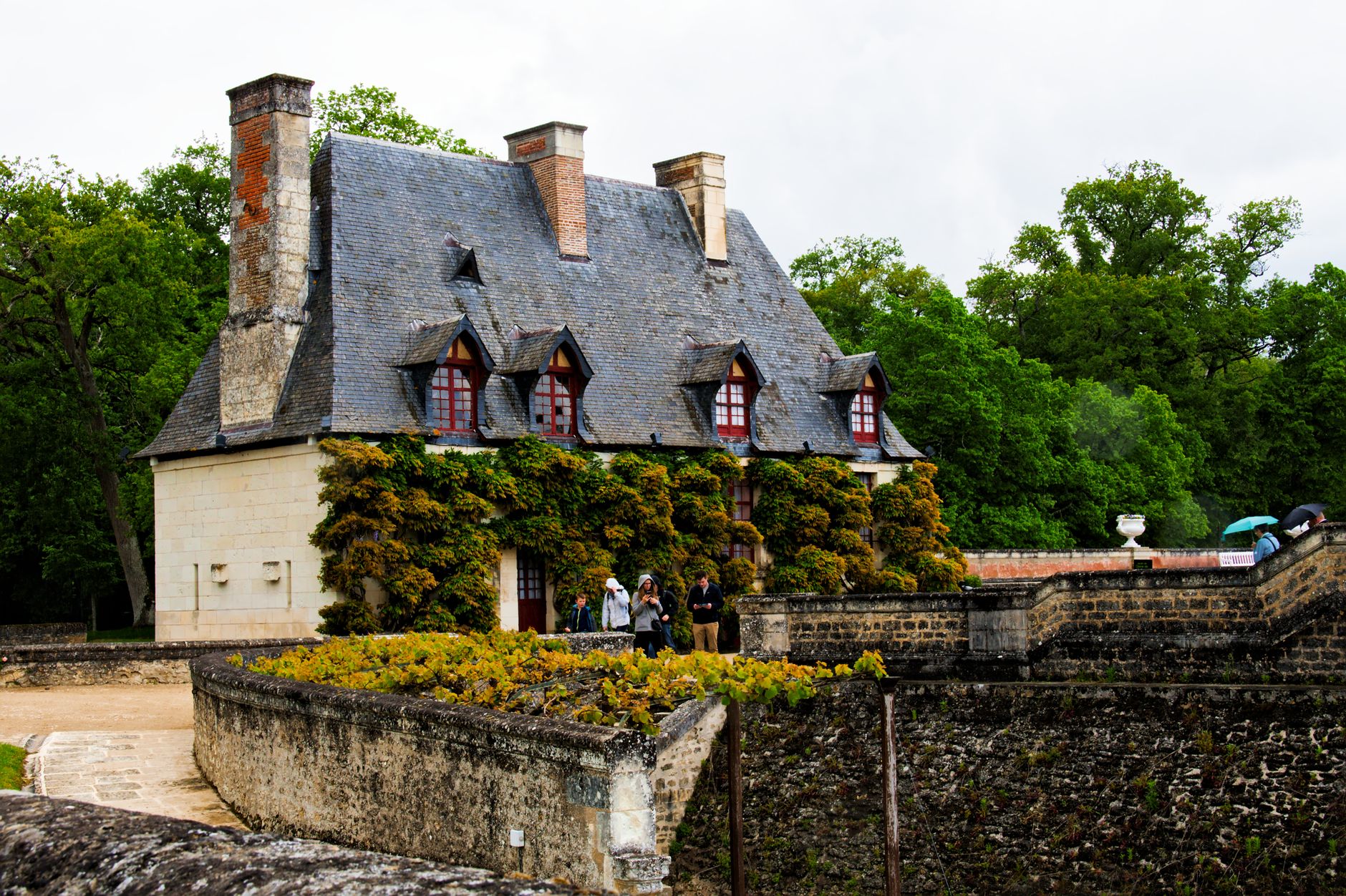
People who come back tend to arrive on weekday mornings, before the coach parties reach the bridge. They also mention the formal gardens — Diane de Poitiers's on one side, Catherine de' Medici's on the other — as worth more time than most visitors give them, especially when the gray Santolina curls are in full shape.
Deals in Chenonceau
Book directly at the providerHow Chenonceau came to be
The land has been built on, burned down and rebuilt since the eleventh century. The Tour des Marques — a round stone tower on the right bank — is the only thing left from the medieval estate the Marques family lost in 1412 when their château was torched as punishment for sedition. A century later, royal tax collector Thomas Bohier bought the property and his wife Katherine Briçonnet oversaw construction of the new residence between 1515 and 1521. When Bohier's debts caught up with his heirs, Francis I absorbed it into the Crown.
What followed was largely a story of women shaping the place. Henry II gave it to his mistress Diane de Poitiers, who commissioned the bridge over the Cher. When Henry died in 1559, his widow Catherine de' Medici took it back and added the Grand Gallery — designed by Jean Bullant, inaugurated 1577 — along with her own garden and chapel. In the eighteenth century, owner Louise Dupin ran a literary salon here and employed Jean-Jacques Rousseau as her secretary. During the Second World War, the gallery's span across the Cher made it the only crossing point into the unoccupied zone, and the Menier family used that geography to help people escape.

Who and what shaped it
People who shaped it
Landmark buildings
See Chenonceau in motion
Plan your visit
On the map
When to go
The Loire Valley gets its warmest, driest weather from June through August, though July and August bring the largest crowds. April, May and September offer cooler temperatures, fewer people, and the gardens at their most considered. Winter visits are quieter and the light on the river can be striking, but hours are shorter and some facilities close.
Right now
Background & history adapted from Wikipedia (CC BY-SA) · specs from Wikidata (CC0) · weather from Open-Meteo · map data © OpenStreetMap contributors · photos from Wikimedia Commons / Unsplash with per-image credit. No third-party reviews or social posts reproduced.