


★★★★★
Amazing on the exterior but rather plain on the interior. It does have an impressive double helix staircase but other than that, there isn’t a lot to see. Definitely not worth the entrance fee in my opinion.
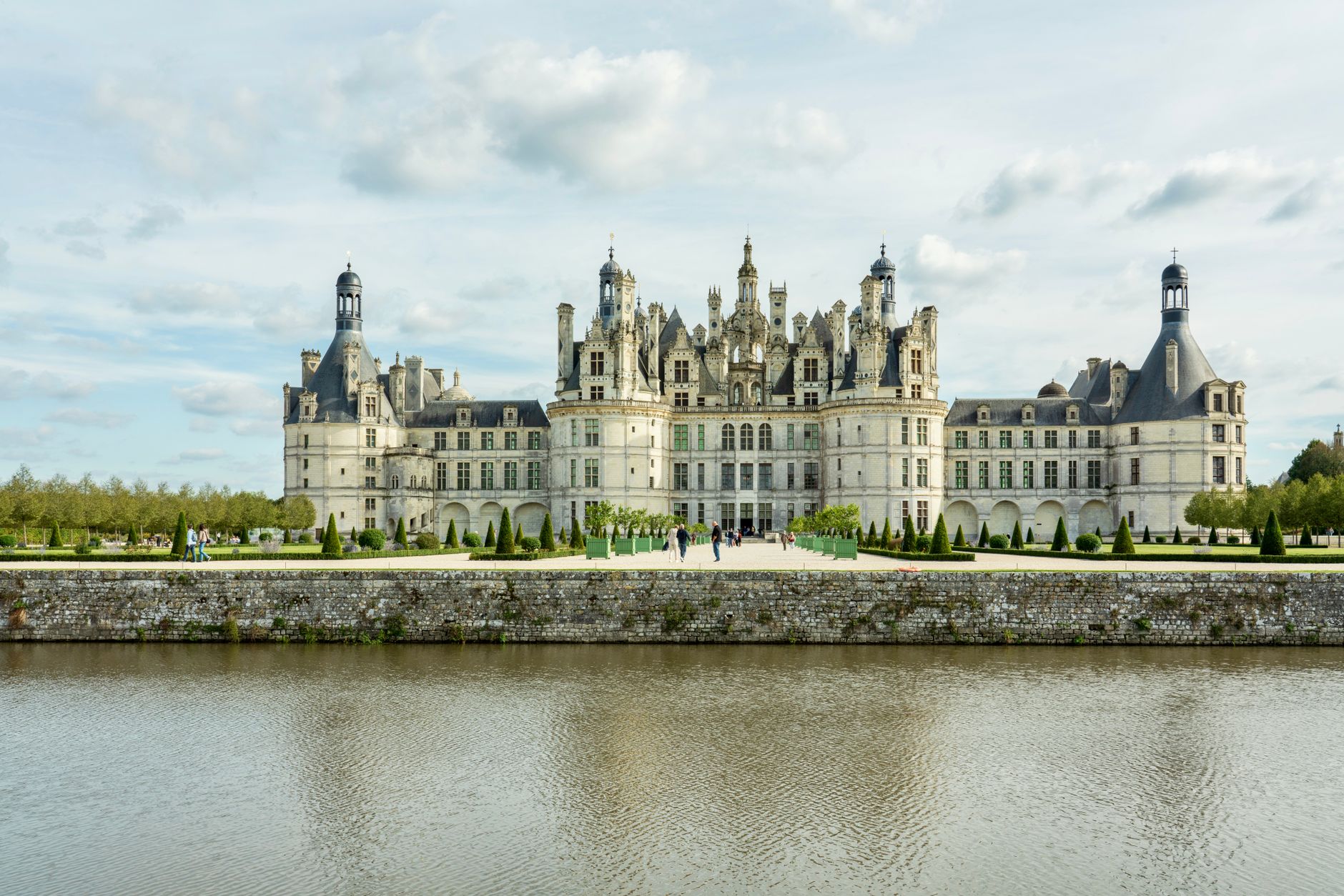
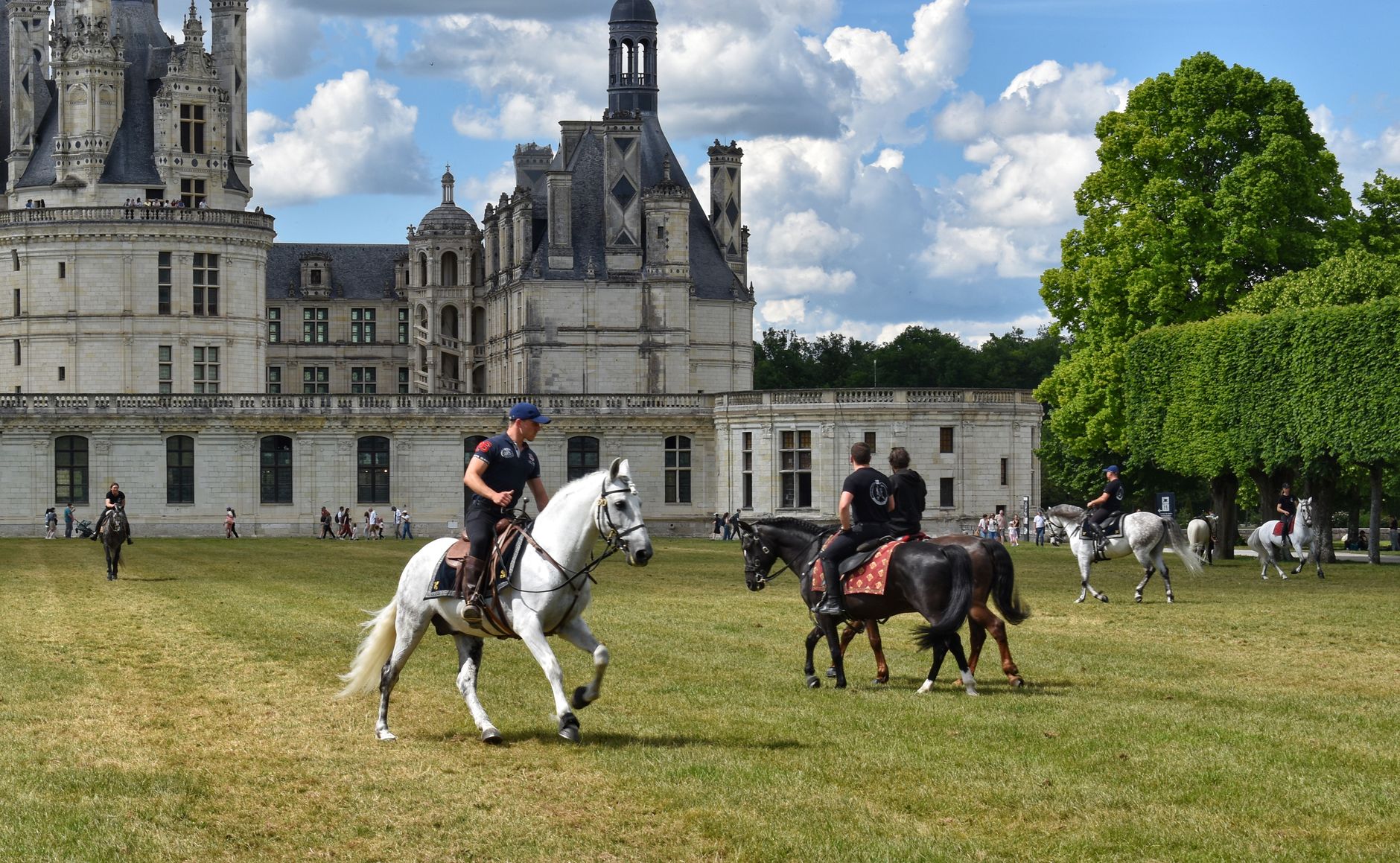
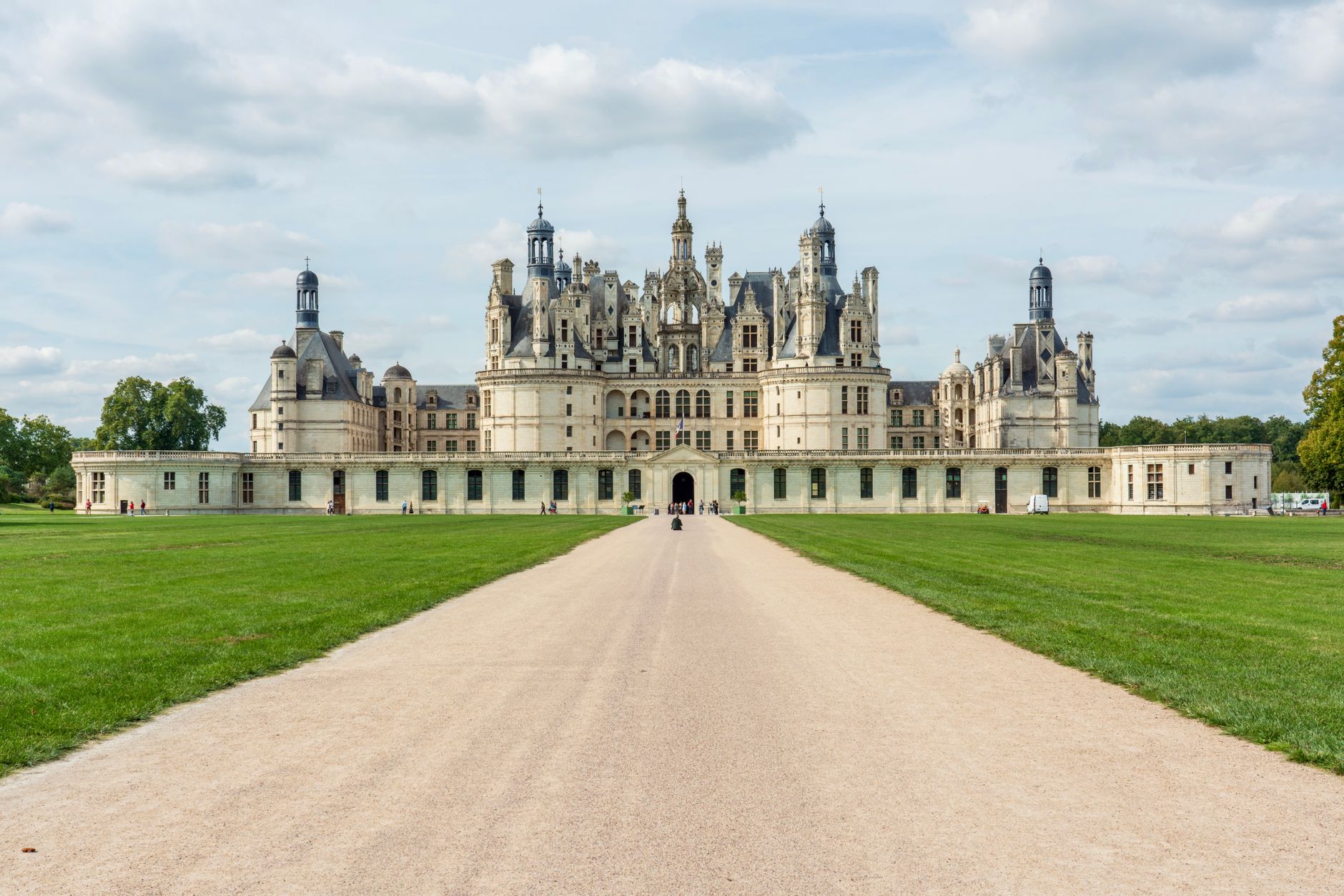
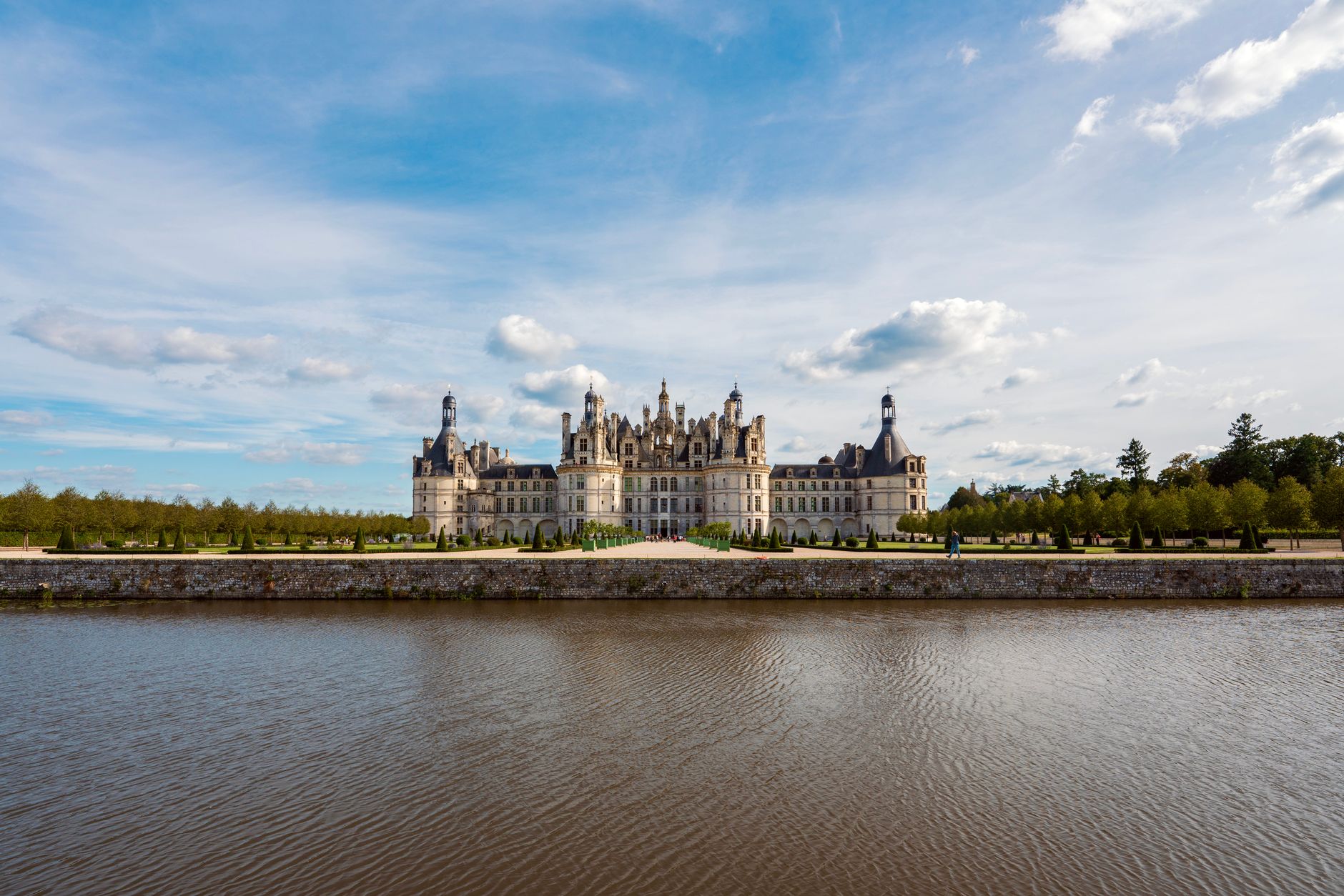
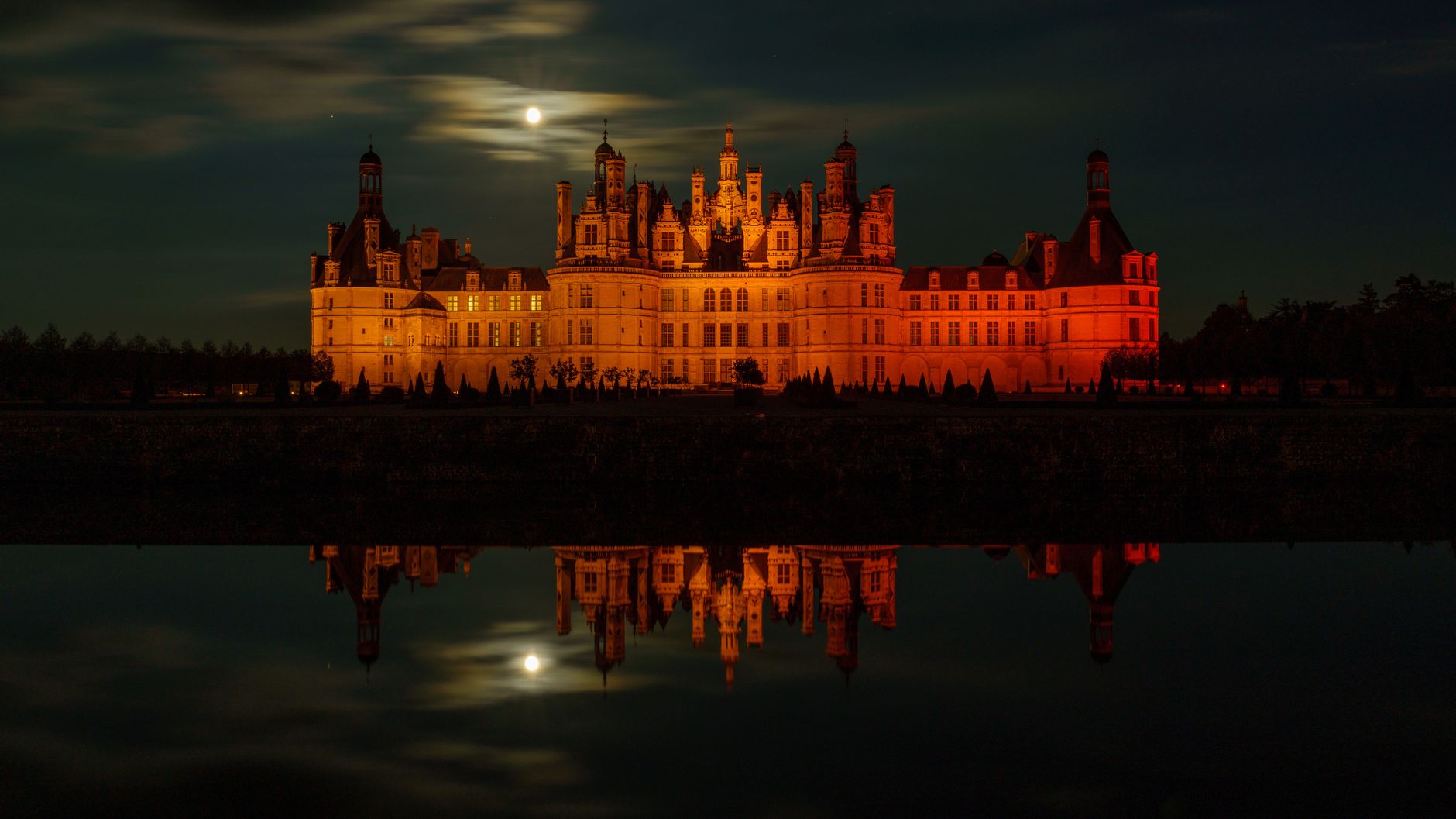
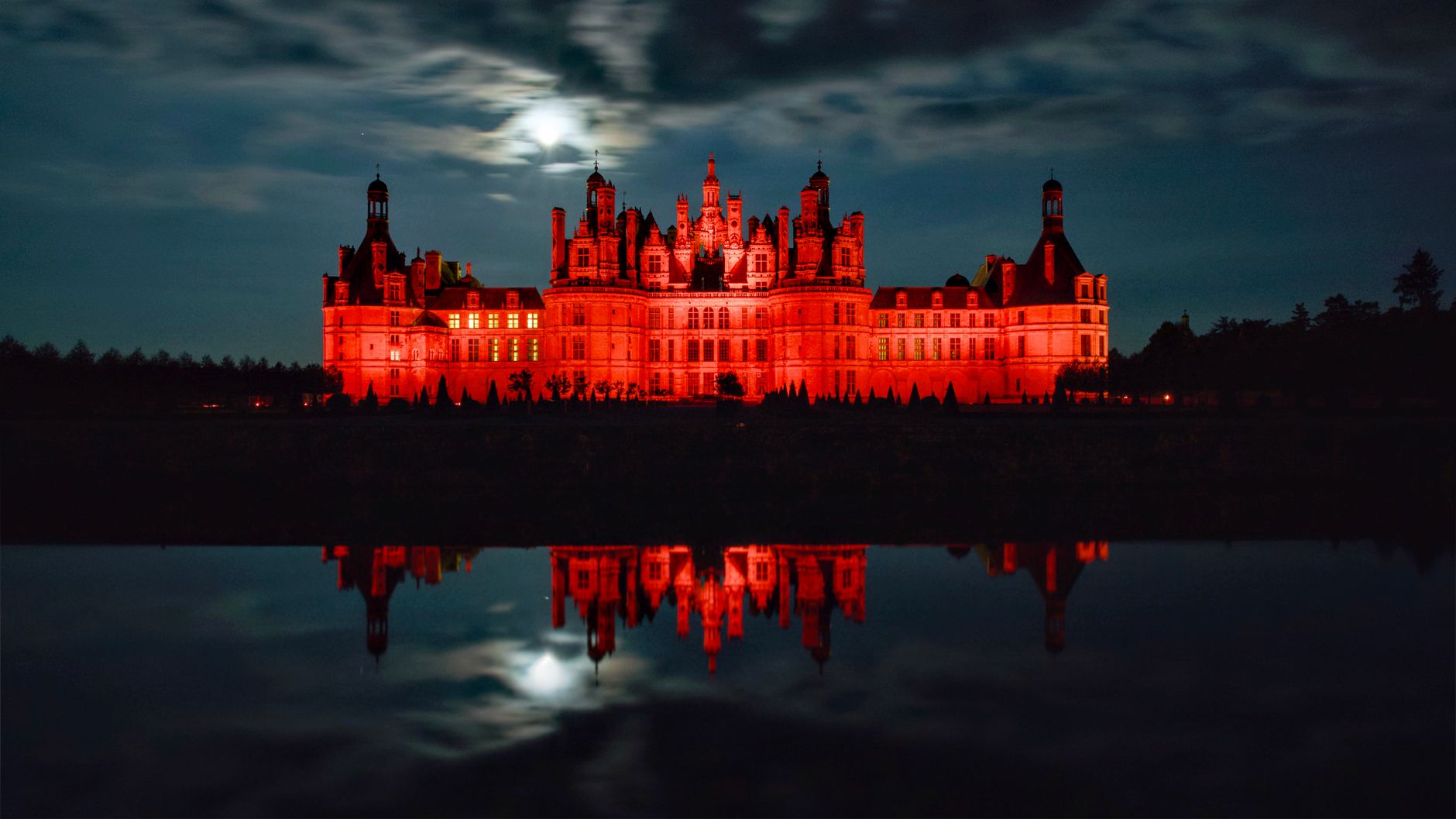
Stand at the base of Chambord's double helix staircase and look up through its open core: two spiralling ramps twist around each other from ground floor to rooftop terrace, and if someone is climbing the opposite ramp at the same moment, you can see their face through the window openings but never actually meet them. That single detail — attributed in part to Leonardo da Vinci's influence — tells you everything about the ambition that shaped this place.
Francis I commissioned it in 1519 as a hunting lodge, which is a bit like calling the Atlantic a pond. The château eventually grew to more than 400 rooms and nearly 300 fireplaces, spread across 5,400 hectares enclosed by a 32-kilometre wall — Europe's largest forest enclosure. He spent only 72 days here in his lifetime.
People who come back tend to arrive early, before the tour groups settle in, and head straight to the rooftop terraces — the forest stretching flat and green to every horizon, the chimneys rising around you like a stone city. A few also recommend skipping the electric cart and renting a bicycle instead: the grounds reward the slower pace.
Francis I ordered construction to begin on 6 September 1519, appointing François de Pontbriant as superintendent. The original design is attributed to Tuscan architect Domenico da Cortona, with possible input from Leonardo da Vinci, while Pierre Neveu oversaw the work on the ground for 28 years. When Francis died in 1547, only the keep and royal wing were complete.
The château passed through the hands of Gaston d'Orléans, who lived here on and off between 1634 and 1660, before Louis XIV — who visited nine times between 1660 and 1685 — finally saw the building finished in 1690. It was in this court, in 1670, that Molière debuted Le Bourgeois Gentilhomme. Later, the exiled King of Poland Stanislaus Leszczynski lived here from 1725 to 1733. The state purchased Chambord in 1930; UNESCO listed it in 1981.
Spring and early autumn are the most comfortable seasons — mild temperatures and good light for the grounds and gardens. Summer brings warmth and long hours but also the largest crowds; winter visits are quiet and the low-angle light turns the stone a deep honey colour, though the forest estate is harder to explore on foot.
Amazing on the exterior but rather plain on the interior. It does have an impressive double helix staircase but other than that, there isn’t a lot to see. Definitely not worth the entrance fee in my opinion.
Beautiful Chateau! We didn't go inside, just not enough time. We came early, the chateau opened at 9 am . We wanted to go when there are less people. Also we came in May 2026 when the region was experiencing extreme weather, extreme Heat wave. And going in the morning was a little bit cooler. Parking is 8€ once you park you can walk around at no additional cost and see the castle from the outside. To enter it is 32€ per person. We would be have needed about 2 hours to tour the interior and gardens. And we didn't have the time. By the time we were leaving there was a lot of people coming in. We also were told that during the week you will see less crowds. There are also little motor boats that you can fit 4 people in and go through the canal. Coat was 22€ per boat. There were also bikes for rent and golf carts, not sure the cost. If you are in the area or just driving through definitely worth stopping in. There are 3 parking lots. P0 is the first on the right, the P1 is for RV"s, camper vans and busses. Then there is P2 and that one is the farthest to walk. There was an additional parking on the left no number on it and it was right by the walkway, that was a 3-5 min walk to the castle 🏰.
I’ve never seen a more beautiful architecture. Can’t believe people in the 16th century spent 30 years to build this absolute art. So many sculptures and art pieces in the building, alongside rich history and good storytelling from the histopad. Highly recommend.
Beautiful castle from outside and the architecture is impressive, but honestly it was not worth €31 per person for us. Inside, many rooms were quite empty and there was not much information or interactive experience compared to the price. It is a very large place, but after some time it became repetitive. The gardens and surroundings are nice, but overall we expected much more for the ticket cost.
Stunning. Incredible architectural details. It is just massive with so many intricies. A walk through the back around the gardens and along the River is a must. One needs at least 3 hours here but more to adequately see everything. Lots of stairs so be prepared. Easy to see why this castle inspired the illustrators of the tale as old as time, Beauty and the Beast🌹
Background & history adapted from Wikipedia (CC BY-SA) · specs from Wikidata (CC0) · weather from Open-Meteo · map data © OpenStreetMap contributors · photos from Wikimedia Commons / Unsplash with per-image credit. No third-party reviews or social posts reproduced.
We started Yeppa because finding real travel inspiration felt harder than it should be. The site is young and we're a small team, so we genuinely need the help of early visitors like you: if anything looks broken, odd or just plain wrong, we'd love to hear about it.
Tell us what you ran into: a broken link, a wrong photo, anything odd. We read every message.
Your note is on its way to us. It makes Yeppa better for everyone.
Subscribe to the newsletter and get travel deals & inspiration for trips that start near you.
Check your inbox and confirm your subscription. From then on we'll send you travel deals & inspiration.