
Amboise
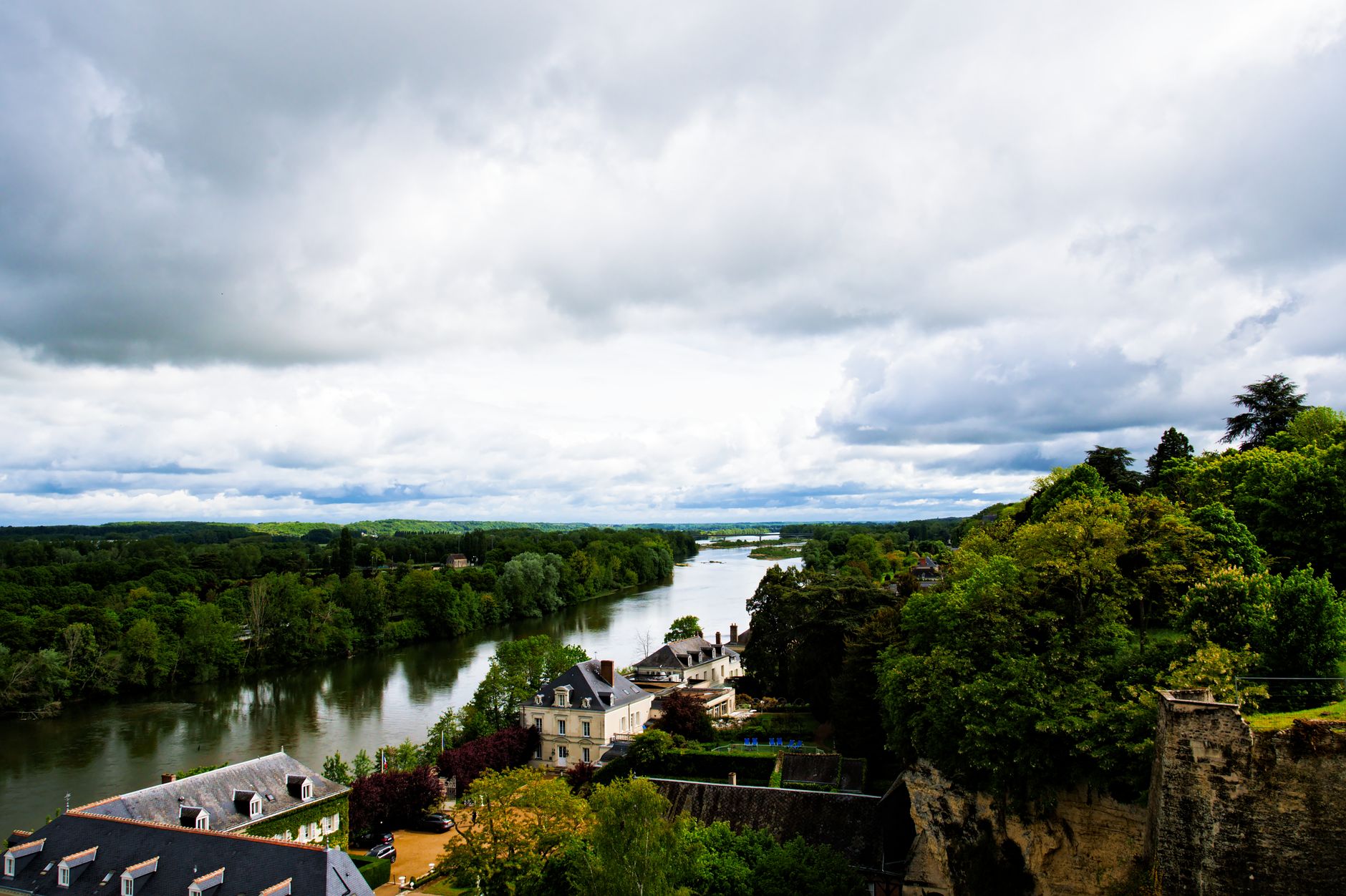
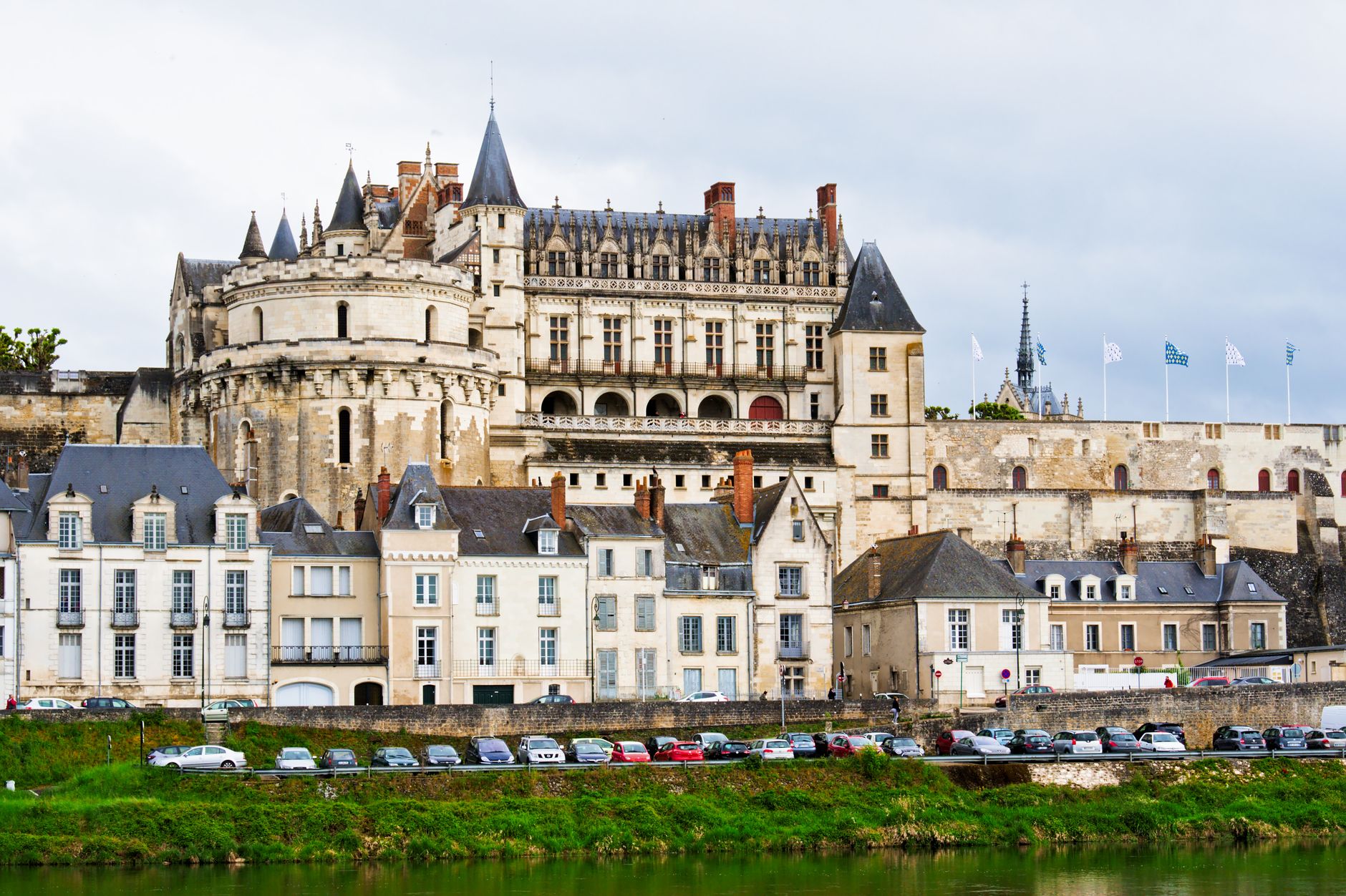
Stand on the terrace of the Château Royal and you're looking down at the Loire from the same vantage point where Charles VIII — born here in 1470, dead here at 28 after striking his head on a low doorway — watched the river bend south. The château sits on a limestone promontory above the town, its two great towers wide enough inside to drive a horse and cart up their spiral ramps to the upper terraces.
Amboise is compact enough to walk in a morning and layered enough to hold you for two days. Leonardo da Vinci spent the last three years of his life in the manor house a few minutes' walk from the castle gates, and a 44-metre Chinese pagoda rises from the forest just outside town.
💛 What travellers fall for
People who come back tend to time their arrival for early morning, when the château opens at nine and the tour groups haven't yet crossed the bridge from the station side. They also make a point of walking the underground passage that once connected Clos Lucé to the château — and of finding the carillon above the Porte de l'Horloge on the way back into town.
Experiences you don't want to miss




Deals in Amboise
Book directly at the provider
How Amboise came to be
The town first surfaces in the historical record in 504, when Clovis, king of the Franks, met the Visigoth king Alaric II on the island in the Loire now called Île d'Or. The castle's bones go back to the 11th century, when Fulk III Nerra of Anjou built a stone keep here after taking the site from the count of Blois. Charles VII seized it in 1434 after its owner was convicted of plotting against the crown.
Charles VIII began rebuilding it in 1492 — first in the French Flamboyant Gothic style, then, after his Italian campaigns, with Renaissance decorative motifs introduced by Domenico da Cortona and Fra Giocondo. The château reached its peak under Francis I, who grew up here. In 1560, after a Protestant conspiracy was discovered, 1,200 people were killed and their bodies displayed around the town. Napoleon later gifted the property to Roger Ducos, who demolished much of it to cut costs; the restoration effort, directed by Viollet-le-Duc, came only in 1873.
Who and what shaped it
People who shaped it
Landmark buildings
See Amboise in motion
Plan your visit
On the map
When to go
The Loire Valley has a temperate, fairly mild climate. Spring (April–May) and early autumn (September–October) are the most comfortable seasons — warm enough to enjoy the terraces, cool enough to walk between sites without effort. July and August are warm and sunny but bring the most visitors; winter is quiet and occasionally sharp, though the château and Clos Lucé remain open.
Right now
Background & history adapted from Wikipedia (CC BY-SA) · specs from Wikidata (CC0) · weather from Open-Meteo · map data © OpenStreetMap contributors · photos from Wikimedia Commons / Unsplash with per-image credit. No third-party reviews or social posts reproduced.