
Angers
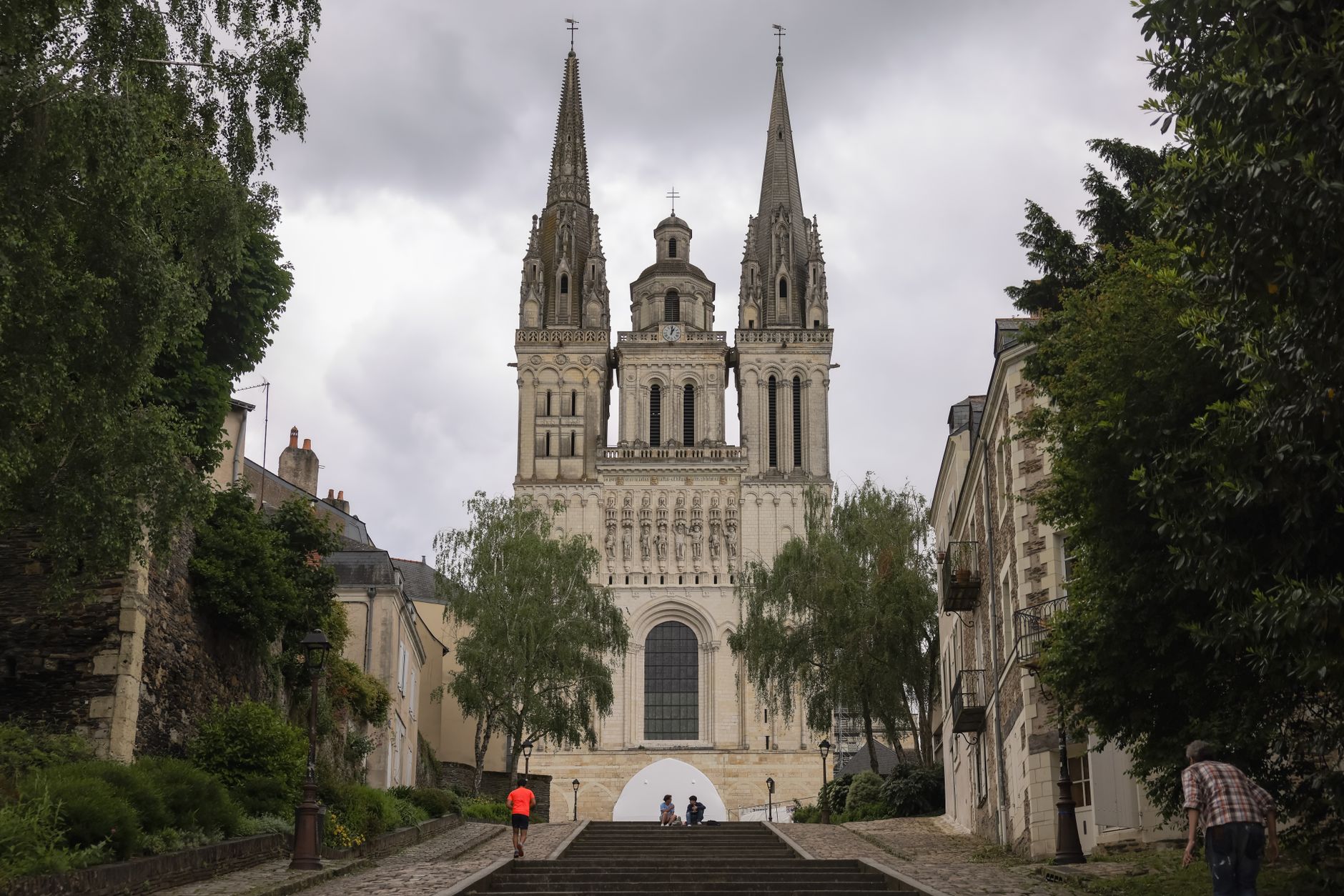
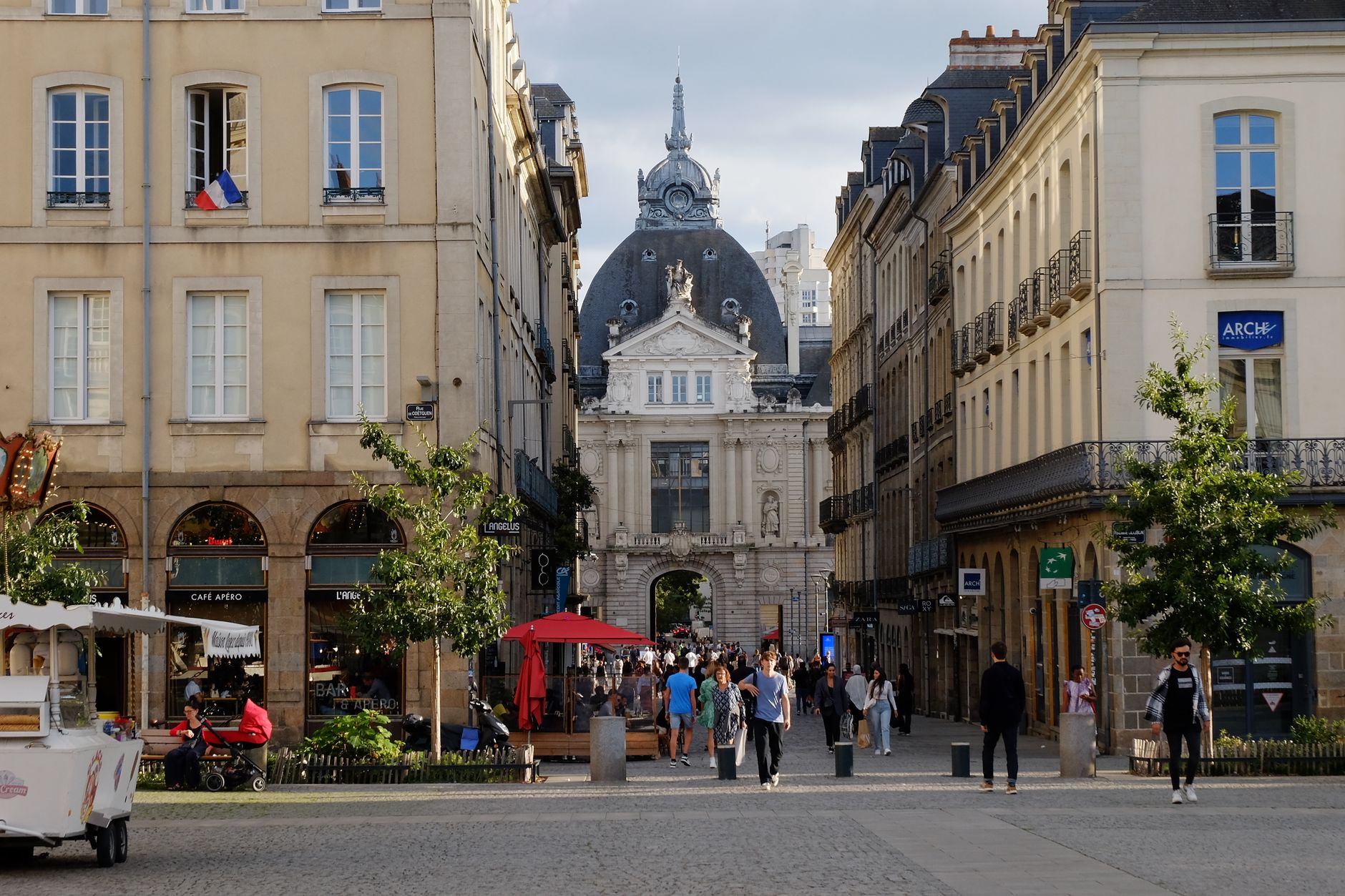
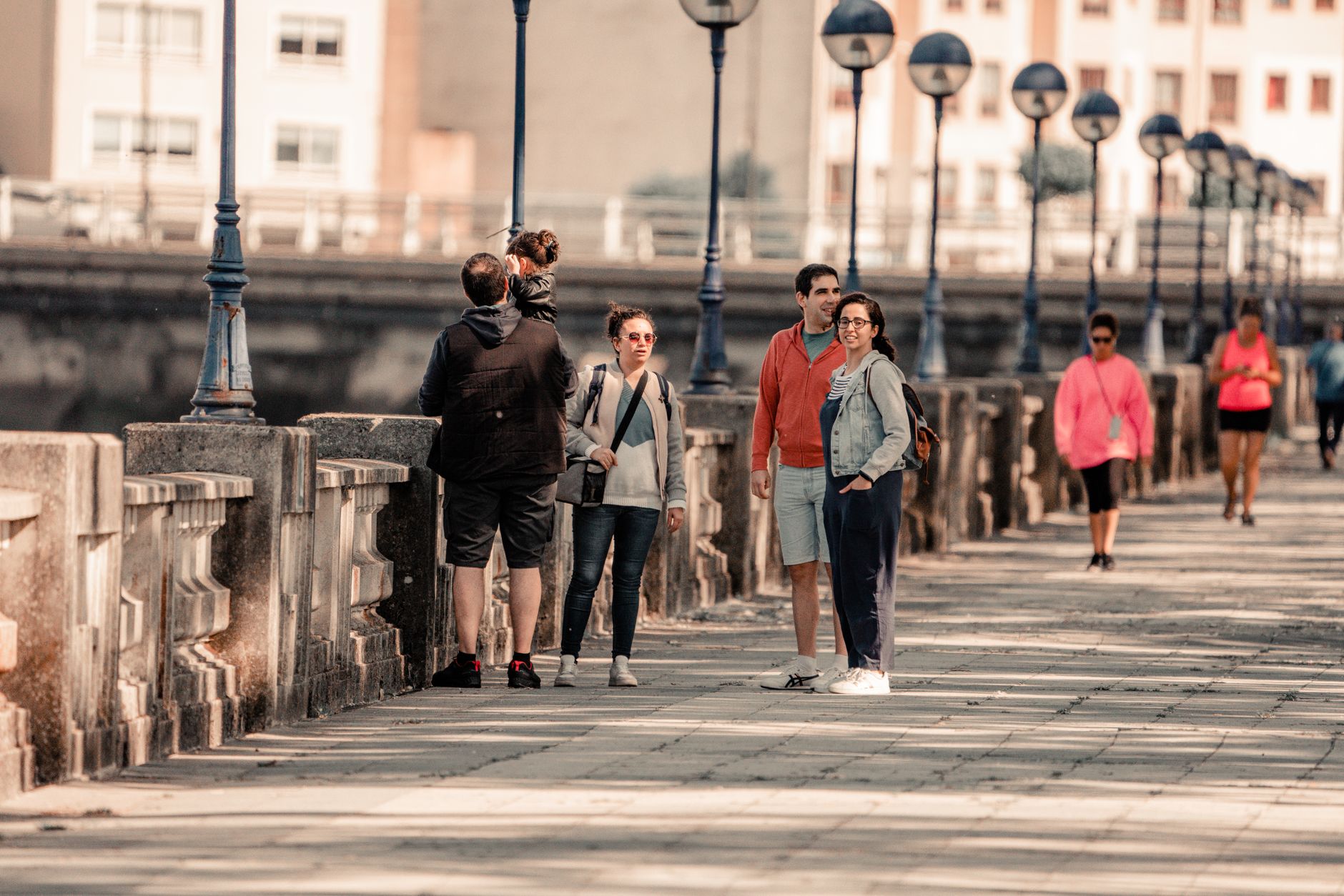
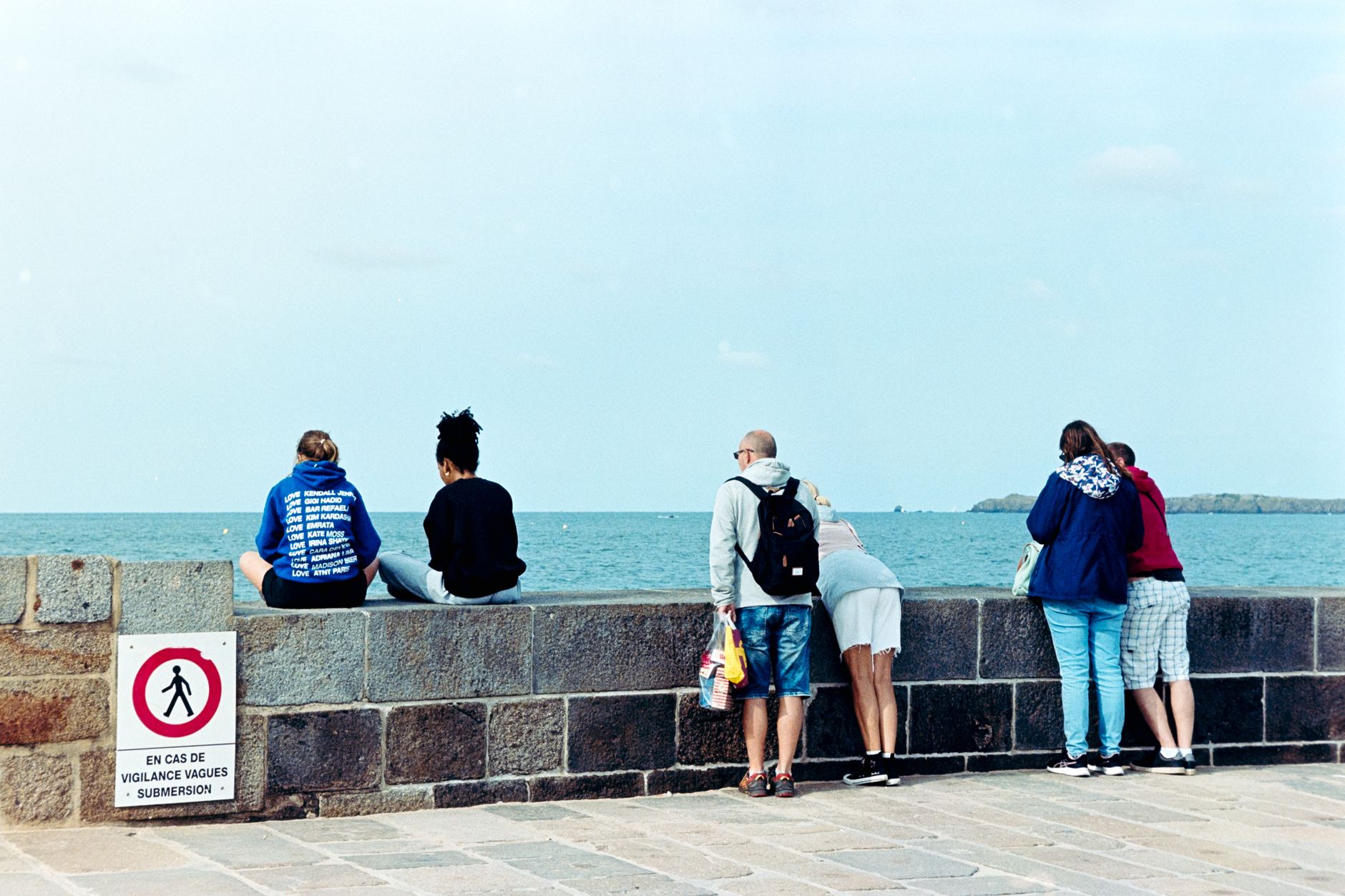

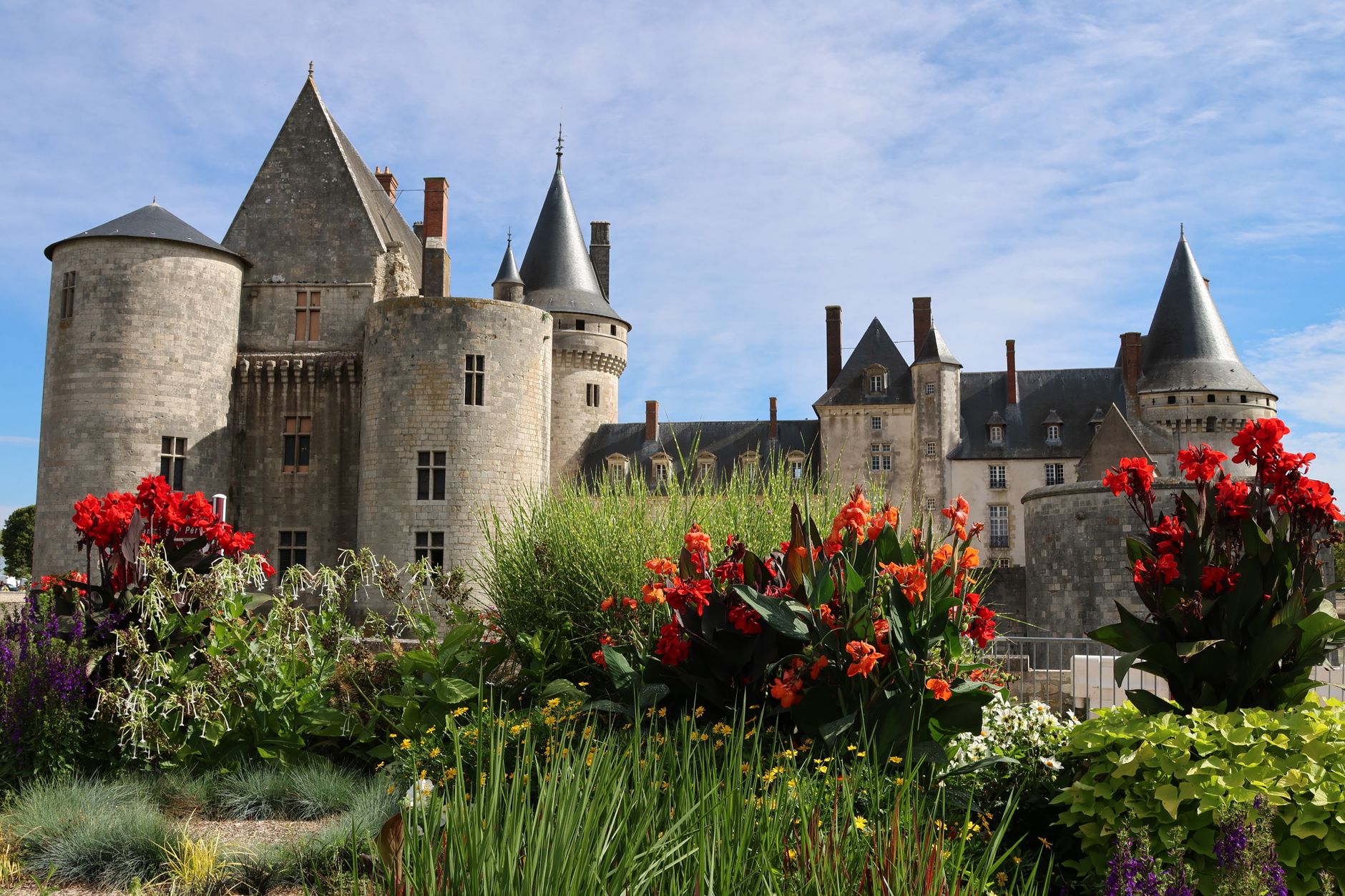
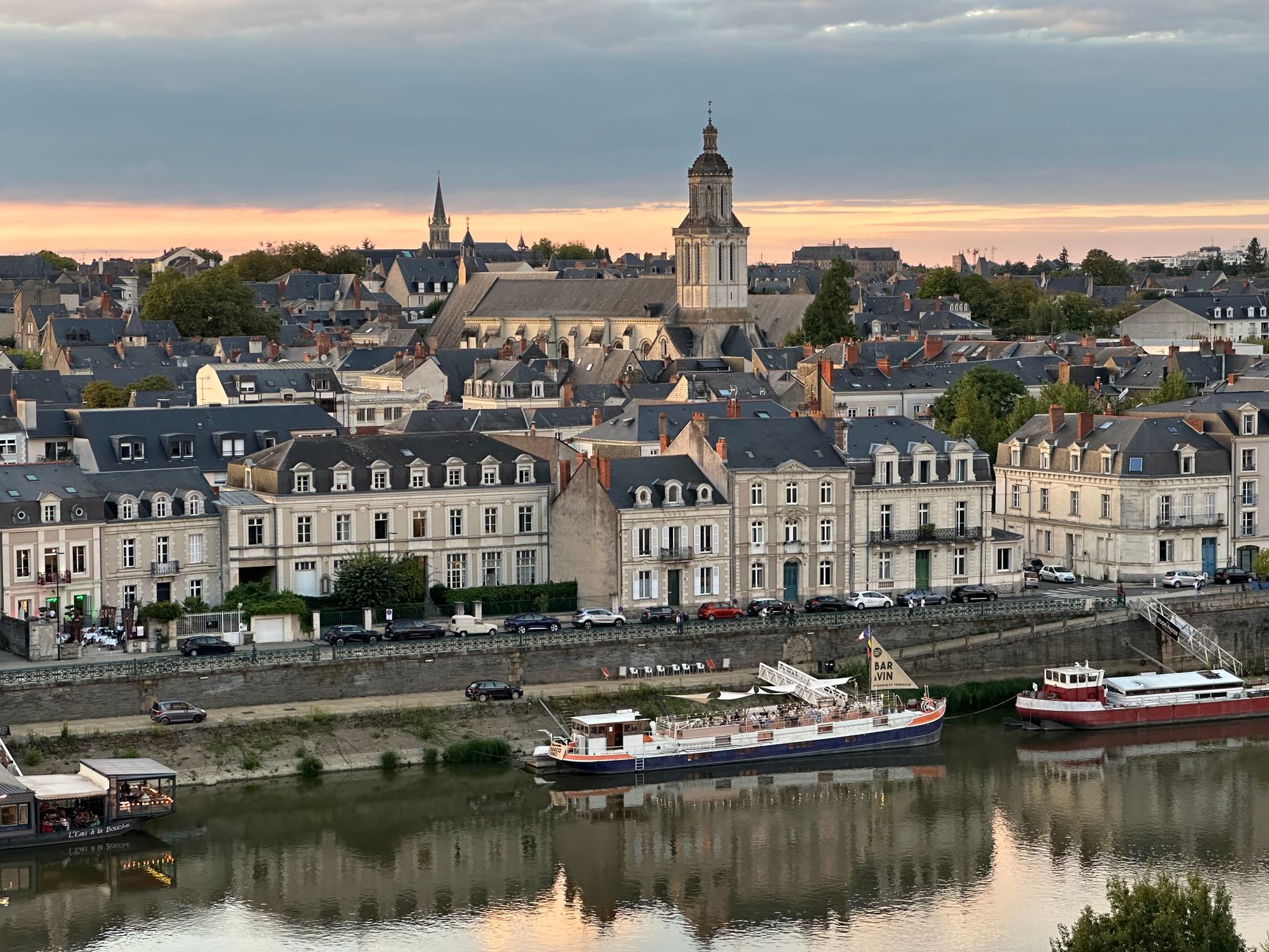
Stand at the foot of the Château d'Angers and count the towers — seventeen of them, some nearly sixty metres high, rising from a moat that has held its ground since 1230. This is a city that keeps its medieval bones close to the surface. The Maine river cuts through, the old quarter of La Doutre sits on its western bank, and inside the château walls hangs the longest surviving medieval tapestry on earth: 103 metres of wool, depicting the Apocalypse of St John in scenes that still read as urgent.
Angers is a proper French city with a university, a tram network, and a TGV line that puts Paris ninety minutes away — which means it gets on with its own life rather than performing itself for visitors. Two days here is the honest minimum.
💛 What travellers fall for
People who come back tend to mention the Apocalypse Tapestry twice — once after seeing it, once months later when they realise how much of it stayed with them. They also point you toward Place Sainte-Croix and the Maison d'Adam, where a medieval half-timbered façade is carved with figures that have been raising eyebrows for six centuries.
Experiences you don't want to miss



Deals in Angers
Book directly at the provider
How Angers came to be
The Romans built a town here called Juliomagus, on land belonging to the Gallic Andes tribe. By 372 a diocese had been established, and by the early tenth century Fulk I had consolidated power as count of Angers, founding the House of Ingelger and the first Anjou dynasty. The county grew into something approaching an empire — until 1204–1205, when Philip II of France seized Normandy and Anjou and the Angevin hold on the region dissolved.
Blanche of Castile ordered the current château rebuilt in 1228, during Louis IX's minority. A century later, in 1373, Louis I of Anjou commissioned the Apocalypse Tapestry. Later still, King René of Anjou — a man of conspicuous culture — worked to revive a city that the Black Death and the Hundred Years War had badly diminished, turning Angers into a political and artistic centre before the duchy passed definitively into French hands.
Who and what shaped it
People who shaped it
Landmark buildings
See Angers in motion
Plan your visit
On the map
When to go
Angers has a suboceanic climate — mild, damp winters with daytime highs around 9°C, and warm summers that reach roughly 24°C. Spring and early autumn, when temperatures sit in the mid-teens, are the most comfortable seasons for walking the city's medieval streets.
Right now
Background & history adapted from Wikipedia (CC BY-SA) · specs from Wikidata (CC0) · weather from Open-Meteo · map data © OpenStreetMap contributors · photos from Wikimedia Commons / Unsplash with per-image credit. No third-party reviews or social posts reproduced.