
Blois
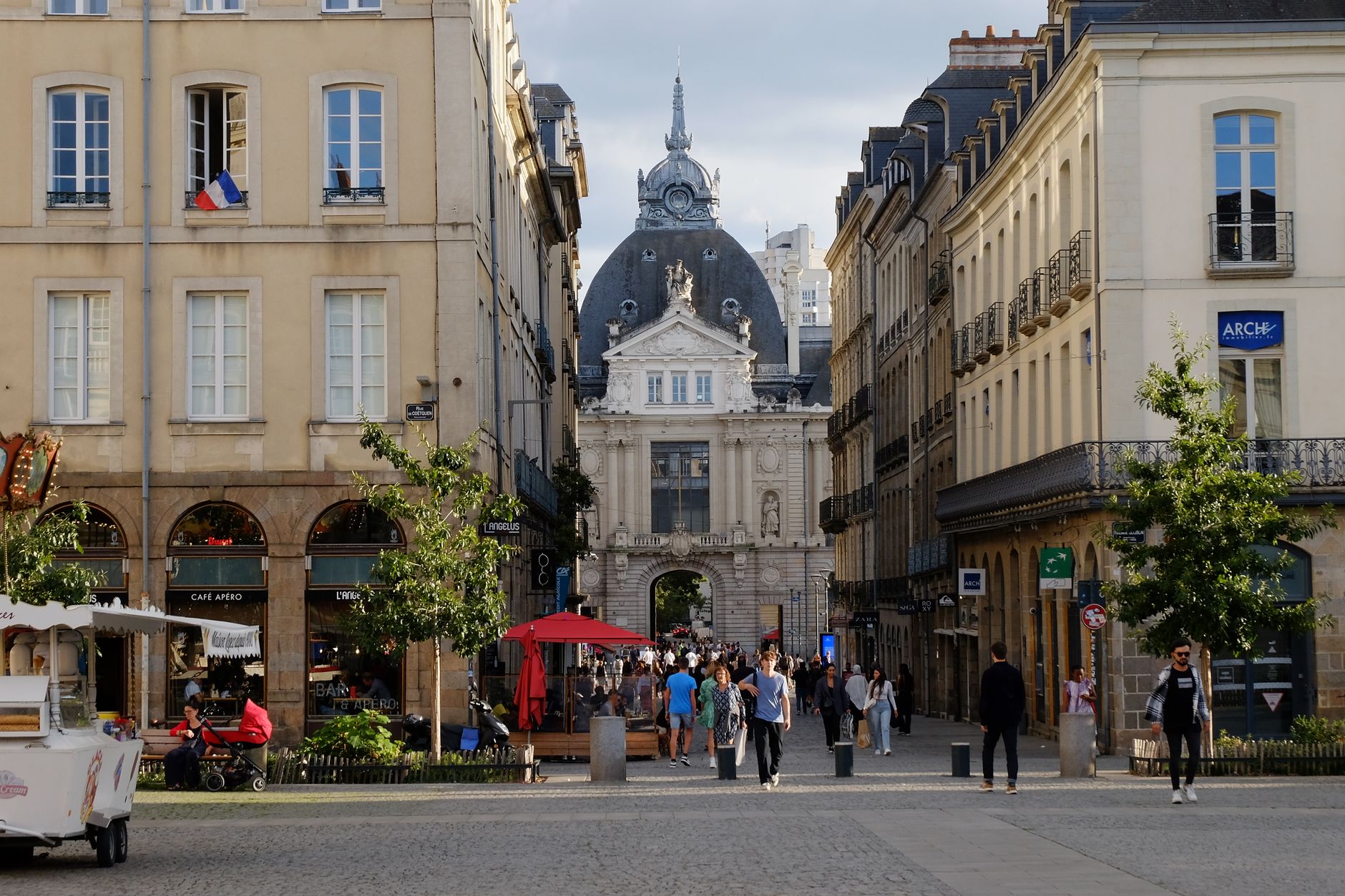


The château at Blois sits right in the middle of town, not at the end of a long drive or across a moat you have to imagine. You walk seven minutes from the train station and you're standing in a courtyard where four different centuries of French architecture face each other across the same stones — Gothic, Renaissance, classical, and medieval, each commissioned by a different hand. The staircase on the Francis I wing spirals five stories up inside an octagonal stone cage, open to the courtyard on every level, and it stops most people mid-sentence.
Blois is the Loire Valley's working city, the one with a proper old town climbing the hill behind the château, a contemporary art space that opened in 2013, and a museum devoted entirely to stage magic.
💛 What travellers fall for
People who come back tend to mention the Denis-Papin Staircase — the monumental civic steps that drop from the upper town to the lower, with the Loire laid out ahead of you. They also mention the Maison de la Magie, which turns out to be stranger and more absorbing than it sounds, and worth an hour even if you arrived skeptical.
Experiences you don't want to miss



Deals in Blois
Book directly at the provider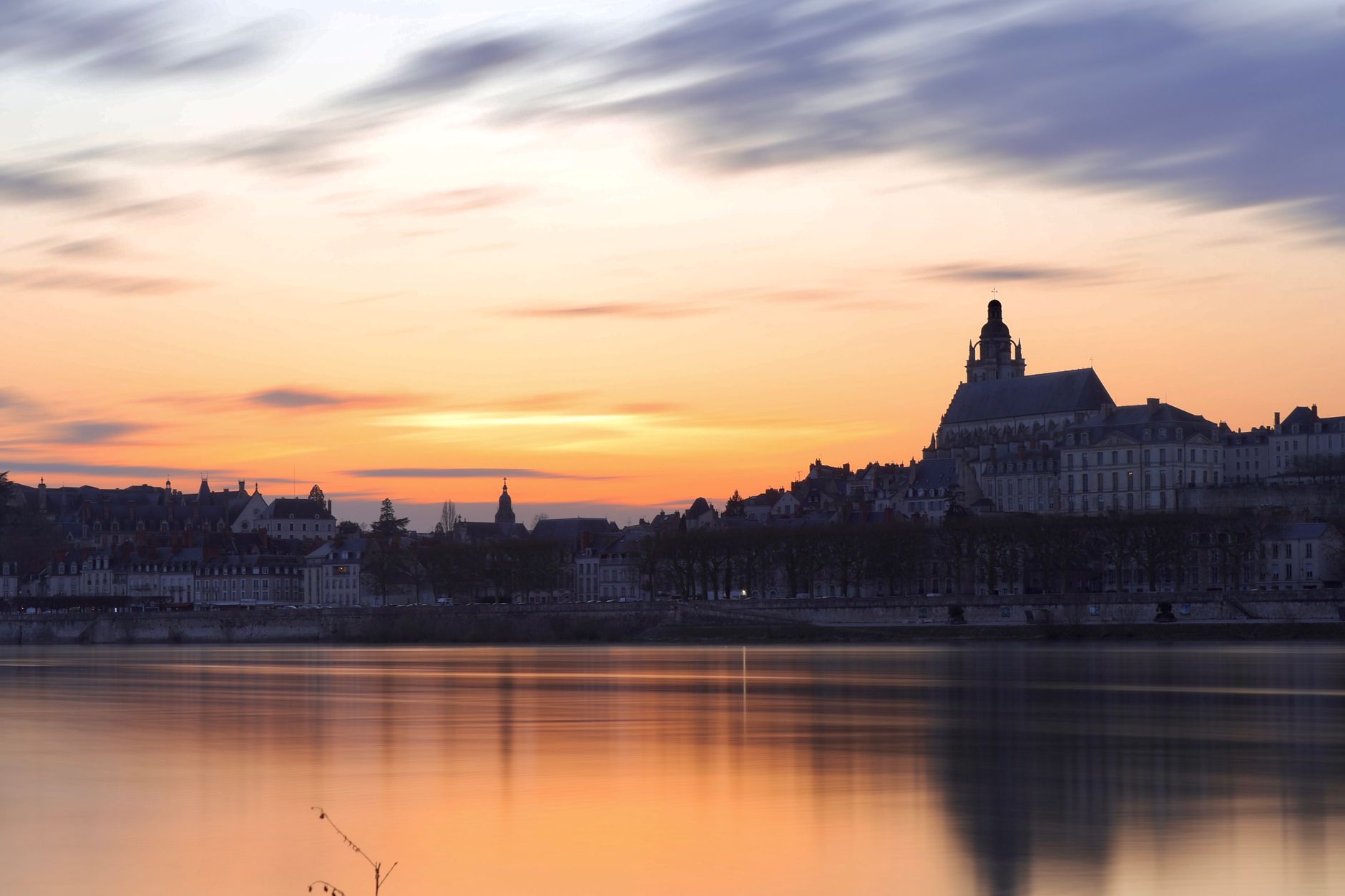
How Blois came to be
Blois first appears in the historical record in the 6th century, noted by Gregory of Tours. By 832 it was the capital of its own county, a title it held until 1498, when Count Louis II of Orléans was crowned Louis XII of France and the city's fate folded into the crown's. Louis XII was born in the château itself in 1462, and construction on the building had been accumulating since the 13th century — each monarch leaving a wing in the style of their moment.
For much of the Renaissance, Blois functioned as a second capital. Joan of Arc left from here in 1429 to relieve Orléans. In December 1588, Henry III had Henri de Guise assassinated on the château's second floor; Catherine de Médicis died in a room just below a few days later. Marie de' Medici was exiled here by Louis XIII between 1617 and 1619. When the court finally settled permanently in Paris, Blois contracted quietly into the city it is now.
Who and what shaped it
People who shaped it
Landmark buildings
See Blois in motion
Plan your visit
On the map
When to go
Summers are mild and dry, reaching around 27°C in August — good walking weather, though the château can get crowded. February is the coldest month at around 9°C, and the Loire Valley in winter has a spare, unhurried quality that suits the architecture well.
Right now
Background & history adapted from Wikipedia (CC BY-SA) · specs from Wikidata (CC0) · weather from Open-Meteo · map data © OpenStreetMap contributors · photos from Wikimedia Commons / Unsplash with per-image credit. No third-party reviews or social posts reproduced.