
Villandry
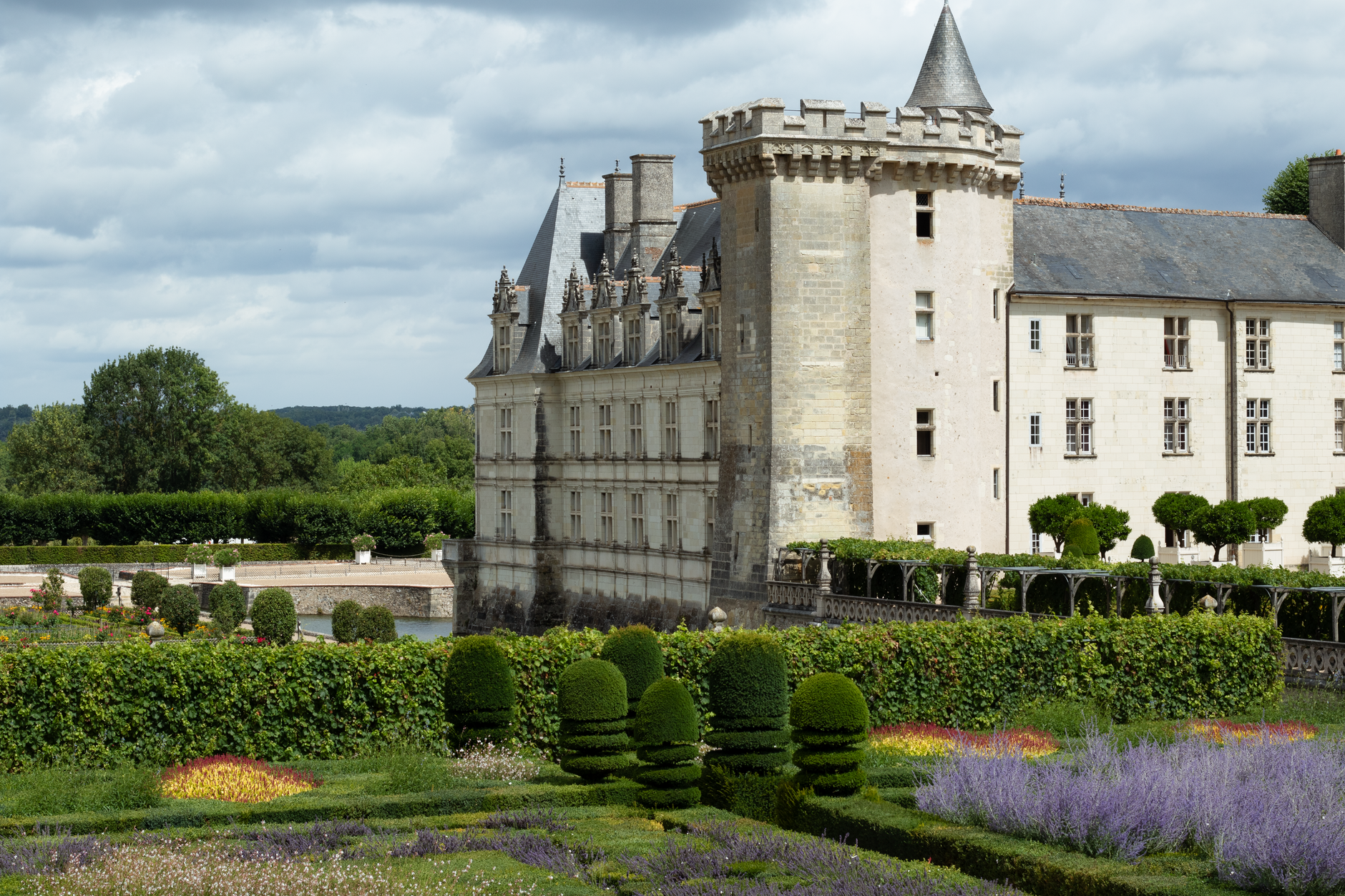
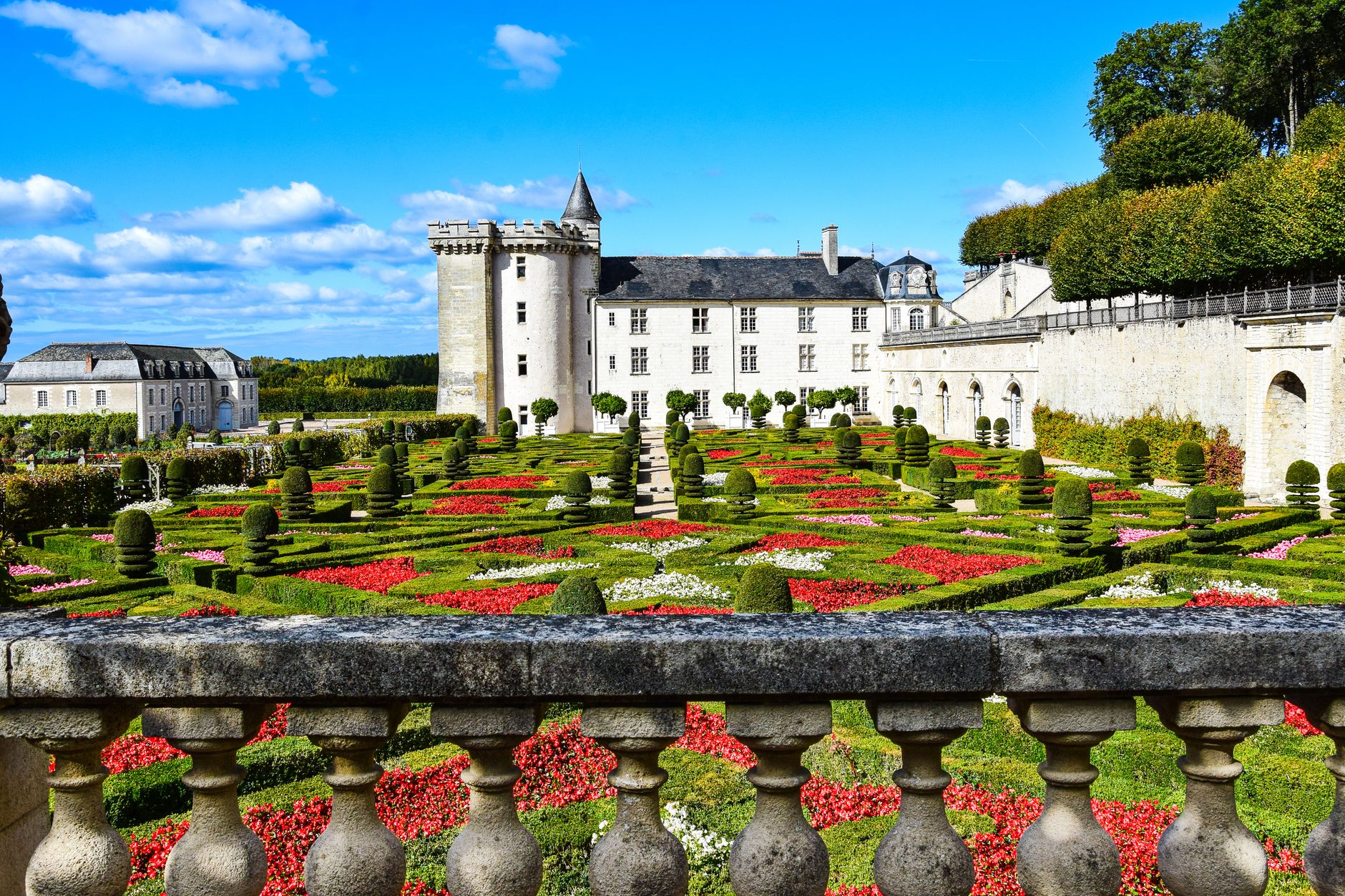
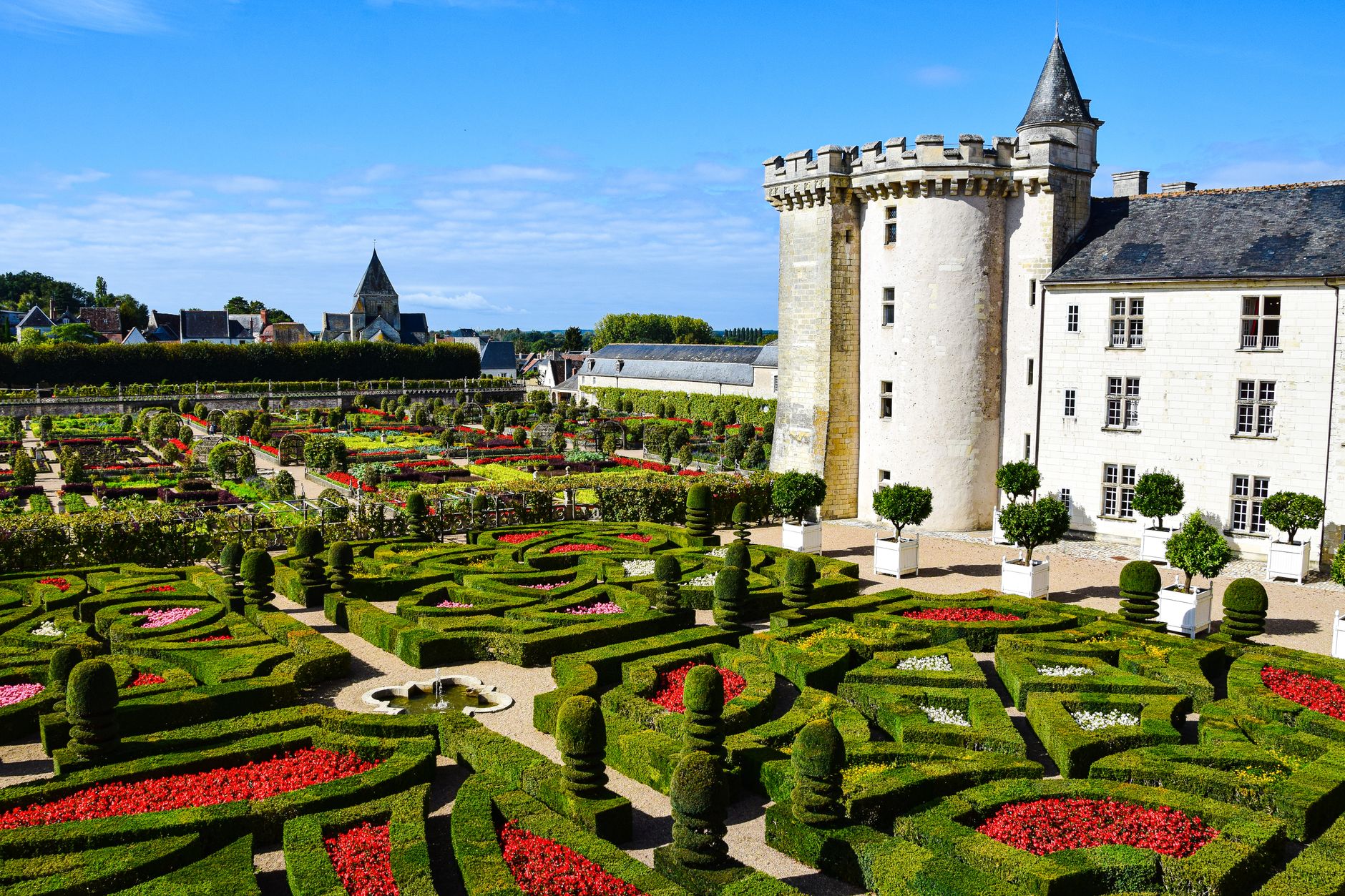


The vegetable garden at Villandry is laid out in geometric beds so precisely coloured — ruby chard against blue-green leek, golden squash beside purple cabbage — that it reads less like agriculture and more like a manuscript illumination spread across seven hectares of Loire Valley soil. This is a working Renaissance garden, restored in the early twentieth century to designs drawn from sixteenth-century sources, and it rewards slow walking.
The château behind it is quieter, its U-shaped courtyard and mullioned windows typical of the Francis I period, but the one surviving medieval keep — crenels and merlons intact — reminds you that something older stood here long before Jean Le Breton put up his elegant new house in the 1530s.
💛 What travellers fall for
People who come back tend to time their second visit for early morning, when the gravel paths are still damp and the ornamental ponds reflect the slate roofs without a crowd in the frame. The audio guide — available in ten languages for a small fee — is worth taking for the vegetable garden section specifically, where the planting logic becomes genuinely interesting once someone explains it.
Experiences you don't want to miss



Deals in Villandry
Book directly at the provider
How Villandry came to be
The site has Roman roots — a domain called Villa Andrik — and by 1189 it was significant enough to host the Peace of Colombiers, where Philip Augustus of France and Henry II of England concluded a treaty on July 4th of that year. A medieval fortress stood here through the following centuries, and one twelfth-century keep still stands, the only stone left from that era.
In 1532 Jean Le Breton, Controller-General for War under Francis I and the man who oversaw construction at Chambord, purchased the domain and built the present château around that surviving keep, completing it by 1536. The property passed through several hands — including, briefly, Jérôme Bonaparte after the Revolution — before the Spanish-born doctor Joachim Carvallo bought it in 1906, funded by his American wife Ann Coleman. Carvallo spent years researching Renaissance garden design from historical sources before opening both gardens and house to the public from 1920. His descendant Henri Carvallo added the Sun Garden, which opened in 2008.
Who and what shaped it
People who shaped it
Landmark buildings
See Villandry in motion
Plan your visit
On the map
When to go
The Loire Valley has a temperate climate; summers are warm and reliably dry enough for garden visits, though July and August bring the largest crowds. Spring — April and May — offers cooler air and the ornamental beds at their most freshly planted, while October sees the kitchen garden colours deepen before the season closes.
Right now
Background & history adapted from Wikipedia (CC BY-SA) · specs from Wikidata (CC0) · weather from Open-Meteo · map data © OpenStreetMap contributors · photos from Wikimedia Commons / Unsplash with per-image credit. No third-party reviews or social posts reproduced.