
Chaumont-sur-Loire
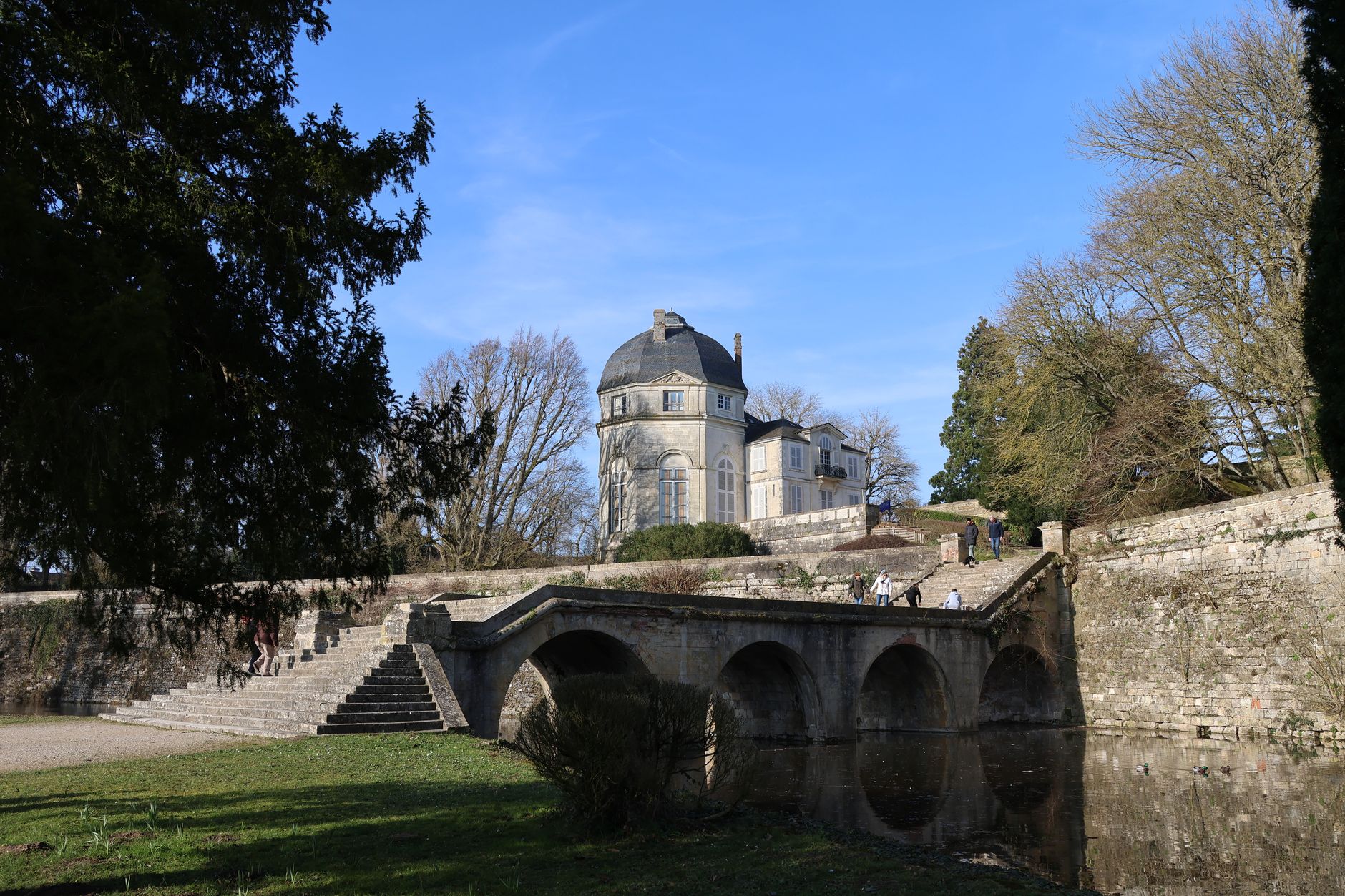
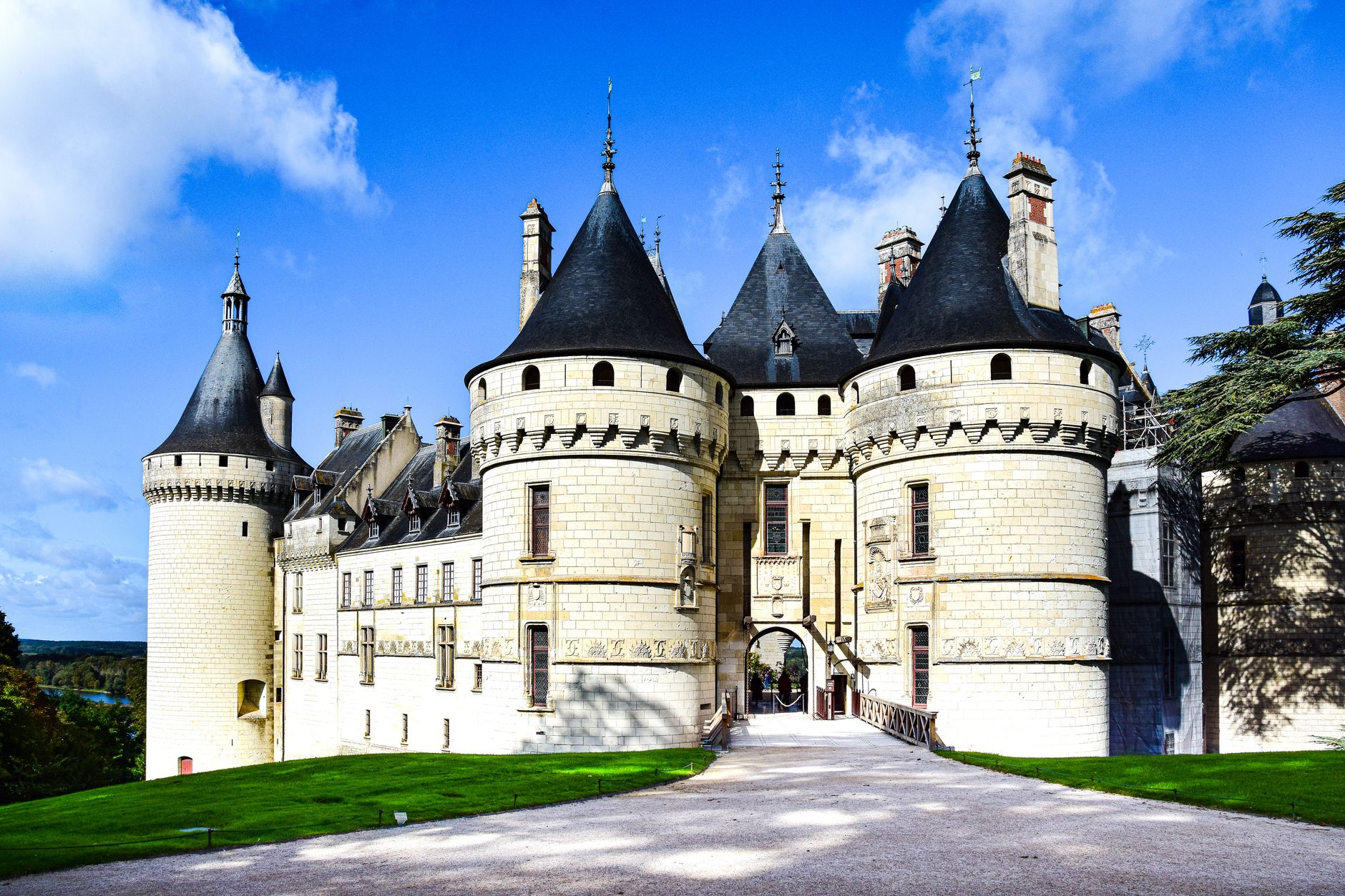
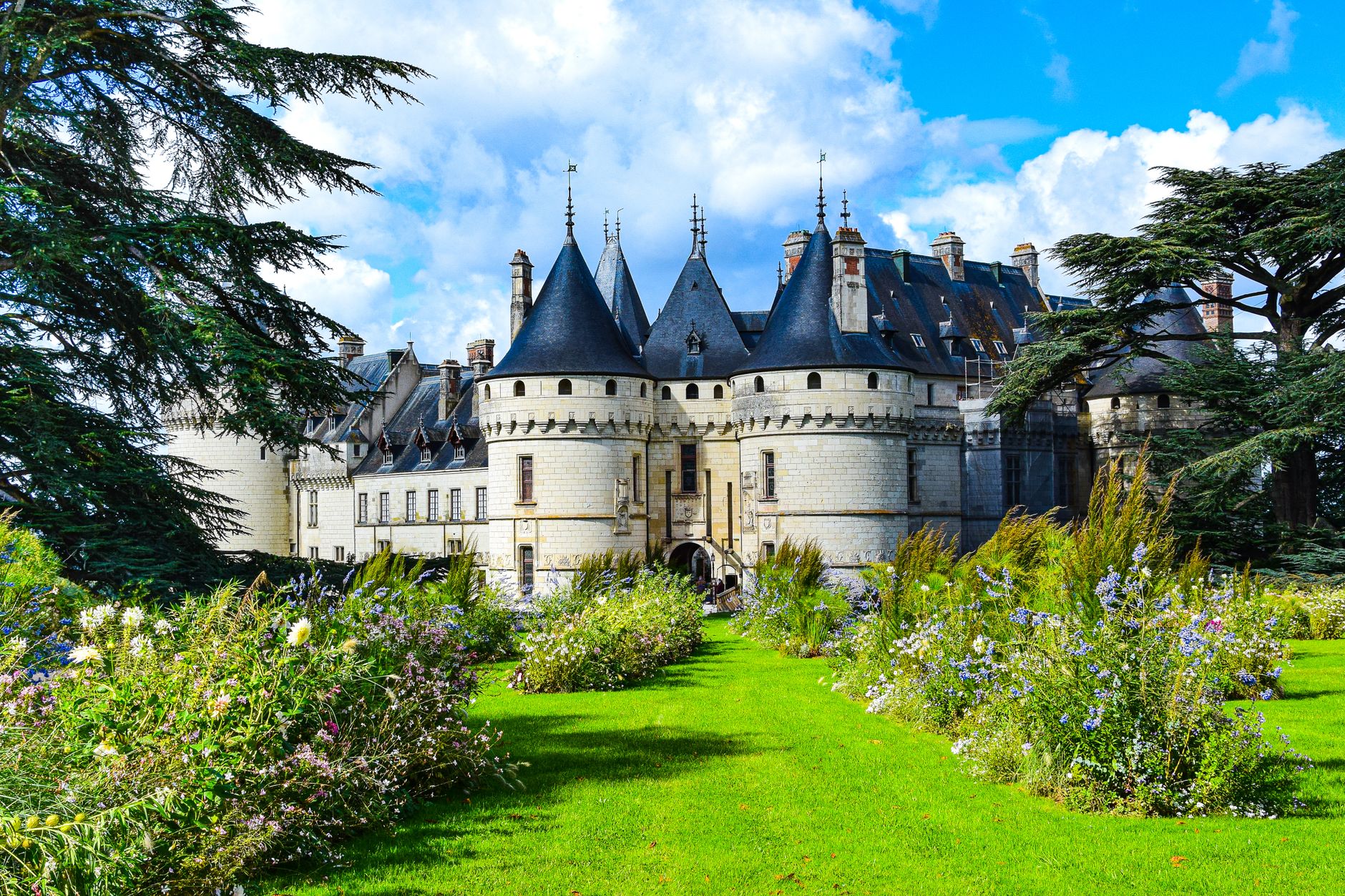
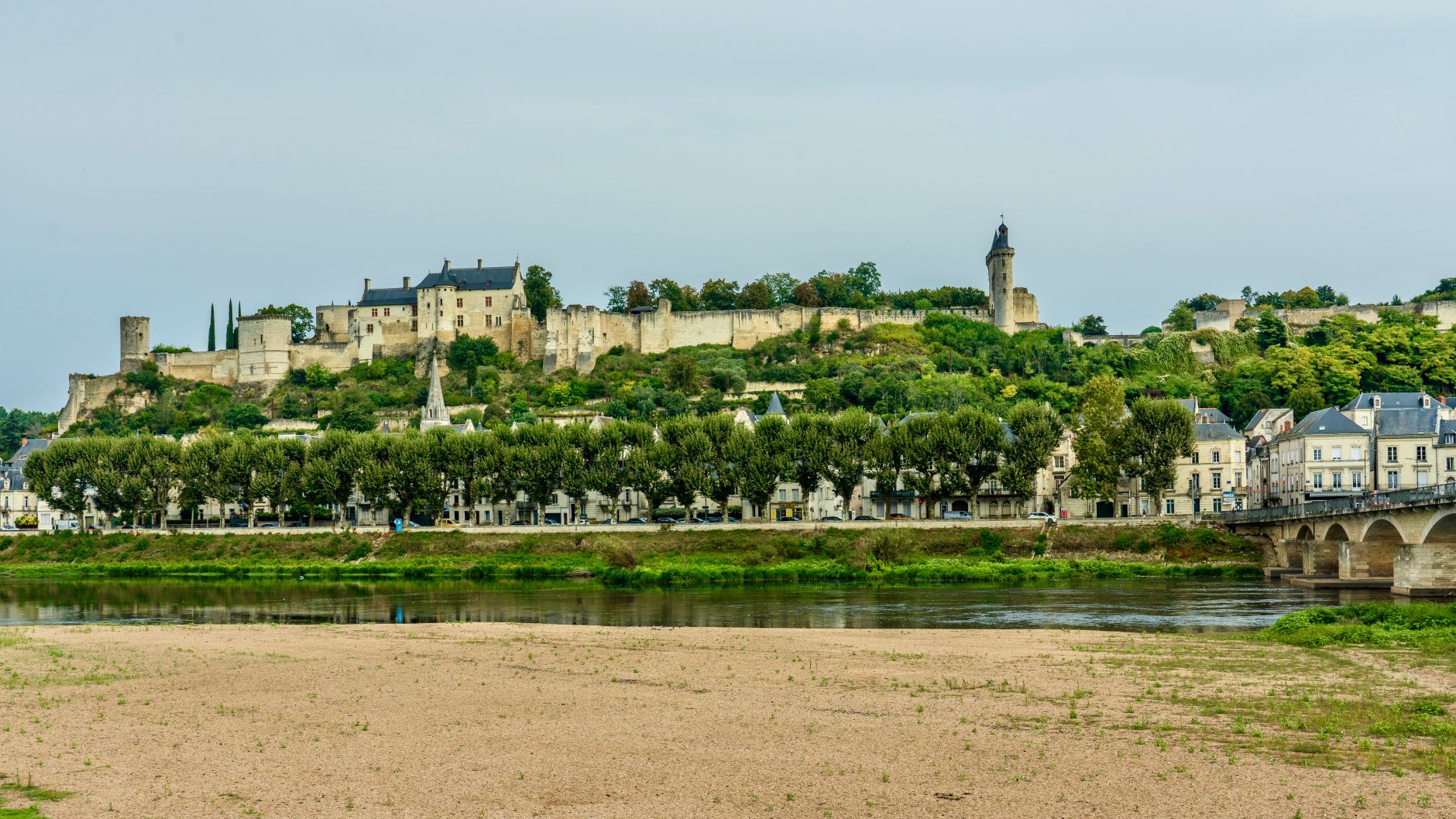
The fourth wall of Chaumont's Renaissance courtyard was demolished in 1739 — not from neglect, but to open the view to the Loire below. That decision tells you something about the place: it has always been shaped by strong-willed people with a clear sense of what matters. The château sits high above the river on a limestone bluff, its round towers reflected in the water, and the grounds around it host one of France's most serious garden festivals each spring and summer.
Chaumont is compact enough to cover in a day, serious enough to reward two.
💛 What travellers fall for
People who come back tend to time it around the International Garden Festival — the installations in the Goualoup garden change every year and the quality is genuinely unpredictable, which is part of the appeal. The stables alone, with Sanson's obsessive 19th-century detailing, are worth the trip from Blois on a quiet Tuesday morning before the tour coaches arrive.
Experiences you don't want to miss


Deals in Chaumont-sur-Loire
Book directly at the provider
How Chaumont-sur-Loire came to be
Odo I, Count of Blois, founded a fortress here in the 10th century to hold territory against Fulk Nerra of Anjou. The d'Amboise family took ownership through marriage in 1054 and held it for five centuries — until Louis XI burned the castle flat in 1465 as punishment for Pierre I d'Amboise's rebellion. Pierre and his son Charles rebuilt it between 1468 and 1566, producing most of what you see today.
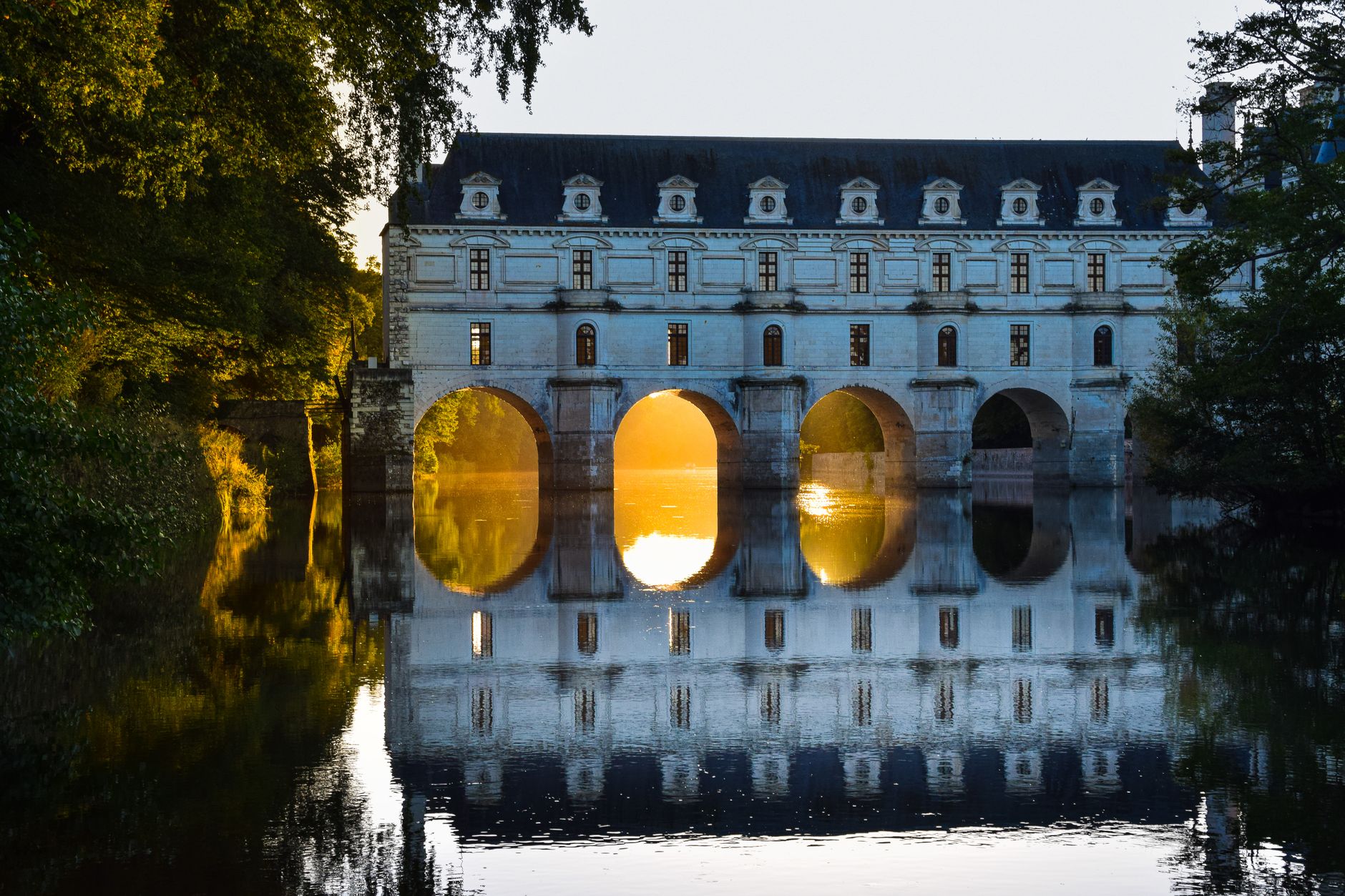
Catherine de Medici bought Chaumont in 1550. After Henry II died in 1559, she leveraged her ownership to force Diane de Poitiers — the king's longtime favourite — to surrender Chenonceau in exchange for it. Later owners included Jacques-Donatien Le Ray, who backed American independence and ran a pottery factory here under sculptor Jean-Baptiste Nini, and Madame de Staël, who arrived in 1810 and gathered writers and thinkers around her for a summer. The sugar heiress Marie-Charlotte Say acquired it in 1875 and commissioned the extraordinary stables two years later.
Who and what shaped it
People who shaped it
Landmark buildings
See Chaumont-sur-Loire in motion
Plan your visit
On the map
When to go
The Loire Valley sits at around 12°C average annually — mild but genuinely four-seasoned. Spring and early summer bring the best garden conditions: warm days, manageable crowds before July peaks. Autumn softens the light and empties the paths; winter visits are quiet but the gardens are dormant.
Right now
Background & history adapted from Wikipedia (CC BY-SA) · specs from Wikidata (CC0) · weather from Open-Meteo · map data © OpenStreetMap contributors · photos from Wikimedia Commons / Unsplash with per-image credit. No third-party reviews or social posts reproduced.