
Chinon
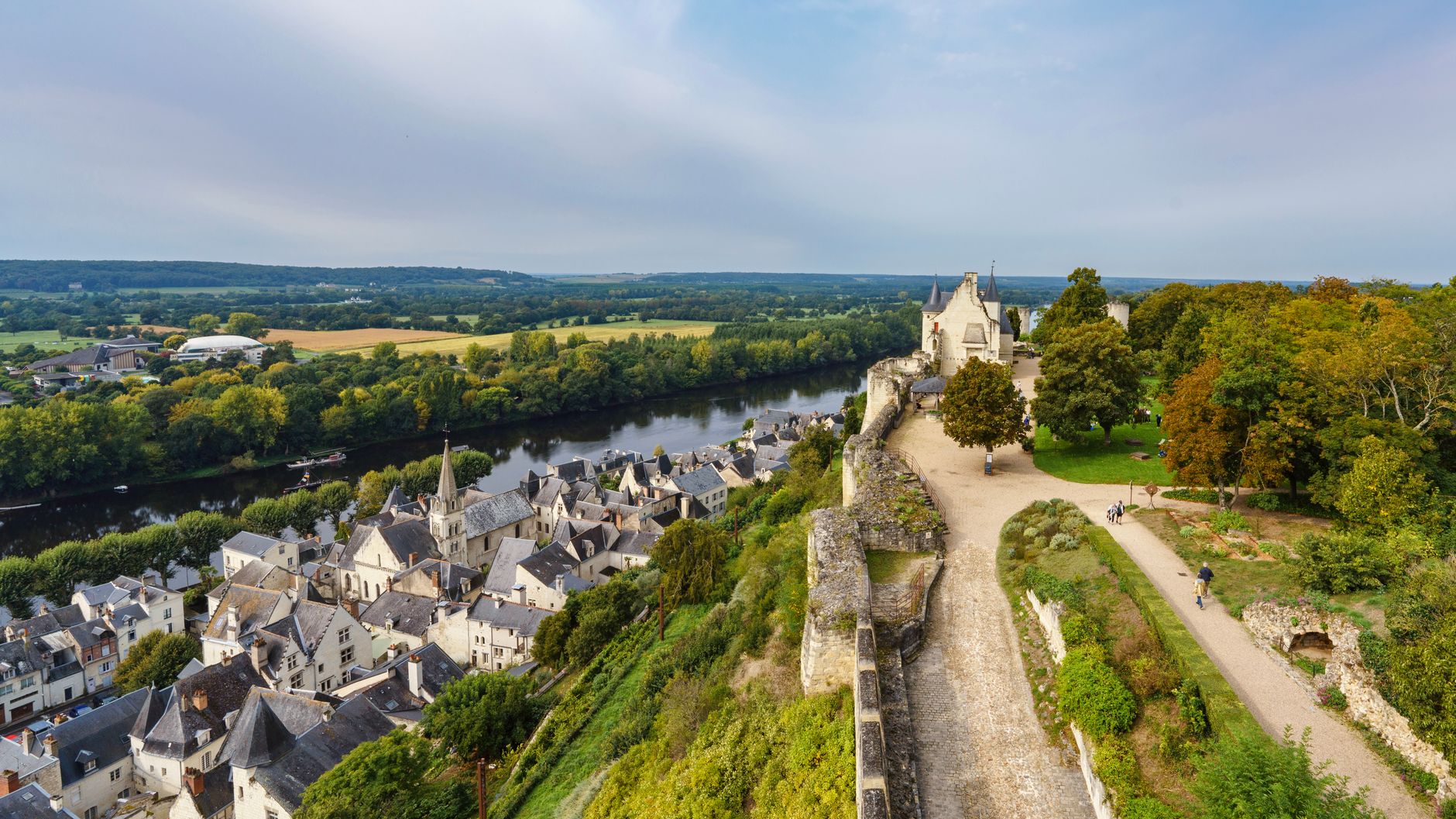
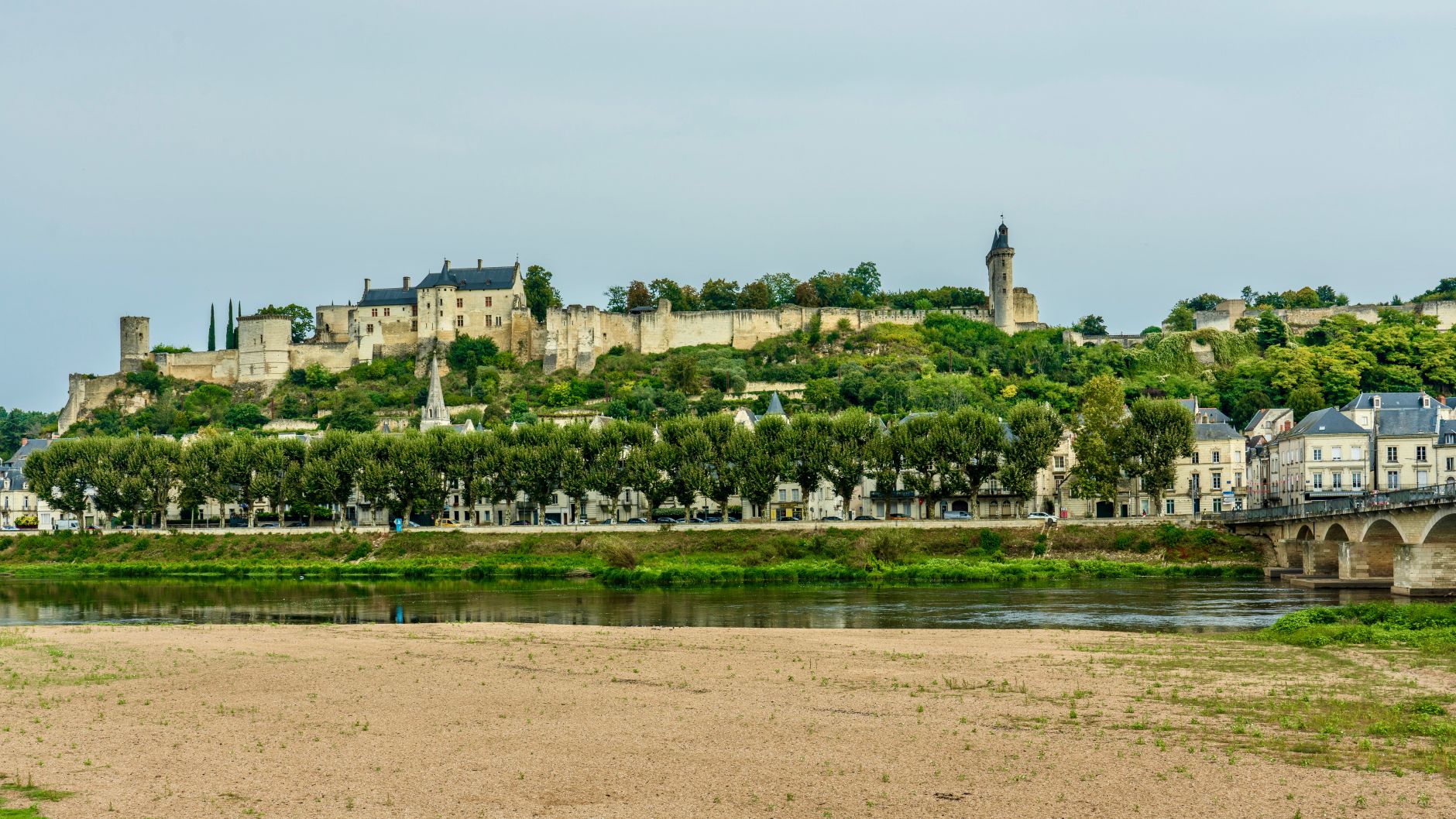
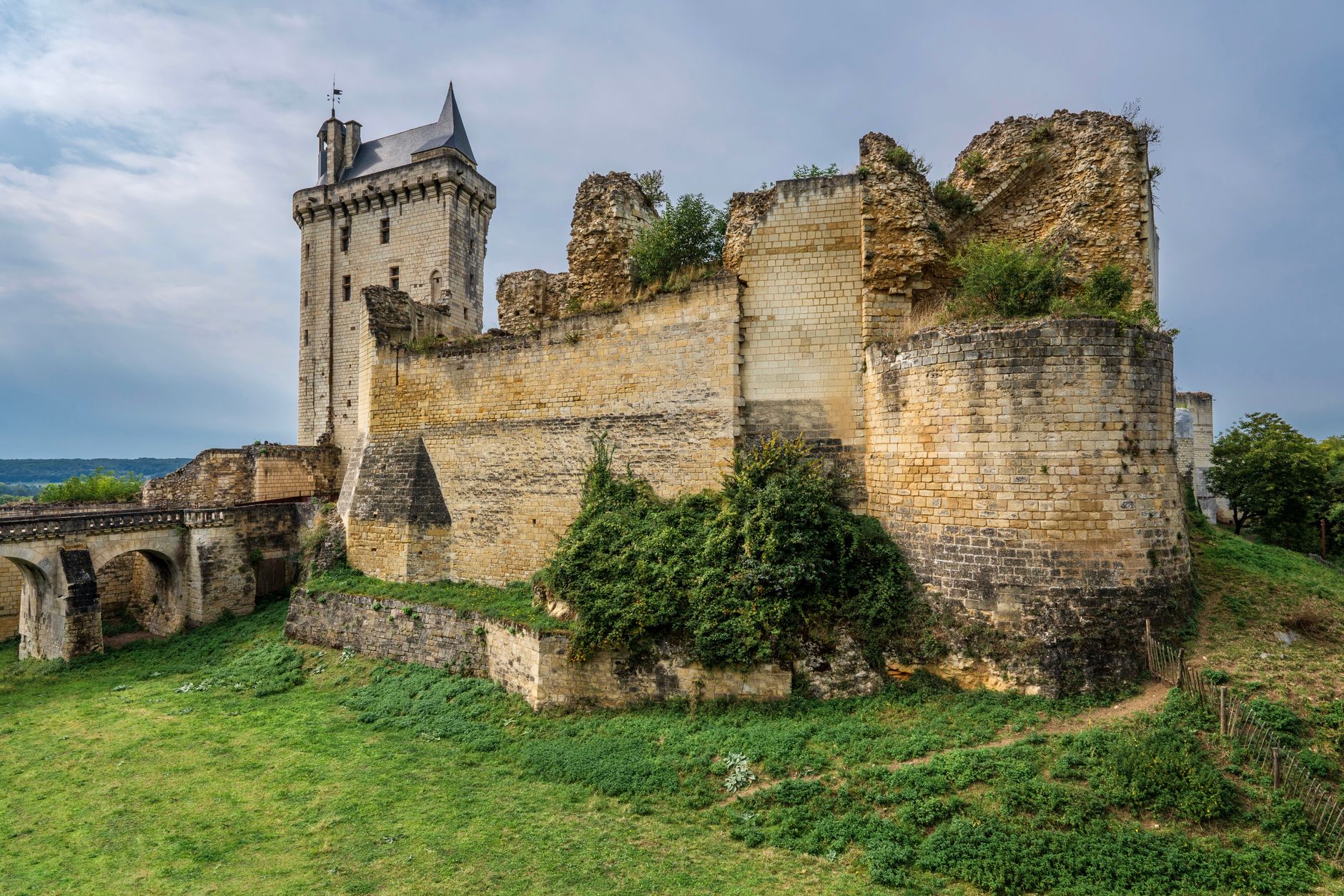
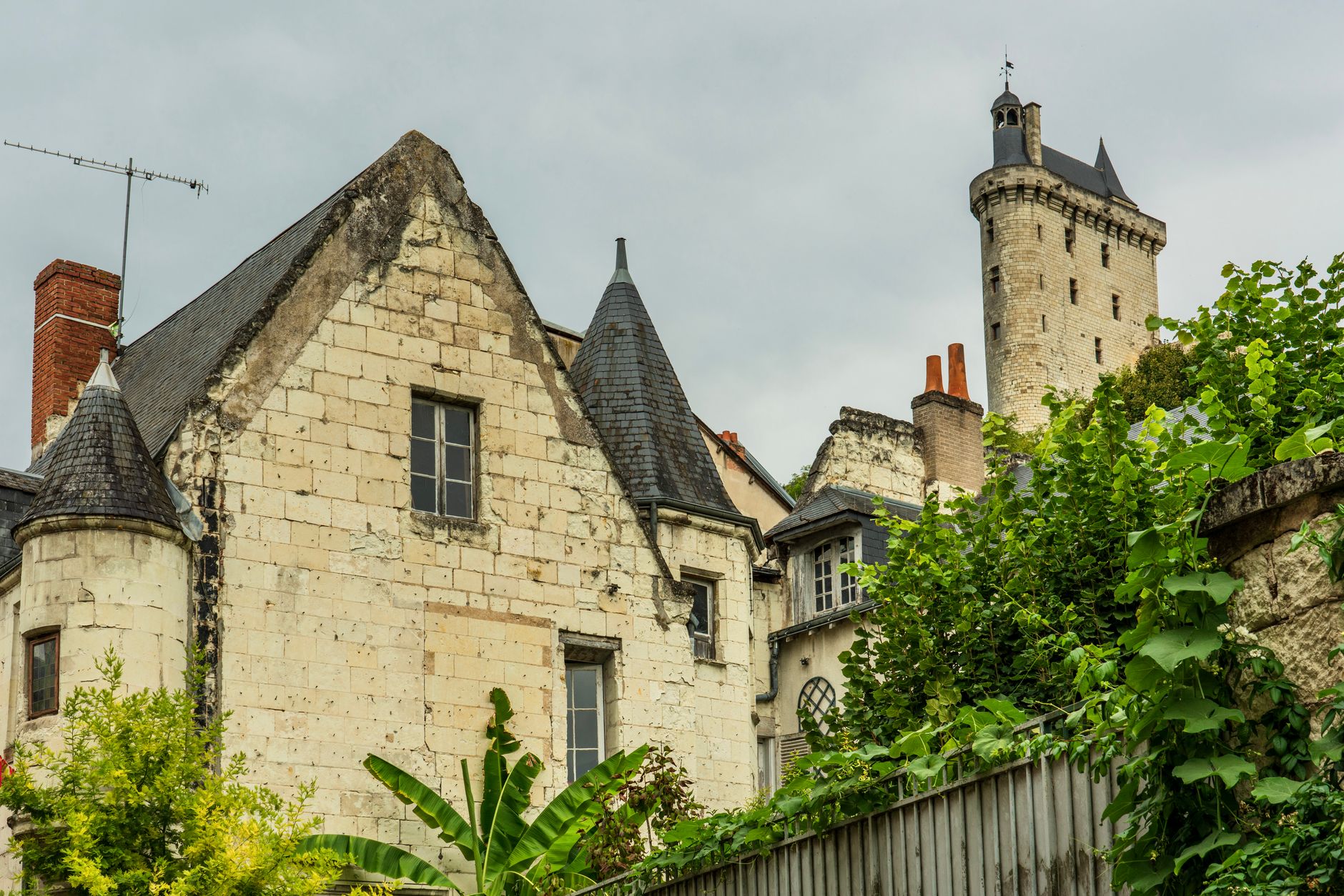
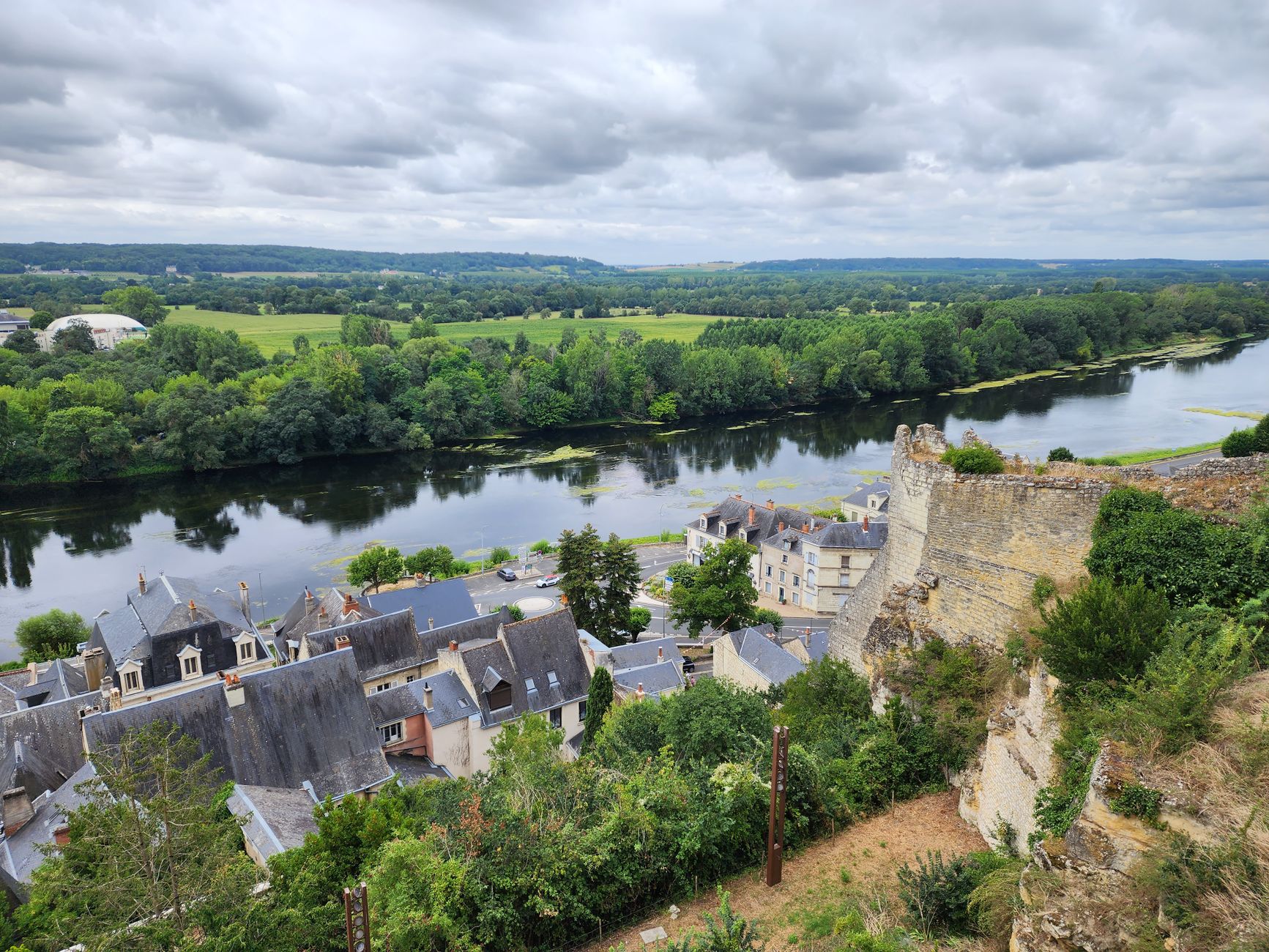
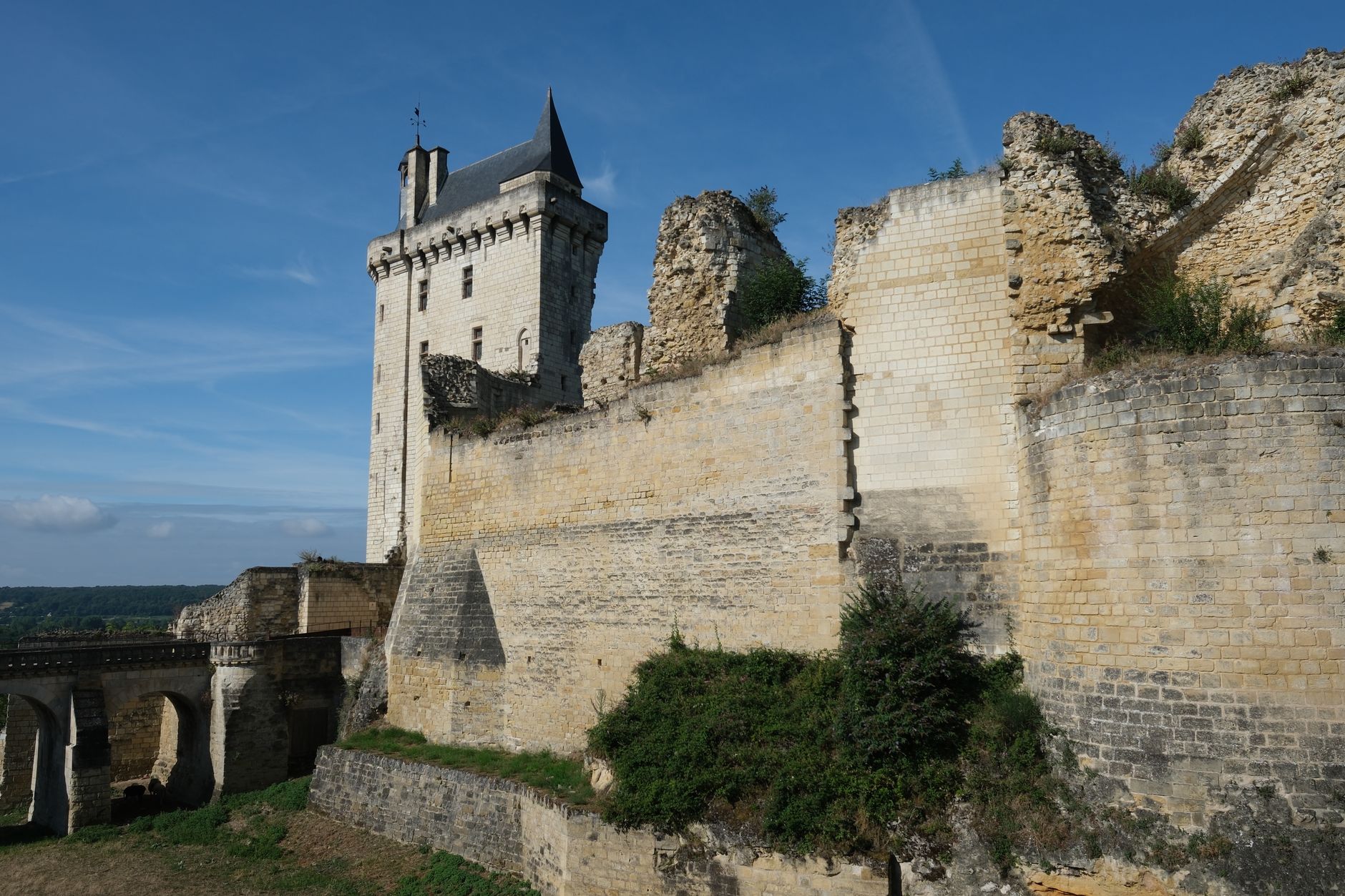
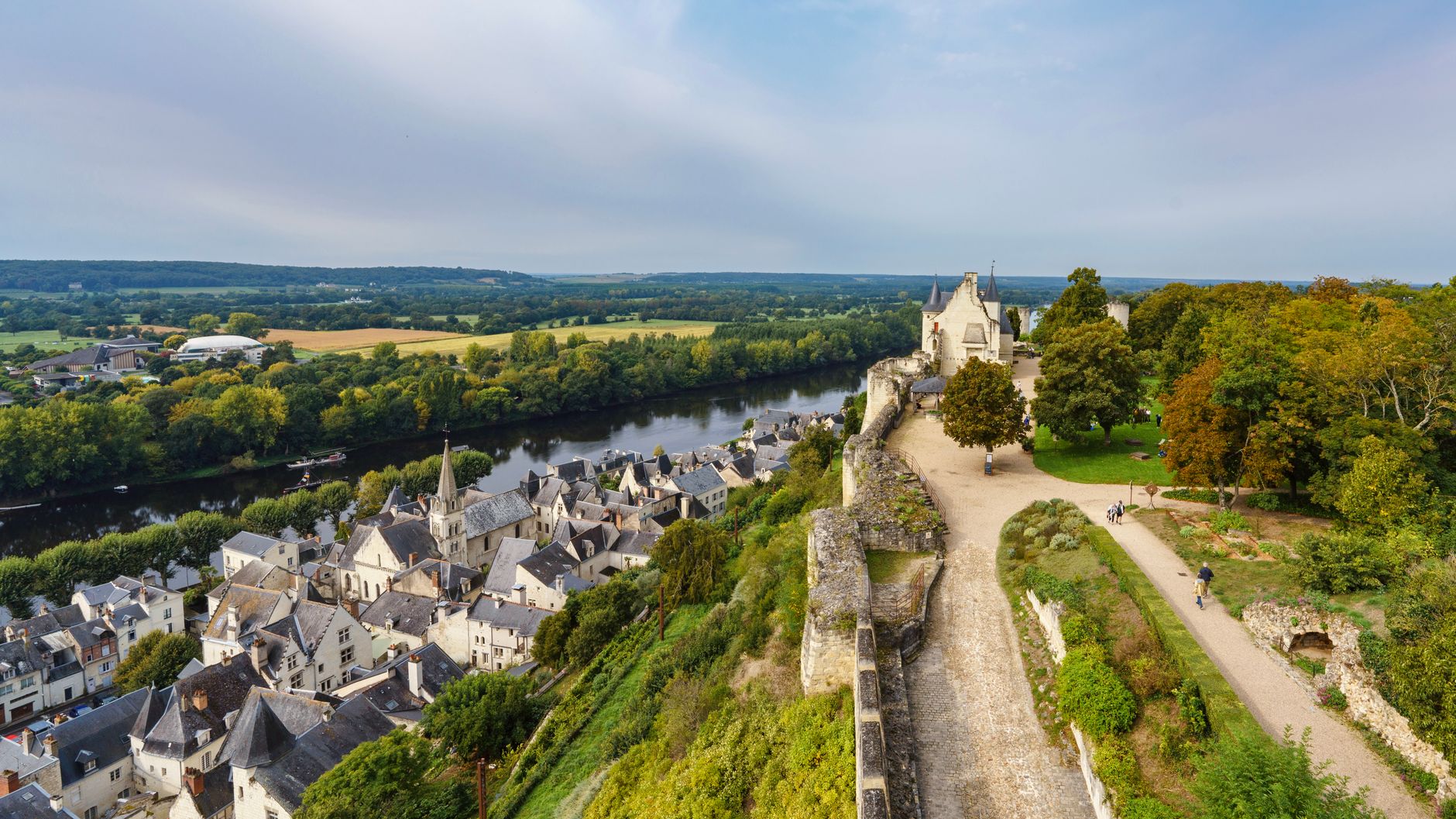
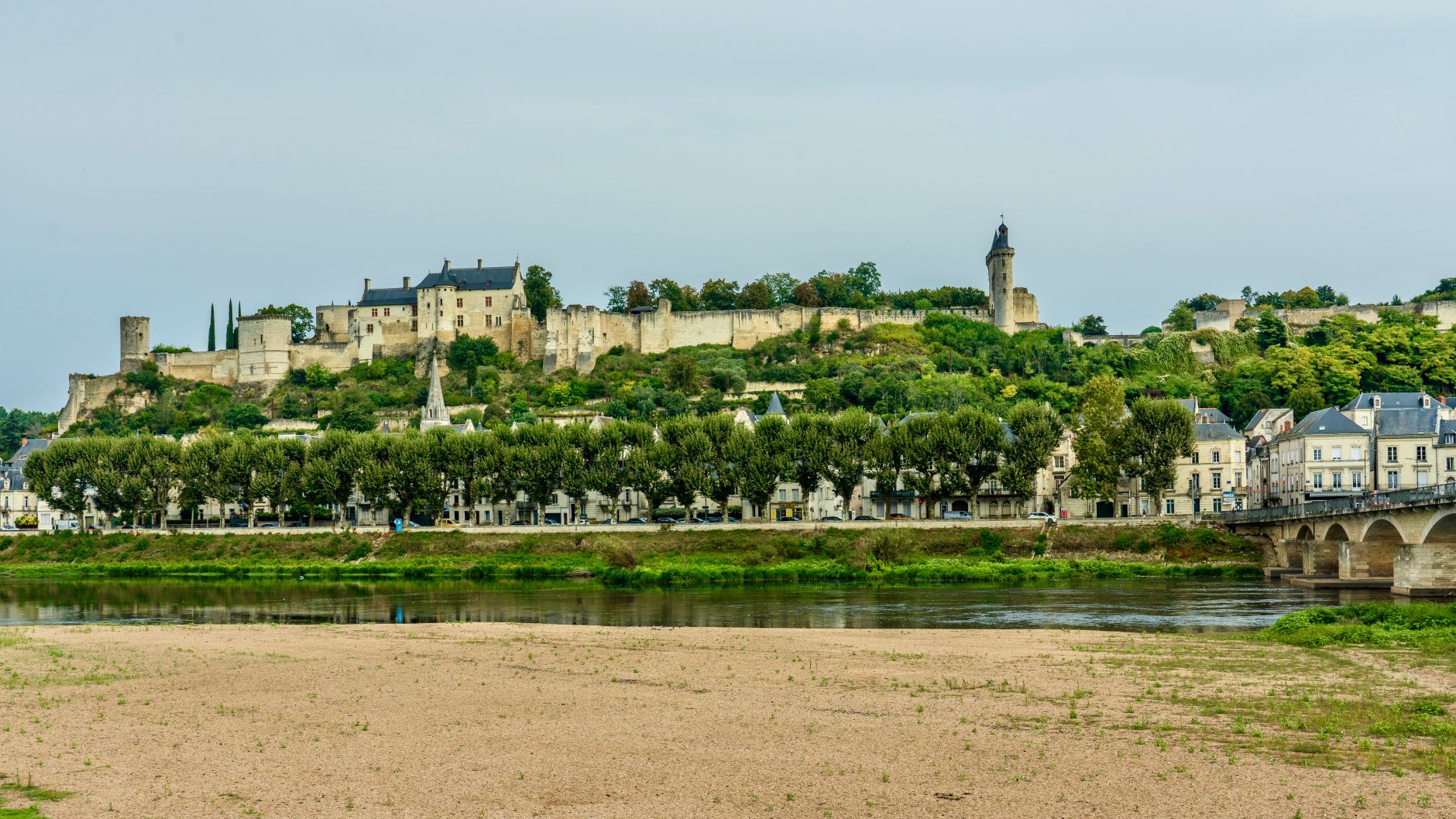
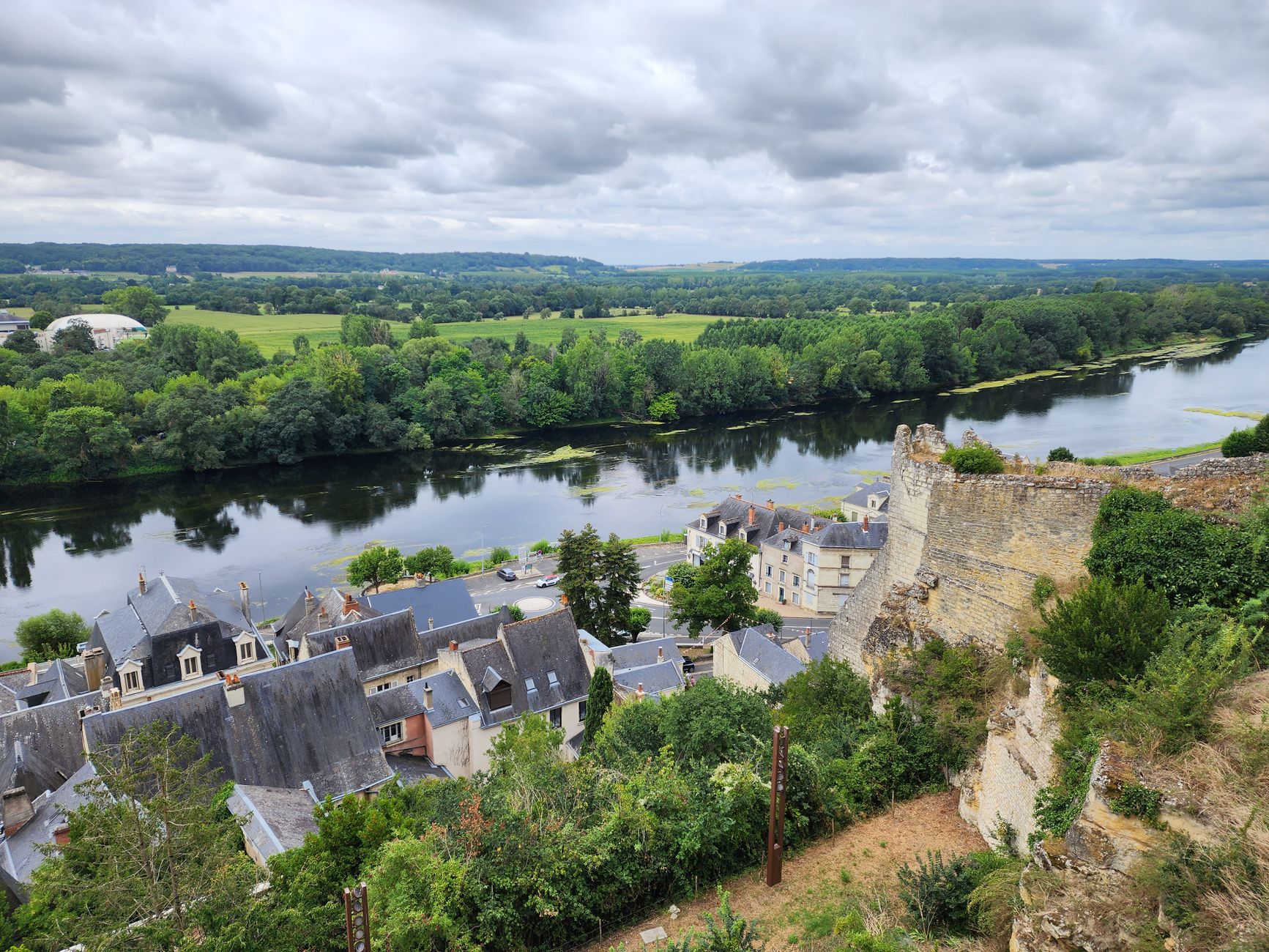
Stand on the quay above the Vienne and you're looking at a skyline that Henry II of England would still half-recognize: the long, broken silhouette of Château de Chinon running the ridge, its three enclosures divided by dry moats, its towers keeping their own rough chronology in stone. Below them, the medieval town follows the river in a single unhurried street.
Chinon is also where François Rabelais was born in 1490, and something of his earthiness — a pleasure in wine, in argument, in the physical world — still feels present here. The Thursday and Sunday markets, the cave-dwelling chapel cut into the cliff, the vineyards pressing close to the edge of town: this is a place that takes its own time.
💛 What travellers fall for
People who come back tend to agree on a few specifics: arrive on a Thursday morning when the market fills the old streets, walk up to the château before the tour buses settle in, and don't leave without spending time in the Tour du Coudray — the cylindrical keep where Jacques de Molay was held in 1308. The graffiti scratched into its walls by Templar prisoners is not labelled loudly; you have to look.
Experiences you don't want to miss
Deals in Chinon
Book directly at the provider

How Chinon came to be
Chinon passed through powerful hands before it became the fortress you see today. The counts of Anjou held it from the 11th century, but it was Henry II of England — Henry Plantagenêt — who rebuilt and extended the castle into an administrative centre and preferred residence. He died there in 1189. In 1205, Philip II of France took it after a siege of several months, adding the cylindrical Tour du Coudray that still anchors the western enclosure.
The castle's most-cited moment came in 1429, when Joan of Arc rode in and, two days later, secured an audience with the Dauphin — the meeting that set in motion Charles VII's eventual coronation. A century and a half on, the fortress passed to the Duke of Richelieu, who left it to decay. Its survival owes something to Prosper Mérimée, who as Inspector-General of Historic Monuments helped arrest the ruin, and to a 14.5-million-euro restoration completed in 2010.
Who and what shaped it
People who shaped it
Landmark buildings
See Chinon in motion
Plan your visit
On the map
When to go
May through October is the practical window: temperatures run from around 18°C to 27°C and the château gets real afternoon light. December and January are grey and quiet, with barely two hours of sun a day, though the town empties out in a way that has its own appeal.
Right now
Background & history adapted from Wikipedia (CC BY-SA) · specs from Wikidata (CC0) · weather from Open-Meteo · map data © OpenStreetMap contributors · photos from Wikimedia Commons / Unsplash with per-image credit. No third-party reviews or social posts reproduced.