
Provence-Alpes-Côte d'Azur
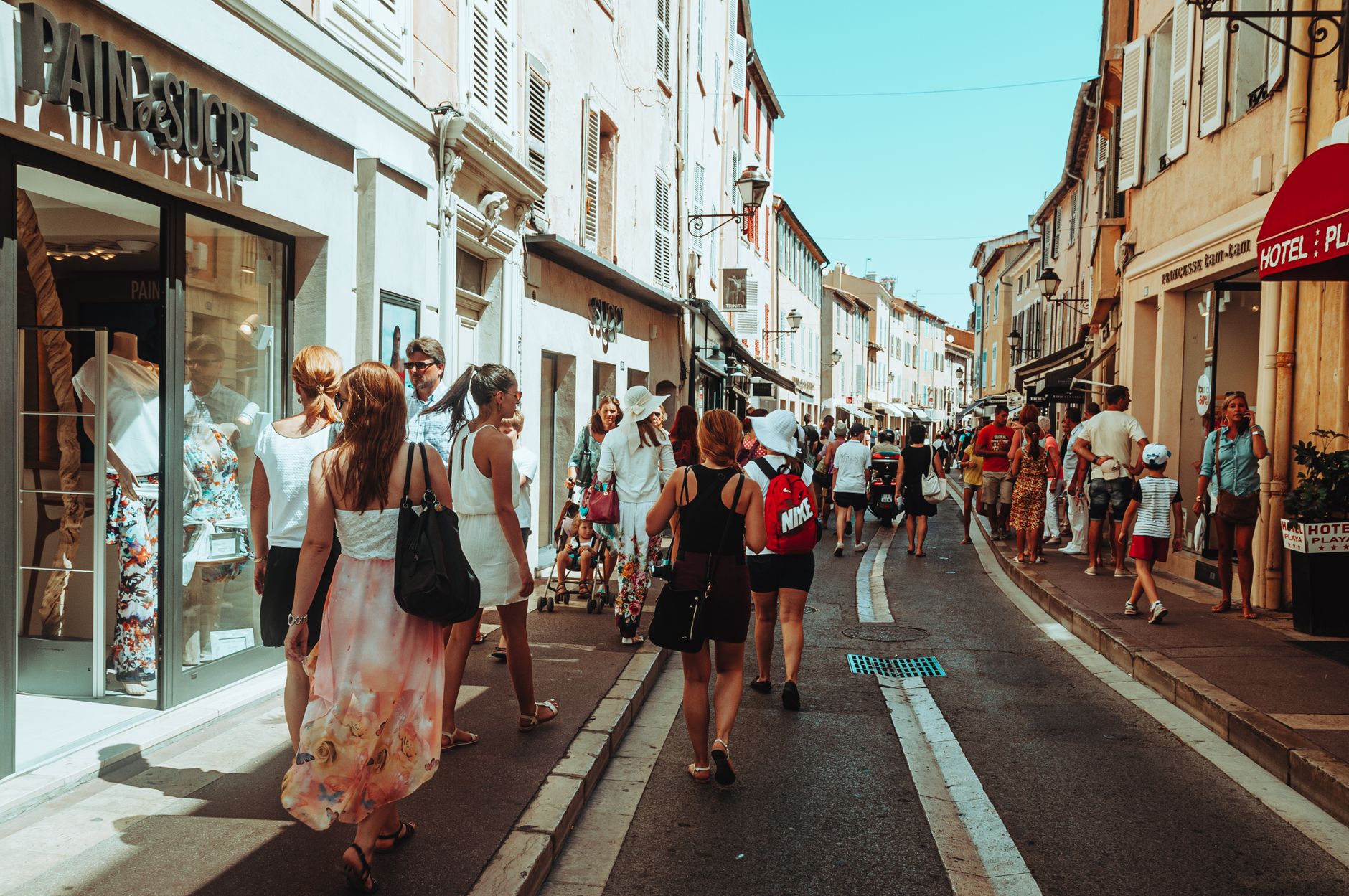

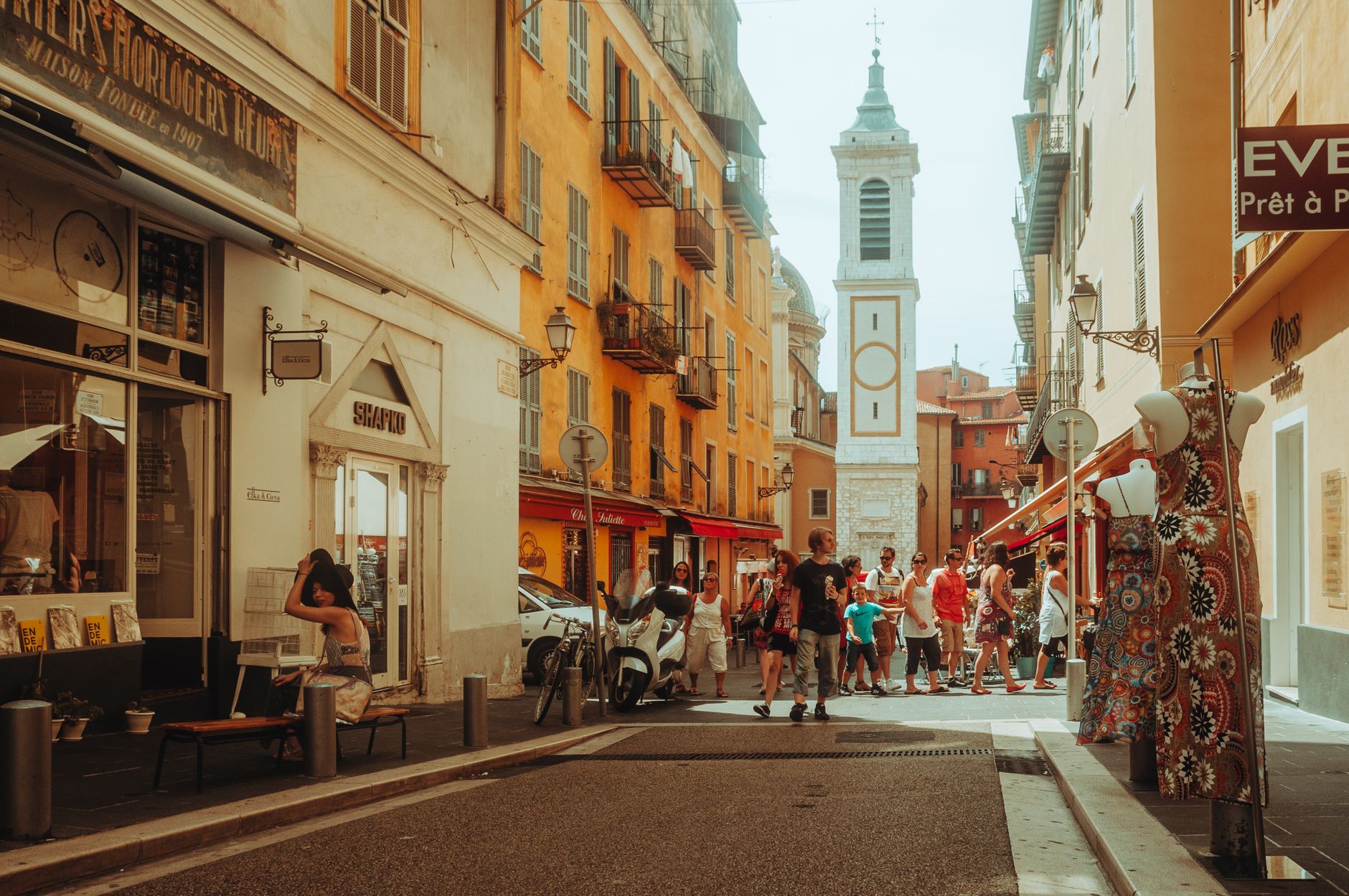
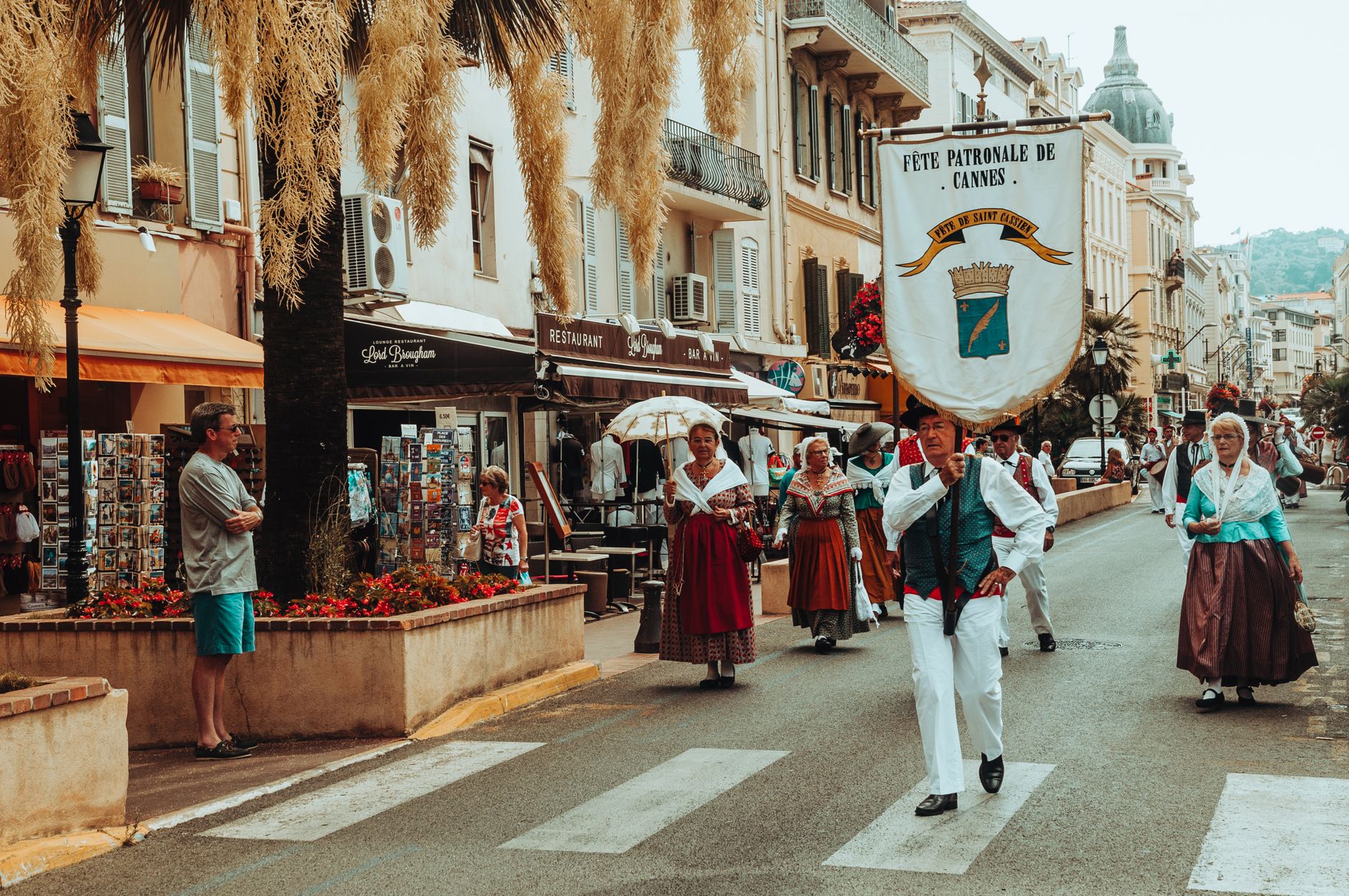
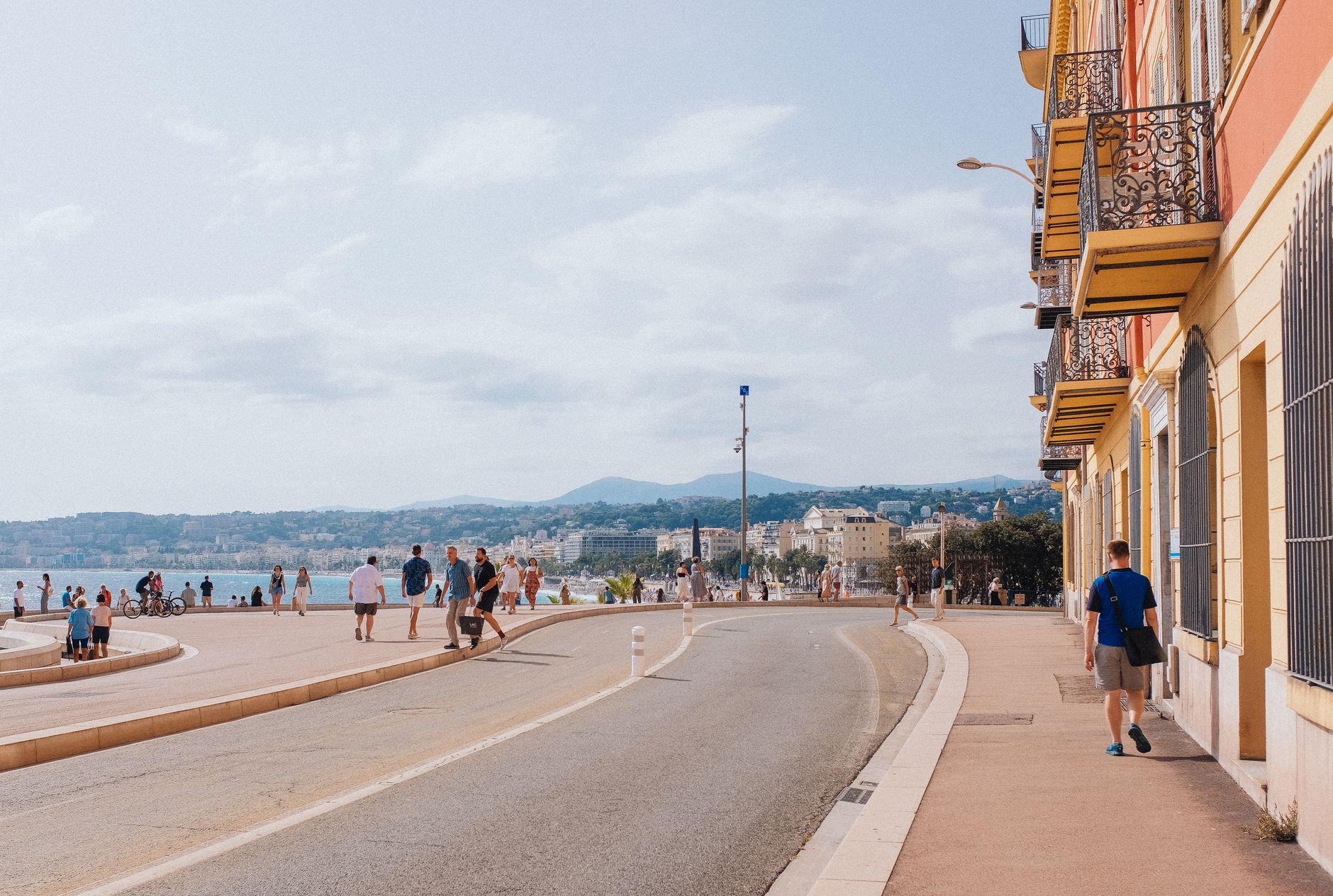

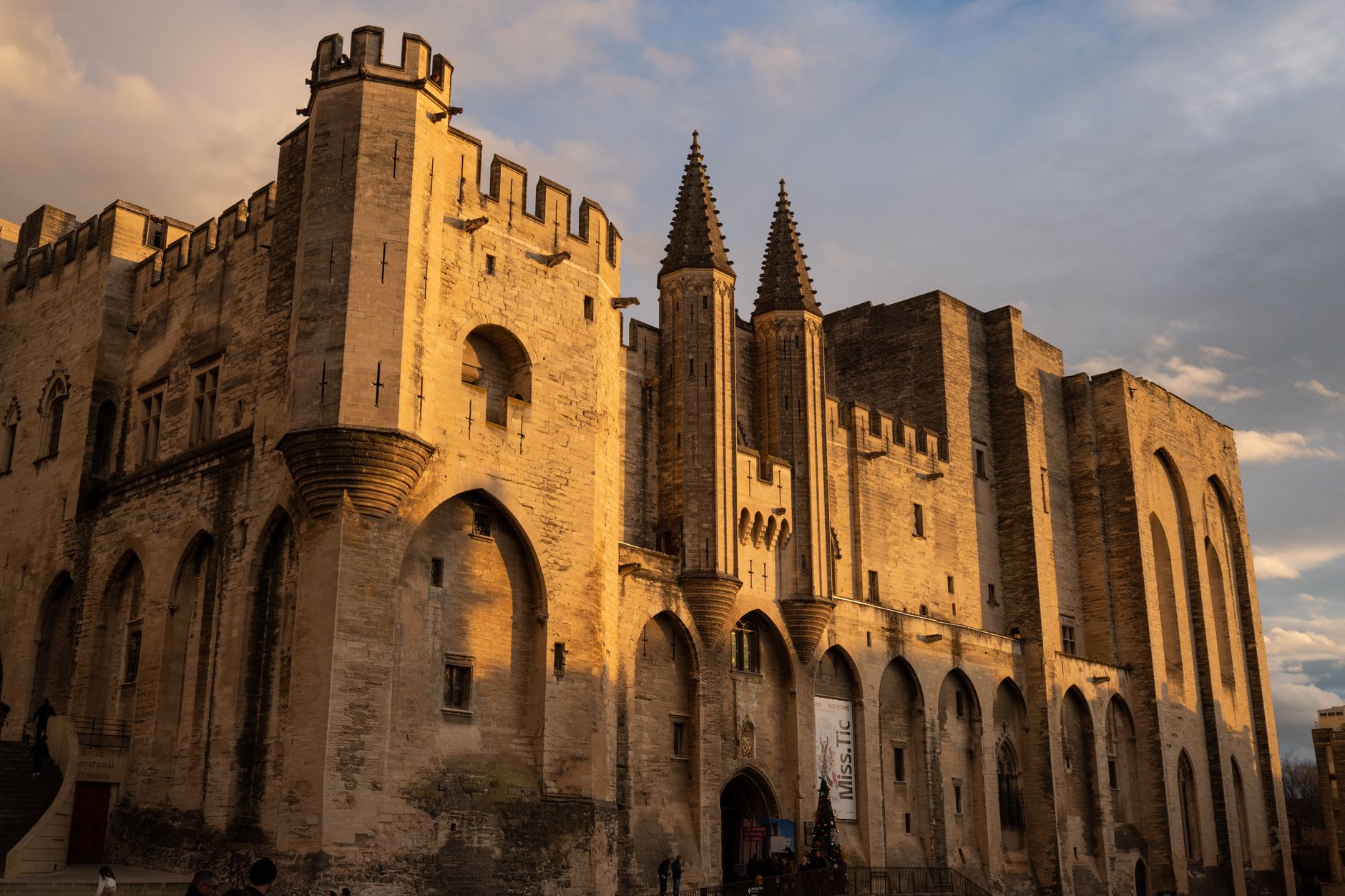
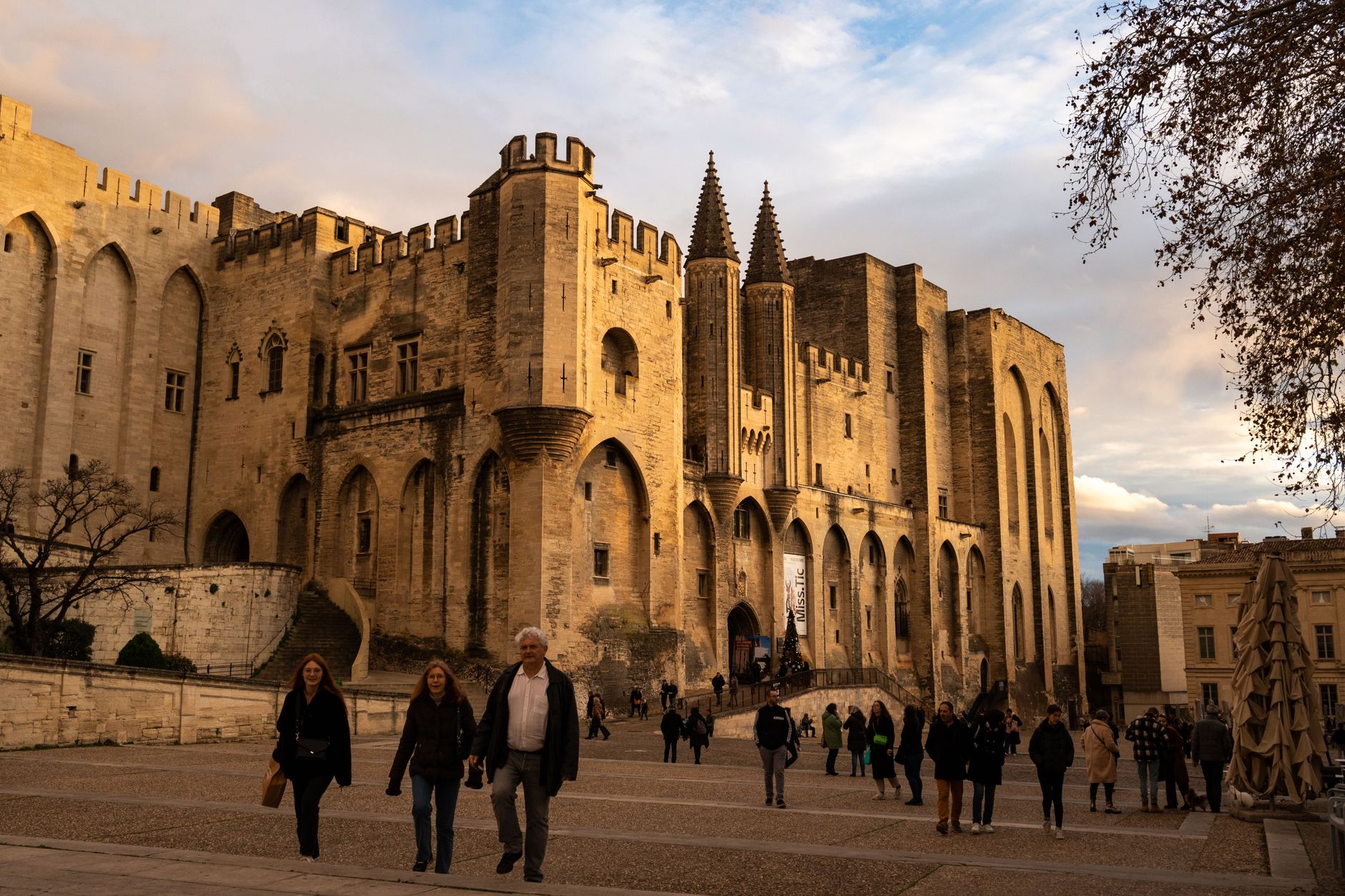
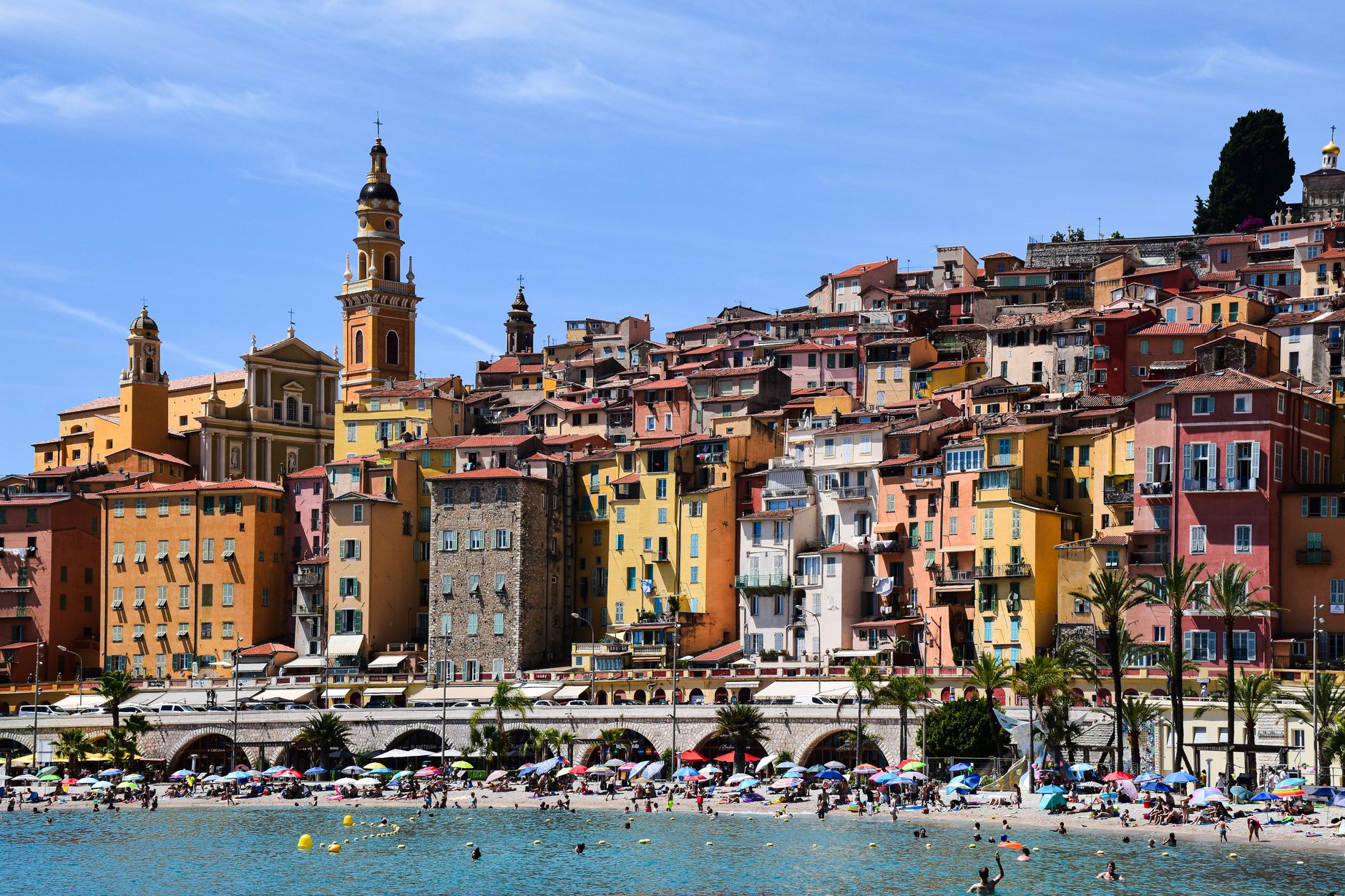
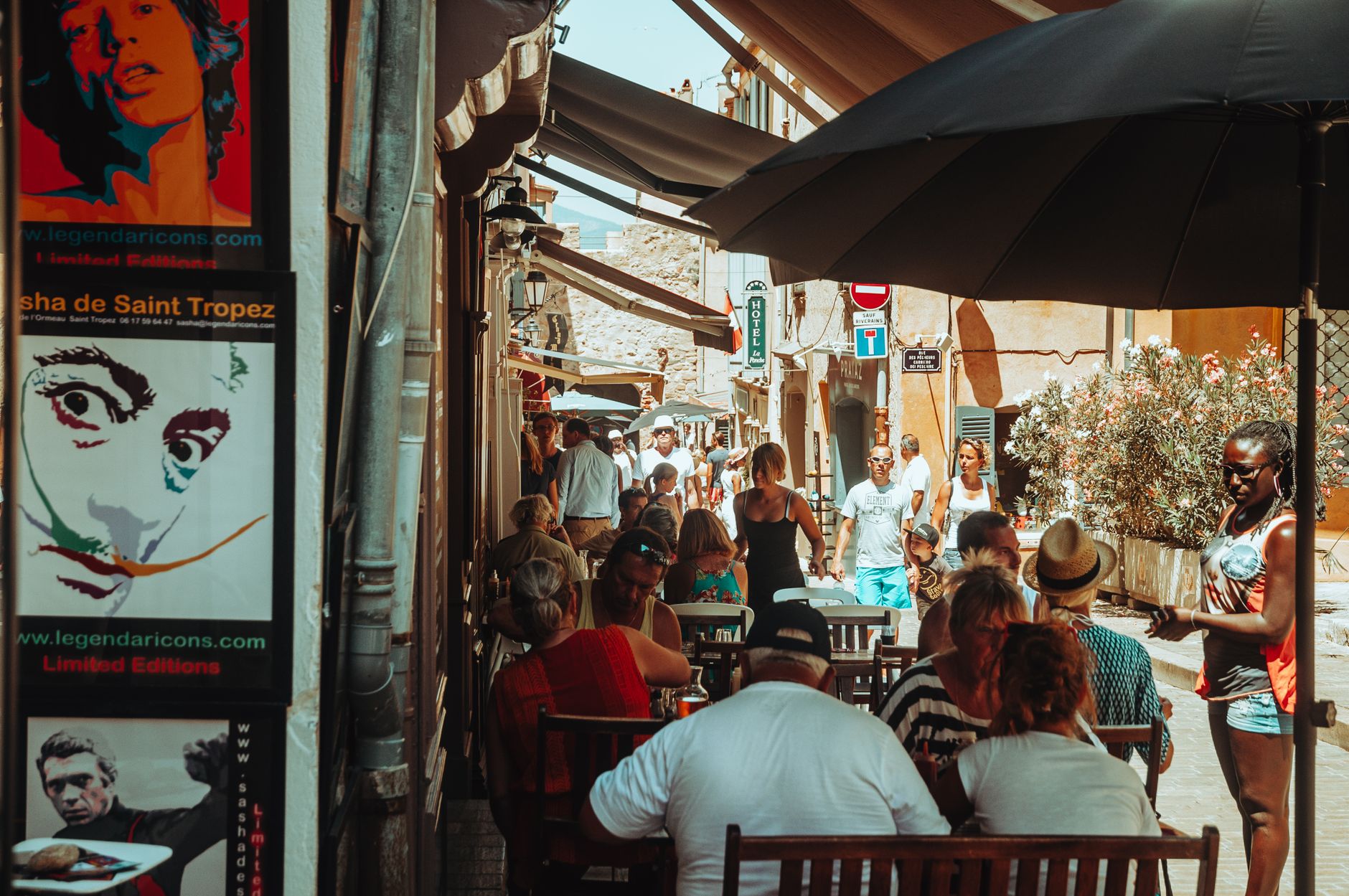
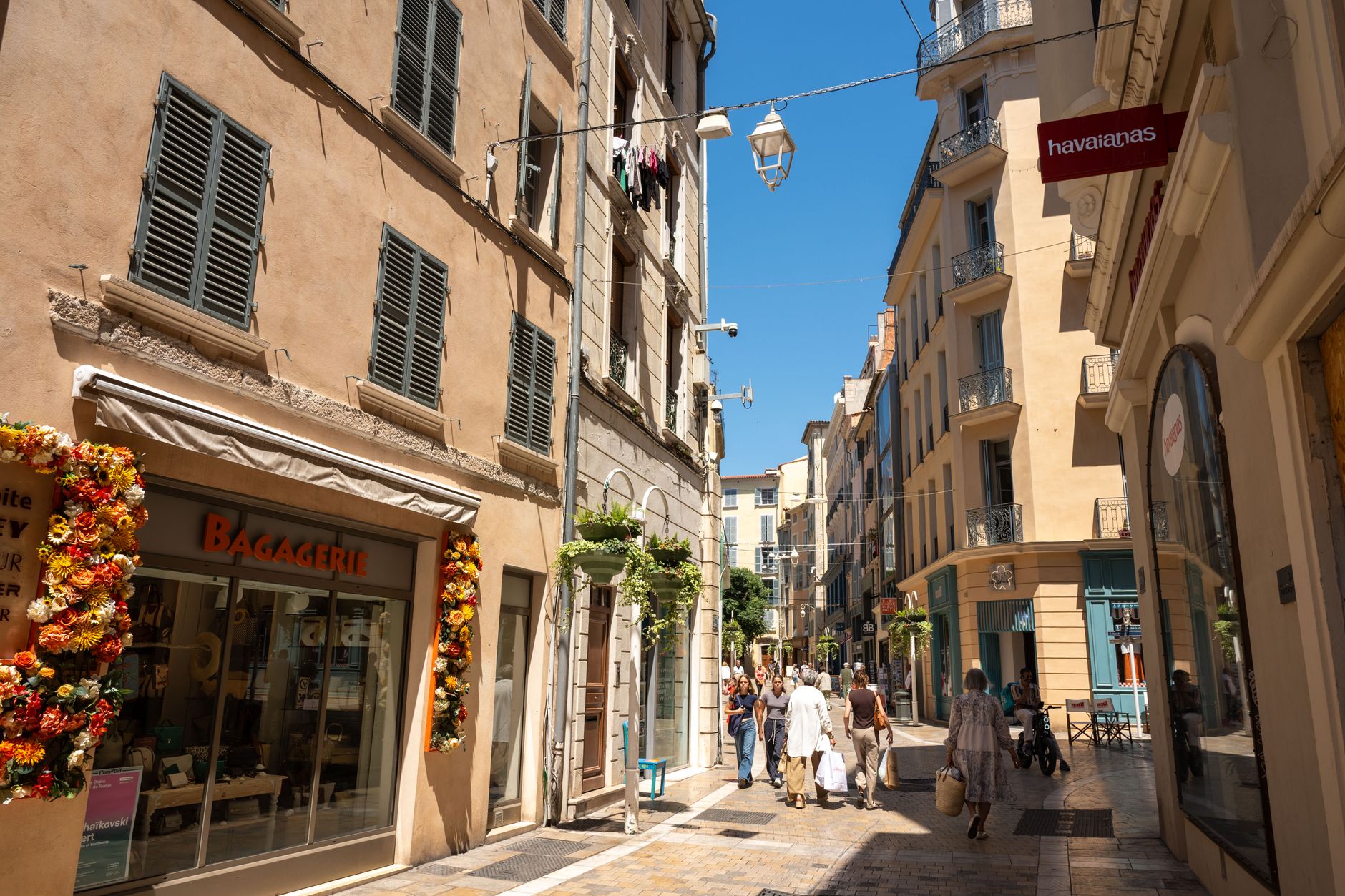
Provence-Alpes-Côte d'Azur is a region that refuses a single identity. In the same afternoon you can stand inside the largest Gothic building in Europe — the Palais des Papes in Avignon — and be on a train heading toward the Alps, where the light turns cold and the valleys go silent. The coast, of course, is its own argument: the Promenade des Anglais at dusk, the Vieux-Port in Marseille with fishing boats still coming in.
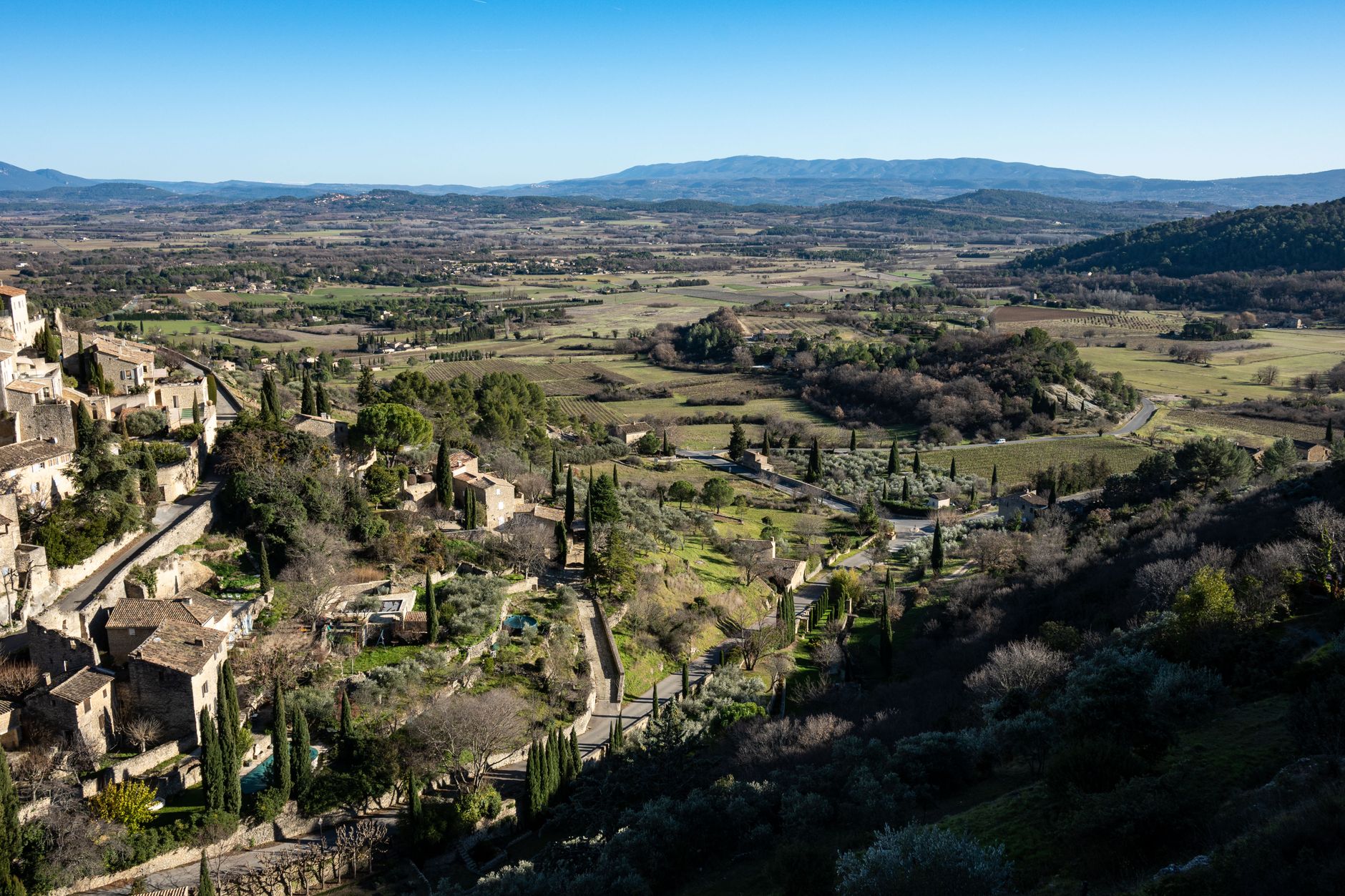
What holds it together is the quality of the light. It drew Cézanne, Picasso, Bonnard, and Braque here at different moments in the 20th century, and it still does what it always did — makes the colours of everything look slightly more real than elsewhere.
Popular cities in Provence-Alpes-Côte d'Azur
💛 What travellers fall for
People who come back tend to stop treating the coast as the destination and start using the rail network as a kind of leisure in itself. The Cannes–Menton corridor runs trains every 15 minutes on weekends until 2am, which changes your evening calculus entirely. The Tourist Pass in summer — €16 for a day across Alpes-Maritimes — is genuinely worth it.
Experiences you don't want to miss


How Provence-Alpes-Côte d'Azur came to be
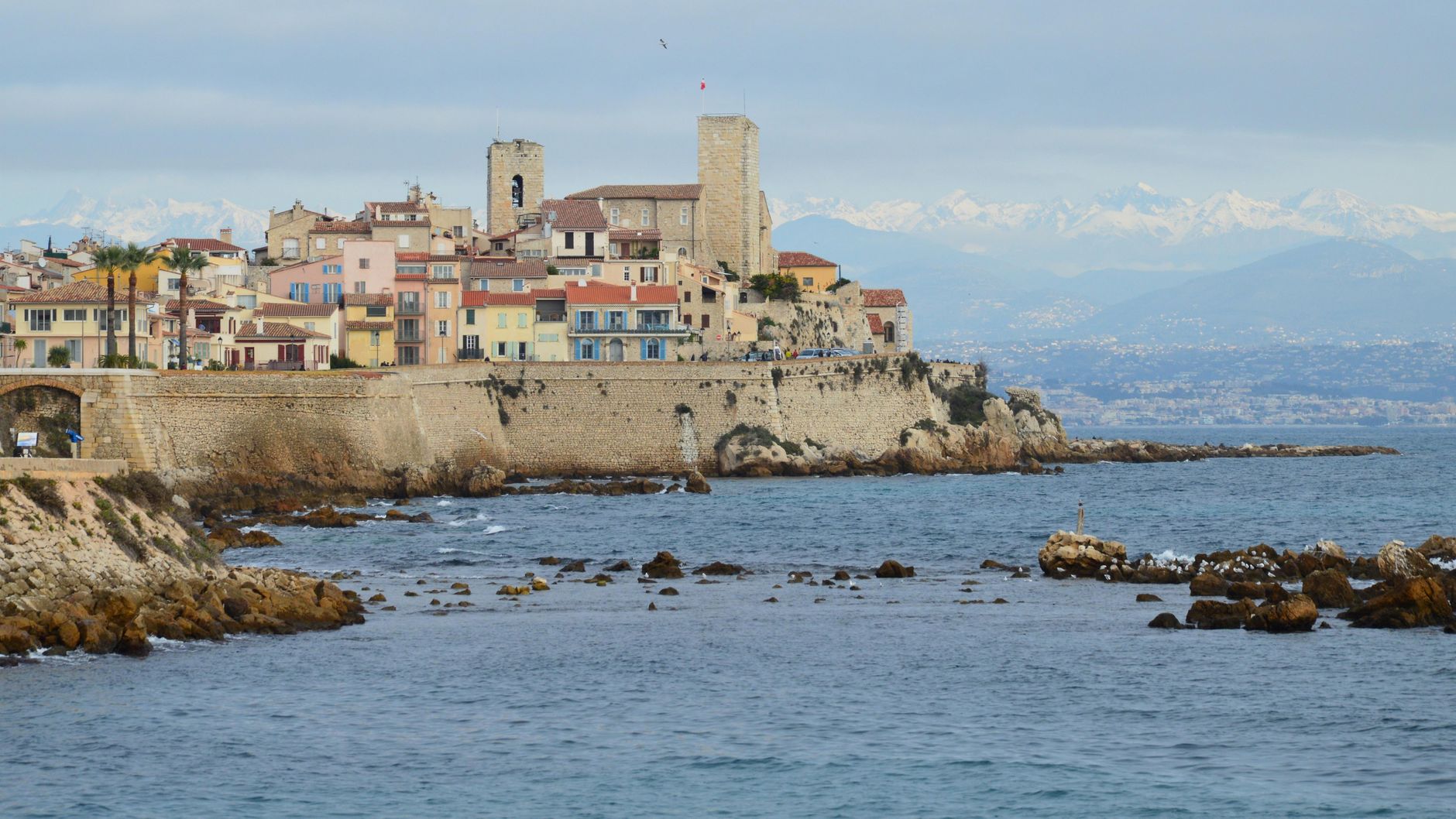
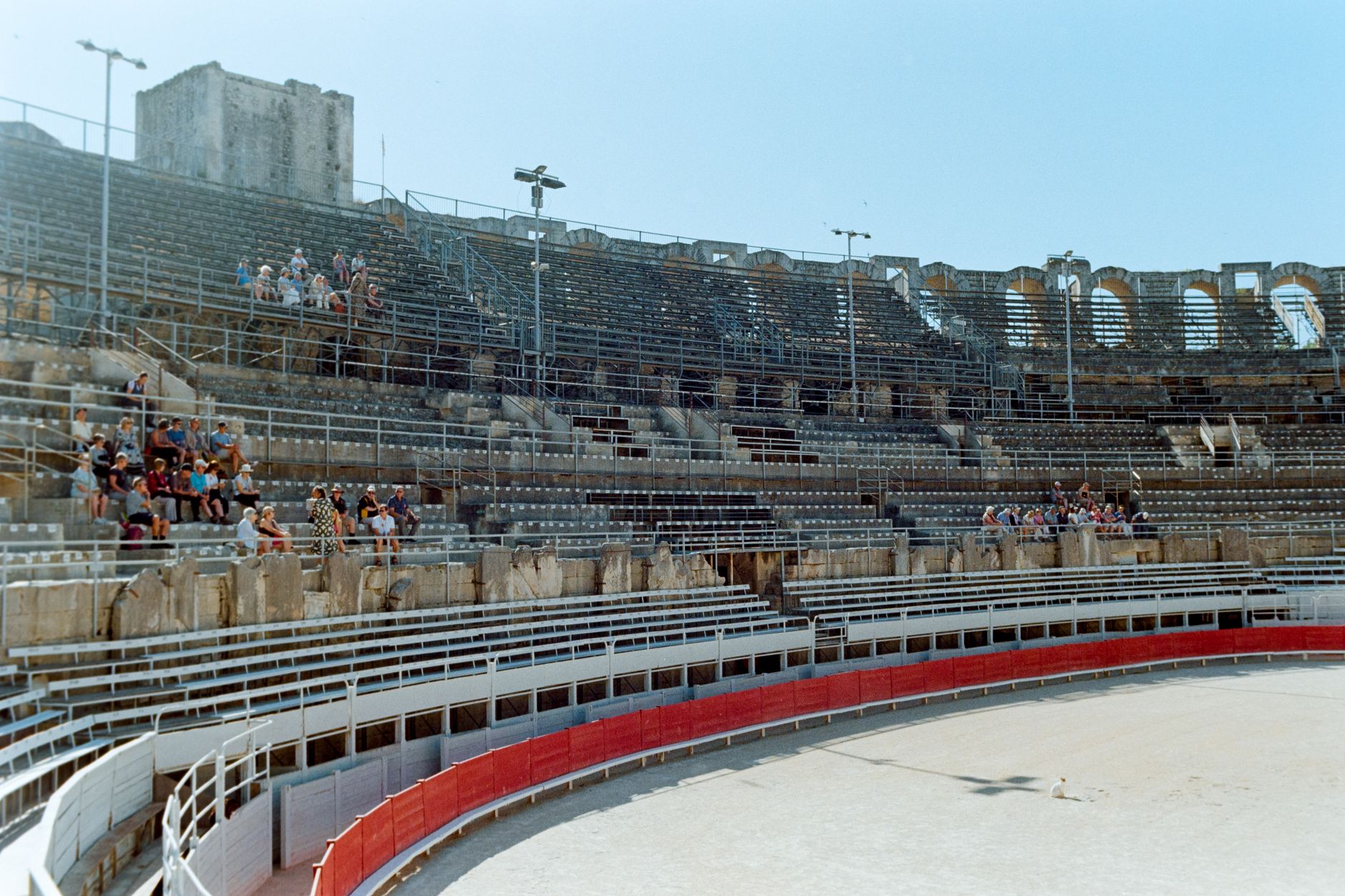
Greeks from Phocaea founded Marseille, Antibes and Nice around 600 BC, but it was Rome that gave the region its enduring name — Provincia, established at the end of the 2nd century BC, was the first Roman province outside Italy. The Trophy of Augustus at La Turbie, built in 8 BC to mark the pacification of the Alpine tribes, still stands above Monaco as a marker of that reach. The Arènes d'Arles, built in the 1st century AD, has never entirely stopped being used.
In the 14th century, the papacy broke from Rome and settled in Avignon, turning a Provençal city into the centre of Western Christianity for decades. Provence passed to the French crown in 1481. Nice, however, remained part of Sardinia-Piedmont until 1860, which is why its old city still has an Italian cadence that no amount of French administration has quite erased.
Who and what shaped it
People who shaped it
Landmark buildings
See Provence-Alpes-Côte d'Azur in motion
Plan your visit
On the map
When to go
The coast runs on Mediterranean time — mild and occasionally rainy from November through March, reliably warm and dry from June onward, with Cannes averaging 23°C in July. Inland and at altitude the calculus shifts sharply: Grasse sits several degrees cooler than the shore, and the higher Alpine areas carry real winter snow. The mistral wind sweeps through in spring, clearing the sky to an almost theatrical blue but making exposed spots genuinely cold.
Right now
↡ Cities
No places match these filters.
Background & history adapted from Wikipedia (CC BY-SA) · specs from Wikidata (CC0) · weather from Open-Meteo · map data © OpenStreetMap contributors · photos from Wikimedia Commons / Unsplash with per-image credit. No third-party reviews or social posts reproduced.