
Menton
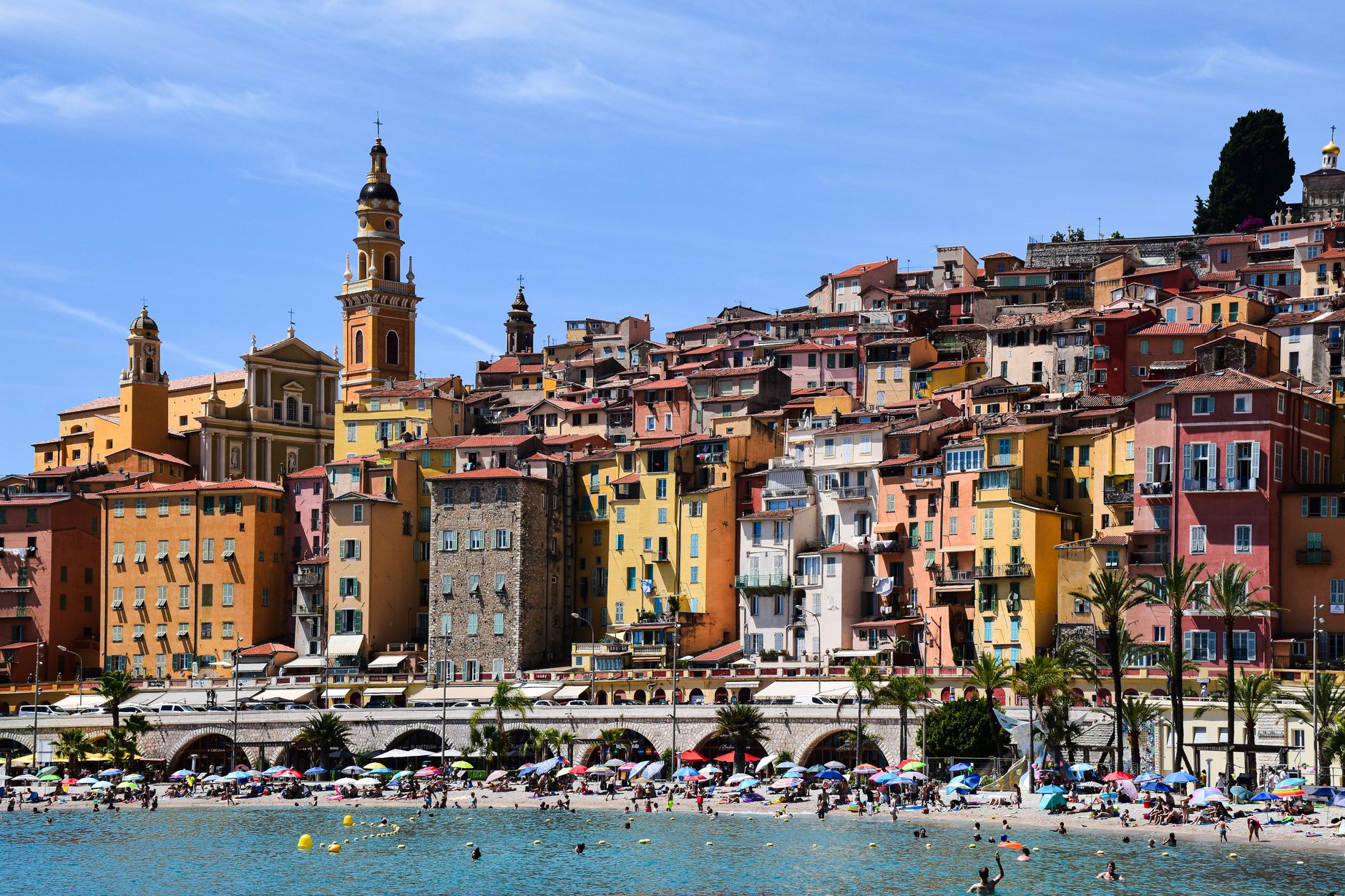
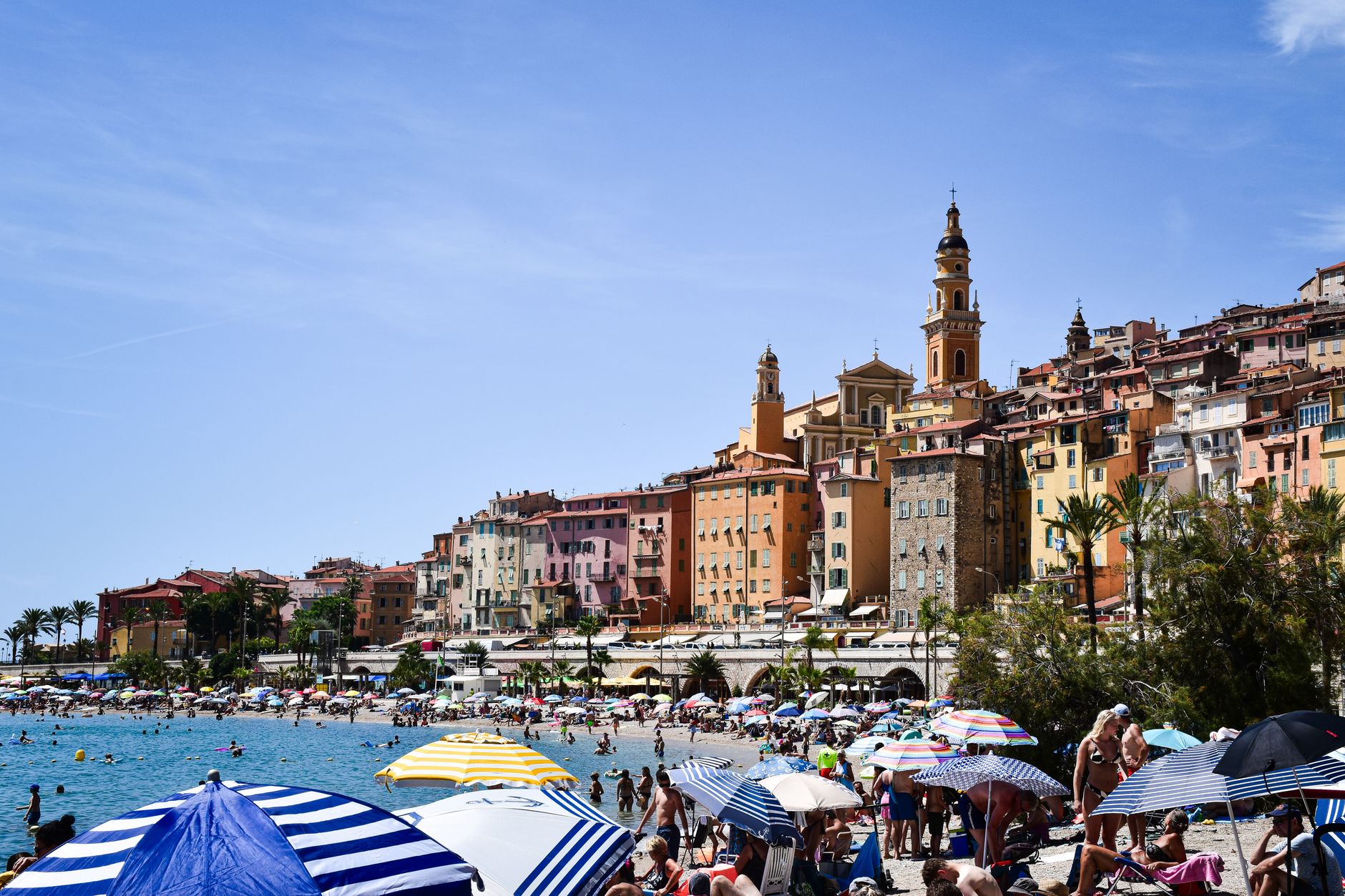
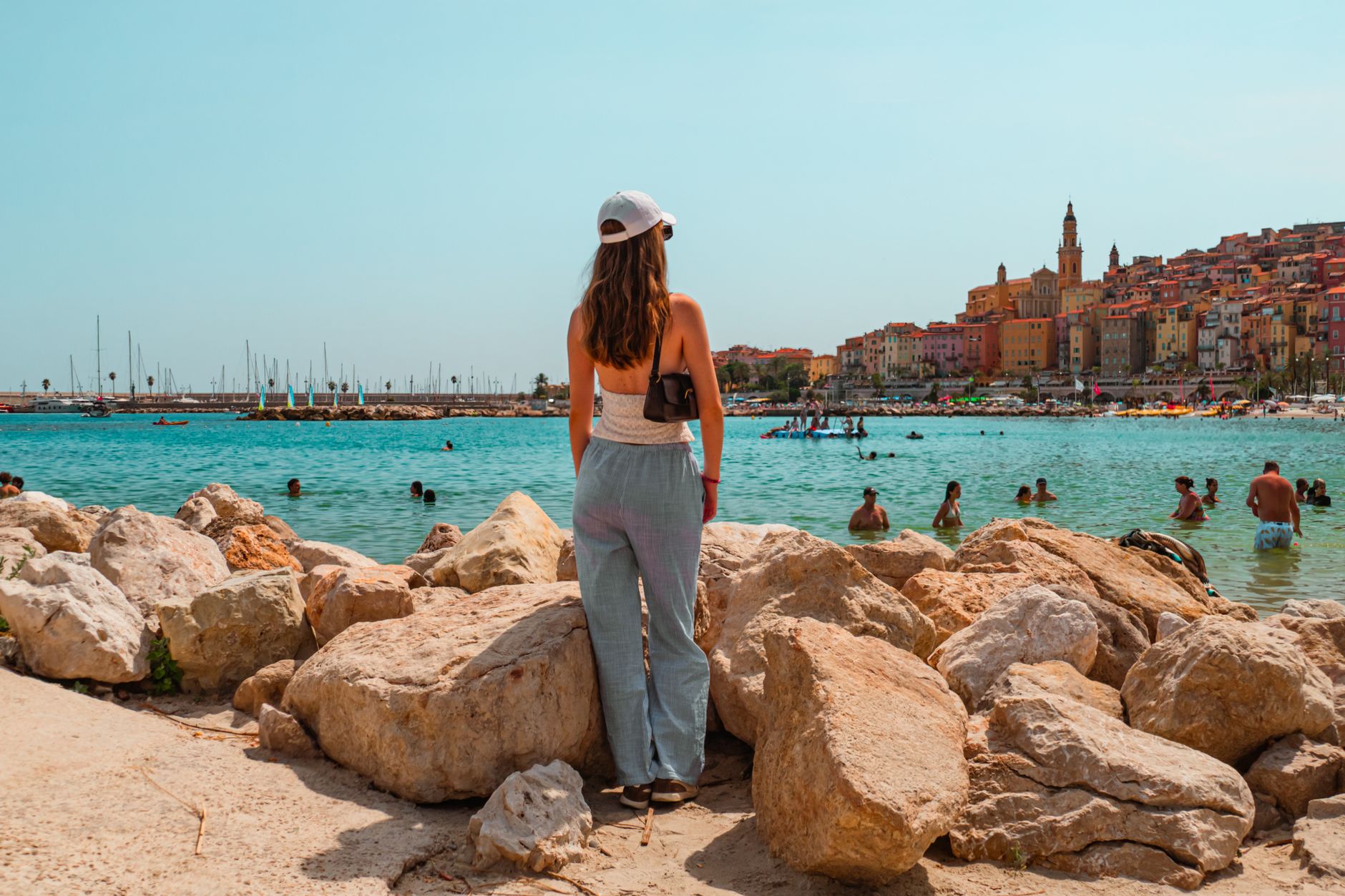
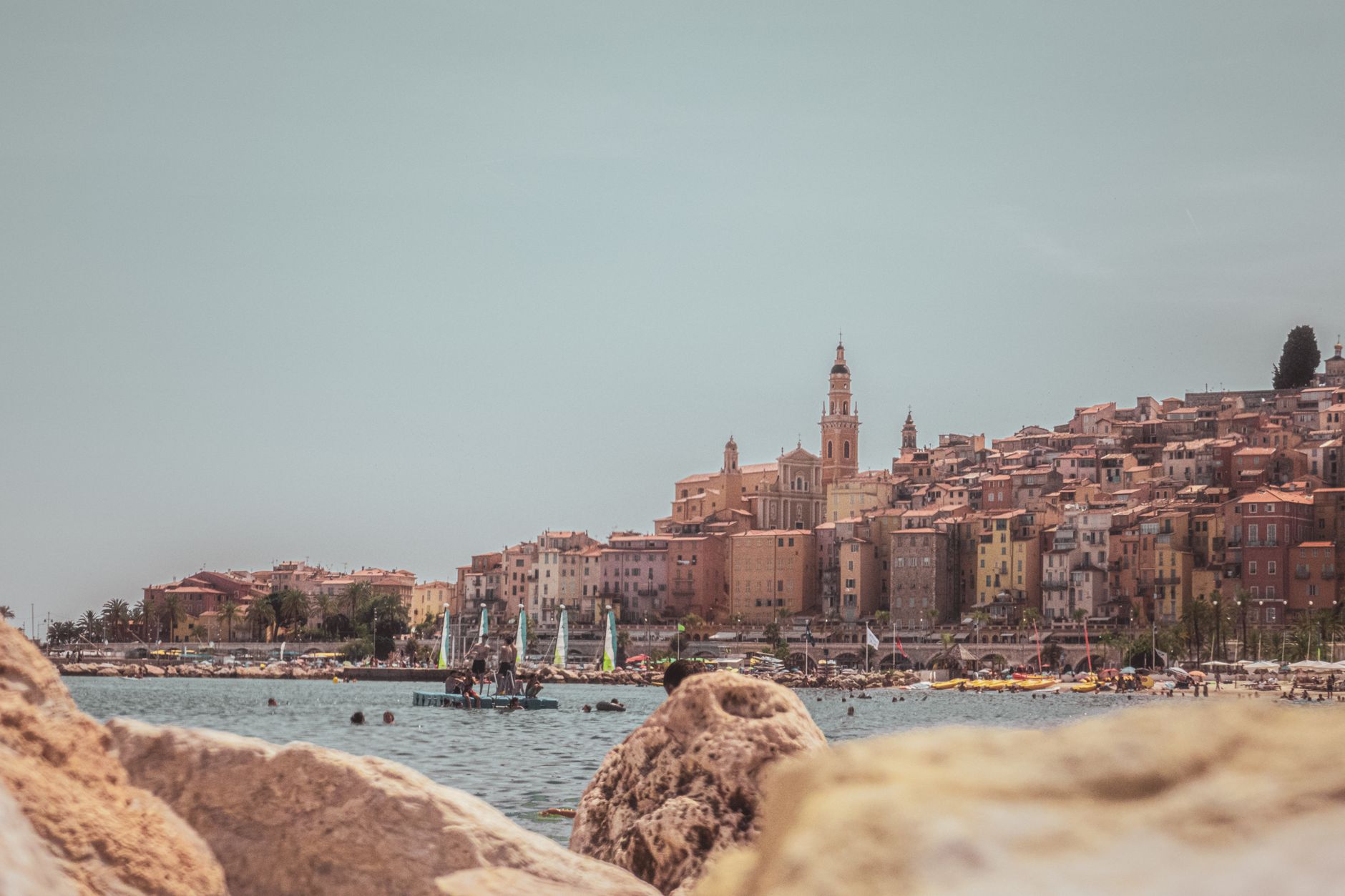
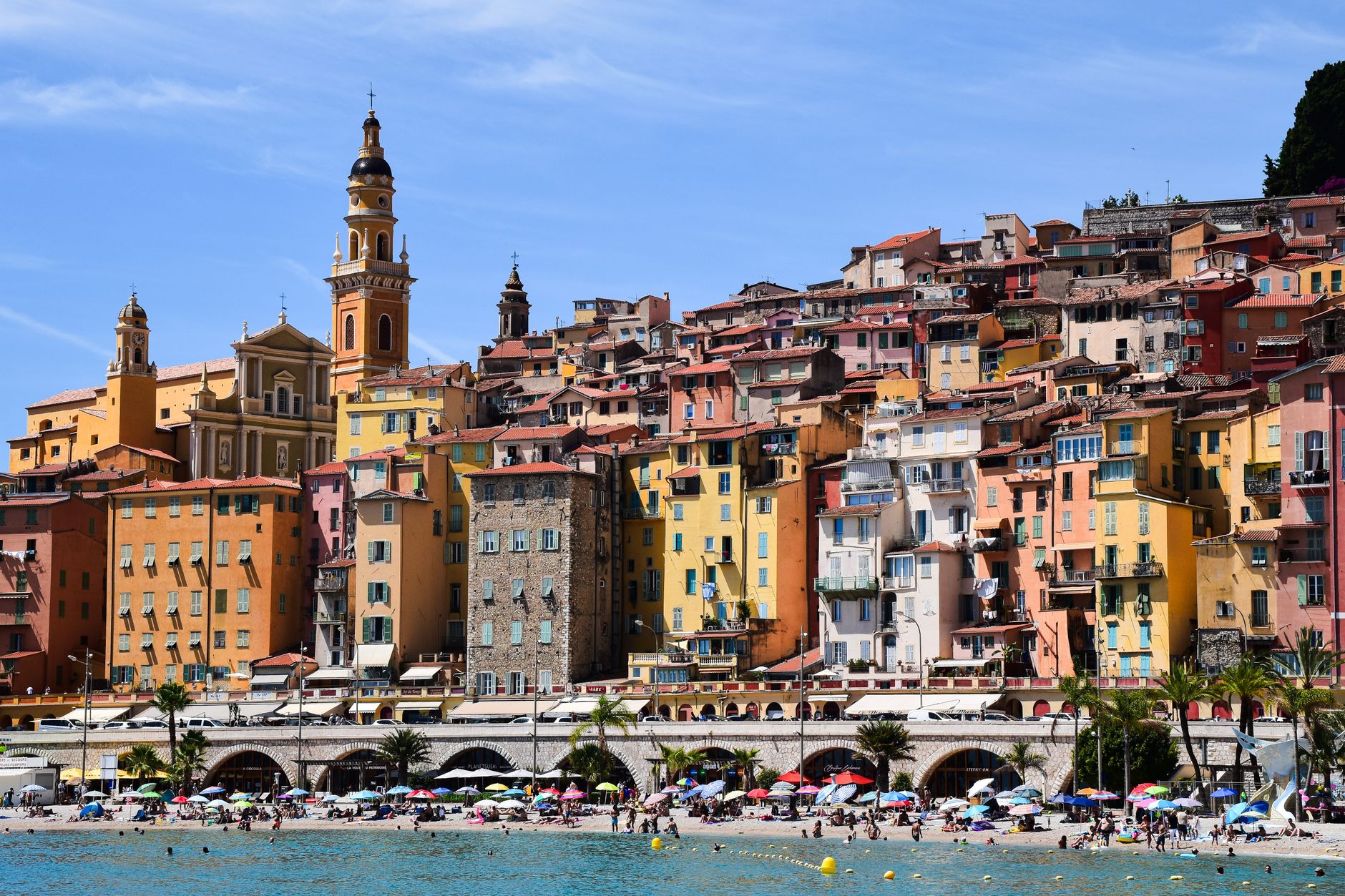
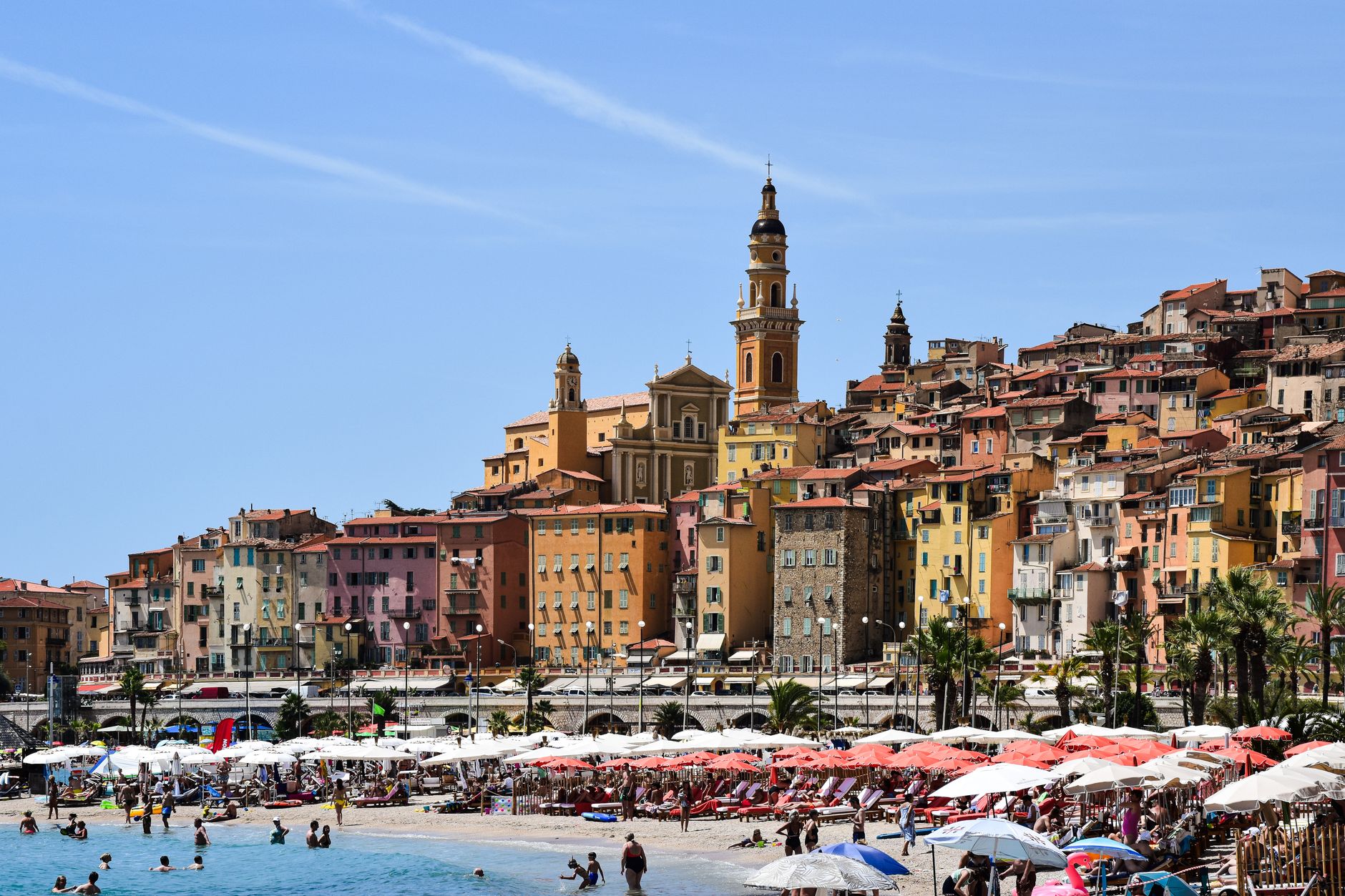
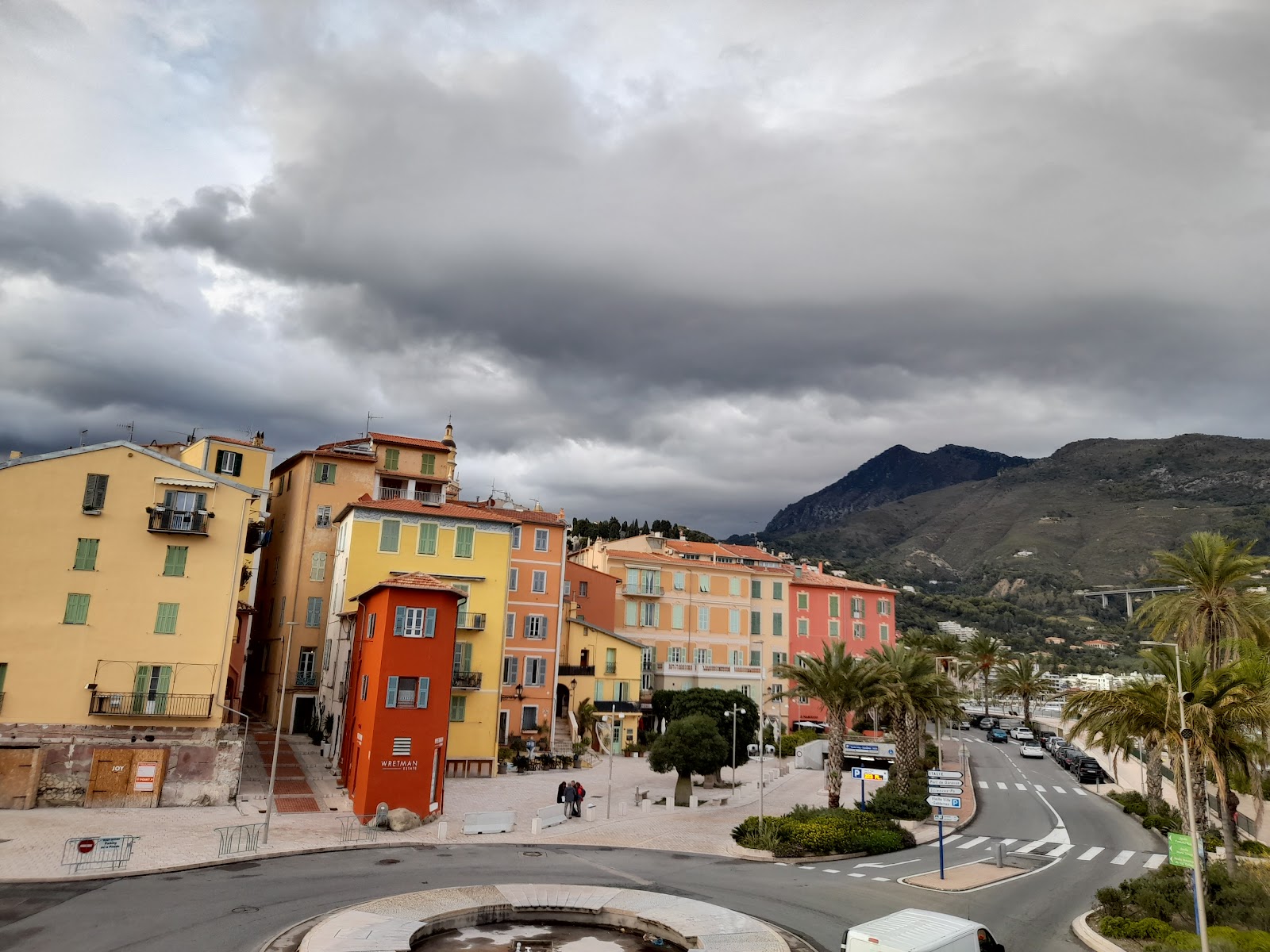
At the far eastern edge of France, where the Ligurian Alps drop almost directly into the sea, Menton sits a few minutes' drive from the Italian border and about a century away from the harder glamour of Monaco. The light here is different — softer, more golden — and the old town rises on its promontory above Garavan Bay in layered ochres and terracottas that look more Italian than Provençal, which makes sense given the history.
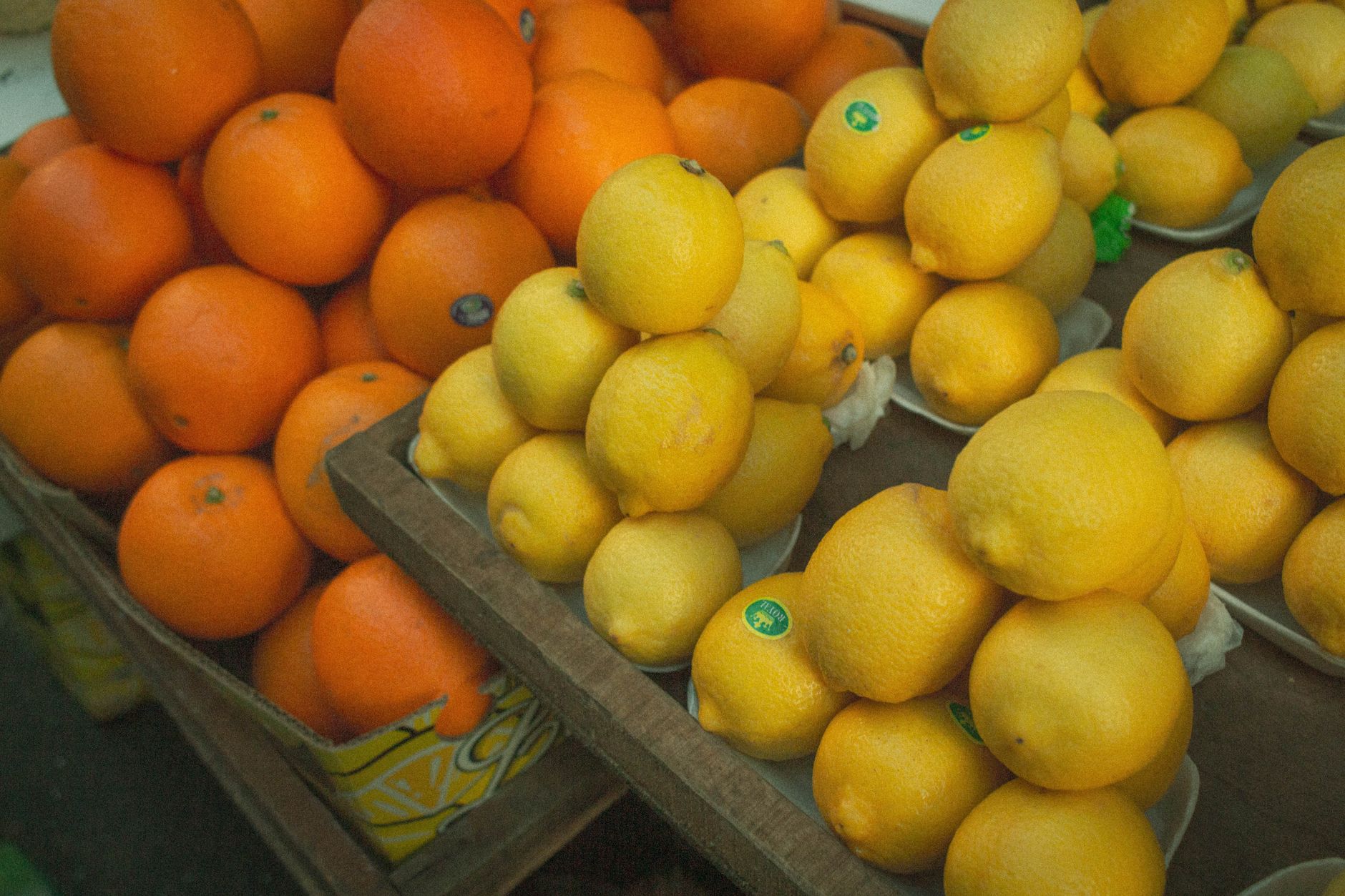
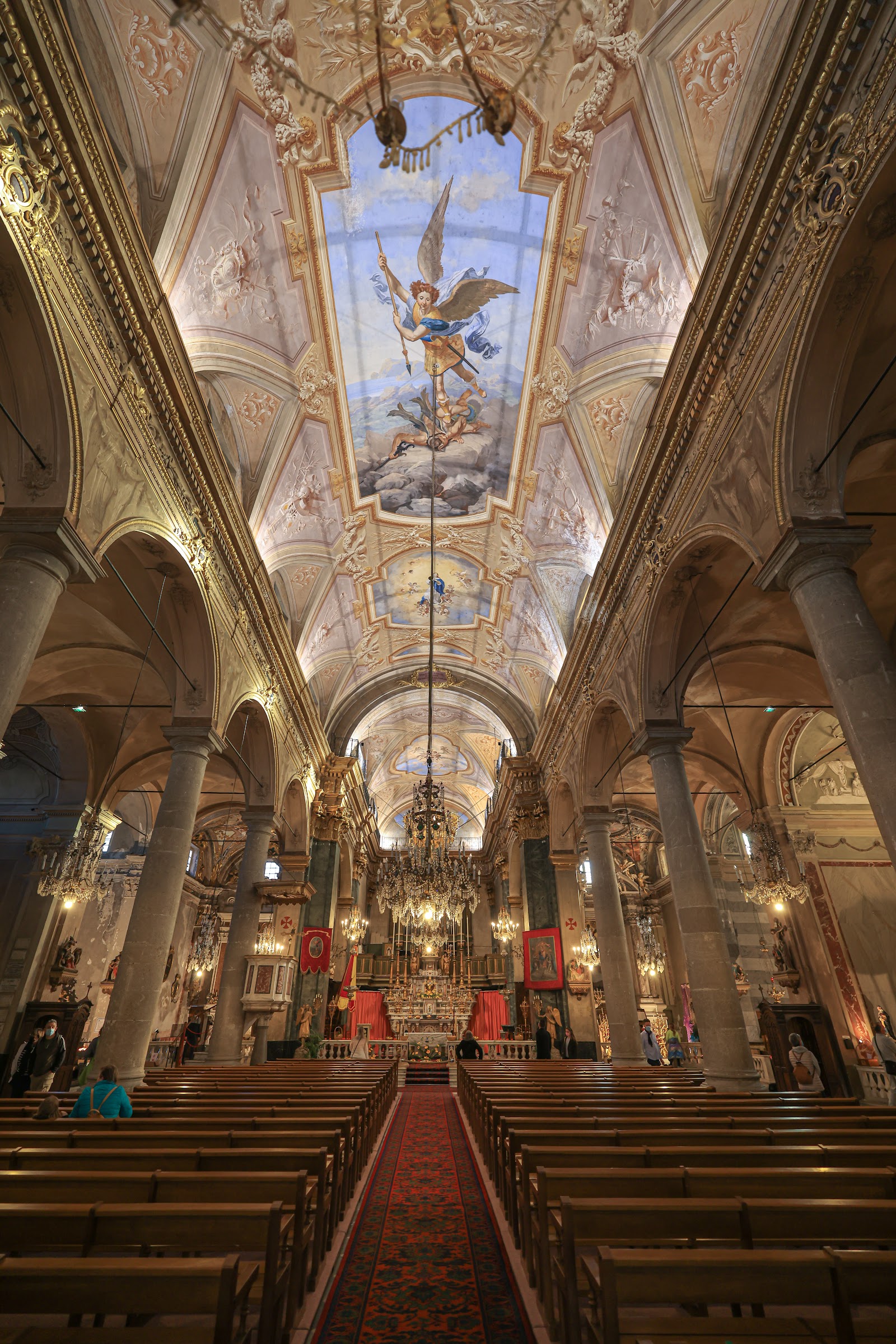
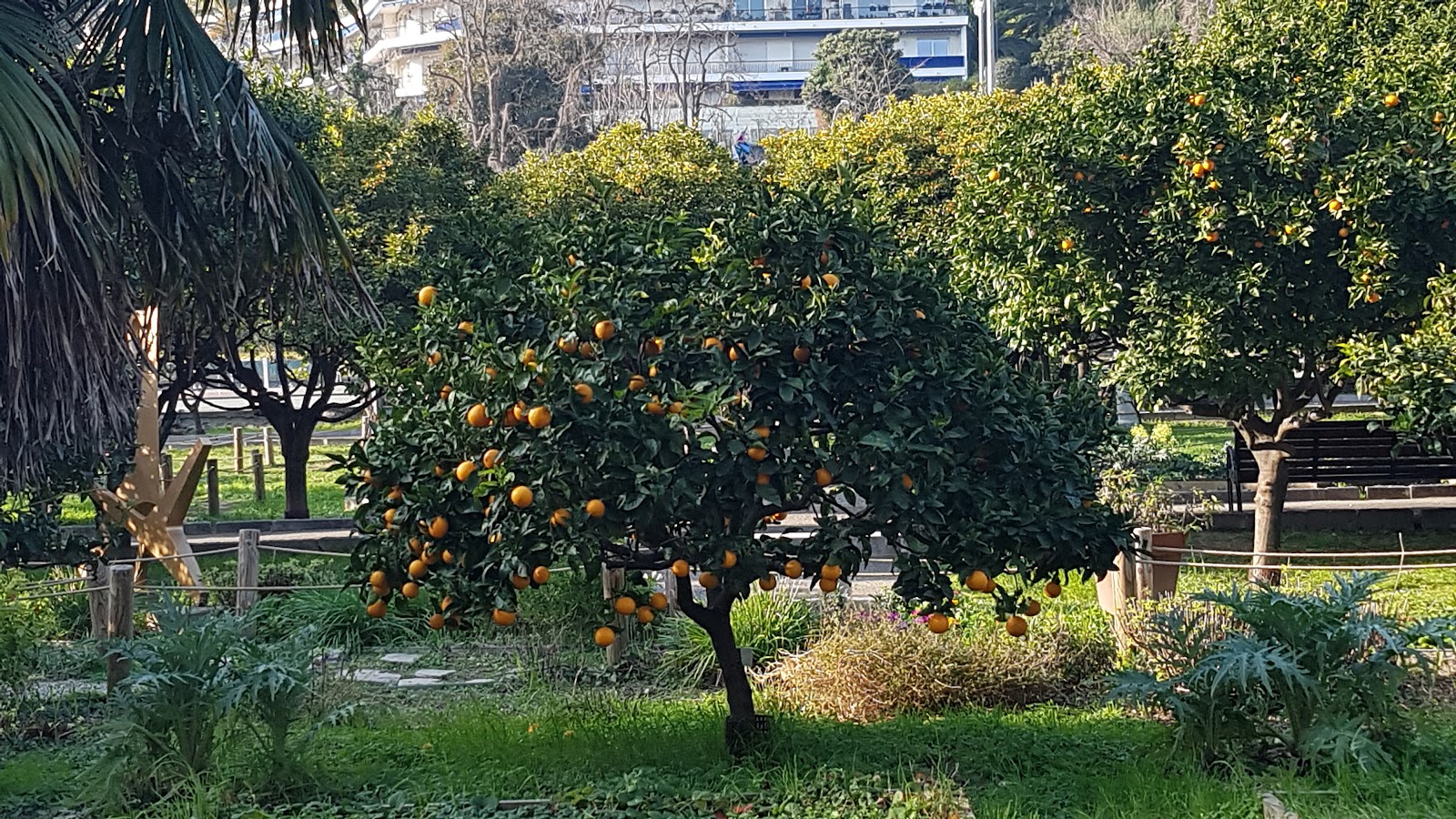
Lemons are the local obsession: the Fête du Citron each February fills the Biovès gardens with sculptures made from thousands of them, and the Palais Carnolès grounds hold what is said to be Europe's largest collection of citrus varieties. The town draws you in slowly, through vaulted lanes, baroque churches and gardens that serious horticulturalists travel far to see.
💛 What travellers fall for
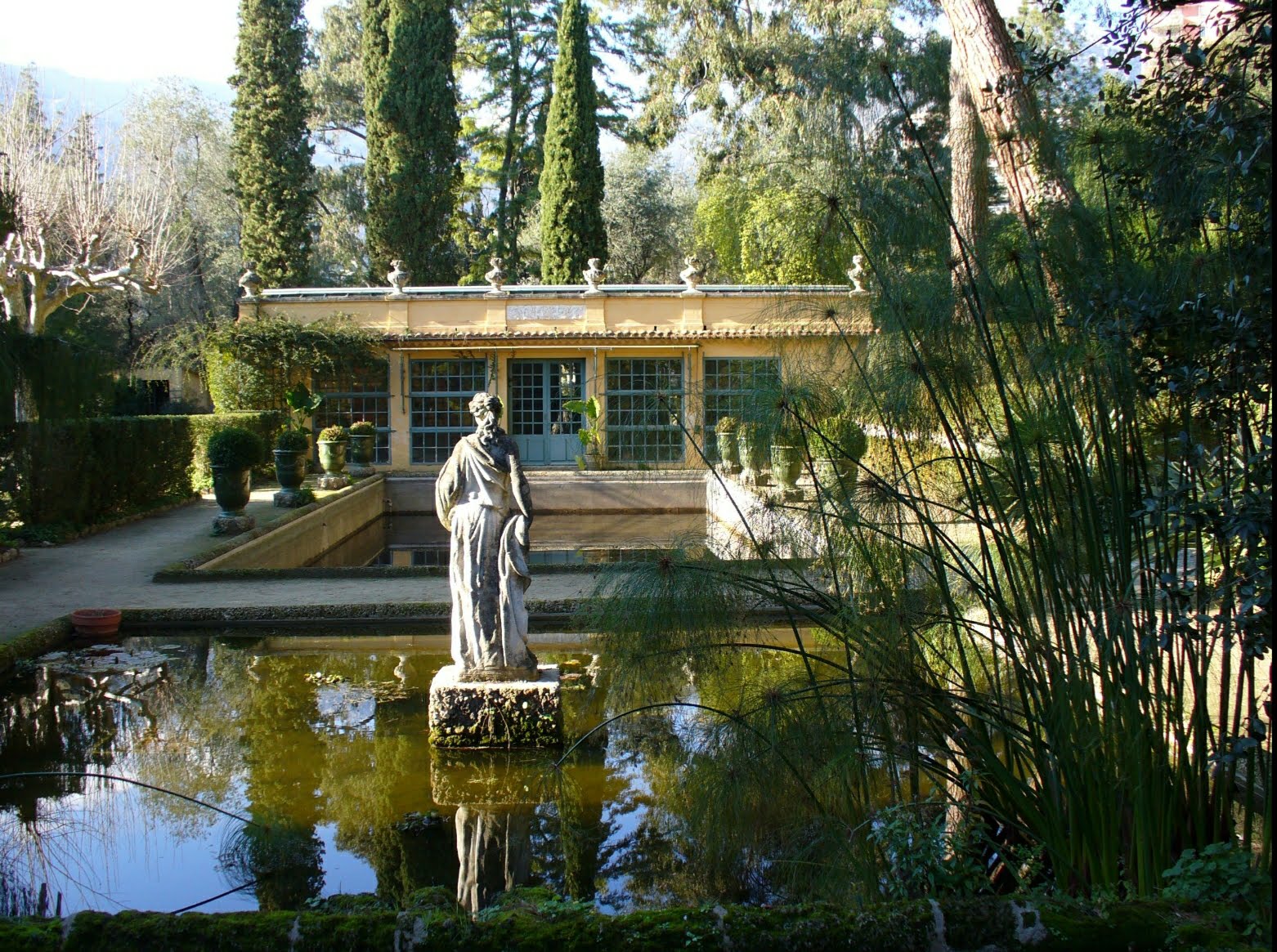
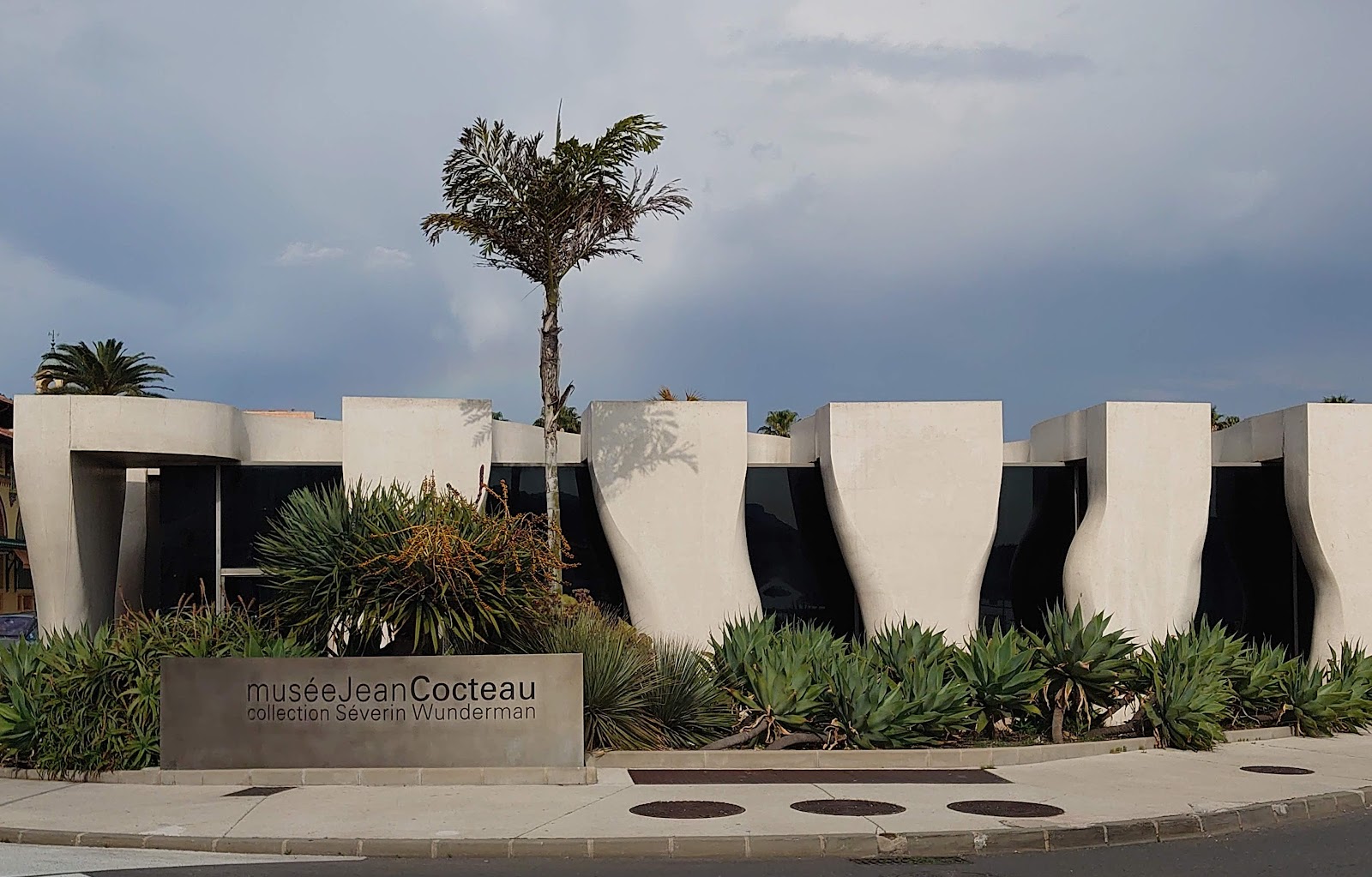
People who return tend to have a garden on their list — the Val Rahmeh botanical garden, the ceramic-tiled Fontana Rosa, or the Serre de la Madone, which earned its 'Remarkable Garden' classification honestly. The Bastion on the harbour wall, where Cocteau himself chose the works on display, is worth the short walk even if you're only half-interested in the artist.
Experiences you don't want to miss



Deals in Menton
Book directly at the provider
How Menton came to be
Menton began as a feudal settlement in the 12th century, passing through Genoese hands before Charles Grimaldi, Lord of Monaco, acquired it in 1346. For centuries it sat on the contested border between the County of Nice and the Republic of Genoa. In 1848, Menton and neighbouring Roquebrune broke from Monaco — partly over a tax on lemon exports — and by April 1860 a plebiscite returned 833 votes for French annexation against 54 opposed. France formally absorbed the town on 2 February 1861.
The town's gentler history runs parallel: when Scottish physician James Henry Bennett published his 1861 treatise praising Menton's climate as a cure for tuberculosis — based on his own recovery after a stay in 1859 — a wave of English and northern European invalids followed, reshaping the town's character entirely. Writers including Flaubert, Maupassant, Stevenson, Zola and Katherine Mansfield found it congenial for work as well as rest.
Who and what shaped it
People who shaped it
Landmark buildings
See Menton in motion
Plan your visit
On the map
When to go
Winters are mild by any northern European standard — sheltered by the Alps, Menton is reliably warmer than Nice — making it a genuine year-round destination. Summer is hot and dry; spring and early autumn bring comfortable temperatures and the gardens at their most rewarding.
Right now
↡ Attractions

Background & history adapted from Wikipedia (CC BY-SA) · specs from Wikidata (CC0) · weather from Open-Meteo · map data © OpenStreetMap contributors · photos from Wikimedia Commons / Unsplash with per-image credit. No third-party reviews or social posts reproduced.