
Jardin Serre de la Madone
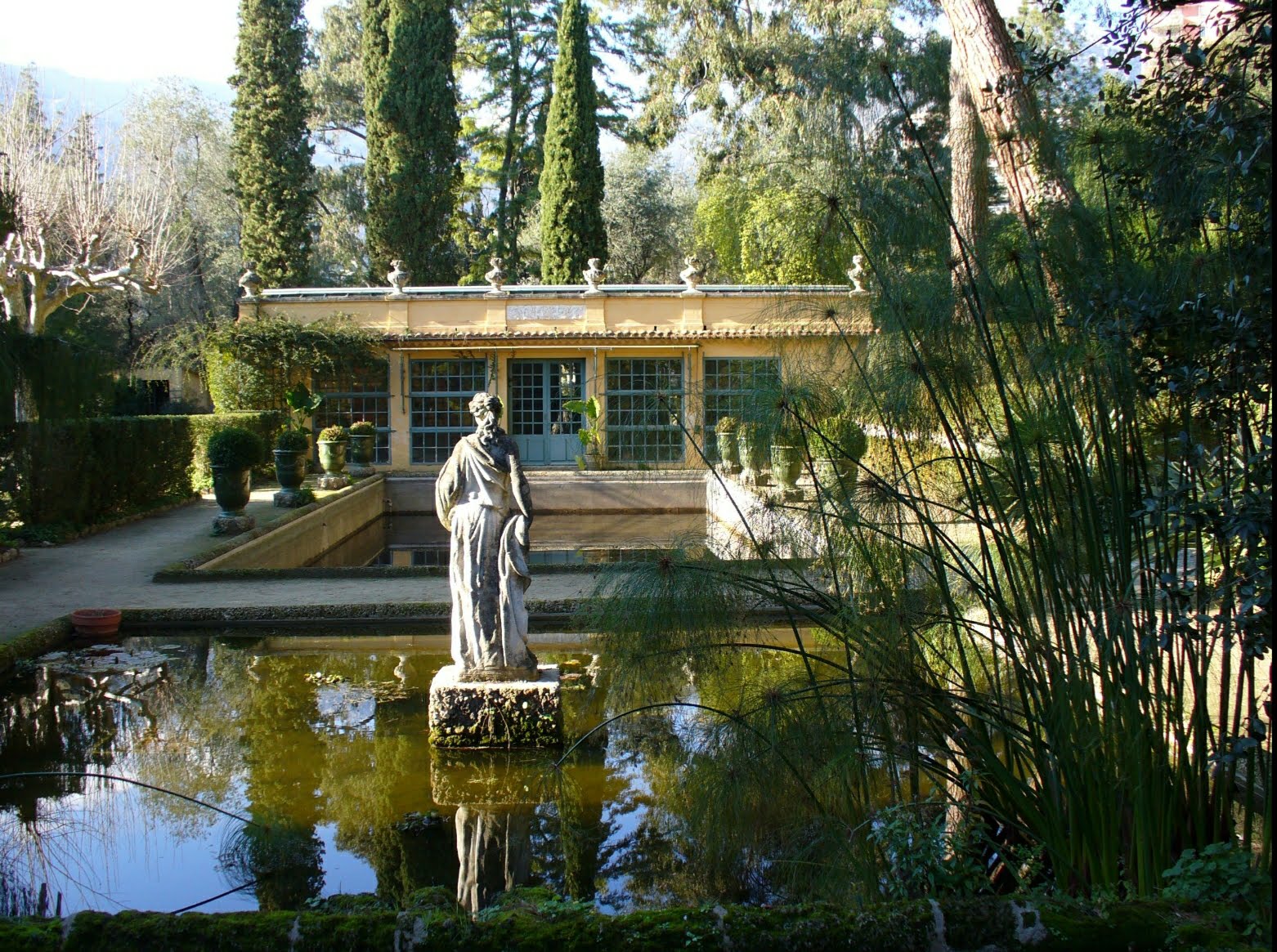
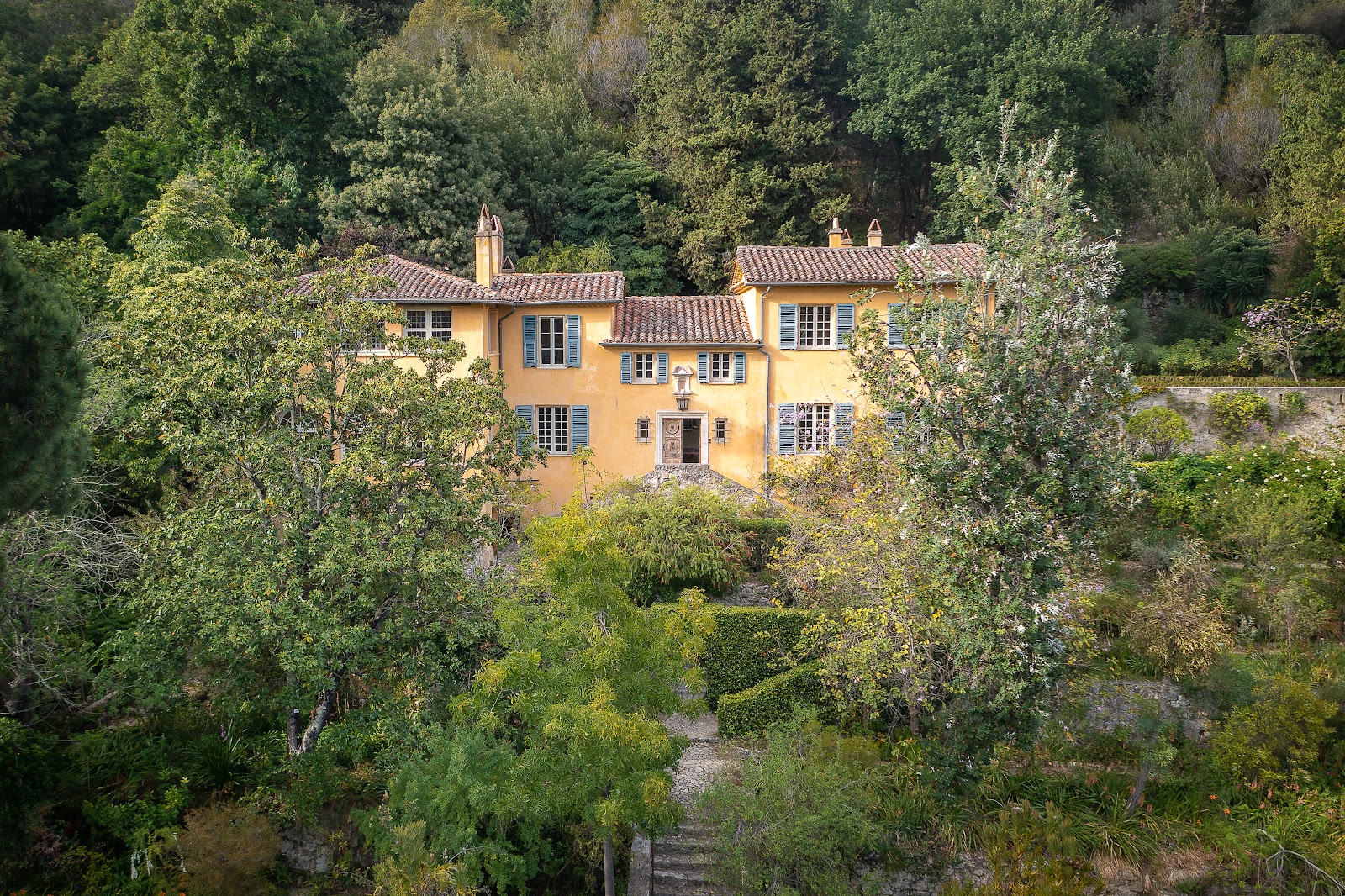
At Serre de la Madone, the terraces climb a hillside above Menton in a series of green rooms — each one a separate thought, planted in the early twentieth century by a man who treated botany as a form of autobiography. Lawrence Johnston arranged the whole thing around an old Provençal farm he gradually enlarged, filling the slopes with cycads, Chinese roses, mahonias, umbrella pines and specimens he collected from East Asia and Africa.
The result is nine hectares of deliberate surprise: you pass through a pergola into a courtyard paved in calade stone, then up a staircase toward a belvedere draped in wisteria, then sideways into something that reads as almost Moorish. Johnston made Hidcote Manor in the Cotswolds famous; this was where he came to push further.
💛 What travellers fall for
Regulars tend to arrive early on a weekday in April or late September, when the light is still gentle and the tour groups haven't come. The guided walk at 3pm, included with entry, is worth timing your afternoon around — the guides know which specimens Johnston actually collected on his plant-hunting expeditions, and the stories change the way you look at the beds.
The story behind Jardin Serre de la Madone
Lawrence Johnston — Franco-American by birth, British by choice, and a soldier before he became a gardener — began shaping this hillside property in the 1920s, working on it through 1939. He was already known for Hidcote Manor in the Cotswolds, but Serre de la Madone gave him a Mediterranean climate to experiment in, and he used it to grow plants that England could never sustain.
After his death in 1958, the property changed hands and fell into neglect over the following decades. It was classified as a Historic Monument in 1990, and in 1999 the Conservatoire du Littoral took ownership, eventually delegating management to the city of Menton and, from 2022, to the Association pour la Sauvegarde des Jardins d'Exception du Mentonnais.
Good to know
Bus line 7 (Zest) from Menton centre drops you at the garden in around ten minutes. The garden is open January through October, closed Mondays and 1 May. Wear proper shoes — the paths are uneven and the terraces are steep. Tickets are bought at the gate; no advance booking.
Spring — particularly late April through early June — is the most rewarding time to visit, when the garden is in bloom and temperatures sit in the comfortable mid-teens Celsius. Late September is equally good: the crowds thin, the colours shift, and the air loses its summer humidity. October can bring short, sharp downpours, and July and August combine heat, humidity and heavy visitor numbers.
Where is Jardin Serre de la Madone?
More tickets & tours for Jardin Serre de la Madone
Book directly at the provider
What travellers say about Jardin Serre de la Madone
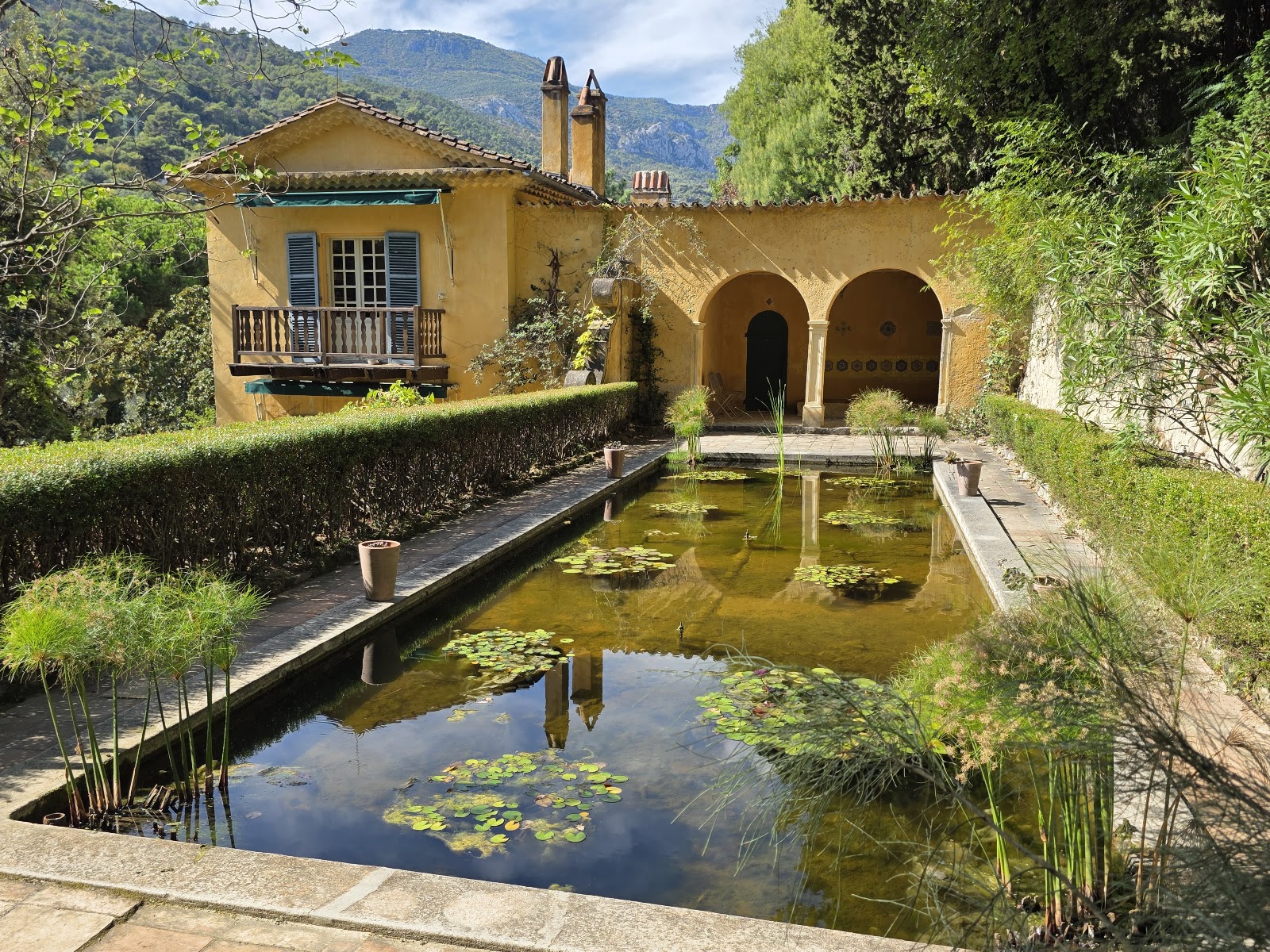
Beautiful garden with a lot to look at. For us, even with the great variety of trees and plants, the most fascinating aspects were not necessarily the botanical side of it as much as the architecture and how the trees etc are integrated into it. We loved to take a paus under the shade in the beautiful belvedere, which offers a lovely view over the villa (which was not open during our visit) and it's surroundings. Even though the garden is divided in different areas it has a lovely wild charm to it, everything flows into everything else. We also loved looking at (and listen to) the frogs in the numerous ponds :) There's a small reception with some drinks and gift shop options. The receptionist gave us great info and a free map of the area. Note: You will do a lot of walking up and down pretty steep steps, which could be good to keep in mind.
Lovely garden with an interesting history. In early spring, the garden is uncrowded and you can experience it as the original owner did, enjoying the views and relaxing on one of the moss-covered benches. Be aware that the property is located on a slope and there are many flights of stone steps throughout the garden. The bus stop is directly at the garden entrance, but the bus schedule is not great, so coming by car makes for easier access.
Truly hidden gem! Beautiful garden with lots of rare plants and unique landscapes. I didn't expect to see the garden designed by Lawrence Jhonston in South France! If you have an interest in garden history this is the place for you.
Yes, it’s a bit wild but the design is good and the plant collection is interesting and beautiful even in winter. We had a lovely time wandering the many paths. There is a small car park - on a Saturday in early February there were empty spaces - but it’s walkable from the town centre. There’s a short stretch just before the garden entrance with no footpath, the rest is footpath all the way.
I think this place was magical, visited April 2022 and I was touched by its calmness and beauty.
More of Menton
Discover where to stay, what to do and the best deals for your trip.
Explore Menton →More attractions in Menton
All of Menton →
Background adapted from Wikipedia (CC BY-SA) · map data © OpenStreetMap contributors · ratings & place photos via Google · other photos with per-image credit. Ticket links may earn us a commission at no extra cost to you.