
Musée Jean Cocteau - Collection Séverin Wunderman
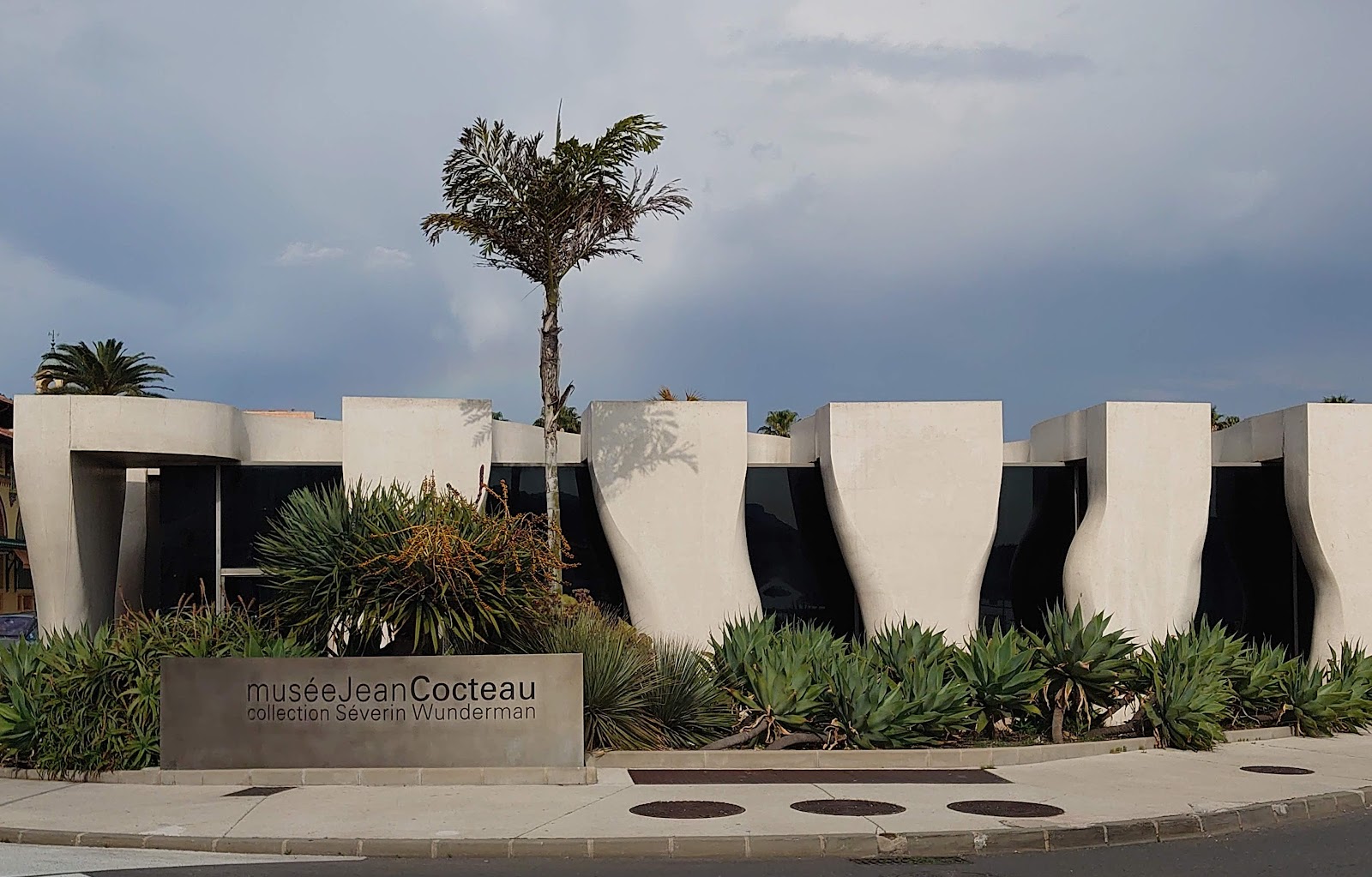
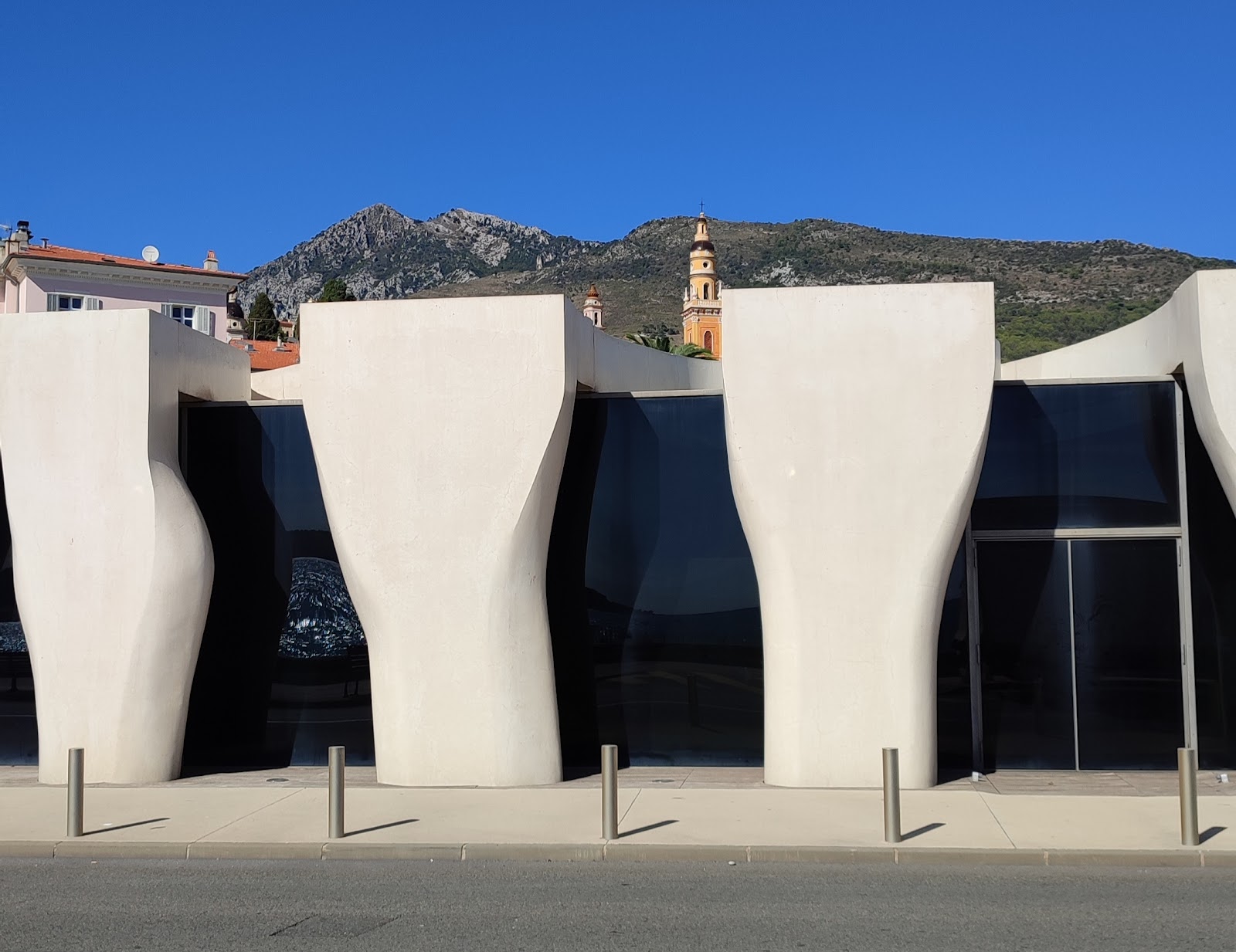
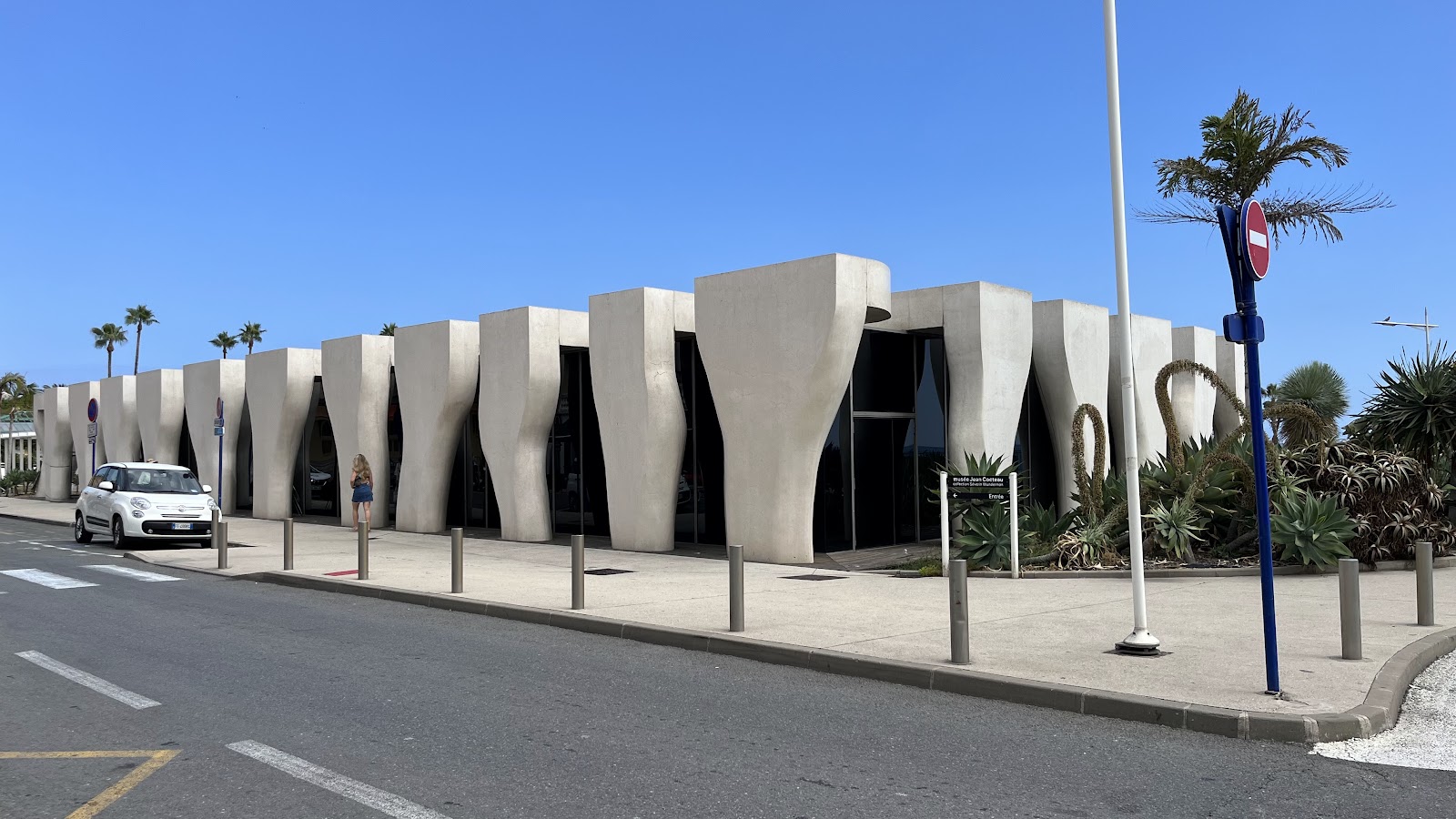
The building that greets you first is a concrete triangle on the seafront, its forecourt paved with a 350-square-metre lizard mosaic drawn from a Cocteau design — an outdoor artwork for a museum that has been closed since a 2018 flood and may not reopen before 2030. So Menton's Cocteau museum is, for now, two things: a striking piece of architecture you can walk around, and a small 17th-century fort nearby where the real visiting happens.
The Bastion — built in 1619, sitting between the port and the Promenade du Soleil — is where Cocteau's hand is still directly present. He designed its interior himself, and it rotates works from the original collection deliberately, because Cocteau insisted nothing should 'take on an air of habit.'
💛 What travellers fall for
People who come back tend to time a visit around whichever temporary show the Bastion is running — there are two each year, and they shift the feel of the space considerably. The free electric shuttle from the SNCF station drops you almost at the door, which matters more than it sounds on a warm afternoon.
The story behind Musée Jean Cocteau - Collection Séverin Wunderman
In 1955, Jean Cocteau came to Menton for a music festival and stayed fond of the place. Two years later, while decorating the town's wedding hall, he found a derelict 17th-century fort on the waterfront. Mayor Francis Palmero proposed a museum; Cocteau agreed, though he rejected the word 'museum' for it. He designed the interior himself but died in 1963, three years before the Bastion opened. His adoptive son Édouard Dermit finished the work according to his directives.
The larger story came later. Séverin Wunderman — an American collector of Belgian origin who had started acquiring Cocteau's work at nineteen and opened the first Cocteau museum in Irvine, California in 1985 — donated 1,800 works to Menton in 2005. Architect Rudy Ricciotti, who had designed the Islamic art wing at the Louvre, won the competition to house them. The new building opened in 2011, flooded in 2018, and has been closed since. In July 2025 the Wunderman Foundation formally requested the return of those 1,800 donated works.
Good to know
The Bastion opens daily except Tuesdays, 10:00–12:30 and 14:00–18:00, for €5 full price. The modern Wunderman building across the way is closed indefinitely. Note that the Bastion is not accessible to visitors with reduced mobility. The free Navette shuttle from Menton-Ville station runs every 20 minutes.
Where is Musée Jean Cocteau - Collection Séverin Wunderman?
More tickets & tours for Musée Jean Cocteau - Collection Séverin Wunderman
Book directly at the provider
What travellers say about Musée Jean Cocteau - Collection Séverin Wunderman
I loved the layout of this museum. It’s accessible by foot and was an aesthetic collection of Jean Cocteau’s works.
Amazing art in a wonderful city. Entry is free the first Sunday of every month.
The website says there is an exhibition. I found a closed place. If the exhibition was moved, They could leave a message .
Closed. This museum is closed indefinitely due to storm damage
Very interesting exhibition of Dufy upstairs and Cocteau downstairs. Definitely worth going to see.
More of Menton
Discover where to stay, what to do and the best deals for your trip.
Explore Menton →More attractions in Menton
All of Menton →
Background adapted from Wikipedia (CC BY-SA) · map data © OpenStreetMap contributors · ratings & place photos via Google · other photos with per-image credit. Ticket links may earn us a commission at no extra cost to you.