
Digne-les-Bains
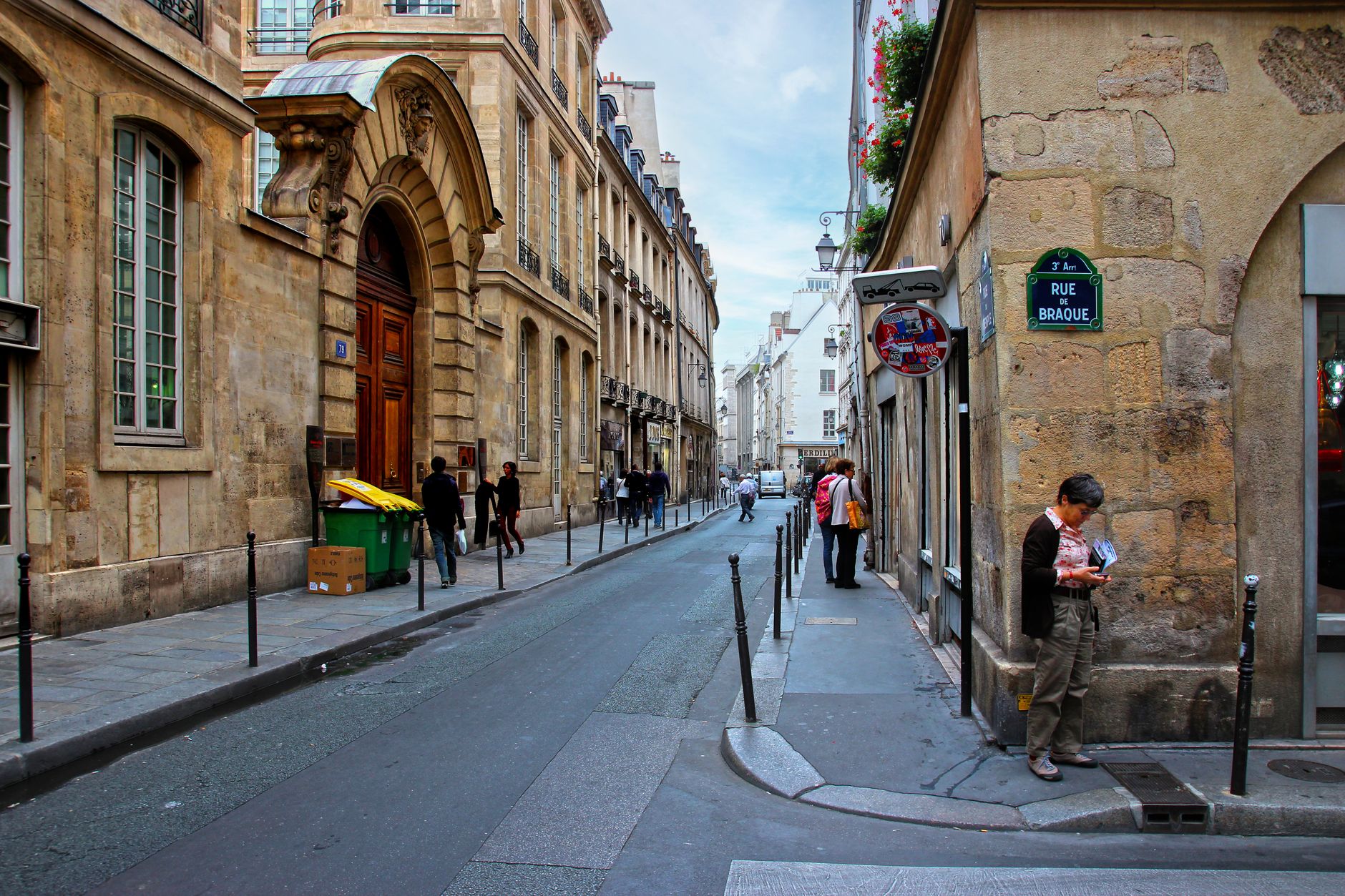
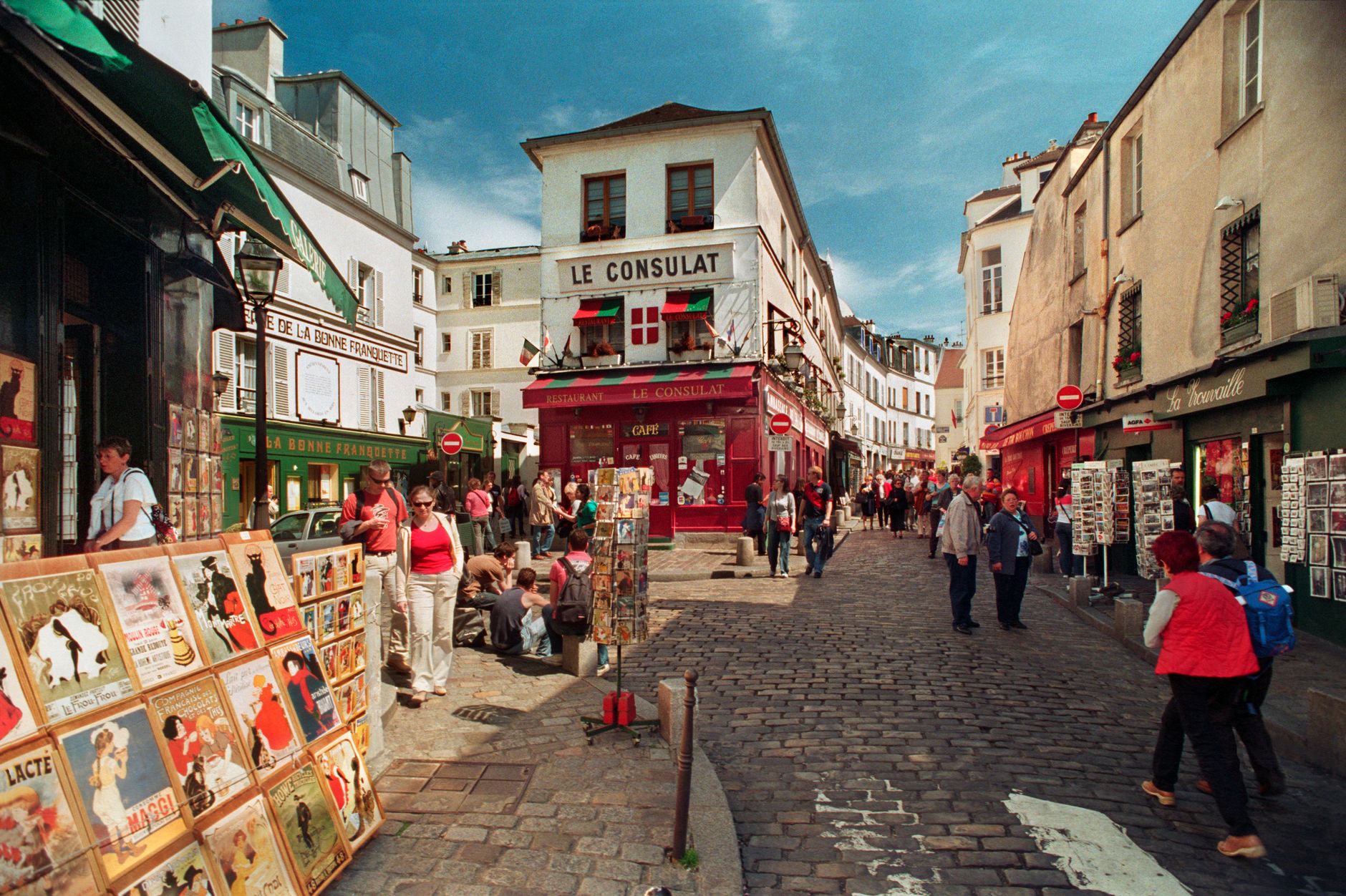
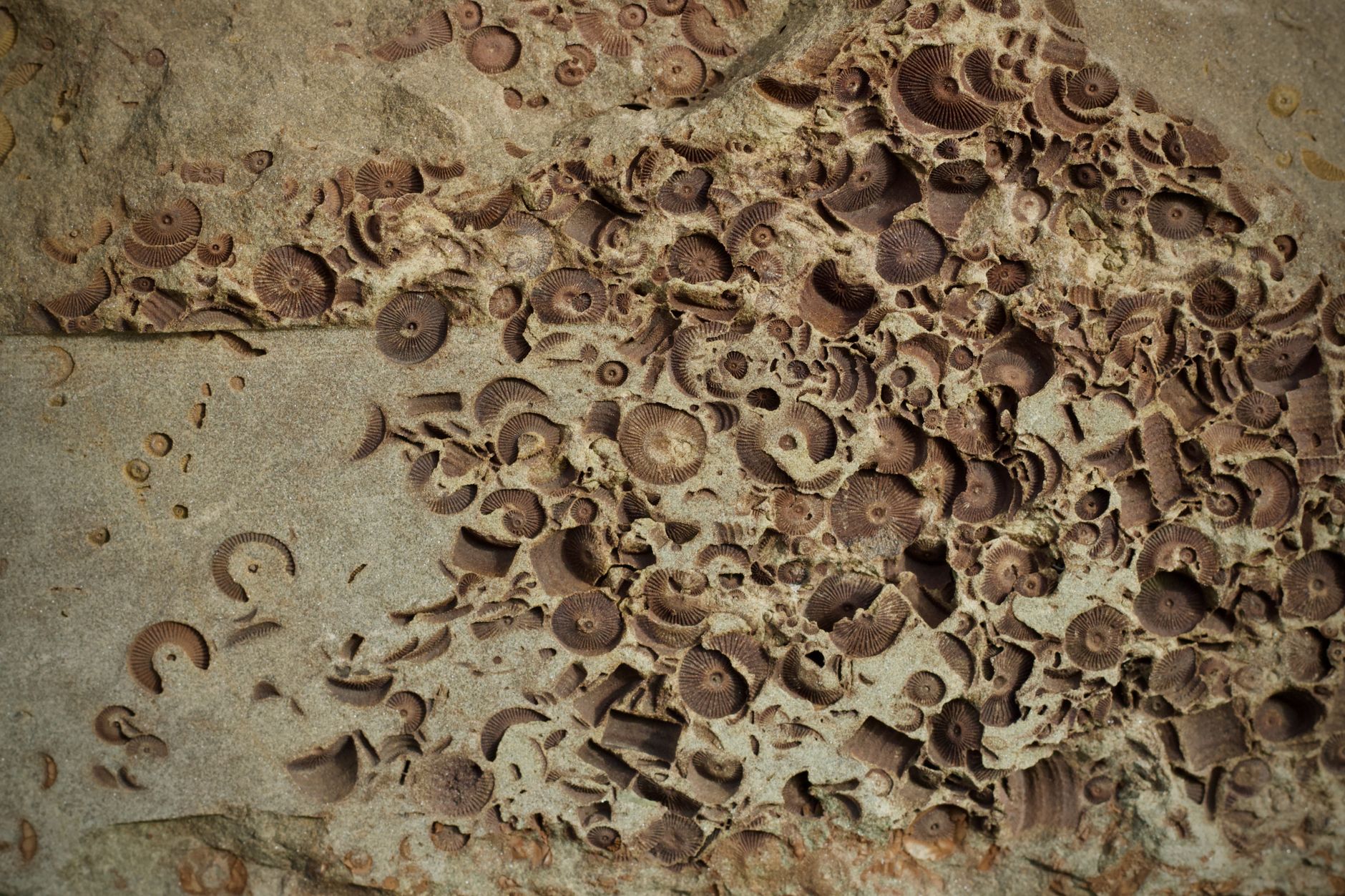
The road into Digne-les-Bains follows the Bléone river through a landscape that keeps surprising you — lavender fields giving way to bare limestone ridges, the air noticeably cooler than the coast an hour behind. This is the capital of the Alpes-de-Haute-Provence, and it carries that role quietly: thermal springs that drew Romans, two cathedrals on the same hill, and a slab of Jurassic rock studded with ammonites that the International Union of Geological Sciences named one of the hundred most significant geological heritage sites on earth.
Digne rewards the kind of traveller who enjoys a place that isn't performing for visitors. The Musée Gassendi pairs 19th-century landscape paintings with contemporary work in a building that opened in 1909. The house where Alexandra David-Néel lived from 1928 until her death still stands. The town moves at its own pace.
💛 What travellers fall for
People who come back tend to time it around the lavender harvest or the Corso de la Lavande in August. They'll tell you to walk up to Notre-Dame-du-Bourg early, before the light shifts off the Romanesque nave, and to check the Musée Gassendi's temporary programme — it punches well above what you'd expect for a town this size.
Experiences you don't want to miss


Deals in Digne-les-Bains
Book directly at the provider
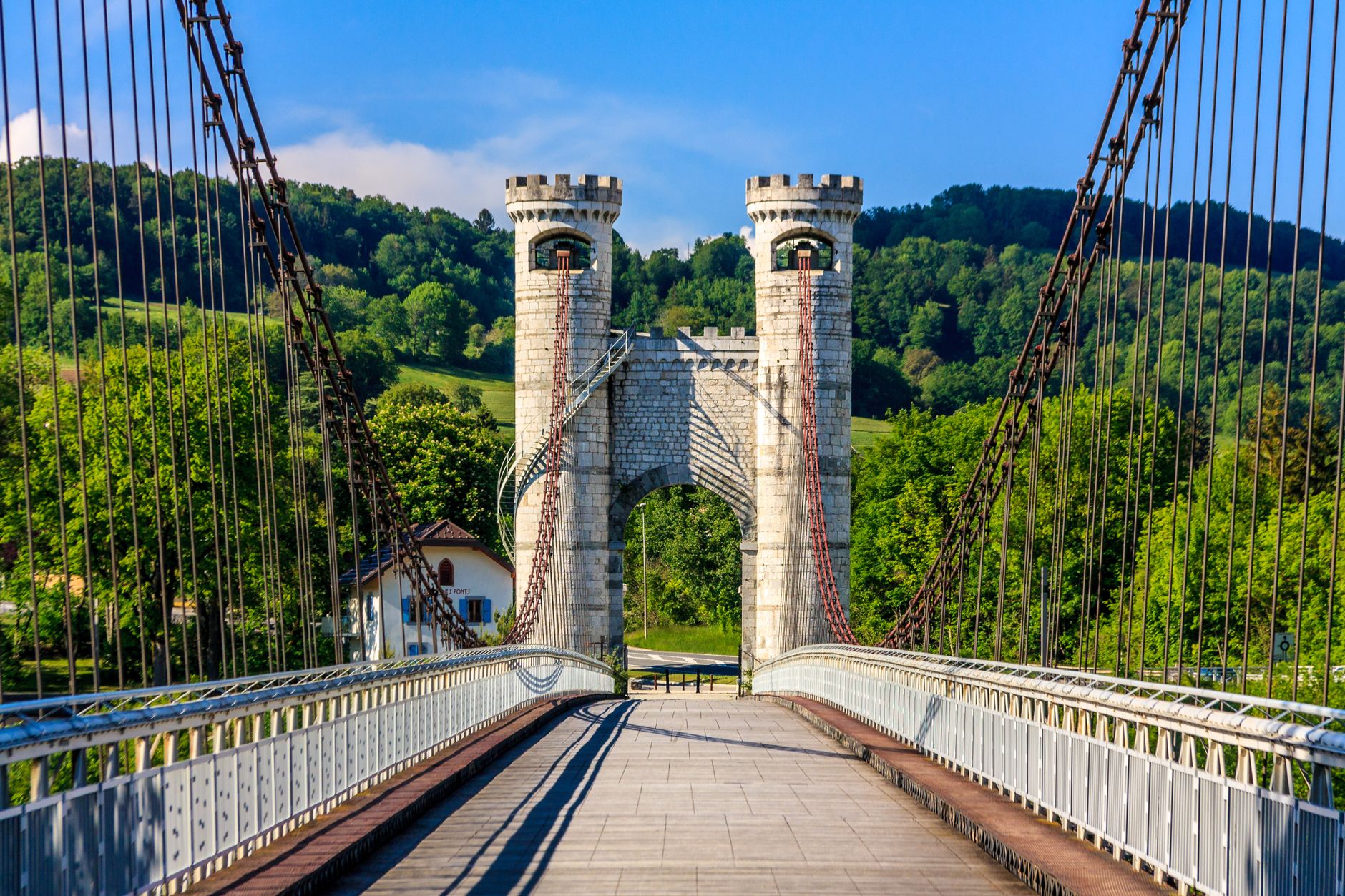
How Digne-les-Bains came to be
Long before the Romans arrived, Digne was the capital of a Ligurian people called the Bodiontici — their name appears carved into the Tropaeum Alpium at La Turbie. The Romans absorbed the settlement as Dinia in the 1st century, and its thermal springs made it a reliable stop on the commercial routes through the Alps. By 780 it was recorded as Digna, and it has held an episcopal see since at least the 6th century.
In early March 1815, Napoleon passed through on his march north from Elba, the opening movement of the Hundred Days. On 16 August 1944, American P-47 Thunderbolts bombed the town targeting the bridge over the Bléone; twenty-four civilians died. Three days later, Taskforce Butler — a motorised detachment from the 36th and 45th U.S. infantry divisions, supported by Resistance fighters — liberated the city.
Who and what shaped it
People who shaped it
Landmark buildings
See Digne-les-Bains in motion
Plan your visit
On the map
When to go
Summers are warm and dry, with the lavender fields at their peak in July. Spring and early autumn are cooler and clear, good for walking the surrounding terrain. Winters can be sharp — the altitude sits around 600 metres — and some facilities run reduced hours.
Right now
Background & history adapted from Wikipedia (CC BY-SA) · specs from Wikidata (CC0) · weather from Open-Meteo · map data © OpenStreetMap contributors · photos from Wikimedia Commons / Unsplash with per-image credit. No third-party reviews or social posts reproduced.